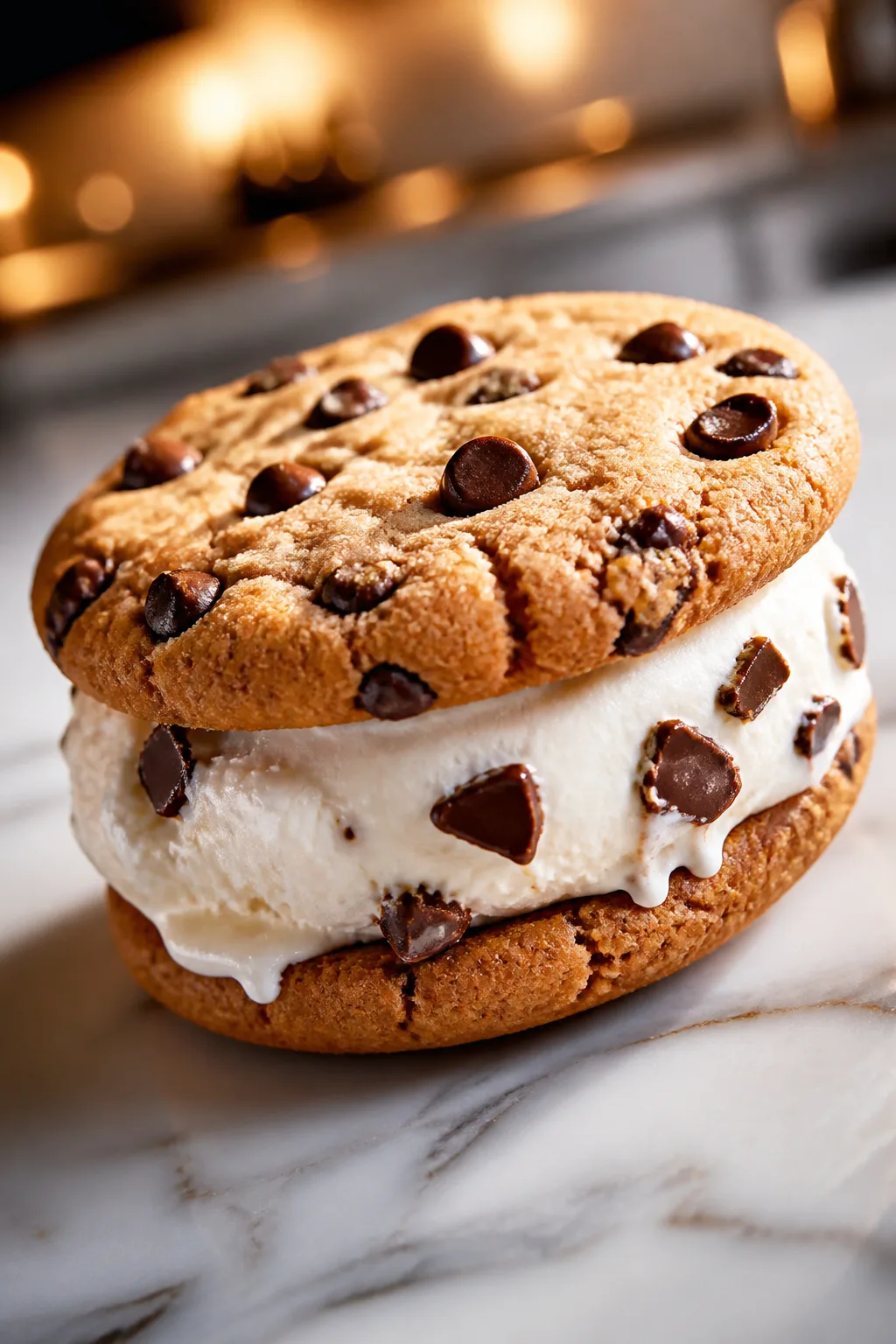
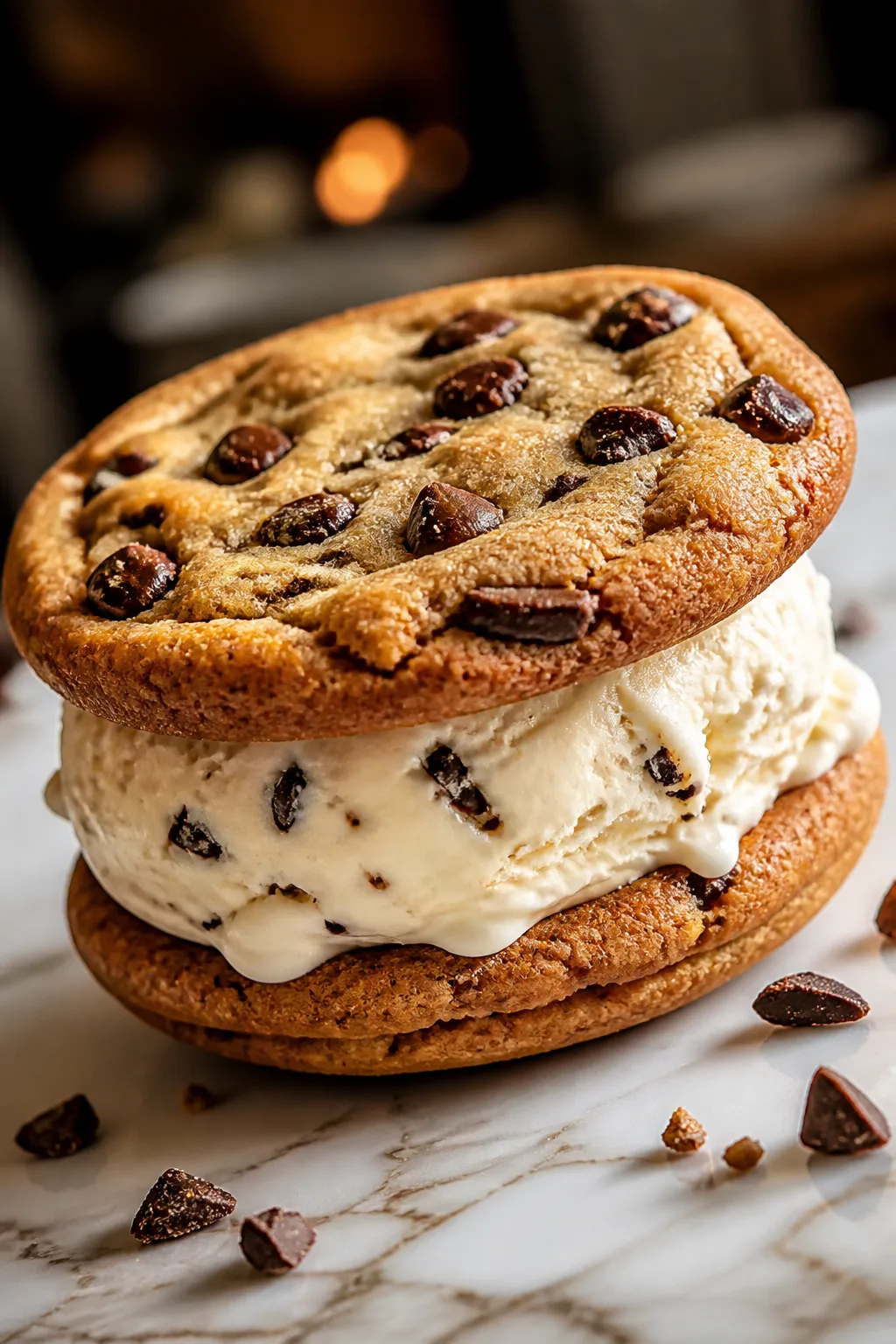
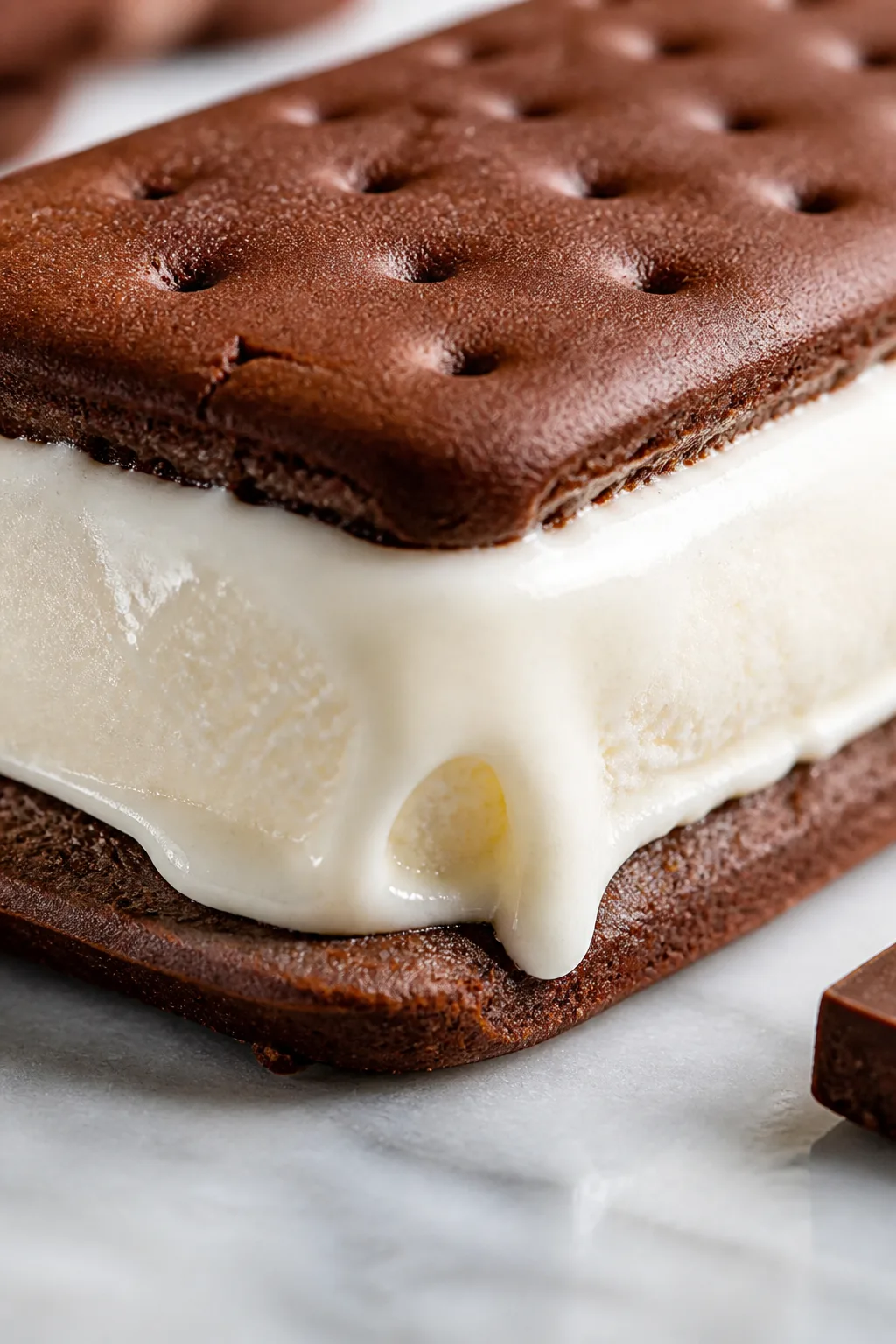
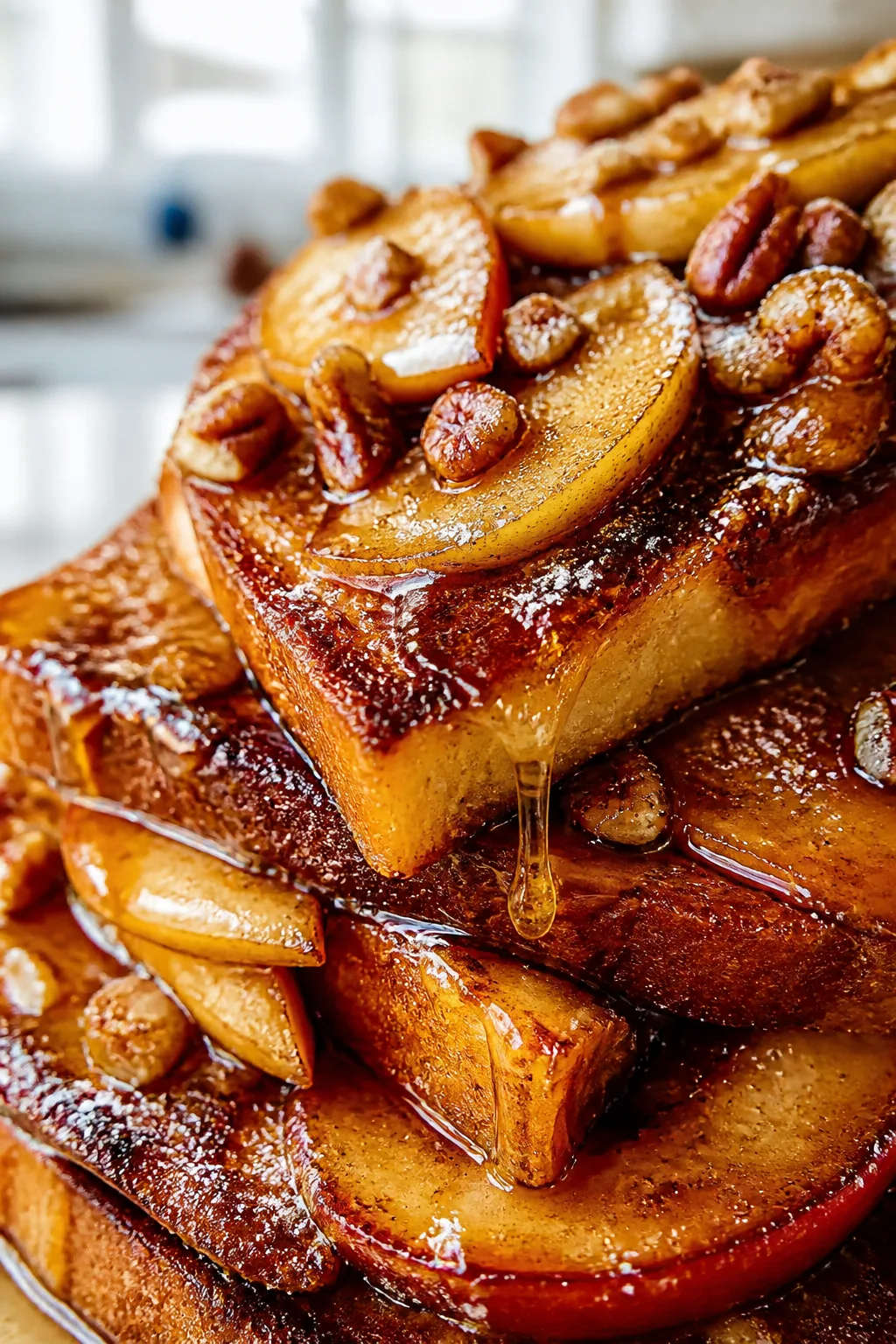
This homemade ice cream sandwich is a nostalgic treat with soft, chewy cookies and creamy vanilla ice cream. Using brown sugar in the cookies adds a subtle depth that makes it extra special. Perfect for summer afternoons or anytime you need a sweet pick-me-up!
Introduction
I’ve been making ice cream sandwiches since I was a kid, and honestly, there’s something so comforting about biting into soft cookies with creamy ice cream in the middle. This recipe is my go-to because it nails that chewy cookie texture without being too sweet or crumbly. I learned early on that using brown sugar instead of just white sugar gives the cookies a richer flavor and a perfect chew. Plus, chilling the cookie dough before baking really helps keep them from spreading too thin, so you get that ideal sandwich size. When you make these, expect a nostalgic treat that’s both easy and impressive. They’re great for summer barbecues, family gatherings, or just a simple dessert to enjoy any time. I love how the vanilla ice cream melts just enough between the warm cookies, creating a little mess but a lot of smiles. Trust me, once you try this recipe, it’ll be your new favorite way to enjoy ice cream.
What You'll Need
Approximately 8 sandwiches
- 1 cup unsalted butter, softened
- 1 cup brown sugar, packed
- 1/2 cup granulated sugar
- 2 large eggs
- 1 teaspoon vanilla extract
- 2 1/2 cups all-purpose flour
- 1 teaspoon baking soda
- 1/2 teaspoon salt
- 2 cups vanilla ice cream, slightly softened
How To Do It
Step 1
Start by creaming the softened butter with both the brown and granulated sugars until the mixture is light and fluffy. This usually takes about 3 to 5 minutes with an electric mixer on medium speed. Creaming the butter and sugars properly is crucial because it incorporates air into the dough, which helps the cookies rise and gives them a tender texture. If you rush this step or don’t mix enough, your cookies might turn out dense or heavy. Watch for the color to lighten and the texture to become smooth and creamy before moving on.
⏱ Time: 5 minutes
✓ Doneness: Mixture looks pale and fluffy, with no visible sugar granules
Step 2
Add the eggs one at a time, mixing well after each addition, then stir in the vanilla extract. Eggs add moisture and help bind the dough together, while vanilla brings that warm, inviting flavor. Mixing them in slowly ensures everything blends evenly. If you add eggs too quickly or skip beating after each addition, the dough can curdle or separate, which affects the final cookie texture. Once combined, the dough should look smooth and glossy.
⏱ Time: 3 minutes
✓ Doneness: Dough appears smooth and slightly shiny, with no streaks of egg
Step 3
In a separate bowl, whisk together the all-purpose flour, baking soda, and salt. This dry mix ensures even distribution of the leavening agent and seasoning, which is key for consistent cookie texture and flavor. Baking soda helps the cookies spread and brown properly, while salt balances sweetness. Make sure to sift or whisk thoroughly to avoid clumps, which can cause uneven baking spots.
⏱ Time: 2 minutes
✓ Doneness: Dry ingredients are well combined with no lumps
Step 4
Gradually add the dry ingredients to the wet mixture, mixing on low speed until just combined. Overmixing at this stage can develop gluten, making cookies tough rather than tender. So, mix until you no longer see flour, but stop as soon as the dough comes together. The dough should be thick and slightly sticky but manageable. If it’s too sticky, a brief chill can help.
⏱ Time: 3 minutes
✓ Doneness: Dough is uniform in color and texture, sticking slightly to fingers
Step 5
Cover the dough with plastic wrap and chill it in the refrigerator for at least 30 minutes. Chilling firms up the dough, which prevents the cookies from spreading too much in the oven, resulting in perfectly sized rounds for your sandwiches. It also helps the flavors meld. Skipping this step often leads to thin, crispy cookies rather than soft and chewy ones.
⏱ Time: 30 minutes
✓ Doneness: Dough is firm and cold to the touch
Step 6
Preheat your oven to 350°F (175°C) and line baking sheets with parchment paper. Using a tablespoon or small cookie scoop, portion out dough balls onto the sheets, spacing them about 2 inches apart. Flatten each ball slightly with your fingers or the bottom of a glass to encourage even baking. Uniform size helps the cookies bake evenly and match up well for sandwiches later.
⏱ Time: 10 minutes
✓ Doneness: Dough balls are evenly spaced and slightly flattened
Step 7
Bake the cookies for 10 to 12 minutes until the edges are set but the centers still look soft. The cookies will continue to firm up as they cool, so don’t overbake or they’ll become hard. Watch closely during the last few minutes; the cookies should be golden around the edges with a slightly pale center. This ensures a chewy texture perfect for sandwiching ice cream.
⏱ Time: 12 minutes
✓ Doneness: Edges are golden, centers look just set but not browned
Step 8
Let the cookies cool completely on the baking sheet for 5 minutes, then transfer to a wire rack to cool fully. Cooling on the sheet first allows them to firm up so they don’t break when moved. Fully cooled cookies will hold the ice cream better without melting too quickly.
⏱ Time: 20 minutes
✓ Doneness: Cookies feel firm but still soft, no warmth remains
Step 9
Once cookies are cool, spread or scoop a generous layer of slightly softened vanilla ice cream onto the flat side of one cookie, then top with another cookie, pressing gently to spread the ice cream evenly. Wrap each sandwich in plastic wrap and freeze for at least 1 hour before serving. This step lets the ice cream firm up and the flavors meld, making the sandwiches easier to eat and less messy.
⏱ Time: 15 minutes prep + 1 hour freezing
✓ Doneness: Ice cream is firm and sandwiches hold together without leaking
Pro Tips
Chill your cookie dough for at least 30 minutes before baking.
Chilling solidifies the fats, which controls spreading during baking and helps develop a better texture. It also allows the flour to hydrate, improving flavor and chewiness. Skipping this can lead to thin, crispy cookies that crumble too easily.
Use parchment paper or silicone mats to line your baking sheets.
These surfaces prevent sticking and promote even baking. They also make cleanup easier and help cookies bake evenly without burning on the bottom.
Scoop dough balls evenly using a cookie scoop or tablespoon.
Uniform cookie sizes ensure even baking times and consistent sandwich sizes. Uneven cookies can lead to some being underbaked or overbaked.
Let cookies cool completely before adding ice cream.
Warm cookies will melt the ice cream too quickly, causing soggy sandwiches. Cooling firms the cookies, making them sturdy enough to hold the ice cream without falling apart.
Slightly soften ice cream before assembling sandwiches.
Softened ice cream spreads easily and sticks to the cookies better. If too hard, it can crack the cookies when pressing; if too melted, it will drip and make sandwiches messy.
Wrap assembled sandwiches tightly in plastic wrap before freezing.
This prevents freezer burn and keeps the sandwiches fresh. It also helps the ice cream firm up evenly, making them easier to handle and eat.
Store sandwiches in a single layer or separated by parchment paper.
Stacking sandwiches without separation can cause them to stick together, ruining their shape and texture. Parchment paper prevents this and keeps them looking nice.
Common Mistakes to Avoid
Using melted butter instead of softened butter
Why it happens Some cooks think melted butter is faster or easier, but it changes the dough’s structure.
Fix Always use butter at room temperature and cream it with sugar to trap air. This creates a lighter, chewier cookie. Melted butter leads to flat, greasy cookies that spread too much.
Skipping dough chilling
Why it happens Impatience or lack of planning can lead to skipping this step.
Fix Plan ahead and chill dough for at least 30 minutes. This controls spreading and improves texture. If short on time, freeze dough balls for 15 minutes before baking.
Overbaking cookies
Why it happens Leaving cookies in the oven too long to get a crisp edge.
Fix Remove cookies when edges are golden but centers still look soft. They’ll firm up as they cool. Overbaking causes dry, hard cookies unsuitable for sandwiches.
Adding ice cream to warm cookies
Why it happens Rushing assembly before cookies cool.
Fix Cool cookies completely on a wire rack. Warm cookies melt ice cream too fast, making sandwiches messy and soggy.
Using ice cream that’s too hard or too melted
Why it happens Not softening ice cream before assembling or leaving it out too long.
Fix Let ice cream sit at room temperature for 5-10 minutes until soft but not melted. This makes spreading easier and prevents breaking cookies.
Variations
Chocolate Chip Ice Cream Sandwich
Swap plain cookies for classic chocolate chip cookies to add a familiar, sweet crunch. The chocolate chips add texture and flavor that pairs beautifully with vanilla ice cream. Expect a slightly more textured cookie with bursts of chocolate in every bite.
Note: You may need to reduce baking time slightly as chocolate chip cookies can brown faster. Watch edges closely.
Peanut Butter Ice Cream Sandwich
Add 1/2 cup creamy peanut butter to the cookie dough for a nutty twist. This variation offers a rich, savory balance to the sweet ice cream. Great for peanut butter lovers looking for a nostalgic flavor combo.
Note: Peanut butter makes dough denser; chill longer before baking to avoid spreading.
Mint Chocolate Ice Cream Sandwich
Use mint chocolate chip ice cream instead of vanilla and add a few tablespoons of cocoa powder to the cookie dough. This creates a refreshing and chocolaty treat perfect for warm days or holiday parties.
Note: Cocoa powder can dry dough; add a tablespoon of milk if dough feels too stiff.
Oatmeal Raisin Ice Cream Sandwich
Replace half the flour with rolled oats and add raisins for a hearty, chewy cookie. This version adds texture and a touch of natural sweetness that complements vanilla or cinnamon ice cream well.
Note: Oatmeal dough is thicker; chill thoroughly to help with shaping and spreading.
Gluten-Free Ice Cream Sandwich
Use a gluten-free all-purpose flour blend in place of regular flour and ensure your baking soda is gluten-free. This makes the recipe accessible without sacrificing the chewy texture and flavor.
Note: Gluten-free dough may be more crumbly; chill longer and handle gently when shaping.
Nutrition
Per Serving:
Nutritional values are estimates and may vary based on specific ingredients used.
Storage & Tips
Room Temperature
Ice cream sandwiches should not be left at room temperature for more than 15 minutes as the ice cream will melt. Keep them wrapped and chilled until ready to serve to maintain texture and prevent sogginess.
Refrigerator
Store sandwiches in an airtight container for up to 2 days. Keep in the coldest part of the fridge but note the ice cream will soften and texture may suffer. Best served chilled or refrozen briefly before eating.
Freezer
Freeze sandwiches tightly wrapped in plastic wrap and placed in a freezer-safe container for up to 3 months. Prevent freezer burn by removing excess air. Thaw in the fridge for 10-15 minutes before serving for best texture.
Reheating
Reheating is not recommended as it melts the ice cream. Instead, let sandwiches sit at room temperature for 5-10 minutes before eating to soften the ice cream slightly.
Make Ahead
Bake cookies up to 2 days in advance and store in an airtight container. Assemble sandwiches and freeze at least 1 hour before serving. This makes last-minute dessert stress-free and quick.
FAQ
Can I use store-bought cookies instead of baking my own?
Yes, you can use store-bought cookies, but homemade cookies usually have a softer, chewier texture that pairs better with ice cream. Store-bought cookies can be too hard or brittle, making sandwiches harder to eat and less enjoyable.
What if my dough is too sticky to handle?
If the dough is sticky, chill it for an additional 15-30 minutes. Chilling firms up the dough and makes it easier to scoop and shape. You can also lightly flour your hands or scoop to prevent sticking.
Can I use different ice cream flavors?
Absolutely! Vanilla is classic, but feel free to experiment with chocolate, strawberry, or any favorite flavor. Just make sure the ice cream is slightly softened for easy spreading and assembly.
How long do ice cream sandwiches last in the freezer?
Properly wrapped and stored, they can last up to 3 months. After that, they may develop freezer burn or off flavors. For best taste and texture, consume within the first month.
Why did my cookies turn out flat and crispy?
This usually happens if the dough wasn’t chilled or if you used melted butter. Chilling the dough solidifies fats and controls spreading. Using softened butter and creaming it properly also helps maintain cookie structure.
Can I make these dairy-free or vegan?
You can substitute vegan butter and use dairy-free ice cream to make this recipe vegan. Keep in mind that texture and flavor might vary slightly, but it still makes a delicious treat.
Is it okay to freeze the cookies before assembling?
Yes! You can freeze baked cookies in an airtight container for up to a month. Thaw them completely before assembling sandwiches to avoid melting the ice cream too quickly.
How do I prevent the ice cream from melting too fast when assembling?
Work quickly and keep the ice cream slightly softened but not melted. Also, chill the cookies completely and assemble in a cool area. Wrapping sandwiches tightly and freezing them promptly helps keep everything firm.
Final Thoughts
I hope you enjoy making and sharing these ice cream sandwiches as much as my family does! They’re simple, nostalgic, and always a hit—give them a try and let me know how yours turn out.