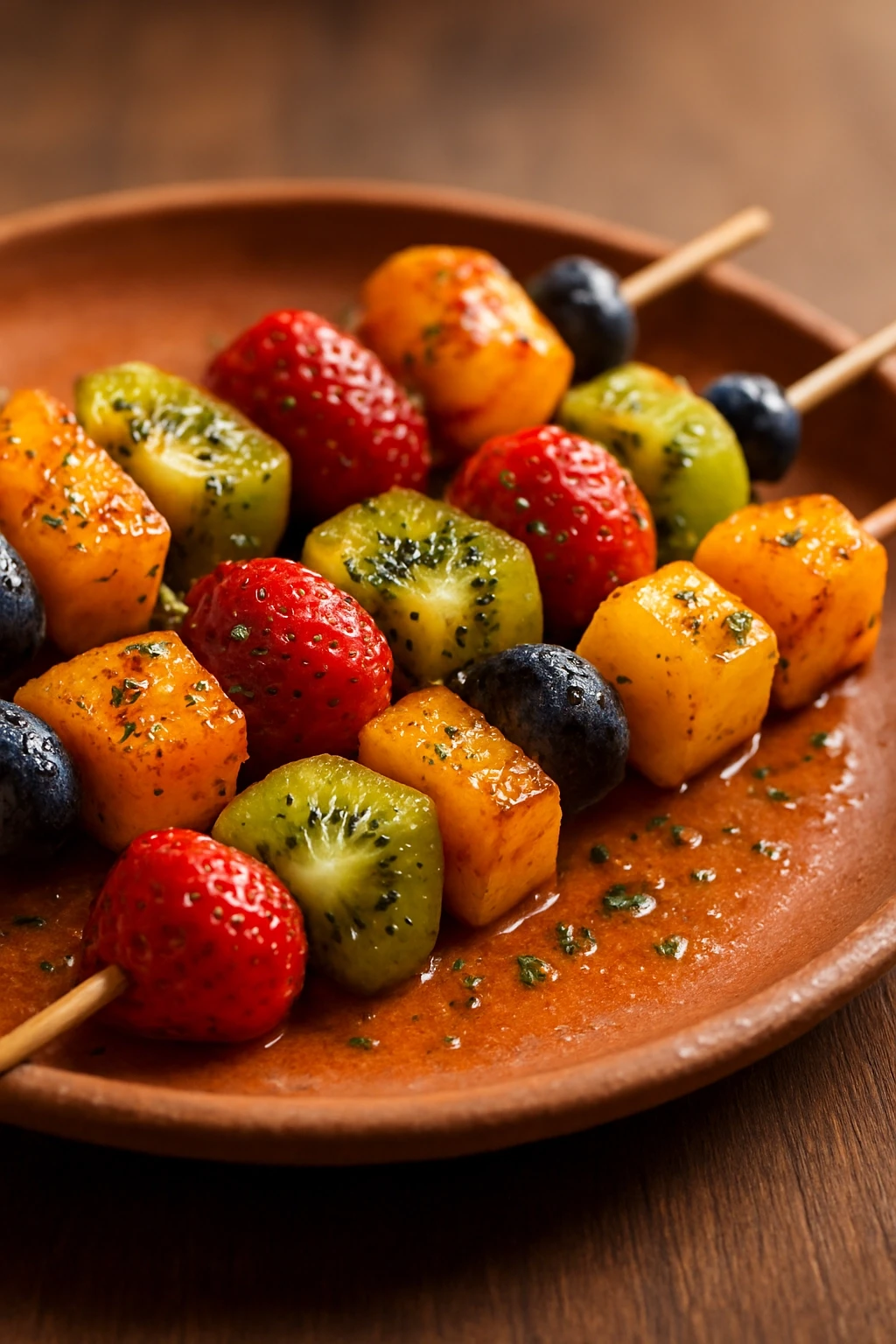
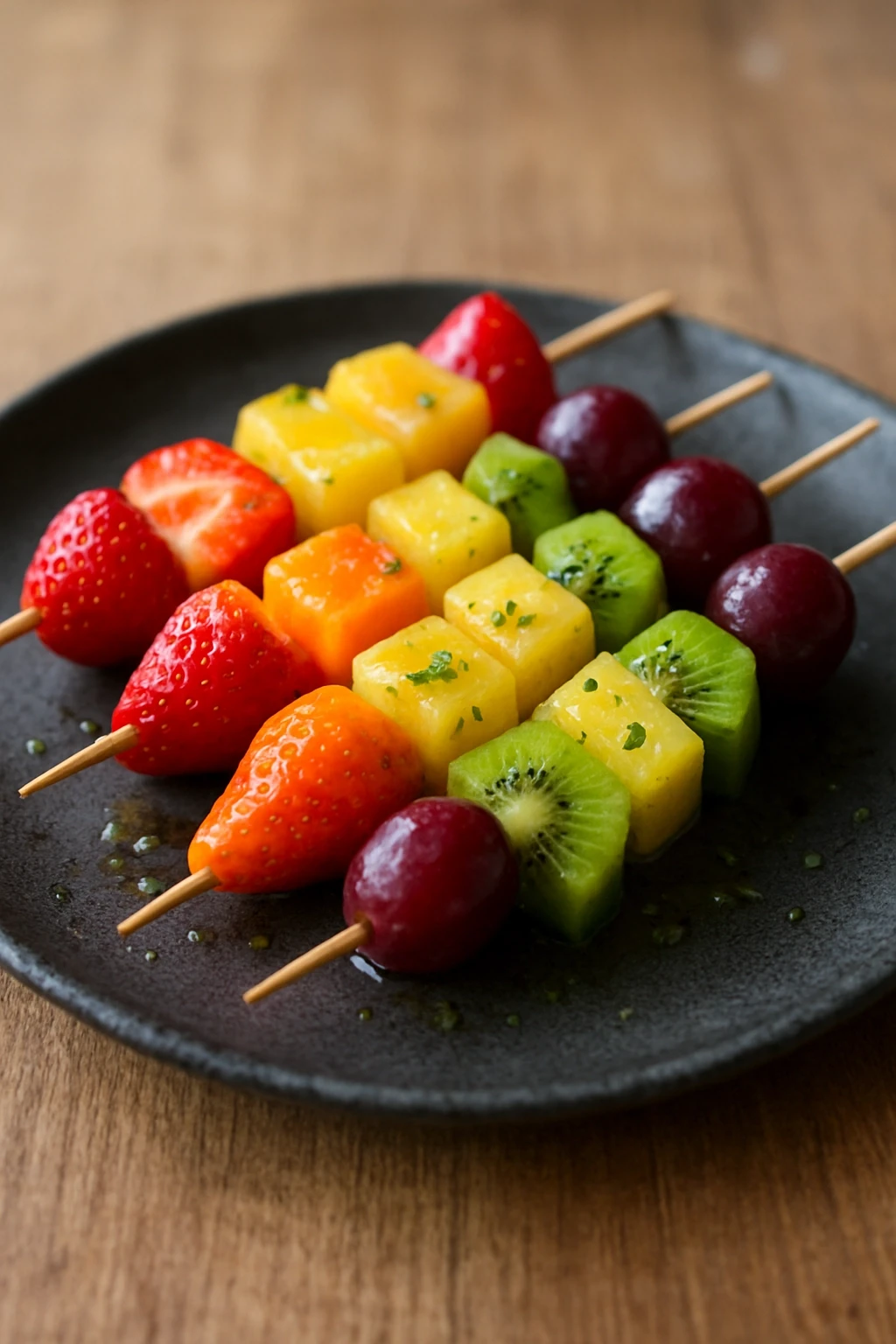
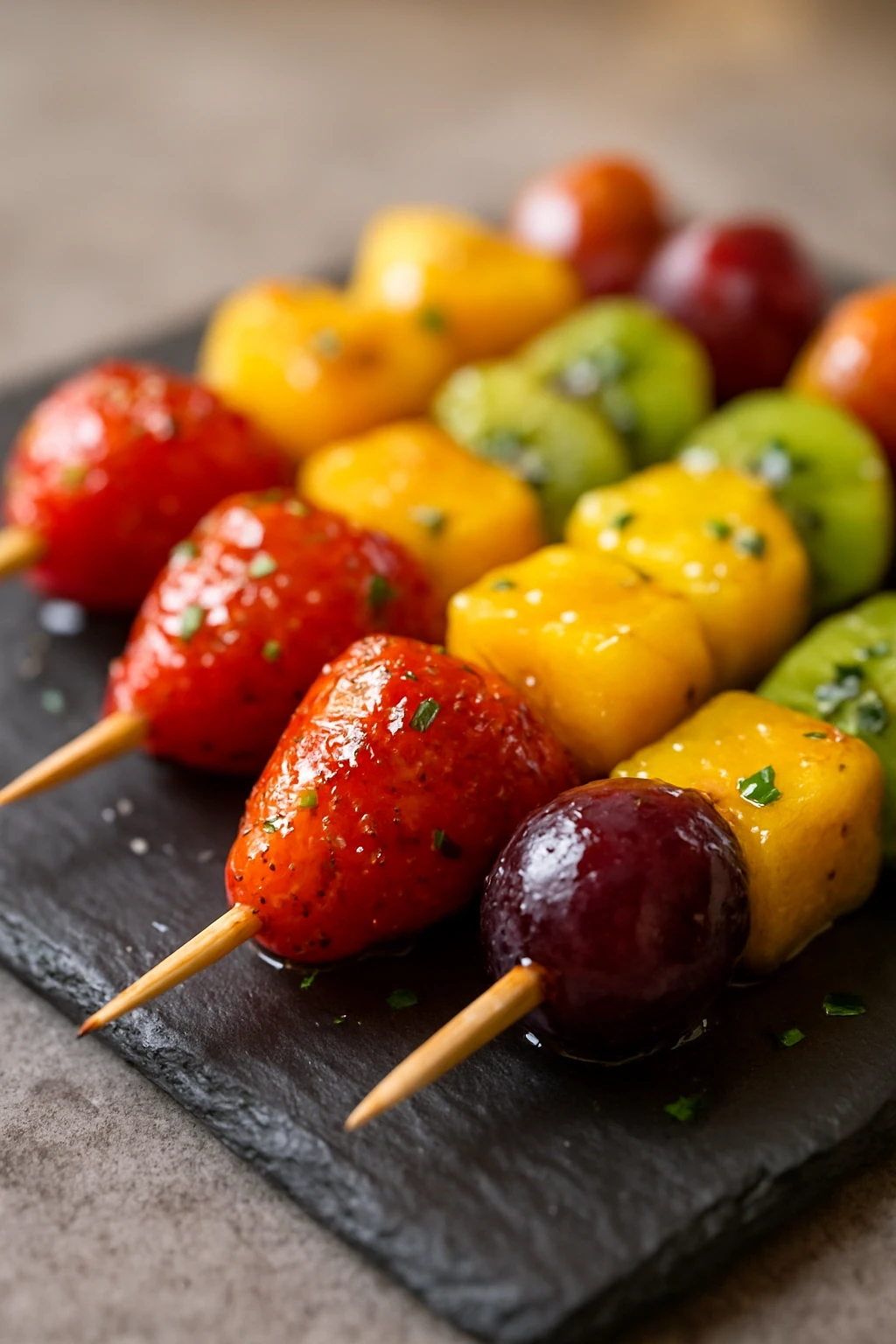
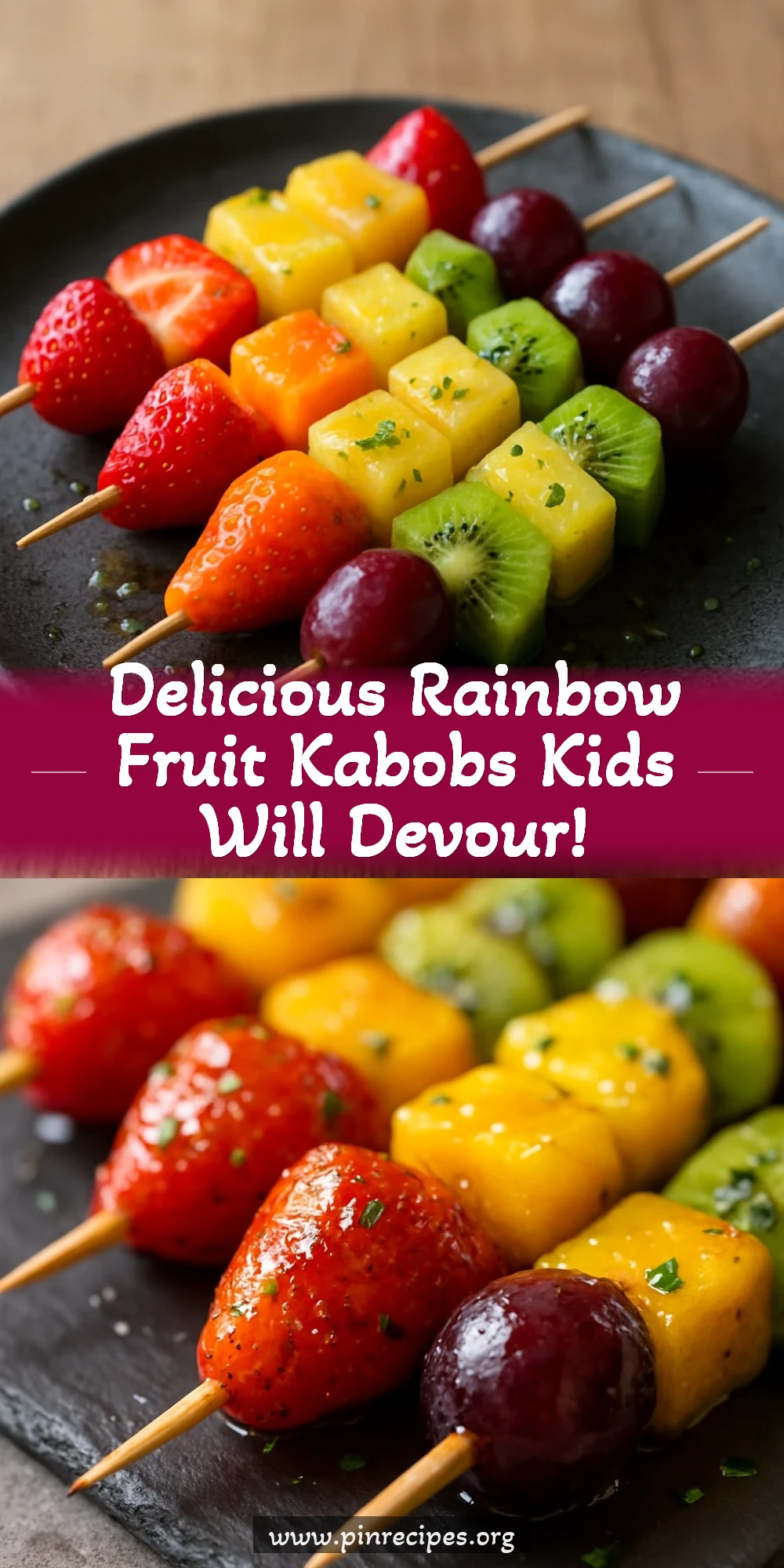
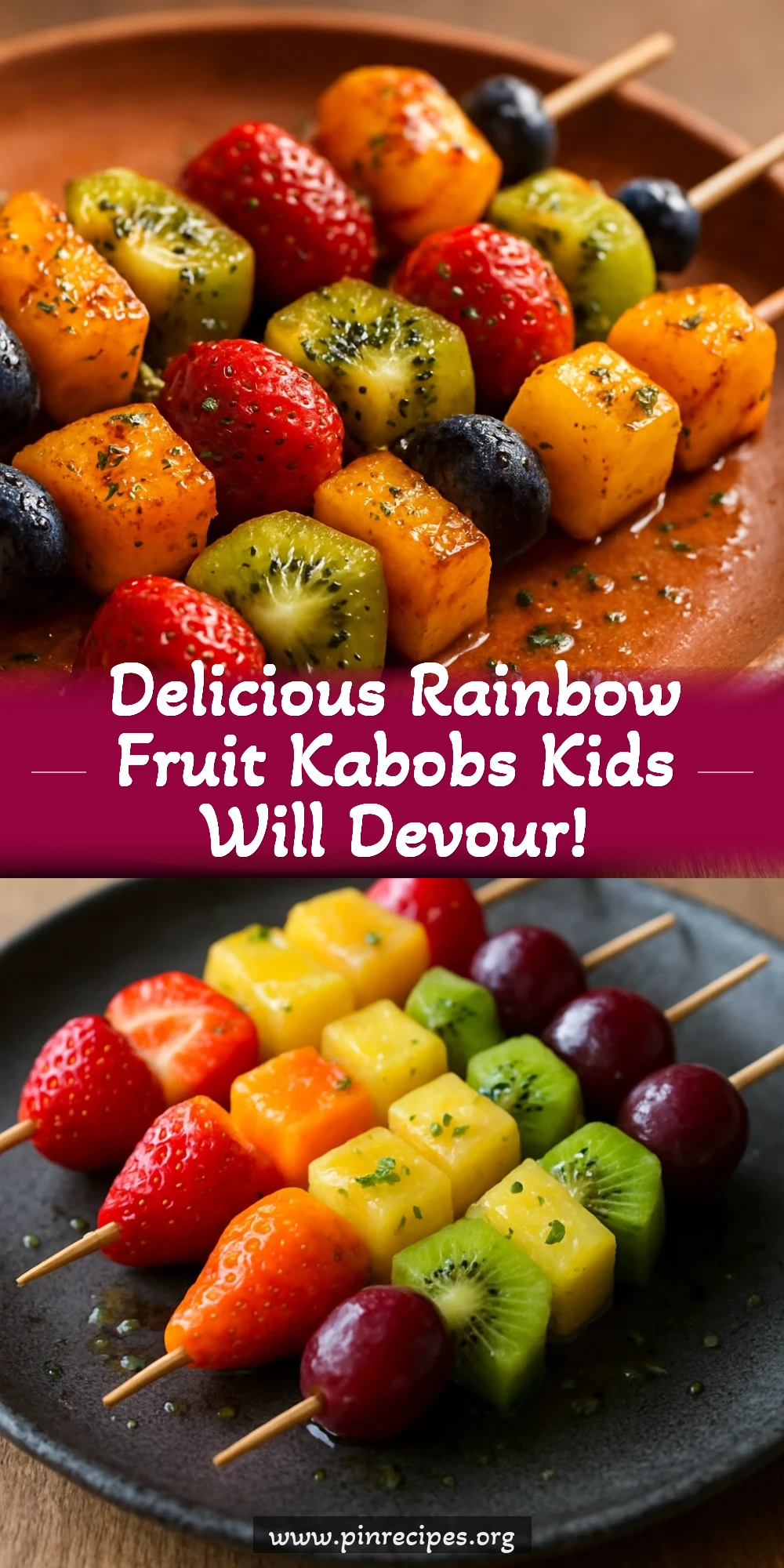
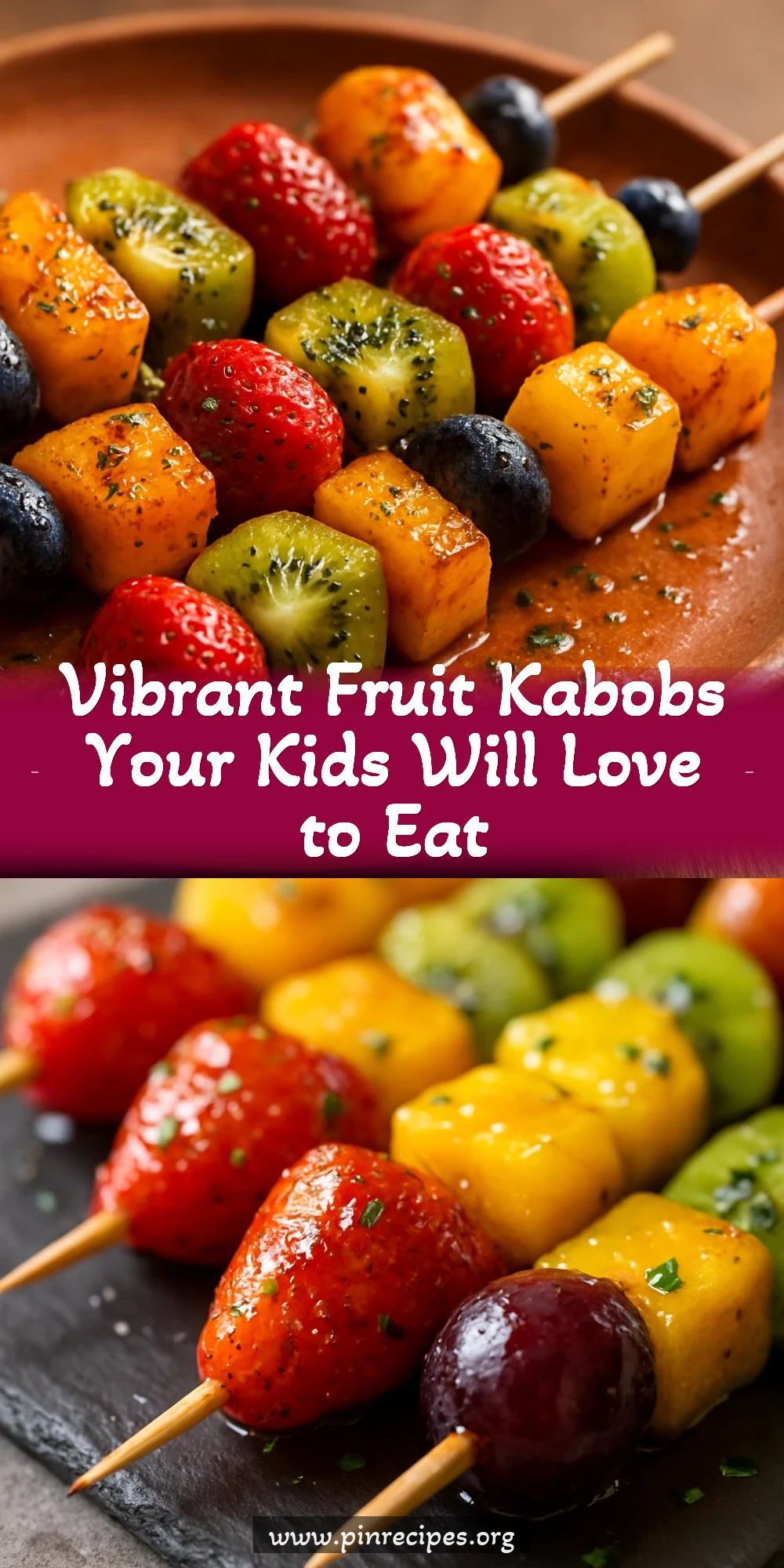
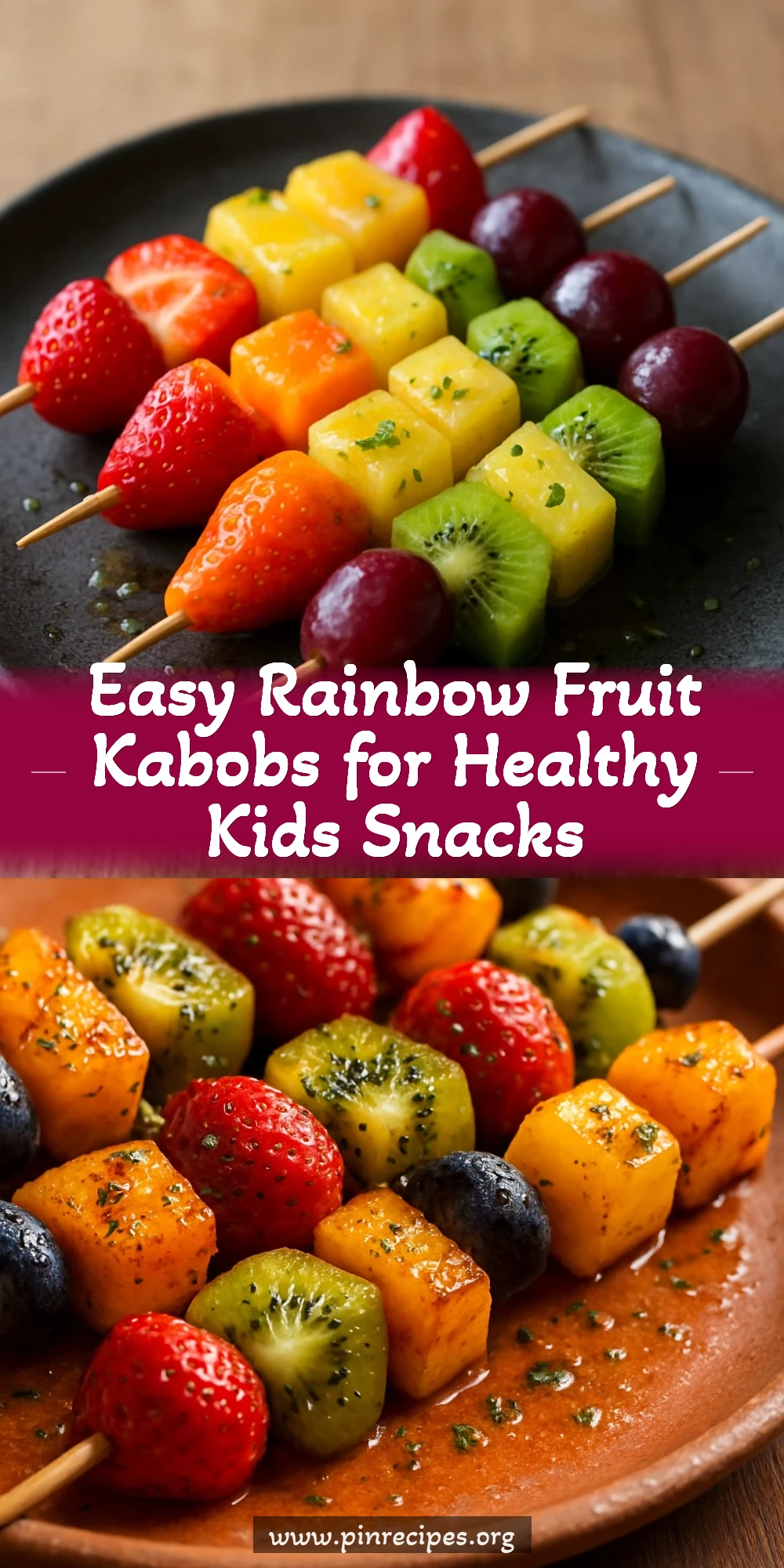
These vibrant fruit kabobs are a fun way to get kids excited about healthy snacks. Featuring a rainbow of fresh fruits threaded onto skewers, they’re perfect for parties or after-school treats.
Introduction
I first made these rainbow fruit kabobs when my niece was visiting and picky about eating fruit. I wanted something playful and colorful to catch her eye, and threading the fruit onto skewers did the trick! What I love about this recipe is how simple it is but still feels special — the rainbow effect is so cheerful and inviting. Plus, it’s a great way to sneak in a variety of vitamins without any fuss. I usually soak the skewers beforehand to prevent burning if you want to grill them later, but raw is perfect for a quick snack. The fresh fruit keeps everything juicy and sweet, and the kids love helping assemble their own kabobs. It’s hands-on and fun, which makes eating healthy feel like a treat rather than a chore. If you’re looking for a no-fuss, vibrant snack that’s naturally sweet and colorful, this is a winner in my book!
What You'll Need
Approximately 6 kabobs, 6 servings
- 1 cup strawberries, hulled and halved
- 1 cup pineapple chunks, fresh
- 1 cup green grapes, washed
- 1 cup blueberries, fresh
- 1 cup kiwi, peeled and sliced
- Wooden skewers, soaked in water for 30 minutes
How To Do It
Step 1
Start by preparing all your fruit: wash thoroughly, hull and halve the strawberries, peel and slice the kiwi, and cut the pineapple into bite-sized chunks. This prep is crucial because uniform pieces make threading easier and ensure even bites. Take your time here; uneven pieces can slide off the skewer or break apart. Also, soaking the wooden skewers in water for about 30 minutes beforehand prevents them from burning if you decide to grill the kabobs later, though they’re delicious fresh too.
⏱ Time: 15 minutes
✓ Doneness: Fruit pieces are clean, evenly sized, and skewers feel sturdy and moist
Step 2
Now, assemble the kabobs by threading fruit pieces onto each skewer in rainbow order: start with strawberry for red, then pineapple for yellow, green grapes, kiwi, and blueberries for blue/purple. This sequence isn’t just for looks — it balances sweetness and tartness with each bite. Be gentle when pushing the fruit onto the skewer to avoid bruising or breaking the pieces. The visual appeal is part of the fun, so keep the colors vibrant and alternating.
⏱ Time: 10 minutes
✓ Doneness: Each skewer has a colorful, balanced arrangement of fruit, and pieces are secure but not squished
Step 3
Once all the kabobs are assembled, place them on a serving platter. If you’re serving immediately, keep them chilled for about 10 minutes to let the fruit firm up slightly. This makes them easier to handle and less juicy to avoid dripping. If you want to add a little extra zing, a light drizzle of honey or a sprinkle of fresh mint can elevate the flavors without overpowering the natural sweetness.
⏱ Time: 10 minutes
✓ Doneness: Kabobs are chilled slightly, with fruit looking fresh and vibrant
Step 4
For a fun twist, you can grill the kabobs over medium heat for 2-3 minutes per side. The heat caramelizes the natural sugars and adds a smoky flavor. Just be careful not to overcook, or the fruit will become mushy. Grilling also softens the pineapple and kiwi, making for a different texture experience.
⏱ Time: 6 minutes
✓ Doneness: Light grill marks appear, fruit softens slightly but holds shape
Step 5
If serving at a party, arrange the kabobs upright in a tall glass or vase filled with ice to keep them cool and upright. This presentation is attractive and makes it easy for guests to grab one. Plus, the ice keeps the fruit fresh longer in warm environments.
⏱ Time: 5 minutes
✓ Doneness: Kabobs stand upright securely, and ice keeps them chilled
Step 6
To enhance the kabobs’ flavor, sprinkle a pinch of chili powder or a squeeze of lime over the fruit just before serving. This adds a subtle kick and brightness that contrasts nicely with the sweetness. It’s a small step but makes a big difference in taste complexity.
⏱ Time: 2 minutes
✓ Doneness: A light dusting or squeeze is evenly distributed without overpowering
Step 7
If you want to store leftovers, place the kabobs in an airtight container lined with paper towels to absorb moisture in the fridge. This prevents the fruit from getting soggy. Consume within 24 hours for best freshness.
⏱ Time: 5 minutes
✓ Doneness: Kabobs are covered and stored in container with paper towels
Step 8
Before serving stored kabobs, let them sit at room temperature for 10 minutes to take the chill off. This brings out the fruit’s natural flavors better than eating them straight from the fridge.
⏱ Time: 10 minutes
✓ Doneness: Fruit is cool but not cold, flavors taste more pronounced
Step 9
Finally, encourage kids or guests to customize their kabobs with a yogurt or chocolate dipping sauce on the side. This adds a fun interactive element and can make fruit even more appealing to picky eaters.
⏱ Time: 5 minutes
✓ Doneness: Dips are ready and served alongside kabobs
Pro Tips
Soak wooden skewers before use to prevent burning.
Wood is porous and can easily ignite on a grill. Soaking them saturates the wood fibers, reducing the risk of fire and imparting a slight moisture barrier that helps keep the fruit juicy during grilling.
Cut fruit into uniform sizes for even cooking and presentation.
Uniform pieces thread more easily and cook evenly if grilling. They also look more appealing and allow for balanced bites, enhancing the overall eating experience.
Chill kabobs briefly before serving for firmer texture.
Cooling the fruit slightly firms it up, making the kabobs easier to handle and less likely to drip juice, which keeps serving areas clean and the snack neat.
Use a mix of sweet and tart fruits for flavor balance.
Combining different flavor profiles keeps the palate interested and prevents the snack from being overly sweet or one-dimensional.
Add a squeeze of lime or sprinkle of chili powder for extra zing.
Acidic and spicy notes brighten natural sweetness and add complexity, making the fruit taste more vibrant and less plain.
Offer yogurt or chocolate dips for interactive eating.
Dips add creaminess and fun, encouraging kids to eat more fruit and making the snack feel special and indulgent.
Prepare kabobs just before serving to maintain freshness.
Fruit can release moisture and become soggy if preassembled too early. Fresh assembly preserves texture and flavor.
Common Mistakes to Avoid
Using overripe or mushy fruit
Why it happens People often pick fruit that looks ripe but is too soft, thinking it will be sweeter or easier to eat.
Fix Choose fruit that is ripe but still firm, especially for pineapple and kiwi. This ensures the kabobs hold their shape and have a pleasant texture when eaten.
Not soaking wooden skewers before grilling
Why it happens Many forget this step because it’s easy to overlook or they’re in a hurry.
Fix Always soak skewers for at least 30 minutes before grilling to prevent them from burning and ruining the kabobs.
Cutting fruit pieces inconsistently
Why it happens In a rush, people cut fruit unevenly without considering bite sizes.
Fix Take a few extra minutes to cut fruit into similar sizes for even cooking and better presentation.
Skipping the chill step before serving
Why it happens Sometimes impatience or lack of fridge space leads to skipping chilling.
Fix Chill kabobs briefly to firm fruit and reduce drips, improving handling and eating experience.
Threading fruit too tightly on skewers
Why it happens Trying to fit too much fruit on one skewer can lead to squished pieces.
Fix Leave a little space between pieces so they don’t get crushed and maintain their texture.
Variations
Tropical Kabobs with Mango and Papaya
Swap out some fruits for mango and papaya chunks to give the kabobs a tropical twist. These fruits add sweetness and a soft texture that pairs well with pineapple and kiwi. Expect a juicier kabob with a sunny flavor profile.
Note: Mango and papaya are softer, so thread gently and consider chilling longer to maintain firmness.
Berry Blast Kabobs
Use a mix of strawberries, blueberries, raspberries, and blackberries for a berry-focused kabob. This variation is slightly tart with bursts of sweetness and a softer texture overall.
Note: Berries are delicate; handle carefully to avoid crushing and assemble just before serving.
Grilled Citrus Kabobs
Add orange and grapefruit segments and grill the kabobs for a smoky, caramelized flavor that brightens the fruit’s natural acidity. Great for a more grown-up snack.
Note: Citrus segments are juicy; use skewers soaked well and grill briefly to avoid mushiness.
Chocolate Drizzled Kabobs
After assembling, drizzle melted dark or white chocolate over the kabobs for a decadent touch. This works well for dessert or special occasions.
Note: Allow chocolate to set slightly before serving to avoid messiness.
Nutty Yogurt Dip Kabobs
Serve kabobs with a yogurt dip mixed with honey and chopped nuts for added creaminess and crunch. It’s a wholesome snack that adds protein and texture.
Note: Prepare dip fresh and serve chilled alongside kabobs.
Nutrition
Per Serving:
Nutritional values are estimates and may vary based on specific fruits and portion sizes.
Storage & Tips
Room Temperature
These fruit kabobs can be kept at room temperature for up to 2 hours if covered to avoid drying out or contamination. Beyond that, fruit can spoil or attract insects, so refrigeration is recommended for longer storage.
Refrigerator
Store kabobs in an airtight container lined with paper towels for up to 24 hours. The paper towels absorb excess moisture and prevent sogginess. Serve chilled or let sit at room temperature for 10 minutes before eating to enhance flavor.
Freezer
Freezing is not recommended for assembled kabobs as fruit texture suffers and becomes mushy upon thawing. If needed, freeze fruit pieces separately in airtight bags for up to 3 months and assemble fresh before serving.
Reheating
These kabobs are best served fresh or chilled. If grilled, reheat briefly on a grill or stovetop to warm but avoid overcooking. Avoid microwave reheating as it can make fruit rubbery.
Make Ahead
You can wash and cut the fruit 1-2 days ahead and store it separately in airtight containers in the fridge. Assemble kabobs just before serving to maintain freshness and prevent sogginess.
FAQ
Can I use canned or frozen fruit instead of fresh?
Fresh fruit is best for texture and flavor, but canned fruit can work if drained well. Frozen fruit should be thawed and patted dry to avoid soggy kabobs. Keep in mind that canned and frozen options tend to be softer and sweeter, which changes the kabob’s texture.
How long can I store assembled kabobs in the fridge?
Assembled kabobs are best eaten within 24 hours. Store them in an airtight container lined with paper towels to absorb moisture and keep fruit fresh. After 24 hours, fruit may become watery or lose its firmness.
Is it safe to grill fruit kabobs on wooden skewers?
Yes, as long as you soak the wooden skewers in water for at least 30 minutes beforehand. This prevents them from catching fire or burning on the grill, keeping your kabobs safe and tasty.
What can I use instead of wooden skewers?
Metal skewers are a great reusable alternative and won’t burn on the grill. Bamboo skewers are also common but should be soaked like wooden ones. If serving raw, toothpicks can work for smaller fruit pieces but aren’t as sturdy.
Can I make these kabobs vegan or allergy-friendly?
Absolutely! This recipe is naturally vegan and gluten-free. Just avoid adding non-vegan dips like honey-based sauces. For nut allergies, skip any nutty dips or toppings and stick to plain fruit or yogurt alternatives.
How do I prevent fruit from browning on the kabobs?
Fruits like kiwi or apples brown quickly when exposed to air. To slow browning, toss fruit in a little lemon or lime juice before assembling. Also, assemble just before serving and keep kabobs chilled.
Can I prepare the kabobs ahead for a party?
If you want to prepare kabobs hours before serving, keep them tightly covered and refrigerated. This helps maintain freshness, but avoid making them too far in advance to prevent moisture buildup and soggy fruit.
What dipping sauces pair well with fruit kabobs?
Yogurt-based dips with honey and vanilla, chocolate sauce, or even a tangy citrus glaze work beautifully. They add creaminess or sweetness that complements the fresh fruit and make the snack more appealing, especially for kids.
Final Thoughts
I hope you enjoy making and sharing these rainbow fruit kabobs as much as I do! They’re such a simple way to brighten up snack time—let me know how yours turn out!