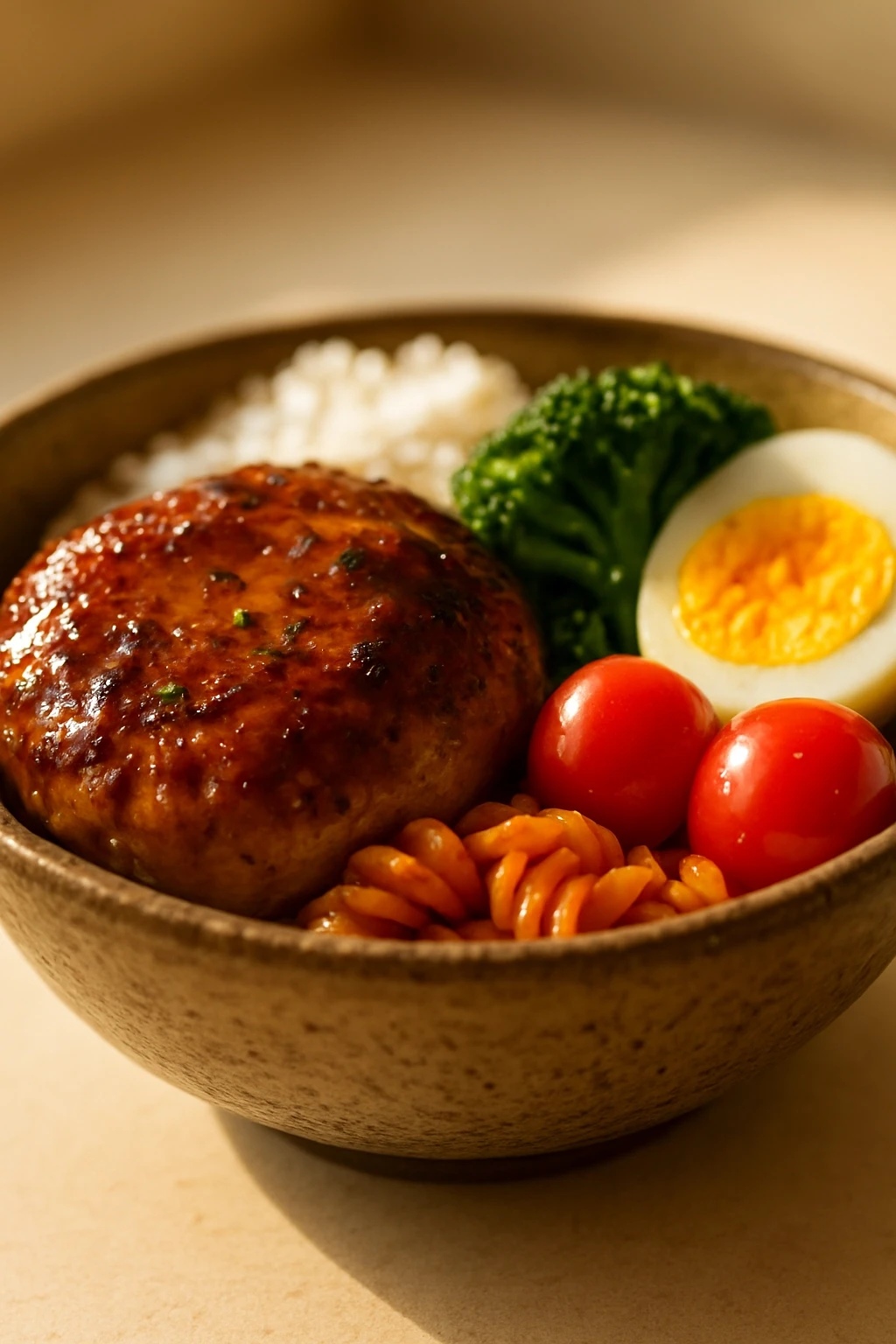
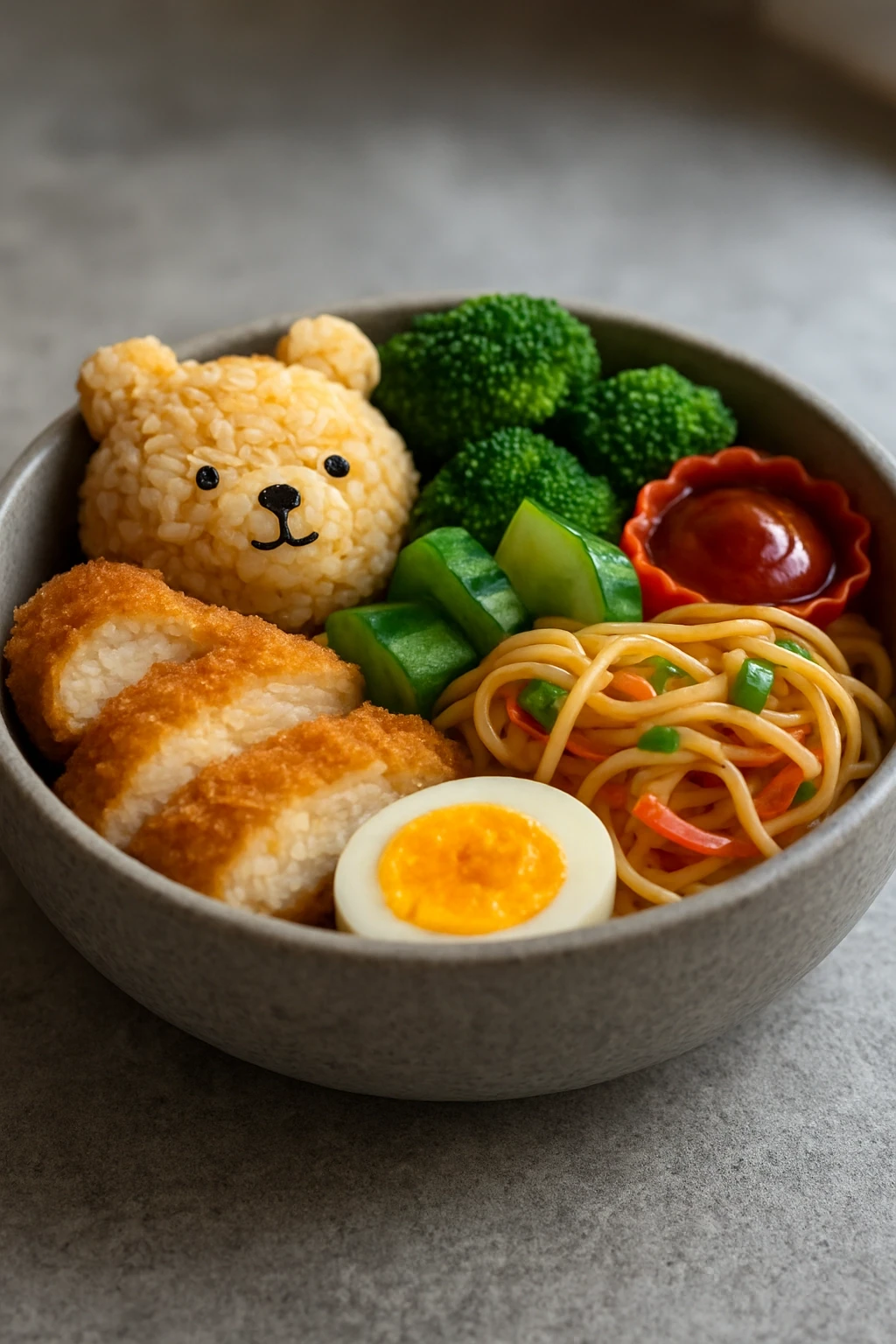
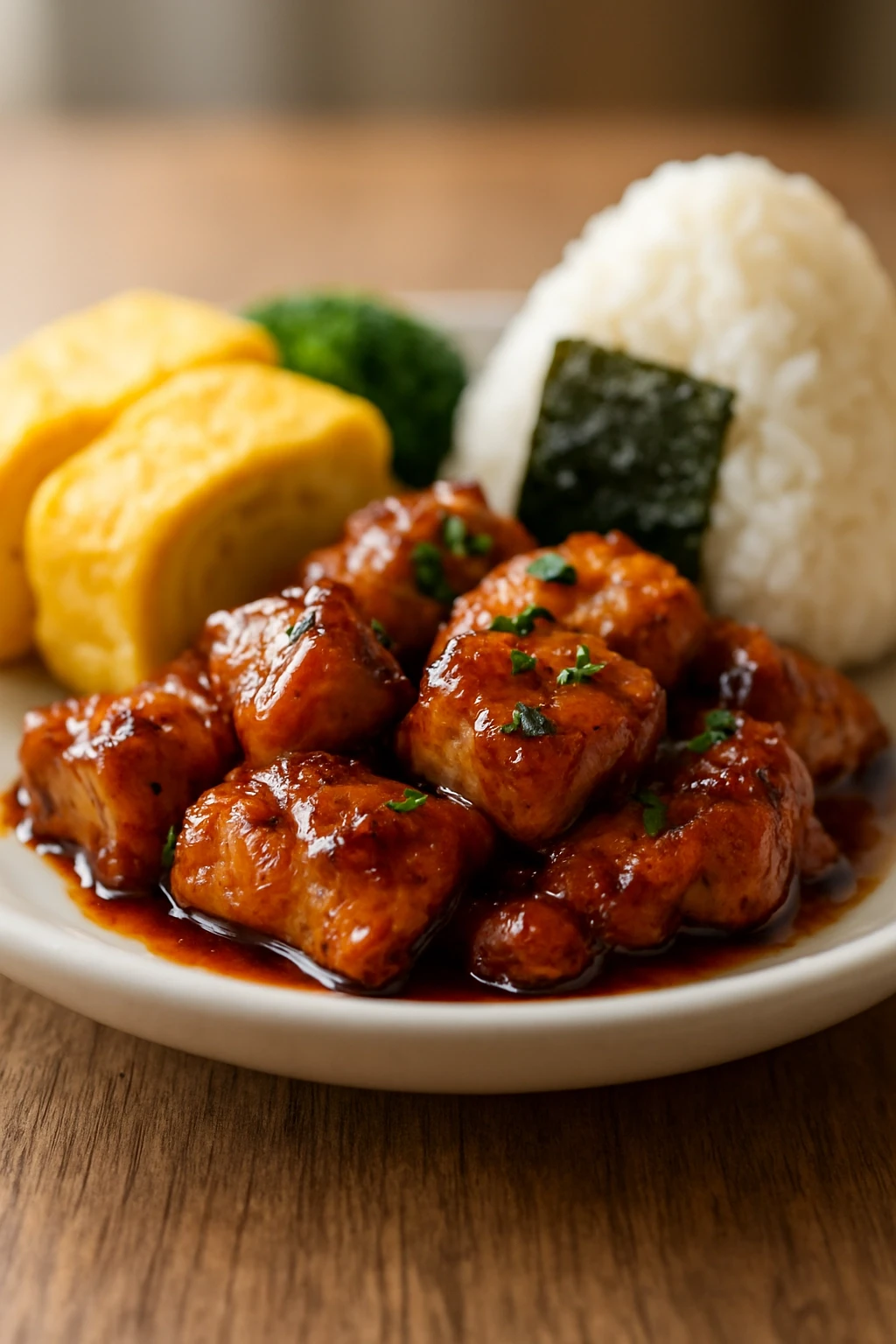
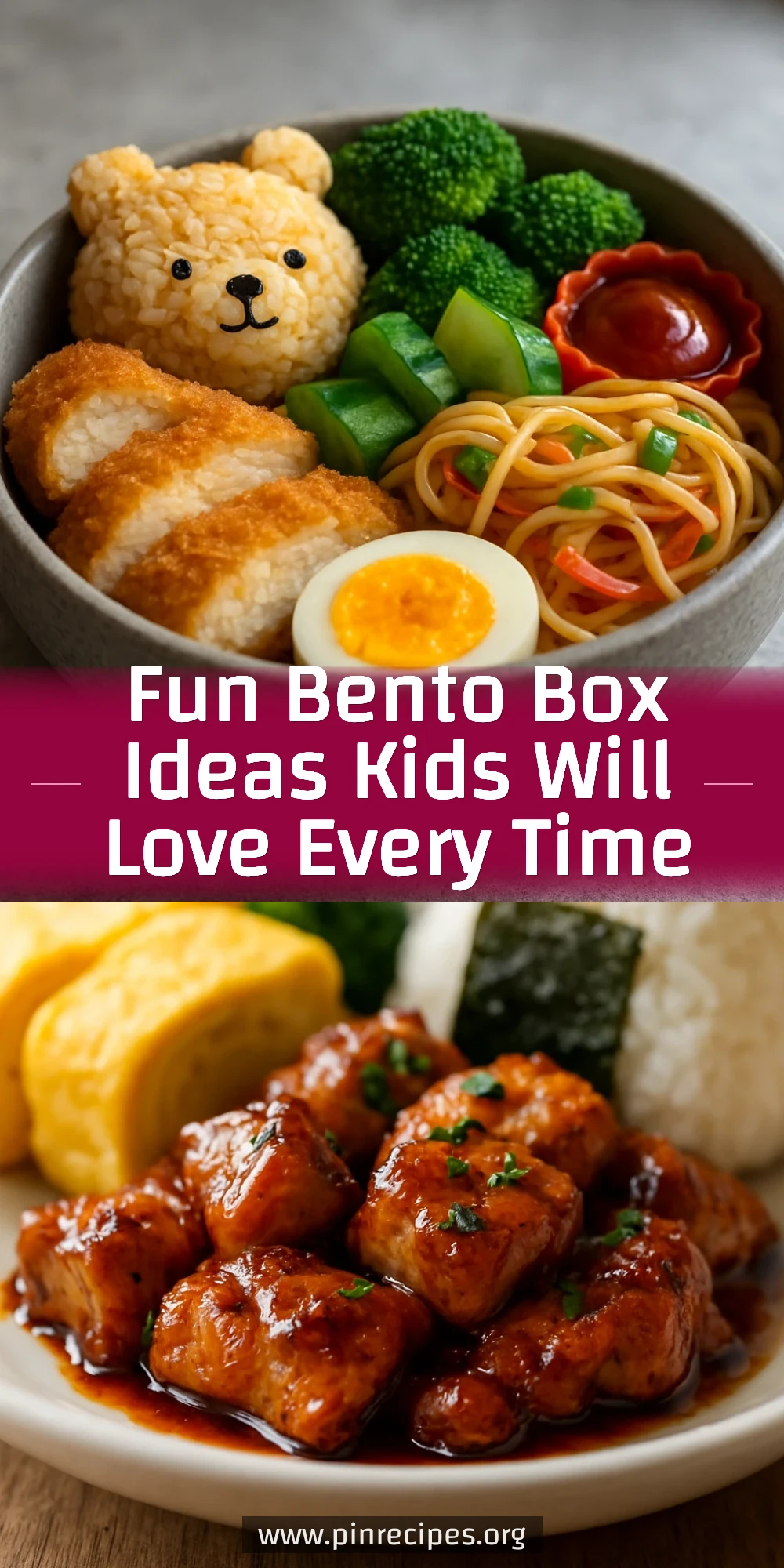
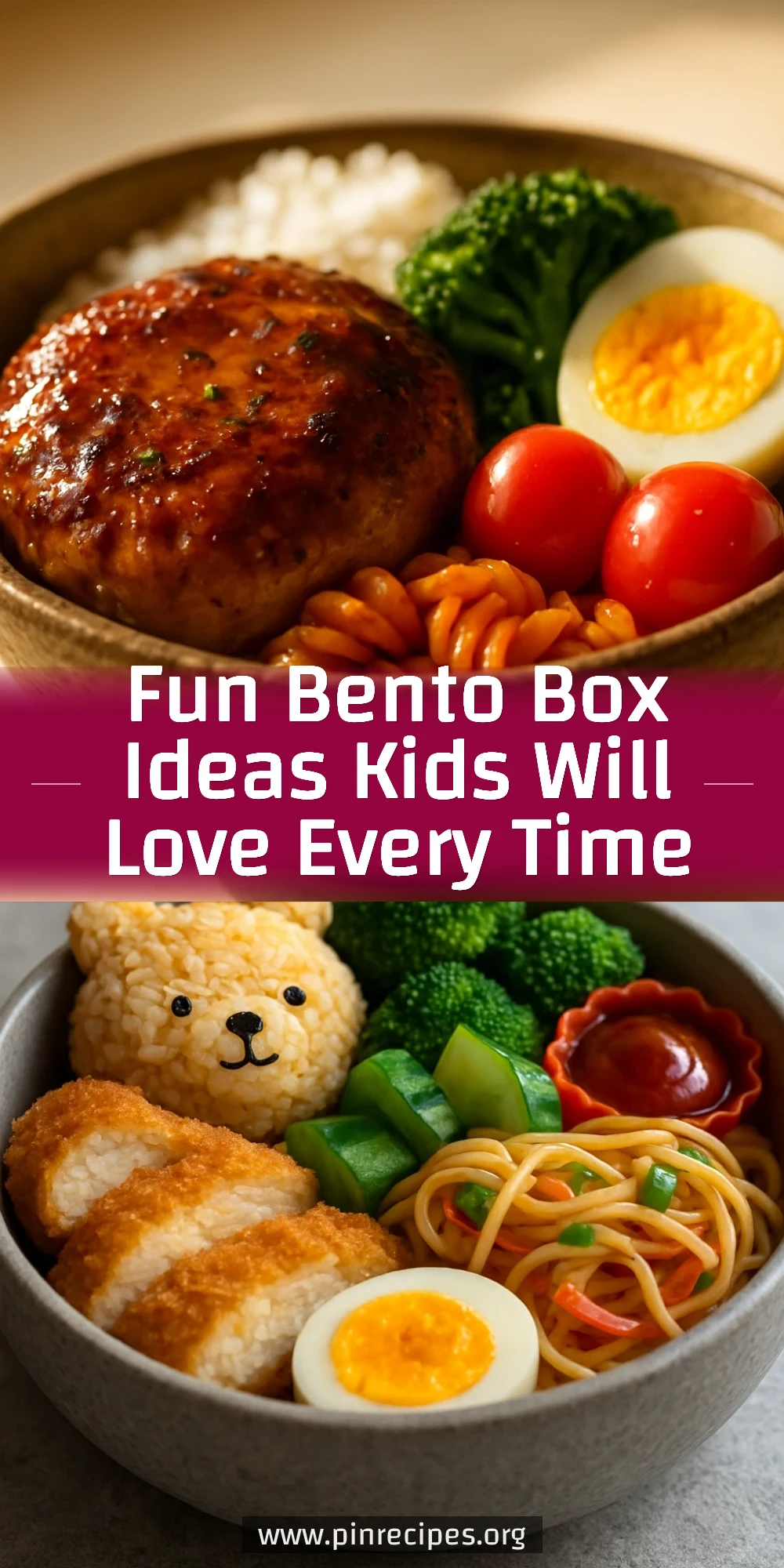
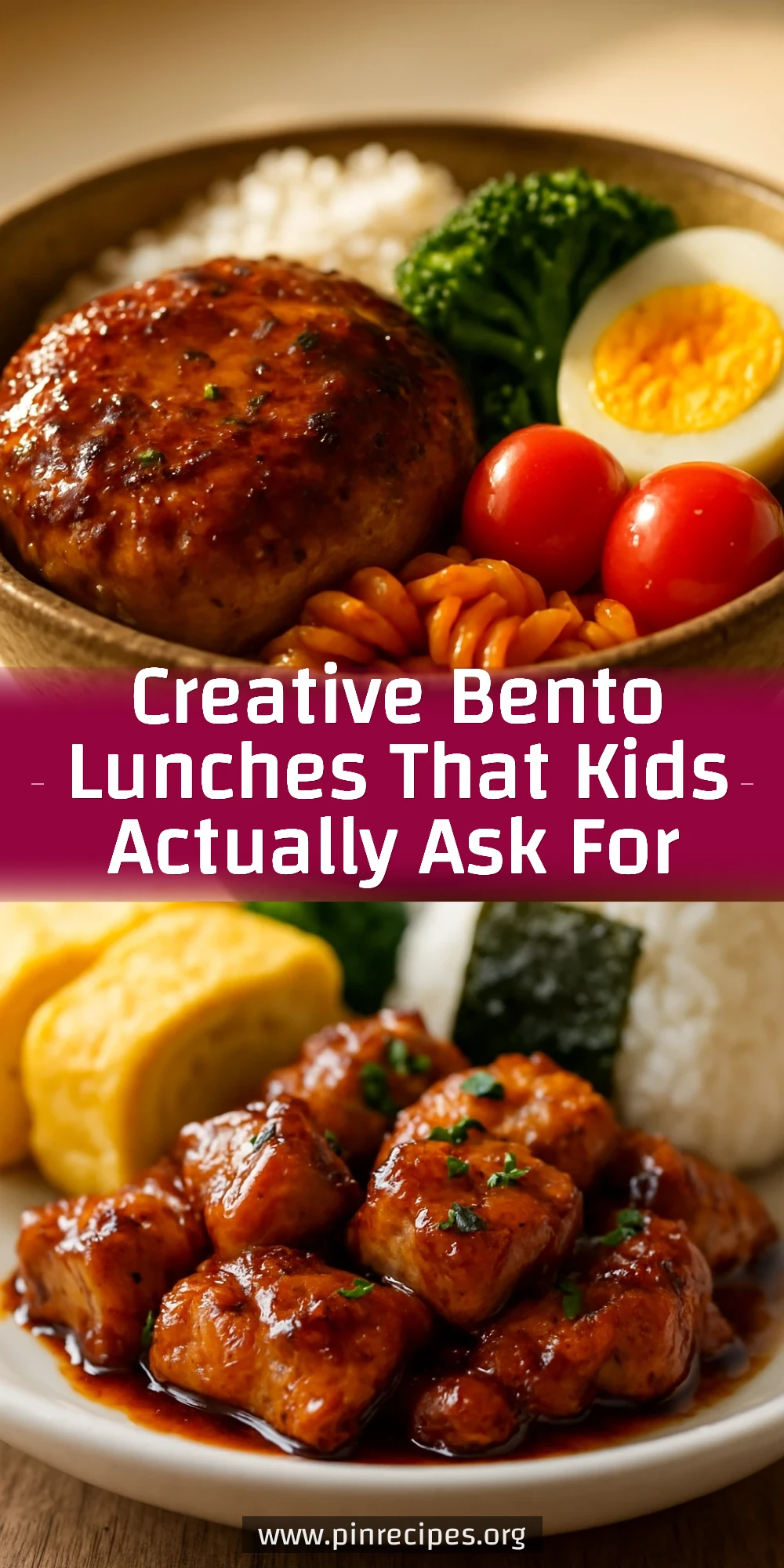
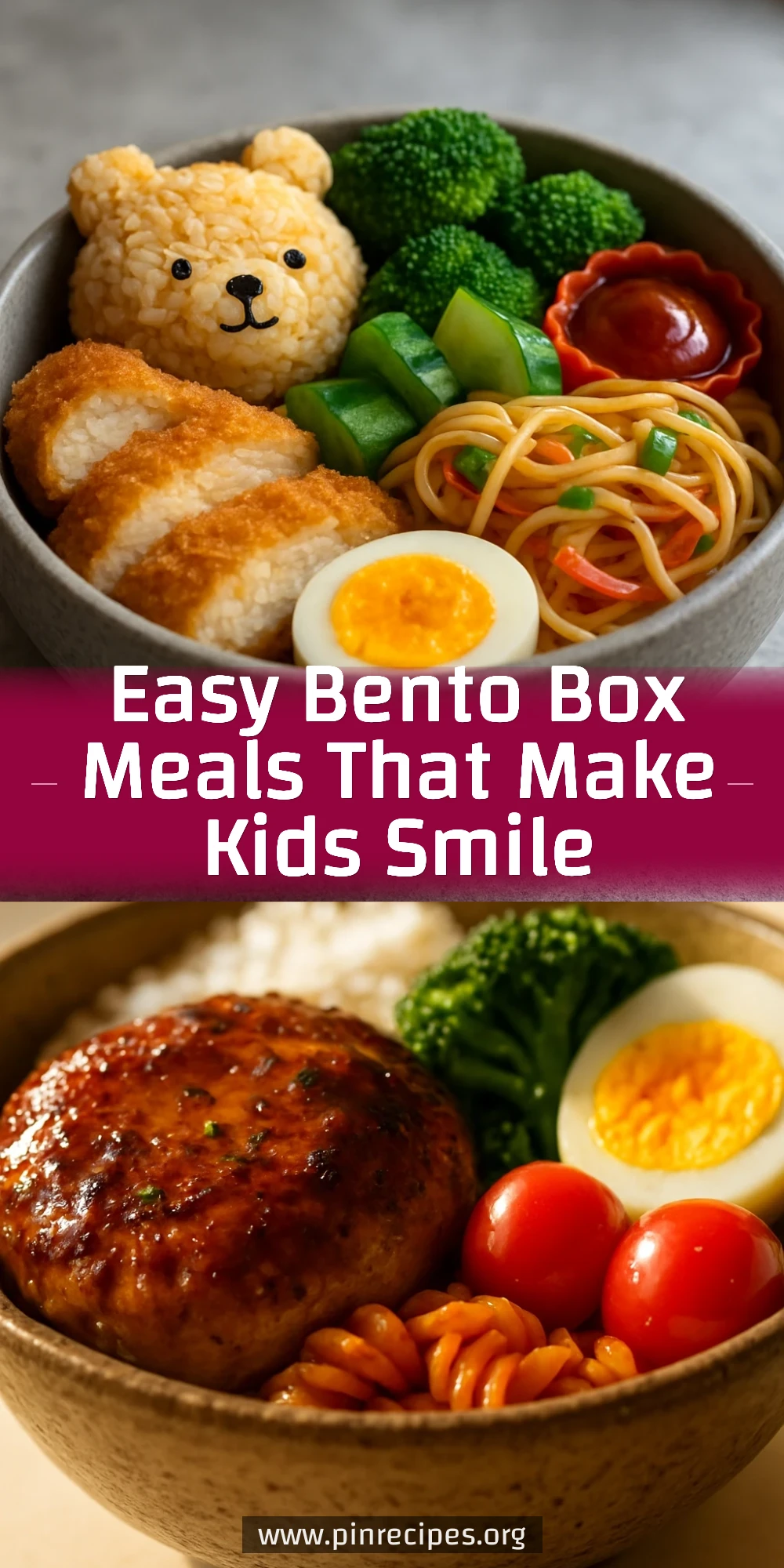
These bento boxes are a lifesaver for busy parents! Packed with colorful, kid-approved foods and fun shapes, they make lunchtime exciting. I sneak in veggies with cute fruit faces and simple dips. Perfect for school or picnics!
Introduction
I started making bento boxes when my kids got tired of the usual sandwich routine. At first, I thought it would be a hassle, but it quickly became a fun little project. What makes these boxes different is how I focus on what my kids actually ask for — not just what I think looks cute. For example, instead of fancy sushi rolls, I use simple rice shapes and familiar ingredients like chicken and veggies. The trick I learned is to sneak in veggies disguised as fun shapes or paired with dips they love, like hummus. The finished bento looks colorful and inviting, and my kids are genuinely excited to eat it. It’s a win-win for picky eaters and busy parents alike!
How To Do It
Step 1
Start by cooking the white rice according to package instructions. Once cooked, spread it out on a tray to cool quickly — this prevents it from getting mushy in the bento box. Cooling also helps the rice hold its shape when you form it into balls or shapes later. Avoid packing hot rice directly as it can cause condensation, making the box soggy.
⏱ Time: 15 minutes
✓ Doneness: Rice grains are tender but firm, cooled to room temperature
Step 2
While the rice cools, prepare the fillings. Shred the cooked chicken breast finely so it’s easy for little hands to eat. Slice the hard-boiled egg and chop the veggies into bite-sized sticks or rounds. This prep makes the bento easy to eat and visually appealing. Rushing this step can result in uneven pieces that are hard to pick up.
⏱ Time: 10 minutes
✓ Doneness: Chicken is shredded finely, veggies are crisp and cut evenly
Step 3
Use a small cookie cutter or your hands to shape the cooled rice into fun forms like balls or triangles. Press gently but firmly so they hold together without being squished. This step adds a playful touch that kids love and makes the rice easier to eat by hand.
⏱ Time: 5 minutes
✓ Doneness: Rice shapes hold their form without crumbling
Step 4
Arrange the rice shapes in the bento box first, leaving space around the edges. This creates a base and keeps the box organized. Placing heavier items like chicken near the bottom prevents squishing lighter ingredients.
⏱ Time: 3 minutes
✓ Doneness: Rice shapes sit snugly but not cramped in the box
Step 5
Decorate the rice with nori cut-outs to make faces or patterns. This adds visual interest and encourages kids to eat. Use kitchen scissors to cut simple shapes like eyes or smiles. Be careful not to overdo it—too much seaweed can overwhelm the mild rice flavor.
⏱ Time: 5 minutes
✓ Doneness: Nori sticks well to rice, shapes are clear and neat
Step 6
Place the shredded chicken in one compartment, adding a small dollop of hummus for dipping. The creamy hummus adds flavor and moisture, making the chicken more appealing.
⏱ Time: 2 minutes
✓ Doneness: Chicken looks moist and inviting with hummus nearby
Step 7
Add the fresh veggies—carrot sticks, cucumber slices, cherry tomatoes, and edamame—in separate sections. Keeping them separate keeps the textures fresh and prevents sogginess.
⏱ Time: 3 minutes
✓ Doneness: Veggies are crisp and vibrant in color
Step 8
Arrange the sliced hard-boiled egg and apple slices in the remaining spaces. The egg adds protein variety, and the apple brings a sweet crunch. Adding fruit rounds out the meal nicely.
⏱ Time: 3 minutes
✓ Doneness: Egg and apple slices look fresh and neatly placed
Step 9
Close the bento box tightly and refrigerate if not eating immediately. This keeps everything fresh and crisp. If packing for school, include an ice pack to maintain cool temperature until lunchtime.
⏱ Time: 2 minutes
✓ Doneness: Lid fits securely, box feels cool to the touch
Pro Tips
Cool rice completely before shaping.
Warm rice traps steam inside the bento box, which leads to soggy textures and clumping. Cooling the rice spreads out moisture evenly and firms up grains, making it easier to mold into shapes that hold together well without falling apart.
Use small cookie cutters for fun rice shapes.
Cutting rice into playful shapes adds a visual appeal that makes kids more excited to eat. Small shapes also fit better in bento compartments and are easier for little hands to pick up, enhancing the overall lunch experience.
Keep wet and dry ingredients separate.
Separating moist items like hummus or juicy tomatoes from drier foods prevents sogginess and preserves texture. This also helps maintain the flavors distinct and fresh, which is important for picky eaters who dislike mixed textures.
Shred chicken finely for easier eating.
Large chunks of chicken can be tough for kids to chew and may discourage them from eating. Shredded chicken blends better with dips and other ingredients, making it more palatable and easier to eat without frustration.
Add colorful veggies for nutrition and fun.
Bright colors naturally attract kids’ attention and encourage them to try new foods. Including a variety of textures and colors also ensures a more balanced meal, providing fiber and vitamins alongside protein and carbs.
Use an airtight container with compartments.
Compartmentalized bento boxes keep ingredients separated, preserving textures and preventing flavors from mixing. Airtight lids also maintain freshness and prevent spills, which is essential when packing lunches for school or outings.
Include a small dip container.
Kids love dipping—it adds an interactive element to lunch and can encourage them to eat more veggies or proteins. A small container keeps dips fresh and prevents messes inside the box.
Common Mistakes to Avoid
Packing rice while still hot.
Why it happens In the rush to assemble lunch, it’s tempting to pack rice immediately after cooking without letting it cool.
Fix Always spread rice on a flat tray to cool quickly before shaping and packing. This prevents condensation inside the box that leads to soggy rice and an unappetizing texture.
Using large chunks of protein.
Why it happens Some assume bigger pieces are more filling or easier to prepare.
Fix Shred or finely chop proteins like chicken to make them easier to eat and more kid-friendly. This improves texture and helps distribute flavors evenly.
Mixing wet and dry foods together.
Why it happens Lack of compartmentalized containers or rushing assembly can cause ingredients to touch and mix.
Fix Use bento boxes with dividers or small silicone cups to keep moist items separate from dry ones, preserving texture and flavor.
Overdecorating with nori.
Why it happens Trying to be too creative can overwhelm the rice flavor and texture.
Fix Use nori sparingly for simple facial features or patterns. This keeps the flavor balanced and avoids bitterness that some kids dislike.
Not including a dip or sauce.
Why it happens Assuming kids won’t want extra condiments or forgetting to pack them.
Fix Include small containers of kid-friendly dips like hummus or yogurt. Dipping adds flavor and moisture, making veggies and proteins more appealing.
Variations
Vegetarian Bento Box
Swap the chicken for grilled tofu or tempeh cubes marinated in mild soy sauce. Add steamed broccoli florets and sweet potato cubes for variety. This keeps the meal balanced and protein-rich without meat.
Note: Make sure tofu is pressed and cooked to remove excess moisture, so it holds shape well in the box.
Fruit-Focused Bento
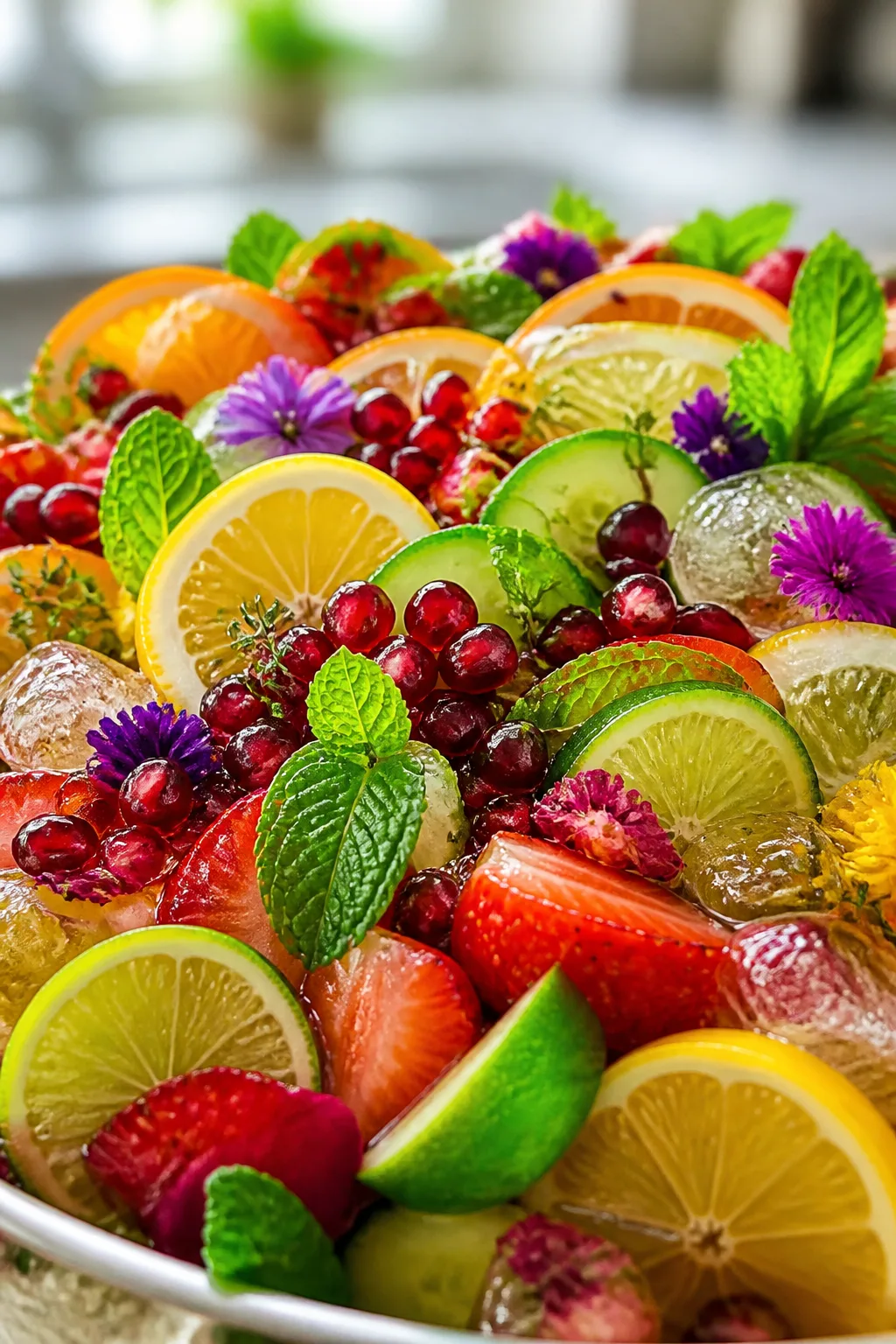
Fill the box mostly with a variety of fresh fruits like berries, melon balls, and sliced kiwi. Add a small container of yogurt for dipping. This is great for a light lunch or snack on warm days.
Note: Use firm fruits to avoid mushiness and pack the yogurt in a sealed container to prevent leaks.
Spicy Bento for Older Kids
Add a little mild chili powder or sriracha to the chicken for a gentle kick. Include crunchy bell pepper strips and a side of spicy guacamole. This variation suits kids who like a bit of heat.
Note: Adjust spice levels carefully and test beforehand to ensure it’s not too overpowering.
Gluten-Free Bento
Use gluten-free soy sauce or tamari for marinating proteins. Avoid processed dips with gluten and focus on fresh veggies, rice, and fruit. This keeps the meal safe for gluten-sensitive kids without sacrificing flavor.
Note: Double-check all packaged ingredients for gluten content to avoid accidental exposure.
Breakfast Bento Box
Replace rice with mini pancakes or waffles, add scrambled eggs, fresh berries, and a small container of maple syrup. This makes a fun, portable breakfast option that kids love.
Note: Keep syrup separate until ready to eat to avoid sogginess.
Nutrition
Per Serving:
Nutritional values are estimates and may vary based on specific ingredients used.
Storage & Tips
Room Temperature
Bento boxes with perishable ingredients should not be kept at room temperature for more than 2 hours. Cover tightly to avoid contamination. For school lunches, pack with an ice pack to keep contents cool until eaten.
Refrigerator
Store in an airtight container for up to 24 hours. Some ingredients like rice and chicken may dry out slightly but remain safe. Best served cold or at room temperature; reheat rice separately if preferred warm.
Freezer
Freezing is not recommended for assembled bento boxes due to texture changes, especially in fresh veggies and fruits. Cooked components like chicken or rice can be frozen separately for up to 1 month.
Reheating
If reheating rice or chicken, do so gently on the stovetop or microwave with a splash of water to restore moisture. Avoid reheating fresh veggies or fruits as they lose texture and flavor.
Make Ahead
Cook rice and chicken the day before and store separately. Chop veggies and prepare dips in advance. Assemble the bento box the morning of to keep everything fresh and visually appealing.
FAQ
Can I use brown rice instead of white rice?
Absolutely! Brown rice adds more fiber and nutrients, but it’s less sticky than white rice, so shaping might be trickier. Let it cool completely and press firmly when shaping to help it hold together.
How can I keep the bento box fresh until lunchtime?
Use an insulated lunch bag with an ice pack to keep the box cool. Pack perishable items like chicken and eggs in airtight containers to prevent drying out and contamination.
What if my child doesn’t like seaweed?
No worries! You can skip the nori or substitute with thin slices of cheese, cucumber, or even edible stickers made from fruit leather to decorate rice shapes.
Can I prepare the bento box the night before?
You can prep most ingredients ahead, but it’s best to assemble the box the morning of to keep veggies crisp and rice fresh. If assembling the night before, store the box tightly sealed in the fridge.
What are good dip alternatives to hummus?
Try yogurt-based dips, mild guacamole, or even a small container of ranch dressing. Choose dips your kids already enjoy and that complement the other ingredients.
How do I prevent the rice from sticking to the mold or hands?
Lightly wet your hands or the mold with water before shaping rice. This prevents sticking and helps form smooth, neat shapes without tearing the grains.
Is it okay to use canned vegetables in the bento?
Fresh veggies are best for crunch and flavor, but if using canned, drain and pat them dry thoroughly to avoid sogginess. Choose low-sodium options whenever possible.
How can I make the bento more filling?
Add a small portion of nuts, cheese cubes, or boiled eggs for extra protein and fat. Including a variety of textures and nutrients helps keep kids satisfied longer.
Final Thoughts
I hope you have fun making these bento boxes as much as my family does! Give it a try and let me know which combos your kids love best.