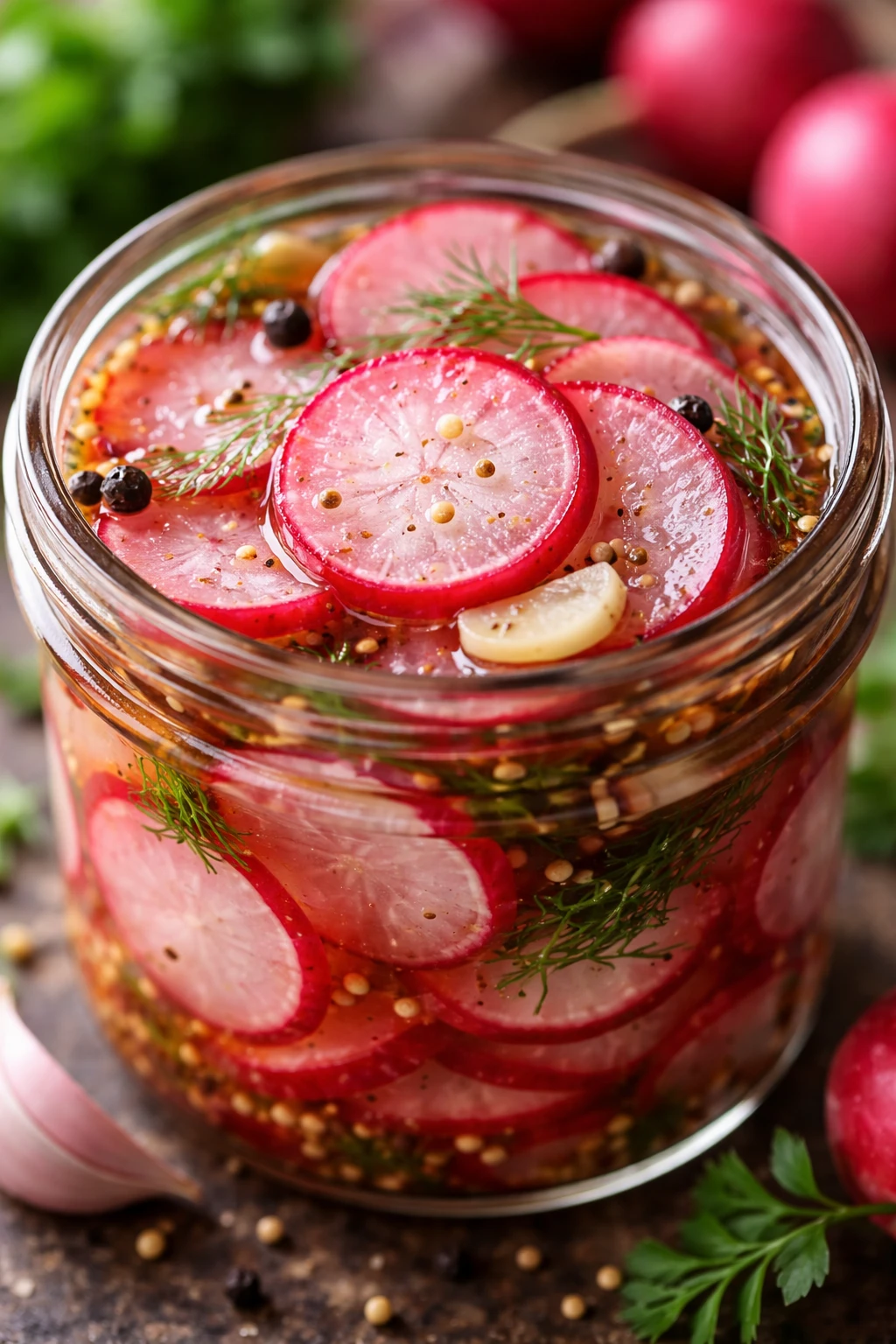
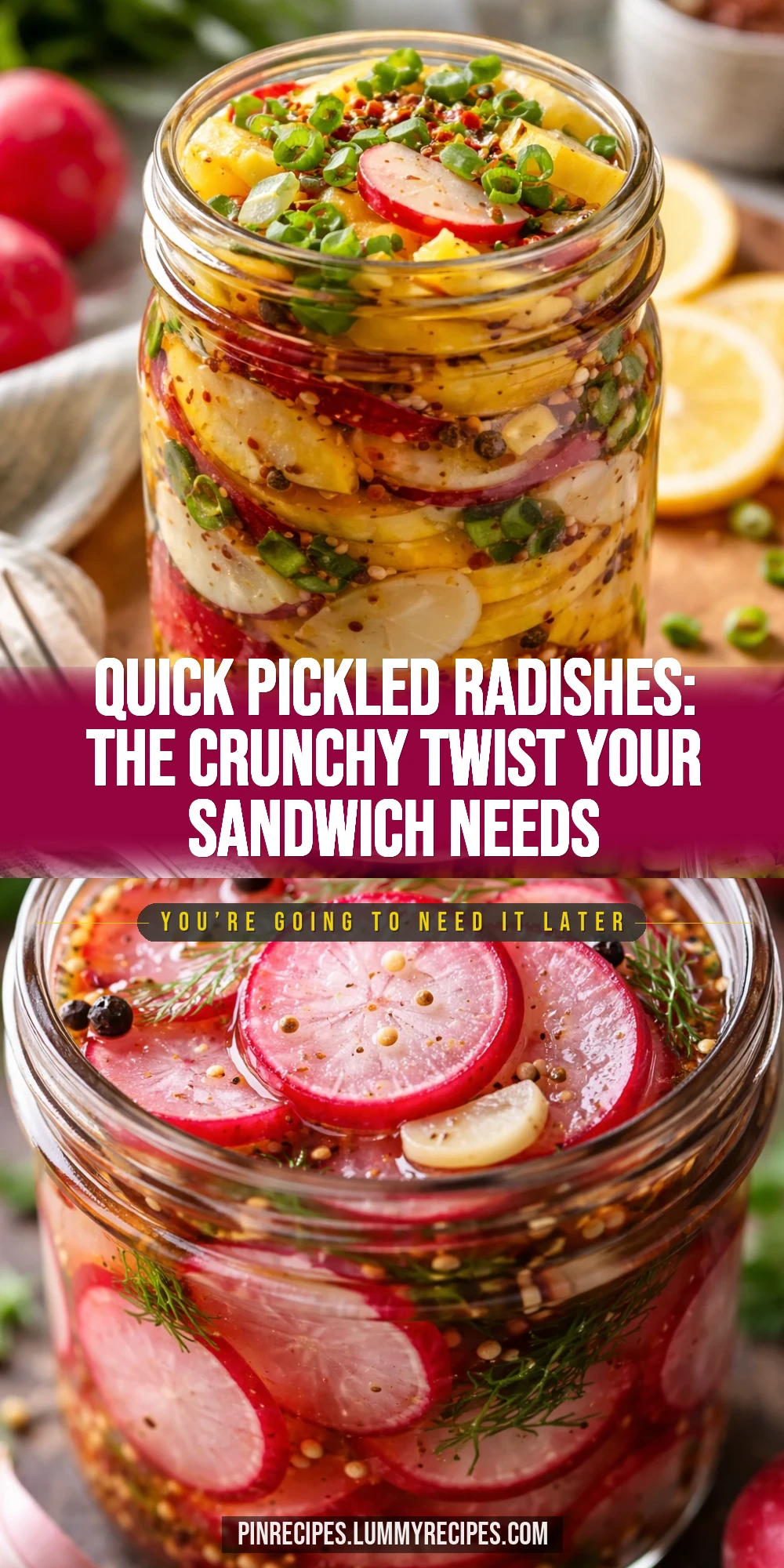
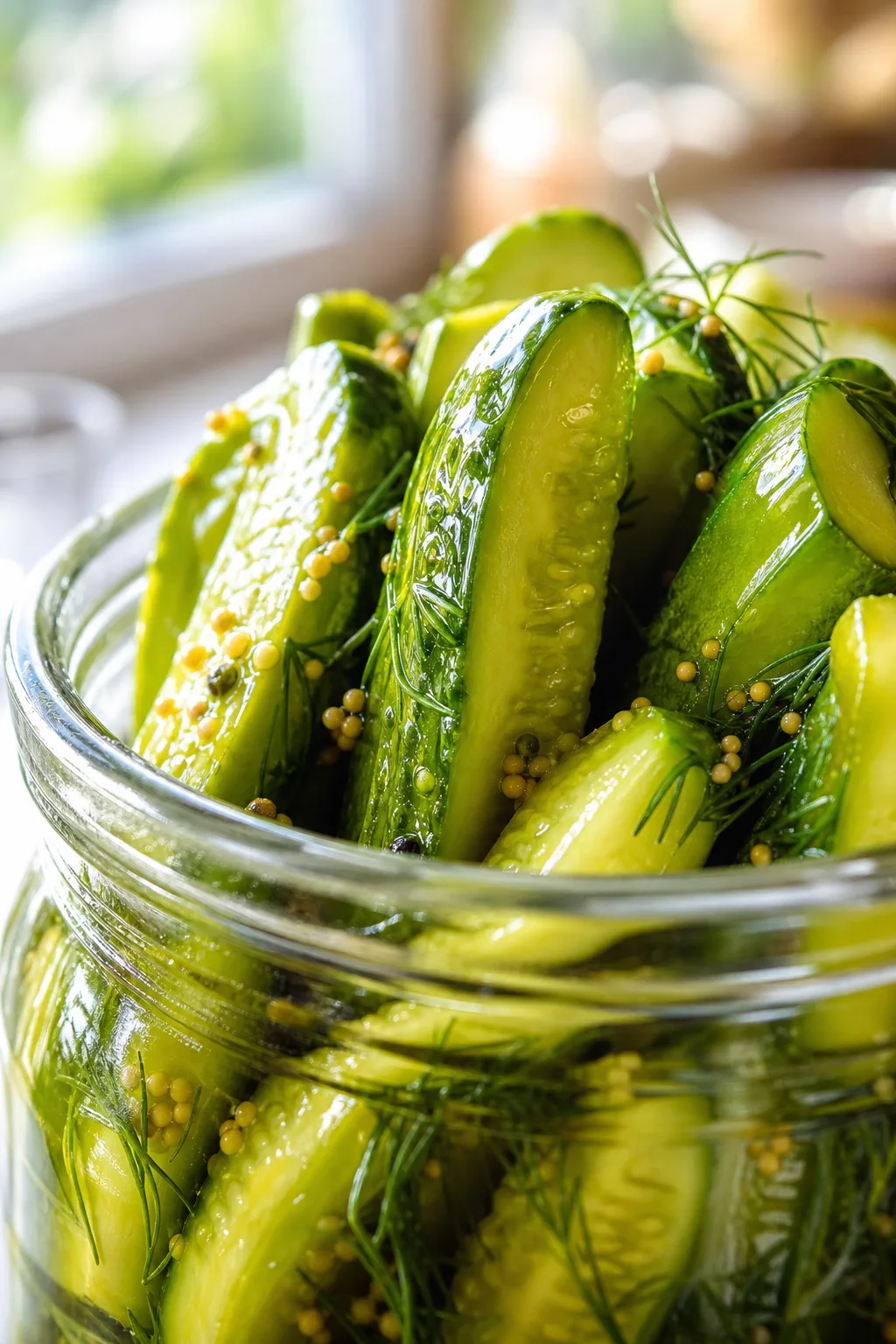
These pickled radishes are delightfully crunchy with a perfect tangy bite. The secret? Quick pickling with sugar and vinegar keeps them crisp. Great for spicing up sandwiches, salads, or snacking anytime!
Introduction
I first stumbled upon pickled radishes when I was experimenting with quick pickles to brighten up my meals. What caught me off guard was how these little roots could stay so wonderfully crisp and tangy without hours of fermenting. Most pickles tend to get soggy, but this recipe uses a quick pickling method that locks in the crunch. I love the balance of sharp vinegar with a touch of sweetness and aromatic spices like mustard seeds and bay leaf. It’s perfect for adding a pop of flavor to sandwiches, tacos, or even just as a snack straight from the jar. The trick I learned is to slice the radishes thin and let them sit in the brine at room temperature for at least an hour to soak up all the flavors without losing their texture. The end result is a vibrant, crunchy pickle that’s refreshing and addictive. Honestly, I’ve made this recipe dozens of times, and every batch disappears quickly. It’s a simple way to turn everyday radishes into something special without much fuss.
What You'll Need
Approximately 4 cups, 4 servings
- 4 cups radishes, thinly sliced
- 1 cup white vinegar
- 1 cup water
- 2 tablespoons sugar
- 1 tablespoon kosher salt
- 1 teaspoon mustard seeds
- 1/2 teaspoon black peppercorns
- 2 garlic cloves, smashed
- 1 bay leaf
How To Do It
Step 1
Start by washing and thinly slicing your radishes. Thin slices are key because they absorb the pickling liquid quickly while still staying crisp. Use a mandoline slicer if you have one for even thickness. Avoid slicing too thick or unevenly, as thicker pieces take longer to pickle and might turn soft. The thin slices ensure every bite has that satisfying crunch and tang.
⏱ Time: 10 minutes
✓ Doneness: Radishes should be uniformly thin, about 1/8 inch thick, with smooth edges and no jagged pieces.
Step 2
In a saucepan, combine white vinegar, water, sugar, kosher salt, mustard seeds, black peppercorns, smashed garlic, and bay leaf. Heat gently just until the sugar and salt dissolve completely—no need to boil. Heating helps dissolve the solids and infuses the spices into the brine, which enhances flavor. Avoid boiling as it can dull the vinegar’s sharpness and affect the radishes’ crispness.
⏱ Time: 5 minutes
✓ Doneness: The sugar and salt are fully dissolved, and the liquid is steaming but not boiling.
Step 3
Place the sliced radishes into a clean glass jar or container. Pour the warm pickling liquid over the radishes, making sure they’re fully submerged. Use a spoon to press them down if needed. Submerging the radishes ensures even pickling and prevents spoilage. If any slices float, they won’t pickle properly and may soften unevenly.
⏱ Time: 5 minutes
✓ Doneness: Radishes are completely covered by the brine with no air pockets.
Step 4
Let the jar cool to room temperature before sealing with a lid. This prevents condensation and sogginess inside the jar. Once cooled, refrigerate the pickles. The radishes will start to absorb the flavors within an hour but develop deeper taste after a few hours. Quick cooling keeps them crisp and fresh.
⏱ Time: 10 minutes
✓ Doneness: Jar is cool to the touch and sealed tightly.
Step 5
Allow the pickled radishes to chill in the refrigerator for at least 2 hours before eating. This resting time lets the flavors meld and the radishes soften slightly while maintaining crunch. The longer they sit, the more flavorful they become, but I usually enjoy them within 2-3 days for optimal texture.
⏱ Time: 2-24 hours
✓ Doneness: Radishes have a bright color and a tangy aroma, still crisp to bite.
Step 6
Before serving, taste a radish slice to check the balance of tang and sweetness. If you want a stronger vinegar punch, let them pickle longer. For milder flavor, eat sooner. Adjusting the sugar or salt in the brine next time can also fine-tune the taste to your liking. This flexibility lets you customize your pickles perfectly.
⏱ Time: 1 minute
✓ Doneness: Flavor is balanced with a pleasant tang, slight sweetness, and crunch intact.
Step 7
Use these pickled radishes as a crunchy topping for tacos, sandwiches, or salads. They also make a refreshing snack on their own. The acidity cuts through rich or fatty dishes beautifully and adds a pop of color. I find they brighten any meal instantly, making them a versatile condiment.
⏱ Time: N/A
✓ Doneness: Radishes are crisp, tangy, and vibrant in color when served.
Step 8
If you want to store the pickles longer, keep them refrigerated in an airtight container. They’ll stay good for up to 2 weeks but are best within the first week for maximum crunch. Over time, the radishes soften more but still taste great. Avoid leaving them at room temperature for extended periods to prevent spoilage.
⏱ Time: N/A
✓ Doneness: Pickles maintain crunch and bright color during storage.
Step 9
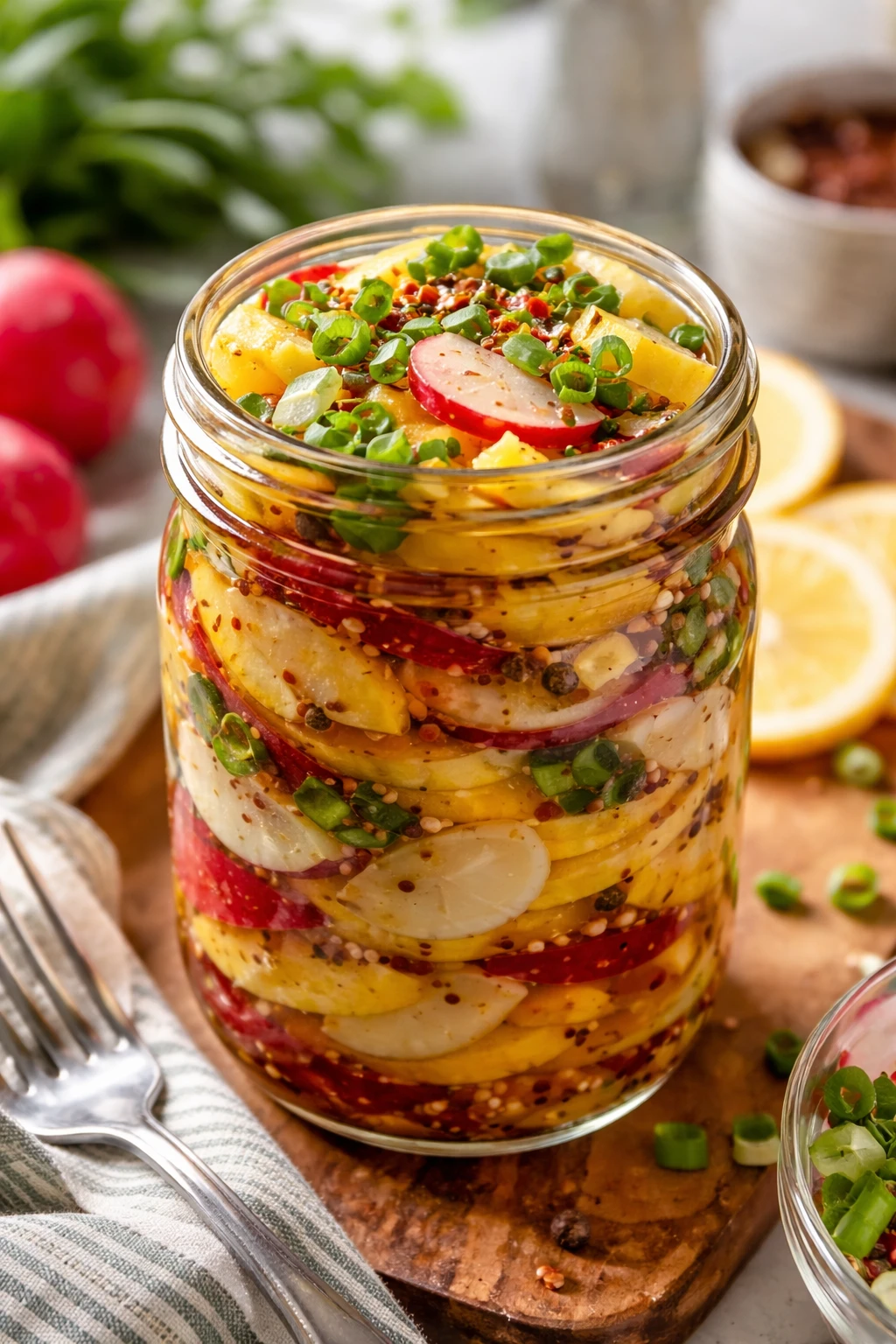
Experiment with adding other spices like chili flakes or fresh herbs to the brine for different flavor profiles. Just add them during the heating step to infuse. This keeps the recipe adaptable and exciting. I love switching it up depending on what I’m serving the pickles with.
⏱ Time: N/A
✓ Doneness: Additional spices are well incorporated and complement the radishes.
Pro Tips
Slice radishes uniformly thin for best pickling results.
Uniform thin slices ensure even absorption of the brine and preserve crispness. Thick or uneven pieces soak unevenly, leading to inconsistent texture and flavor.
Heat the brine just until sugar and salt dissolve, don’t boil.
Boiling can dull vinegar’s sharpness and soften spices too much, reducing flavor clarity. Gentle heating preserves bright acidity and aromatic notes.
Cool the jar to room temperature before sealing.
Sealing a hot jar traps steam, causing condensation that softens radishes. Cooling prevents sogginess and extends shelf life.
Use a glass jar with a tight lid for pickling.
Glass is non-reactive and lets you see the pickles, while a tight lid prevents air exposure that leads to spoilage.
Store pickles in the fridge and consume within 1-2 weeks.
Refrigeration slows enzyme activity that breaks down texture. Eating within two weeks ensures maximum crunch and fresh flavor.
Add aromatics like garlic and mustard seeds for depth.
These spices infuse subtle warmth and complexity, elevating simple vinegar and radish into a flavorful condiment.
Press radishes down in brine to keep fully submerged.
Exposure to air causes uneven pickling and potential spoilage. Keeping radishes submerged ensures consistent flavor and safety.
Common Mistakes to Avoid
Using thick radish slices
Why it happens People often slice thickly to save time or because they don’t have proper tools, assuming it won’t affect texture much.
Fix Use a mandoline or sharp knife to slice radishes thinly and evenly, about 1/8 inch thick. This allows quick, even pickling and preserves crispness.
Boiling the pickling brine
Why it happens Many think boiling speeds up flavor infusion, not realizing it can dull vinegar sharpness and soften spices.
Fix Heat the brine just until sugar and salt dissolve, then remove from heat. This keeps the flavors bright and the radishes crisp.
Sealing hot pickles immediately
Why it happens Rushing to seal jars while still hot traps steam, causing sogginess inside the jar.
Fix Allow the jar to cool to room temperature before sealing tightly to avoid condensation and maintain crunch.
Not fully submerging radishes in brine
Why it happens Radishes may float if not pressed down, leading to uneven pickling and spoilage.
Fix Use a clean spoon or weight to press radishes fully under the brine before sealing.
Leaving pickles out at room temperature too long
Why it happens Some assume quick pickles can be left unrefrigerated like fermented ones, risking spoilage.
Fix Store pickled radishes in the fridge after cooling to keep them fresh and safe to eat.
Variations
Spicy Pickled Radishes
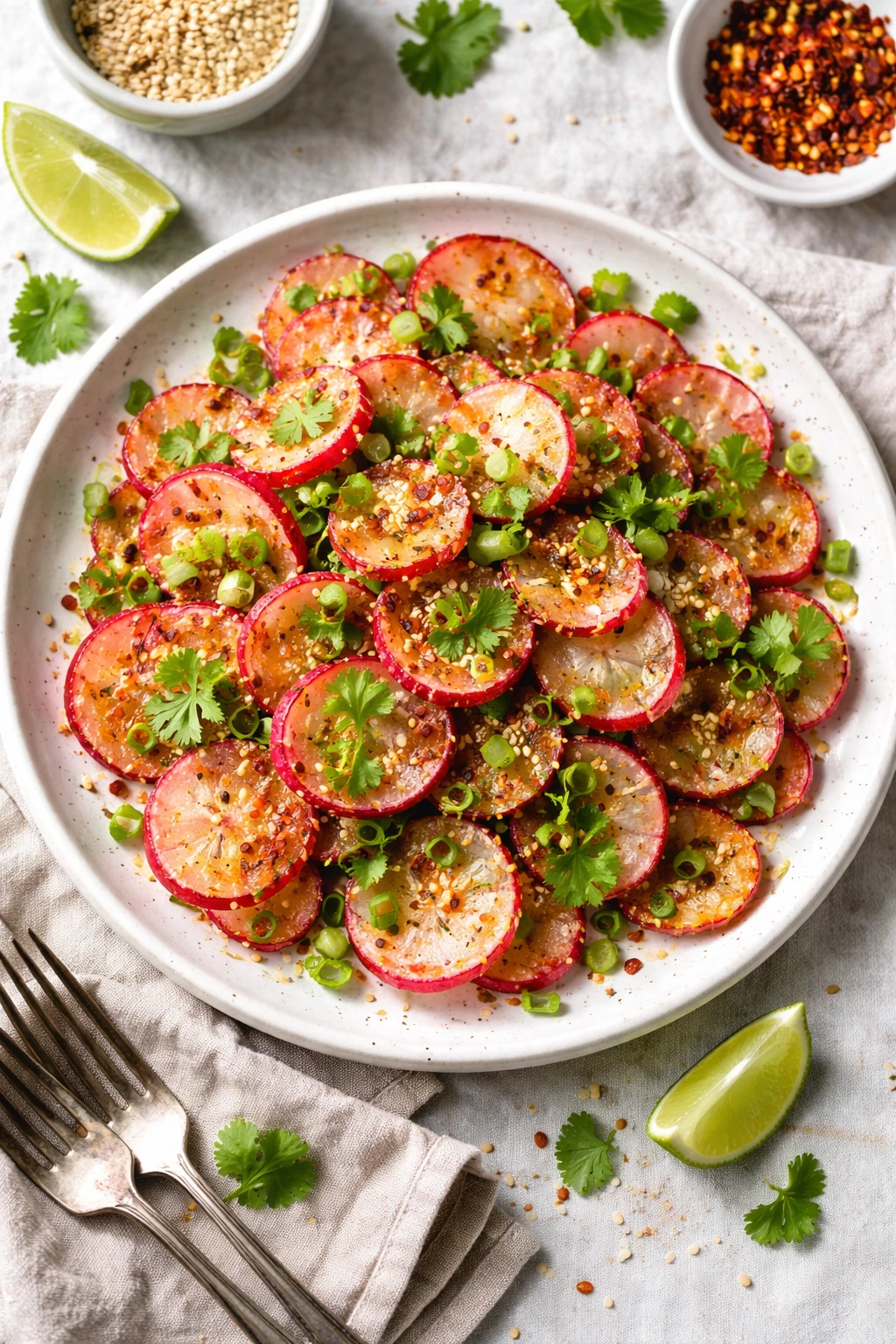
Add 1 teaspoon red chili flakes or a sliced jalapeño to the brine for a spicy kick. This variation adds heat that pairs wonderfully with rich or grilled dishes, giving your pickles a lively twist.
Note: Spices infuse during brine heating; avoid overcooking to keep chili aroma fresh.
Herb-Infused Pickled Radishes
Toss in fresh dill, thyme, or rosemary sprigs into the jar before pouring brine. The herbs add earthy, fragrant notes that transform the pickles into a more complex condiment.
Note: Use fresh herbs and add after brine cools slightly to preserve aroma.
Sweet and Sour Pickled Radishes
Increase sugar to 3 tablespoons and add a splash of apple cider vinegar for a sweeter, fruitier profile. This version is great for balancing spicy or savory dishes.
Note: Adjust sugar carefully to avoid overpowering vinegar’s acidity.
Quick Pickled Watermelon Radishes
Swap regular radishes for watermelon radishes for a beautiful pink color and milder flavor. The pickling process is the same, but the visual impact is stunning on any plate.
Note: Watermelon radishes slice similarly thin; no timing changes needed.
Garlic Lover’s Pickled Radishes
Double the garlic cloves and add sliced fresh garlic to the brine for a bold, pungent flavor. Perfect if you love a garlicky punch in your pickles.
Note: More garlic intensifies flavor; monitor to avoid bitterness.
Nutrition
Per Serving:
Nutritional values are estimates and may vary based on specific ingredients used.
Storage & Tips
Room Temperature
Pickled radishes can safely sit at room temperature only during the cooling phase (about 30 minutes). After that, they should be refrigerated. Leaving them out longer risks spoilage and loss of crispness.
Refrigerator
Store in an airtight glass jar for up to 2 weeks. Flavor intensifies over time, but texture is best within the first week. They can be eaten cold or at room temperature after removing from the fridge.
Freezer
Freezing is not recommended as it breaks down the radishes’ cell structure, resulting in a mushy texture upon thawing. It’s best to consume fresh refrigerated pickles.
Reheating
No reheating needed. Serve chilled or at room temperature. If used in cooked dishes, add pickles after cooking to maintain crunch.
Make Ahead
You can slice radishes and prepare the brine up to 1 day ahead. Store sliced radishes separately in the fridge to keep crisp. Combine with brine just before serving or a few hours prior for best texture.
FAQ
Can I use other types of radishes for this recipe?
Absolutely! While red radishes are common, watermelon or white radishes work great too. Just slice them thinly. Watermelon radishes add a beautiful color and a slightly milder flavor, but the pickling process remains the same.
How long do these pickled radishes last in the fridge?
Stored properly in an airtight container, they last up to 2 weeks. For best crunch and flavor, try to consume them within the first week. Over time, they soften but remain tasty.
Can I make this recipe without sugar?
You can reduce sugar or omit it, but keep in mind sugar balances vinegar’s acidity and helps preserve crispness. Without sugar, the pickles will be more tart and might soften faster.
Do I need to sterilize the jar before pickling?
For quick pickles consumed within a couple of weeks and stored in the fridge, sterilizing jars is not necessary. Just use a clean jar and lid. For long-term storage or canning, sterilization is recommended.
Why are my pickled radishes soft instead of crisp?
Softness usually comes from thick slicing, boiling the brine, or not refrigerating promptly. Thin slices and quick cooling help maintain crispness. Also, avoid leaving them at room temperature too long after pickling.
Can I add other spices to customize the flavor?
Yes! Feel free to add chili flakes, fresh herbs, or other spices during the brine heating step to infuse different flavors. Just be mindful not to overpower the radishes’ natural tang.
Is it okay to reuse the pickling brine?
Reusing brine is not recommended for safety and flavor reasons. The brine loses acidity and picks up bacteria from the vegetables, which can cause spoilage or off flavors.
How soon can I eat the pickled radishes after making them?
They start tasting good after about an hour but are best after chilling for at least 2 hours to let the flavors meld while keeping crunch.
Final Thoughts
Give this crispy pickled radish recipe a try and add a fresh, tangy crunch to your meals. I’d love to hear how you use them—share your favorites!