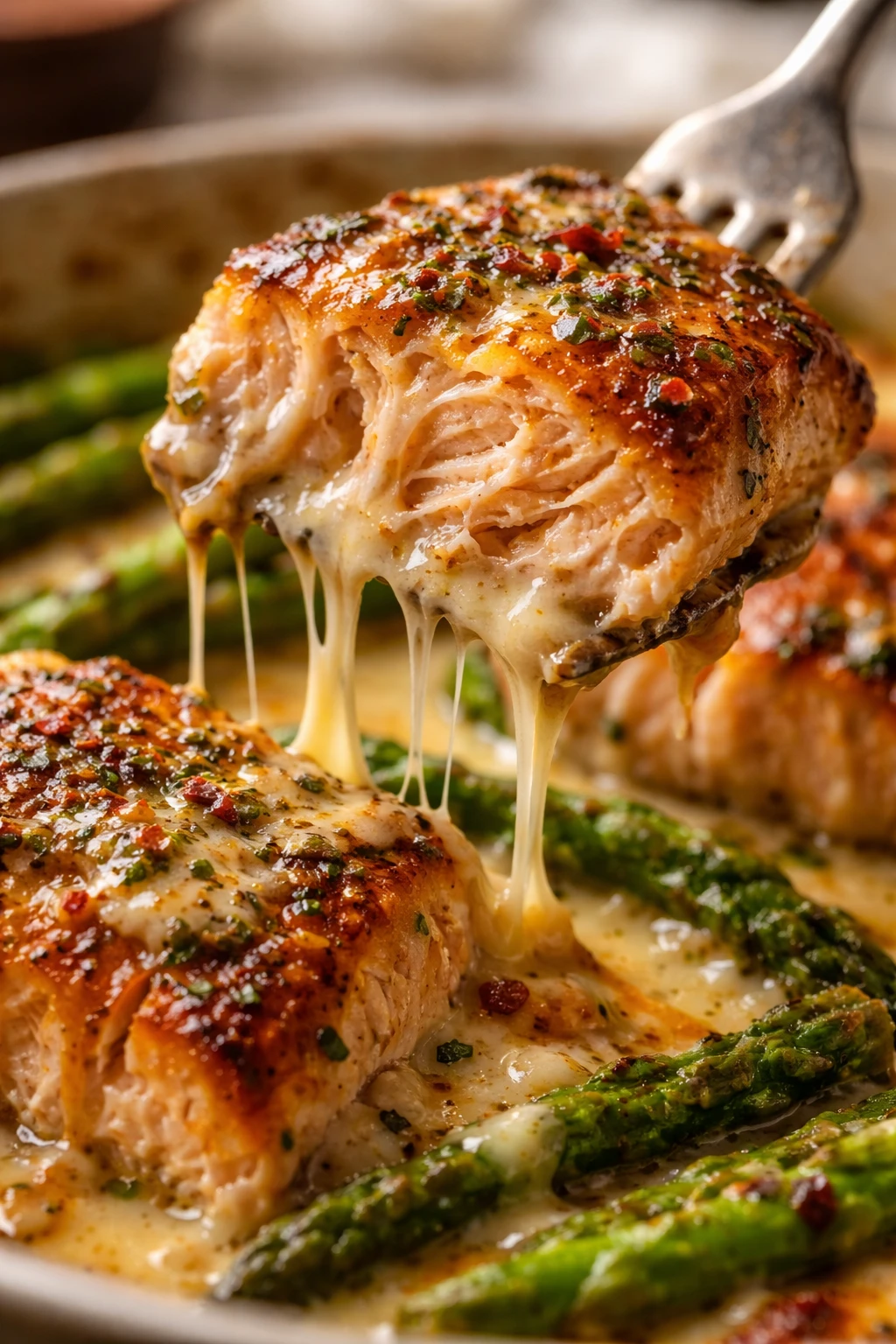
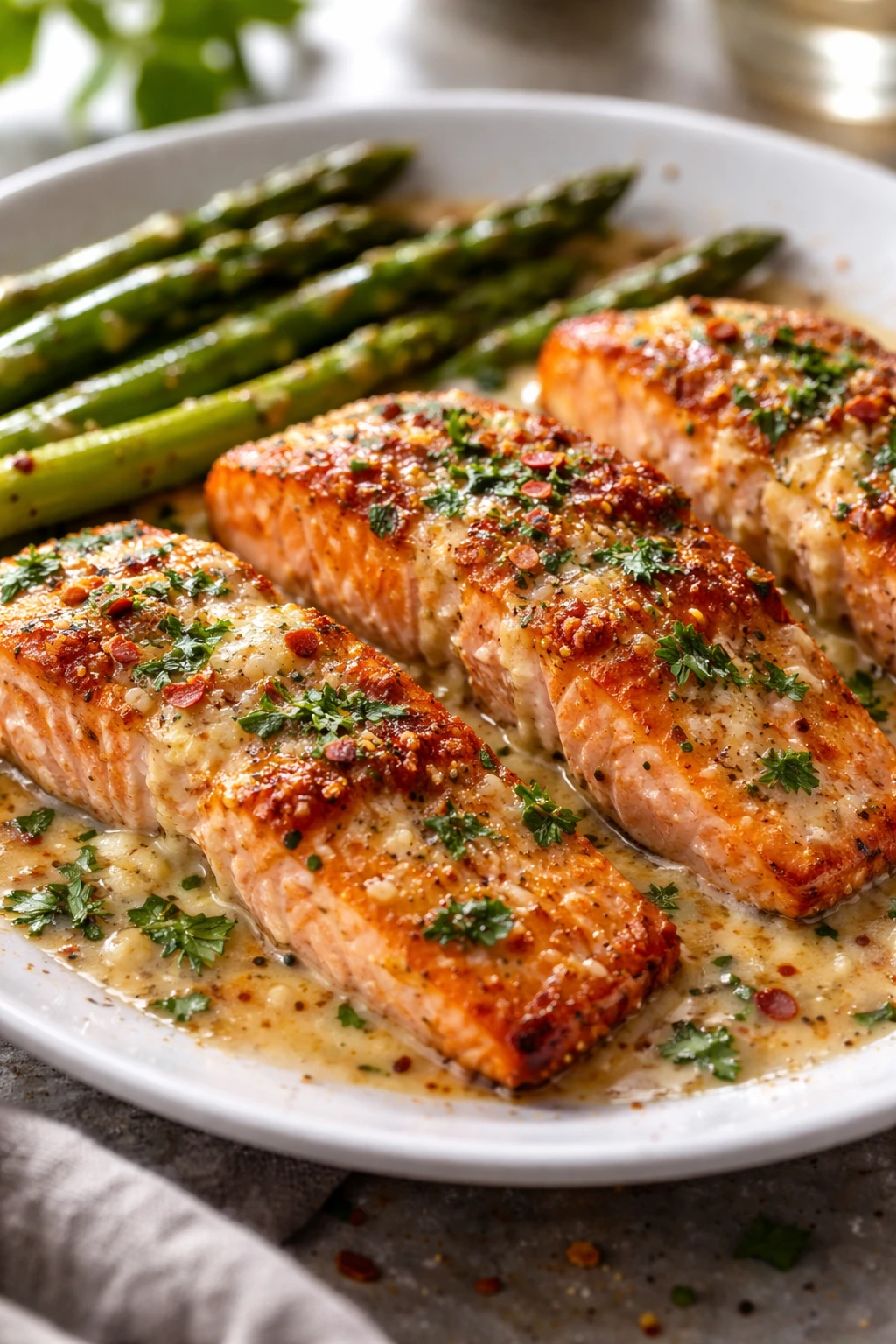
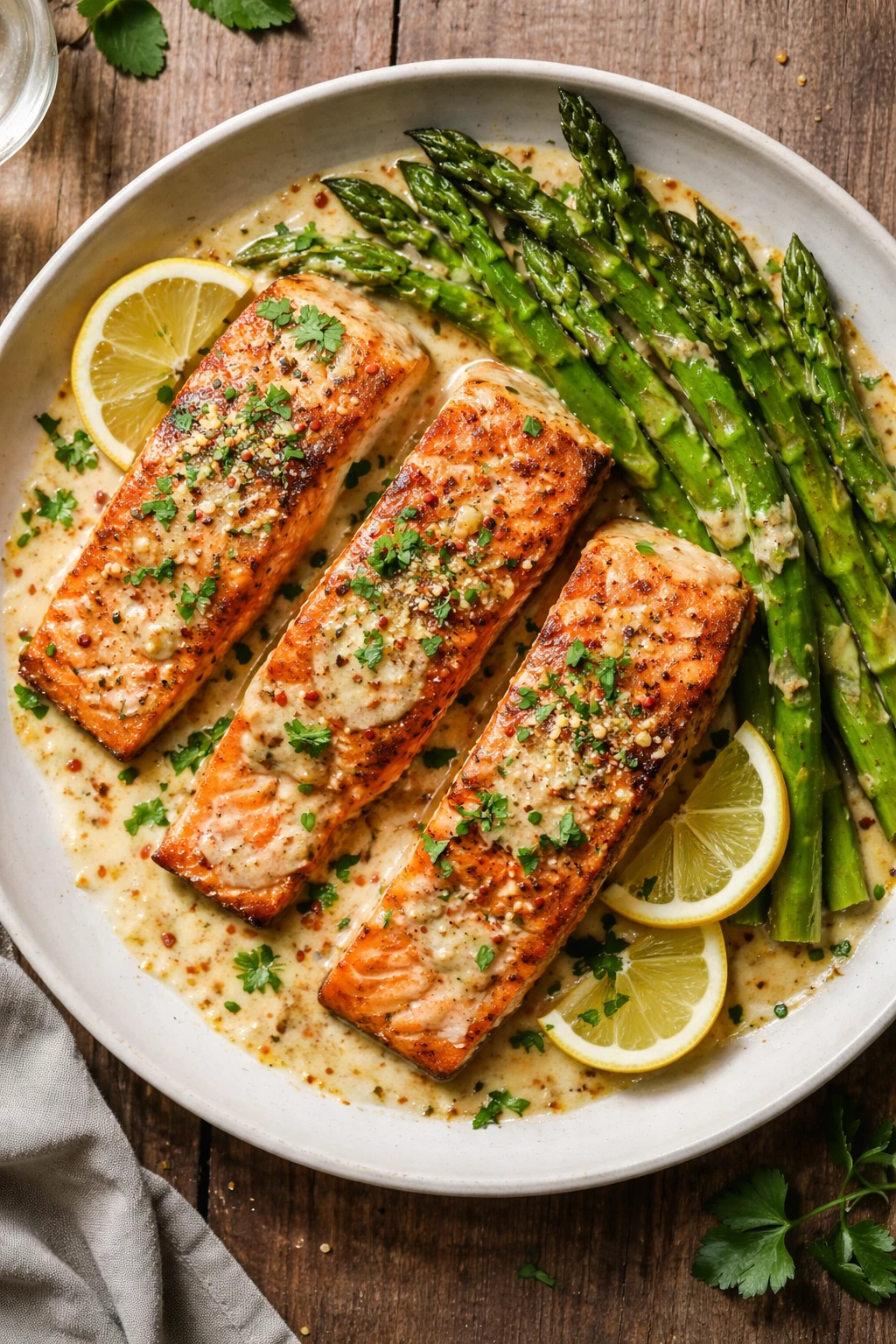
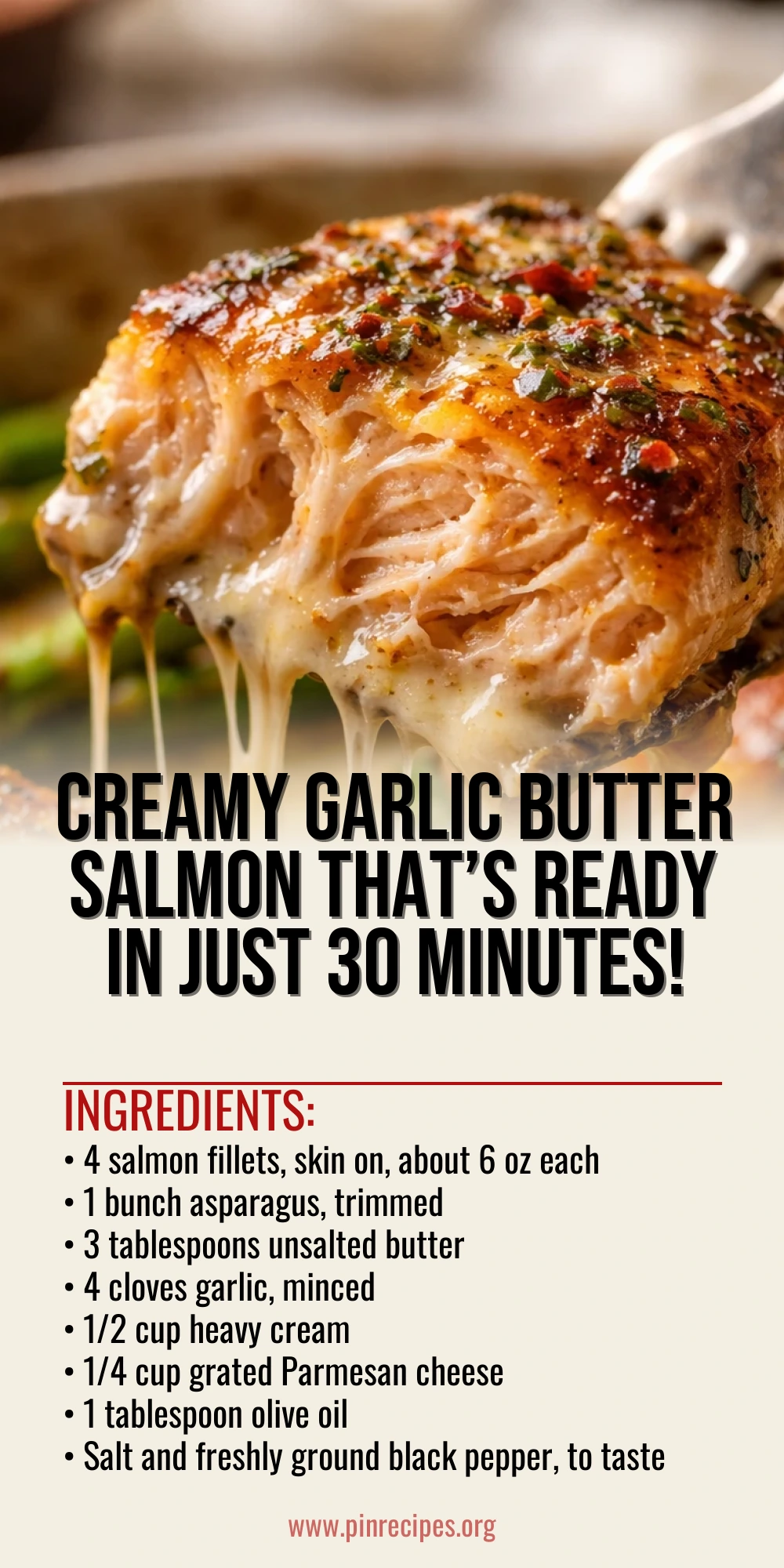
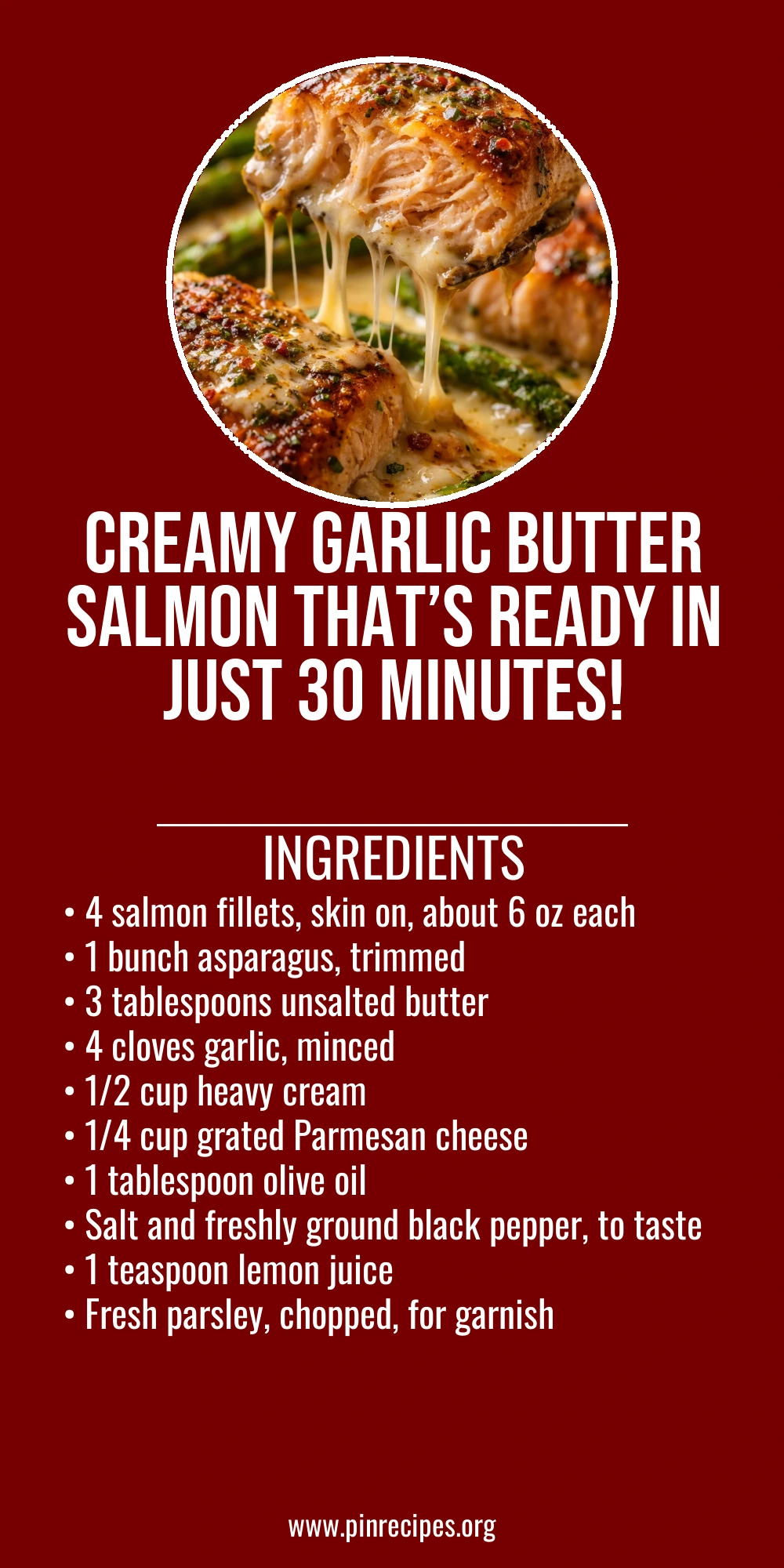
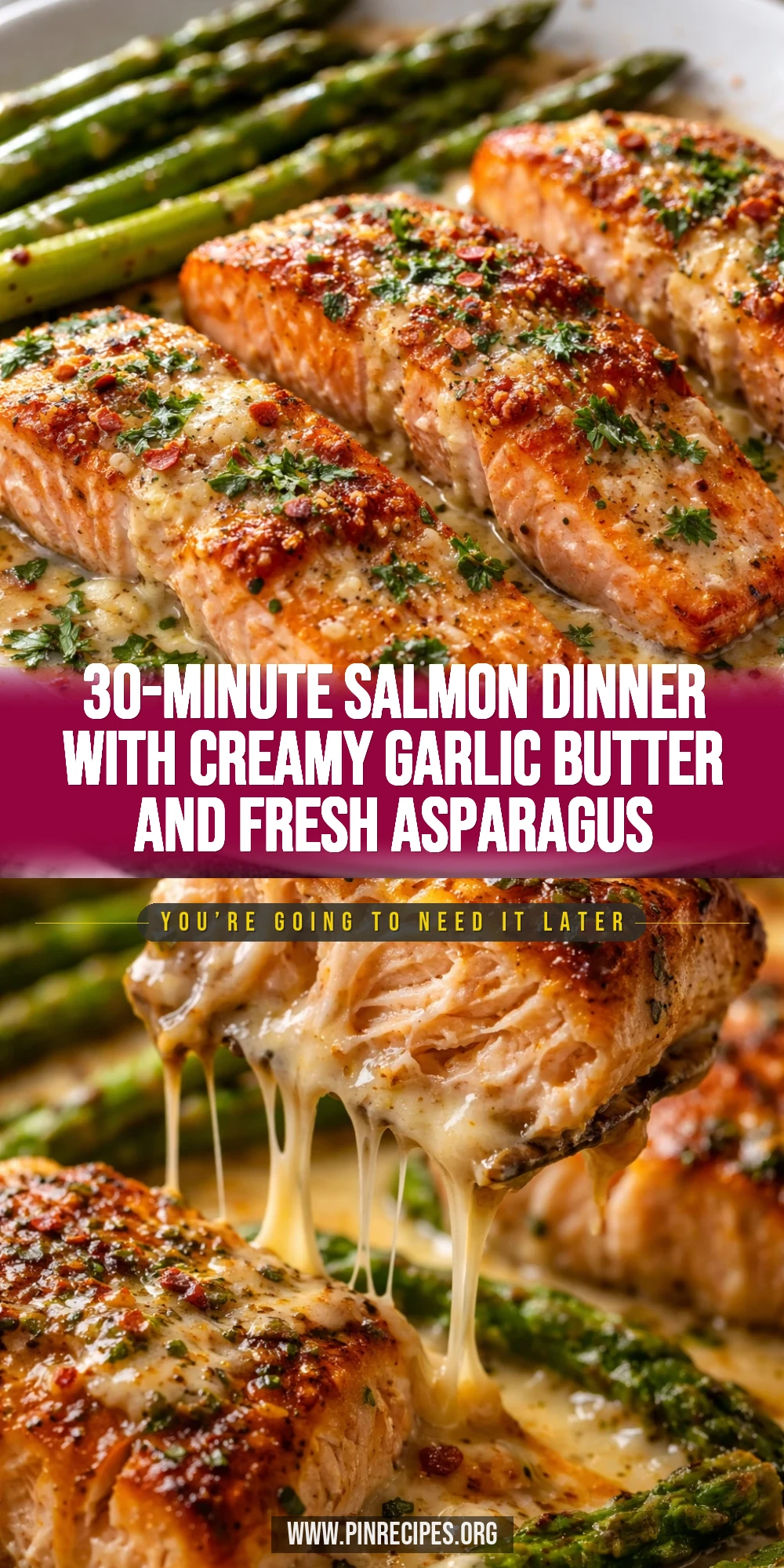
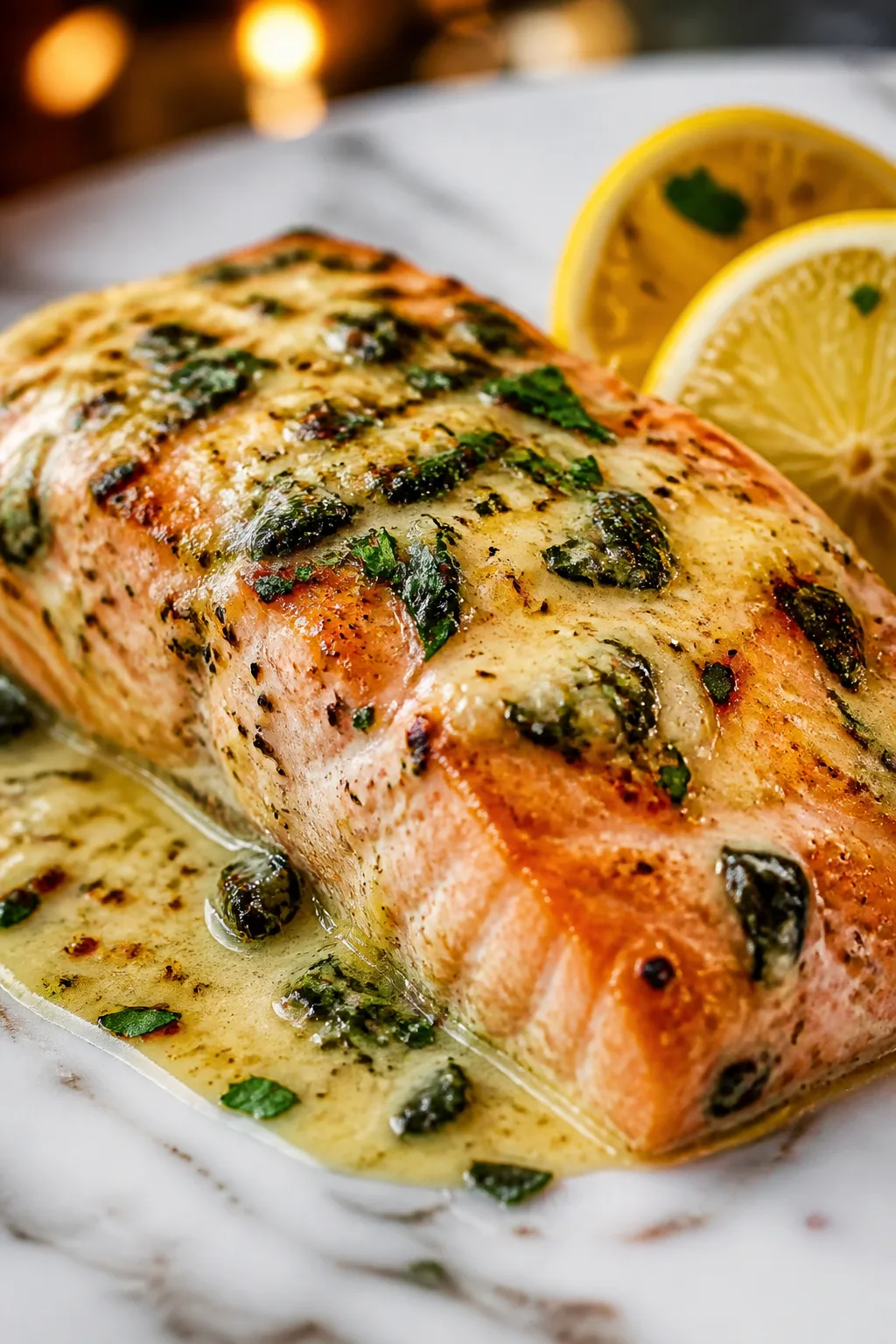
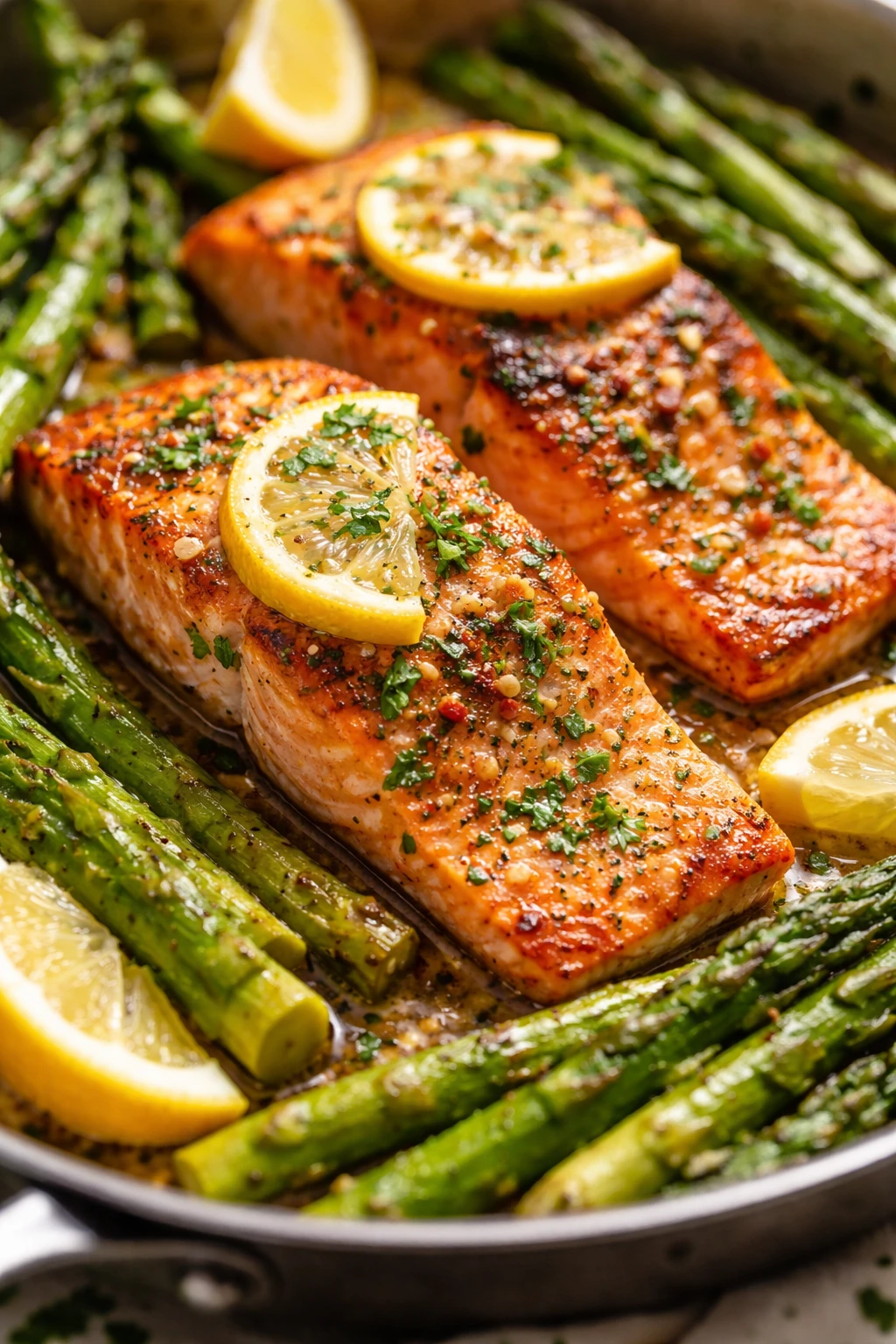
This salmon dish is a quick, creamy delight that combines tender fish with garlicky butter sauce and crisp asparagus. The secret? A splash of cream that makes the sauce irresistibly smooth. Ideal for weeknight dinners when you want something fancy but fast!
Introduction
I first stumbled upon this creamy garlic butter salmon recipe when I was craving something both quick and comforting after a long day. What caught me was how simple it was to pull together yet felt indulgent thanks to the rich butter sauce. Over time, I tweaked it to balance the creaminess with fresh asparagus, adding a nice crunch and a pop of color. The trick I learned early on is to cook the salmon skin-side down first to get that crispy texture without drying out the fish. Also, finishing the sauce with Parmesan cheese gives it a subtle nutty depth that I think really elevates the dish. Every time I make this, it feels like a little celebration on a plate—perfect for weeknights when you want something special but don’t have hours to spend in the kitchen. The salmon comes out tender and flaky, wrapped in a velvety, garlicky sauce that’s just so satisfying. Plus, the asparagus cooks right alongside, soaking up some of that buttery goodness. Honestly, it’s become a family favorite and one of my go-to dinners when I want something impressive but easy.
How To Do It
Step 1
Start by prepping your salmon fillets and asparagus. Pat the salmon dry with paper towels to help achieve a nice sear. Trim the woody ends off the asparagus and set aside. Dry salmon skin helps it crisp up during cooking, which adds great texture and flavor. Avoid skipping this step because moisture on the fish will steam it instead of searing, resulting in less appealing texture.
⏱ Time: 5 minutes
✓ Doneness: Salmon surface feels dry and firm to touch before cooking
Step 2
Heat the olive oil in a large skillet over medium-high heat. Place the salmon fillets skin-side down and cook without moving them for about 5-6 minutes. This allows the skin to crisp up beautifully and the fish to cook most of the way through. If you flip too early, the skin might stick and tear. Patience here is key for that perfect crust.
⏱ Time: 6 minutes
✓ Doneness: Skin is golden brown and releases easily from the pan
Step 3
Flip the salmon carefully and add the trimmed asparagus to the skillet. Cook for another 3-4 minutes, turning asparagus occasionally so it gets tender but still crisp. Cooking the asparagus in the same pan lets it soak up salmon flavors and butter later on. Overcooking will make it mushy, so keep an eye on the texture.
⏱ Time: 4 minutes
✓ Doneness: Salmon is opaque and asparagus is bright green and tender-crisp
Step 4
Reduce the heat to medium-low and add butter to the skillet. Once melted, stir in minced garlic. Cooking garlic gently in butter releases its aroma without burning it, which would make it bitter. Stir constantly and watch closely to keep the garlic golden and fragrant.
⏱ Time: 2 minutes
✓ Doneness: Garlic is fragrant and lightly golden
Step 5
Pour in the heavy cream and stir to combine with the butter and garlic. Let it simmer gently for 2-3 minutes until it slightly thickens. The cream enriches the sauce, making it luscious and smooth. Avoid boiling hard, which can cause the cream to separate and curdle.
⏱ Time: 3 minutes
✓ Doneness: Sauce thickens enough to coat the back of a spoon
Step 6
Add the grated Parmesan cheese and stir until melted and fully incorporated. The cheese adds a nutty depth and helps thicken the sauce further. Use freshly grated Parmesan for best texture and flavor; pre-grated can be powdery and less flavorful.
⏱ Time: 2 minutes
✓ Doneness: Sauce is creamy and smooth with no lumps
Step 7
Season the sauce with salt, freshly ground black pepper, and a splash of lemon juice to brighten the flavors. Taste and adjust seasoning as needed. Lemon juice cuts through the richness and balances the dish beautifully.
⏱ Time: 1 minute
✓ Doneness: Sauce tastes balanced with a hint of brightness
Step 8
Spoon the creamy garlic butter sauce over the salmon and asparagus in the skillet. Let everything warm together for a minute so the flavors meld. This final step ensures the salmon stays moist and the asparagus is perfectly coated.
⏱ Time: 1 minute
✓ Doneness: Sauce evenly coats salmon and asparagus, glossy appearance
Step 9
Garnish with freshly chopped parsley before serving. The fresh herb adds a pop of color and a subtle freshness that complements the richness of the dish. Serve immediately with your favorite side or a simple salad.
⏱ Time: 1 minute
✓ Doneness: Bright green parsley scattered over the dish
Pro Tips
Pat the salmon dry before cooking to get crispy skin.
Removing excess moisture allows the skin to sear properly rather than steam. This creates a crispy texture and prevents sticking.
Cook the salmon skin-side down first without moving it.
This technique helps render the fat under the skin and crisps it up. Flipping too soon can cause the skin to tear and stick.
Simmer the cream gently to avoid curdling.
High heat causes cream to separate. A gentle simmer thickens the sauce smoothly and maintains a creamy texture.
Use freshly grated Parmesan cheese for best melting.
Fresh Parmesan melts evenly and adds rich flavor without graininess, unlike pre-grated versions.
Add lemon juice at the end to brighten flavors.
Acid balances the richness of butter and cream, enhancing the overall taste without overpowering.
Cook asparagus alongside salmon for flavor infusion.
This saves time and lets asparagus soak up buttery garlic sauce, making it more flavorful.
Garnish with fresh parsley for color and freshness.
Parsley adds a fresh herbal note and visual appeal, balancing the richness of the dish.
Common Mistakes to Avoid
Not drying the salmon before cooking.
Why it happens Many cooks overlook this step, assuming it’s unnecessary or rushed.
Fix Always pat salmon dry with paper towels. This prevents steaming and helps achieve that desirable crispy skin.
Cooking cream sauce on too high heat.
Why it happens It’s tempting to speed things up by turning the heat up, but cream is sensitive.
Fix Simmer cream on low to medium-low heat. This prevents separation and keeps the sauce silky smooth.
Flipping salmon too early or too often.
Why it happens Impatience or fear of burning can cause flipping too soon or repeatedly.
Fix Let salmon cook skin-side down undisturbed until the skin crisps and releases easily, about 5-6 minutes.
Using pre-grated Parmesan cheese.
Why it happens Convenience leads many to grab pre-shredded cheese without realizing the quality difference.
Fix Grate Parmesan fresh to ensure smooth melting and better flavor.
Overcooking asparagus until mushy.
Why it happens Without attention, asparagus can easily become limp and lose its bright color.
Fix Cook asparagus until tender-crisp, about 3-4 minutes, turning occasionally for even cooking.
Variations
Spicy Creamy Garlic Butter Salmon
Add a pinch of red pepper flakes to the garlic butter sauce for a subtle kick. This variation gives the dish a nice warmth without overpowering the creamy flavors. It pairs well with a squeeze of fresh lime instead of lemon.
Note: Add red pepper flakes when melting the butter and garlic to infuse the spice evenly.
Creamy Dill and Lemon Salmon
Swap parsley for fresh dill and increase lemon juice for a bright, herbaceous twist. Dill complements salmon beautifully and adds a fresh aroma to the creamy sauce.
Note: Add chopped dill at the end of cooking to preserve its delicate flavor.
Garlic Butter Salmon with Roasted Cherry Tomatoes
Include roasted cherry tomatoes for a burst of sweetness and acidity. Roast tomatoes separately and add them on top before serving to keep their texture intact.
Note: Roast tomatoes at 400°F for 10-12 minutes with olive oil and salt.
Dairy-Free Garlic Butter Salmon
Use coconut cream and vegan butter substitutes to make this recipe dairy-free. The sauce remains creamy and flavorful, perfect for those with dairy restrictions.
Note: Simmer coconut cream gently and add nutritional yeast for a cheesy flavor.
Creamy Garlic Butter Salmon with Mushrooms
Add sautéed mushrooms alongside the asparagus for an earthy, savory addition. Mushrooms soak up the sauce beautifully and add extra umami.
Note: Sauté mushrooms first until golden, then add asparagus and proceed with the recipe.
Nutrition
Per Serving:
Nutritional values are estimates and may vary based on specific ingredients used.
Storage & Tips
Room Temperature
This dish can safely sit at room temperature for up to 2 hours if covered loosely. Beyond that, bacteria growth increases, so refrigerate promptly.
Refrigerator
Store leftovers in an airtight container for up to 3 days. The sauce may thicken or separate slightly when cold; reheat gently to restore creaminess. Asparagus can become softer when reheated.
Freezer
Freeze cooked salmon and sauce separately in airtight containers for up to 2 months. Wrap salmon tightly in plastic wrap and foil to prevent freezer burn. Thaw overnight in the fridge before reheating.
Reheating
Reheat gently on the stovetop over low heat, stirring sauce occasionally. Add a splash of cream or water if sauce is too thick. Avoid microwave reheating at high power to prevent overcooking the salmon.
Make Ahead
You can prep the garlic butter sauce and trim asparagus 1 day ahead, storing separately in the fridge. Assemble and cook salmon fresh for best texture and flavor on serving day.
FAQ
Can I use frozen salmon fillets for this recipe?
Yes, but thaw them completely in the fridge before cooking for even results. Cooking frozen salmon directly can lead to uneven cooking and a less crispy skin.
What can I substitute for heavy cream if I don’t have any?
You can use half-and-half or full-fat coconut milk as alternatives, but the sauce will be less rich and may have a different flavor. Avoid using milk alone as it’s too thin and may curdle.
How do I know when the salmon is fully cooked?
The salmon should be opaque and flake easily with a fork. Cooking times vary by thickness, but generally 5-6 minutes skin-side down and 3-4 minutes after flipping works well.
Can I make this recipe gluten-free?
Absolutely! All the main ingredients are naturally gluten-free. Just double-check your Parmesan cheese and any packaged ingredients to ensure they don’t contain gluten additives.
What if I don’t like asparagus? Can I use another vegetable?
Sure! Green beans, broccoli, or snap peas work well cooked alongside the salmon. Adjust cooking times slightly depending on the vegetable’s tenderness.
How do I prevent the cream sauce from separating?
Simmer the cream gently over medium-low heat and avoid boiling. Adding cheese gradually and stirring constantly helps maintain a smooth sauce.
Is it better to cook salmon skin-on or skinless for this recipe?
Skin-on is best here because it crisps up nicely and protects the fish from drying out. Skinless salmon cooks faster but won’t have that crispy texture.
Can I prepare this recipe ahead of time and reheat?
You can prep the sauce and vegetables ahead, but cook the salmon fresh for best texture. Reheat gently to avoid drying out the fish.
Final Thoughts
Give this creamy garlic butter salmon a try—you’ll love how easy and delicious it is. Don’t forget to share your results; I’m always excited to hear how it turns out!