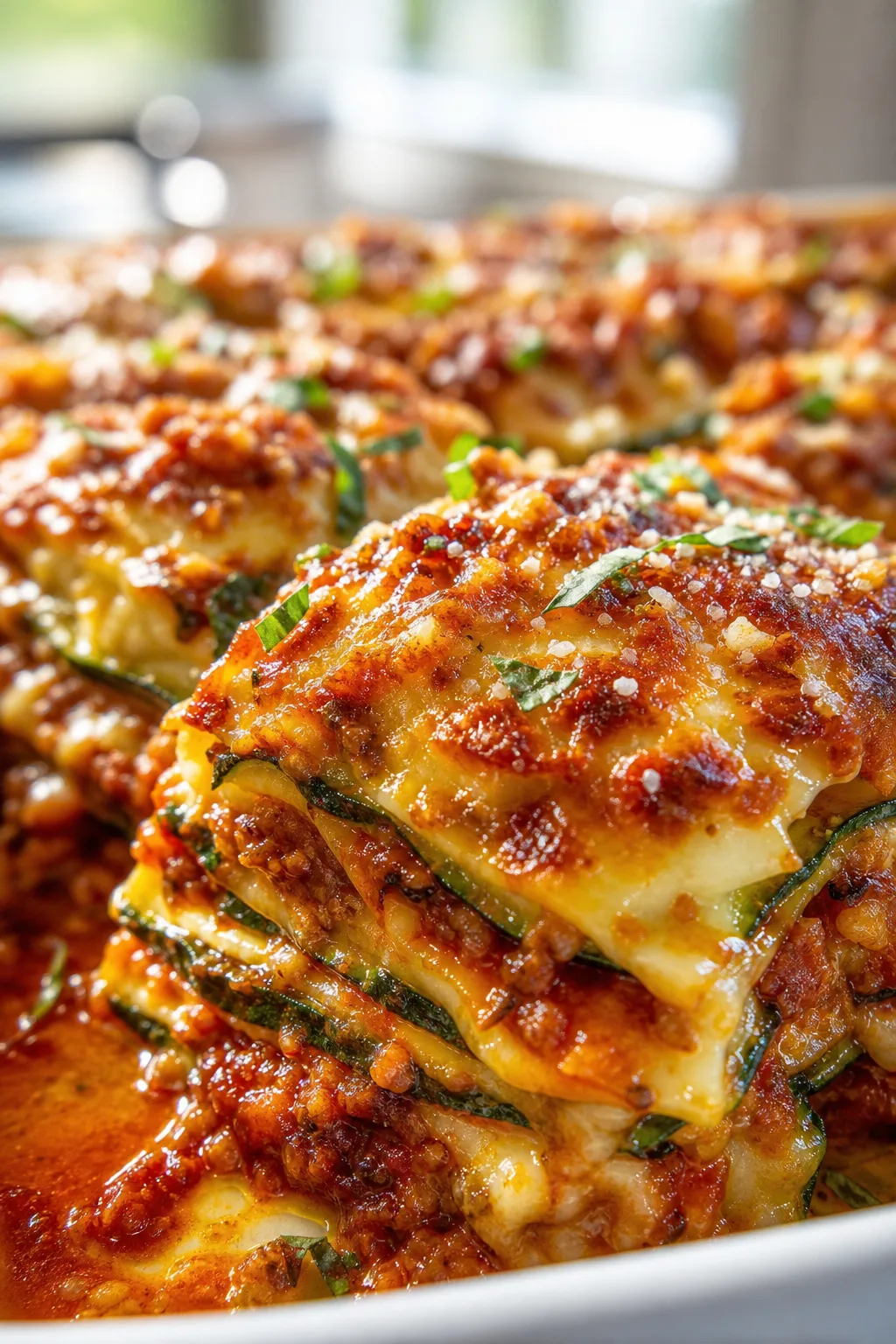
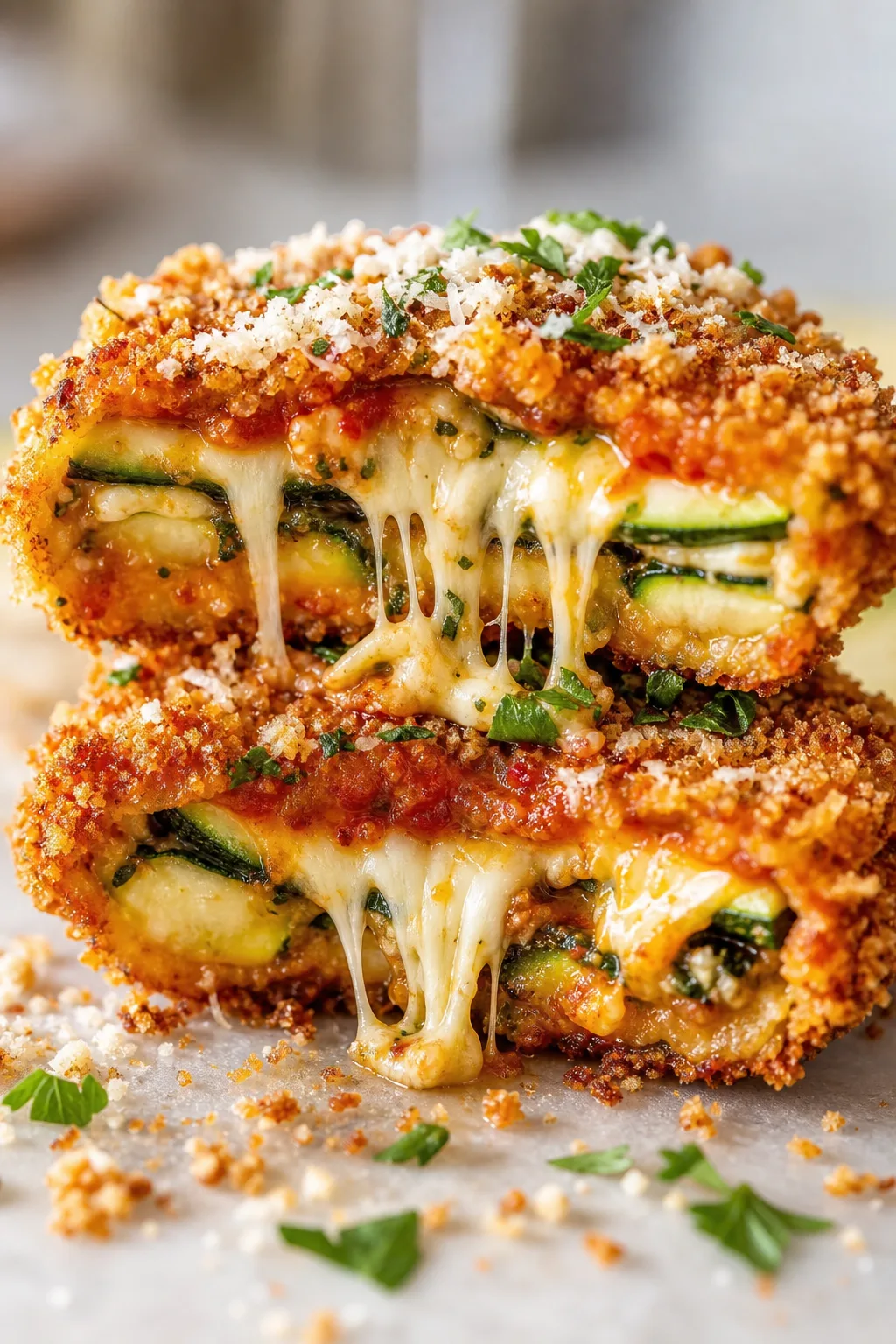
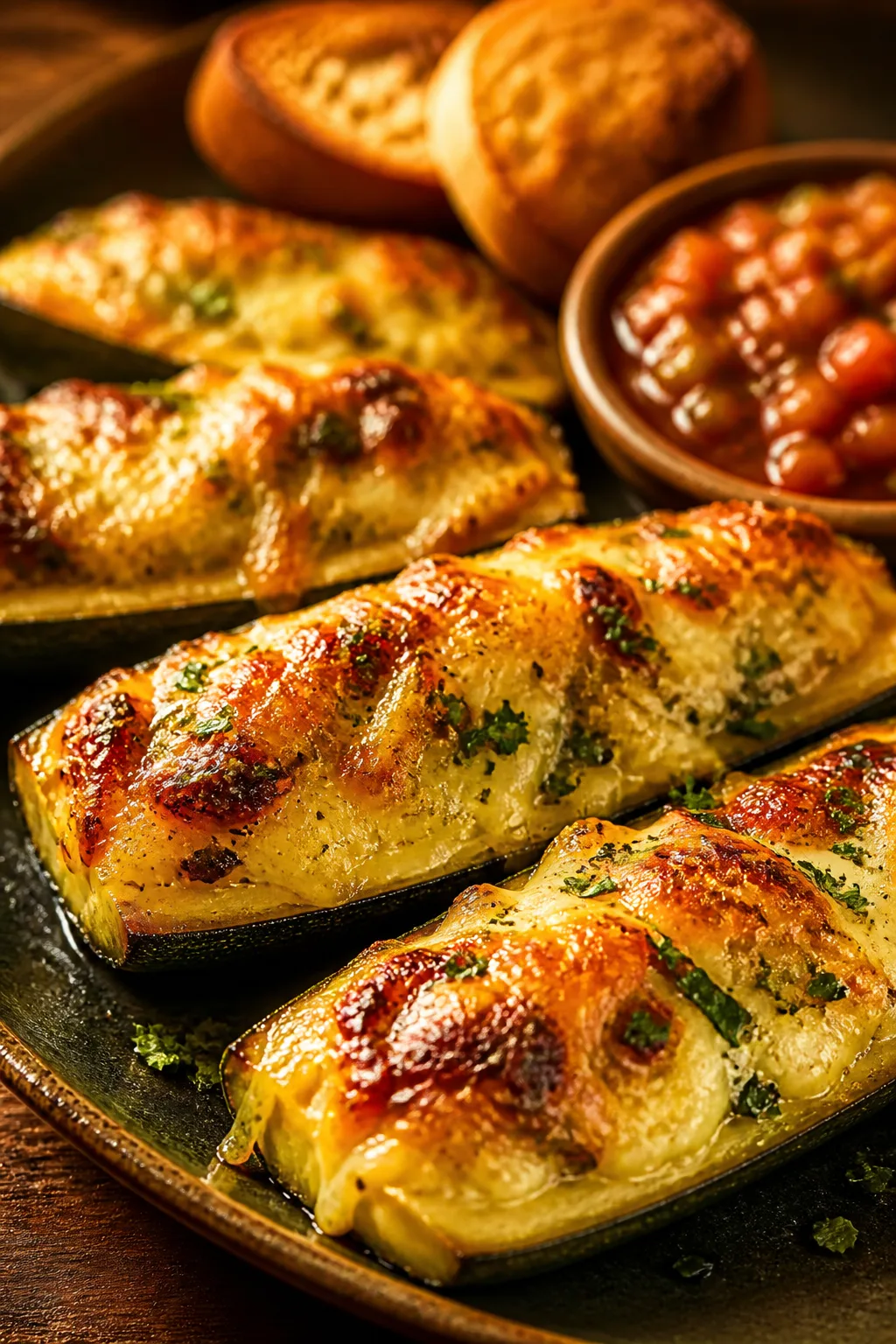
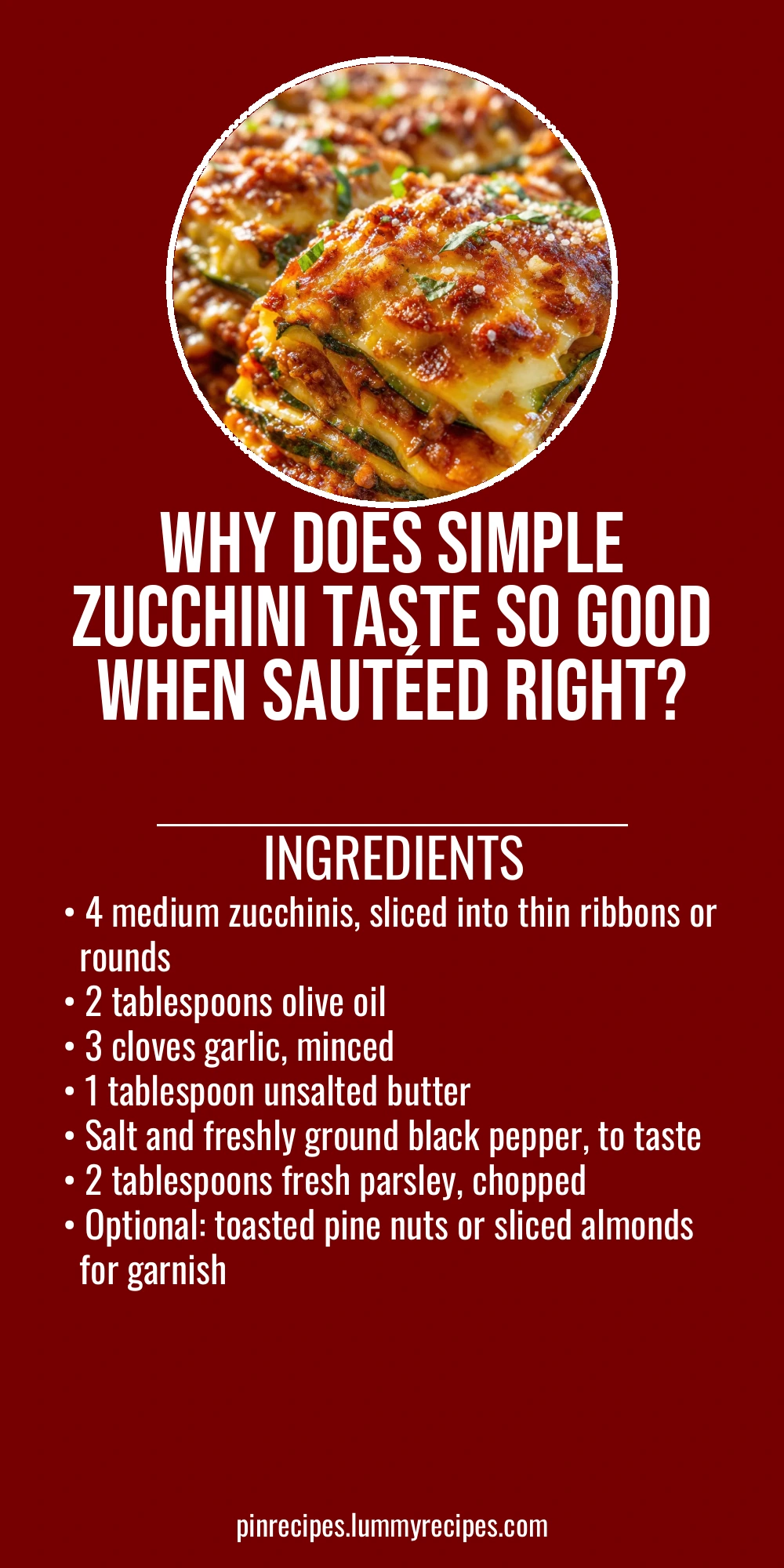
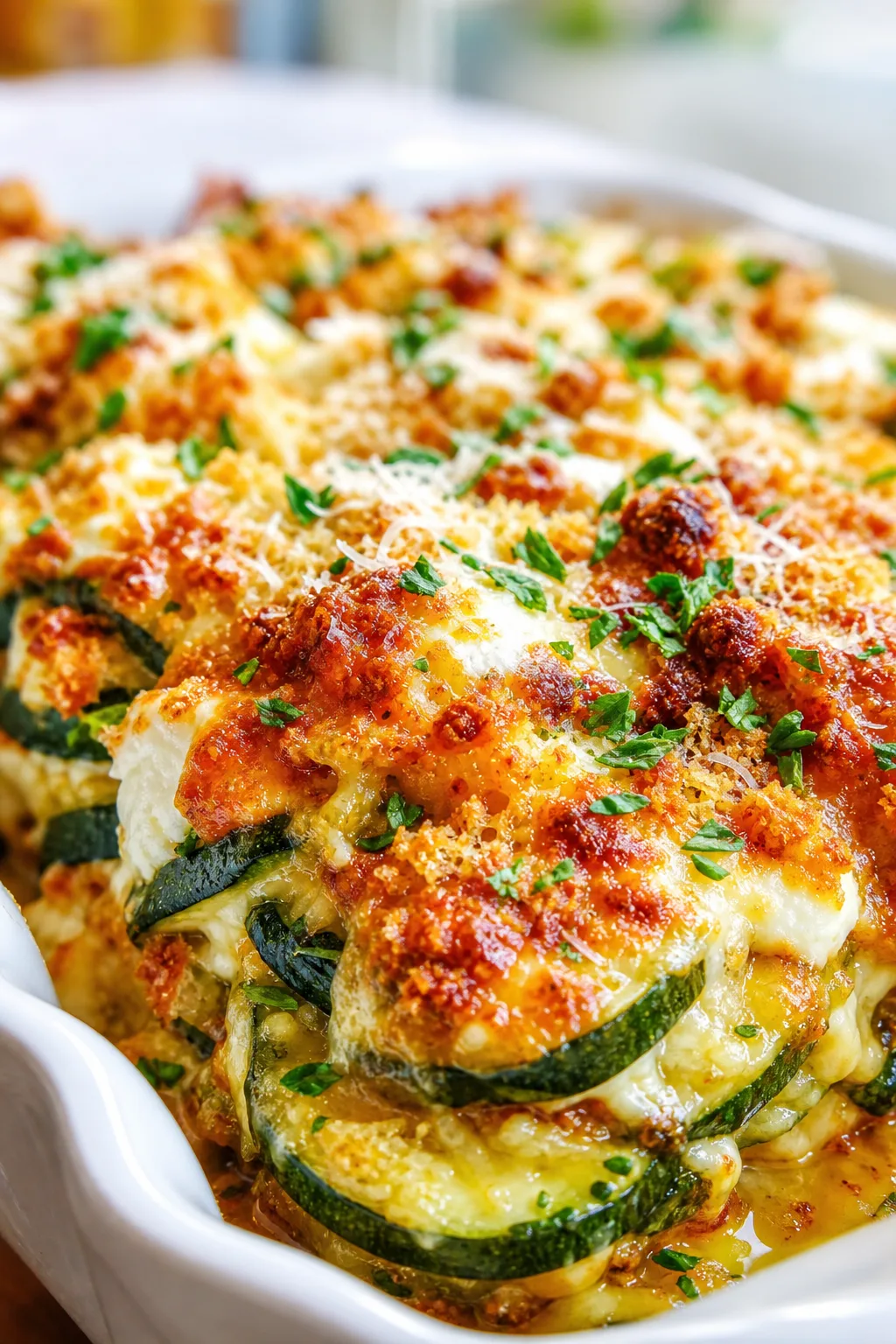
These simple zucchini recipes are a lifesaver when you want something quick, fresh, and tasty. I love how just a few ingredients bring out zucchini’s natural sweetness and texture. Great for busy weeknights or easy side dishes!
Introduction
I first started making simple zucchini dishes when my garden was overflowing with zucchinis in the summer. I wanted something quick and satisfying that didn’t mask the fresh flavor of the vegetable. Over time, I found that lightly sautéing zucchini ribbons with garlic and a touch of butter really brings out their natural sweetness without turning them mushy. The trick is to cook them just until tender but still with a little bite, which keeps the texture interesting. This version is different from heavier casseroles or fried zucchini — it’s light, fresh, and perfect as a side or even tossed with pasta. Plus, it’s so easy that I often whip it up when I’m short on time but want something wholesome and tasty. When you make this, expect tender, glossy zucchini with a subtle garlic aroma and a hint of buttery richness. It’s one of those simple recipes that feels like a little celebration of summer veggies.
How To Do It
Step 1
Start by washing and slicing your zucchinis into thin ribbons or rounds, depending on your preference. Using a vegetable peeler to create ribbons works beautifully and cooks quickly. The thinner the slices, the faster they’ll soften, but be careful not to slice too thin or they’ll turn mushy. This step is key because the zucchini’s texture is the star here, so aim for uniform slices to ensure even cooking.
⏱ Time: 10
✓ Doneness: Zucchini slices should be tender but still hold their shape without becoming soggy.
Step 2
Heat the olive oil in a large skillet over medium heat. Add the minced garlic and sauté for about 30 seconds until fragrant but not browned — burnt garlic tastes bitter and will ruin the dish. Then add the zucchini slices, stirring occasionally to coat them evenly with the oil and garlic. Cook for about 5-7 minutes until they become tender and start to develop a light golden caramelization on the edges. Finish by stirring in the butter for a silky finish and season with salt and pepper to taste.
⏱ Time: 10
✓ Doneness: Zucchini should glisten with oil and butter, have a slight golden color on edges, and smell fragrant with garlic.
Step 3
Remove the skillet from heat and sprinkle the chopped fresh parsley over the zucchini. Toss gently to combine and distribute the herbs evenly. This adds a fresh, vibrant note that balances the richness of the butter and garlic. Serve immediately while warm for the best flavor and texture.
⏱ Time: 2
✓ Doneness: Fresh green parsley evenly scattered and zucchini shining with a light herb coating.
Step 4
Optional: Toast pine nuts or sliced almonds in a dry small pan over medium heat until golden and fragrant, about 2-3 minutes. Watch carefully to avoid burning. Sprinkle these nuts over the zucchini just before serving to add a delightful crunch and nutty flavor contrast.
⏱ Time: 5
✓ Doneness: Nuts should be golden brown and emit a warm toasted aroma.
Step 5
Taste and adjust seasoning if needed, adding a little more salt or pepper. If you want a bit of brightness, a squeeze of fresh lemon juice just before serving can lift the flavors wonderfully.
⏱ Time: 1
✓ Doneness: Balanced seasoning with no overpowering saltiness or blandness.
Step 6
For a heartier meal, try tossing the zucchini with cooked pasta or quinoa, adding a sprinkle of grated Parmesan cheese for extra richness. This transforms the simple zucchini side into a satisfying main dish.
⏱ Time: 5
✓ Doneness: Pasta or grain evenly coated and integrated with the zucchini.
Step 7
If you prefer, you can add other fresh herbs like basil or thyme depending on your taste. Add these at the end to preserve their delicate flavors and aromas.
⏱ Time: 1
✓ Doneness: Herbs retain their vibrant color and fresh aroma.
Step 8
Avoid overcrowding the pan when cooking zucchini. If you add too many slices at once, they’ll steam instead of sauté, resulting in soggy texture. Cook in batches if necessary for the best caramelization and flavor.
⏱ Time: 0
✓ Doneness: Zucchini pieces have slight browning and are not watery.
Step 9
Serve your simple zucchini warm as a side dish alongside grilled chicken, fish, or a hearty stew. It’s also great chilled as a light salad the next day.
⏱ Time: 0
✓ Doneness: Zucchini retains its bright color and fresh texture when served.
Pro Tips
Use a vegetable peeler to slice zucchini into thin ribbons for quick, even cooking.
Ribbon-thin slices cook faster and more evenly, reducing the risk of overcooking and mushiness. The increased surface area also allows more caramelization, enhancing flavor.
Don’t overcrowd the pan; cook zucchini in batches if needed.
Overcrowding traps moisture and causes steaming rather than sautéing, preventing caramelization and resulting in soggy texture. Proper spacing ensures a better Maillard reaction and flavor development.
Add butter at the end of cooking, not at the beginning.
Butter has a low smoke point and can burn quickly, imparting bitterness. Adding it last allows it to melt gently, enriching the dish with creamy texture and flavor without burning.
Toast nuts separately in a dry pan before adding as garnish.
Toasting nuts releases their natural oils and intensifies flavor and crunch. Adding them raw would result in a less flavorful and texturally dull dish.
Use fresh garlic and add it early to infuse the oil gently.
Fresh garlic releases aromatic compounds that flavor the oil and zucchini. Adding it too late or burning it creates bitterness, so timing and heat control are crucial.
Season with salt gradually and taste as you go.
Zucchini can release water when salted too early, diluting flavors. Adding salt in stages helps control seasoning balance and texture.
Serve zucchini immediately for best texture and color.
Zucchini continues to soften as it cools, so serving warm preserves the tender-crisp texture and vibrant appearance that make the dish appealing.
Common Mistakes to Avoid
Overcooking zucchini until mushy
Why it happens Many cooks leave zucchini in the pan too long or slice it too thick, causing it to release too much water and lose texture.
Fix Slice zucchini thinly and sauté only until just tender with slight browning. Watch closely and remove from heat promptly to preserve texture.
Burning the garlic
Why it happens Adding garlic to very hot oil or cooking it too long causes it to burn quickly, producing a bitter taste.
Fix Add garlic to medium heat oil and sauté briefly until fragrant, then add zucchini immediately to lower temperature and prevent burning.
Overcrowding the pan
Why it happens Trying to cook too much zucchini at once traps moisture and prevents caramelization.
Fix Cook zucchini in batches with room to move for even browning and better flavor.
Using old or low-quality olive oil
Why it happens Old oil loses flavor and freshness, resulting in a dull dish.
Fix Use fresh, good-quality extra virgin olive oil for best taste and aroma.
Skipping seasoning or adding too much salt at once
Why it happens Not seasoning properly can make the dish bland, while over-salting early can draw out too much water.
Fix Season gradually and taste frequently to balance flavors without making zucchini watery.
Variations
Simple Zucchini with Parmesan and Lemon
Add freshly grated Parmesan cheese and a squeeze of lemon juice just before serving to add richness and bright acidity. This variation is great for a slightly more indulgent side dish with a fresh twist.
Note: Add cheese and lemon off heat to prevent cheese from clumping and to preserve lemon’s brightness.
Spicy Garlic Zucchini
Include a pinch of red pepper flakes when sautéing garlic to add a gentle heat. This variation works well if you like a little kick without overpowering the zucchini’s natural flavor.
Note: Add red pepper flakes early with garlic to infuse the oil evenly.
Simple Zucchini with Fresh Basil and Cherry Tomatoes
Toss in halved cherry tomatoes and fresh basil leaves at the end of cooking for a colorful, summery side. The tomatoes add juiciness and sweetness, while basil adds aromatic freshness.
Note: Add tomatoes and basil off heat or at very low heat to keep them fresh and vibrant.
Roasted Simple Zucchini
Instead of sautéing, roast zucchini slices in the oven with olive oil and garlic at 425°F until caramelized and tender. This method intensifies flavor and creates a slightly crispy texture.
Note: Roast for about 15-20 minutes, turning halfway, to ensure even caramelization.
Simple Zucchini Noodles with Pesto
Use a spiralizer to make zucchini noodles and toss them with homemade or store-bought pesto for a quick, light meal. This variation is perfect for a low-carb or gluten-free option.
Note: Lightly sauté or serve raw depending on your preference; add pesto just before serving.
Nutrition
Per Serving:
Nutritional values are estimates and may vary based on specific ingredients used.
Storage & Tips
Room Temperature
Simple sautéed zucchini can be left at room temperature for up to 2 hours if covered to prevent drying out. Beyond that, bacteria growth increases, so refrigerate promptly.
Refrigerator
Store in an airtight container in the refrigerator for up to 3 days. The zucchini may soften further and lose some texture when cold, so reheat gently or serve at room temperature.
Freezer
Freezing zucchini after cooking is not recommended as it becomes watery and mushy upon thawing. For best results, freeze raw zucchini separately if needed.
Reheating
Reheat zucchini gently on the stovetop over low heat or in the microwave with a splash of water or olive oil to restore moisture. Avoid overheating to prevent mushiness.
Make Ahead
You can slice and prep zucchini a day ahead and store it in the fridge. Cook it fresh on the day of serving for best texture and flavor.
FAQ
Can I use frozen zucchini for this recipe?
Frozen zucchini tends to release a lot of water when thawed, making it difficult to achieve the tender yet firm texture this recipe requires. If you must use frozen, thaw and drain it thoroughly, then sauté quickly to avoid sogginess, but fresh zucchini is highly recommended.
How do I prevent zucchini from getting mushy?
Slicing zucchini thinly and cooking it quickly over medium heat prevents mushiness. Avoid overcrowding the pan so the zucchini can brown instead of steaming. Remove from heat as soon as it’s tender but still holds its shape.
Can I make this recipe vegan?
Absolutely! Simply omit the butter or replace it with a plant-based alternative like vegan margarine or extra olive oil. The dish will still be flavorful and satisfying.
What can I serve with simple sautéed zucchini?
This zucchini pairs wonderfully with grilled meats, roasted chicken, fish, or as a side to pasta dishes. It’s versatile enough to complement many meals or even be tossed into grain bowls.
Is it better to slice zucchini into rounds or ribbons?
Both work well, but ribbons cook faster and have a more elegant texture that’s great for quick sautéing. Rounds give a more rustic feel and hold up well if you prefer a bit more bite.
Can I add other vegetables to this recipe?
Yes! Bell peppers, cherry tomatoes, or mushrooms can be added for variety. Add vegetables with longer cooking times first, and quicker-cooking ones like tomatoes near the end to maintain texture.
How do I store leftovers?
Store leftovers in an airtight container in the refrigerator for up to 3 days. Reheat gently to avoid overcooking and losing texture. The zucchini may soften but will still taste delicious.
Why does my zucchini sometimes taste bitter?
Bitterness can come from older or oversized zucchinis. Choose fresh, smaller zucchinis with smooth skin, and avoid the green skin if it’s particularly tough. Cooking with garlic and butter also helps balance any slight bitterness.
Final Thoughts
I hope you enjoy making these simple zucchini recipes as much as I do. They’re easy, fresh, and perfect for any night of the week. Let me know how yours turn out!