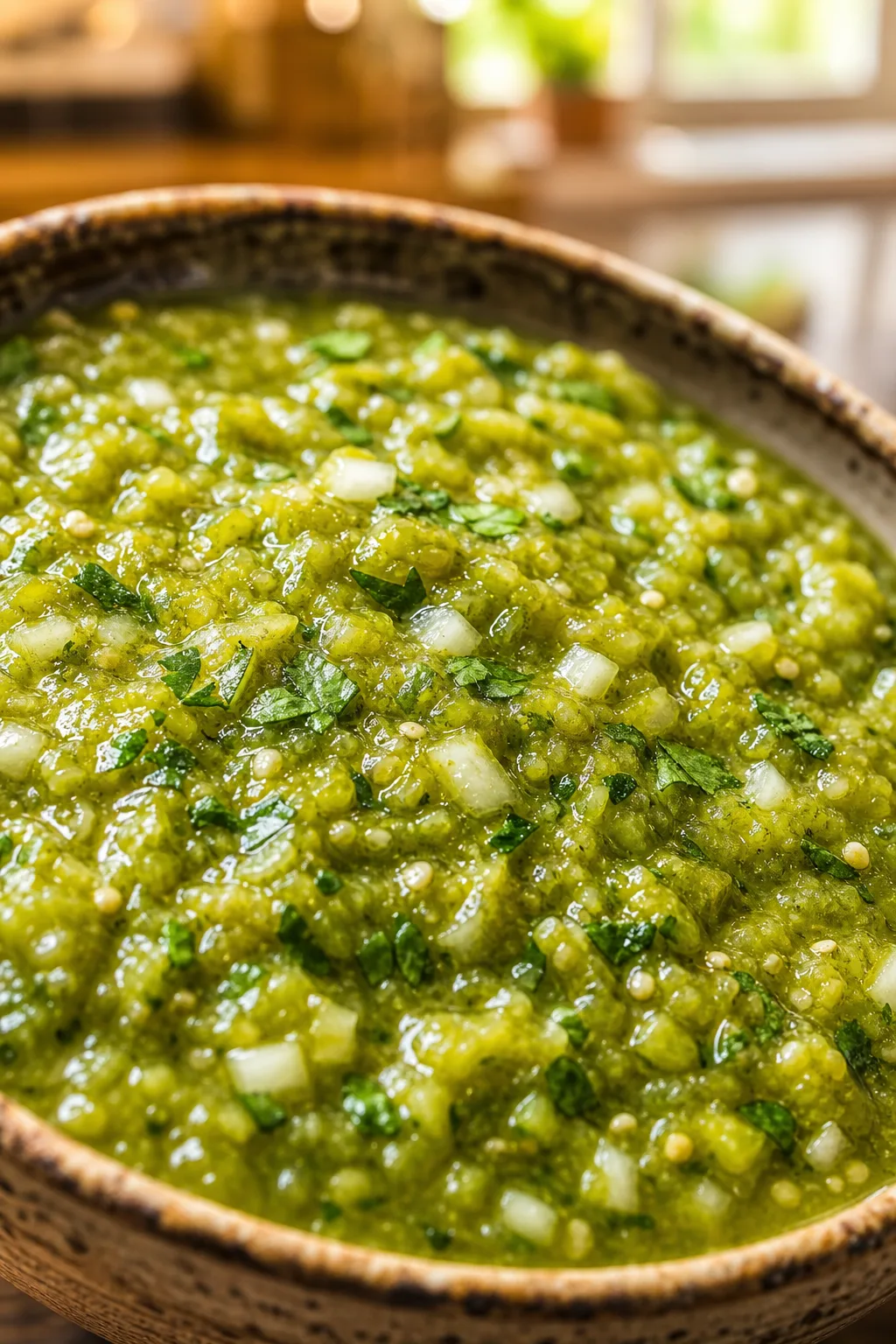
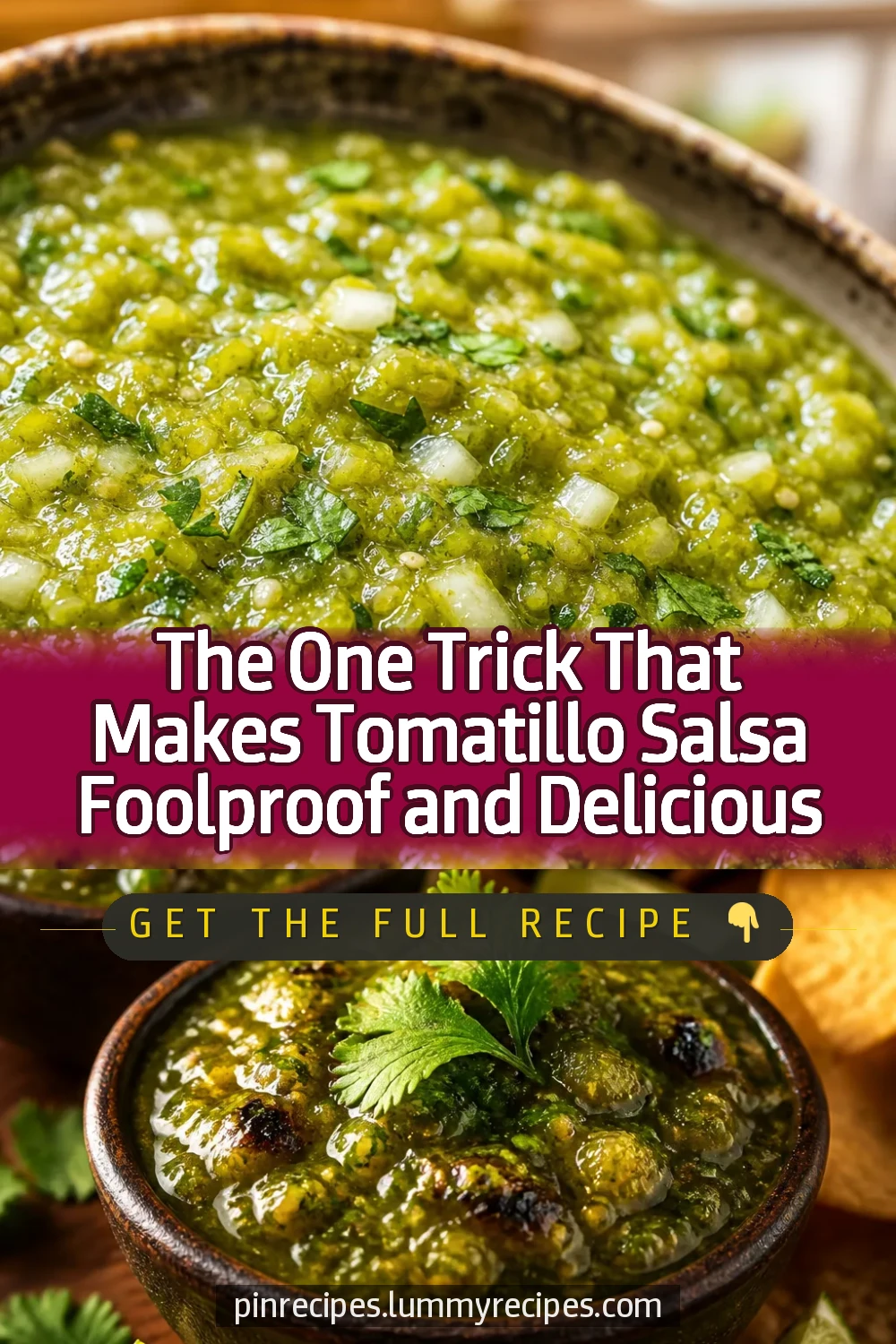
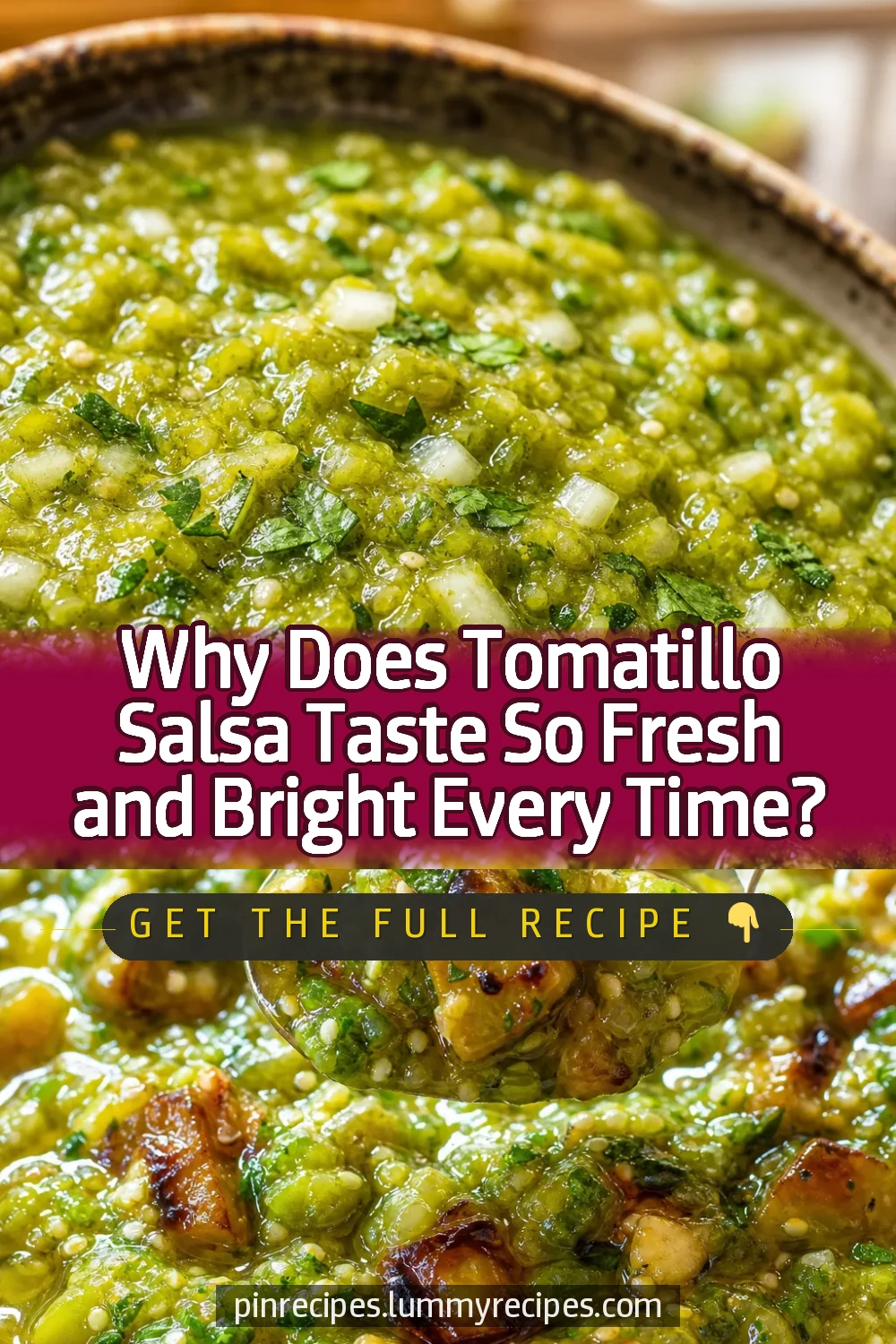
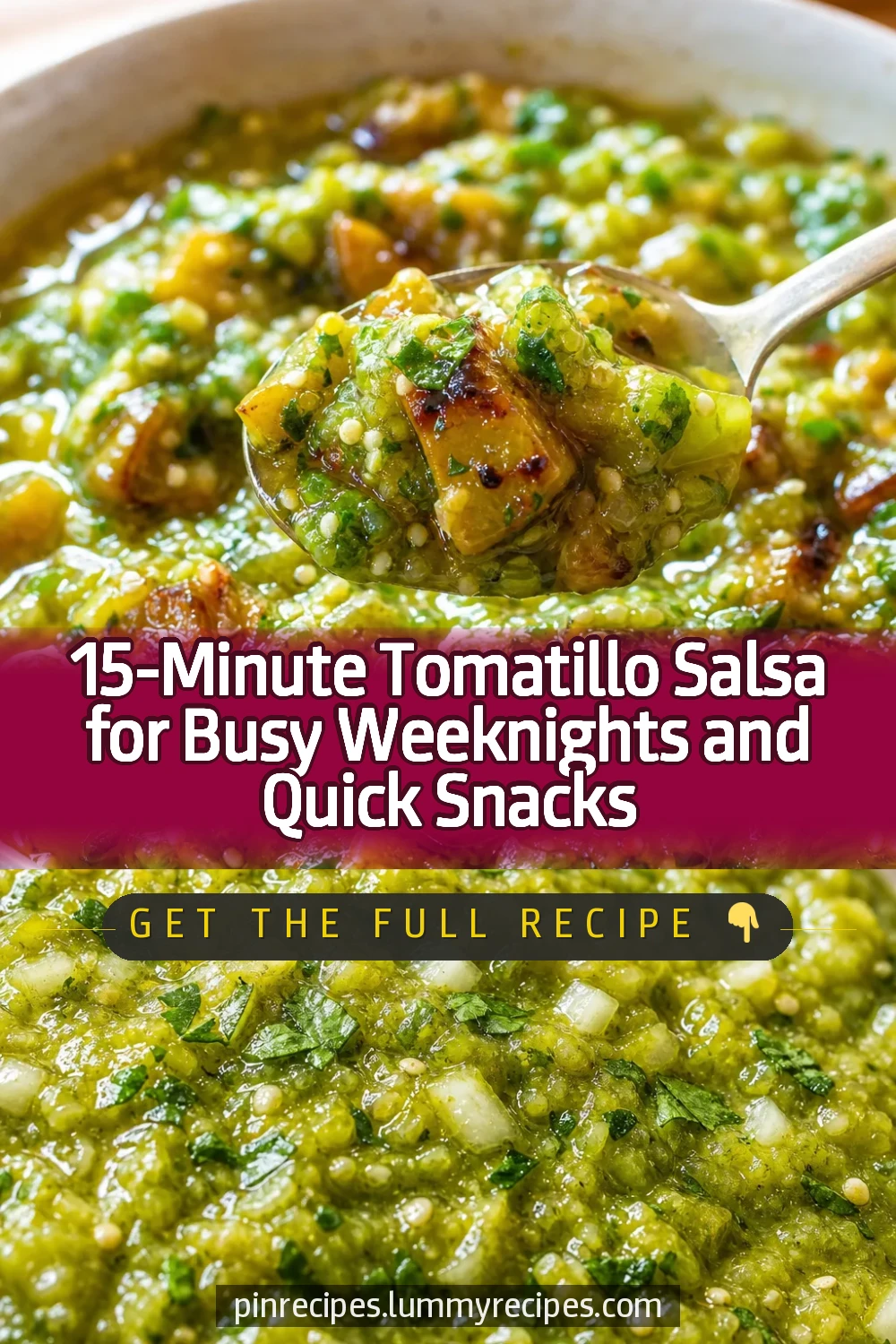
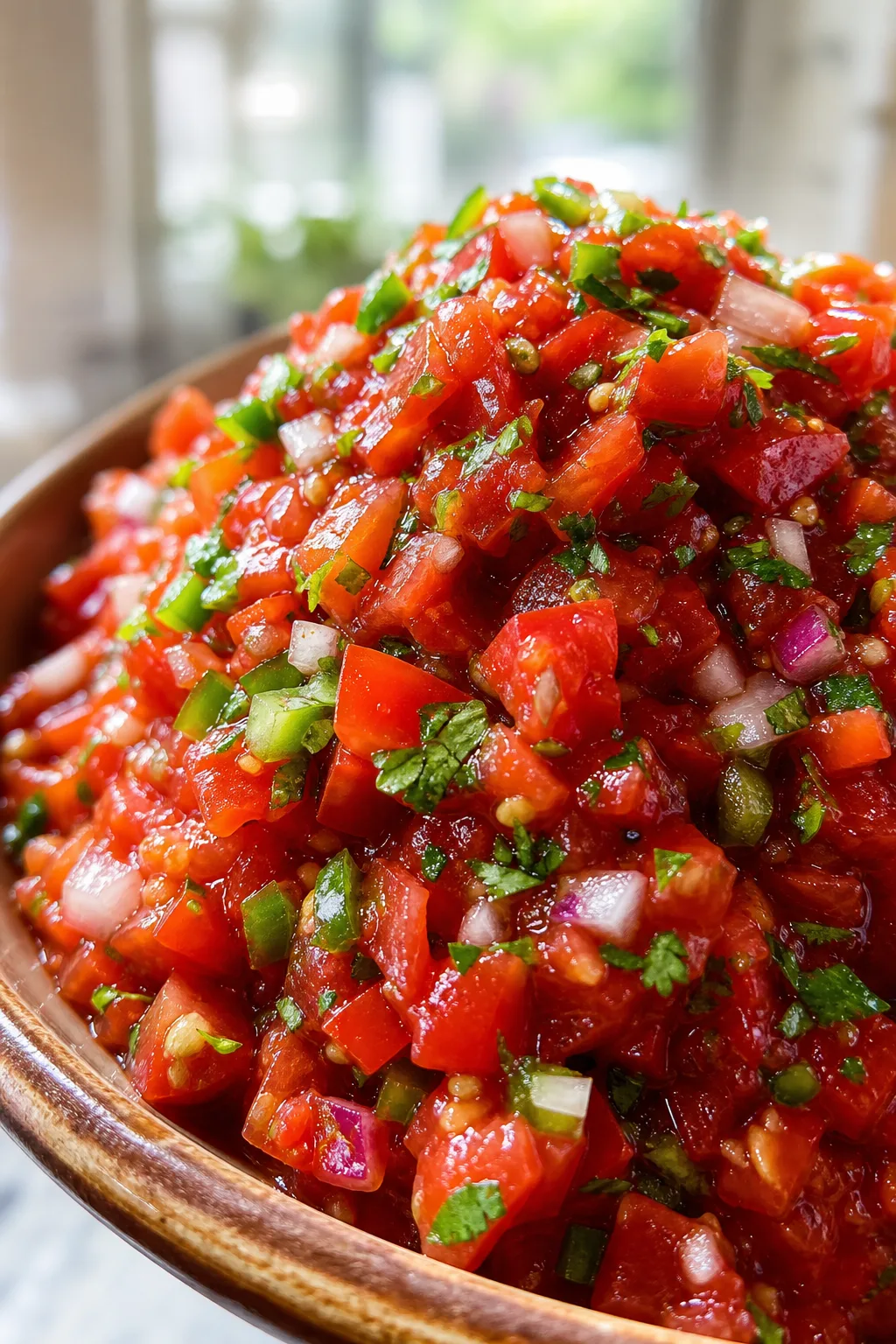
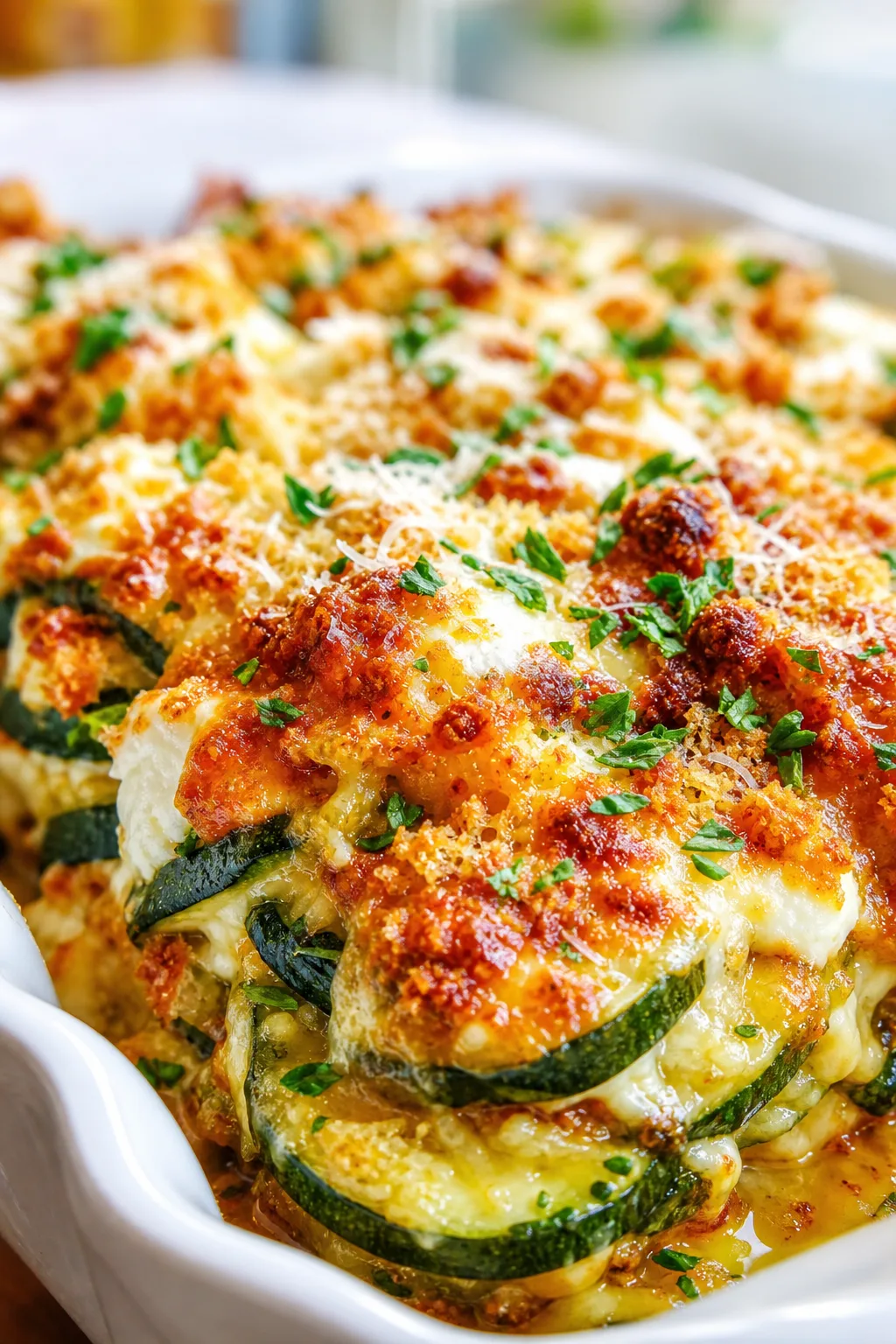
Tomatillo recipes are a fresh way to brighten up your meals with vibrant, tangy flavors. I love using roasted tomatillos for a smoky edge that really wakes up any dish. Perfect for easy weeknight dinners or as a zesty dip for snacks!
Introduction
I first discovered tomatillo salsa years ago during a trip to Mexico, and it instantly became one of my favorite fresh condiments. Back home in the UK, tomatillos aren’t as common, but I found them in specialty markets and started experimenting. This recipe is my go-to because it’s simple yet really brings out the bright, tangy flavor of the tomatillos with just a touch of smokiness from roasting. I love that it’s so versatile — perfect as a dip for tortilla chips, a topping for grilled meats, or stirred into soups for an extra zing. The trick I learned is to roast the tomatillos and jalapeños just enough to caramelize their natural sugars without burning, which adds a subtle depth that raw salsa can’t match. Plus, blending with fresh cilantro and lime juice keeps it vibrant and refreshing. When you taste it, you’ll notice it’s tangy but balanced, with a gentle heat and a lovely roasted aroma. It’s a recipe I always come back to when I want something fresh but with a little extra flavor complexity. I hope you enjoy making it as much as I do!
What You'll Need
Approximately 2 cups, 4 servings
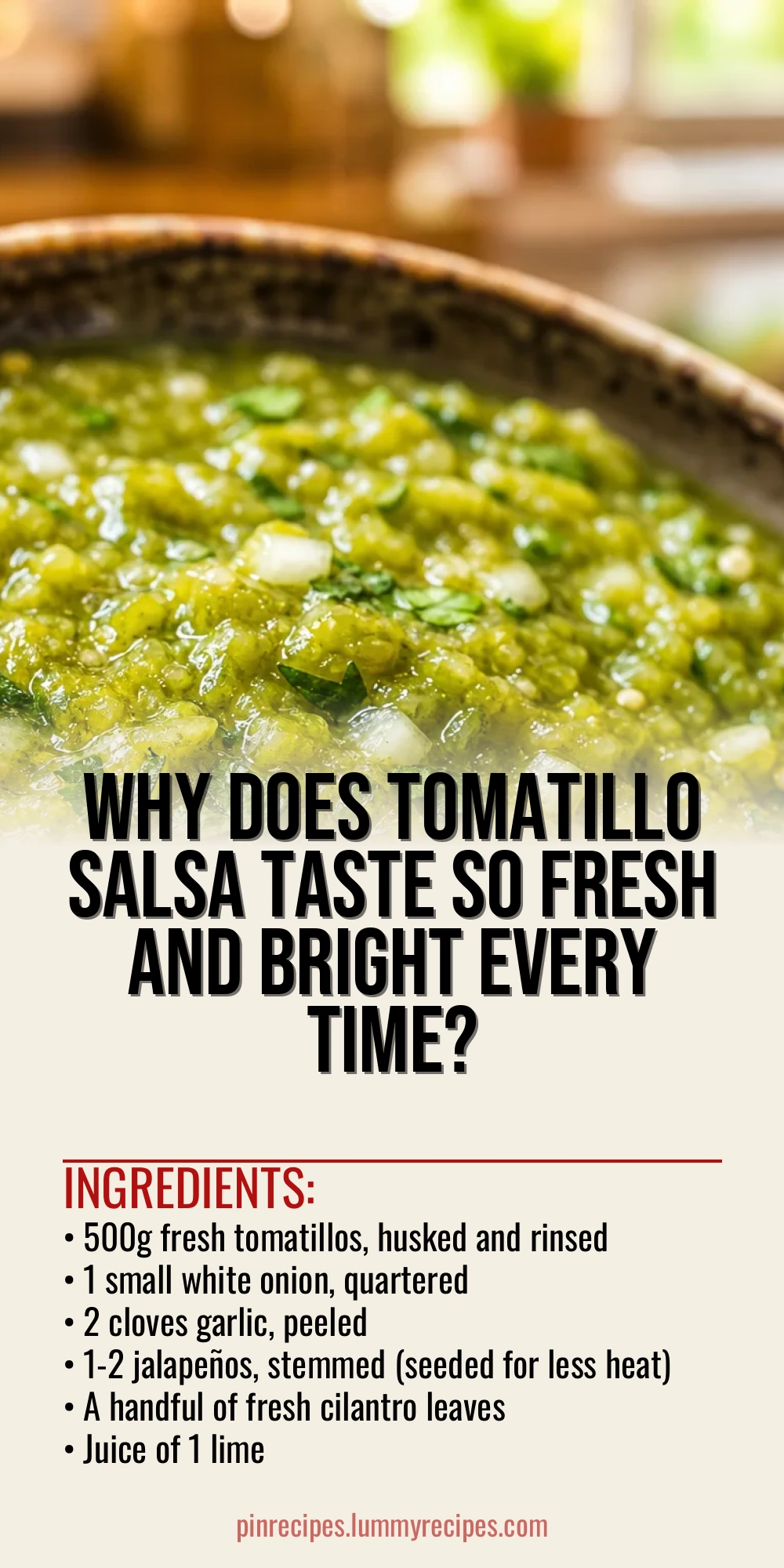
- 500g fresh tomatillos, husked and rinsed
- 1 small white onion, quartered
- 2 cloves garlic, peeled
- 1-2 jalapeños, stemmed (seeded for less heat)
- A handful of fresh cilantro leaves
- Juice of 1 lime
- 1 teaspoon salt
- 1 tablespoon olive oil
How To Do It
Step 1
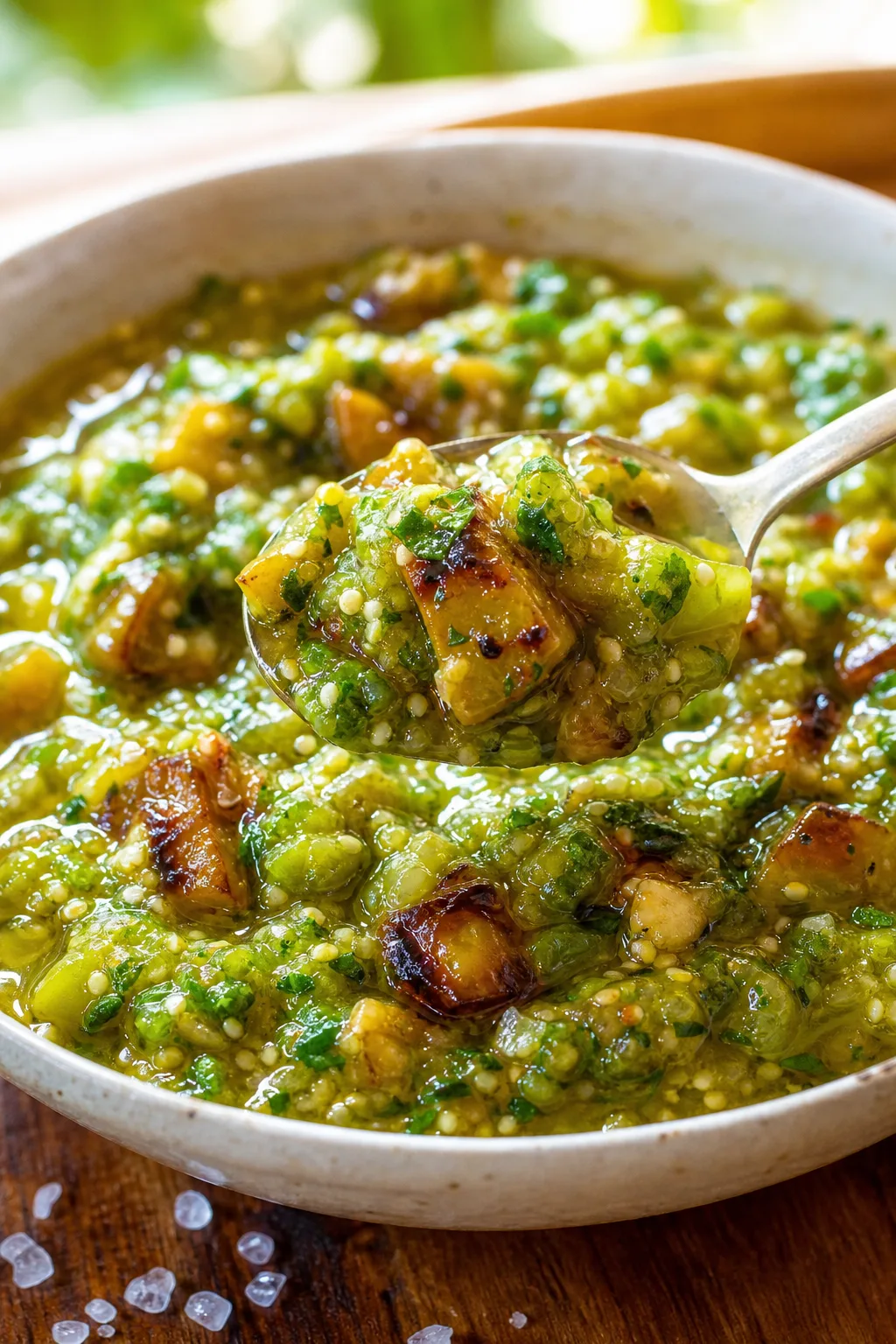
Preheat your oven to 200°C (400°F). Arrange the husked tomatillos, quartered onion, garlic cloves, and jalapeños on a baking tray lined with parchment paper. Drizzle them lightly with olive oil to help with roasting and prevent sticking. Roast for 12-15 minutes, turning halfway through, until the tomatillos are softened and have caramelized spots. Roasting deepens the flavor by mellowing acidity and adding a subtle smoky note. Watch carefully to avoid charring the garlic too much as it can become bitter.
⏱ Time: 15
✓ Doneness: Tomatillos should be softened with golden brown caramelized spots, jalapeños blistered but not burnt, and garlic lightly golden.
Step 2
Transfer the roasted vegetables to a blender or food processor. Add fresh cilantro leaves, lime juice, and salt. Blend until you reach your desired consistency — some like it chunky, others smooth. Taste and adjust salt or lime juice as needed. Blending while warm helps the flavors meld better. If the salsa is too thick, add a splash of water to loosen it. Avoid over-blending if you prefer texture in your salsa.
⏱ Time: 5
✓ Doneness: Salsa should be vibrant green with a slightly chunky texture and glossy finish from the olive oil.
Step 3
Let the salsa cool to room temperature before serving, which allows the flavors to fully develop and mellow. If serving later, refrigerate in an airtight container. The salsa tastes even better the next day as the flavors continue to meld. Before serving, give it a good stir and check seasoning again.
⏱ Time: 10
✓ Doneness: Salsa should be cool, fresh-tasting with balanced acidity and mild heat.
Step 4
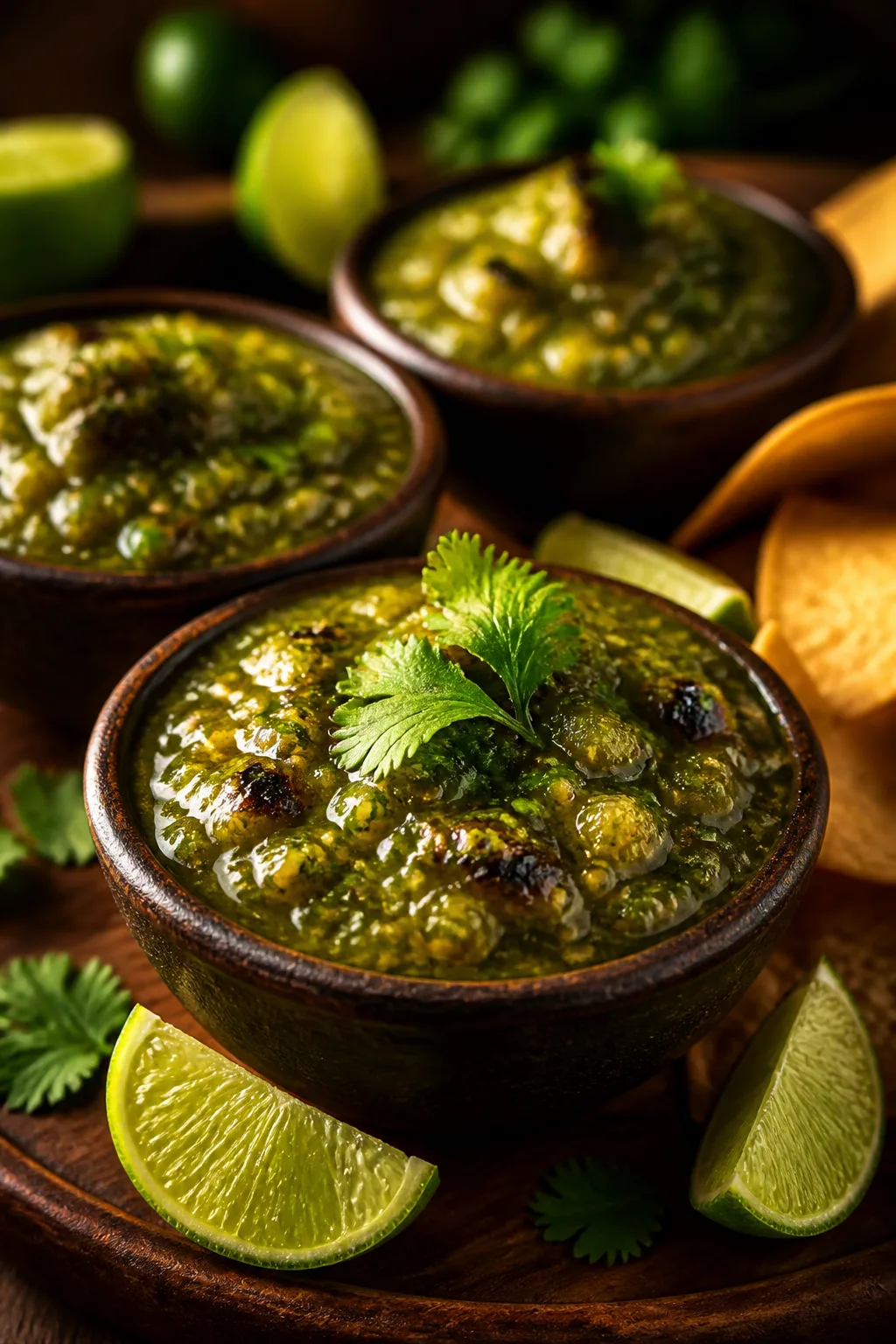
Serve your tomatillo salsa with tortilla chips, tacos, grilled chicken, or fish. It also works great as a topping for scrambled eggs or mixed into rice dishes. This salsa adds a bright, fresh pop to so many meals, making it a versatile staple in your kitchen.
⏱ Time: 0
✓ Doneness: Salsa should complement dishes with fresh, tangy, and slightly smoky flavor.
Step 5
If you want a spicier salsa, include the jalapeño seeds or add a pinch of cayenne pepper. For a milder version, remove all seeds and membranes before roasting. Adjusting heat levels lets you customize this recipe to your family’s taste preferences.
⏱ Time: 0
✓ Doneness: Heat level should suit your preference without overpowering the fresh tomatillo flavor.
Step 6
To store leftover salsa, keep it in a sealed glass jar or airtight container in the fridge. It should stay fresh for up to 5 days. Always use a clean spoon to avoid contamination and stir well before serving again.
⏱ Time: 0
✓ Doneness: Salsa remains bright green and fresh-smelling without off odors.
Step 7
For a smoother texture, strain the salsa through a fine mesh sieve after blending. This extra step removes seeds and skins for a silky finish, perfect if you prefer a refined dipping sauce.
⏱ Time: 10
✓ Doneness: Salsa should be smooth, glossy, and free of coarse bits.
Step 8
Experiment with adding other herbs like fresh mint or parsley for a twist. A splash of orange juice can add a subtle sweetness that balances the tartness of the tomatillos. These tweaks keep the recipe fresh and exciting.
⏱ Time: 0
✓ Doneness: Salsa flavor remains balanced and fresh with complementary herbal notes.
Step 9
If you can't find fresh tomatillos, frozen ones can work in a pinch. Thaw completely before roasting and note the texture may be slightly softer. Fresh tomatillos, however, give the best crisp acidity and texture.
⏱ Time: 0
✓ Doneness: Salsa maintains bright flavor though texture may be less firm with frozen tomatillos.
Pro Tips
Roast the tomatillos and jalapeños evenly by turning them halfway through cooking.
Turning ensures all sides caramelize without burning, which develops balanced smoky sweetness without bitterness. Uneven roasting can cause some pieces to burn while others remain raw, resulting in inconsistent flavor.
Use a blender or food processor with sharp blades for a smooth yet textured salsa.
Sharp blades cut through softened vegetables cleanly, producing a cohesive sauce without over-processing. Over-blending can make the salsa too watery and lose its fresh texture.
Add salt gradually and taste as you blend to avoid over-seasoning.
Salt enhances flavor but too much can mask the bright tomatillo tang. Tasting during blending helps you balance seasoning perfectly for a fresh, vibrant salsa.
Serve salsa at room temperature rather than cold straight from the fridge.
Cold temperatures mute flavors and aromas. Letting salsa warm slightly allows the roasted tomatillo and cilantro notes to shine, making it taste fresher and more vibrant.
Store salsa in an airtight container to preserve freshness and color.
Exposure to air causes oxidation that dulls the bright green color and fresh flavor. Airtight storage slows this process, keeping salsa vibrant for several days.
Use fresh lime juice for best flavor and color retention.
Fresh lime juice provides bright acidity and antioxidants that preserve color and enhance taste. Bottled juice often contains preservatives and lacks brightness.
Try a small test batch first to adjust heat level with jalapeños.
Heat tolerance varies, and jalapeño spiciness can differ. Testing lets you customize the salsa’s heat to your liking, avoiding an overpowering spice.
Common Mistakes to Avoid
Skipping the roasting step
Why it happens Some cooks want a quicker recipe or assume raw tomatillos are fine, but this misses the flavor development roasting provides.
Fix Roast tomatillos and jalapeños until caramelized for rich, balanced flavor. It only adds about 15 minutes but transforms the salsa.
Using underripe or soft tomatillos
Why it happens Inexperienced buyers may pick tomatillos that look green but are past their prime or too soft.
Fix Choose firm, bright green tomatillos with intact husks and a slight stickiness. Avoid yellowed or mushy ones.
Over-blending into a watery puree
Why it happens Blending too long breaks down fibers and releases excess water from vegetables.
Fix Pulse or blend just until combined but still slightly chunky for best texture and flavor.
Adding too much salt at once
Why it happens Some cooks season heavily upfront, fearing under-seasoning.
Fix Add salt gradually, tasting as you blend to achieve balanced seasoning without overpowering acidity.
Using bottled lime juice
Why it happens Convenience leads some to substitute fresh lime juice with bottled.
Fix Always use fresh lime juice for brightness and authentic flavor. Bottled juice affects taste and color.
Variations
Spicy Tomatillo Salsa
Add extra jalapeños or a serrano pepper for more heat. Roasting the peppers mellows sharpness but keeps a spicy kick. This version is perfect if you like your salsa with a fiery edge.
Note: Adjust roasting time to avoid burning the hotter peppers, which can add bitterness.
Tomatillo and Avocado Salsa
Blend in a ripe avocado for a creamy twist that softens the tartness and adds richness. Great as a dip or topping for tacos to add texture and healthy fats.
Note: Add avocado after blending the roasted ingredients to preserve its fresh green color and creamy texture.
Tomatillo Salsa with Roasted Corn
Stir in some roasted corn kernels for sweetness and texture contrast. This adds a summery note and makes the salsa heartier for serving with grilled meats.
Note: Roast corn separately and fold in after blending the salsa to keep kernels intact.
Herbed Tomatillo Salsa
Add fresh herbs like mint or parsley along with cilantro for a unique flavor profile. This variation brightens the salsa and adds complexity.
Note: Add herbs after blending the roasted ingredients to keep their fresh aroma vibrant.
Smooth Tomatillo Sauce
Strain the blended salsa through a fine sieve for a silky smooth sauce, perfect for drizzling over dishes or using as a marinade base.
Note: Use a spatula to press the mixture through the sieve, removing seeds and skins for refined texture.
Nutrition
Per Serving:
Nutritional values are estimates and may vary based on specific ingredients used.
Storage & Tips
Room Temperature
Tomatillo salsa can safely be kept at room temperature for up to 2 hours if covered. Beyond that, refrigerate to prevent spoilage. Keep covered to avoid contamination and drying out.
Refrigerator
Store salsa in an airtight container in the fridge for up to 5 days. The flavor will deepen over time but the fresh brightness may mellow. Stir before serving and bring to room temperature for best taste.
Freezer
Freeze salsa in airtight containers or freezer bags for up to 3 months. Thaw overnight in the fridge. Texture may change slightly but flavor remains good. Stir well before serving.
Reheating
Tomatillo salsa is best served cold or at room temperature. If warming, heat gently on the stovetop to avoid breaking the sauce. Avoid microwaving as it can alter texture and flavor.
Make Ahead
Roast tomatillos and jalapeños up to 2 days ahead and store in the fridge. Blend and season just before serving to keep salsa fresh and vibrant.
FAQ
Can I use canned tomatillos instead of fresh?
Canned tomatillos can be used in a pinch, but fresh ones give the best texture and bright flavor. If using canned, rinse them well and reduce added salt since canned versions can be salty.
How spicy is this salsa, and can I adjust the heat?
The heat depends on the jalapeños used. Removing seeds and membranes reduces spiciness. You can add more peppers for extra heat or omit them for a milder salsa.
Can I make this salsa ahead of time?
Yes! The salsa actually tastes better after resting for a few hours or overnight as the flavors meld. Store it in the fridge in an airtight container and bring to room temperature before serving.
How long does leftover salsa last?
Stored properly in the fridge, tomatillo salsa lasts about 5 days. Always use a clean spoon to avoid contamination and check for off smells before eating.
Can I freeze tomatillo salsa?
Yes, salsa freezes well for up to 3 months. Thaw in the fridge overnight and stir before serving. The texture may be slightly softer but the flavor remains delicious.
What if I don’t have a blender or food processor?
You can finely chop the roasted ingredients by hand for a chunkier salsa, but blending helps emulsify and create a smoother texture. A mortar and pestle also works for a rustic salsa.
Is this salsa suitable for canning?
Due to the fresh lime juice and raw herbs, this salsa isn’t recommended for traditional canning. It’s best enjoyed fresh or stored in the fridge/freezer.
Can I substitute cilantro if I don’t like it?
You can try parsley or fresh basil as alternatives, but the flavor will be different. Cilantro provides a signature brightness that’s key to authentic tomatillo salsa.
Final Thoughts
I hope you enjoy making this fresh, tangy tomatillo salsa as much as I do. It’s a simple way to brighten up your meals and impress your family with authentic flavors. Let me know how it turns out!