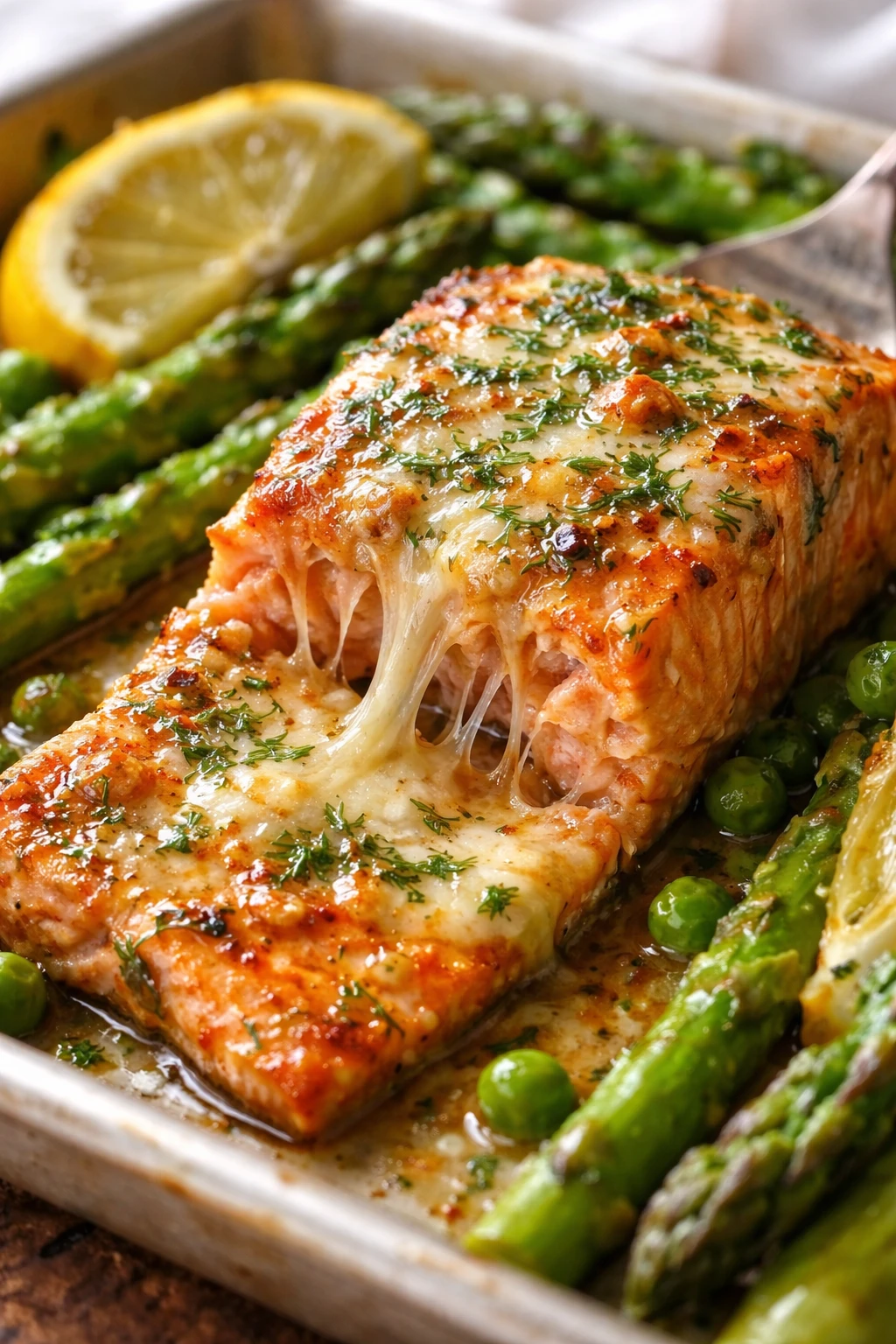
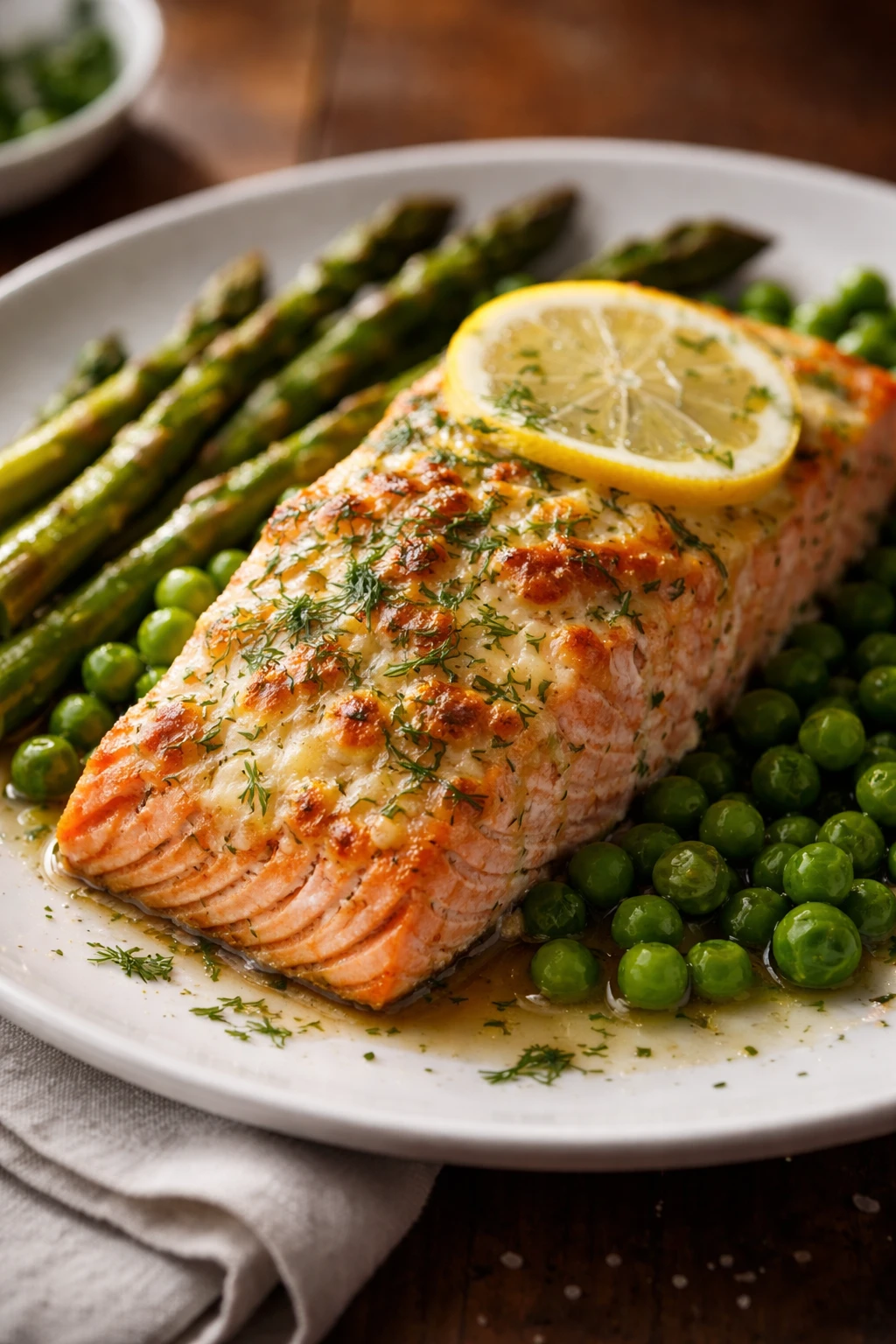
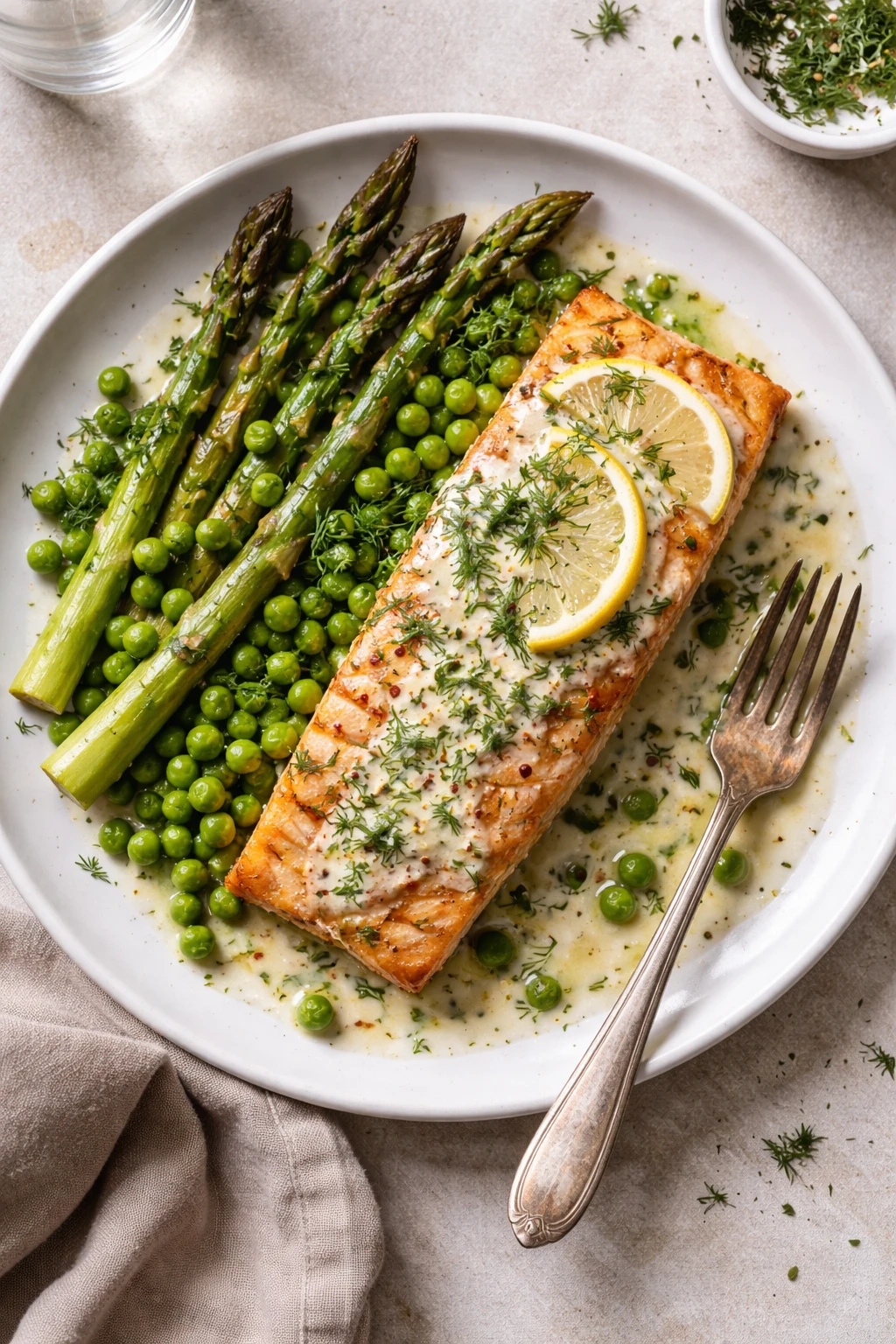
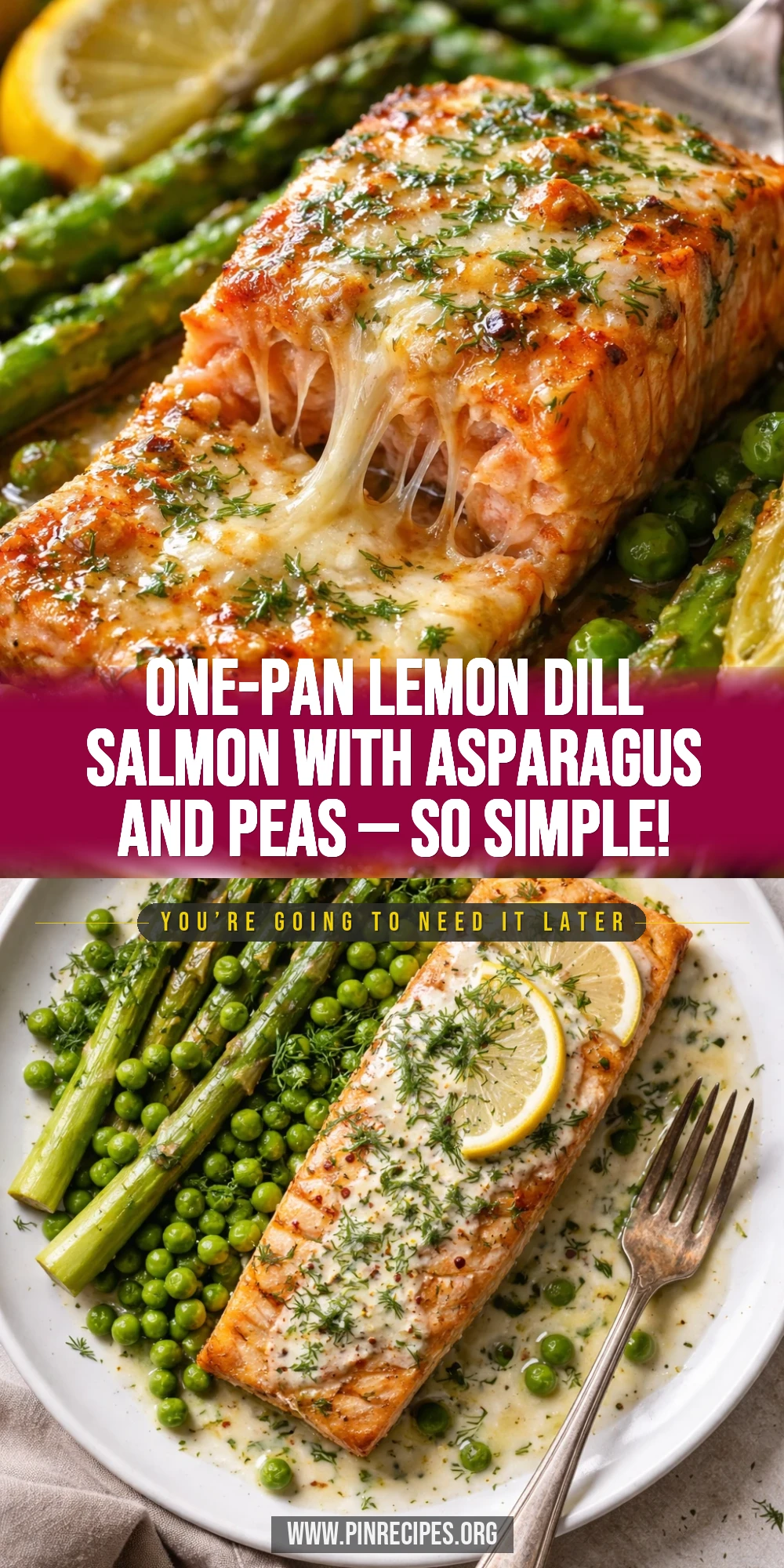
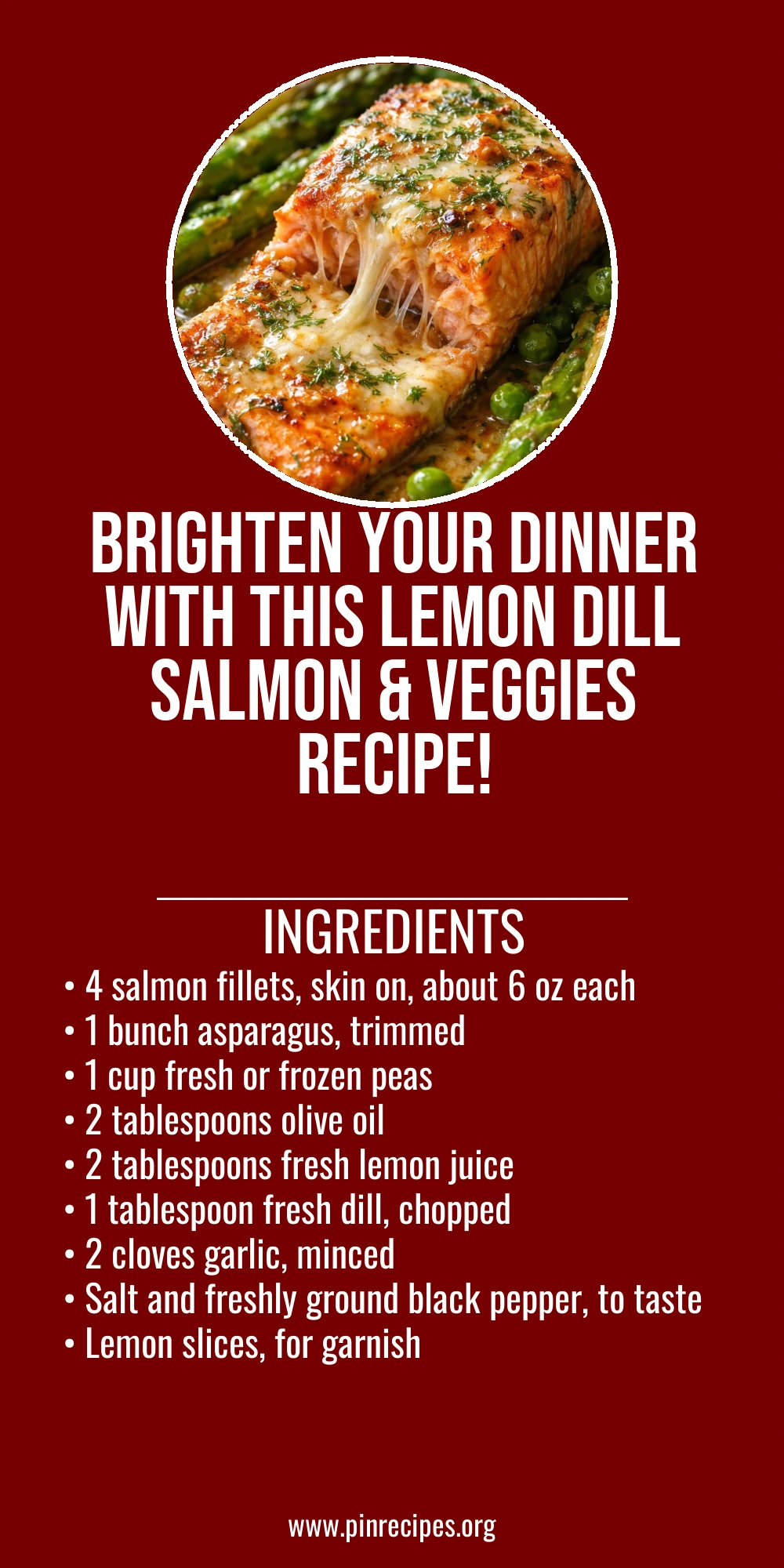
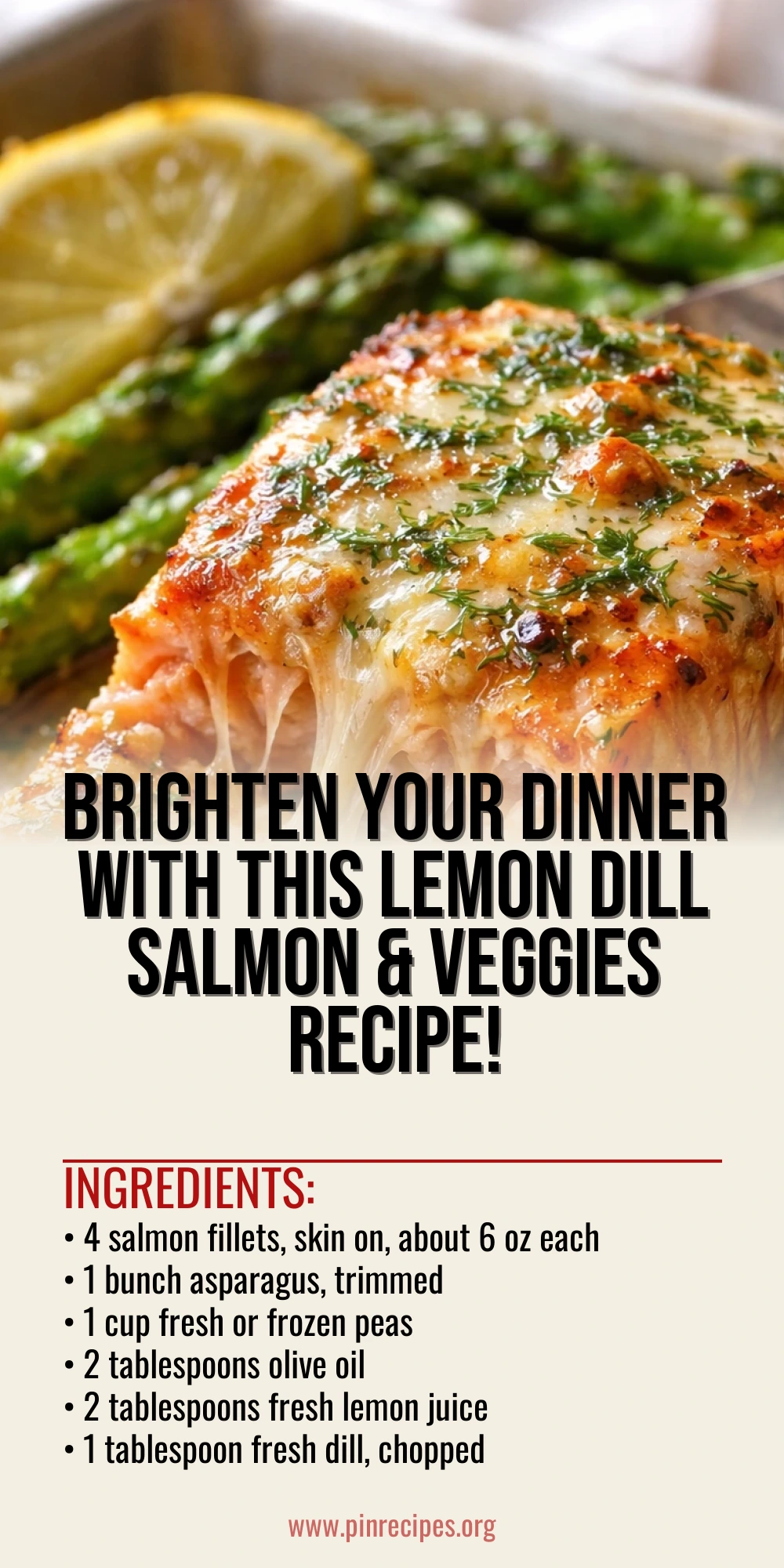
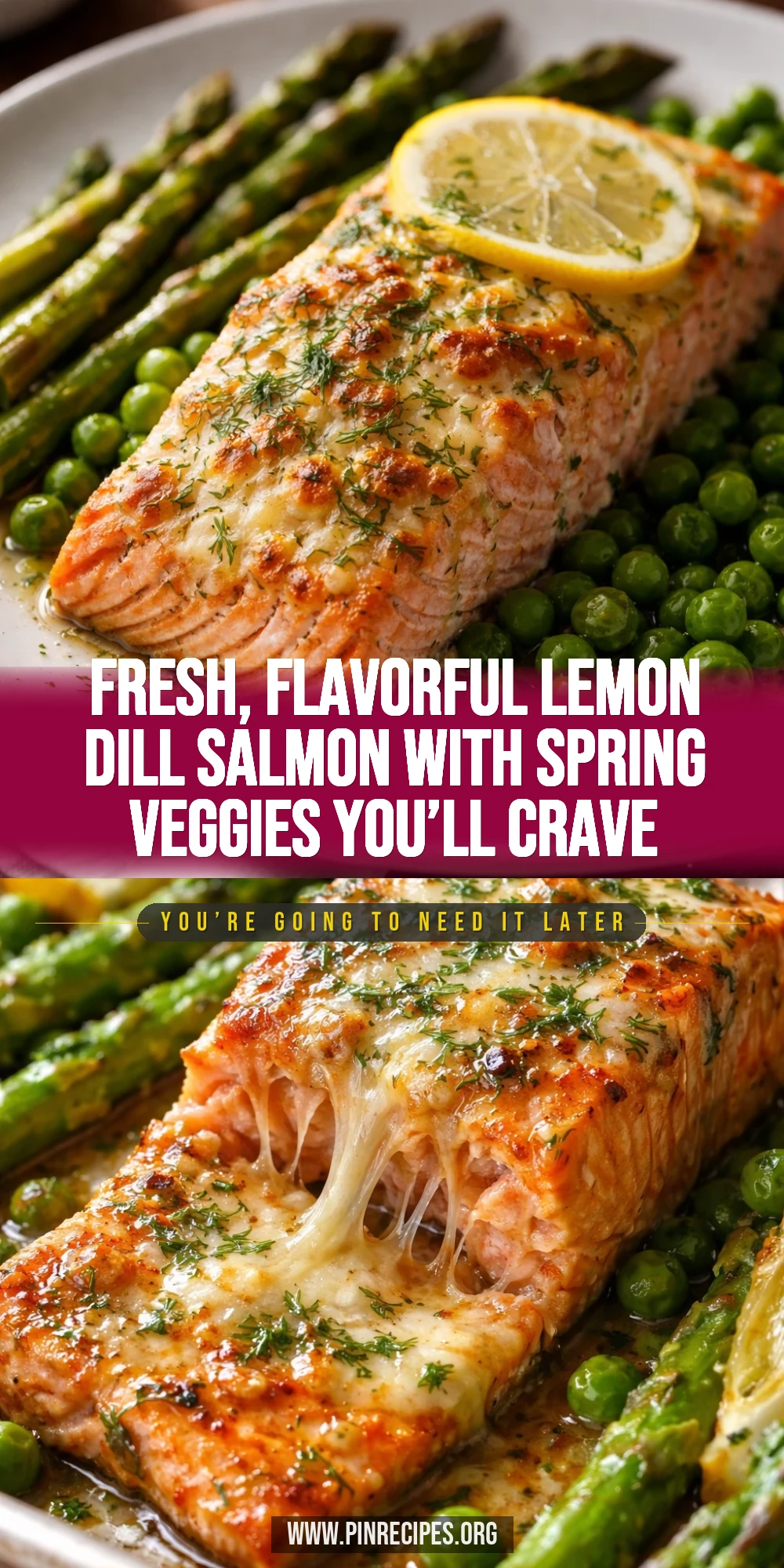
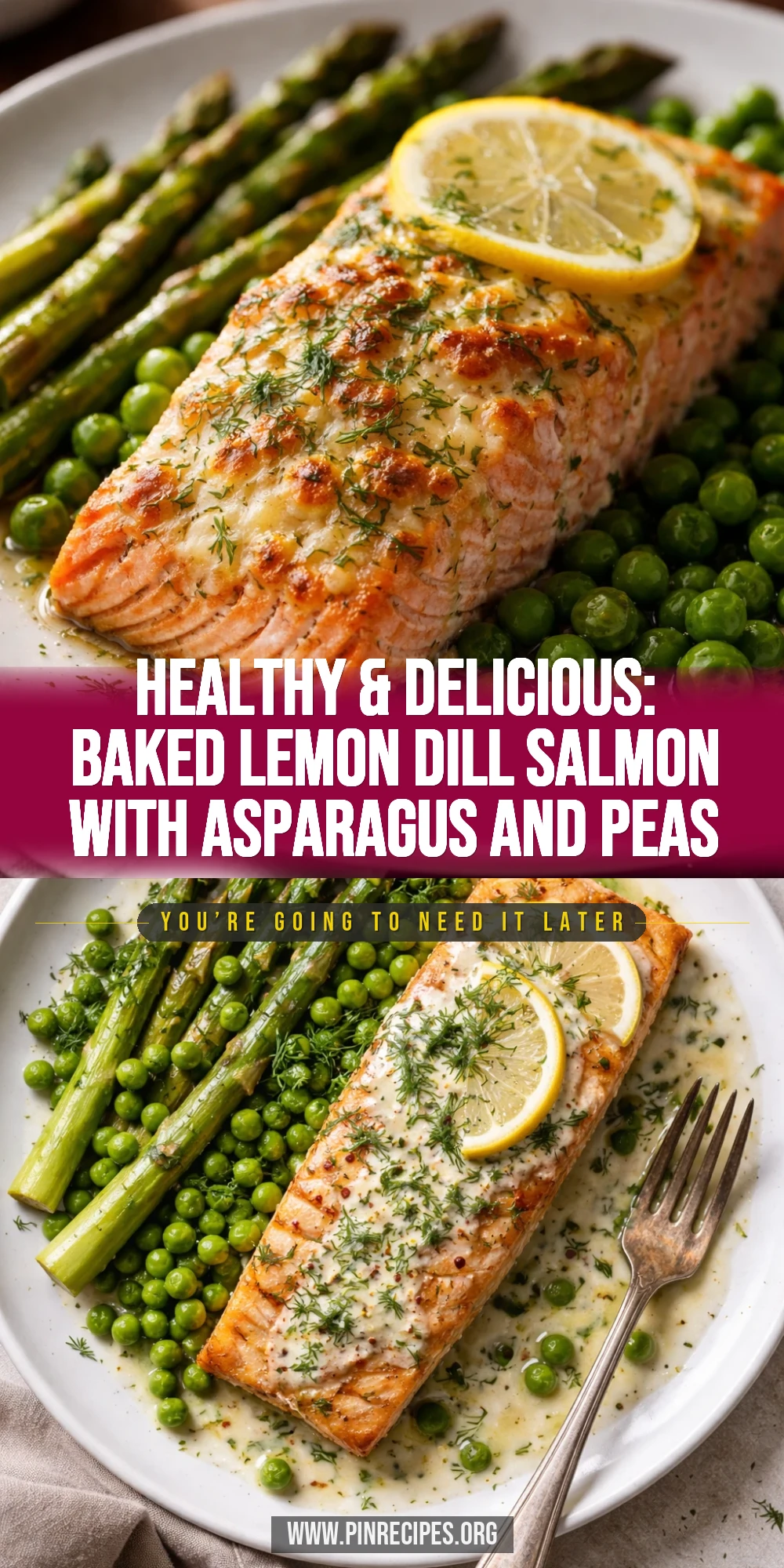
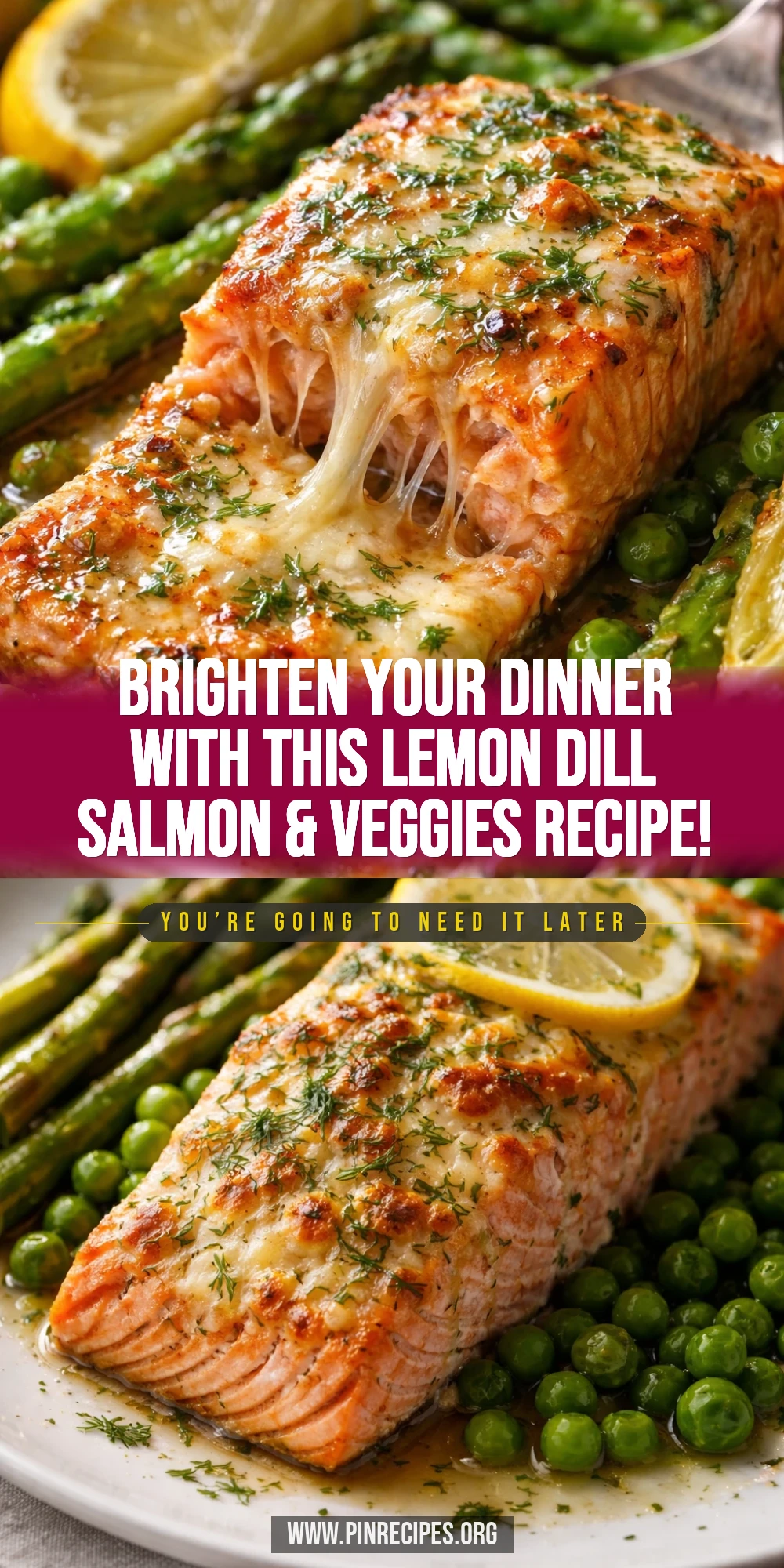
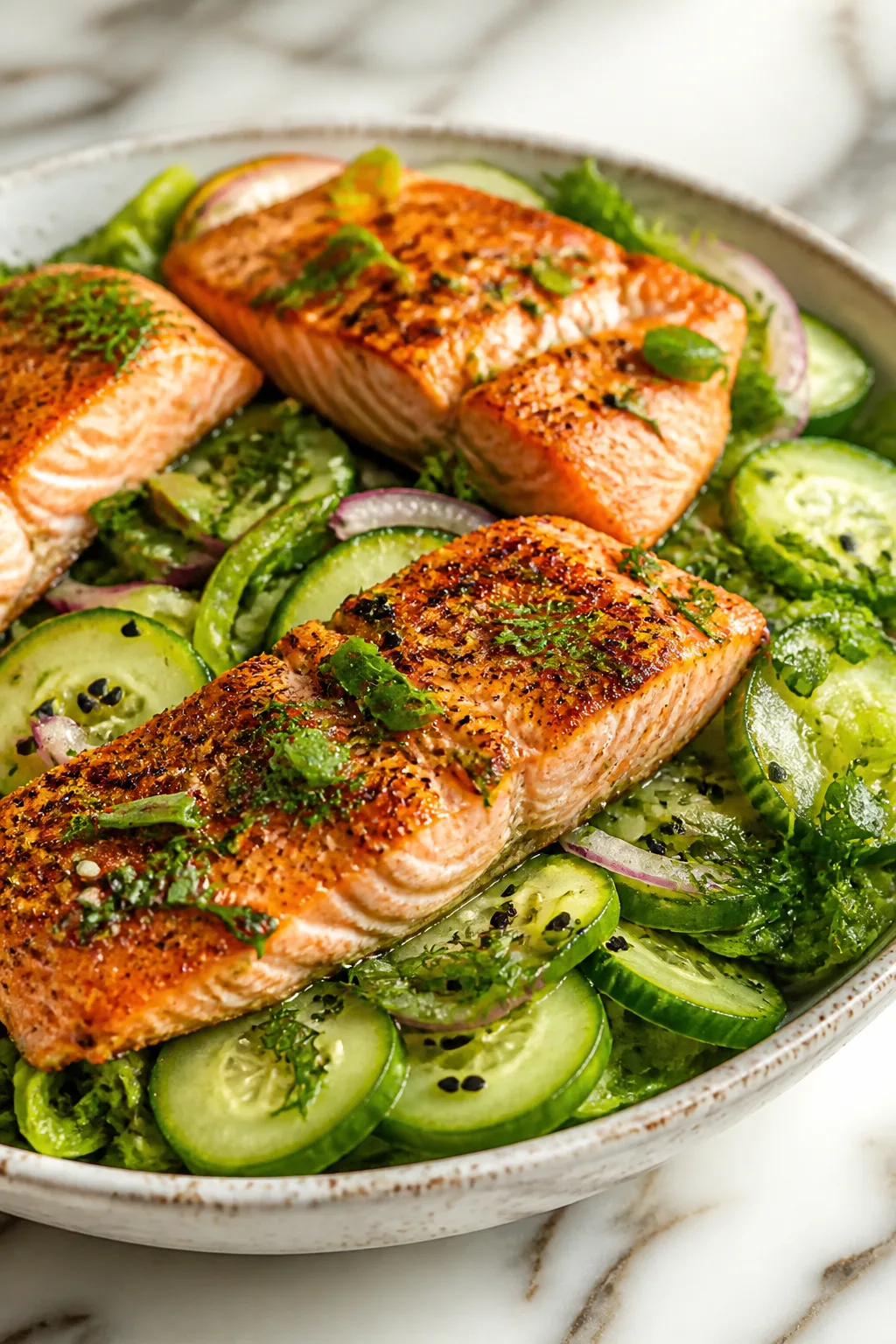
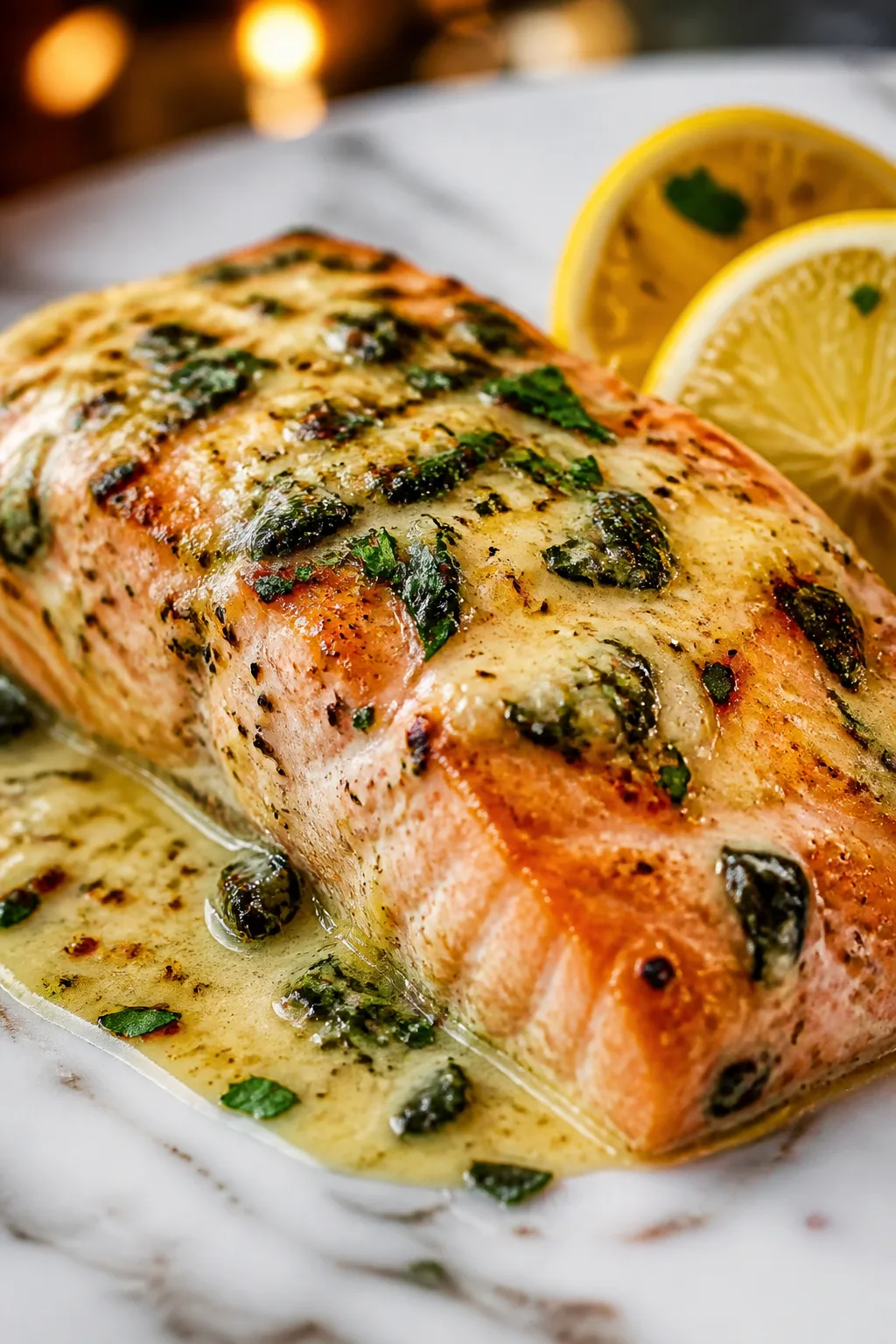
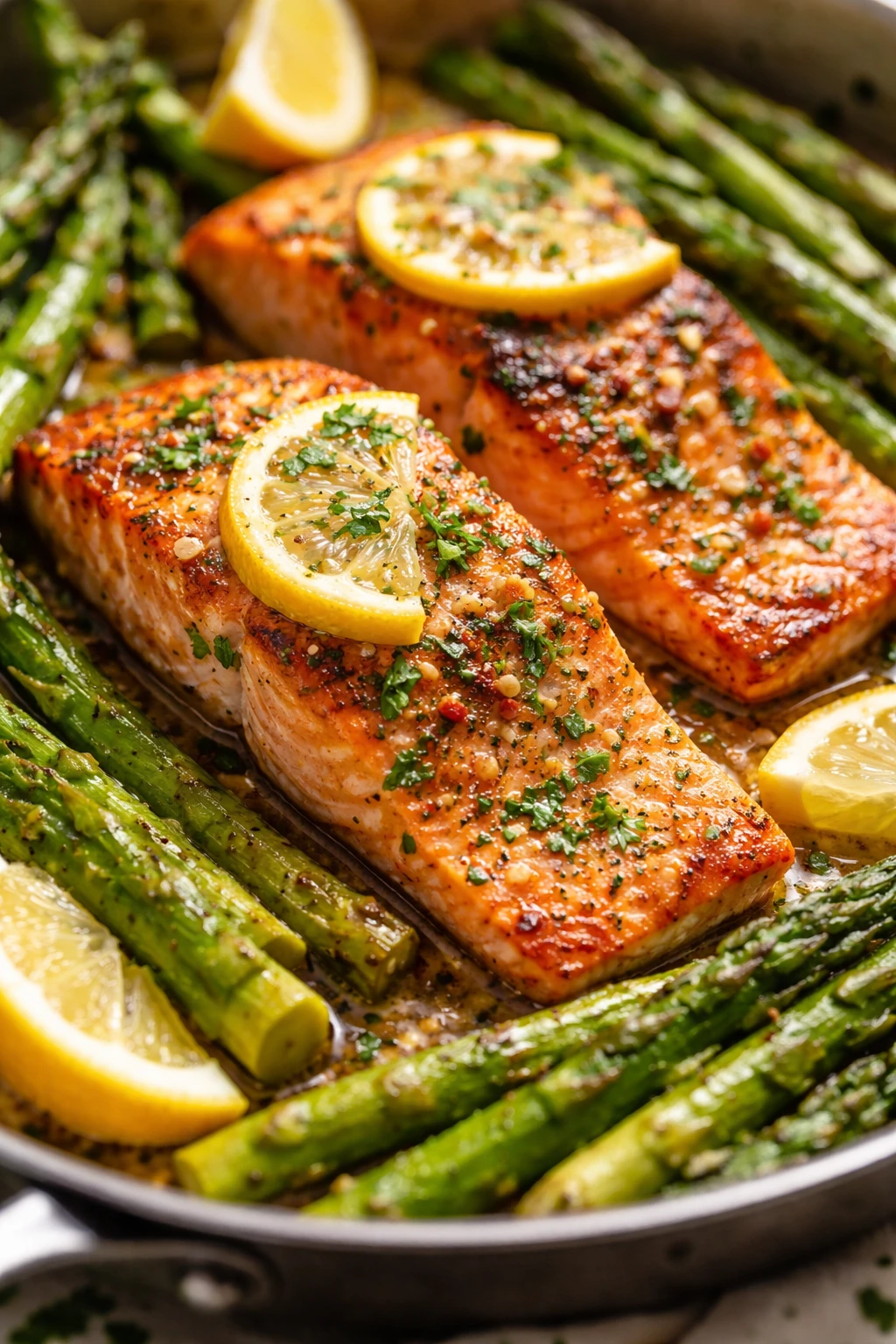
This baked salmon dish is light, fresh, and perfect for a quick weeknight dinner. The lemon and dill brighten the fish while tender asparagus and sweet peas round out the meal. It’s an effortless, healthy plate you’ll want to make again.
Introduction
I first made this baked lemon dill salmon when I wanted a healthy dinner that didn’t require a ton of fuss. It quickly became a favorite in my house because it’s fresh, flavorful, and comes together in under 30 minutes. What sets this version apart is how the lemon juice and fresh dill really brighten the salmon without overpowering it. Plus, roasting the asparagus and peas alongside the fish means everything cooks evenly and you get a vibrant plate with minimal cleanup. I used to overcook salmon until it was dry, but the trick I learned here is to watch for a slight translucency in the center and to let it rest a few minutes before serving. The result is tender, juicy salmon with perfectly crisp-tender veggies. It’s a simple meal that feels a little special, perfect for busy weeknights or casual weekend dinners alike.
How To Do It
Step 1
Preheat your oven to 400°F (200°C). Line a baking sheet with parchment paper or lightly grease it to prevent sticking. This step ensures even cooking and prevents the salmon from sticking, which can tear the delicate flesh when you try to remove it later. Using parchment also helps with cleanup, especially since the veggies will roast alongside the fish.
⏱ Time: 10 minutes
✓ Doneness: Oven fully preheated and baking sheet prepared
Step 2
Place the salmon fillets skin-side down on the baking sheet. Drizzle each fillet with 1 tablespoon olive oil, then sprinkle with salt, pepper, minced garlic, and chopped fresh dill. Finish by squeezing fresh lemon juice over the top. This layering of flavors helps the salmon stay moist and infuses it with bright citrus notes. The oil also aids in browning and prevents drying out during baking.
⏱ Time: 5 minutes
✓ Doneness: Salmon evenly coated and seasoned, lemon juice visibly fresh
Step 3
Arrange the trimmed asparagus and peas around the salmon on the baking sheet. Drizzle the vegetables with the remaining olive oil and season with salt and pepper. Toss gently to coat but keep them in one layer for even roasting. Cooking the veggies with the fish saves time and lets their natural sweetness develop alongside the salmon’s rich flavor.
⏱ Time: 5 minutes
✓ Doneness: Vegetables evenly coated and spread out in a single layer
Step 4
Place the baking sheet in the preheated oven and bake for 15 to 20 minutes. The salmon should be opaque and flake easily with a fork, while the asparagus becomes tender but still crisp. Avoid overcooking to keep the fish juicy and the veggies vibrant. Check at 15 minutes to gauge doneness and adjust time as needed based on your oven and fillet thickness.
⏱ Time: 15-20 minutes
✓ Doneness: Salmon flakes easily and veggies are tender-crisp
Step 5
Remove the baking sheet from the oven and let the salmon rest for 3-5 minutes before serving. Resting allows the juices to redistribute through the fish, ensuring each bite is moist and flavorful. This small step makes a big difference in texture and taste.
⏱ Time: 3-5 minutes
✓ Doneness: Salmon slightly firm but still moist, juices settled
Step 6
Garnish the salmon with fresh lemon slices and an extra sprinkle of dill if desired. This final touch adds a pop of color and a fresh aroma that enhances the dish’s appeal. Plus, it lets people add more lemon flavor to their liking.
⏱ Time: 2 minutes
✓ Doneness: Dish visually bright with lemon slices and herbs
Step 7
Serve the salmon with the roasted asparagus and peas immediately while warm. The combination of tender fish and crisp-tender veggies makes for a balanced, satisfying meal. Pair with a simple side like quinoa or crusty bread if you want to stretch it further.
⏱ Time: Immediate
✓ Doneness: Dish plated and ready to enjoy
Step 8
If you want to add a little extra richness, drizzle a teaspoon of good quality olive oil or a small pat of butter over the salmon just before serving. This adds a silky finish that complements the lemon and dill beautifully.
⏱ Time: Optional
✓ Doneness: Salmon glistening with added fat
Step 9
Clean up by tossing the parchment paper and wiping down the baking sheet. Since everything cooks on one sheet, cleanup is quick and easy, which means less time in the kitchen and more time enjoying your meal.
⏱ Time: 5 minutes
✓ Doneness: Kitchen tidy and ready for next cooking adventure
Pro Tips
Pat the salmon dry before seasoning.
Removing excess moisture from the salmon surface helps the oil and seasonings adhere better and promotes browning during baking. If the fish is too wet, it steams instead of roasting, leading to a less appealing texture.
Use a rimmed baking sheet to catch drips.
Salmon releases juices as it cooks, and a rimmed pan prevents spills in your oven. It also concentrates those flavorful juices around the vegetables, enhancing their taste.
Don’t overcrowd the baking sheet.
Giving the salmon and vegetables enough space allows hot air to circulate evenly, ensuring everything roasts rather than steams. Overcrowding can result in uneven cooking and soggy veggies.
Let the salmon rest after baking.
Resting redistributes juices within the fish, so it stays moist and tender. Cutting into it immediately can cause valuable juices to run out, drying the fillet.
Trim asparagus ends before cooking.
The woody ends are tough and unpleasant to eat. Snapping or cutting off the bottom inch or so ensures all asparagus cooks evenly and is tender.
Use fresh herbs for the best flavor.
Fresh dill contains essential oils that give bright, vibrant flavor, unlike dried herbs which lose potency. Adding fresh herbs just before cooking preserves their aroma and taste.
Check salmon doneness early.
Ovens vary, and salmon fillet thickness affects cooking time. Start checking at 15 minutes to avoid overcooking, which dries out the fish and dulls flavor.
Common Mistakes to Avoid
Overcooking the salmon.
Why it happens Many cooks fear undercooked fish and leave it too long in the oven, resulting in dry, tough salmon.
Fix Check the salmon at 15 minutes by gently flaking with a fork. It should be opaque but still moist inside. Remove it promptly and let it rest to finish cooking gently.
Not drying the salmon before seasoning.
Why it happens Skipping this step means seasonings and oil won’t stick well, and the fish may steam instead of roast.
Fix Pat the salmon dry with paper towels before applying oil and seasonings to ensure a nicely browned surface.
Crowding the pan with vegetables and fish.
Why it happens Trying to cook everything tightly packed can cause uneven cooking and soggy veggies.
Fix Arrange salmon and vegetables in a single layer with space between pieces to allow proper roasting.
Using dried dill instead of fresh.
Why it happens Dried dill lacks the fresh, bright flavor and can overpower the delicate salmon.
Fix Always use fresh dill chopped finely to add subtle herbal notes that complement the fish.
Skipping the rest period after baking.
Why it happens Impatience or unfamiliarity with resting can cause juices to escape when cutting immediately.
Fix Let salmon rest 3-5 minutes after baking to retain moisture and improve texture.
Variations
Spicy Lemon Dill Salmon
Add a pinch of red pepper flakes or cayenne to the seasoning mix for a subtle heat that pairs beautifully with the lemon and dill. This variation adds a kick without overpowering the dish, perfect if you like a little spice.
Note: Add the chili flakes with the garlic and dill before baking to evenly distribute the heat.
Creamy Dill Sauce Salmon
Serve the baked salmon with a dollop of homemade dill yogurt sauce made from Greek yogurt, lemon juice, and fresh dill. This adds a cooling creaminess that complements the roasted fish and veggies.
Note: Prepare the sauce ahead and chill; add just before serving to maintain freshness.
Garlic Butter Salmon
Swap olive oil for melted garlic butter brushed on the salmon before baking. This variation enriches the flavor and adds a luscious mouthfeel, making the dish feel more indulgent.
Note: Use unsalted butter and add fresh minced garlic to avoid burning during baking.
Herb Medley Salmon
Mix fresh parsley, chives, and tarragon with the dill for a more complex herb flavor profile. This variation adds depth and freshness, great if you have an herb garden to use up.
Note: Chop all herbs finely and mix with oil before coating the salmon.
Lemon Dill Salmon with Roasted Cherry Tomatoes
Add halved cherry tomatoes to the baking sheet for a burst of sweetness and color. Tomatoes roast quickly and add a juicy contrast to the salmon and asparagus.
Note: Place tomatoes cut side up and roast alongside salmon for the last 10-12 minutes.
Nutrition
Per Serving:
Nutritional values are estimates and may vary based on specific ingredients used.
Storage & Tips
Room Temperature
This dish can safely sit at room temperature for up to 2 hours if covered loosely. Beyond that, refrigerate to avoid bacterial growth. Cover with foil or a clean kitchen towel to prevent drying out.
Refrigerator
Store leftovers in an airtight container for up to 3 days. The salmon may firm up and the asparagus soften when cold. Reheat gently to maintain moisture or enjoy cold in salads.
Freezer
Freeze cooked salmon and vegetables in airtight containers or heavy-duty freezer bags for up to 2 months. Wrap tightly to prevent freezer burn. Thaw overnight in the fridge before reheating.
Reheating
Reheat gently in a low oven (around 300°F) for 10-15 minutes or in the microwave at medium power with a splash of water or lemon juice to keep moist. Avoid high heat which can dry out the fish.
Make Ahead
You can prep the salmon and vegetables on the baking sheet a few hours ahead, cover tightly, and refrigerate. When ready, bake as directed, adding a few extra minutes if baking from chilled.
FAQ
Can I use frozen salmon for this recipe?
Yes, but it’s best to thaw the salmon completely in the fridge overnight before baking to ensure even cooking. Cooking frozen salmon directly often leads to uneven texture and longer cook times.
What can I substitute for fresh dill if I don’t have any?
Fresh dill is best for this recipe’s bright flavor, but you can use fresh parsley or tarragon as alternatives. Avoid dried dill as it lacks the fresh aroma and can taste bitter when baked.
How do I know when the salmon is done?
The salmon is done when it flakes easily with a fork and is opaque throughout but still moist. It should reach an internal temperature of 125-130°F for medium doneness. Avoid overcooking to keep it tender.
Can I make this recipe gluten-free?
Absolutely! This recipe is naturally gluten-free as it uses only fresh fish, vegetables, and seasonings. Just ensure any additional sides or sauces you serve are gluten-free as well.
Can I use other vegetables instead of asparagus and peas?
Yes, vegetables like green beans, zucchini, or broccoli work well roasted alongside salmon. Adjust cooking times based on the vegetable’s density to ensure even roasting.
Is it necessary to use skin-on salmon?
Skin-on salmon helps keep the fillet moist and intact during baking. If you prefer skinless, watch the cooking time carefully as it can dry out faster and be more delicate to handle.
Can I prepare this recipe ahead of time?
You can prep the salmon with seasonings and the veggies on the baking sheet up to a few hours ahead and refrigerate. Bake just before serving for best freshness.
What’s the best way to reheat leftovers?
Reheat gently in a low oven or microwave with a splash of water or lemon juice to prevent drying. Avoid high heat which can toughen the salmon.
Final Thoughts
I hope you give this easy baked lemon dill salmon with asparagus and peas a try soon. It’s one of those simple meals that feels special and always gets compliments — let me know how it turns out!