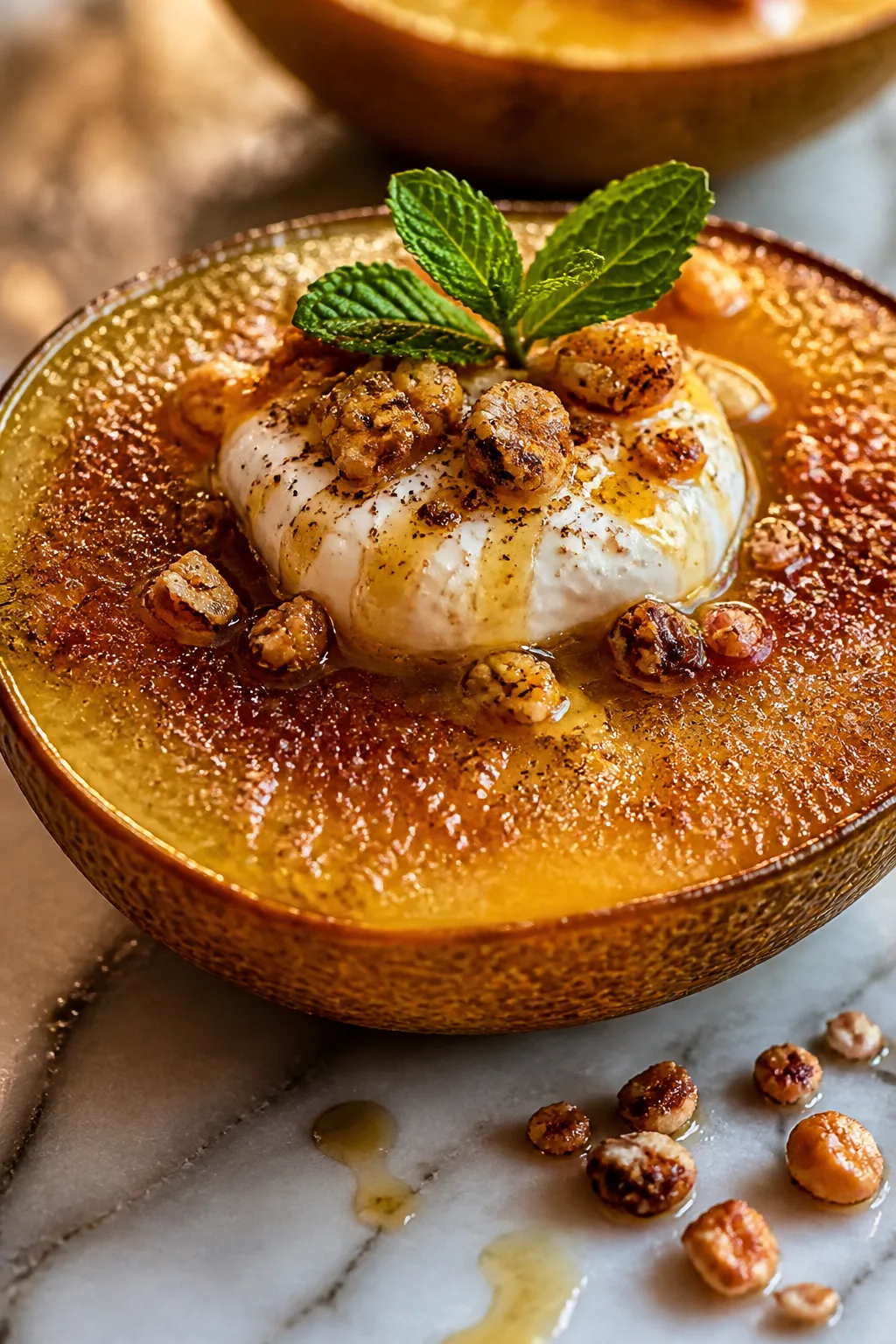
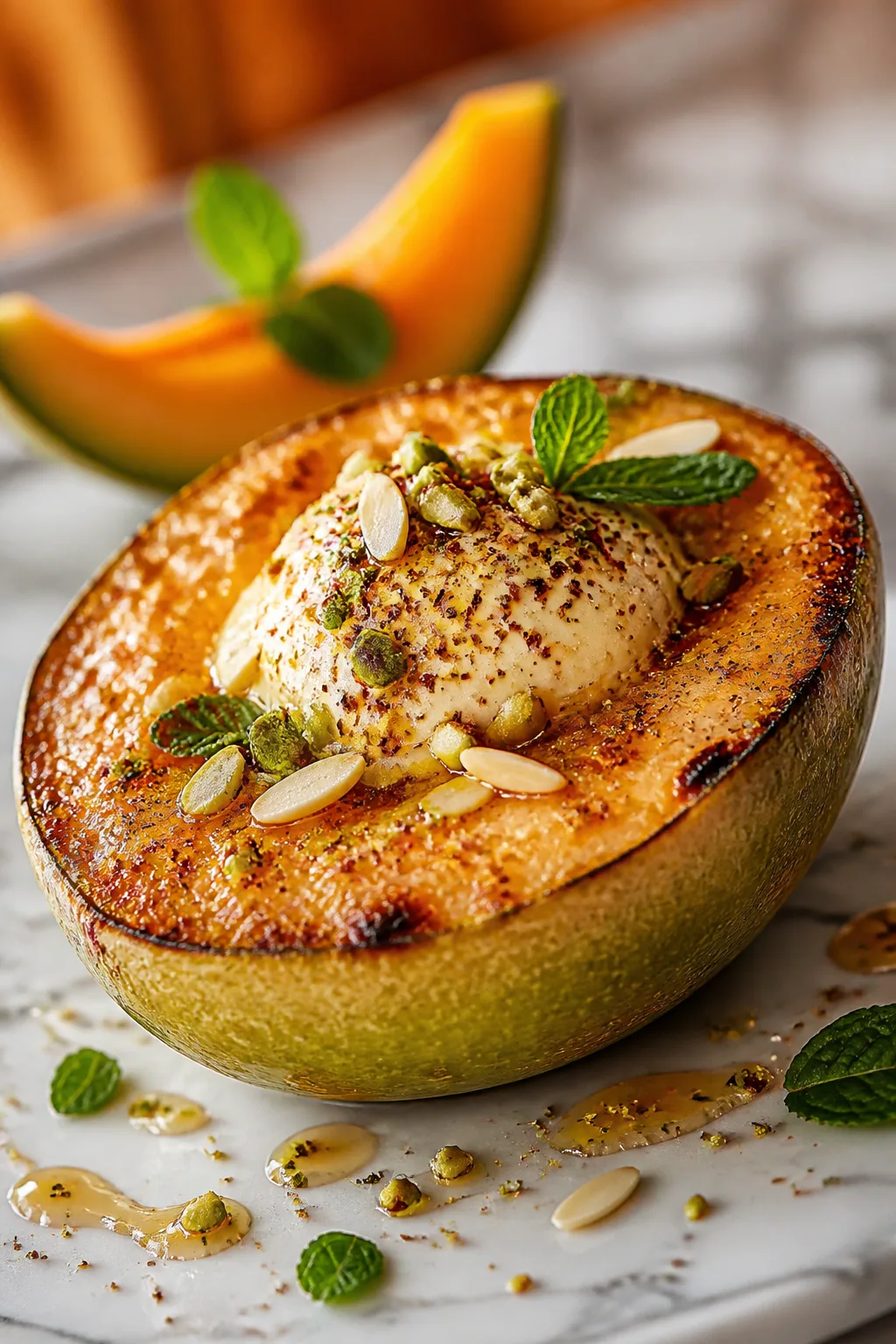
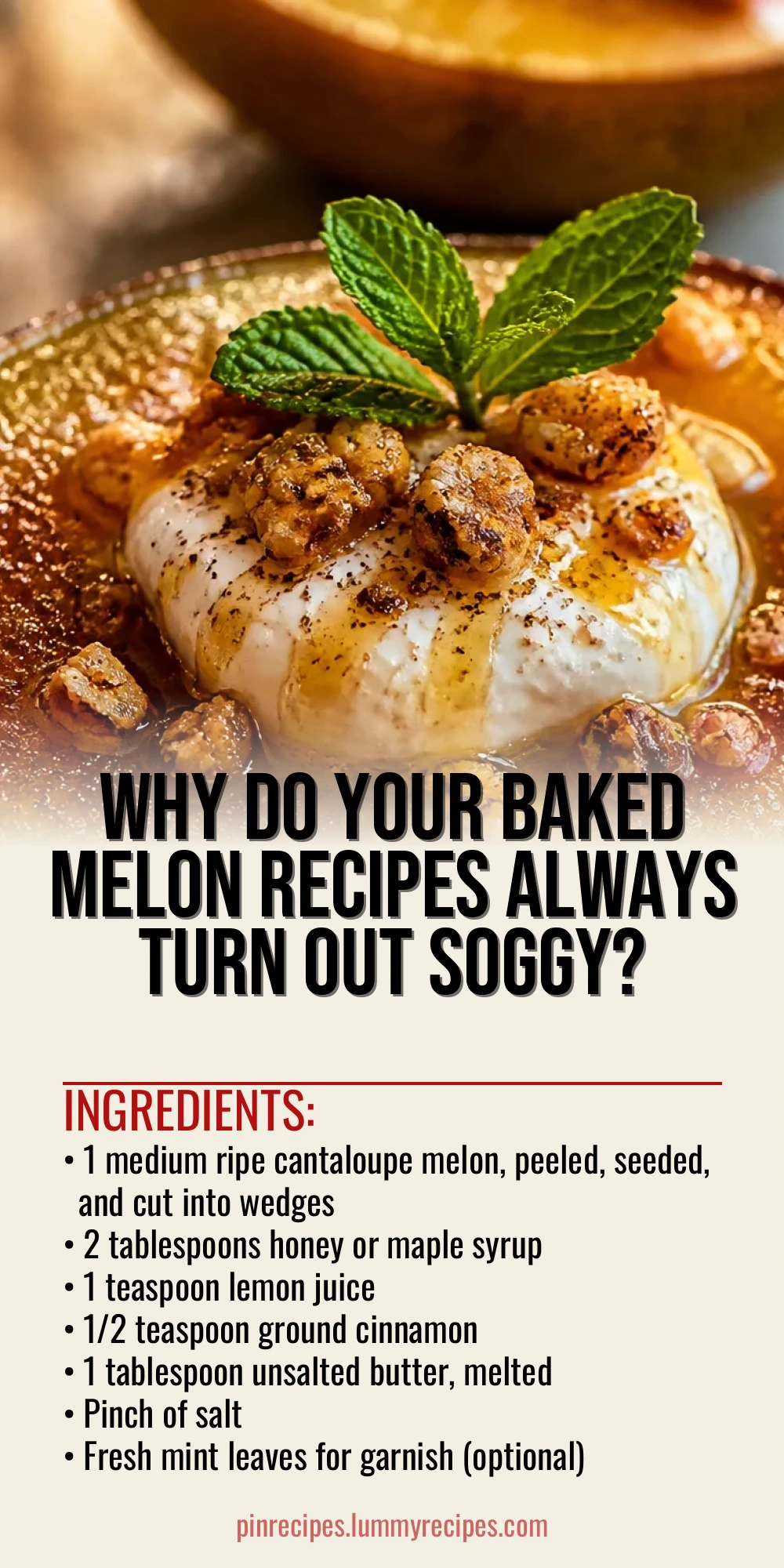
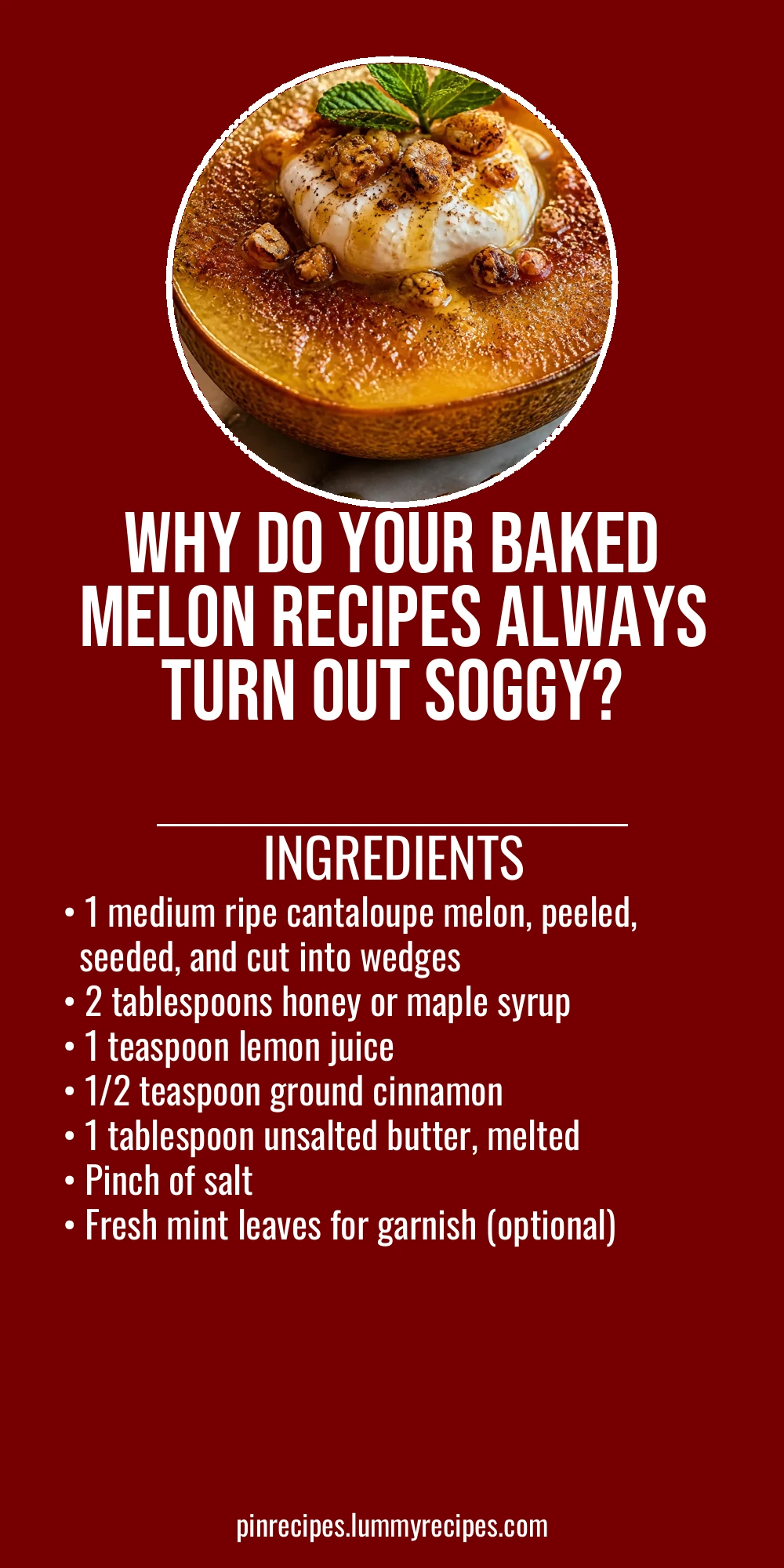
If you think melon is only for fresh fruit salads, wait till you try it baked! This simple twist caramelizes the melon’s natural sweetness, making a refreshing yet warm dessert perfect for summer evenings or any casual get-together.
Introduction
I first stumbled upon baked melon quite by accident when I was trying to find a way to use up a slightly overripe cantaloupe. Instead of tossing it, I decided to bake it with a little honey and cinnamon, and wow, what a revelation! This simple method brings out the melon’s natural sweetness and adds a cozy warmth that’s surprisingly comforting. What sets this recipe apart is the gentle roasting that caramelizes the sugars without turning the fruit mushy, thanks to a quick honey-lemon glaze and careful timing. The result is a tender yet slightly firm wedge of melon with a golden, fragrant crust that’s perfect for a light dessert or even a unique side at summer dinners. I love serving it with a sprinkle of fresh mint—it adds a lovely fresh contrast. It’s easy, quick, and a real crowd-pleaser that feels both familiar and special. If you’re used to eating melon cold and raw, this baked version might just become your new favorite way to enjoy it.
How To Do It
Step 1
Preheat your oven to 375°F (190°C). Prepare the melon by peeling, seeding, and cutting it into even wedges about 1-inch thick. This size ensures even cooking without the melon falling apart. Place the wedges in a single layer on a baking sheet lined with parchment paper to prevent sticking and allow air circulation for caramelization. Avoid overcrowding the pan, as that traps moisture and prevents browning.
⏱ Time: 10 minutes
✓ Doneness: Melon wedges should be dry on the surface and arranged evenly without overlapping.
Step 2
In a small bowl, whisk together honey, lemon juice, melted butter, cinnamon, and a pinch of salt. This mixture will add sweetness, acidity, and warmth to balance the melon’s flavor. Brush the glaze evenly over each melon wedge, making sure to coat all exposed surfaces. The lemon juice helps cut through the sweetness and enhances caramelization.
⏱ Time: 5 minutes
✓ Doneness: Melon wedges should be glossy and lightly coated with the glaze.
Step 3
Place the baking sheet in the preheated oven on the middle rack. Bake for about 25-30 minutes, turning the melon halfway through to promote even browning. Keep an eye on the melon so it caramelizes gently without burning. The goal is a golden crust with tender flesh beneath. If you notice the glaze starting to burn, reduce the oven temperature slightly.
⏱ Time: 25-30 minutes
✓ Doneness: Melon wedges are golden brown on the edges and soft but not mushy when pierced with a fork.
Step 4
Remove the melon from the oven and let it cool for a few minutes. This resting time allows the juices to redistribute, preventing the wedges from falling apart when served. The aroma should be warm and inviting with hints of cinnamon and honey.
⏱ Time: 5 minutes
✓ Doneness: Melon wedges are warm, slightly firm, and fragrant.
Step 5
Transfer the baked melon wedges to serving plates. Garnish with fresh mint leaves for a pop of color and a refreshing note that balances the sweet warmth. Serve immediately for the best texture and flavor.
⏱ Time: 2 minutes
✓ Doneness: Plated melon looks glossy with a golden hue and fresh mint garnish.
Step 6
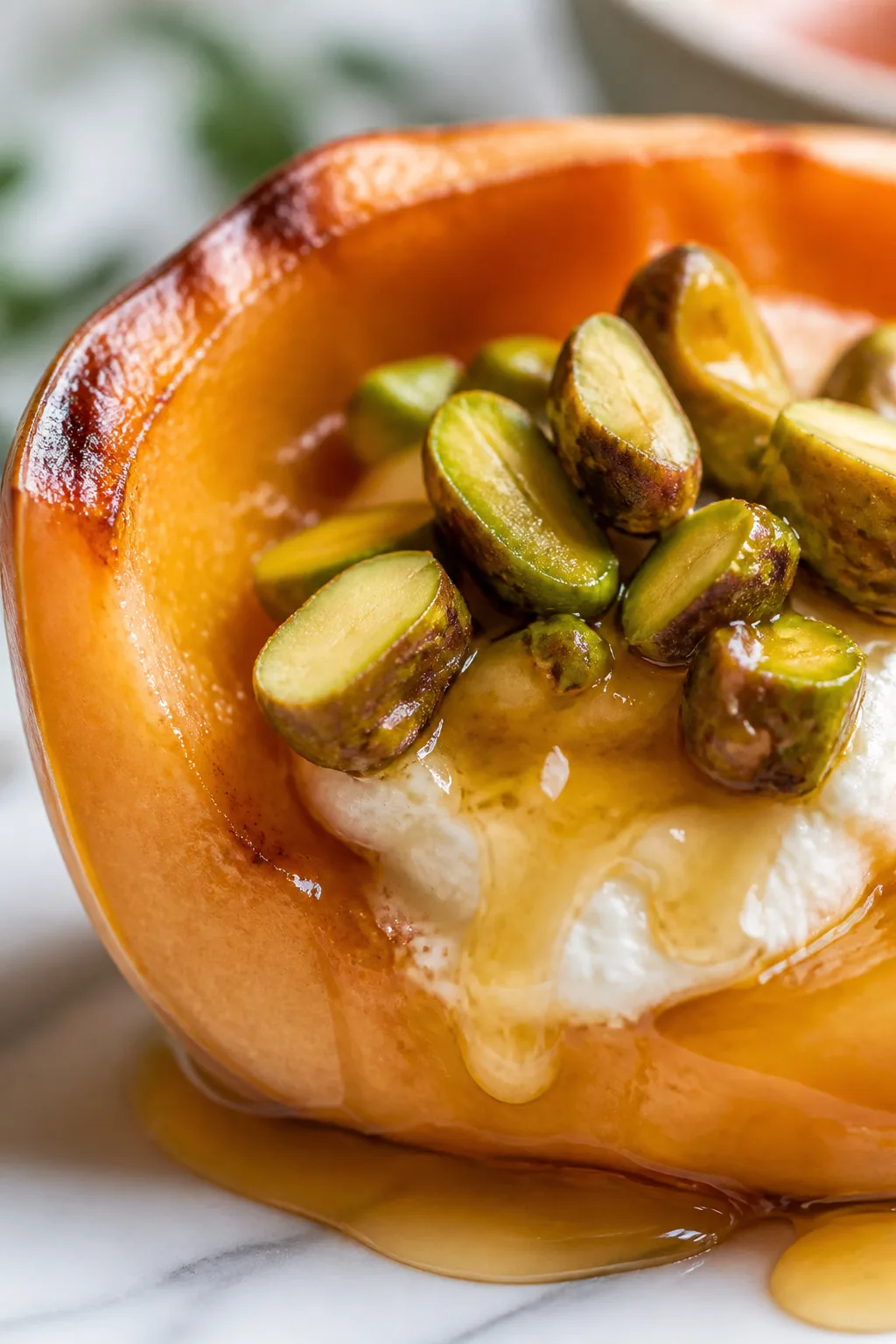
Optional: For an extra touch, drizzle a little extra honey or a sprinkle of toasted nuts like pistachios or almonds over the melon just before serving. This adds texture and a nutty flavor that complements the caramelized fruit beautifully.
⏱ Time: 2 minutes
✓ Doneness: Melon has added texture and visual appeal.
Step 7
If you want to serve this baked melon as a side dish, try pairing it with grilled chicken or fish. The sweet and savory contrast works wonderfully. Just reheat gently in the oven if needed before serving.
⏱ Time: Reheating as needed
✓ Doneness: Melon is warm and tender without losing shape.
Step 8
For a vegan version, substitute butter with coconut oil or a plant-based margarine. The flavor will be slightly different but still delicious and rich.
⏱ Time: Preparation time unchanged
✓ Doneness: Melon retains caramelized finish with plant-based fat.
Step 9
Store any leftovers in an airtight container in the fridge. Baked melon is best enjoyed within 2 days for optimal texture and flavor. Reheat gently in the oven or enjoy cold as a refreshing snack.
⏱ Time: Storage instructions
✓ Doneness: Melon maintains flavor and texture after refrigeration.
Pro Tips
Cut melon wedges evenly for uniform cooking.
Evenly sized wedges ensure all pieces cook at the same rate, preventing some from overcooking while others remain underdone. This maintains consistent texture and flavor throughout the dish.
Brush the glaze generously but evenly over the melon.
An even coating of glaze promotes uniform caramelization and flavor. Too little glaze can result in dry spots, while too much can cause burning or sogginess.
Turn melon wedges halfway through baking.
Flipping the wedges helps both sides caramelize evenly, creating a balanced texture and flavor. Skipping this can cause uneven browning and inconsistent doneness.
Use parchment paper to prevent sticking and ease cleanup.
Melon’s natural sugars can stick to baking sheets, making cleanup difficult and risking burnt bits. Parchment paper protects the pan and helps maintain the caramelized surface intact.
Let the melon rest briefly after baking.
Resting allows juices to redistribute within the wedges, preventing them from falling apart when served. It also enhances flavor melding and texture.
Serve with fresh mint for contrast.
Mint’s cool, fresh flavor contrasts with the warm, sweet baked melon, adding brightness and visual appeal to the dish.
Avoid high oven temperatures to prevent mushiness.
High heat can cause the melon to release too much moisture quickly, resulting in a soggy texture instead of a tender, caramelized one.
Common Mistakes to Avoid
Using underripe or overly soft melon.
Why it happens Sometimes cooks grab whatever melon is available without checking ripeness, assuming baking will fix texture issues.
Fix Always select a melon that is ripe but still firm. A melon that’s too soft will break down during baking and become mushy. If unsure, smell for sweetness and press gently to check firmness.
Overcrowding the baking sheet.
Why it happens Trying to bake too many pieces at once seems efficient but traps steam and prevents caramelization.
Fix Arrange melon wedges in a single layer with space between each piece. This allows hot air to circulate and promotes even browning.
Skipping the glaze or applying it unevenly.
Why it happens Some may think the melon’s natural sweetness is enough or rush this step.
Fix Prepare and brush the honey-lemon-cinnamon glaze evenly on all wedges. This step is crucial for flavor and caramelization.
Baking at too high temperature.
Why it happens Trying to speed up cooking can cause burning or mushy texture.
Fix Bake at a moderate 375°F (190°C) to allow gentle caramelization and maintain structure.
Not turning the melon during baking.
Why it happens Forgetting or skipping this step leads to uneven cooking and browning.
Fix Turn wedges halfway through the baking time for even caramelization on both sides.
Variations
Grilled Baked Melon
Instead of baking, grill the melon wedges over medium heat for a smoky flavor and caramelized grill marks. Brush with the same honey glaze and turn frequently to avoid burning. Expect a slightly firmer texture and a delicious charred aroma.
Note: Grilling requires close attention to avoid flare-ups and uneven cooking; keep heat moderate and use tongs to flip gently.
Spiced Baked Melon with Ginger and Nutmeg
Add a pinch of ground ginger and nutmeg to the cinnamon glaze for a warm, spicy twist. This variation adds depth and complexity, great for fall or winter desserts. The spices complement the melon’s sweetness beautifully.
Note: Adjust spice quantities carefully to avoid overpowering the melon’s delicate flavor.
Baked Melon with Toasted Almonds
Sprinkle toasted sliced almonds over the melon just before serving for a crunchy contrast. The nuts add texture and a nutty flavor that pairs wonderfully with the caramelized fruit.
Note: Toast almonds lightly in a dry pan until golden and fragrant, then add immediately before serving.
Vegan Baked Melon
Swap butter for coconut oil or vegan margarine in the glaze to make this recipe dairy-free. Coconut oil adds a subtle tropical note that pairs nicely with melon, making it suitable for vegan diets without sacrificing richness.
Note: Use refined coconut oil if you prefer a neutral flavor.
Baked Melon with Fresh Berries
Serve baked melon wedges topped with fresh berries like blueberries or raspberries for a colorful, refreshing dessert. The tartness of berries balances the warm sweetness of the melon.
Note: Add berries just before serving to keep them fresh and vibrant.
Nutrition
Per Serving:
Nutritional values are estimates and may vary based on specific ingredients used.
Storage & Tips
Room Temperature
Baked melon should not be left at room temperature for more than 2 hours. Cover loosely with foil or a clean towel if serving buffet-style to prevent drying out.
Refrigerator
Store leftovers in an airtight container for up to 2 days. The texture will firm up and flavor mellow. You can enjoy it cold or gently reheat in a warm oven for 5-7 minutes to restore softness.
Freezer
Freezing is not recommended as melon’s high water content causes texture degradation. If needed, freeze in airtight containers for up to 1 month and thaw slowly in the refrigerator.
Reheating
Reheat gently in a 325°F (160°C) oven for 5-7 minutes covered with foil to prevent drying. Avoid microwaving as it can make the melon rubbery.
Make Ahead
Prepare the melon wedges and glaze up to 1 day ahead. Keep them separate and assemble just before baking to maintain freshness and texture.
FAQ
Can I use other types of melon for this recipe?
Yes, you can try honeydew or even watermelon, but cantaloupe works best due to its firmer texture and higher sugar content. Honeydew tends to be softer and may become mushy when baked, while watermelon has a very high water content and will be less stable.
How do I know when the baked melon is done?
The melon should be tender when pierced with a fork but still hold its shape. The edges will be golden and caramelized, and you’ll smell a sweet, warm aroma. Avoid overbaking to prevent mushiness.
Can I make this recipe without honey or sugar?
You can skip the honey, but the caramelization and flavor will be less intense. You might want to substitute with maple syrup or a small amount of brown sugar to maintain sweetness and browning.
Is this recipe suitable for diabetics?
Since melon and honey contain natural sugars, this dessert should be enjoyed in moderation by those managing blood sugar. You can reduce the honey amount or omit it, but the texture and flavor will be less rich.
Can I prepare this recipe in advance?
You can prep the melon wedges and glaze ahead of time, but bake just before serving for best texture. Leftovers can be stored and gently reheated, but fresh-baked is always best.
What if my melon isn’t very sweet?
Adding the honey-lemon glaze helps compensate for less sweet melon. Also, the baking process intensifies natural sugars, so even moderately sweet melon will taste delicious.
Can I add spices other than cinnamon?
Absolutely! Nutmeg, ginger, or cardamom work well. Start with small amounts to avoid overpowering the melon’s delicate flavor.
How do I store leftover baked melon?
Store in an airtight container in the refrigerator for up to 2 days. Reheat gently or enjoy cold. Avoid freezing as it affects texture.
Final Thoughts
Give this baked melon recipe a try and surprise your family with a simple yet elegant dessert. I’d love to hear how it turns out for you!