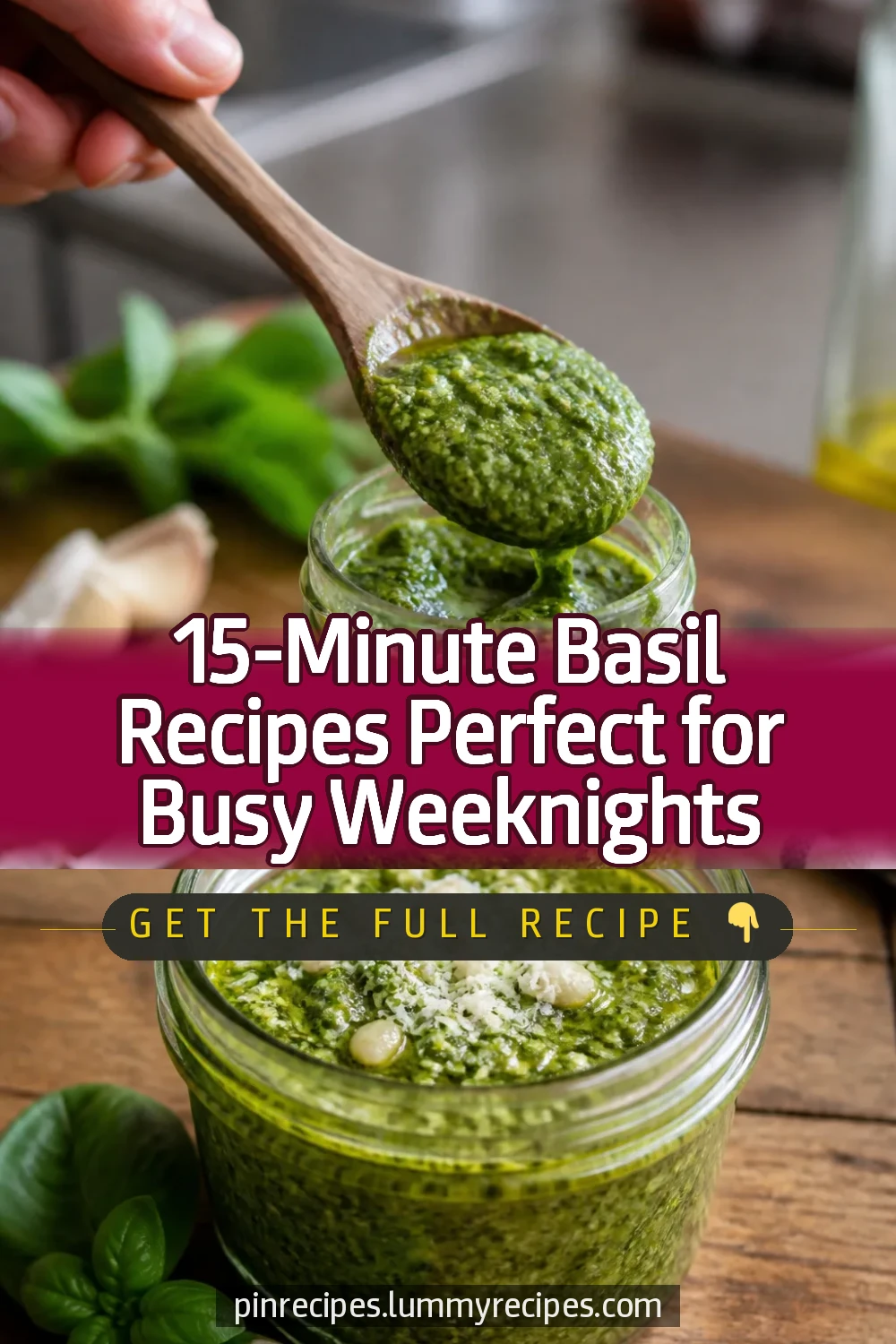
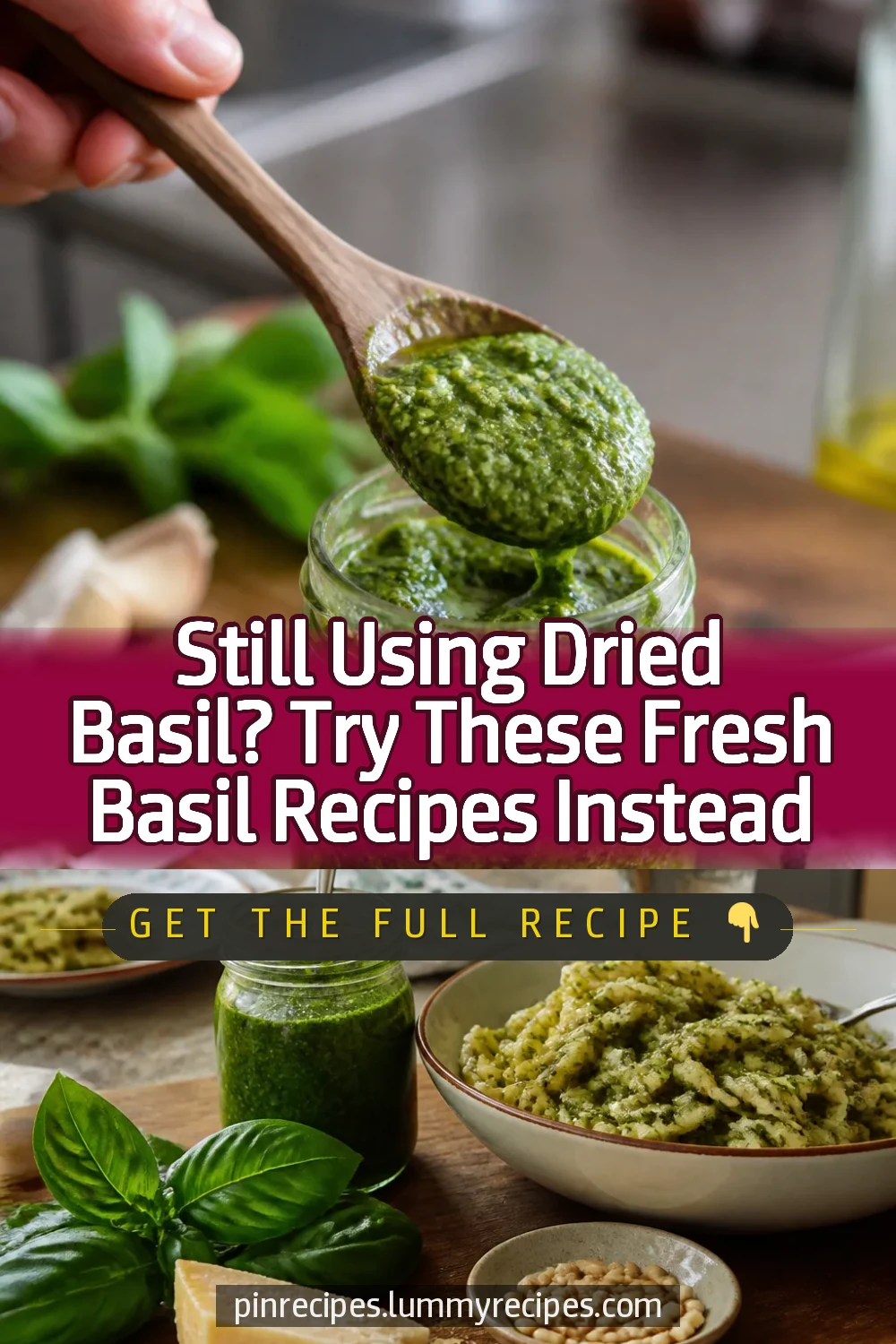
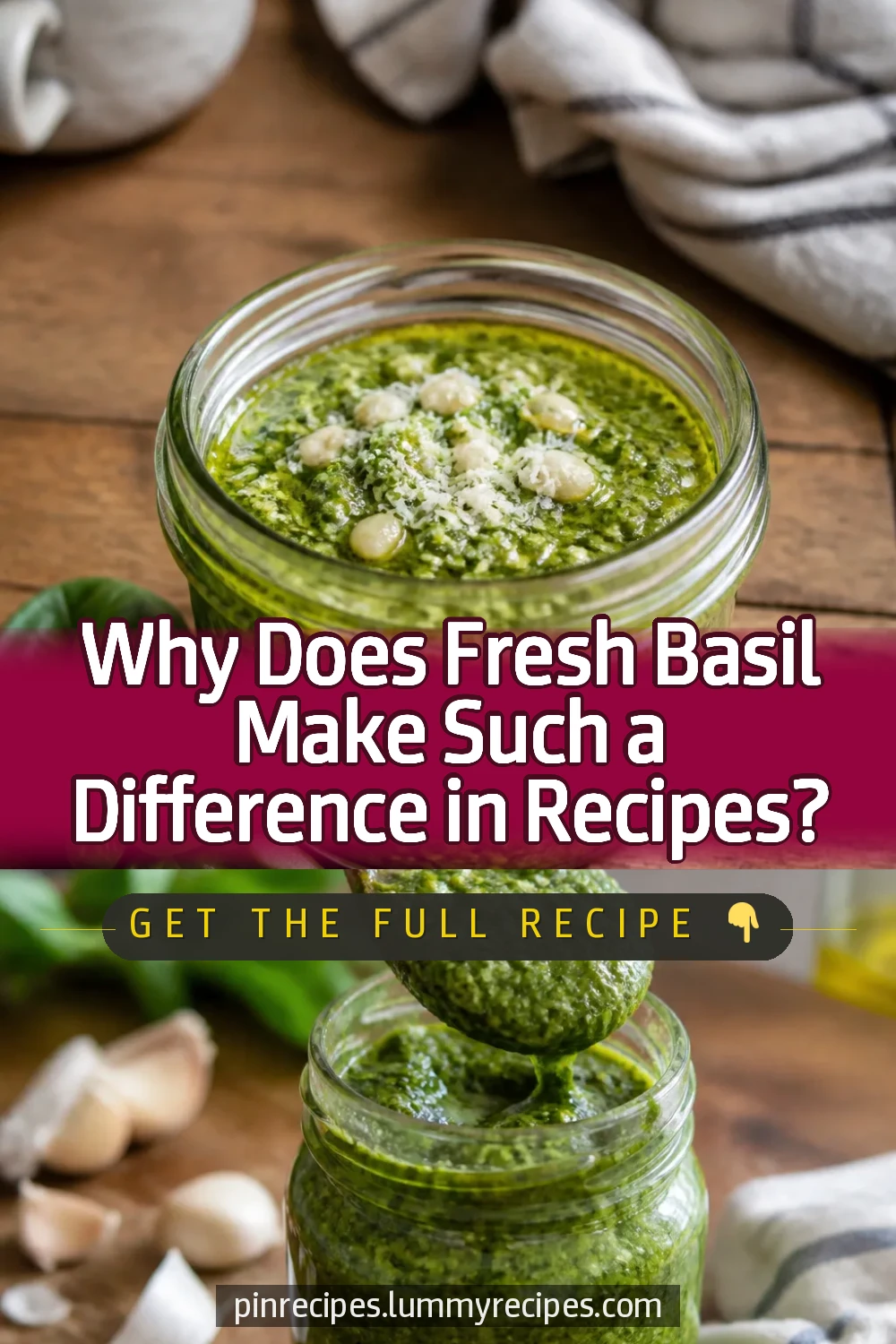
I love how fresh basil instantly lifts any dish. These easy homemade basil recipes use simple ingredients and classic techniques to bring vibrant flavor to your weeknight dinners. Great for pasta, salads, or sauces!
Introduction
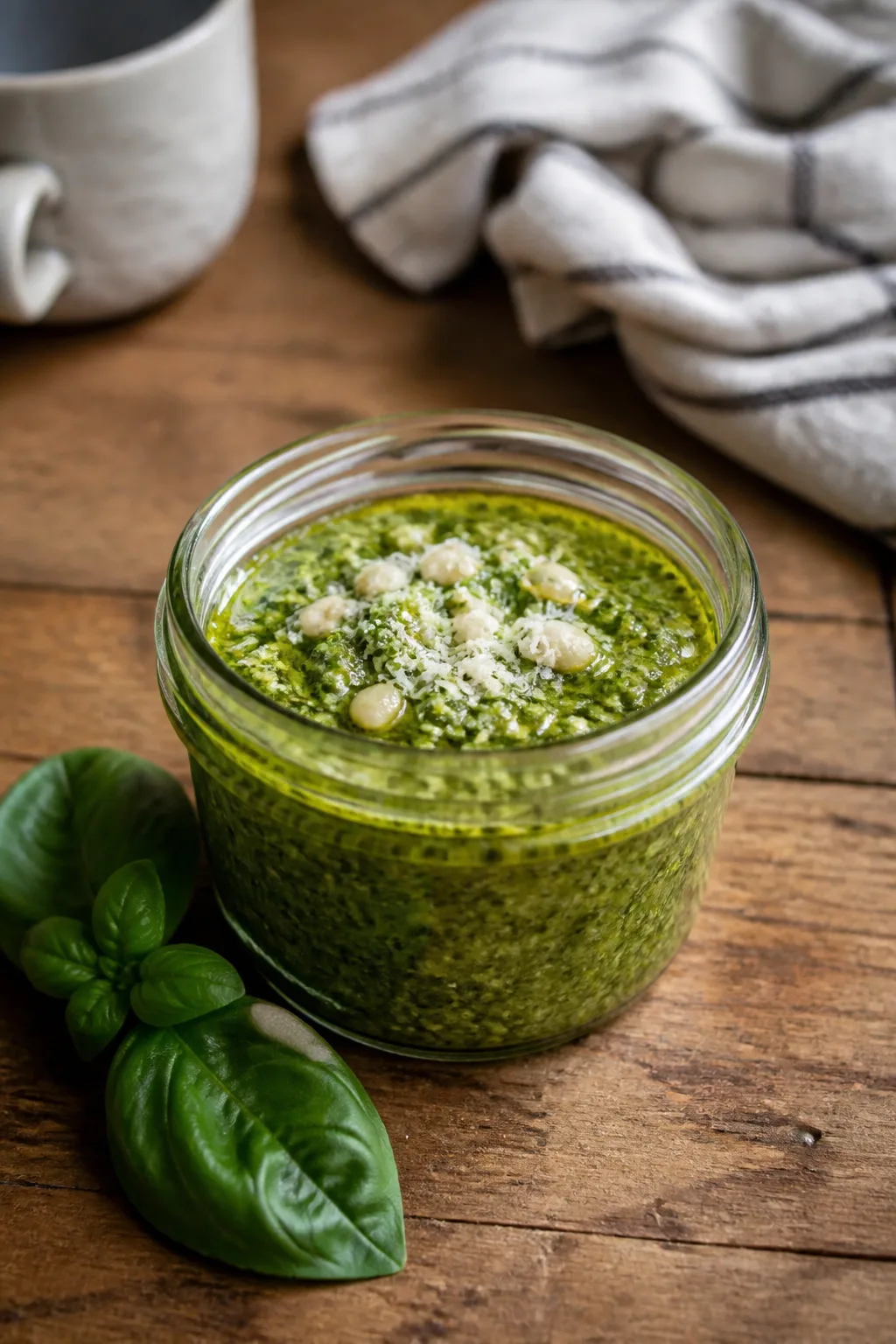
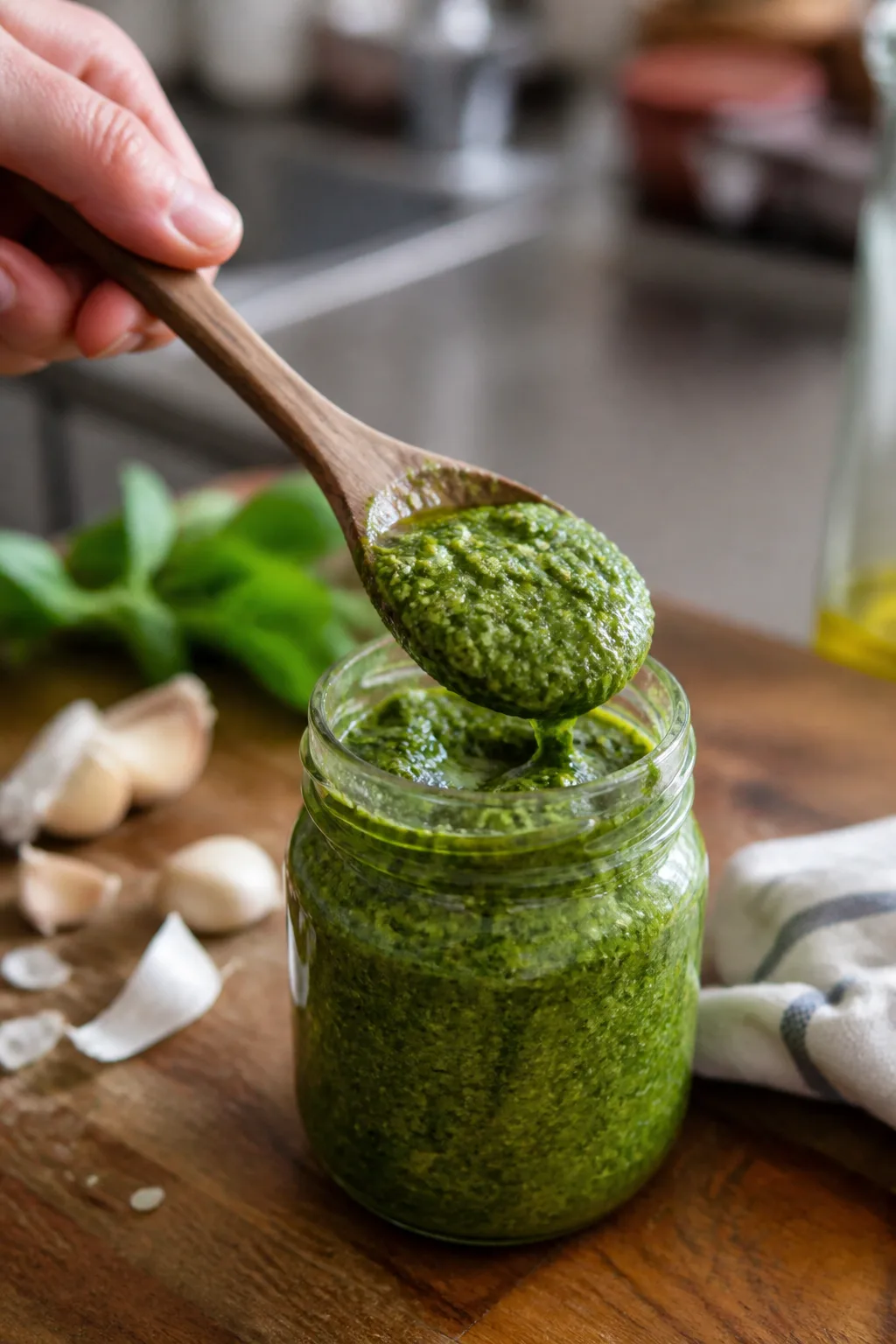
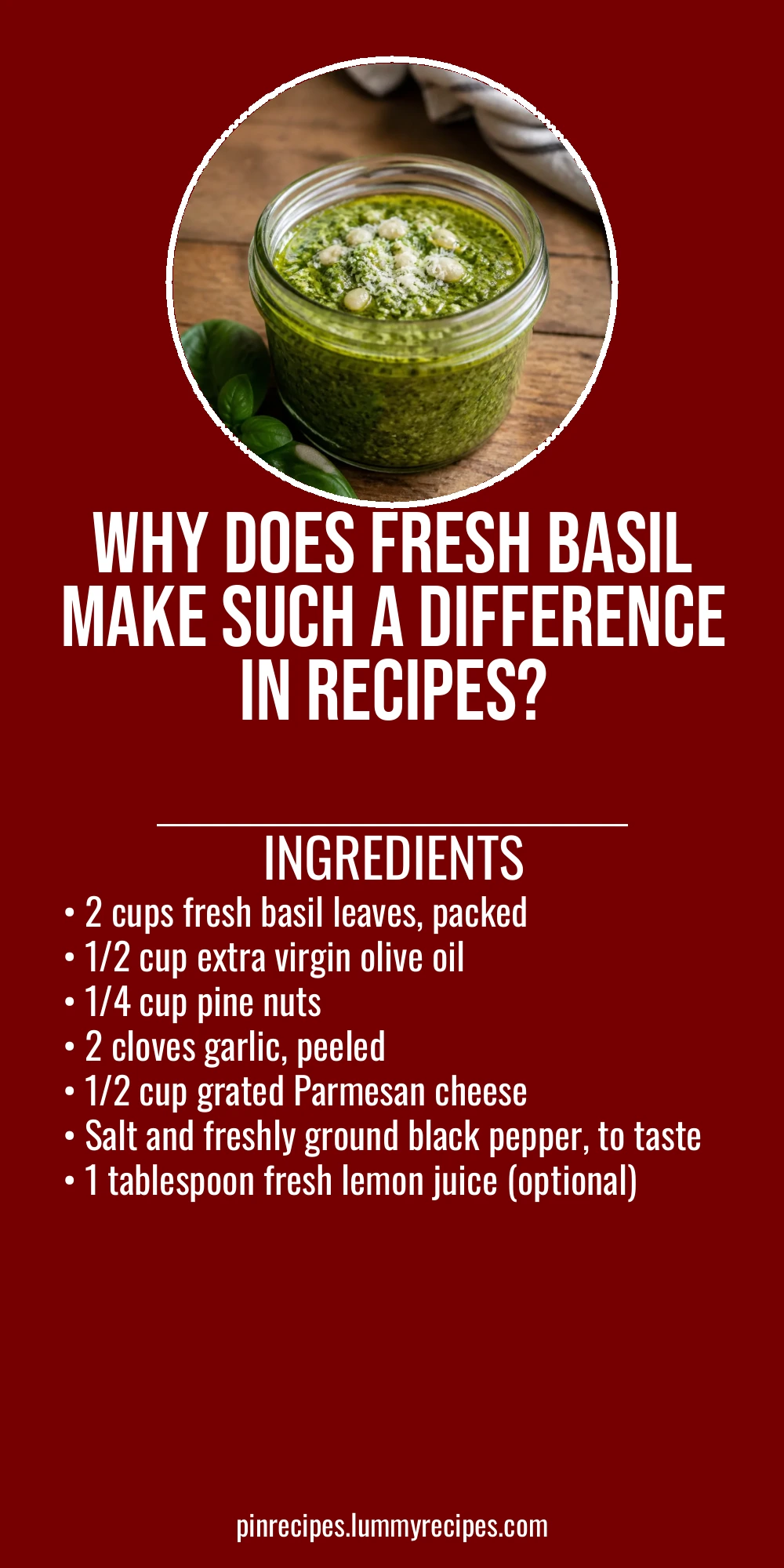
I first started experimenting with basil recipes years ago when I wanted to make something fresh and flavorful that didn’t take hours in the kitchen. What I love about basil is how it brings a garden-fresh brightness to dishes, especially when used fresh rather than dried. This version of basil pesto is my go-to because it’s simple, uses classic ingredients, and the key is balancing the garlic and pine nuts just right. I’ve tweaked the quantities over time to get a creamy, vibrant pesto that clings perfectly to pasta or spreads beautifully on sandwiches. Plus, adding a touch of lemon juice at the end really lifts the flavors and keeps the green color bright. The finished pesto has a silky texture, a fragrant herbal punch, and just enough nuttiness and saltiness to make it irresistible. It’s perfect for weeknight dinners when you want something quick but still homemade and delicious. I hope you find it as easy and satisfying as I do!
What You'll Need
Approximately 1 cup of basil pesto, 4 servings
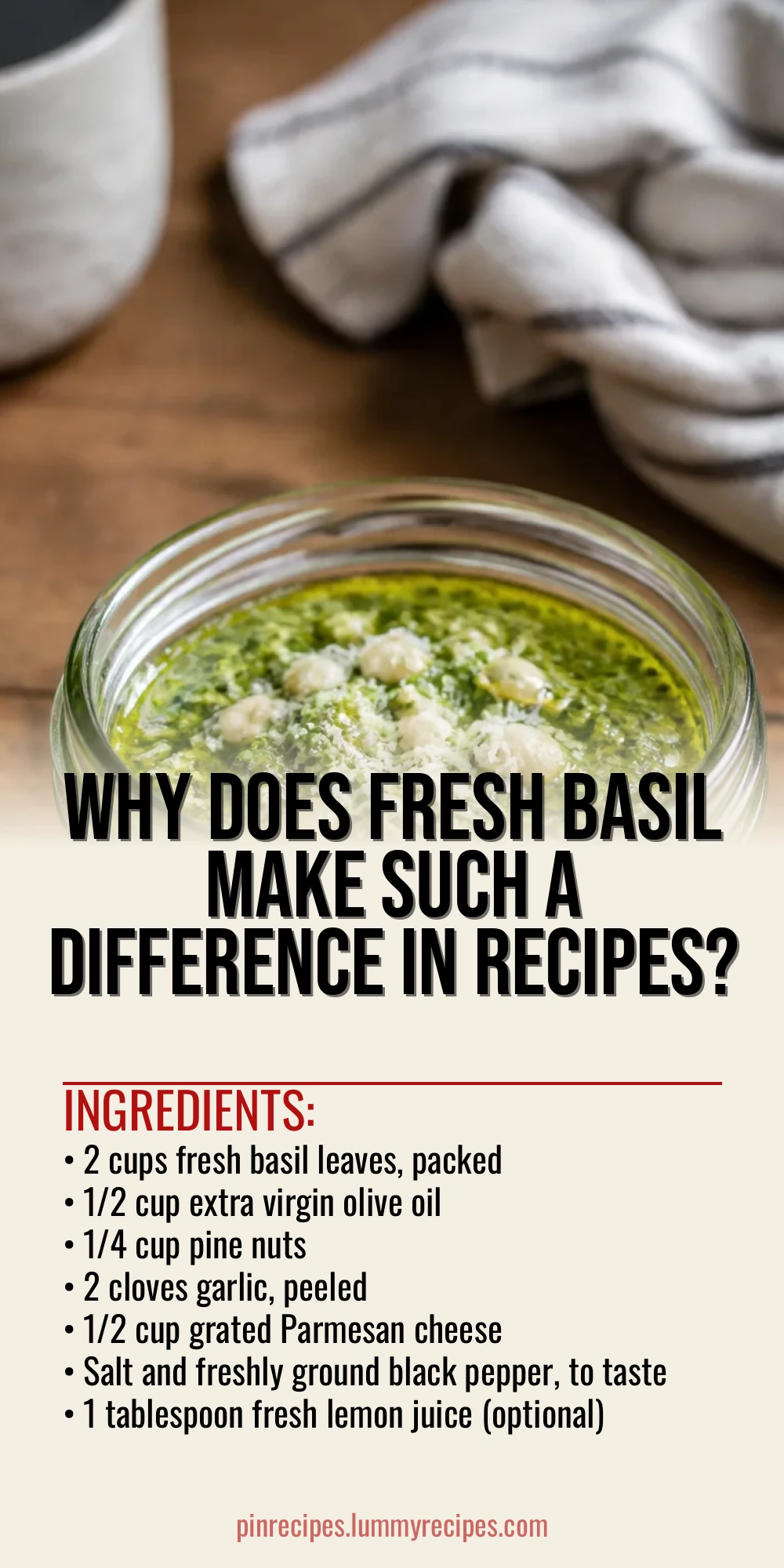
- 2 cups fresh basil leaves, packed
- 1/2 cup extra virgin olive oil
- 1/4 cup pine nuts
- 2 cloves garlic, peeled
- 1/2 cup grated Parmesan cheese
- Salt and freshly ground black pepper, to taste
- 1 tablespoon fresh lemon juice (optional)
How To Do It
Step 1
Start by washing the fresh basil leaves thoroughly to remove any dirt or grit. Dry them gently using a salad spinner or pat with paper towels. This step is crucial because excess water can dilute the pesto and prevent it from emulsifying properly, resulting in a watery sauce. Handling the leaves carefully preserves their delicate texture and bright flavor.
⏱ Time: 5
✓ Doneness: Basil leaves should be clean, dry, and vibrant green without bruising.
Step 2
In a food processor, combine the pine nuts and garlic cloves. Pulse a few times until they’re finely chopped but not pureed. Toasting the pine nuts lightly in a dry skillet before this step adds a deeper flavor but is optional. This step releases the oils in the nuts and garlic, building a rich base for the pesto.
⏱ Time: 5
✓ Doneness: Mixture should be finely chopped with a fragrant aroma but not a paste.
Step 3
Add the fresh basil leaves to the food processor along with a pinch of salt. Pulse several times to start breaking down the leaves. Adding salt early helps draw out moisture from the basil, aiding in emulsification and flavor development.
⏱ Time: 3
✓ Doneness: Leaves should be roughly chopped and starting to combine with nuts and garlic.
Step 4
While the processor runs on low speed, slowly drizzle in the olive oil through the feed tube. This gradual addition allows the oil to emulsify with the basil mixture, creating a creamy and cohesive sauce rather than separating. If you add the oil too quickly, the pesto may become oily and loose.
⏱ Time: 4
✓ Doneness: Pesto should look creamy and well combined, not oily or watery.
Step 5
Stop the processor and scrape down the sides with a spatula. Add the grated Parmesan cheese and pulse a few more times to incorporate. The cheese adds saltiness and richness, balancing the herbal and nutty flavors.
⏱ Time: 2
✓ Doneness: Cheese should be evenly mixed in without over-processing the pesto.
Step 6
Taste the pesto and adjust seasoning with more salt, pepper, or a squeeze of fresh lemon juice if desired. The lemon brightens the flavors and helps preserve the green color over time. Be careful not to add too much acid, which can overpower the basil.
⏱ Time: 2
✓ Doneness: Balanced flavor with a fresh, slightly tangy finish.
Step 7
Transfer the pesto to a clean jar or container. If not using immediately, cover the surface with a thin layer of olive oil to prevent oxidation and browning. Store in the refrigerator for up to a week or freeze for longer storage.
⏱ Time: 3
✓ Doneness: Pesto should be bright green and smooth, with no brown spots.
Step 8
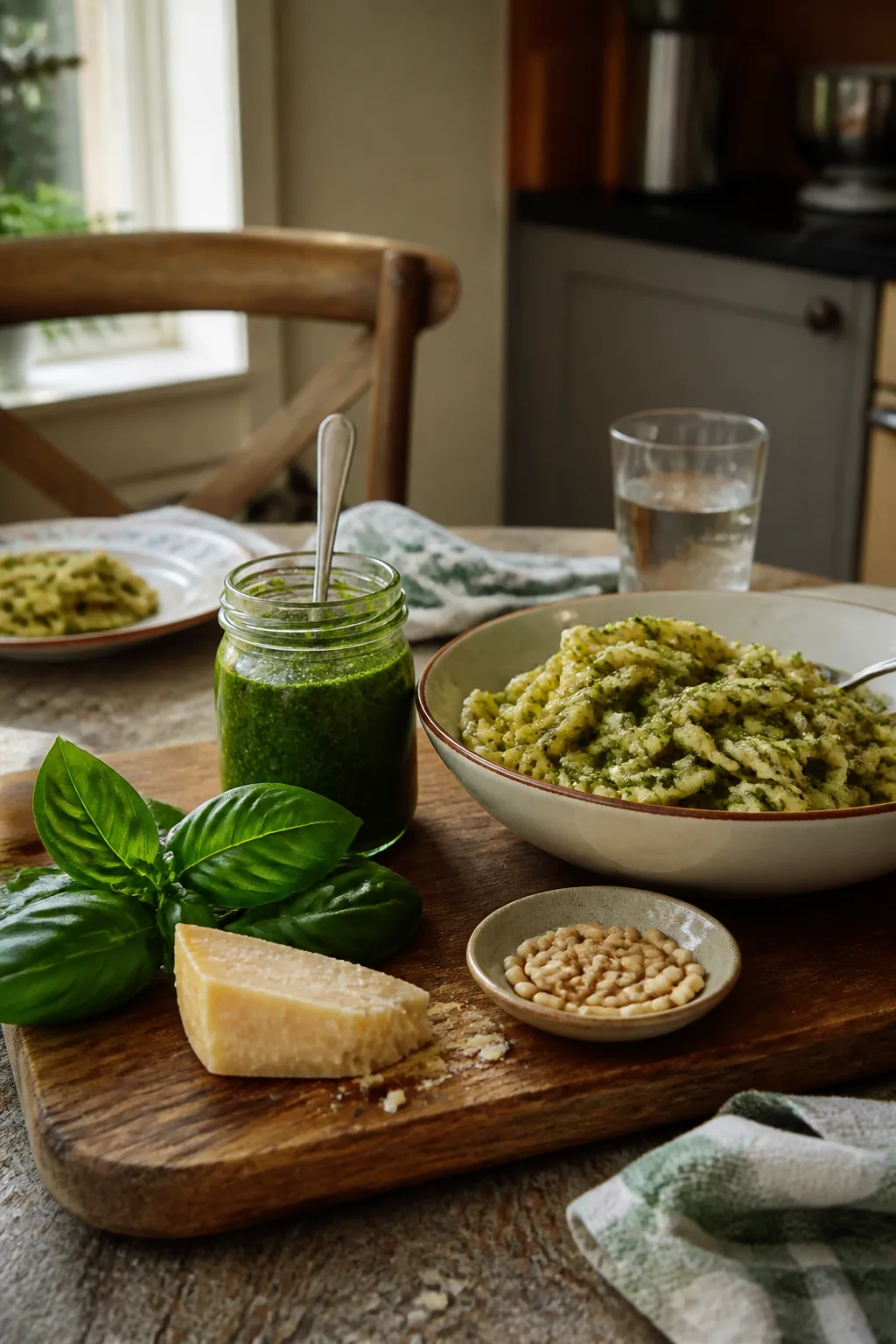
To serve, toss the pesto with freshly cooked pasta, spread it on toasted bread, or dollop it onto grilled chicken or vegetables. The fresh basil flavor shines best when added at the end of cooking or as a finishing touch.
⏱ Time: 2
✓ Doneness: Pesto evenly coats the dish, enhancing aroma and flavor.
Step 9
Clean your food processor and utensils promptly after use to prevent the strong basil aroma from lingering and to keep your kitchen smelling fresh. Basil oils can stain plastic, so a quick rinse helps maintain your equipment.
⏱ Time: 5
✓ Doneness: Equipment is clean and odor-free.
Pro Tips
Use room temperature ingredients for better emulsification.
Cold ingredients can cause the olive oil to solidify and prevent it from blending smoothly with the basil and nuts, resulting in a greasy or separated pesto. Room temperature allows the oil and other ingredients to combine into a creamy, stable emulsion.
Add olive oil slowly while processing to ensure proper texture.
Gradually drizzling the oil allows it to bind with the basil and nuts, creating a silky sauce. Pouring it all at once can overwhelm the mixture, causing it to separate or become too oily, which affects both texture and flavor.
Toast pine nuts lightly for a deeper flavor.
Toasting releases the nuts’ natural oils and adds a warm, nutty aroma that complements basil perfectly. However, over-toasting can cause bitterness, so keep a close eye and toast just until golden.
Use a sharp knife or food processor to avoid bruising basil leaves.
Brushing or crushing basil aggressively releases chlorophyll and can make the pesto taste bitter. Gentle chopping preserves the fresh, sweet notes and maintains a bright green color.
Cover pesto with a thin layer of olive oil before storing.
Exposing pesto to air causes oxidation, which turns it brown and dulls the flavor. A protective oil layer prevents contact with oxygen, preserving the vibrant color and fresh taste.
Add lemon juice at the end to brighten flavors and preserve color.
Acid from lemon juice enhances the herbal notes and prevents browning by slowing enzymatic oxidation. Adding it too early can alter the texture or flavor balance.
Serve pesto fresh whenever possible for best flavor.
Pesto loses its bright, fresh flavor over time, especially when refrigerated. Using it soon after making ensures the essential oils and aromas are at their peak.
Common Mistakes to Avoid
Using dried basil instead of fresh
Why it happens Dried herbs are more convenient and have a longer shelf life, so many cooks reach for them out of habit or availability.
Fix Always use fresh basil leaves for pesto. If fresh isn’t available, it’s better to skip basil than use dried, as the flavor and aroma will be significantly compromised.
Adding olive oil too quickly
Why it happens Rushing the process or not reading instructions carefully leads to pouring oil all at once.
Fix Slowly drizzle the oil while the processor runs to create a smooth emulsion. This prevents the sauce from separating and ensures a creamy texture.
Over-processing the basil
Why it happens Trying to get a perfectly smooth sauce can lead to over-blending, which bruises the leaves and releases bitterness.
Fix Pulse gently and stop as soon as the pesto reaches a coarse, creamy consistency. Some texture is desirable for a fresh pesto.
Not drying basil leaves well
Why it happens Skipping proper drying is common to save time.
Fix Pat leaves dry or use a salad spinner. Excess water dilutes the pesto and can cause it to separate or become watery.
Using pre-grated Parmesan
Why it happens Pre-grated cheese is convenient but often contains additives.
Fix Grate fresh Parmesan to achieve the best melt and flavor. It creates a smoother, richer pesto.
Variations
Walnut Basil Pesto
Swap pine nuts for toasted walnuts for a more robust, earthy flavor. Walnuts are often more affordable and add a slightly bitter note that pairs beautifully with basil’s sweetness.
Note: Walnuts are softer than pine nuts, so pulse gently to avoid turning the pesto too pasty.
Vegan Basil Pesto
Replace Parmesan cheese with nutritional yeast or omit it altogether for a dairy-free version. This keeps the pesto creamy and flavorful while accommodating dietary restrictions.
Note: Nutritional yeast adds umami but won’t melt like cheese, so texture will be less rich.
Spicy Basil Pesto
Add a small fresh chili or a pinch of red pepper flakes to the food processor for a subtle heat that complements the basil’s brightness. Great for pasta with a kick.
Note: Start with a small amount and adjust to taste to avoid overpowering the basil flavor.
Basil and Spinach Pesto
Mix fresh spinach leaves with basil to stretch the pesto and add mild earthiness. This variation is great for those wanting to sneak in extra greens.
Note: Spinach has higher water content; reduce olive oil slightly to maintain thick consistency.
Basil Lemon Pesto
Increase the lemon juice and add lemon zest for a bright, citrus-forward pesto that’s perfect on seafood or grilled chicken.
Note: Zest adds essential oils for aroma but avoid the bitter white pith.
Nutrition
Per Serving:
Nutritional values are estimates and may vary based on specific ingredients used.
Storage & Tips
Room Temperature
Pesto should not be left out at room temperature for more than 2 hours to prevent spoilage. Cover it tightly if serving on the table to minimize exposure to air.
Refrigerator
Store pesto in an airtight container with a thin layer of olive oil on top for up to 5 days. Flavor may mellow slightly, so bring to room temperature before serving to revive aroma.
Freezer
Freeze pesto in small portions (ice cube trays work well) for up to 3 months. Wrap tightly to prevent freezer burn. Thaw in the refrigerator overnight and stir well before use.
Reheating
Pesto is best served cold or at room temperature. If warming, add it to hot pasta off the heat to avoid cooking the basil, which can turn it bitter.
Make Ahead
Make pesto 1-2 days ahead and store refrigerated with olive oil on top. This allows flavors to meld nicely. Avoid freezing if you plan to use it fresh within a few days.
FAQ
Can I use dried basil instead of fresh in pesto?
Dried basil lacks the vibrant oils and flavor of fresh basil and will result in a dull, flat pesto. For best results, always use fresh basil leaves. If fresh isn’t available, it’s better to skip basil than substitute with dried.
How do I prevent pesto from turning brown?
Cover the surface of pesto with a thin layer of olive oil and store it airtight in the refrigerator. The oil prevents oxidation, which causes browning. Adding a little lemon juice also helps preserve the bright green color.
Can I make pesto without a food processor?
Yes! You can finely chop the basil, garlic, and nuts by hand and then whisk in olive oil and cheese. It takes more effort but yields a rustic texture and fresh flavor.
Why is my pesto bitter?
Over-processing basil or using bruised leaves releases chlorophyll and tannins, causing bitterness. Also, too much garlic or over-toasted nuts can contribute. Pulse gently and taste as you go to avoid this.
How long does homemade pesto last?
Stored properly in the refrigerator with olive oil on top, pesto lasts about 5 days. For longer storage, freeze in small portions for up to 3 months.
Can I use other nuts besides pine nuts?
Yes, walnuts, almonds, or cashews work well and offer different flavor profiles. Toast them lightly for best taste. Keep in mind texture and flavor will vary slightly.
Is pesto healthy?
Pesto is nutrient-rich, providing healthy fats from olive oil and nuts, antioxidants from basil, and protein from cheese. It’s calorie-dense, so enjoy in moderation as part of a balanced diet.
Can I add other herbs to basil pesto?
Absolutely! Adding parsley, spinach, or mint can add complexity and stretch the pesto. Just be mindful of water content and adjust oil accordingly to maintain texture.
Why does my pesto separate?
Separation happens when oil and solids don’t emulsify properly. Adding oil slowly while processing and using fresh, dry ingredients helps create a stable sauce. If it separates, whisk it vigorously to recombine.
Can I freeze pesto in ice cube trays?
Yes, freezing pesto in small portions like ice cubes is a great way to store it. Once frozen, transfer cubes to a freezer bag for convenience. Thaw as needed for quick use.
Final Thoughts
I hope you enjoy making and sharing these basil recipes as much as I do. They bring fresh, vibrant flavor to simple meals and are sure to become a family favorite. Let me know how yours turn out!