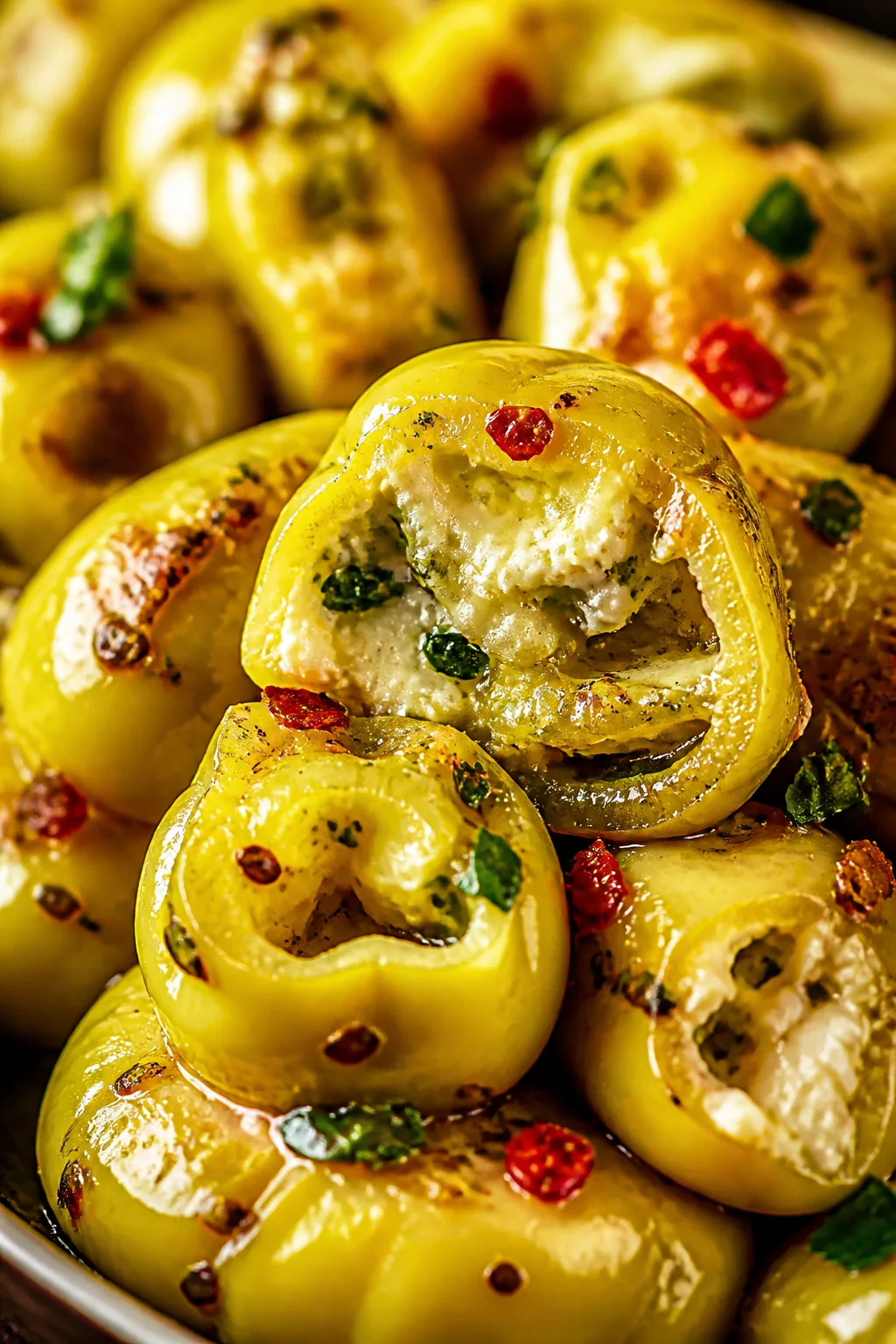
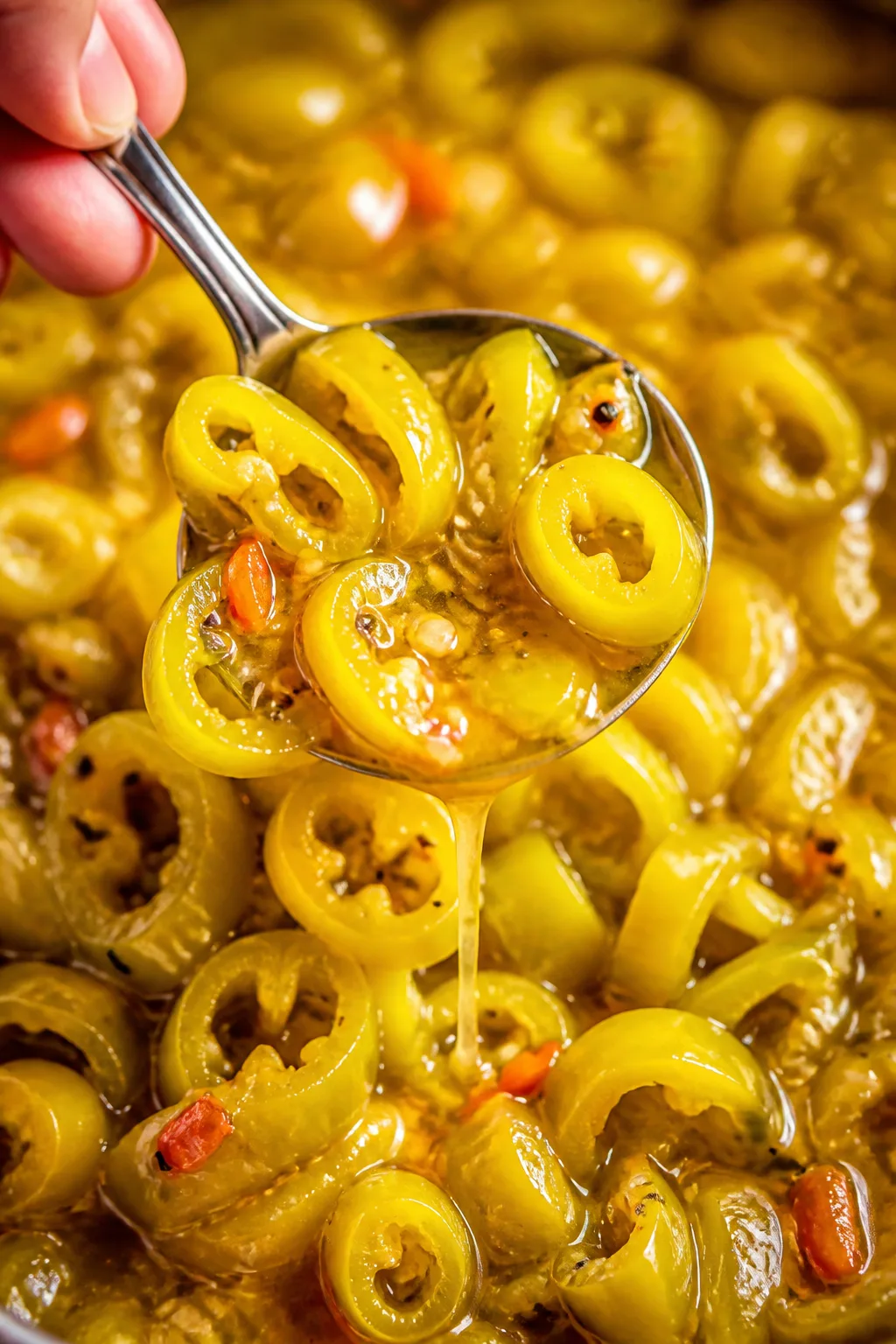
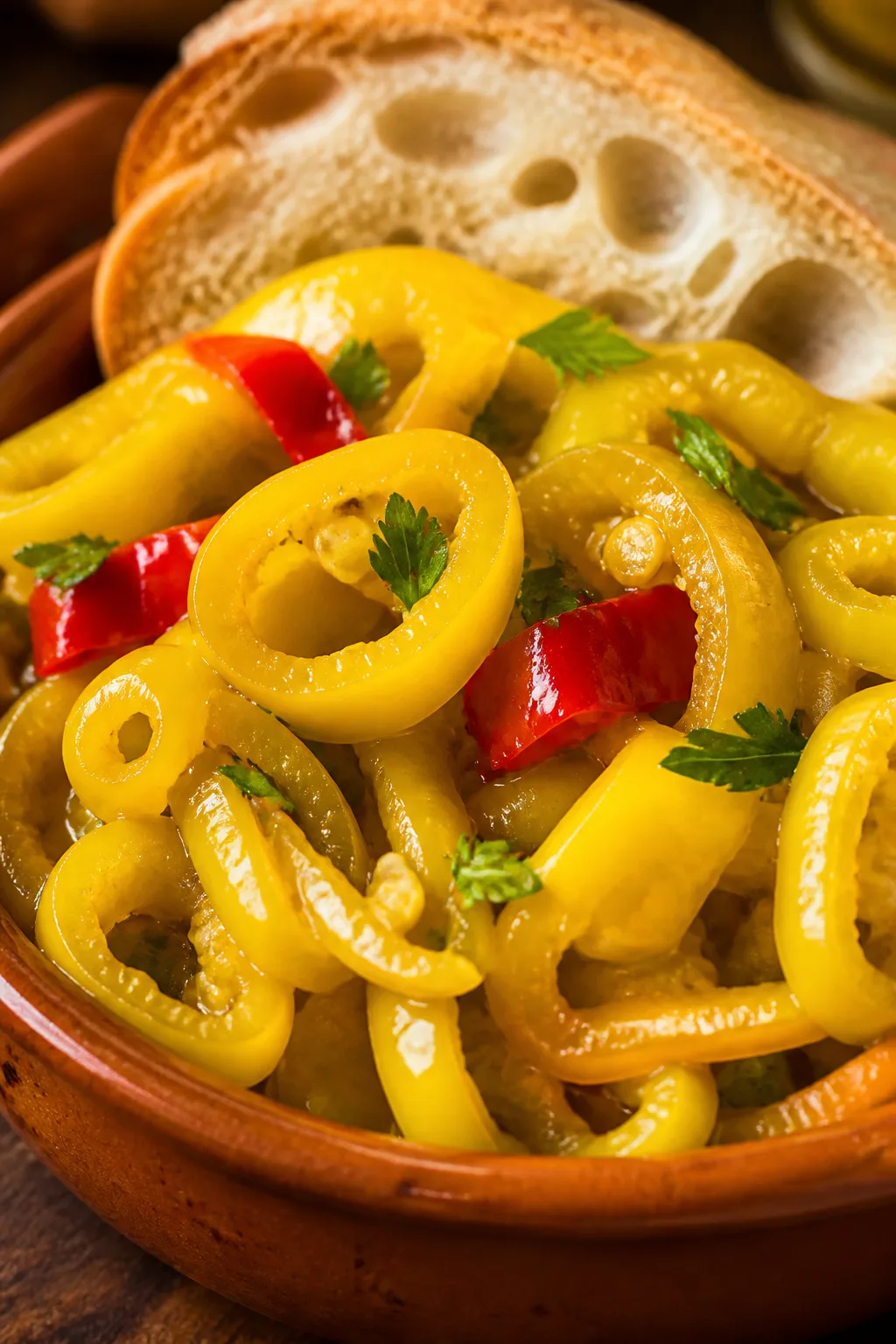
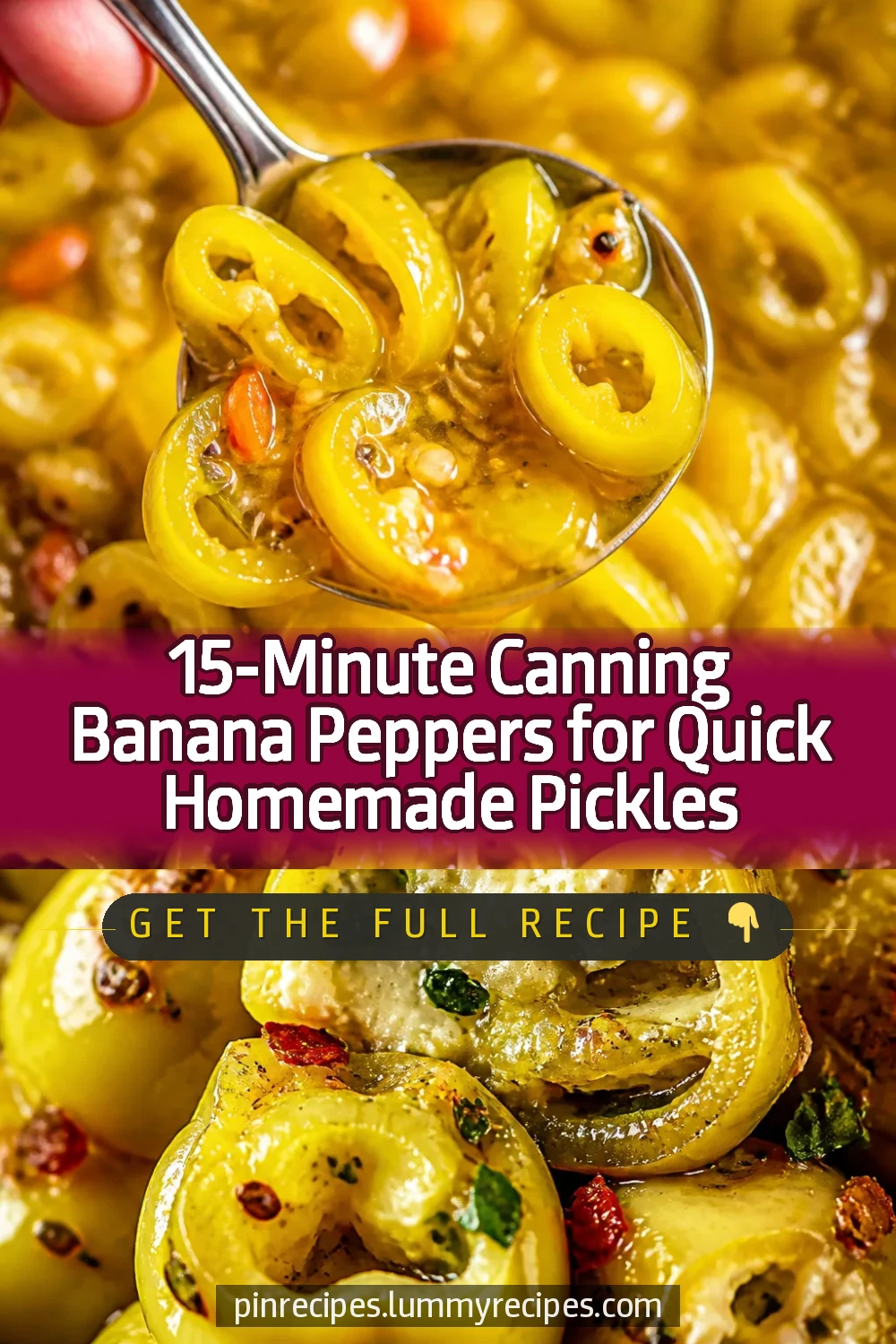
Canning banana peppers is a simple way to preserve their bright, tangy flavor all year round. I love how easy it is to prepare them with just a few basic ingredients and enjoy that crisp bite anytime. Perfect for adding zing to sandwiches or salads!
Introduction
I first tried canning banana peppers a few summers ago when my garden was overflowing with these bright, tangy peppers. I wanted a way to enjoy their fresh flavor well beyond the season, and canning was the perfect solution. What sets this recipe apart is the simple brine with garlic and mustard seeds that really brings out the peppers’ natural zing without overpowering them. Also, slicing the peppers into rings lets the brine soak in evenly, giving you that perfect balance of crispness and tang. I’ve found that following the timing carefully ensures the peppers stay crunchy instead of mushy, which was a problem in my early attempts. The finished jars have this beautiful golden-yellow color and a lively, fresh taste that’s great on sandwiches, salads, or just as a snack. It’s a straightforward process anyone can do, and once you try it, you’ll want to keep canning banana peppers every summer!
What You'll Need
Approximately 4 half-pint jars, 4 servings
- 2 pounds fresh banana peppers, washed and sliced into rings
- 4 cups water
- 2 cups white vinegar (5% acidity)
- 3 tablespoons kosher salt
- 4 cloves garlic, peeled and smashed
- 2 teaspoons sugar
- 1 teaspoon black peppercorns
- 1 teaspoon mustard seeds
- 1/2 teaspoon crushed red pepper flakes (optional)
How To Do It
Step 1
Start by preparing your banana peppers. Wash them thoroughly under cold water to remove any dirt or debris. Slice the peppers into even rings about 1/4 inch thick, removing seeds if you want a milder pickle. Uniform slices help the peppers pickle evenly and absorb the brine better. Be careful when handling the peppers; wear gloves if you’re sensitive to their heat. This step is crucial because uneven slices can lead to inconsistent texture and flavor in the final product.
⏱ Time: 10 minutes
✓ Doneness: Peppers are uniformly sliced and clean, ready for pickling.
Step 2
Prepare the pickling brine by combining water, white vinegar, kosher salt, sugar, garlic cloves, black peppercorns, mustard seeds, and crushed red pepper flakes in a large pot. Bring the mixture to a boil over medium-high heat, stirring occasionally to dissolve the salt and sugar fully. Boiling the brine is essential to infuse the flavors and ensure the salt and sugar are evenly distributed. Don’t rush this step, as a properly made brine is the foundation of good pickled banana peppers.
⏱ Time: 10 minutes
✓ Doneness: Brine is boiling and clear with dissolved salt and sugar.
Step 3
While the brine heats, sterilize your half-pint jars and lids by boiling them in water for 10 minutes. This prevents any bacteria from spoiling your canned peppers. Use tongs to remove the jars and place them on a clean towel. Sterilization is a critical safety step in canning to avoid contamination and ensure a long shelf life.
⏱ Time: 10 minutes
✓ Doneness: Jars and lids are hot and sterile, ready to fill.
Step 4
Pack the sliced banana peppers tightly but gently into the sterilized jars. Add one smashed garlic clove, a few peppercorns, mustard seeds, and optional red pepper flakes to each jar for extra flavor. Packing them firmly ensures you get plenty of peppers in each jar without crushing them, maintaining their crisp texture.
⏱ Time: 5 minutes
✓ Doneness: Jars are filled with peppers and spices, no large air pockets.
Step 5
Pour the hot brine over the peppers in each jar, leaving about 1/2 inch of headspace at the top. Use a non-metallic utensil to remove air bubbles by gently pressing the peppers. Headspace is important for proper sealing during processing, and removing air bubbles prevents spoilage and uneven pickling.
⏱ Time: 5 minutes
✓ Doneness: Jars are filled with brine, no trapped air bubbles visible.
Step 6
Wipe the rims of the jars with a clean, damp cloth to remove any residue. Place the sterilized lids on top and screw on the bands until fingertip-tight. This ensures a proper vacuum seal during processing and prevents leaks.
⏱ Time: 3 minutes
✓ Doneness: Lids are securely placed, rims clean and free of brine.
Step 7
Process the jars in a boiling water bath canner for 10 minutes, ensuring the water covers the jars by at least 1-2 inches. Adjust processing time if you’re at a high altitude. This step kills bacteria and creates a vacuum seal, preserving the peppers safely for long-term storage.
⏱ Time: 10 minutes
✓ Doneness: Water is boiling steadily, jars are submerged fully.
Step 8
Carefully remove the jars from the water bath using jar lifters and place them on a towel-lined surface. Let them cool undisturbed for 12-24 hours. You’ll hear the satisfying pop of lids sealing as they cool. Cooling undisturbed is important to allow the vacuum seal to form properly.
⏱ Time: 12-24 hours
✓ Doneness: Lids are concave and do not flex when pressed.
Step 9
Once cooled, check the seals by pressing the center of each lid. If sealed, label the jars with the date and store them in a cool, dark place. If any jars didn’t seal, refrigerate and use those peppers within a week. Properly sealed jars can last up to a year, giving you fresh banana peppers anytime you want.
⏱ Time: 5 minutes
✓ Doneness: Lids are sealed firmly; jars are labeled and stored.
Pro Tips
Wear gloves when handling banana peppers to avoid skin irritation.
Banana peppers can have a mild heat that irritates sensitive skin or causes burning sensations. Wearing gloves protects your hands from oils and seeds that might cause discomfort or transfer heat to your eyes if you touch your face.
Use a non-metallic utensil to remove air bubbles before sealing jars.
Metal utensils can scratch jars or react with the acidic brine, affecting flavor and safety. Removing air bubbles ensures even pickling and prevents trapped pockets of air where bacteria could grow, improving shelf life and texture.
Do not rush the cooling process; let jars sit undisturbed for 24 hours.
Cooling slowly allows the vacuum seal to form properly as the lids contract. Disturbing jars during this time can break the seal, risking spoilage. Proper sealing is essential for safe long-term storage.
Adjust processing time based on your altitude.
Water boils at lower temperatures at higher altitudes, which can affect the sterilization process. Increasing processing time compensates for this, ensuring all bacteria are killed and the seal forms correctly.
Label jars with date and contents immediately after cooling.
Keeping track of when you canned your peppers helps you use them within their best quality period, usually up to a year. It also avoids confusion if you have multiple canned goods stored.
Use fresh, high-quality ingredients for best flavor and texture.
The quality of your peppers, vinegar, and spices directly affects the final taste and crispness of your pickles. Fresh ingredients ensure vibrant flavor and longer shelf life.
Store canned banana peppers in a cool, dark place.
Heat and light can degrade the quality and safety of canned goods over time. A pantry or cellar with stable, cool temperatures preserves flavor and prevents spoilage.
Common Mistakes to Avoid
Not sterilizing jars properly
Why it happens Many home cooks underestimate the importance of sterilizing jars, thinking the boiling water bath is enough. This can lead to contamination and spoilage.
Fix Always boil jars and lids for at least 10 minutes before filling. Use clean towels and avoid touching the inside of the jars or lids after sterilizing to maintain cleanliness.
Using vinegar with less than 5% acidity
Why it happens Some people use flavored or homemade vinegars without checking acidity, which can compromise safety.
Fix Always use distilled white vinegar labeled 5% acidity to ensure your pickles are safely preserved and have the right tang.
Overfilling jars or not leaving enough headspace
Why it happens In a rush, it’s easy to fill jars to the brim, leaving no room for expansion during processing.
Fix Leave about 1/2 inch of headspace to allow for proper vacuum sealing and prevent jars from breaking or leaking.
Skipping air bubble removal
Why it happens People often pour brine quickly and seal immediately, trapping air bubbles inside.
Fix Use a plastic or wooden utensil to gently press peppers and release air bubbles before sealing jars.
Not processing jars for the full recommended time
Why it happens Impatience or misunderstanding of canning instructions leads to under-processing.
Fix Follow the full boiling water bath time based on your altitude to ensure safety and proper sealing.
Variations
Spicy Pickled Banana Peppers
Add extra crushed red pepper flakes or a few sliced jalapeños to the brine for a spicier kick. This variation adds heat without overpowering the peppers' natural flavor, great for those who love a little fire in their pickles.
Note: Increase crushed red pepper flakes gradually to avoid overwhelming the brine; taste test after pickling.
Sweet and Tangy Banana Peppers
Increase the sugar in the brine to 1/4 cup for a sweeter pickle with balanced acidity. This version is perfect for those who prefer a milder tang and a touch of sweetness, ideal on sandwiches and salads.
Note: Ensure sugar dissolves completely in the boiling brine to avoid graininess.
Garlic and Herb Banana Peppers
Add fresh dill sprigs and whole black peppercorns to the jars for an herby aroma and flavor. This variation elevates the pickles with garden-fresh notes, making them a flavorful side or snack.
Note: Use fresh herbs and distribute evenly among jars for consistent flavor.
Whole Pickled Banana Peppers
Instead of slicing, pack whole small banana peppers into jars for a different texture and presentation. Whole peppers take longer to pickle but offer a satisfying crunch and bold flavor.
Note: Increase processing time to 15 minutes to ensure safety with whole peppers.
Vinegar-Free Fermented Banana Peppers
Skip vinegar and ferment banana peppers in a saltwater brine for several days to develop natural tang and probiotics. This traditional method yields a different flavor profile and beneficial bacteria.
Note: Requires careful monitoring of fermentation time and temperature to avoid spoilage.
Nutrition
Per Serving:
Nutritional values are estimates and may vary based on specific ingredients used.
Storage & Tips
Room Temperature
Canned banana peppers can safely keep at room temperature for up to one year if sealed properly. Store them in a cool, dark place away from direct sunlight to maintain flavor and quality.
Refrigerator
Once opened, store the jar in the refrigerator and consume within 2-3 weeks. The peppers may lose some crispness over time but remain flavorful. Refrigeration slows spoilage and maintains safety.
Freezer
Freezing is not recommended for canned banana peppers as it can alter texture and cause the jars to break. Instead, consume within the shelf life or refrigerate after opening.
Reheating
No reheating needed; these peppers are best served cold or at room temperature. If adding to cooked dishes, add them at the end to preserve their crunch and tang.
Make Ahead
You can prepare and pack the jars a day ahead, refrigerate overnight, and process the next day. This helps with timing if you have a busy schedule on canning day.
FAQ
Can I use green banana peppers instead of yellow?
Yes, green banana peppers can be used and will yield a slightly different flavor—more grassy and less sweet than yellow. The canning process remains the same, but expect a less vibrant color.
How long do canned banana peppers last unopened?
Properly canned and sealed banana peppers can last up to one year stored in a cool, dark place. After that, quality declines but they may still be safe to eat if there are no signs of spoilage.
What if my jars didn’t seal properly?
If jars don’t seal, refrigerate and use those peppers within a week. You can also reprocess them with new lids, but make sure to follow the full sterilization and processing steps to ensure safety.
Can I reduce the vinegar amount?
Reducing vinegar is not recommended because it lowers acidity, risking bacterial growth and spoilage. Stick to the recipe’s vinegar ratio for safe preservation.
Why are my pickled peppers soft after canning?
Soft peppers often result from overripe produce, over-processing, or insufficient salt in the brine. Use fresh peppers, follow timing exactly, and ensure salt is measured properly to maintain crispness.
Can I add other spices to the brine?
Absolutely! Feel free to add spices like coriander seeds, bay leaves, or dill to customize flavor. Just keep the core ingredients for safety intact.
Is it necessary to remove seeds from banana peppers?
Removing seeds is optional. Seeds add some heat and texture, but if you prefer milder pickles, removing them can help reduce spiciness.
Can I use sea salt instead of kosher salt?
Yes, but make sure it’s pure sea salt without additives. Measure carefully as grain size varies and can affect saltiness and brine clarity.
Final Thoughts
I hope you enjoy making and eating these canned banana peppers as much as I do. They’re a simple way to capture summer’s brightness anytime—give it a try and share your results!