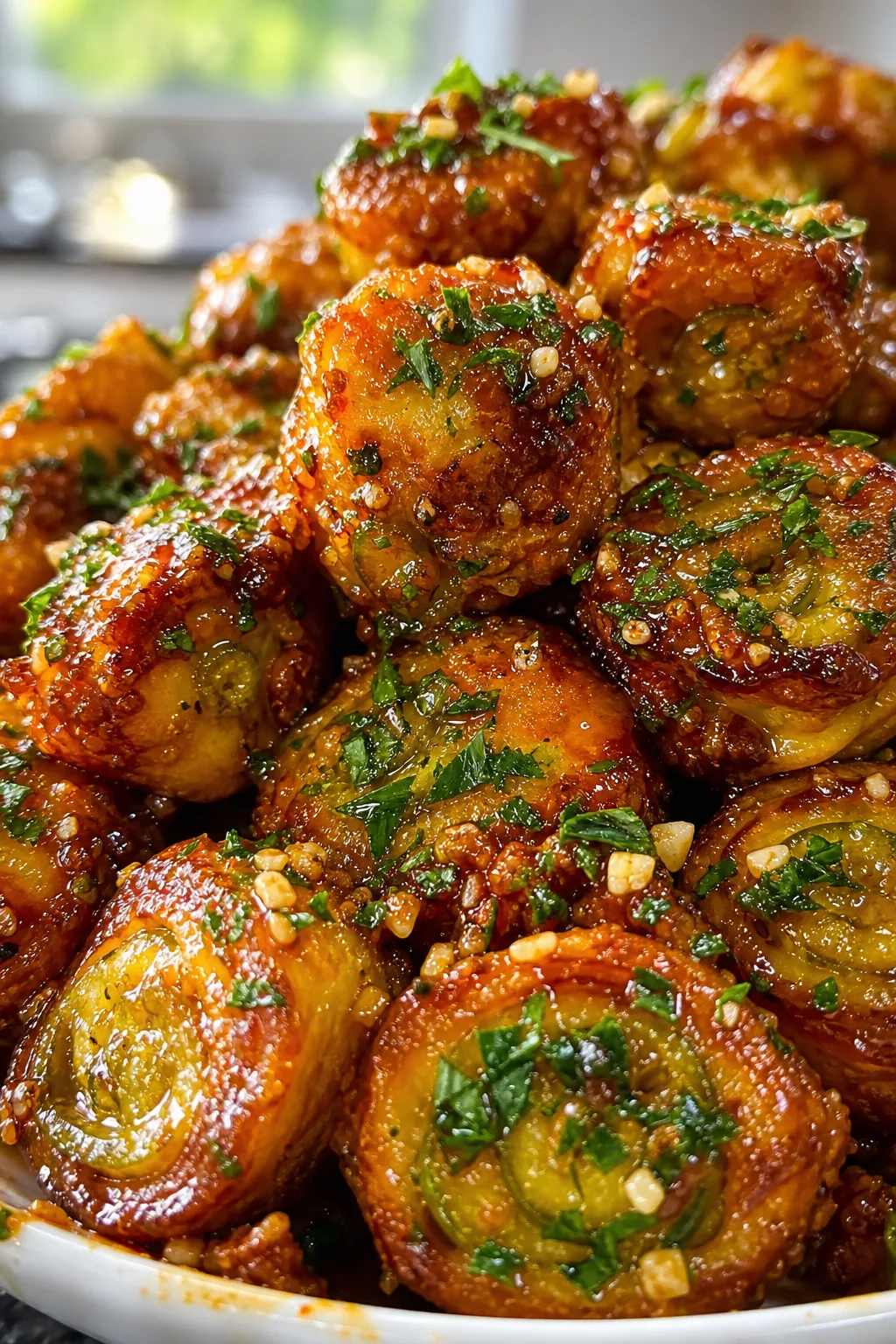
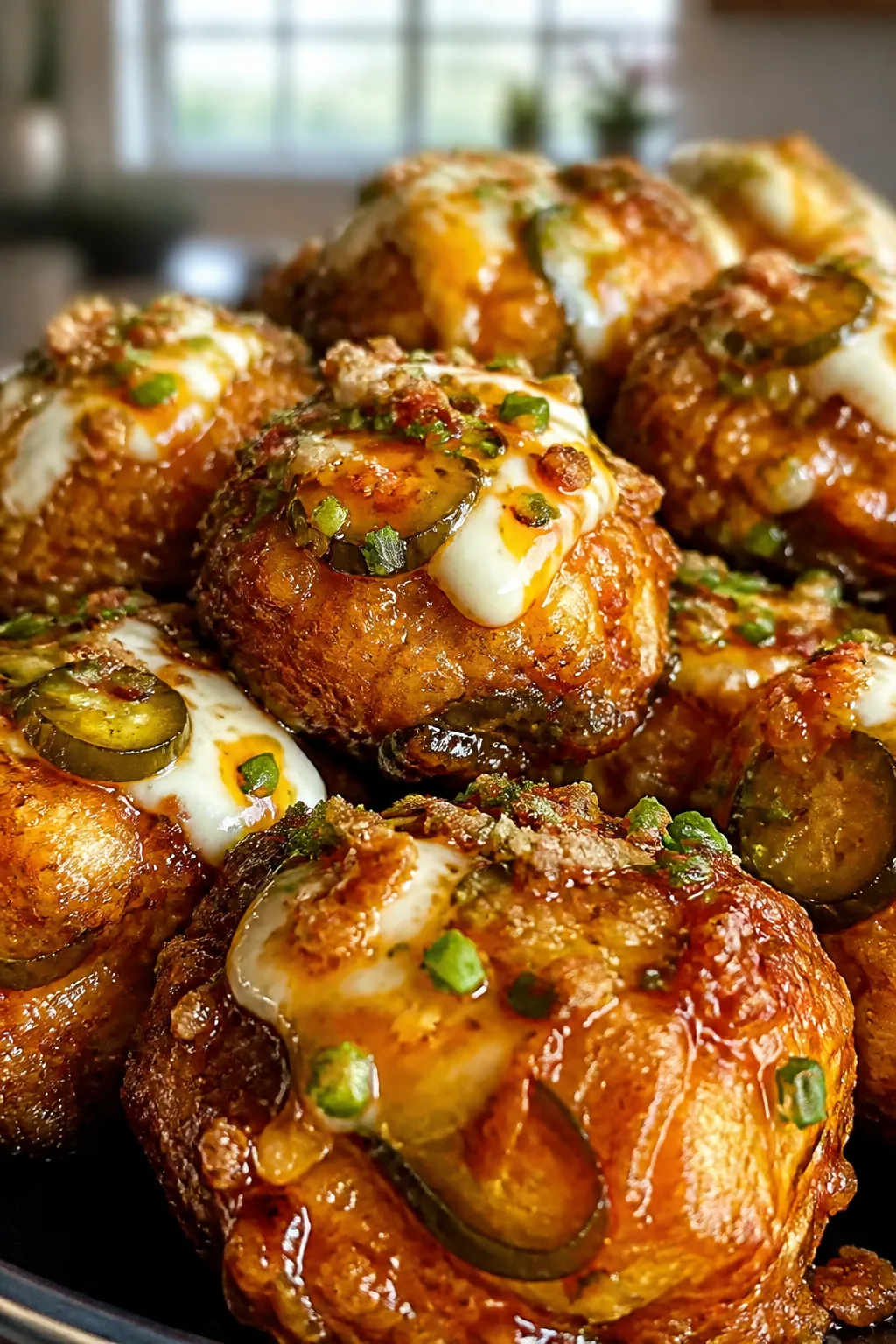
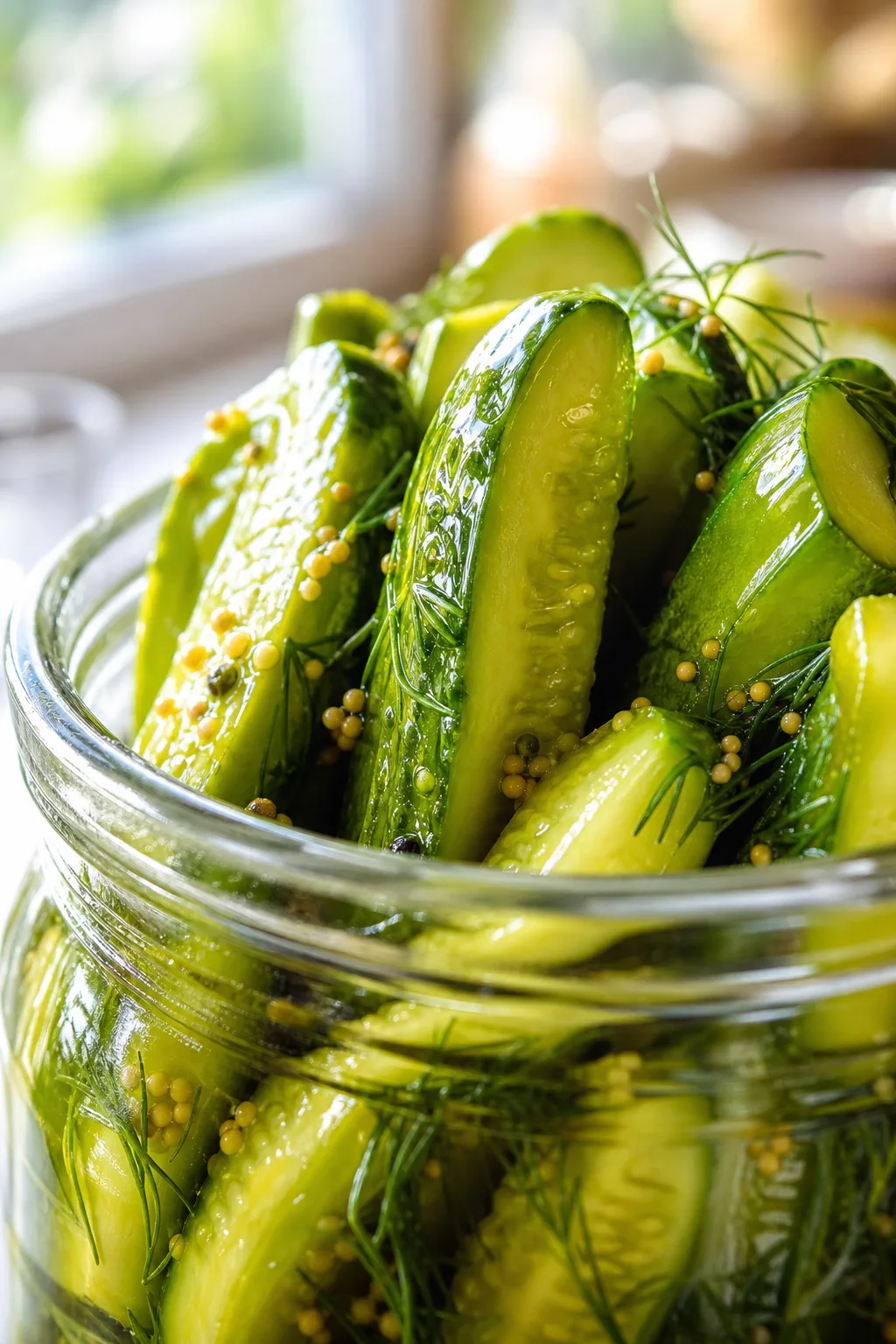
If you love crunchy, tangy pickles, this homemade canning pickles recipe from Ball is a game-changer. It’s simple, uses classic spices, and yields perfectly crisp jars every time. Great for gifting or keeping your fridge stocked!
Introduction
I’ve been canning pickles for years, and this Ball canning pickles recipe is my go-to because it’s reliable and yields perfectly crisp, tangy pickles every time. I remember my first batch ended up mushy, which was disappointing, but learning the right salt and vinegar balance and the importance of fresh cucumbers changed everything. This recipe uses a classic brine with pickling salt and vinegar that preserves the crunch and flavor without overpowering the natural cucumber taste. Plus, the addition of garlic and dill gives it that traditional pickle punch I love. The process is straightforward, but the secret lies in timing and the right jar preparation. Once you nail this, you’ll have delicious homemade pickles ready to enjoy or gift. The finished pickles are bright green, with a satisfying snap and a balanced tang that’s just right for sandwiches, snacks, or salads. I think this recipe is perfect for anyone wanting to try canning at home without fuss or fancy ingredients.
What You'll Need
Approximately 4 quart jars, 4 servings
- 4 pounds fresh cucumbers, pickling variety, washed
- 4 cups water
- 4 cups white vinegar (5% acidity)
- 1/2 cup pickling salt
- 4 cloves garlic, peeled
- 4 teaspoons dill seed or fresh dill sprigs
- 2 teaspoons mustard seeds
- 1 teaspoon black peppercorns
- Optional: 1/2 teaspoon crushed red pepper flakes
How To Do It
Step 1
Start by thoroughly washing your cucumbers to remove any dirt or residues. Trim the blossom ends as they contain enzymes that can cause softening during storage. This step is crucial to ensure your pickles stay crisp. Next, prepare your jars by sterilizing them in boiling water to prevent contamination and extend shelf life. Proper sterilization is essential to safe canning and to avoid spoilage. Also, prepare your brine by combining water, vinegar, and pickling salt in a large pot and bringing it to a boil. The salt concentration and acidity of the vinegar are key to preserving the cucumbers and developing that classic pickle flavor.
⏱ Time: 15 minutes
✓ Doneness: Brine is boiling and clear; jars are hot and sterile
Step 2
Pack the cucumbers tightly into the sterilized jars, adding garlic cloves, dill, mustard seeds, peppercorns, and optional red pepper flakes evenly among the jars. Pour the hot brine over the cucumbers, leaving about 1/2 inch headspace at the top. This headspace allows for expansion during processing and prevents overflow. Remove air bubbles by gently tapping the jars or using a non-metallic utensil. Wipe the rims clean to ensure a proper seal. Seal the jars with lids and rings, then process them in a boiling water bath for 10 minutes to ensure safe preservation. Skipping or rushing this step can lead to spoilage or unsafe pickles.
⏱ Time: 20 minutes
✓ Doneness: Jars sealed with lids slightly concave and no leaks
Step 3
Once processed, remove jars carefully and place them on a towel to cool undisturbed for 12-24 hours. During this time, you will hear the satisfying 'pop' of lids sealing properly. This cooling period is important because it completes the vacuum seal and prevents contamination. Avoid moving or tightening the lids while cooling as this can interfere with the seal. Proper cooling ensures your pickles stay fresh and safe for long-term storage.
⏱ Time: 12-24 hours
✓ Doneness: Lids are sealed tight, no movement when pressed
Step 4
After cooling, check the seals by pressing the center of each lid. If it doesn’t pop back, the jar is sealed correctly. Label your jars with the date and store them in a cool, dark place. For best flavor, let the pickles sit for at least 2 weeks before opening to allow the brine to penetrate fully. This resting period enhances the flavor and texture, making the pickles more delicious. Refrigerate after opening and consume within a few weeks for peak freshness.
⏱ Time: 5 minutes
✓ Doneness: Firm sealed lids and labeled jars
Step 5
If any jars fail to seal, refrigerate and consume those pickles within a few weeks. Do not reprocess unsealed jars as this can affect texture and safety. Instead, use them as refrigerator pickles. Always inspect jars for signs of spoilage before consuming, such as cloudiness, off smells, or mold. Safety first when it comes to home canning!
⏱ Time: 5 minutes
✓ Doneness: Unsealed jars stored properly in fridge
Step 6
For an extra crisp texture, consider soaking cucumbers in ice water for 1-2 hours before packing. This hydrates the cucumbers and firms them up. Also, avoid overripe or yellowing cucumbers as they tend to soften during canning. Selecting fresh, firm cucumbers is one of the most important factors in achieving great pickles.
⏱ Time: Optional 1-2 hours
✓ Doneness: Cucumbers feel firm and cool before packing
Step 7
Use pickling salt specifically, as regular table salt contains additives that can cloud the brine and affect flavor. Pickling salt dissolves cleanly and preserves the bright color and crispness of your pickles. This small detail makes a big difference in the final product.
⏱ Time: During brine preparation
✓ Doneness: Brine is clear and bright with no residue
Step 8
Adjust vinegar strength and spices to your taste, but maintain the 5% acidity level for safety. Using vinegar with lower acidity can result in unsafe pickles. The mustard seeds and dill add traditional flavor notes that balance the tang, so don’t skip them unless you prefer a milder taste.
⏱ Time: During brine and packing
✓ Doneness: Balanced flavor with a pleasant tang and spice aroma
Step 9
After canning, store your jars away from direct sunlight and heat to maintain quality. Light and heat can degrade the color and flavor over time. A cool pantry or cellar is ideal. Proper storage extends shelf life and keeps your pickles tasting fresh for months.
⏱ Time: Ongoing
✓ Doneness: Jars remain clear and sealed with no discoloration
Pro Tips
Trim the blossom ends of cucumbers before pickling.
The blossom end contains enzymes that can cause softening and spoilage during storage. Removing it helps maintain a crisp texture in your pickles, preventing mushiness that often ruins batches.
Use pickling salt instead of table salt.
Table salt often contains anti-caking agents and iodine, which can cloud the brine and affect flavor. Pickling salt dissolves cleanly, preserving clarity and ensuring the best texture and taste in your pickles.
Soak cucumbers in ice water before packing.
Soaking hydrates the cucumbers and firms them up, enhancing crunch. This step is especially helpful if cucumbers have been stored for a few days before canning.
Ensure jars and lids are properly sterilized.
Sterilization prevents contamination and spoilage, ensuring your pickles stay safe and fresh for months. Skipping this step risks mold growth and unsafe food.
Leave 1/2 inch headspace when filling jars.
Headspace allows for expansion during heat processing and prevents brine overflow, which can interfere with sealing and cause spoilage.
Process jars in a boiling water bath for at least 10 minutes.
This heat processing creates a vacuum seal and kills harmful bacteria, making your pickles shelf-stable and safe to store.
Store pickles in a cool, dark place after canning.
Light and heat degrade color and flavor over time. Proper storage maintains the pickles’ bright green color and fresh taste.
Common Mistakes to Avoid
Using regular table salt instead of pickling salt.
Why it happens Many cooks assume any salt works for pickling, unaware that additives affect clarity and flavor.
Fix Switch to pure pickling salt, which dissolves cleanly and preserves the brine’s clarity and taste. This small change improves texture and appearance significantly.
Not trimming blossom ends of cucumbers.
Why it happens It’s an easy step to overlook, especially for beginners.
Fix Always trim the blossom ends to prevent enzymes from softening pickles during storage. This keeps your pickles crisp and firm.
Skipping sterilization of jars and lids.
Why it happens Some think rinsing is enough or want to save time.
Fix Properly sterilize jars and lids by boiling or using a dishwasher cycle to prevent contamination and spoilage.
Not leaving enough headspace in jars.
Why it happens Inexperience with canning leads to overfilling.
Fix Leave about 1/2 inch headspace to allow for expansion and proper sealing during processing.
Using vinegar with less than 5% acidity.
Why it happens Some vinegars have lower acidity or flavored types are used mistakenly.
Fix Always use white vinegar with 5% acidity to ensure safe preservation and proper tang.
Variations
Spicy Pickles
Add 1 teaspoon of crushed red pepper flakes or a few sliced jalapeños to the brine for a spicy kick. This variation adds heat while keeping the classic tang and crunch intact.
Note: Spicy ingredients can intensify flavors quickly, so adjust heat level to taste and monitor during resting.
Garlic Dill Pickles
Increase garlic cloves to 8 per batch and add fresh dill sprigs for a robust garlic and herb flavor. These pickles are perfect for garlic lovers seeking an extra punch.
Note: More garlic can make the brine stronger; balance with vinegar and salt to avoid overpowering.
Sweet and Sour Pickles
Add 1/2 cup sugar to the brine for a sweet and tangy flavor profile. This variation softens the sharpness of vinegar and creates a milder pickle taste.
Note: Sugar alters the preservation slightly; ensure proper processing time to maintain safety.
Bread and Butter Pickles
Slice cucumbers thinly and add sliced onions, mustard seeds, and celery seeds with a touch of sugar for a classic bread and butter pickle. These are sweeter and thinner than traditional pickles.
Note: Thin slices require shorter soaking to avoid sogginess; adjust processing time accordingly.
Dill Seed Pickles
Use dill seed instead of fresh dill sprigs for a more earthy, subtle dill flavor. Dill seed adds a different aroma and texture to the brine.
Note: Dill seed releases flavor more slowly; consider longer resting time before eating.
Nutrition
Per Serving:
Nutritional values are estimates and may vary based on specific ingredients used.
Storage & Tips
Room Temperature
Canned pickles can be safely stored at room temperature in a cool, dark pantry for up to 1 year. Keep jars sealed and avoid exposure to direct sunlight or heat to preserve flavor and texture.
Refrigerator
Once opened, store pickles in the refrigerator in their brine and consume within 4-6 weeks for best quality. Flavor and crunch may diminish over time but remain safe to eat if stored properly.
Freezer
Freezing is not recommended for canned pickles as it can damage texture and cause jars to break. Instead, consume within the recommended refrigerated timeframe.
Reheating
Pickles are typically served cold or at room temperature and do not require reheating. If desired, serve directly from the jar or chilled.
Make Ahead
You can prepare and pack jars a day ahead, keeping cucumbers refrigerated until ready to process. Brine can be made in advance and reheated before pouring. Process jars on the day of canning for best results.
FAQ
Can I use regular table salt instead of pickling salt?
It's best to use pickling salt because it contains no additives that can cloud the brine or affect the flavor. Table salt often has iodine and anti-caking agents that may cause discoloration and off-flavors, so pickling salt is recommended for the best results.
Why do I need to trim the blossom ends of cucumbers?
The blossom ends contain enzymes that can cause your pickles to soften or become mushy during storage. Trimming them off helps maintain a crisp texture, which is key for enjoyable pickles.
How long do I need to process the jars in the boiling water bath?
Processing for at least 10 minutes at a rolling boil ensures that harmful bacteria are destroyed and a vacuum seal forms. This step is essential for safe preservation and long shelf life.
What vinegar should I use for pickling?
Use white distilled vinegar with 5% acidity to ensure safety and consistent flavor. Avoid flavored or lower acidity vinegars as they can compromise preservation and taste.
Can I add extra spices or flavors?
Yes, you can customize with spices like red pepper flakes, garlic, or mustard seeds. Just be sure not to alter the vinegar and salt balance too much to maintain safety.
How do I know if my jars sealed correctly?
After cooling, press the center of the lid. If it doesn’t pop back, the jar is sealed. Also, lids often have a slight concave shape when sealed properly.
Can I reuse jars and lids from previous canning?
Reuse glass jars but always use new lids to ensure a proper seal. Old lids may not seal correctly and can risk spoilage.
Why are my pickles soft or mushy?
Soft pickles can result from overripe cucumbers, not trimming blossom ends, improper salt concentration, or insufficient processing. Follow the recipe steps carefully to avoid this.
How long should I wait before eating canned pickles?
For best flavor, wait at least 2 weeks after canning to allow the brine to fully penetrate and develop flavor.
Can I refrigerate unprocessed pickles instead of canning?
Yes, refrigerator pickles are a quick alternative but must be kept cold and consumed within a few weeks since they are not shelf-stable.
Final Thoughts
Give this Ball canning pickles recipe a try and enjoy crisp, tangy pickles all year round. I’d love to hear how your jars turn out!