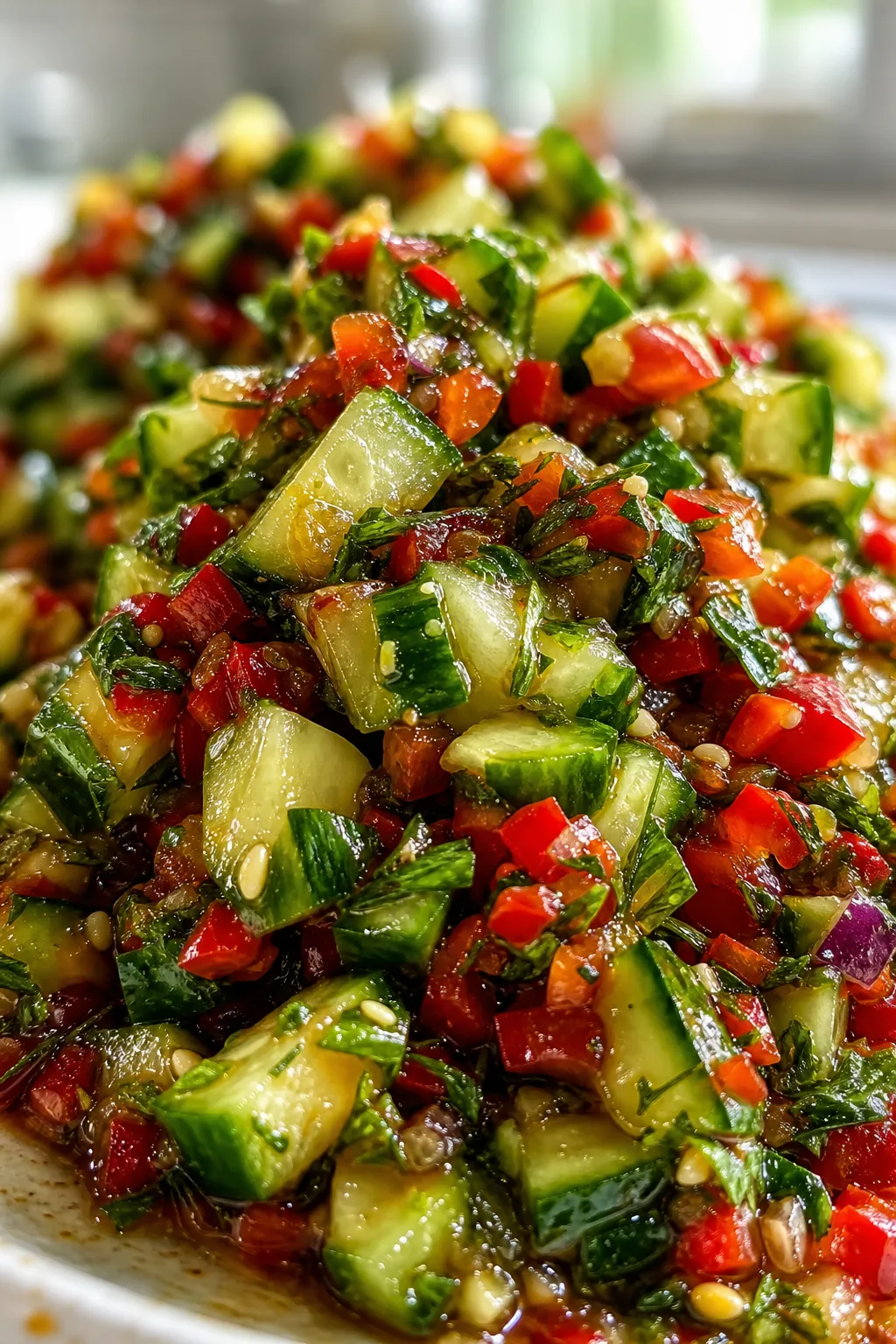
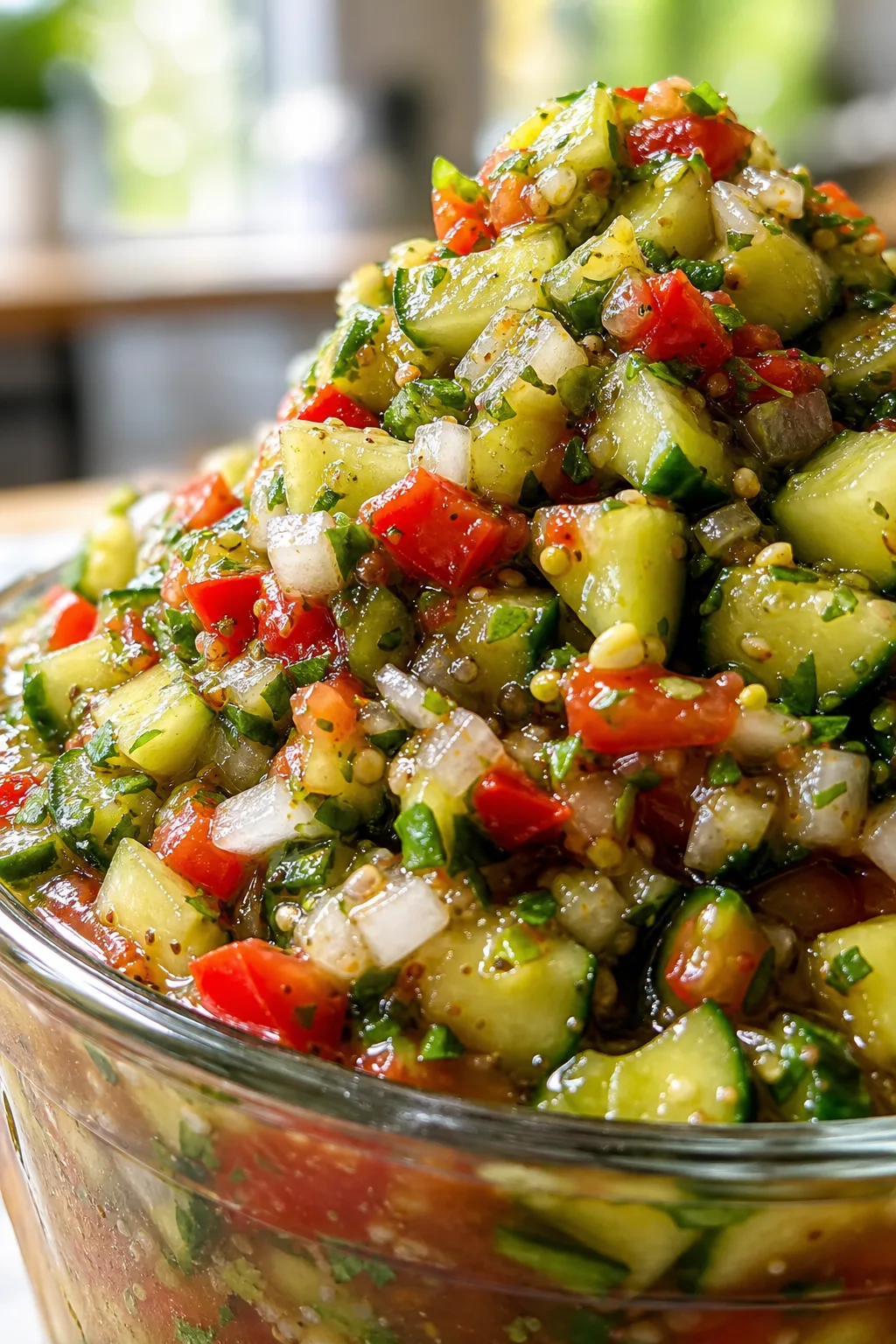
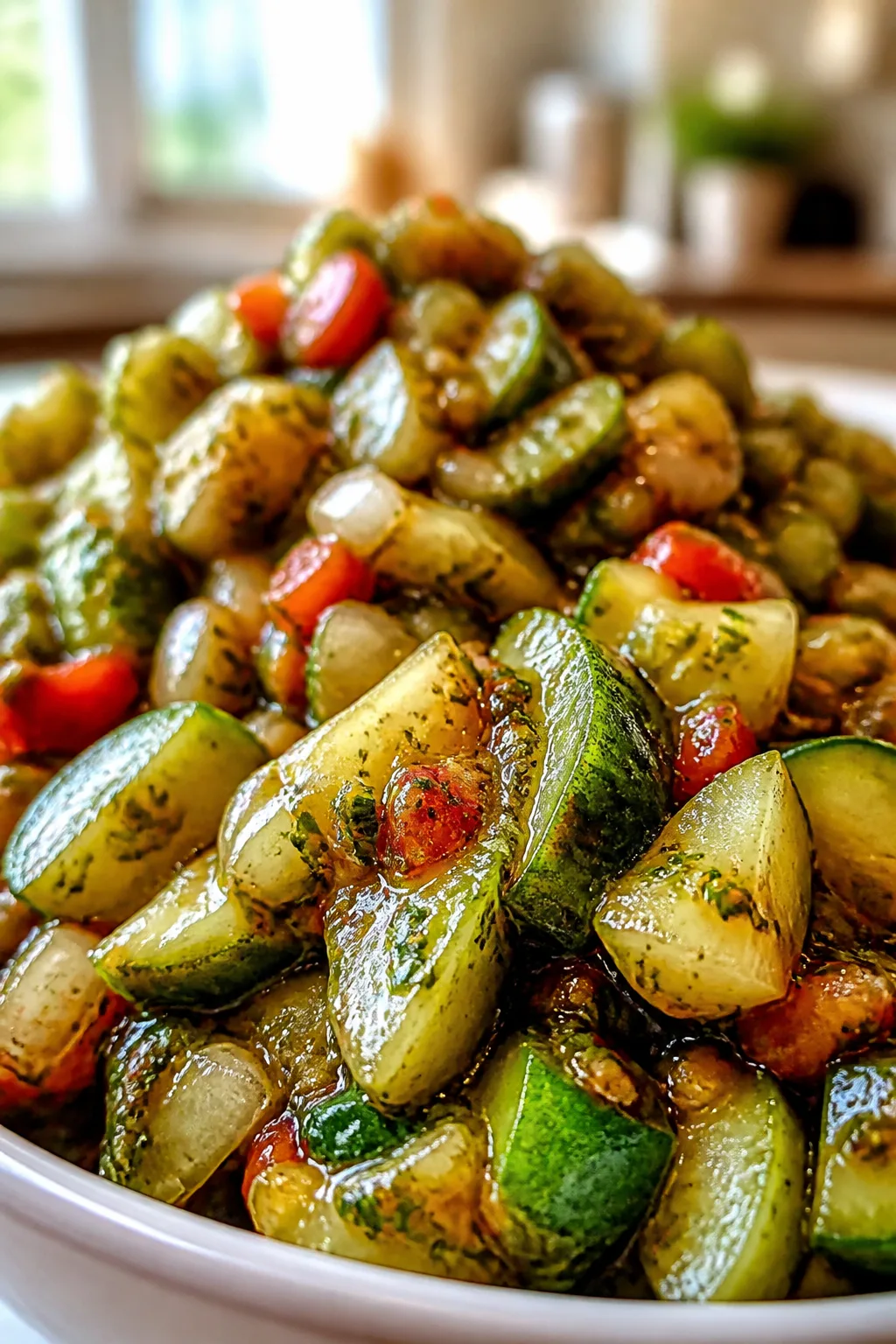
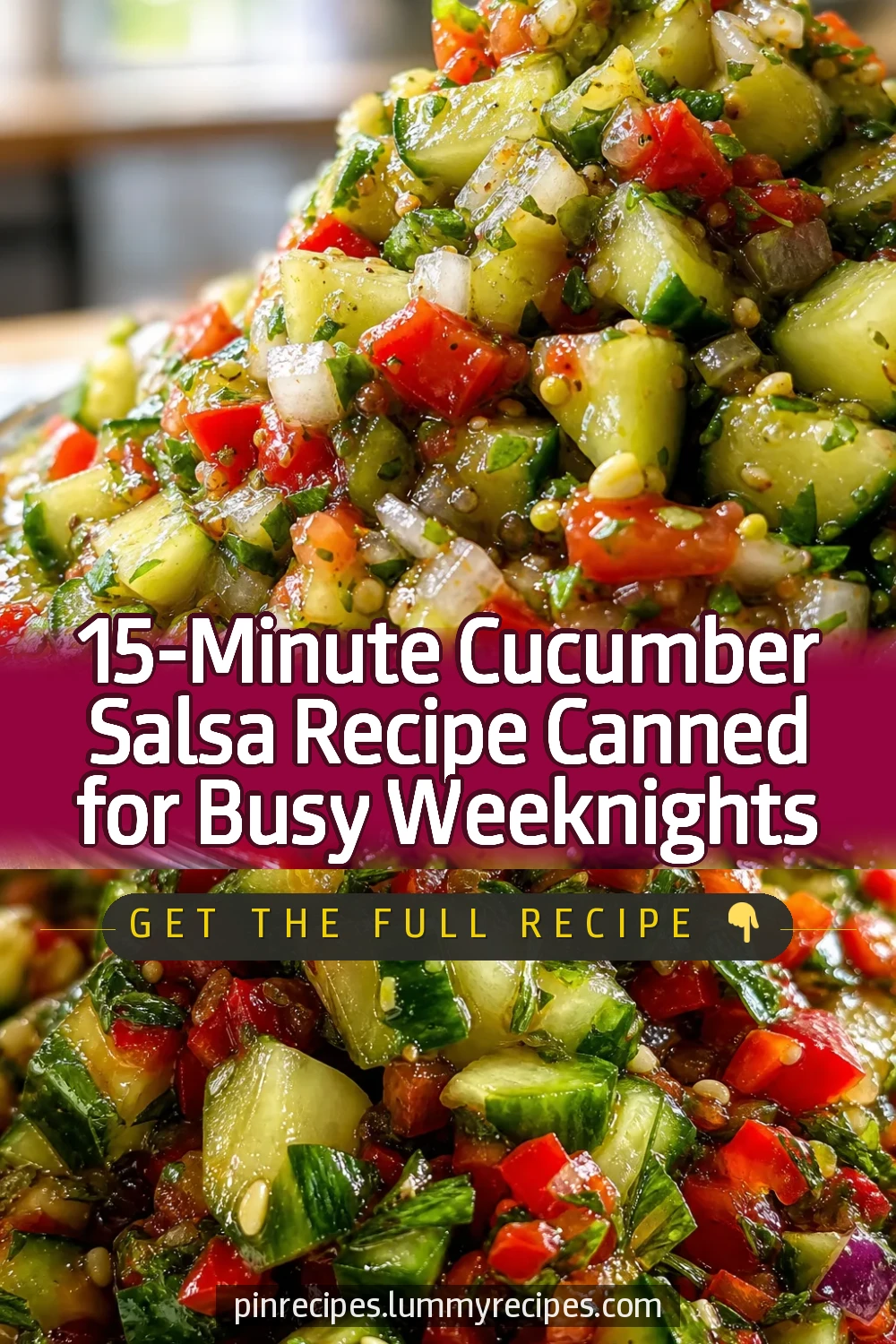
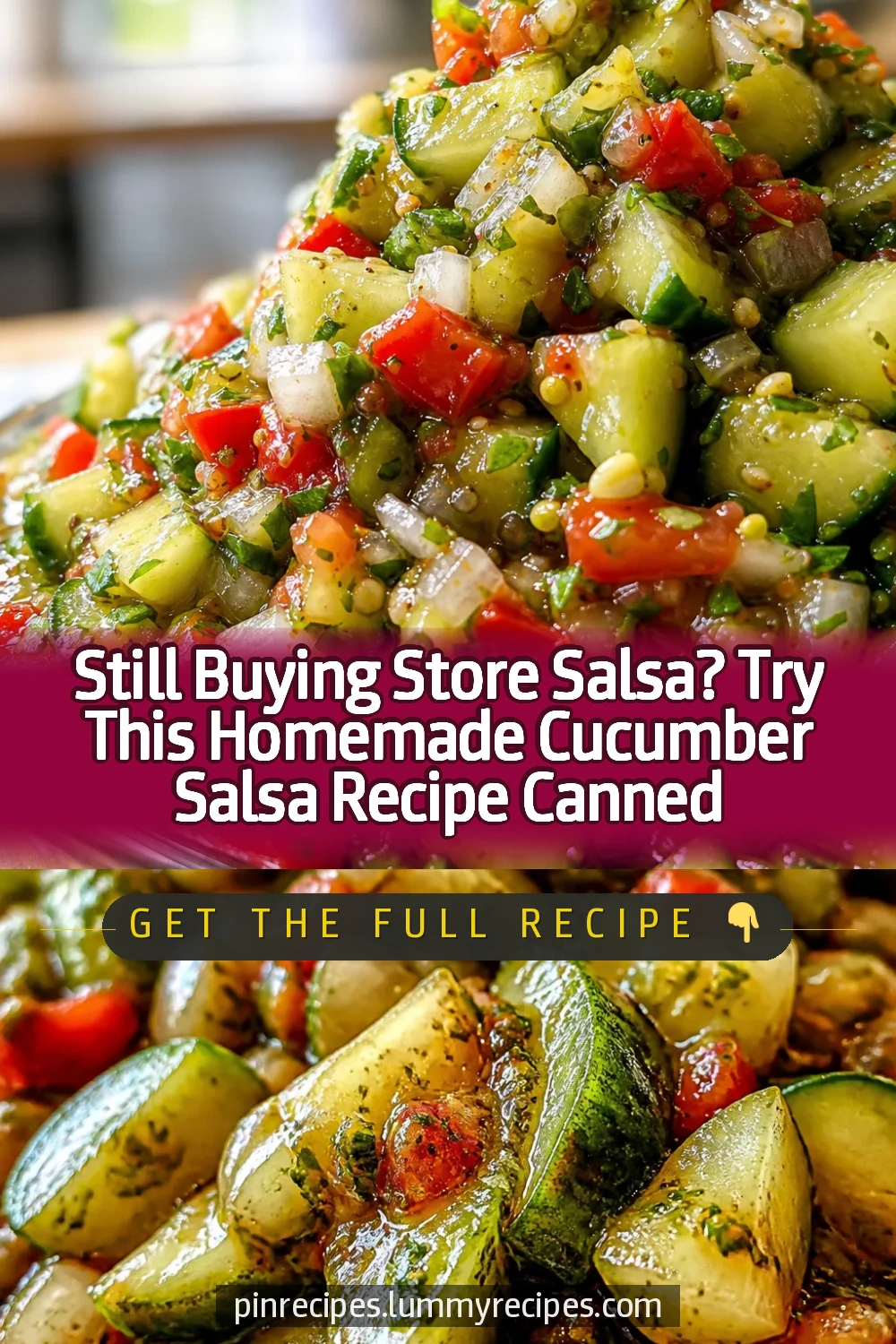
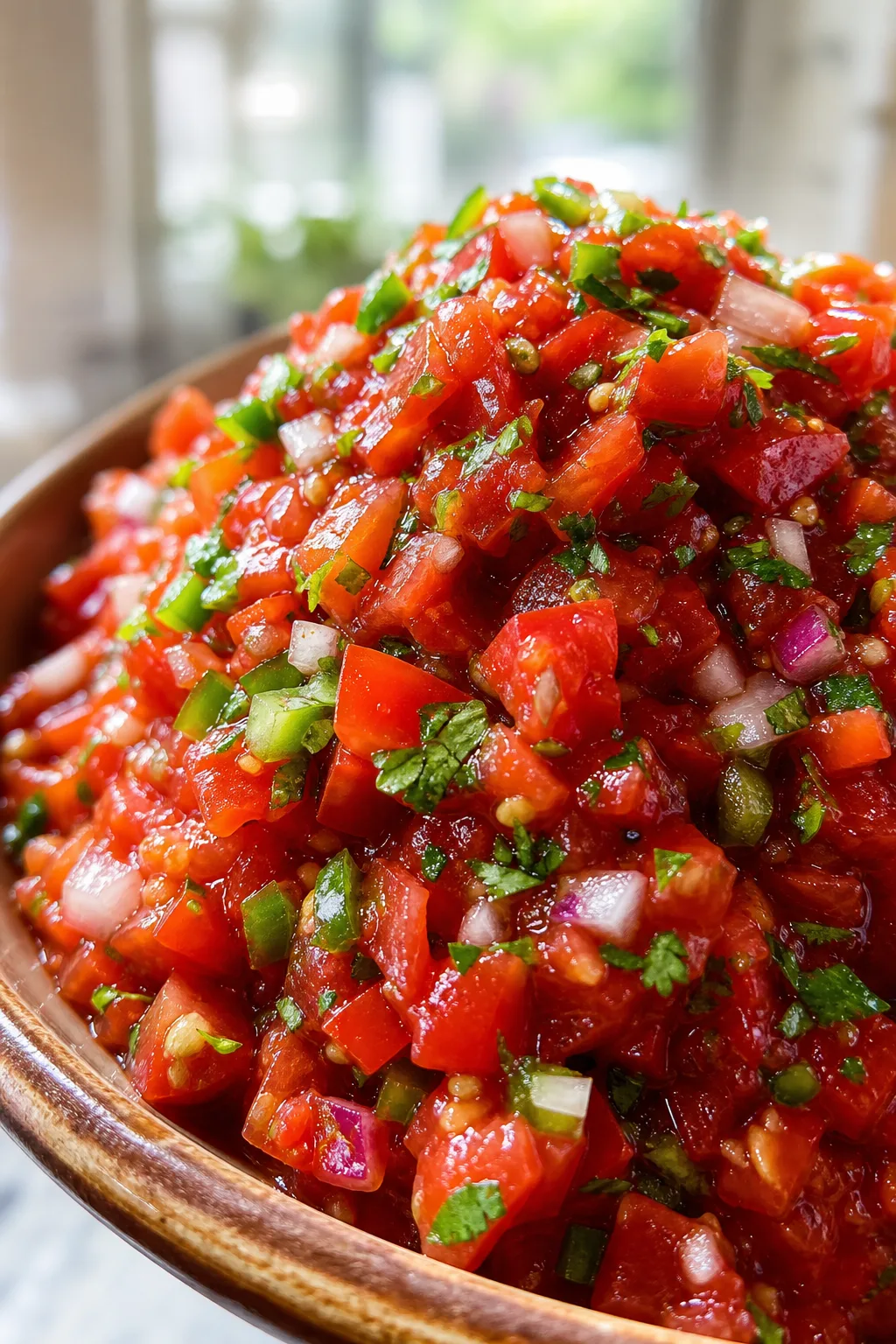
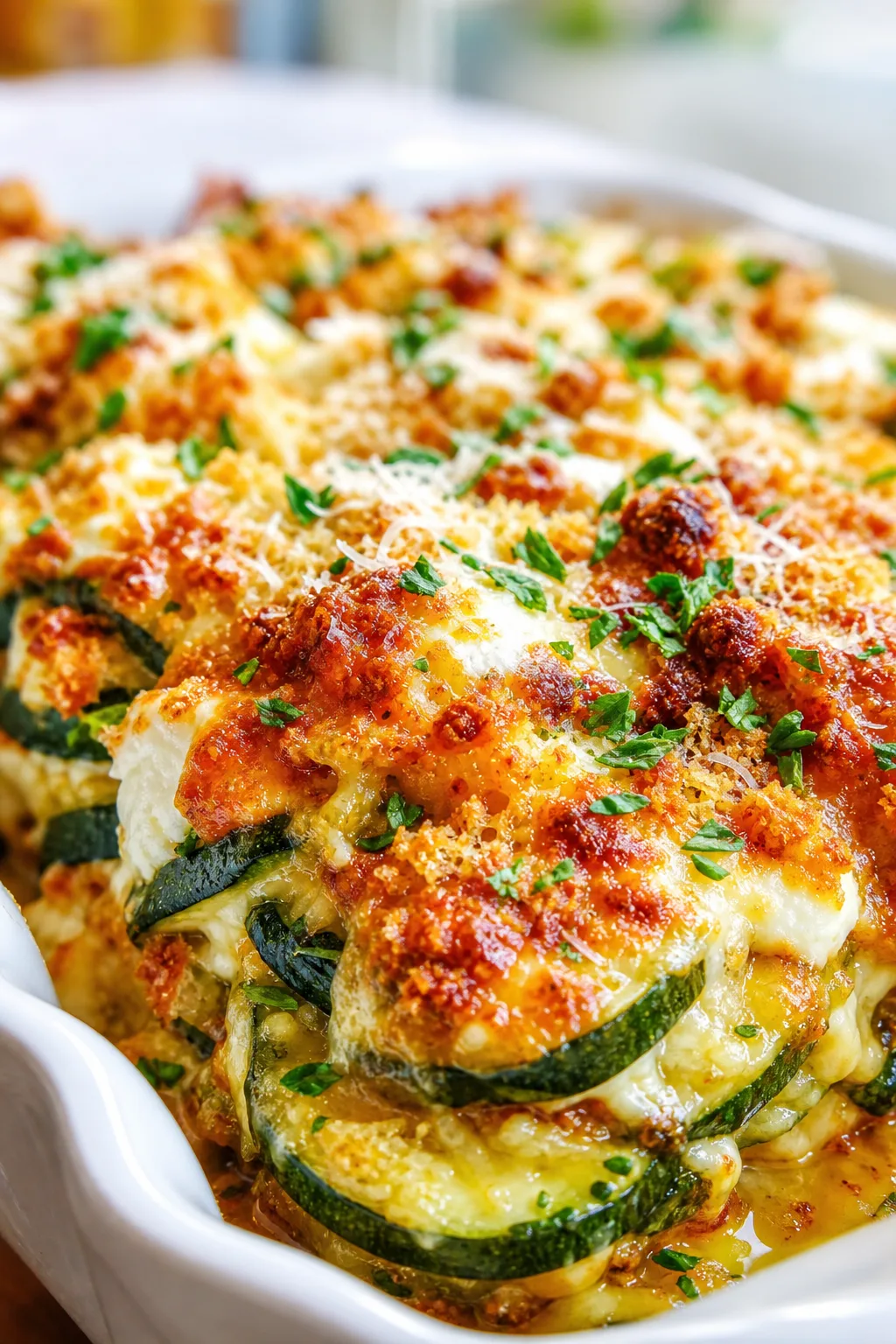
This canned cucumber salsa recipe is a refreshing twist on traditional salsa, bursting with fresh garden flavors and perfect for preserving summer's bounty. The crisp cucumbers and tangy vinegar make it a great snack or topping anytime. I love serving it with chips or grilled meats!
Introduction
I first stumbled upon this canned cucumber salsa recipe during a particularly bountiful summer when my garden was overflowing with cucumbers and tomatoes. Instead of letting them go to waste, I experimented with canning a fresh salsa that could capture all those bright, crisp flavors to enjoy year-round. What sets this version apart is the perfect balance of tangy vinegar and just a touch of sweetness, which preserves the fresh crunch of the cucumbers while giving the salsa a lively zing. I also add a pinch of pickling spice, which adds a subtle complexity that you don’t usually find in regular salsas. This recipe is straightforward and forgiving, great for home cooks who want a fresh, homemade salsa without fuss. The result is a vibrant, chunky salsa with a refreshing bite, perfect for dipping chips or topping grilled dishes. I love that it’s ready in under an hour and can be stored safely for months, so you can enjoy summer’s best flavors even in the dead of winter. It’s become a staple in my kitchen and a family favorite for casual get-togethers.
What You'll Need
Approximately 6 cups, 6 servings
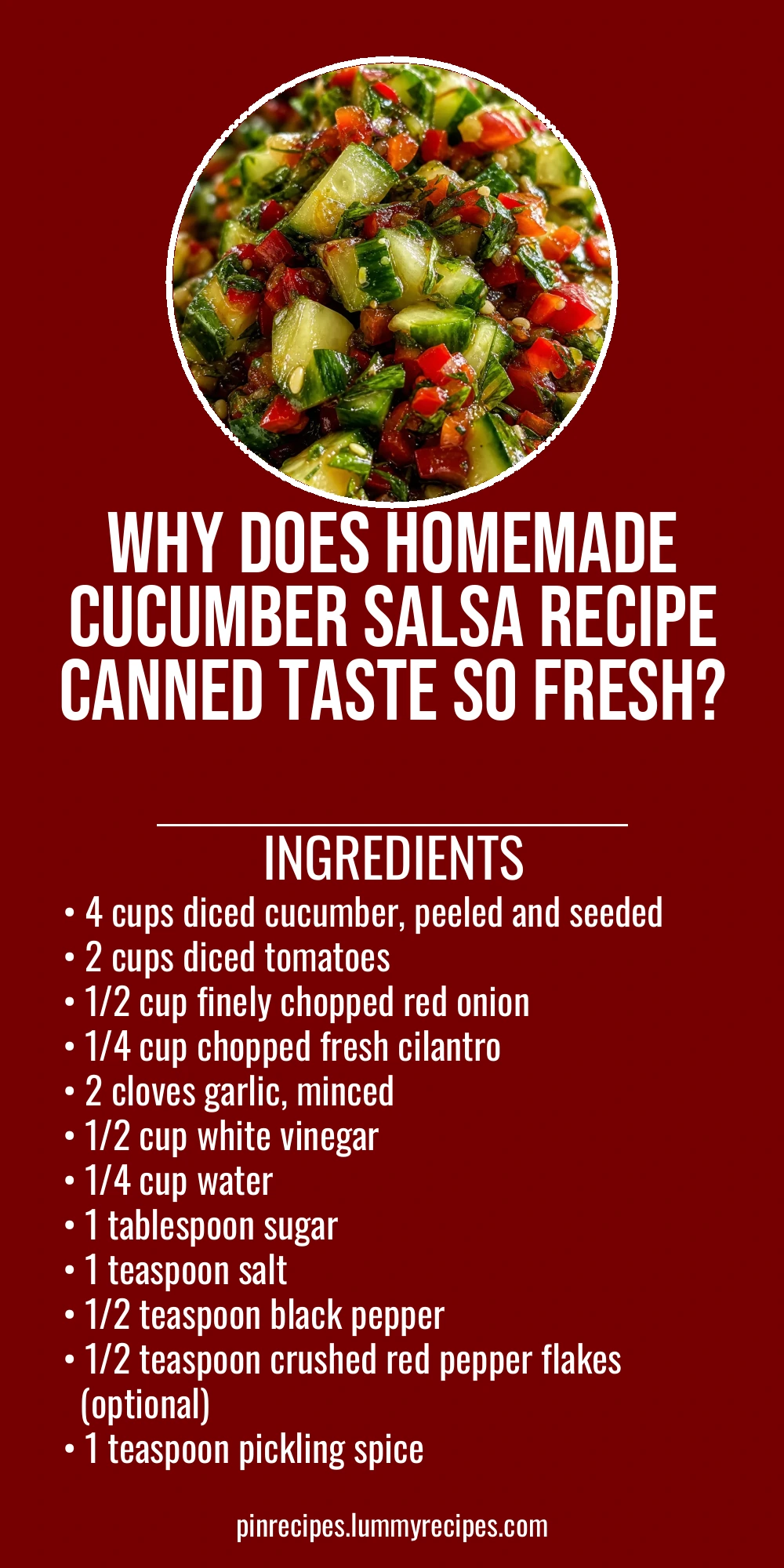
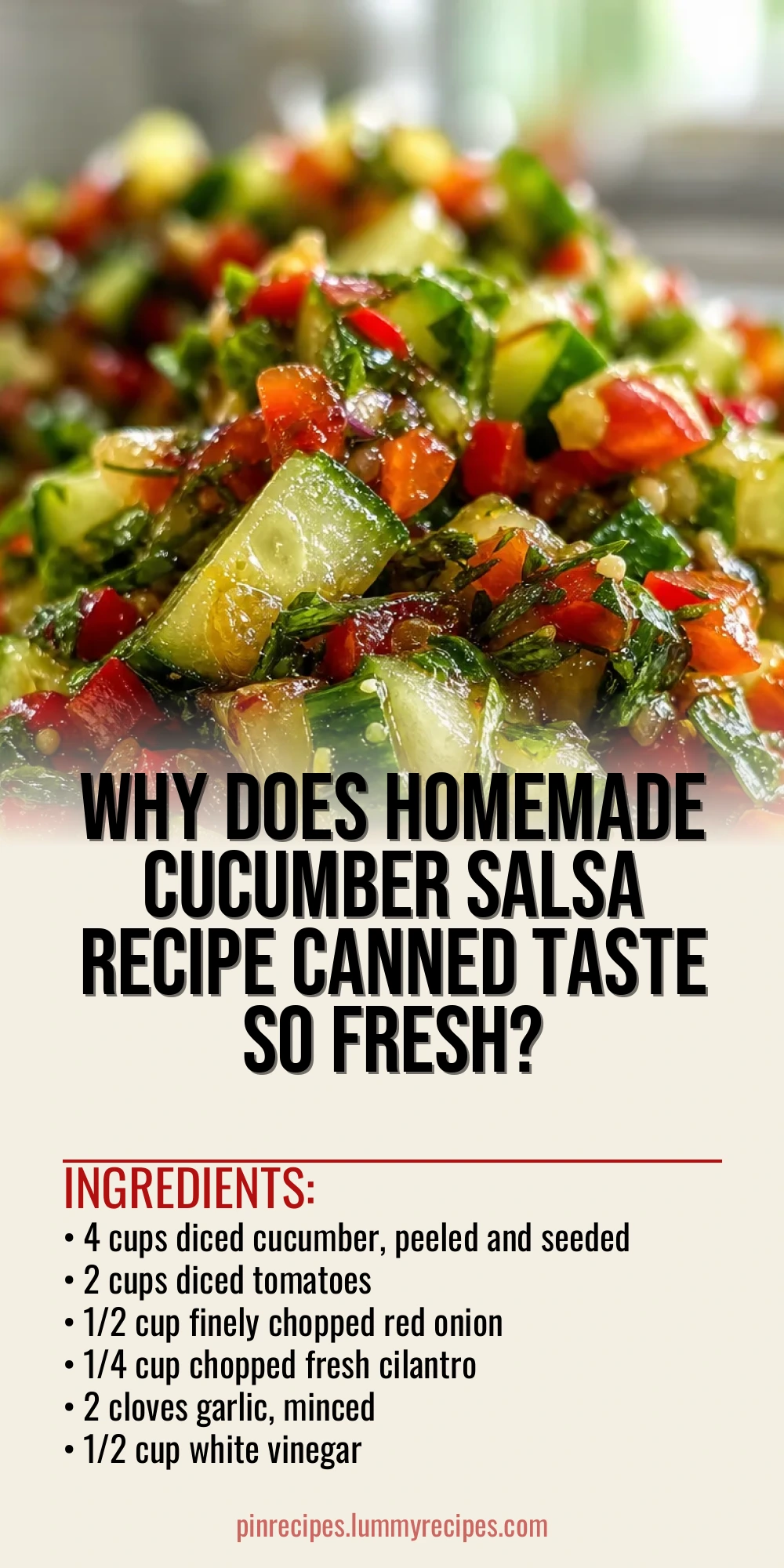
- 4 cups diced cucumber, peeled and seeded
- 2 cups diced tomatoes
- 1/2 cup finely chopped red onion
- 1/4 cup chopped fresh cilantro
- 2 cloves garlic, minced
- 1/2 cup white vinegar
- 1/4 cup water
- 1 tablespoon sugar
- 1 teaspoon salt
- 1/2 teaspoon black pepper
- 1/2 teaspoon crushed red pepper flakes (optional)
- 1 teaspoon pickling spice
How To Do It
Step 1
Start by washing and preparing your vegetables. Peel and seed the cucumbers, then dice them into small, even chunks to ensure consistent texture. Dice the tomatoes and finely chop the red onion and cilantro. Mince the garlic cloves. This prep is crucial because uniform pieces allow the salsa to pickle evenly and maintain a nice crunch. Avoid making the pieces too large, or the salsa will be watery and unevenly flavored.
⏱ Time: 15
✓ Doneness: Vegetables are uniformly diced with no large chunks, and garlic is finely minced.
Step 2
In a large pot, combine white vinegar, water, sugar, salt, black pepper, crushed red pepper flakes if using, and pickling spice. Bring this mixture to a boil, stirring occasionally to dissolve the sugar and salt completely. This hot brine is what preserves the salsa and infuses it with flavor. Boiling ensures the mixture is sterile and safe for canning. Don't rush this step; the sugar and salt must dissolve fully for the best taste and preservation.
⏱ Time: 10
✓ Doneness: The brine is clear and boiling steadily with no granules visible.
Step 3
Add the prepared vegetables to the hot brine and stir well to combine. Let the salsa simmer gently for about 5 minutes. This softens the vegetables slightly, allowing flavors to meld without losing their crunch. Be careful not to overcook; the goal is to keep the salsa fresh and crisp, not mushy.
⏱ Time: 5
✓ Doneness: Vegetables are slightly tender but still hold their shape and color.
Step 4
While the salsa simmers, sterilize your canning jars and lids by boiling them in water for at least 10 minutes. This step is essential to prevent bacterial growth and ensure your canned salsa is safe for long-term storage. Use tongs to remove jars and place them on a clean towel to dry.
⏱ Time: 15
✓ Doneness: Jars and lids are hot and sterile, ready for filling.
Step 5
Carefully ladle the hot salsa into the sterilized jars, leaving about 1/2 inch of headspace at the top. Use a clean knife or a bubble remover tool to release any trapped air bubbles inside the jars. Wipe the rims clean with a damp cloth to ensure a proper seal.
⏱ Time: 10
✓ Doneness: Jars are filled evenly, with no air bubbles and clean rims.
Step 6
Seal the jars with the sterilized lids and rings, tightening them just until fingertip tight. Do not overtighten, as air needs to escape during processing. Place the jars in a boiling water bath, ensuring they are covered by at least 1 inch of water. Process for 15 minutes to safely preserve the salsa.
⏱ Time: 15
✓ Doneness: Water is boiling steadily, jars are submerged and processing time is complete.
Step 7
Remove the jars carefully from the water bath using jar lifters and set them on a towel to cool. You should hear the satisfying 'pop' sound as the lids seal. Let the jars cool undisturbed for 12-24 hours. Check seals by pressing the center of each lid; it should not flex up and down.
⏱ Time: 20
✓ Doneness: Lids are concave and sealed tightly with no movement.
Step 8
Label your jars with the date and store them in a cool, dark place. The salsa will develop more flavor over time and can be enjoyed for up to a year. Once opened, keep refrigerated and consume within 1-2 weeks for best freshness.
⏱ Time: 5
✓ Doneness: Jars are properly labeled and stored, ready for long-term use.
Step 9
When ready to serve, open a jar and give the salsa a good stir. Taste and adjust with a pinch of salt or a squeeze of fresh lime if desired. Serve chilled or at room temperature alongside tortilla chips, grilled meats, or as a fresh topping for tacos and sandwiches.
⏱ Time: 5
✓ Doneness: Salsa tastes balanced with fresh, tangy, and slightly sweet notes.
Pro Tips
Always peel and seed cucumbers before dicing.
The peel and seeds contain excess moisture and bitterness that can make the salsa watery and less flavorful. Removing them ensures a crisp texture and clean taste.
Use a candy or instant-read thermometer to check brine temperature.
Ensuring the brine reaches a rolling boil before adding vegetables kills bacteria and dissolves sugar and salt evenly. Skipping this can lead to unsafe preservation or uneven flavor.
Don’t overfill jars; leave proper headspace.
Headspace allows for expansion during processing and helps create a vacuum seal. Too little space can cause jars to break or seal improperly.
Process jars in a boiling water bath for at least 15 minutes.
This step sterilizes the salsa and jars, preventing mold and bacterial growth. Under-processing risks spoilage and unsafe food.
Use fresh, firm vegetables for the best texture.
Older or soft produce breaks down during cooking and results in a mushy salsa. Freshness preserves the crunch and vibrant color.
Add pickling spice to the brine, not directly to the salsa.
This allows the spices to infuse flavor evenly during cooking and makes straining easier if desired.
Store canned salsa in a cool, dark place away from heat and light.
Heat and light degrade flavor and color over time. Proper storage maintains freshness and shelf life.
Common Mistakes to Avoid
Not sterilizing jars properly
Why it happens Many home cooks rush this step or skip it, assuming boiling the salsa is enough. This can lead to contamination and spoilage.
Fix Always boil jars and lids for at least 10 minutes before filling. Use clean tongs to handle jars to avoid recontamination.
Overcooking vegetables in the brine
Why it happens In a hurry, some cooks simmer the salsa too long, causing the cucumbers to become mushy.
Fix Simmer just 5 minutes after adding vegetables to retain crunch and fresh flavor.
Using the wrong type of vinegar
Why it happens Some use apple cider or malt vinegar without checking acidity, risking unsafe pH levels.
Fix Use white vinegar with 5% acidity to ensure proper preservation and neutral flavor.
Not removing air bubbles before sealing jars
Why it happens Trapped air can cause jars to spoil or not seal properly.
Fix Use a non-metallic spatula to gently release bubbles after filling jars.
Tightening lids too much before processing
Why it happens Over-tightening prevents air from escaping during boiling, risking jar breakage.
Fix Screw lids on just fingertip tight to allow air to escape and form a vacuum seal.
Variations
Spicy Jalapeño Cucumber Salsa
Add 1-2 finely chopped jalapeños for a spicy kick that complements the fresh cucumber flavor. Adjust the amount to your heat preference and omit red pepper flakes if you want milder heat.
Note: Include jalapeños with the vegetables in step 1 and simmer them with the salsa to infuse heat evenly.
Sweet Corn and Cucumber Salsa
Stir in 1 cup of fresh or frozen corn kernels for a sweet crunch contrast. This variation adds a summery sweetness and texture to the salsa.
Note: Add corn with the vegetables in step 3 and simmer briefly to soften.
Herb-Infused Cucumber Salsa
Mix in fresh herbs like dill or basil along with cilantro for a fragrant twist. This adds a garden-fresh aroma and flavor complexity.
Note: Add chopped herbs just before canning to preserve their brightness.
Low Sodium Cucumber Salsa
Reduce salt by half and use a salt substitute if desired. This version is better for low-sodium diets but may have a milder flavor.
Note: Taste the salsa before canning and adjust vinegar slightly to balance flavor.
Cucumber and Mango Salsa
Add diced ripe mango for a tropical sweetness that pairs beautifully with the tangy salsa base. This variation is great for summer parties.
Note: Add mango with the vegetables and simmer briefly; mango softens quickly so avoid overcooking.
Nutrition
Per Serving:
Nutritional values are estimates and may vary based on specific ingredients used.
Storage & Tips
Room Temperature
Canned cucumber salsa can be safely stored at room temperature in a cool, dark pantry for up to 1 year. Keep jars away from direct sunlight and heat sources to preserve flavor and color.
Refrigerator
Once opened, store the salsa in an airtight container in the refrigerator for up to 2 weeks. The flavor may mellow slightly when chilled but remains fresh and crisp.
Freezer
Freezing is not recommended for canned salsa as it can alter the texture of the cucumbers and tomatoes, making them mushy upon thawing.
Reheating
This salsa is best served cold or at room temperature. If desired, warm gently on the stovetop for a few minutes but avoid boiling to maintain texture.
Make Ahead
You can prepare and can the salsa up to a month in advance. The flavors will deepen over time, making it even more delicious when served.
FAQ
Can I use regular cucumbers instead of English cucumbers?
Yes, but regular cucumbers usually have thicker skins and more seeds which can add bitterness and excess moisture. Peeling and seeding them before dicing helps maintain the salsa’s crisp texture and prevents it from becoming watery.
How long does canned cucumber salsa last unopened?
When properly canned and stored in a cool, dark place, unopened jars can last up to one year. Always check for signs of spoilage like bulging lids or off smells before consuming.
Can I omit the sugar in this recipe?
You can reduce or omit sugar if you prefer, but it helps balance the vinegar’s acidity and enhances flavor. Removing it completely may result in a sharper, more acidic taste.
Is it safe to can salsa without a water bath?
No, water bath canning is essential for high-acid foods like salsa to eliminate bacteria and create a vacuum seal. Skipping this step risks spoilage and foodborne illness.
Can I add other vegetables to this salsa?
Yes, vegetables like bell peppers, corn, or jalapeños can be added for variety. Just adjust cooking times slightly to ensure all ingredients soften evenly without losing texture.
Why is my canned salsa watery?
This usually happens if cucumbers aren’t peeled and seeded or if the salsa wasn’t cooked long enough to reduce excess liquid. Also, under-processing can affect texture.
How do I know if my jars sealed properly?
After cooling, press the center of the lid. It should be concave and not move up or down. If the lid pops or flexes, the jar did not seal and should be refrigerated and consumed soon.
Can I use apple cider vinegar instead of white vinegar?
Apple cider vinegar can be used if it has 5% acidity, but it will impart a different flavor and color to the salsa. White vinegar is preferred for its neutral taste and clear color.
Final Thoughts
I hope you enjoy making and sharing this fresh, easy canned cucumber salsa as much as my family does. It’s a simple way to savor summer flavors anytime—give it a try and let me know how it turns out!