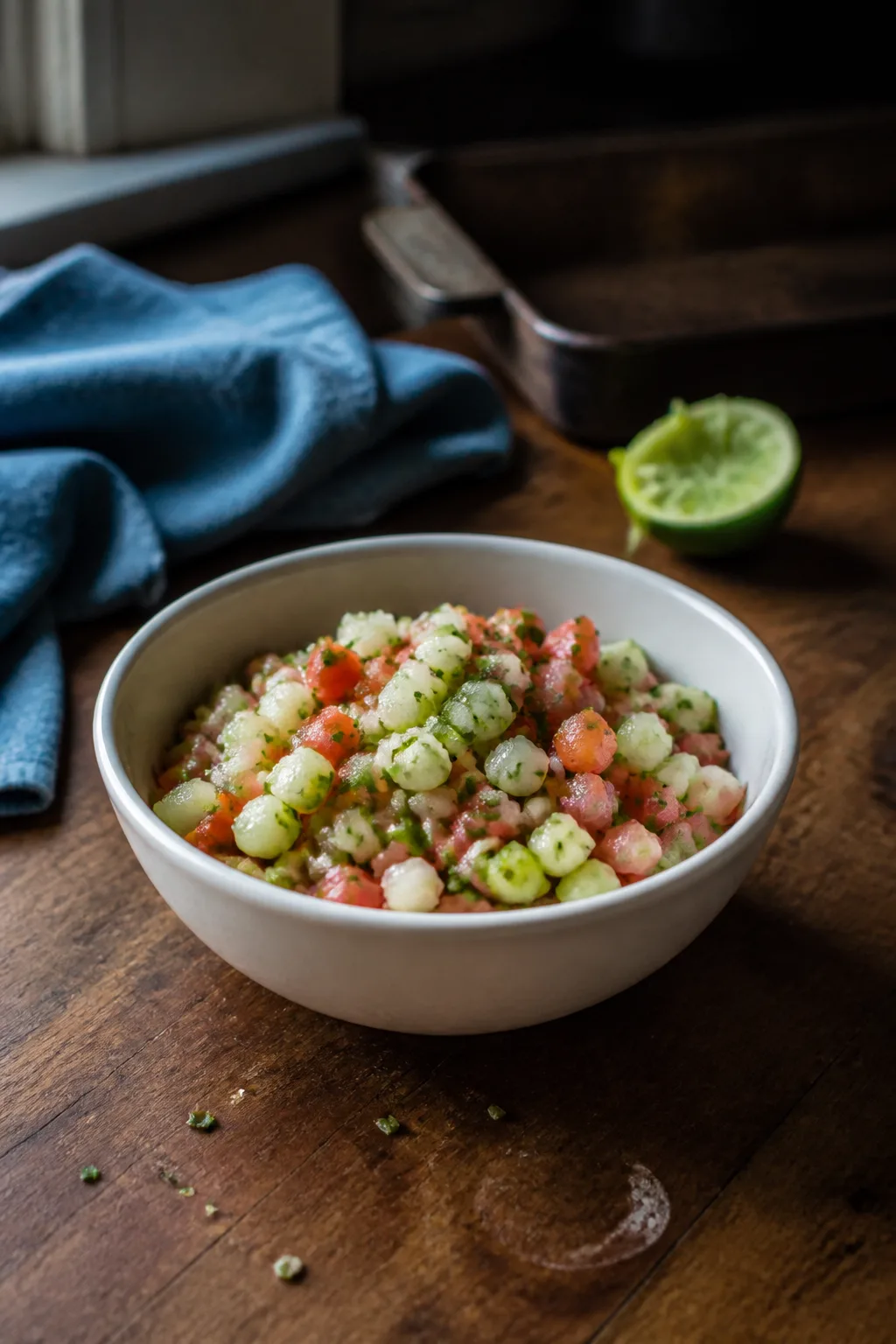
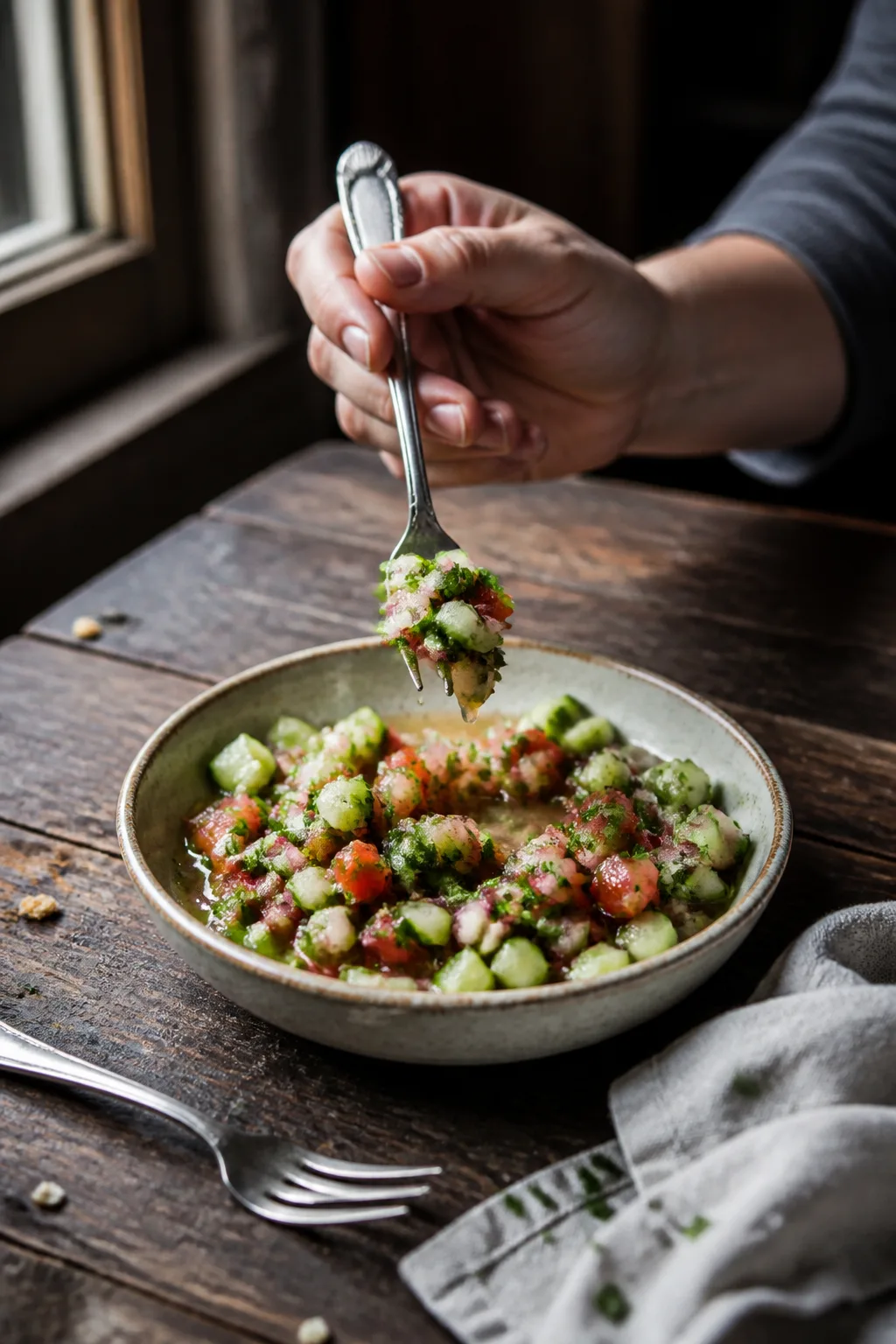
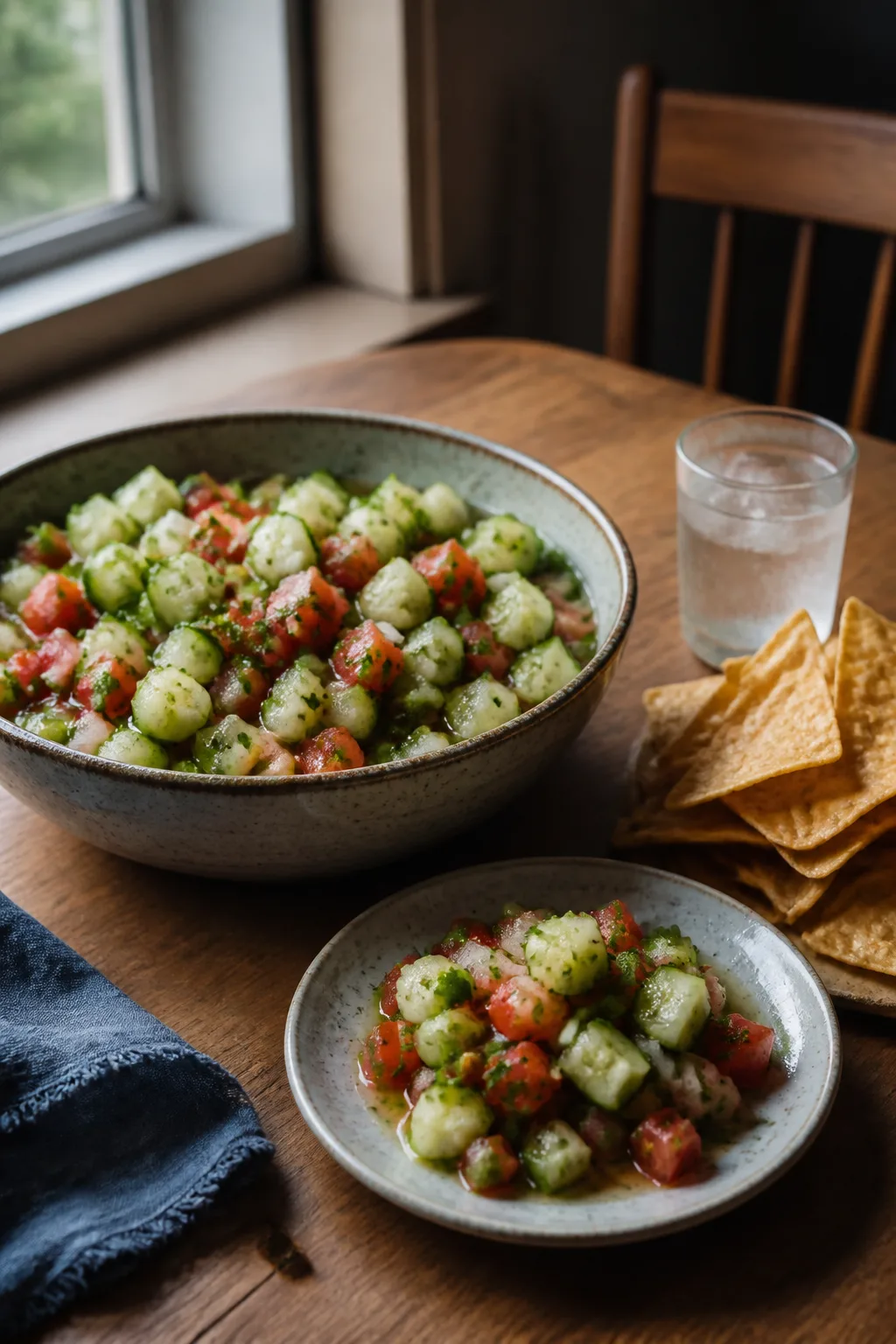
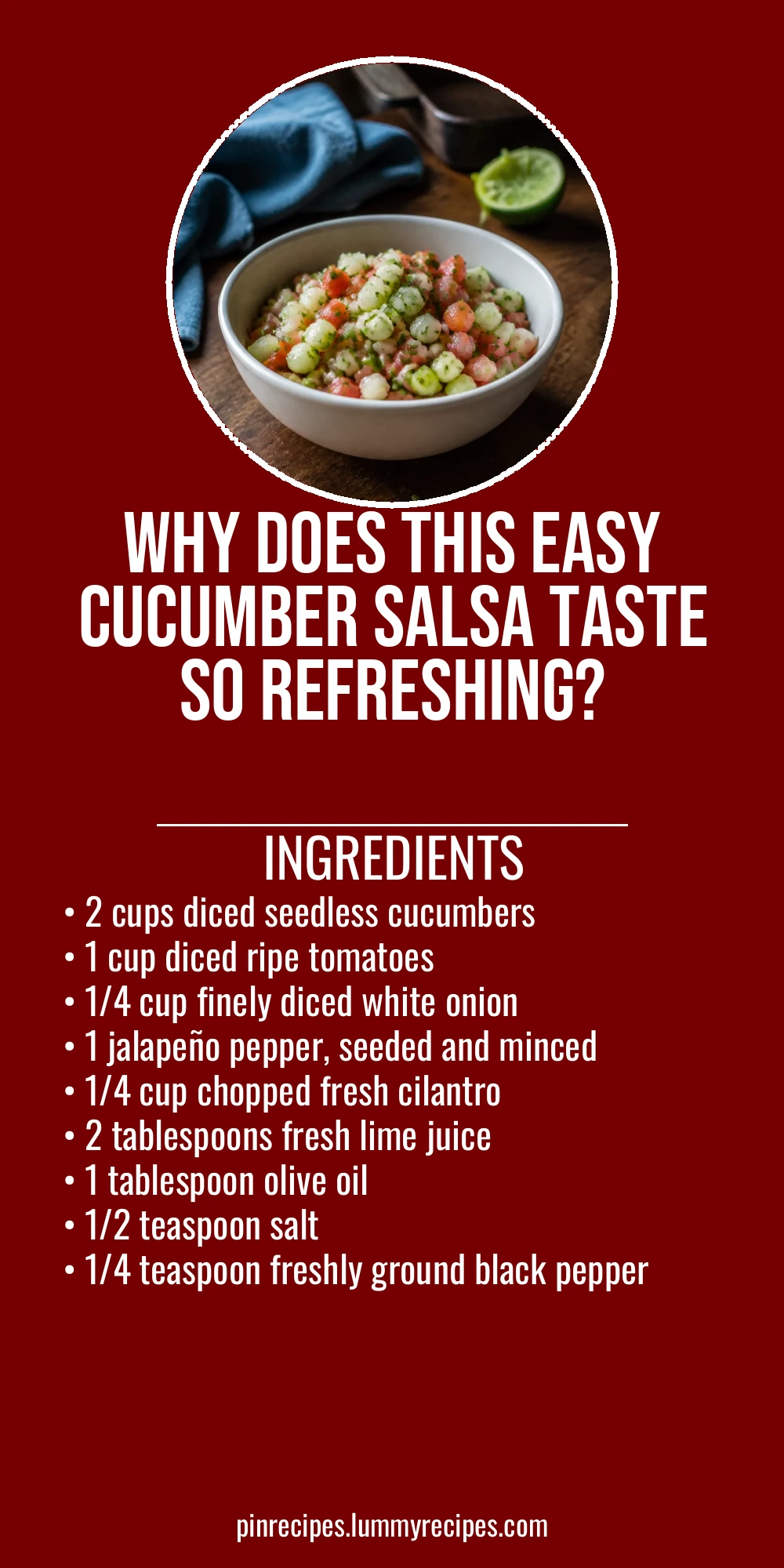
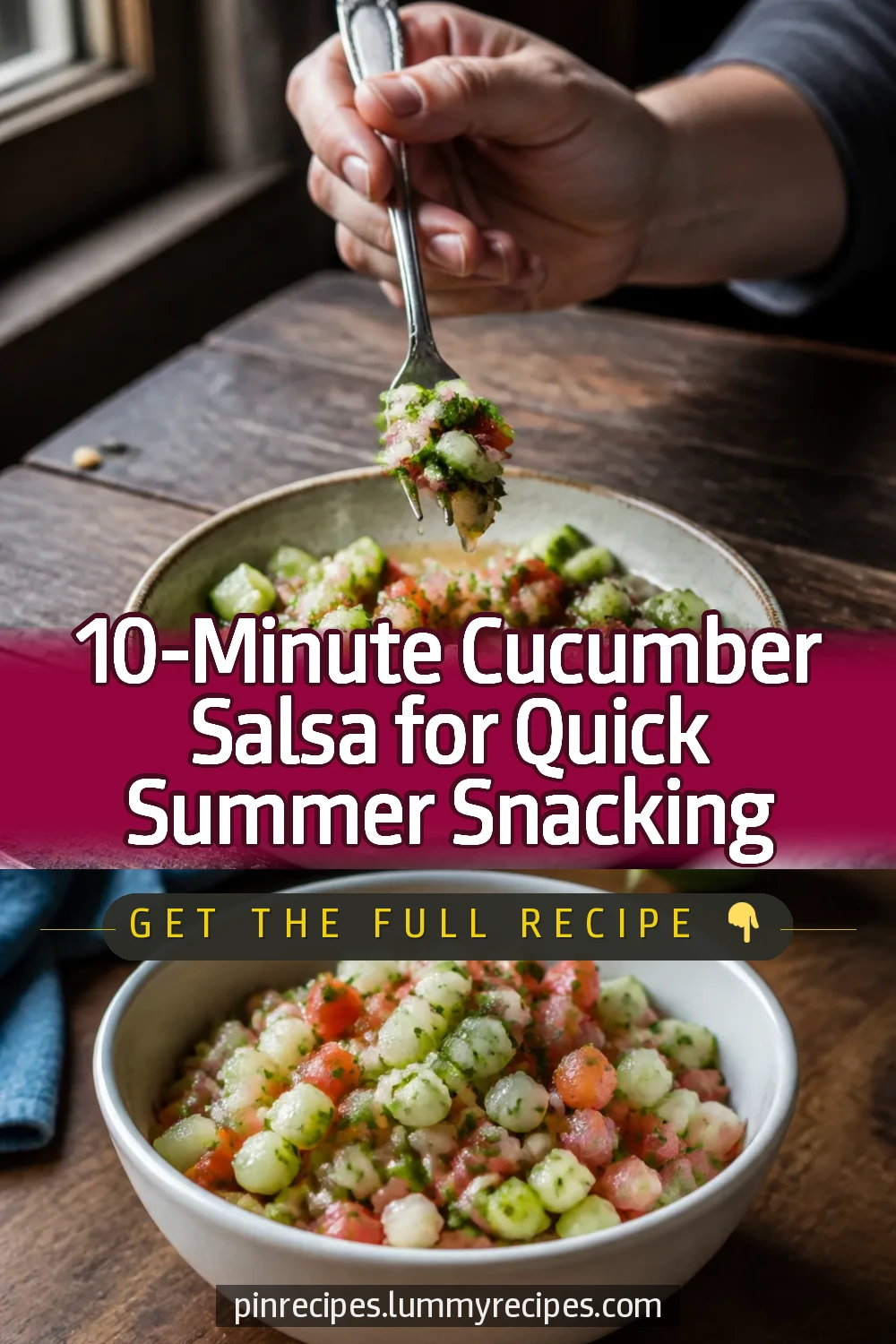
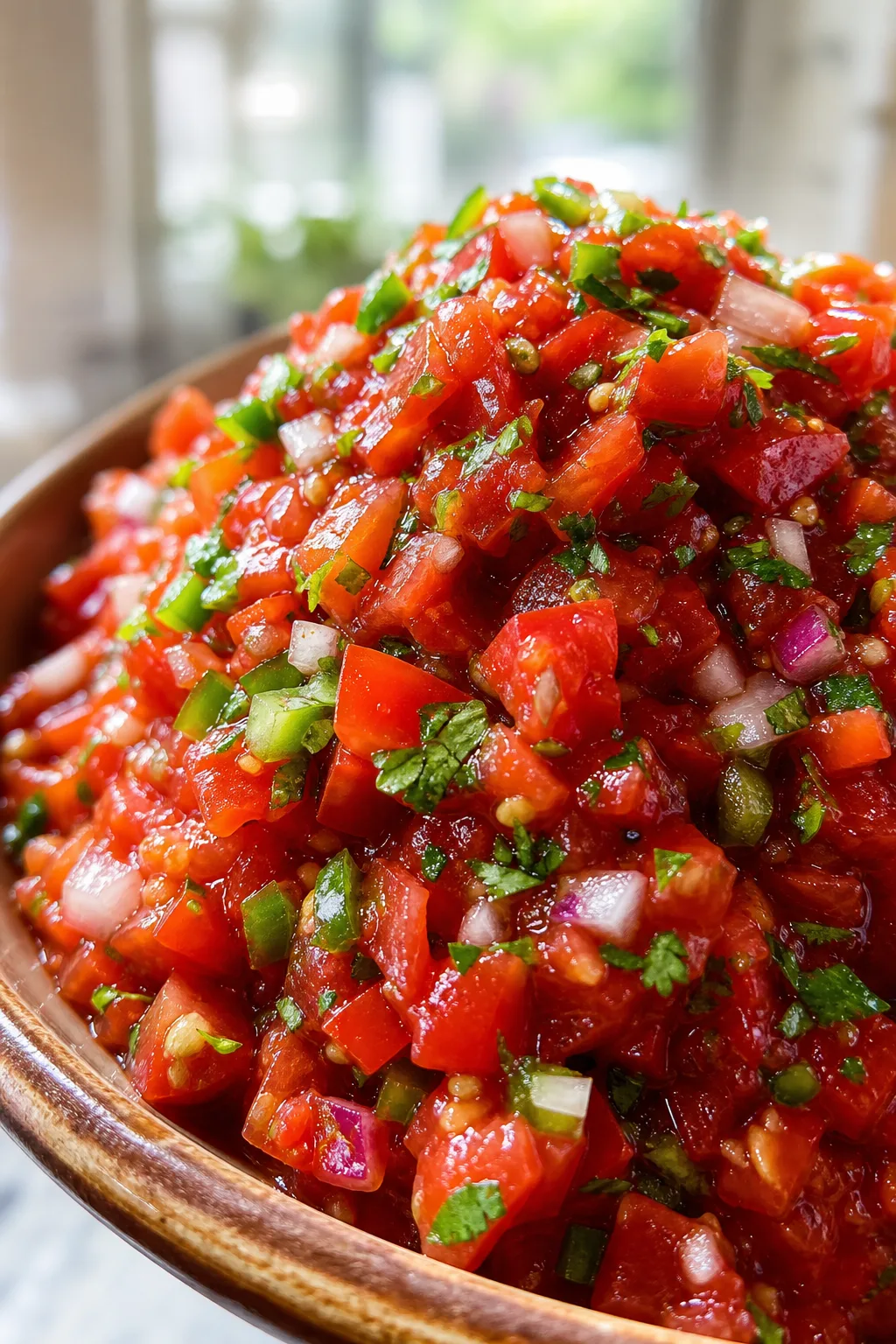
This fresh cucumber salsa is a crisp, tangy twist on classic salsa, bursting with garden-fresh cucumbers and herbs. I love how the lime juice brightens every bite. Perfect for summer snacks or as a topping for grilled dishes!
Introduction
I first stumbled upon this cucumber salsa recipe during a summer picnic a few years ago, and it quickly became a family favorite. Unlike traditional tomato-heavy salsas, this one is wonderfully light and crisp, making it perfect for warm weather snacking or as a fresh topping for grilled chicken or fish. What sets this recipe apart is the balance of fresh lime juice and just a touch of olive oil, which brings out the natural flavors without overpowering the delicate cucumbers. I’ve found that finely dicing the cucumbers and letting the salsa rest for at least 10 minutes before serving really helps the flavors meld together beautifully. The jalapeño adds just enough kick to keep things interesting without being too spicy for my family. It’s a simple recipe but one that shines because of its freshness and ease. I love serving it with tortilla chips or spooning it over tacos for an extra burst of brightness. It’s a quick fix that always impresses guests and keeps my family coming back for more.
What You'll Need
Approximately 3 cups, 4 servings
- 2 cups diced seedless cucumbers
- 1 cup diced ripe tomatoes
- 1/4 cup finely diced white onion
- 1 jalapeño pepper, seeded and minced
- 1/4 cup chopped fresh cilantro
- 2 tablespoons fresh lime juice
- 1 tablespoon olive oil
- 1/2 teaspoon salt
- 1/4 teaspoon freshly ground black pepper
How To Do It
Step 1
Start by washing and drying the cucumbers thoroughly. Then, dice them into small, even pieces to ensure a consistent texture and flavor throughout the salsa. Removing seeds from the jalapeño helps control the heat, so slice it open and scrape out the seeds before finely mincing. This step is important because it balances the spice level, making the salsa enjoyable for everyone. Take care to dice the tomatoes and onions similarly small to keep the salsa uniform and easy to eat. Avoid making the pieces too large, as it can cause the salsa to be watery and less flavorful.
⏱ Time: 10
✓ Doneness: Evenly diced vegetables with no large chunks, ensuring a balanced texture.
Step 2
In a medium mixing bowl, combine the diced cucumbers, tomatoes, onion, jalapeño, and chopped cilantro. Add fresh lime juice, olive oil, salt, and pepper. Stir gently but thoroughly to coat all the ingredients evenly. Let the salsa sit at room temperature for at least 10 minutes before serving to allow the flavors to meld and the lime juice to slightly soften the vegetables. Skipping this resting time can result in a less harmonious flavor profile and a crunchier texture that might not blend as well.
⏱ Time: 15
✓ Doneness: Salsa looks glossy and well-coated, with vibrant colors and a fresh aroma.
Step 3
Taste the salsa and adjust seasoning as needed, adding more salt or lime juice if desired. This final tweak is crucial because fresh ingredients can vary in flavor and acidity. Balancing these elements ensures the salsa is bright, tangy, and perfectly seasoned. If you want it spicier, add a pinch more minced jalapeño. Remember, seasoning in layers helps avoid over-salting or overpowering the fresh flavors.
⏱ Time: 5
✓ Doneness: Balanced, bright flavor with a hint of spice and no overpowering saltiness.
Step 4
Serve the cucumber salsa chilled or at room temperature with tortilla chips, grilled meats, or as a fresh topping for tacos. If you’re serving later, cover and refrigerate it, but bring it back to room temperature before serving for the best flavor. Cold temperatures can mute the brightness of the lime and herbs, so a brief rest outside the fridge helps. This step enhances the eating experience by fully showcasing the fresh, vibrant flavors.
⏱ Time: 0
✓ Doneness: Salsa is fresh, vibrant, and slightly chilled but not cold.
Step 5
For a smoother salsa texture, you can pulse the mixture briefly in a food processor, but be careful not to over-process. This technique creates a more uniform consistency while keeping the salsa fresh and slightly chunky. Over-processing will turn it into a watery puree, losing the texture contrast that makes this salsa so enjoyable. This option is great if you prefer a dip-like texture over a chunky salsa.
⏱ Time: 2
✓ Doneness: Salsa is slightly chunky with a cohesive texture, not watery or mushy.
Step 6
If you want to add extra flavor depth, consider mixing in a small amount of finely minced garlic or a splash of apple cider vinegar. Garlic adds a savory note that complements the fresh ingredients, while vinegar enhances the tanginess. These additions should be subtle to avoid overpowering the fresh cucumber and lime. Introduce them gradually and taste as you go.
⏱ Time: 3
✓ Doneness: Salsa has a subtle savory or tangy undertone without losing freshness.
Step 7
Make sure to use fresh, quality ingredients for the best flavor. Cucumbers should be firm and bright green, tomatoes ripe but not mushy, and herbs vibrant. Using fresh produce affects not just taste but texture and appearance. Avoid using watery or old vegetables as they can dilute the salsa and make it soggy. Freshness is key for this light, crisp salsa.
⏱ Time: 0
✓ Doneness: Ingredients look bright, firm, and vibrant before mixing.
Step 8
When chopping herbs like cilantro, use a sharp knife and chop just before adding to the salsa to preserve their bright flavor and color. Chopping too early or bruising the herbs can cause them to turn brown and lose aroma. Fresh herbs are a crucial element that lifts the whole dish, so handle them gently.
⏱ Time: 5
✓ Doneness: Herbs look fresh and green, releasing a pleasant aroma.
Step 9
If preparing ahead, store the salsa in an airtight container in the refrigerator for up to 2 days. Stir well before serving to redistribute any settled juices. The flavors will deepen over time but the cucumbers may soften slightly. This makes it a great make-ahead option for parties or meal prep. Just remember to adjust seasoning before serving if needed.
⏱ Time: 0
✓ Doneness: Salsa remains fresh and flavorful after refrigeration with good texture.
Pro Tips
Let the salsa rest for at least 10 minutes before serving.
Resting allows the lime juice to slightly soften the cucumbers and onions, melding the flavors together. This step balances acidity and texture, making the salsa taste fresher and more harmonious.
Seed the jalapeño to control heat level.
Removing the seeds and membranes reduces the spiciness, making the salsa enjoyable for those sensitive to heat. You can always add a bit back if you want more kick.
Use a sharp knife to dice vegetables evenly.
Even dicing ensures consistent texture and flavor in every bite. A dull knife can crush ingredients, releasing excess moisture and making the salsa watery.
Add salt gradually and taste as you go.
Salt enhances flavor and draws moisture from cucumbers, concentrating taste. Over-salting can overpower the fresh ingredients, so adjust carefully.
Chop cilantro just before mixing.
Freshly chopped cilantro retains its bright color and aroma. Chopping too early causes browning and loss of flavor.
Serve salsa at room temperature for best flavor.
Cold temperatures can mute flavors and dull the brightness of lime and herbs. Bringing it to room temp revives the vibrant taste.
Use seedless cucumbers like English cucumbers.
They have less water and fewer seeds, preventing the salsa from becoming too watery and maintaining a crisp texture.
Common Mistakes to Avoid
Using watery cucumbers or overripe tomatoes.
Why it happens Sometimes cooks grab whatever produce is on hand without considering water content, which can dilute the salsa.
Fix Choose firm, seedless cucumbers and ripe but not mushy tomatoes to keep the salsa crisp and flavorful.
Skipping the resting time after mixing.
Why it happens Impatience or lack of awareness leads to serving immediately, missing flavor development.
Fix Let the salsa sit for at least 10 minutes to allow flavors to meld and textures to soften slightly.
Over-chopping ingredients into mush.
Why it happens Using a dull knife or food processor can crush ingredients, releasing excess moisture.
Fix Use a sharp knife and dice evenly by hand for the best texture and flavor retention.
Adding too much salt at once.
Why it happens Trying to season quickly can lead to over-salting.
Fix Add salt in small increments, tasting as you go to balance flavors gently.
Not removing jalapeño seeds if sensitive to heat.
Why it happens Assuming all jalapeños have the same heat or forgetting to seed.
Fix Seed the jalapeño to control spiciness, adding seeds back gradually if more heat is desired.
Variations
Spicy Mango Cucumber Salsa
Add diced ripe mango to the salsa for a sweet contrast to the heat of jalapeño. This variation is fruity and fresh, perfect for summer barbecues or as a topping for fish tacos.
Note: Adjust the lime juice slightly to balance the sweetness of the mango and maintain the salsa’s bright acidity.
Avocado Cucumber Salsa
Mix in diced avocado for a creamy texture that complements the crisp cucumbers. This version is richer and works well as a dip or sandwich spread.
Note: Add avocado just before serving to avoid browning, and gently fold it in to preserve texture.
Cucumber Salsa with Red Bell Pepper
Include finely diced red bell pepper for extra crunch and sweetness. This adds color and a mild flavor boost without changing the salsa’s fresh profile.
Note: Dice the bell pepper small and add it with the other vegetables to ensure even flavor distribution.
Cucumber Salsa with Feta Cheese
Sprinkle crumbled feta cheese over the salsa for a salty, creamy contrast. This variation turns the salsa into a more substantial side dish or salad.
Note: Add feta just before serving to maintain its crumbly texture and prevent it from melting into the salsa.
Herbed Cucumber Salsa with Dill and Mint
Swap out cilantro for fresh dill and mint for a different herbal twist. This version is fragrant and pairs well with grilled seafood or chicken.
Note: Use equal amounts of fresh herbs and chop finely to blend seamlessly into the salsa.
Nutrition
Per Serving:
Nutritional values are estimates and may vary based on specific ingredients used.
Storage & Tips
Room Temperature
Keep the salsa covered at room temperature for up to 2 hours during serving. Beyond that, refrigerate to maintain freshness and prevent spoilage.
Refrigerator
Store in an airtight container in the fridge for up to 2 days. Flavors will deepen but cucumbers may soften slightly. Bring to room temperature before serving for best taste.
Freezer
Freezing is not recommended as cucumbers release water and become mushy upon thawing, altering texture and flavor.
Reheating
No reheating needed. Serve chilled or at room temperature for optimal freshness and flavor.
Make Ahead
Prepare all vegetables and mix salsa up to 1 day ahead. Store covered in the fridge and add fresh herbs just before serving to preserve their brightness.
FAQ
Can I make cucumber salsa without jalapeño?
Absolutely! You can omit the jalapeño if you prefer a milder salsa. The other ingredients still provide plenty of fresh flavor. If you want a little heat without jalapeño, try a pinch of cayenne pepper or a few red pepper flakes.
How long does cucumber salsa keep in the fridge?
Stored in an airtight container, cucumber salsa stays fresh for up to 2 days. Beyond that, the cucumbers may soften and the flavors can become muted. For best taste, consume within this timeframe.
Can I use regular cucumbers instead of English cucumbers?
Yes, but regular cucumbers have more seeds and water content, which might make the salsa a bit watery. To reduce this, you can peel and seed them before dicing or salt them lightly and drain excess moisture.
What can I serve with cucumber salsa?
Cucumber salsa pairs wonderfully with tortilla chips, grilled chicken, fish tacos, or as a fresh topping for sandwiches and salads. It’s very versatile and adds a bright, fresh note to many dishes.
Can I blend the salsa instead of dicing?
You can pulse the salsa briefly in a food processor for a smoother texture, but avoid over-processing to keep some chunkiness. Over-blending can make it watery and lose the fresh bite that diced salsa offers.
How do I control the spice level?
Remove the seeds and membranes from the jalapeño to reduce heat. You can always add a small amount of seeds back in if you want more spice. Alternatively, use a milder pepper like poblano.
Can I substitute lime juice with lemon juice?
Lime juice is preferred for its distinctive tang, but lemon juice can be used in a pinch. The flavor will be slightly different but still fresh and bright.
Is this salsa suitable for meal prep?
Yes, it’s great for meal prep if stored properly. Keep it refrigerated in an airtight container and add fresh herbs before serving. Consume within 2 days for best quality.
Final Thoughts
I hope you enjoy this easy cucumber salsa as much as my family does. It’s fresh, simple, and perfect for any occasion. Give it a try and let me know how it turns out!