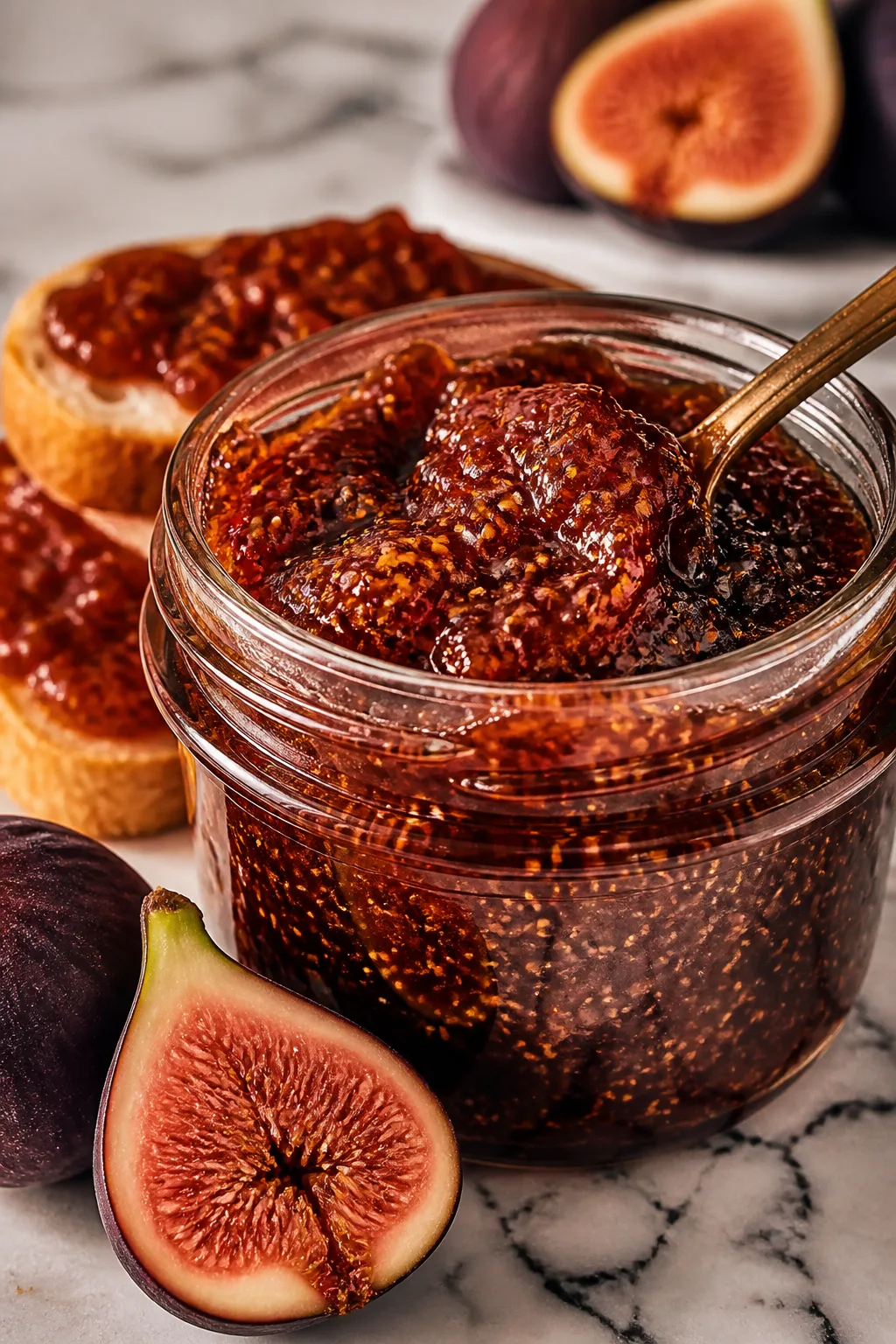
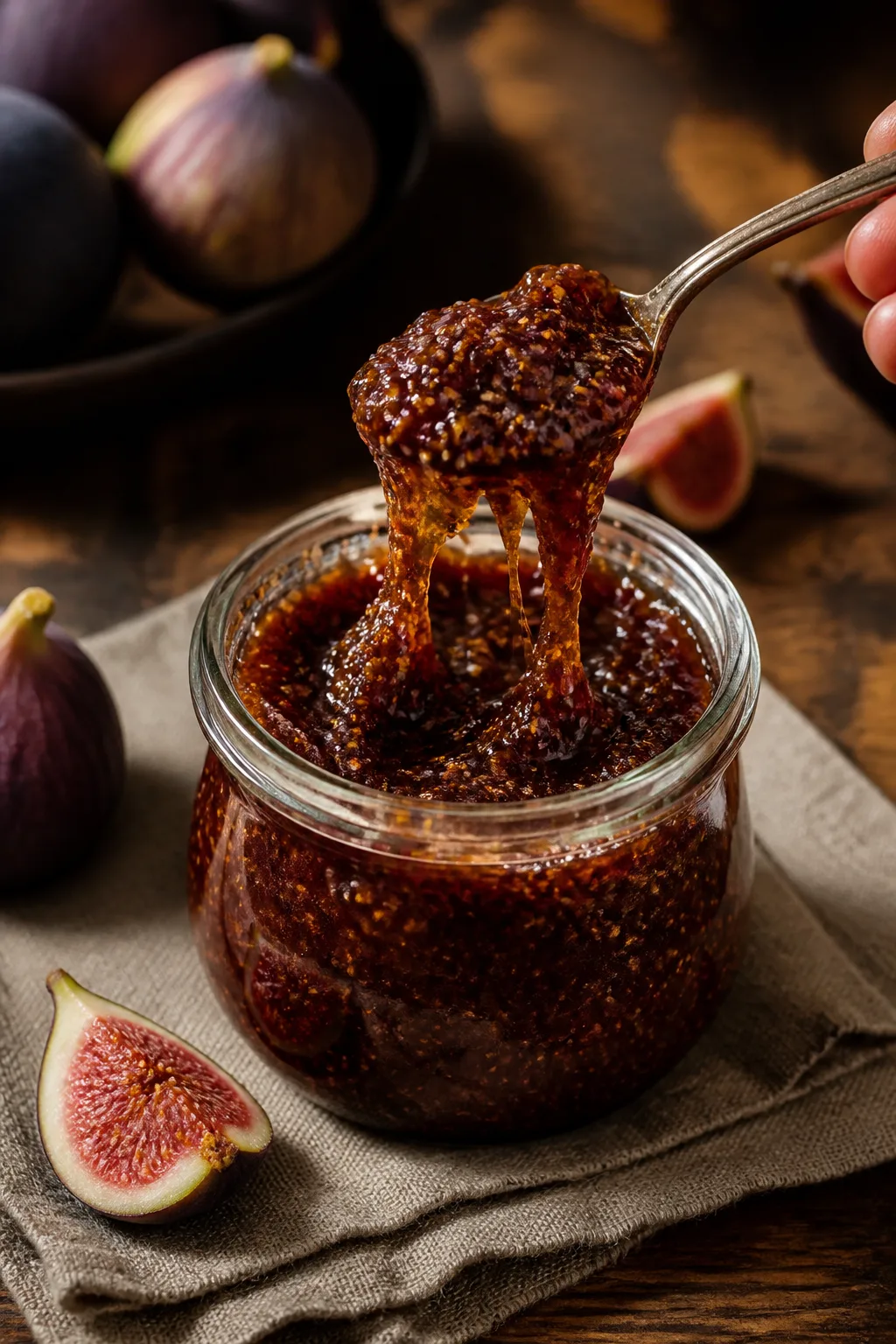
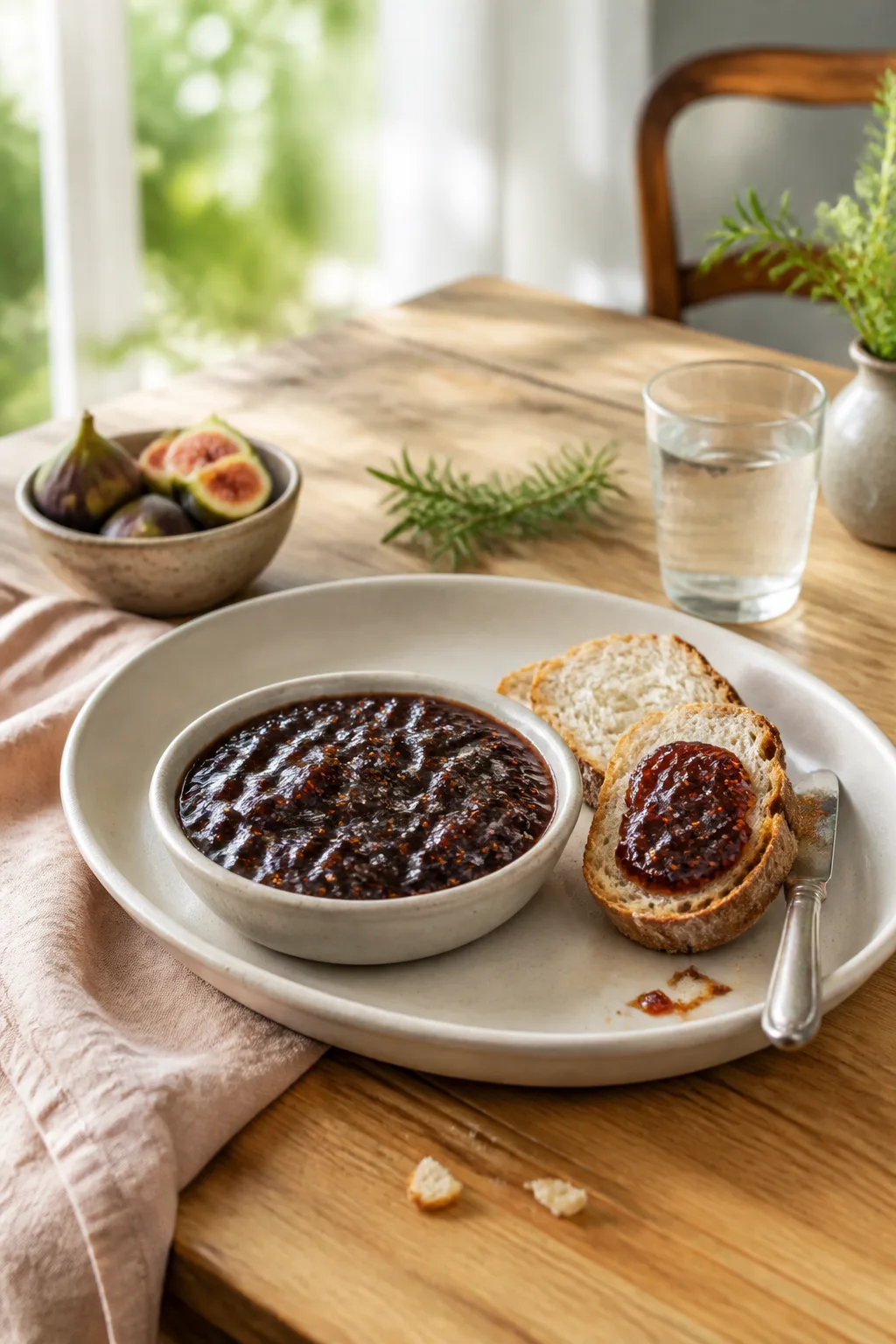
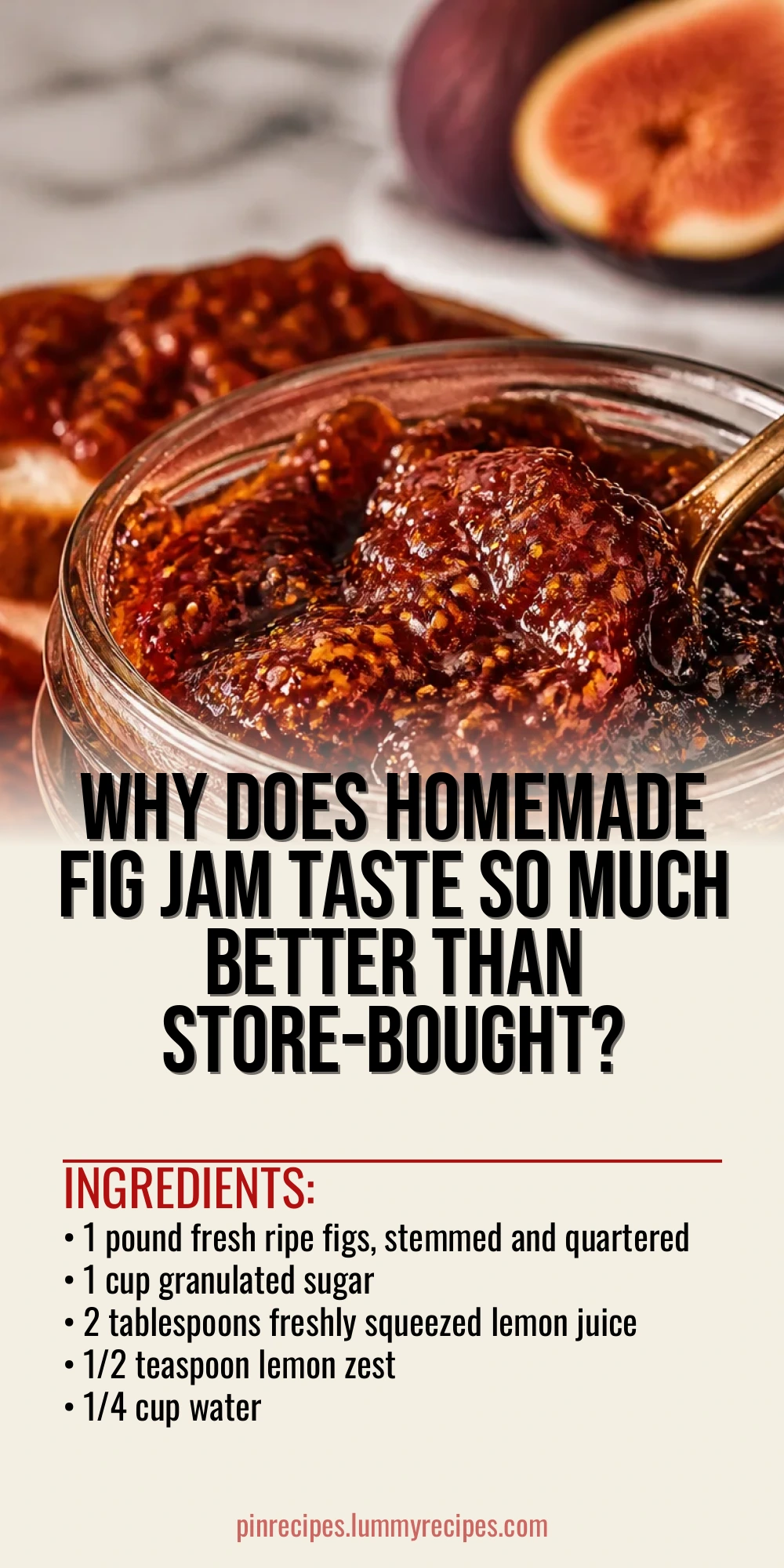
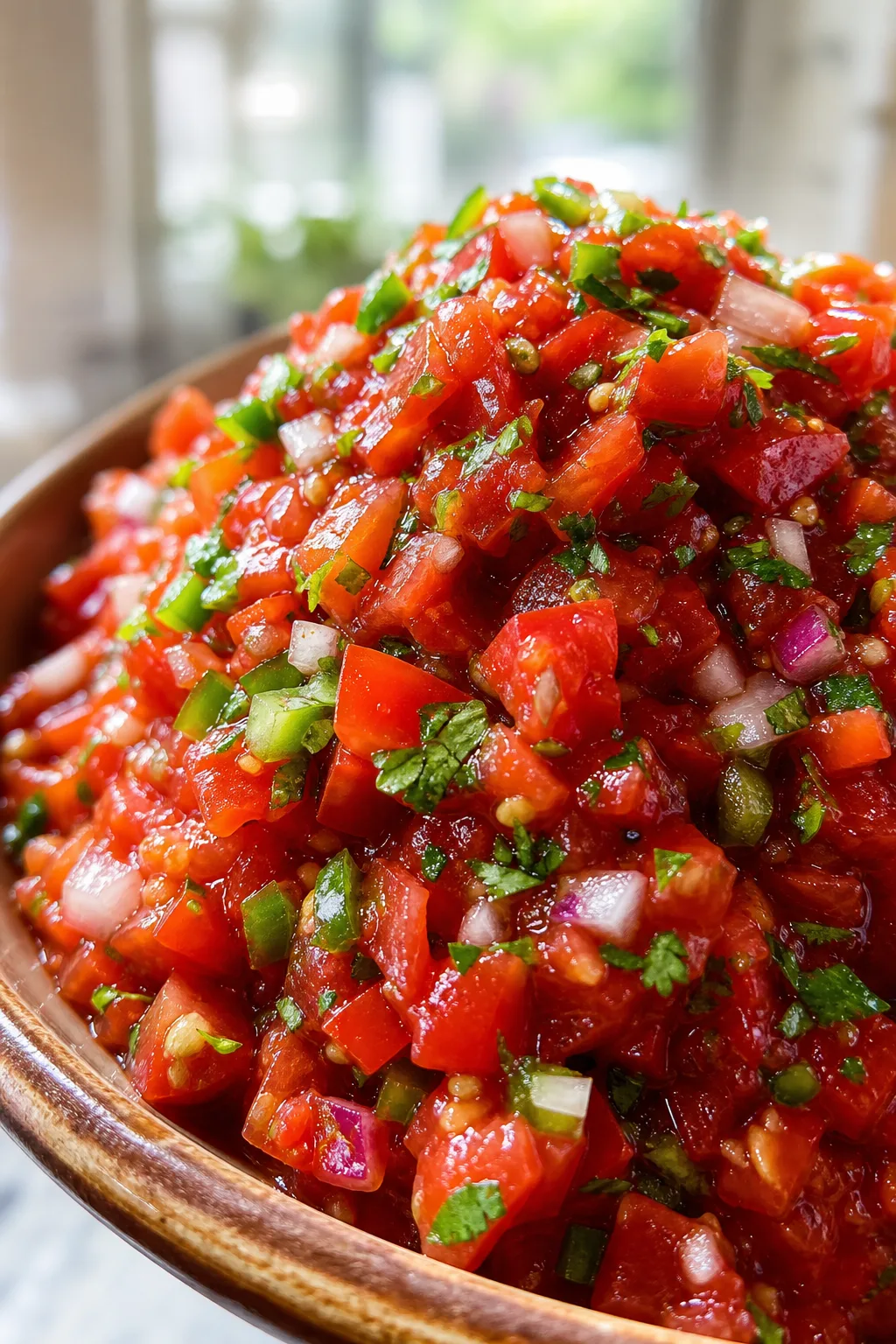
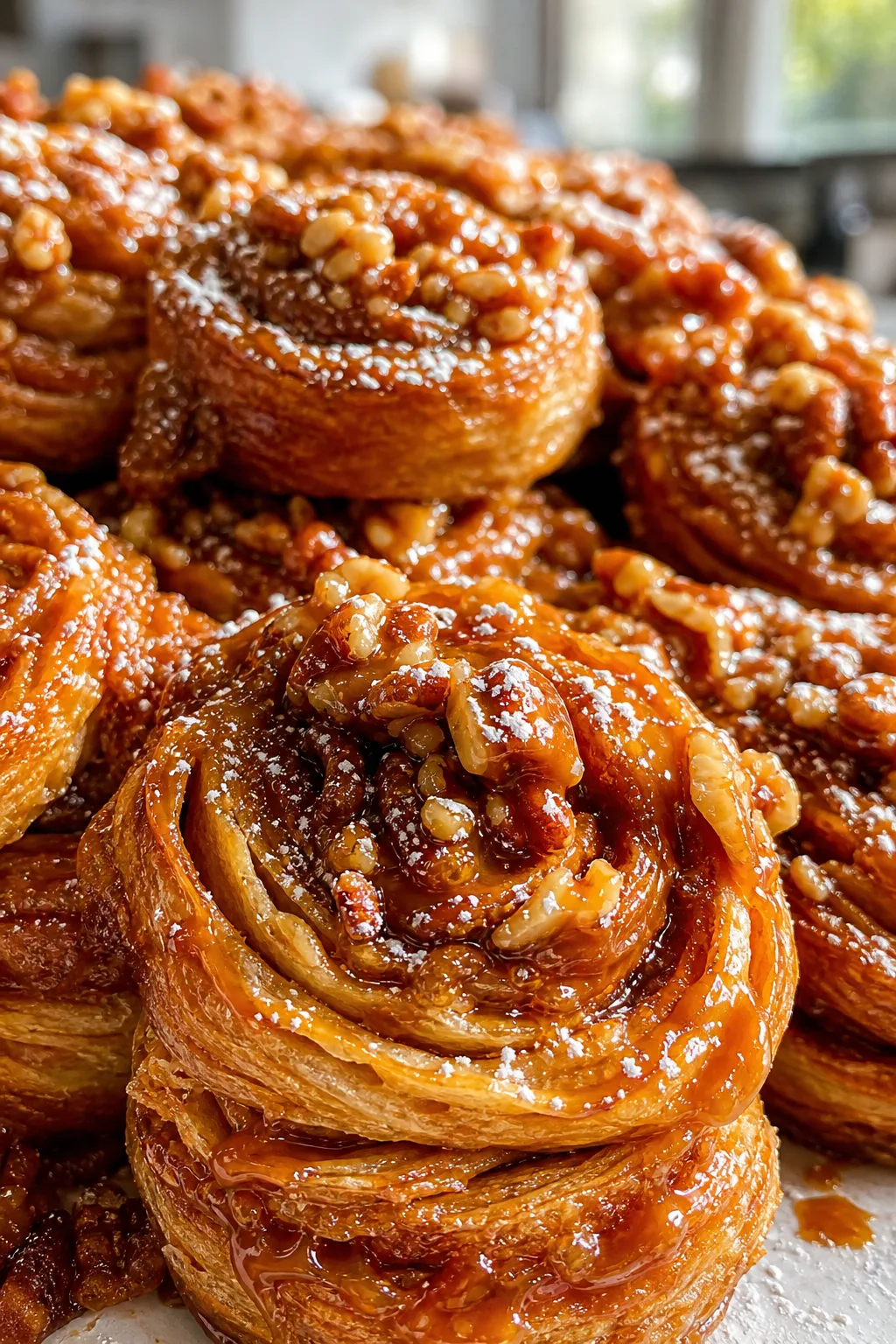
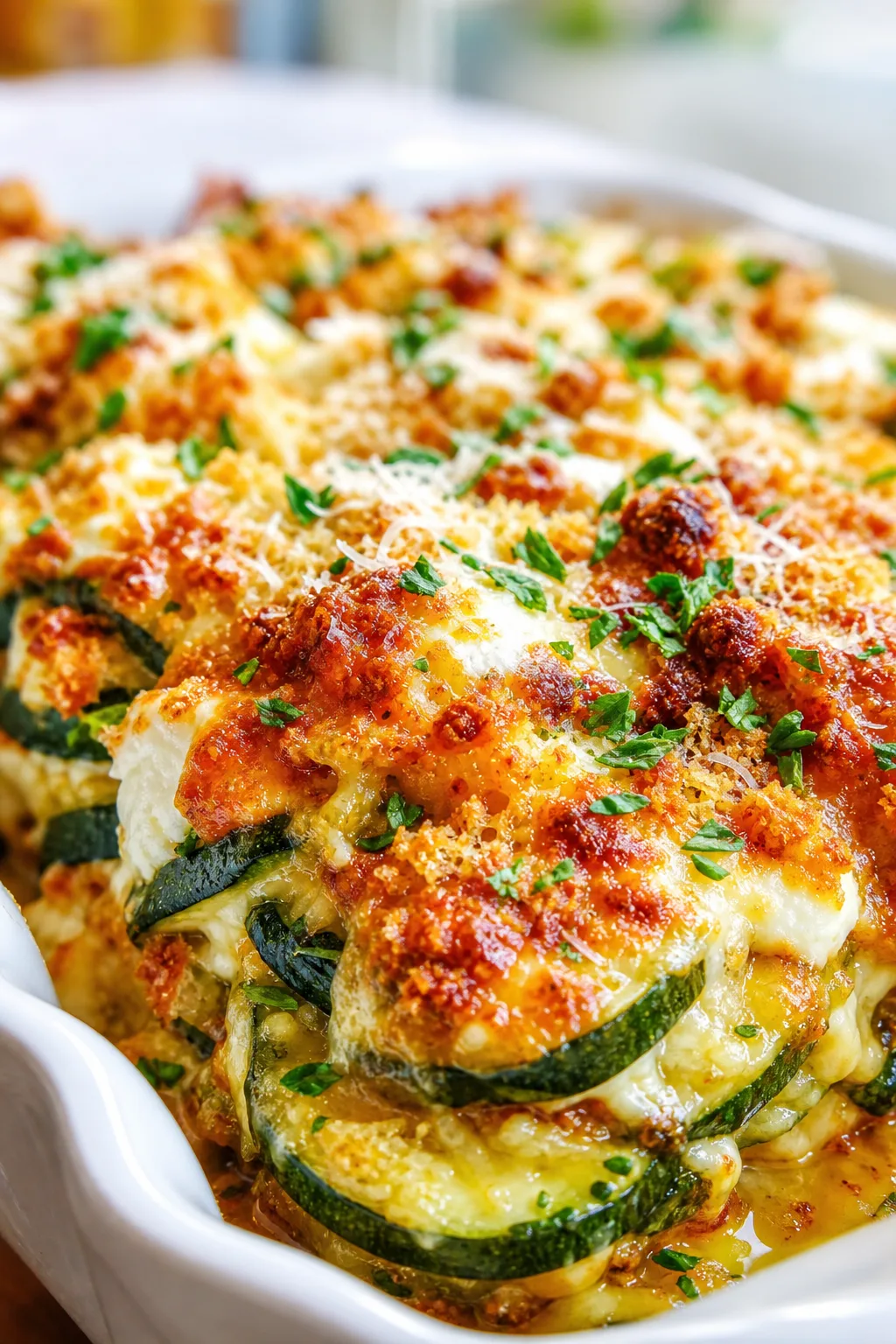
This fig jam is naturally sweet with a hint of tang, perfect for breakfast or cheese boards. I love how simple it is to make with just fresh figs and a touch of lemon. Great for gifting or cozy mornings!
Introduction
I first made fig jam a few years ago when I found a basket of fresh figs at the farmer’s market. I’d always loved fig preserves but never tried making it myself. Turns out, it’s incredibly simple and the flavor is so much fresher than store-bought. What makes this recipe special is the balance of sweetness with a touch of lemon juice and zest, which brightens the jam and helps it set perfectly. I learned to simmer it slowly, stirring gently, to keep the figs chunky but soft enough to spread easily. The finished jam is thick, glossy, and bursting with that natural fig sweetness that pairs wonderfully with toast, cheese, or even drizzled over yogurt. It’s become a staple in my kitchen, especially when figs are in season. I love how versatile it is and how easy it comes together with just a handful of ingredients. Give it a try—you’ll be amazed at how rewarding homemade jam can be!
What You'll Need
Approximately 2 cups, 4 servings
- 1 pound fresh ripe figs, stemmed and quartered
- 1 cup granulated sugar
- 2 tablespoons freshly squeezed lemon juice
- 1/2 teaspoon lemon zest
- 1/4 cup water
How To Do It
Step 1
Start by preparing your figs: wash them gently, remove the stems, and quarter each fig. This helps the figs cook evenly and break down nicely during simmering. Using ripe but firm figs ensures the jam will have a good texture without turning into complete mush. Avoid overripe figs that can make the jam too watery. Place the cut figs in a large saucepan.
⏱ Time: 10
✓ Doneness: Figs are evenly cut and ready for cooking.
Step 2
Add the sugar, lemon juice, lemon zest, and water to the saucepan with the figs. Stir gently to combine. The sugar will draw out the natural juices from the figs, creating a syrup as it dissolves. The lemon juice not only adds brightness but also acts as a natural preservative and helps the jam set. Let the mixture sit for about 10 minutes to macerate, which intensifies the flavor.
⏱ Time: 10
✓ Doneness: Sugar is mostly dissolved and mixture looks syrupy.
Step 3
Place the saucepan over medium heat and bring the mixture to a gentle boil. Once boiling, reduce the heat to low and let it simmer uncovered. Stir occasionally to prevent sticking and burning at the bottom. The simmering process thickens the jam and softens the figs, releasing their natural pectin which helps the jam set without added gelatin.
⏱ Time: 20
✓ Doneness: Jam thickens and coats the back of a spoon.
Step 4
During simmering, use a wooden spoon or potato masher to gently crush some of the figs if you prefer a less chunky jam. Be careful not to overdo it; leaving some chunks adds nice texture and visual appeal. Keep stirring occasionally to ensure even cooking and prevent scorching.
⏱ Time: 5
✓ Doneness: Desired jam consistency with some fig chunks visible.
Step 5
To test if the jam is ready, place a small spoonful on a chilled plate and let it cool for a minute. Run your finger through it; if it wrinkles and holds its shape, the jam is done. If not, continue simmering and test again every few minutes. This step is crucial to avoid under or overcooking.
⏱ Time: 5
✓ Doneness: Jam wrinkles on cooled plate, indicating proper set.
Step 6
Remove the saucepan from heat and let the jam cool slightly before transferring it to sterilized jars. Leaving it too hot can cause condensation inside the jars, which may affect shelf life. Use a ladle or spoon to fill the jars, leaving about 1/4 inch headspace.
⏱ Time: 5
✓ Doneness: Jam is warm but not boiling when jarred.
Step 7
Seal the jars tightly with sterilized lids. If you plan to store the jam for a long time, process the jars in a boiling water bath for 10 minutes to ensure proper preservation. Otherwise, store in the refrigerator and consume within a few weeks.
⏱ Time: 15
✓ Doneness: Jars sealed and cooled to room temperature.
Step 8
Label your jars with the date and store them in a cool, dark place. Homemade fig jam develops even more flavor after a few days. When opened, keep refrigerated and use within two weeks for best taste and safety.
⏱ Time: 2
✓ Doneness: Jars labeled and stored properly.
Step 9
Enjoy your fig jam on toast, with cheese, or as a sweet addition to desserts. It also makes a thoughtful homemade gift. Remember, the natural texture and bright flavor make this jam stand out, so savor every spoonful!
⏱ Time: 1
✓ Doneness: Jam served and enjoyed.
Pro Tips
Use a heavy-bottomed saucepan for even heat distribution.
A heavy-bottomed pan prevents hot spots that can burn the jam. Even heat ensures gentle simmering, which helps the figs break down slowly and develop rich flavor without scorching.
Sterilize jars and lids before filling with jam.
Sterilizing prevents bacterial growth and extends the shelf life of your jam. Hot jam poured into clean, sterilized jars seals better, reducing the risk of spoilage.
Let the jam rest overnight before refrigerating.
Allowing the jam to cool and set at room temperature improves its texture and flavor. This resting period lets the pectin fully gel and the flavors meld together.
Don’t rush the simmering process.
Simmering too quickly can lead to uneven cooking and a jam that’s either too runny or burnt. Slow simmering extracts natural pectin and deepens the flavor.
Use fresh lemon juice instead of bottled.
Fresh lemon juice provides natural acidity and brightness without any preservatives or off-flavors, which bottled juice can sometimes impart.
Test jam set with a chilled plate.
This simple test helps you avoid under or overcooking. The jam should wrinkle when pushed on a cold plate, indicating the right consistency.
Store opened jam in the refrigerator.
Once opened, refrigeration slows bacterial growth and keeps your jam fresh for up to two weeks, preserving its flavor and texture.
Common Mistakes to Avoid
Using overripe or underripe figs
Why it happens People often grab whatever figs are available without considering ripeness, thinking all will work the same.
Fix Choose figs that are ripe but still firm. Overripe figs produce watery jam that doesn’t set well, while underripe figs lack sweetness and flavor. If unsure, gently squeeze the fig; it should give slightly but not be mushy.
Skipping the lemon juice
Why it happens Some assume sugar alone is enough for sweetness and preservation.
Fix Always add fresh lemon juice to activate natural pectin and balance sweetness. Without acid, the jam may not set properly and can spoil faster.
Cooking at too high heat
Why it happens Rushing the cooking process to save time.
Fix Simmer the jam gently to allow pectin to develop and flavors to concentrate. High heat can burn the jam or make it too thick and hard.
Not stirring enough
Why it happens Assuming jam won’t stick or burn if left alone.
Fix Stir occasionally to prevent sticking and scorching, especially as the jam thickens. Use a wooden spoon to scrape the bottom gently.
Not sterilizing jars
Why it happens Many overlook sterilization, thinking refrigeration is enough.
Fix Sterilize jars and lids by boiling or baking to prevent bacterial contamination and extend shelf life. This is essential for safe long-term storage.
Variations
Spiced Fig Jam
Add a cinnamon stick and a few cloves during simmering for a warm, spiced twist. Remove the spices before jarring. This variation adds cozy depth, perfect for fall and winter spreads.
Note: Simmer spices with the jam but avoid crushing them to keep the texture smooth. Adjust simmering time by a few minutes if needed.
Fig and Orange Marmalade
Add finely chopped orange peel and extra orange juice to the basic fig jam recipe. This adds bright citrus notes and a slightly bitter contrast to the sweet figs.
Note: Use thinly sliced peel to avoid bitterness. Simmer slightly longer to soften the peel and meld flavors.
Honey-Sweetened Fig Jam
Replace half or all of the sugar with honey for a floral sweetness and softer texture. Honey also brings natural preservatives, but the jam may be a bit looser.
Note: Lower the cooking temperature slightly to preserve honey’s delicate flavors and prevent burning.
Fig and Vanilla Jam
Add a split vanilla bean during cooking for a rich, aromatic flavor. This pairs beautifully with the natural sweetness of figs and makes the jam feel luxurious.
Note: Scrape the vanilla seeds into the jam and remove the pod before jarring to avoid bitterness.
Fig and Balsamic Jam
Stir in a tablespoon of good-quality balsamic vinegar at the end of cooking for a tangy, complex flavor that complements savory dishes like cheese or roasted meats.
Note: Add balsamic at the end to preserve its brightness and avoid overcooking the vinegar.
Nutrition
Per Serving:
Nutritional values are estimates and may vary based on specific ingredients used.
Storage & Tips
Room Temperature
Fig jam can safely sit at room temperature for up to 12 hours if covered, but for best quality, refrigerate promptly after cooling. Avoid leaving uncovered to prevent contamination.
Refrigerator
Store jam in an airtight container in the fridge for up to 3 weeks. The flavor may deepen over time but expect some thickening. Serve cold or bring to room temperature before use.
Freezer
Freeze jam in freezer-safe containers for up to 3 months. Leave headspace for expansion. Thaw in the fridge overnight and stir before serving to restore texture.
Reheating
Reheat gently on the stovetop over low heat if needed. Add a splash of water to loosen if too thick. Avoid boiling to preserve flavor and texture.
Make Ahead
You can prepare the jam fully and store it in sterilized jars for weeks. Alternatively, prepare the fig mixture up to simmering and refrigerate for 1-2 days before cooking fully.
FAQ
Can I use dried figs instead of fresh for this jam?
Dried figs can be used but will require soaking in water to rehydrate before cooking. The texture and flavor will differ, often resulting in a thicker, less fresh-tasting jam. Adjust water quantity and cooking time accordingly.
How do I know when the jam has set properly?
The best test is the chilled plate method: place a spoonful of hot jam on a cold plate, let it cool for a minute, then push it with your finger. If it wrinkles and holds shape, it’s set. If it runs, simmer longer and test again.
Can I reduce the sugar in this recipe?
You can reduce sugar slightly, but too little sugar affects preservation and texture. The jam may not set as well and will have a shorter shelf life. Consider adding commercial pectin if you want low-sugar jam.
Why is my jam too runny?
Runny jam usually means it hasn’t cooked long enough for the pectin to activate or the fruit was too watery. Simmer longer and test the set regularly. Using underripe or overripe figs can also cause this.
Can I freeze fig jam?
Yes, fig jam freezes well for up to 3 months. Use freezer-safe containers, leaving space for expansion. Thaw in the refrigerator overnight and stir before serving to restore consistency.
How long does homemade fig jam last?
Unopened and properly sealed jars last up to 1 year in a cool, dark place. Once opened, refrigerate and consume within 3 weeks for best flavor and safety.
Is it necessary to sterilize jars for jam?
Sterilizing jars is important for long-term storage to prevent bacterial growth. If you plan to refrigerate and consume quickly, sterilization is less critical but still recommended.
Can I add spices to this fig jam?
Absolutely! Cinnamon, cloves, vanilla, or even a splash of balsamic vinegar can add wonderful complexity. Add spices during simmering and remove any whole spices before jarring.
Final Thoughts
I hope you enjoy making this fig jam as much as I do—it’s such a rewarding and delicious project. Please share your results and any tweaks you try!