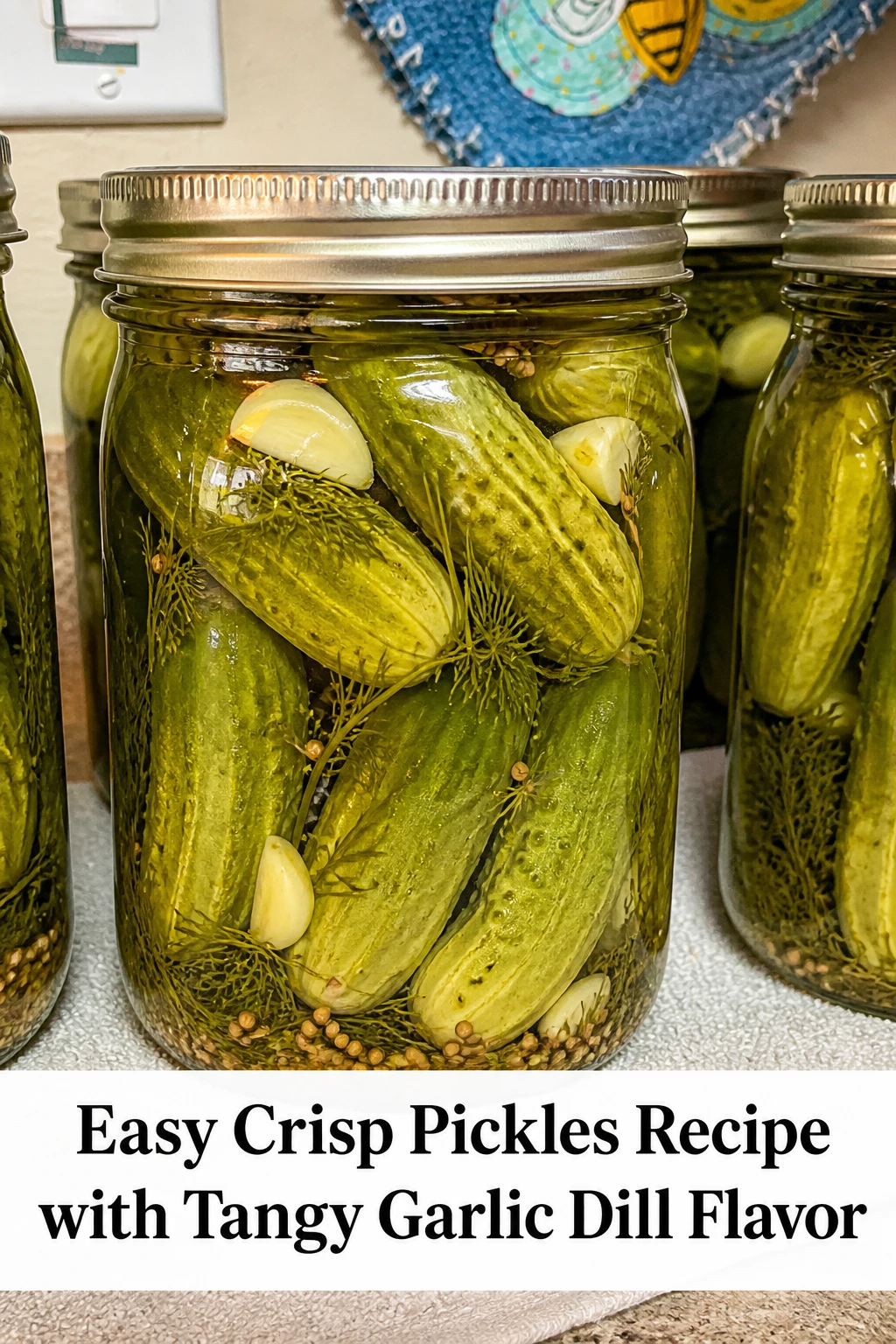
These easy homemade pickles are crisp, tangy, and full of flavor thanks to a simple brine infused with garlic and dill. I love how quick they come together, perfect for snacking or jazzing up sandwiches. Great to make any time you want a fresh, crunchy treat!
Introduction
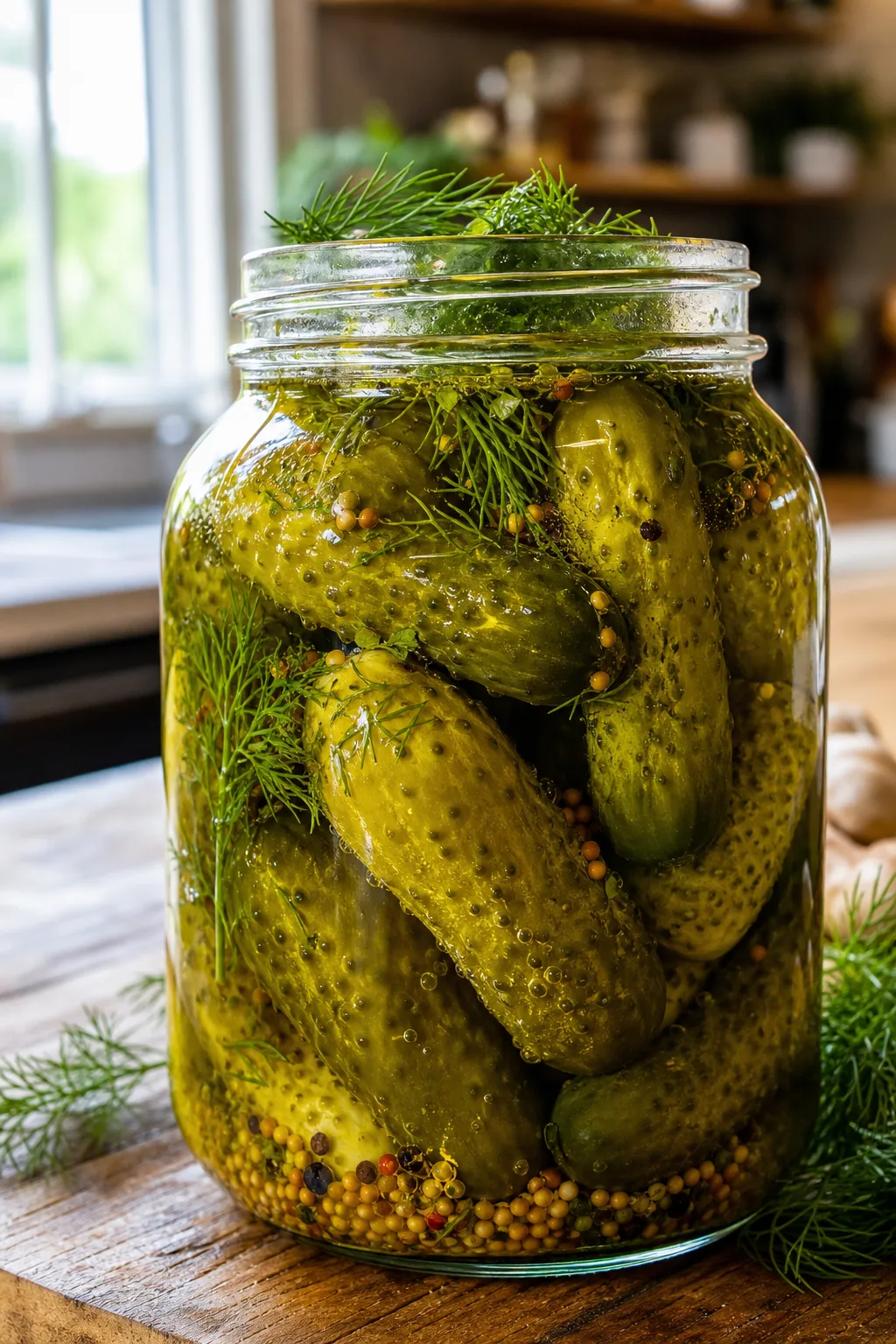
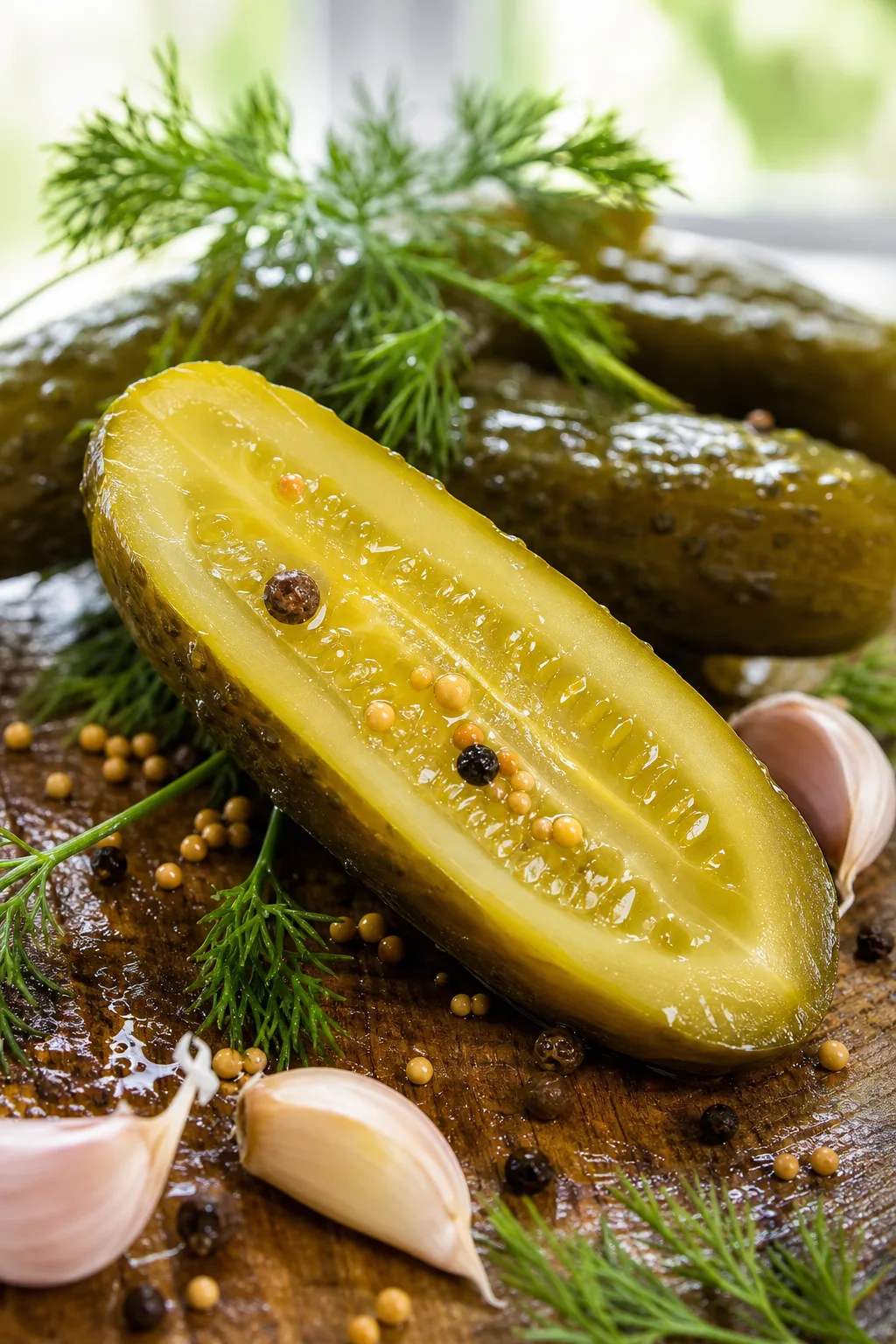
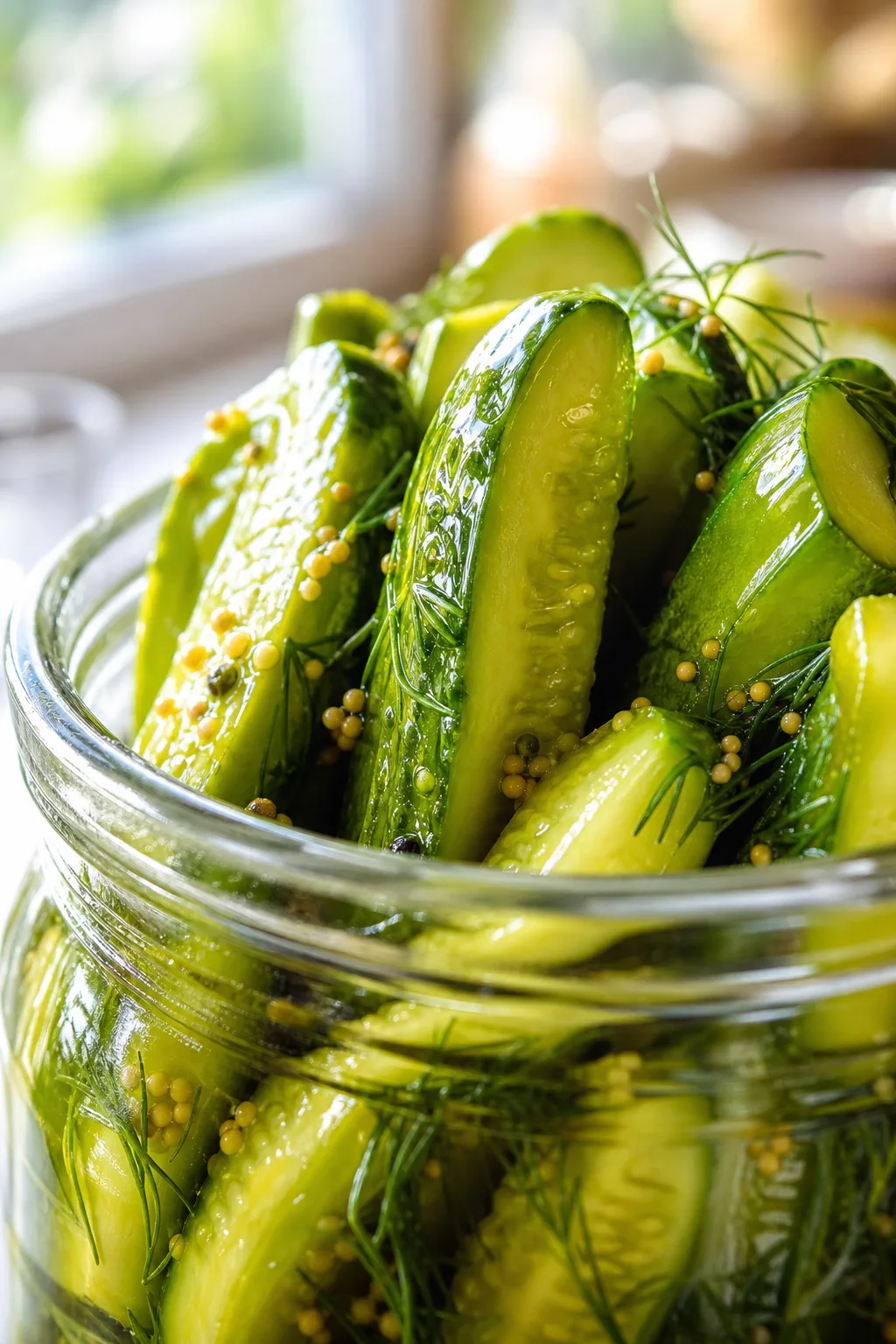
I first tried making pickles at home years ago when I wanted a fresher, crunchier alternative to what I found in stores. After a few trial runs, I landed on this easy recipe that’s become a favorite in my kitchen. What sets it apart is the simple brine with just the right balance of vinegar, salt, and a touch of sugar, plus fresh garlic and dill for that classic tangy flavor. I love that it doesn’t require any fancy equipment or long fermenting times — just a quick prep and a few days in the fridge. The pickles come out perfectly crisp, with a bright zing that livens up sandwiches, salads, or just as a satisfying snack. I’ve had friends tell me they can’t believe how easy it is, and that they’ll never buy store-bought again. One trick I use is to slice the cucumbers evenly so they pickle uniformly, and I always add a little sugar to balance the acidity without making them sweet. The finished pickles have a beautiful translucent green color with specks of mustard seeds and dill, and they stay crunchy for weeks. It’s a simple pleasure that feels like a little homemade magic in every bite.
What You'll Need
Approximately 4 cups of pickles, 4 servings
- 4 cups sliced cucumbers (about 4 medium cucumbers)
- 1 cup white vinegar
- 1 cup water
- 2 tablespoons kosher salt
- 1 tablespoon sugar
- 4 garlic cloves, smashed
- 2 teaspoons mustard seeds
- 1 teaspoon black peppercorns
- 4 sprigs fresh dill
How To Do It
Step 1
Start by washing and slicing your cucumbers into uniform spears or rounds, about 1/4 inch thick. Uniform slices ensure even pickling so every bite has the perfect crunch. Avoid slicing too thin or thick; thinner slices pickle faster but can get mushy, while thicker slices stay crisp but take longer to absorb flavor. Place the sliced cucumbers into a clean quart-sized jar or container with a tight-fitting lid.
⏱ Time: 10
✓ Doneness: Slices should be evenly cut, fresh looking with no bruising or soft spots.
Step 2
In a small saucepan, combine the vinegar, water, kosher salt, and sugar. Heat over medium until the salt and sugar dissolve completely, stirring occasionally. This creates a balanced brine that preserves the cucumbers and infuses them with flavor. Avoid boiling the mixture; just warm enough to dissolve the solids. Let the brine cool to room temperature before pouring over the cucumbers to avoid softening them prematurely.
⏱ Time: 10
✓ Doneness: Brine is clear, with no visible salt or sugar granules, cooled to room temperature.
Step 3
Add the smashed garlic cloves, mustard seeds, peppercorns, and fresh dill sprigs to the jar with the cucumbers. These aromatics add depth and complexity to the pickles. The garlic gives a subtle pungency, while the mustard seeds and peppercorns provide gentle heat and texture. Dill is classic for that fresh herbal note. You can adjust the amount of spices to your taste, but don’t skip them—they’re essential for authentic flavor.
⏱ Time: 5
✓ Doneness: Spices and herbs are evenly distributed among the cucumber slices.
Step 4
Pour the cooled brine over the cucumbers and spices, making sure they are fully submerged. If needed, press down gently with a clean utensil to release trapped air bubbles and ensure everything is covered. This prevents spoilage and promotes even pickling. Seal the jar tightly with its lid.
⏱ Time: 5
✓ Doneness: All cucumber slices are fully submerged with no floating pieces.
Step 5
Place the jar in the refrigerator and let the pickles sit for at least 24 hours before tasting. For best flavor and crunch, wait 3 to 5 days. The cold temperature slows fermentation and keeps the pickles crisp while allowing flavors to develop. Avoid opening the jar frequently during this time to maintain freshness.
⏱ Time: 1440
✓ Doneness: Pickles develop a bright tangy aroma and firm texture.
Step 6
After pickling, store the jar in the fridge and consume within 3 weeks for optimal freshness and crunch. The flavors will continue to mellow and deepen over time. Always use a clean utensil to remove pickles to avoid contamination.
⏱ Time: 0
✓ Doneness: Pickles remain firm and flavorful during storage.
Step 7
If you want to add a spicy kick, add a pinch of red pepper flakes or a sliced jalapeño to the jar along with the other spices. This variation adds a nice warmth without overpowering the classic pickle flavor.
⏱ Time: 0
✓ Doneness: Spicy notes are balanced and complement the tangy brine.
Step 8
For extra crunch, you can soak the cucumber slices in ice water for 30 minutes before pickling. This hydrates the cucumbers and tightens their cell walls, resulting in a snappier bite. Drain well before packing into the jar.
⏱ Time: 30
✓ Doneness: Cucumbers feel firm and crisp after soaking.
Step 9
Always label your jars with the date you made the pickles so you can keep track of freshness. Homemade pickles taste best within the first few weeks but can last longer if stored properly. Enjoy them as a snack, condiment, or sandwich topper!
⏱ Time: 0
✓ Doneness: Jar is clearly marked and stored in the fridge.
Pro Tips
Slice cucumbers uniformly for even pickling.
Uniform slices ensure that each piece absorbs the brine at the same rate, preventing some from being mushy while others remain bland. This consistency is key to achieving perfect texture and flavor throughout the batch.
Cool the brine before pouring over cucumbers.
Pouring hot brine can soften cucumbers prematurely, resulting in soggy pickles. Cooling the brine preserves the cucumbers’ crispness while still infusing flavor effectively during refrigeration.
Use a non-reactive container like glass or food-grade plastic.
Metal containers can react with the acidic brine, causing off-flavors and discoloration. Glass jars are ideal because they’re inert, easy to clean, and allow you to see the pickles as they develop.
Common Mistakes to Avoid
Using regular table salt instead of kosher salt.
Why it happens Many cooks assume all salts are interchangeable without adjusting quantities.
Fix If using table salt, reduce the amount by about half because it’s denser and saltier by volume. This prevents overly salty pickles and maintains the right balance in the brine.
Pouring hot brine directly on cucumbers.
Why it happens Some believe hot brine speeds up pickling and skip cooling.
Fix Always let the brine cool to room temperature before adding it to cucumbers to keep them crisp and prevent premature softening.
Variations
Spicy Pickles
Add sliced jalapeños or red pepper flakes to the jar for a spicy kick. This variation adds warmth and complexity without losing the classic tang. Great for those who love a little heat.
Note: Spicy elements can intensify over time, so start with small amounts and adjust after tasting.
Bread and Butter Pickles
Add more sugar and a pinch of turmeric to create a sweeter, milder pickle with a golden hue. These are perfect for sandwiches and burgers with a hint of sweetness balancing the tang.
Note: Increase sugar gradually and taste the brine before pouring to avoid overly sweet pickles.
Nutrition
Per Serving:
Nutritional values are estimates and may vary based on specific ingredients used.
Storage & Tips
Room Temperature
Pickles should not be stored at room temperature for safety. Always keep refrigerated after preparation to prevent spoilage.
Refrigerator
Store pickles in an airtight glass jar in the refrigerator for up to 3 weeks. They maintain their crunch and flavor best when chilled. Avoid leaving the jar open to prevent contamination.
Freezer
Freezing is not recommended as it breaks down cucumber texture, resulting in mushy pickles upon thawing.
Reheating
Pickles are best served cold or at room temperature. No reheating is needed or recommended.
Make Ahead
You can prepare the brine and slice cucumbers a day ahead, storing them separately in the fridge. Assemble and pour brine just before pickling to keep cucumbers crisp.
FAQ
Can I use regular cucumbers instead of pickling cucumbers?
You can, but pickling cucumbers are firmer and less watery, making them better for crisp pickles. Regular slicing cucumbers may result in softer, less crunchy pickles.
How long do homemade pickles last?
Stored properly in the refrigerator, homemade pickles last about 3 weeks. They may last longer but flavor and crunch decline over time.
Can I reuse the brine for another batch?
It’s best to make fresh brine each time. Reusing brine can lead to uneven flavor and potential spoilage due to bacteria from previous use.
Why are my pickles not crunchy?
Soft pickles usually result from using cucumbers that are too ripe, warm brine, or insufficient salt. Use fresh pickling cucumbers, cool brine, and kosher salt for best results.
Can I make pickles without vinegar?
Vinegar is essential for quick pickling to preserve and add tang. Without it, you’d need to ferment cucumbers over weeks, which is a different process.
Do I need to sterilize jars before pickling?
For quick refrigerator pickles, sterilizing jars is not mandatory but washing thoroughly with hot soapy water is important to avoid contamination.
How can I make pickles sweeter?
Add more sugar to the brine. Start with small increments and taste to avoid overpowering the tangy flavor.
Can I add other spices to the pickles?
Absolutely! Coriander seeds, bay leaves, or pepper flakes can add unique flavors. Just be mindful of balance so the pickles don’t get too spicy or bitter.
Final Thoughts
I hope you enjoy making these easy homemade pickles as much as my family does. They’re a simple, satisfying way to add crunch and flavor to your meals. Let me know how yours turn out!