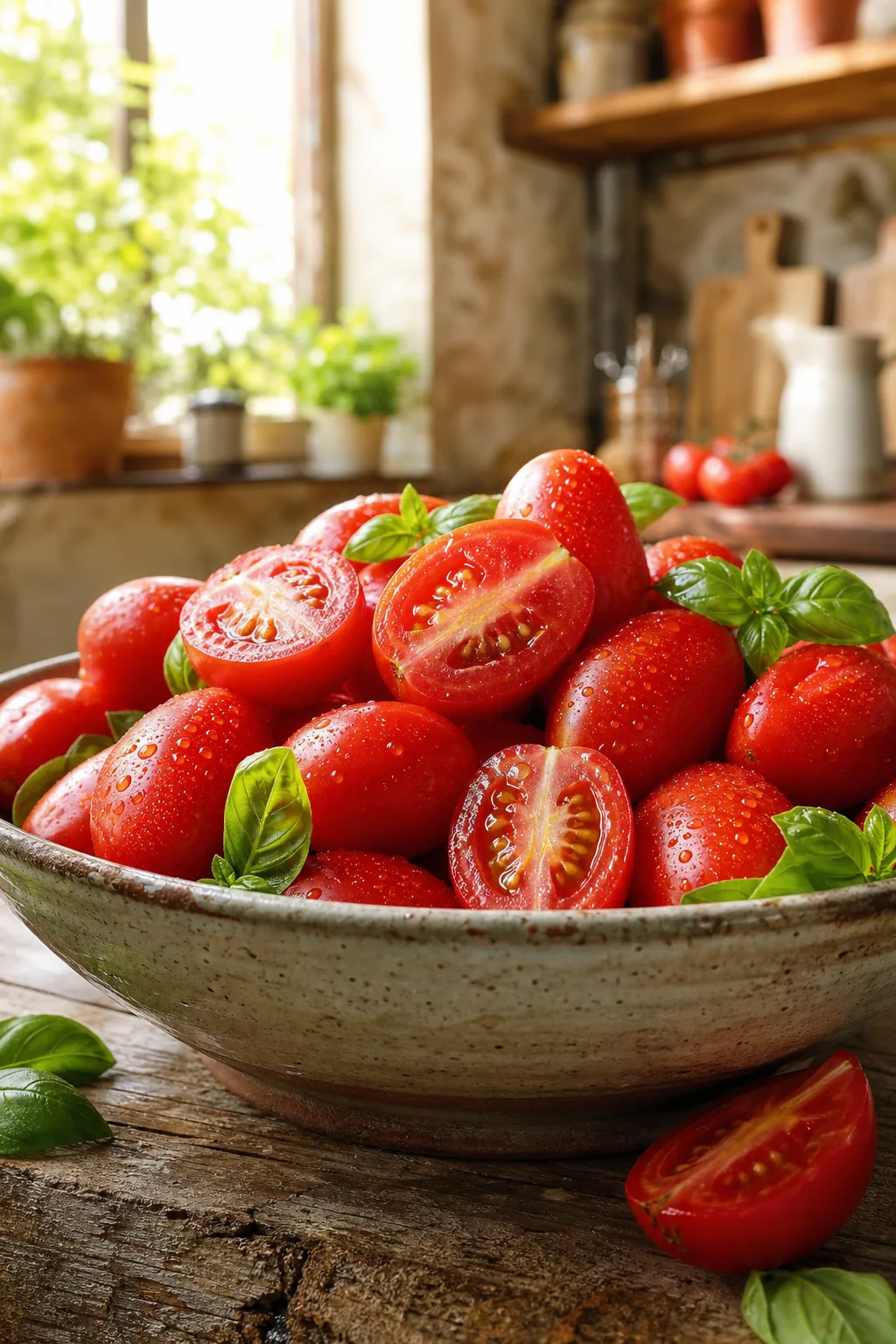
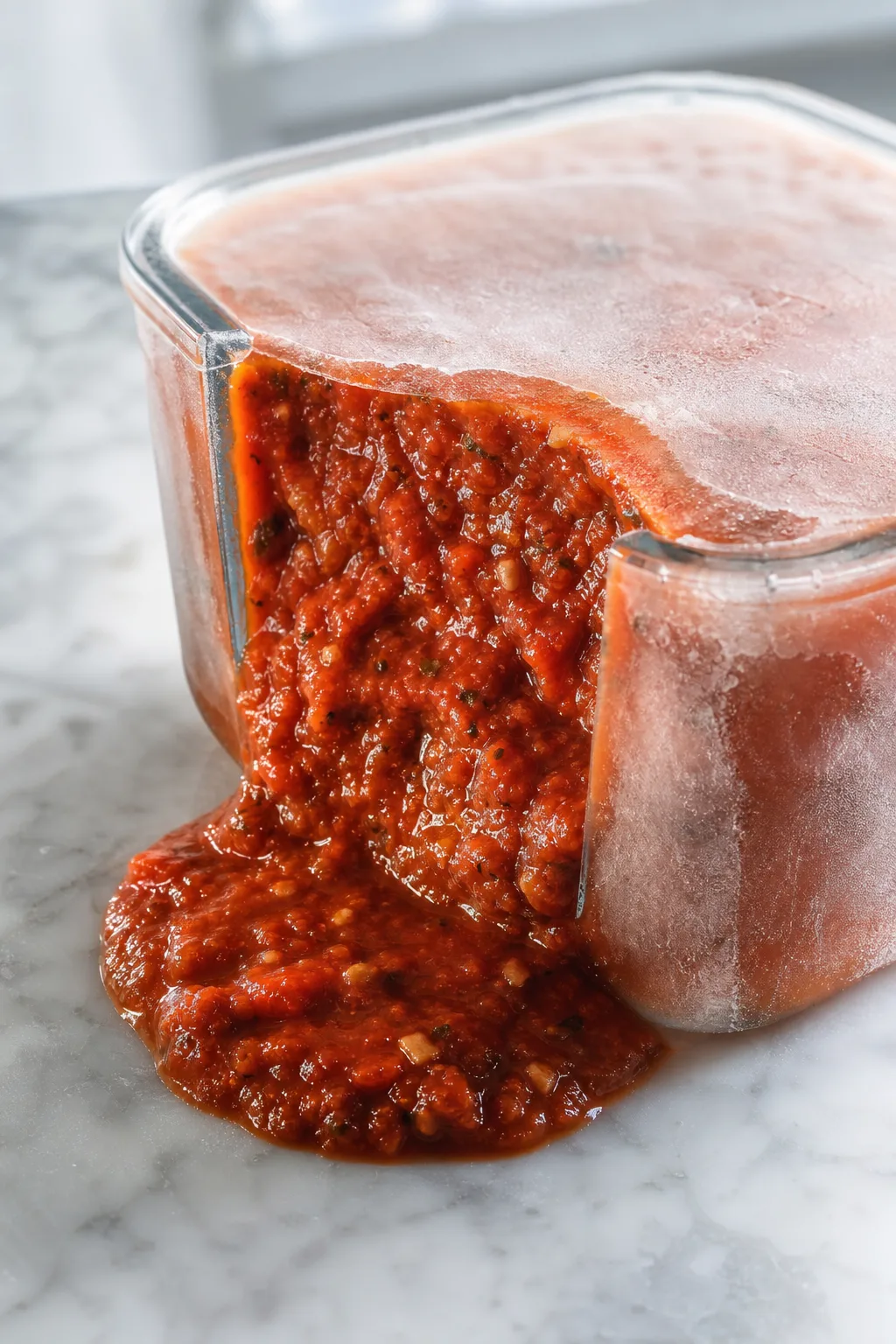
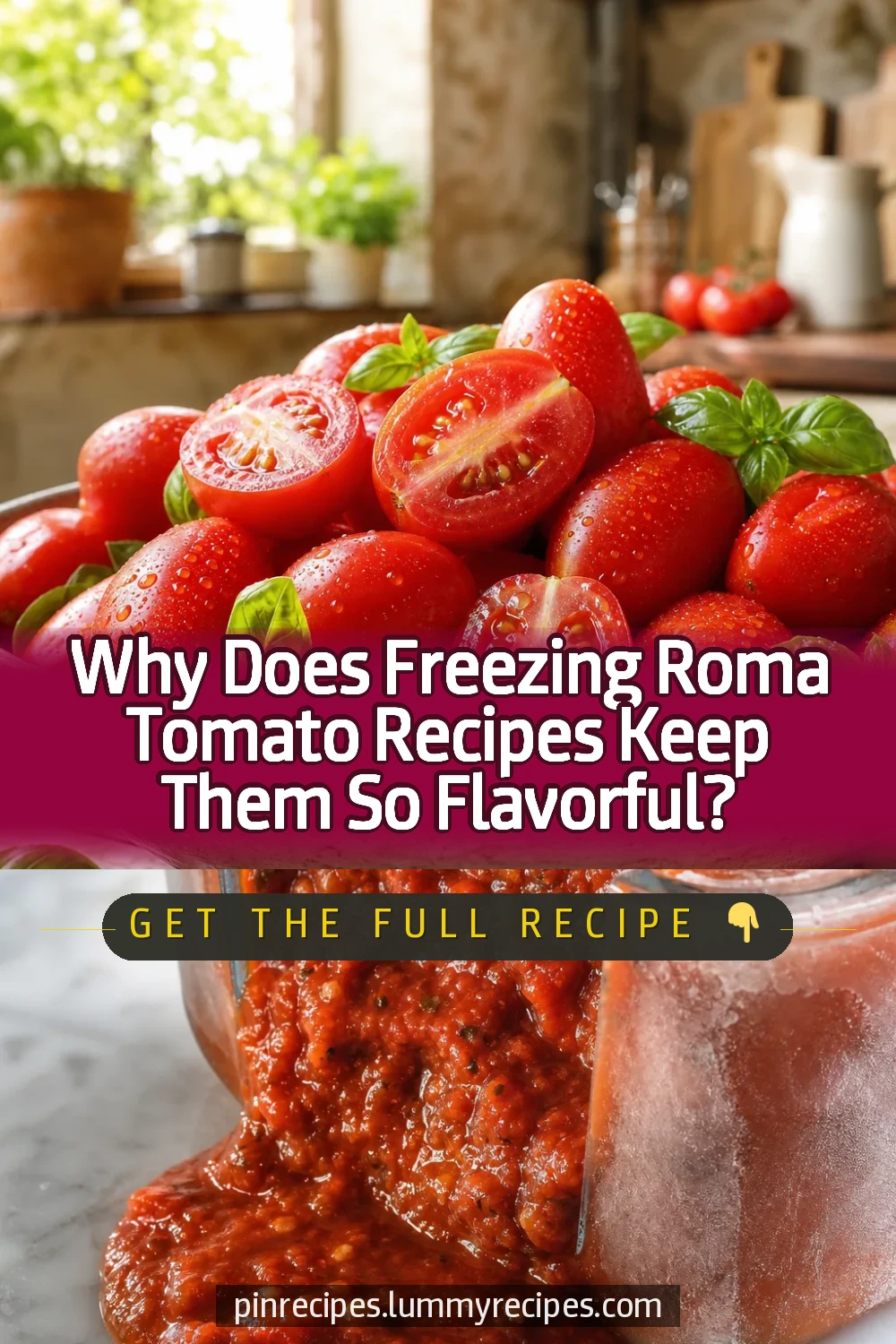
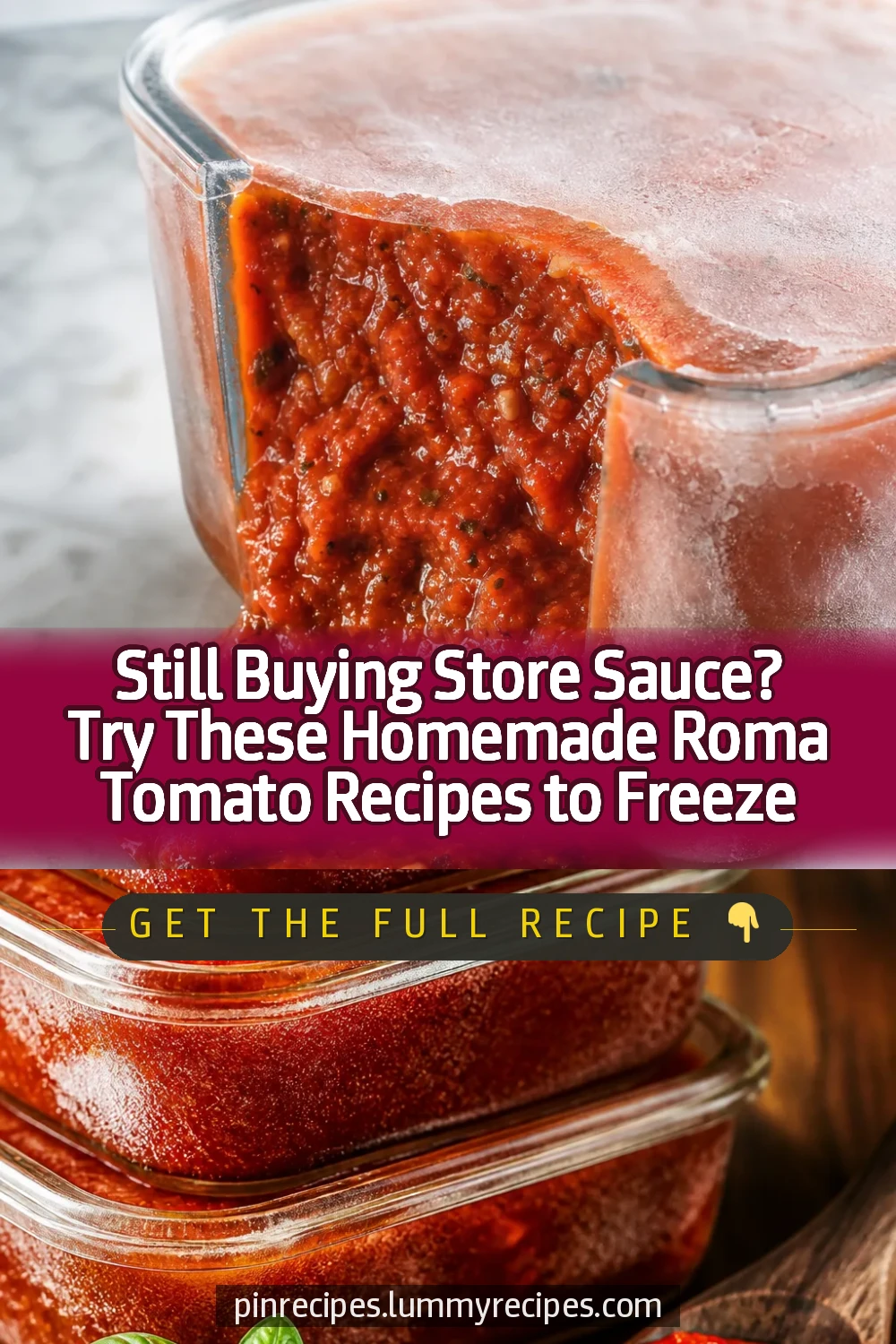
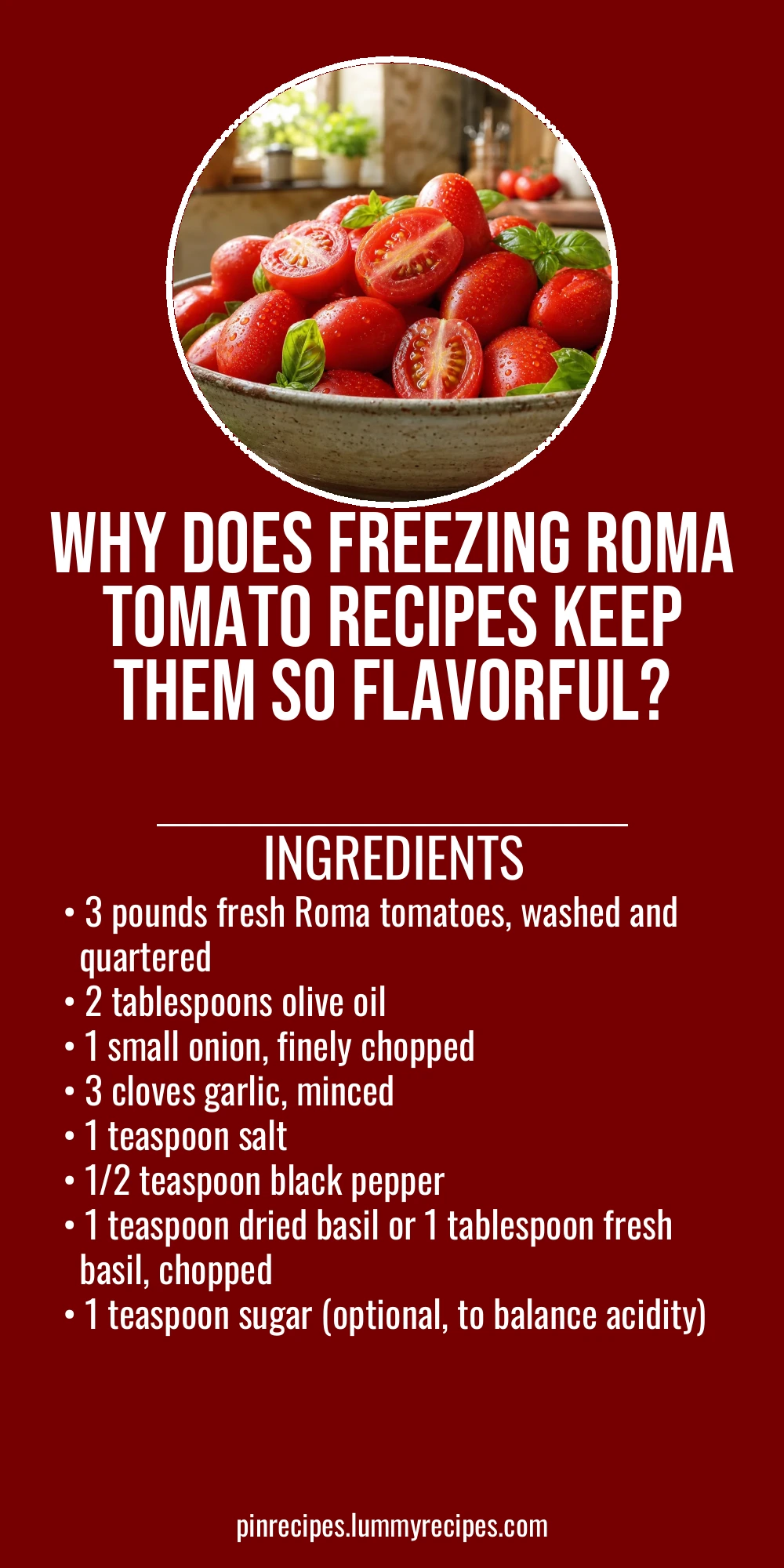
I love freezing homemade Roma tomato recipes because it locks in that fresh garden flavor all year round. This method preserves the juicy texture and vibrant taste perfectly. Great for quick weeknight dinners or meal prep!
Introduction
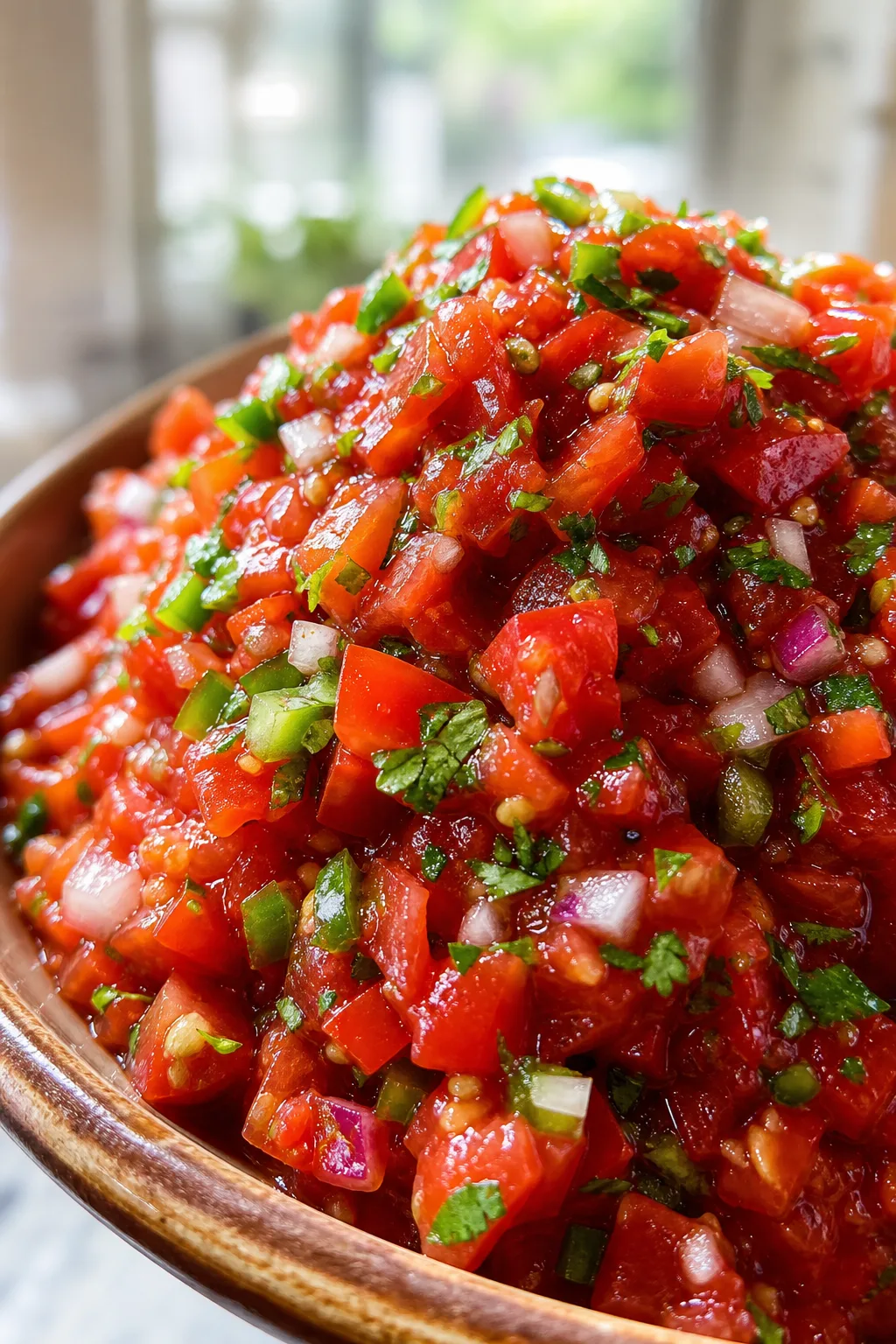
I’ve always loved Roma tomatoes for their dense flesh and rich flavor, perfect for making sauce. The first time I made this recipe, I was amazed at how well the tomatoes held up after freezing. Unlike watery sauces, this one stays thick and flavorful, thanks to a simple slow simmer that concentrates the taste. My secret is to roast the tomatoes slightly before simmering, which adds a subtle caramelized depth without overpowering the fresh tomato brightness. I usually make a big batch on Sunday, then freeze portions for quick weeknight meals. It’s a lifesaver when you want homemade flavor without the fuss. Plus, this sauce is versatile—great on pasta, pizza, or even as a base for soups. The finished sauce has that perfect balance of sweet and tangy with a hint of garlic and basil. I think once you try freezing your own Roma tomato recipes this way, you’ll never go back to store-bought again!
What You'll Need
Approximately 4 cups of tomato sauce, 4 servings
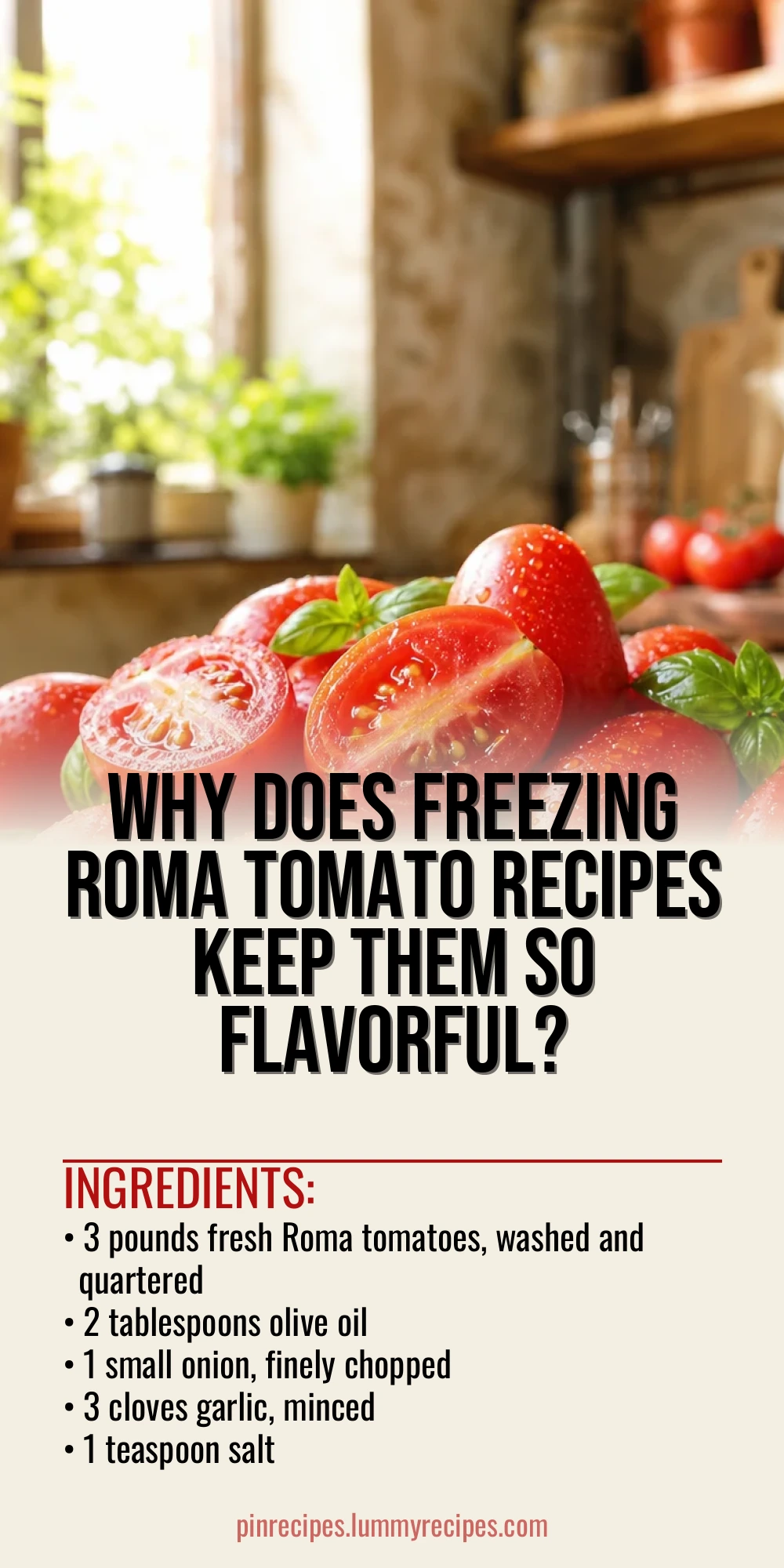
- 3 pounds fresh Roma tomatoes, washed and quartered
- 2 tablespoons olive oil
- 1 small onion, finely chopped
- 3 cloves garlic, minced
- 1 teaspoon salt
- 1/2 teaspoon black pepper
- 1 teaspoon dried basil or 1 tablespoon fresh basil, chopped
- 1 teaspoon sugar (optional, to balance acidity)
How To Do It
Step 1
Preheat your oven to 400°F. Place the quartered Roma tomatoes on a baking sheet lined with parchment paper. Drizzle with 1 tablespoon olive oil and sprinkle with salt. Roast the tomatoes for about 20 minutes until they soften and begin to caramelize. This roasting step intensifies the tomato flavor and reduces excess moisture, which helps create a thicker sauce later. Avoid skipping this step as it’s key for depth and richness.
⏱ Time: 20
✓ Doneness: Tomatoes should be soft, slightly shriveled with golden edges.
Step 2
While the tomatoes roast, heat the remaining 1 tablespoon olive oil in a large saucepan over medium heat. Add the chopped onion and sauté until translucent, about 5 minutes. Stir in the minced garlic and cook for another minute until fragrant. This builds a flavorful base for the sauce. Be careful not to burn the garlic as it will turn bitter.
⏱ Time: 6
✓ Doneness: Onions are soft and translucent; garlic aroma is noticeable but not burnt.
Step 3
Transfer the roasted tomatoes to the saucepan with the onions and garlic. Add black pepper, dried or fresh basil, and sugar if using. Bring the mixture to a gentle simmer over medium-low heat. Let it cook uncovered for 15-20 minutes, stirring occasionally. This simmering reduces the sauce, concentrating flavors and thickening it naturally. Rushing this step will result in a watery sauce.
⏱ Time: 20
✓ Doneness: Sauce is thickened, glossy, and coats the back of a spoon.
Step 4
Use an immersion blender directly in the pot to puree the sauce to your desired consistency. If you prefer chunkier sauce, pulse gently. For smoother sauce, blend longer. This step allows you to customize texture while keeping the sauce fresh and vibrant. Avoid over-blending or the sauce may become too thin.
⏱ Time: 5
✓ Doneness: Sauce texture matches your preference, smooth or slightly chunky.
Step 5
Taste the sauce and adjust seasoning with more salt or pepper if needed. Let the sauce cool to room temperature before transferring it to freezer-safe containers. Leaving it too hot can cause condensation and ice crystals in the freezer, which affects texture.
⏱ Time: 15
✓ Doneness: Sauce is cool to the touch and well seasoned.
Step 6
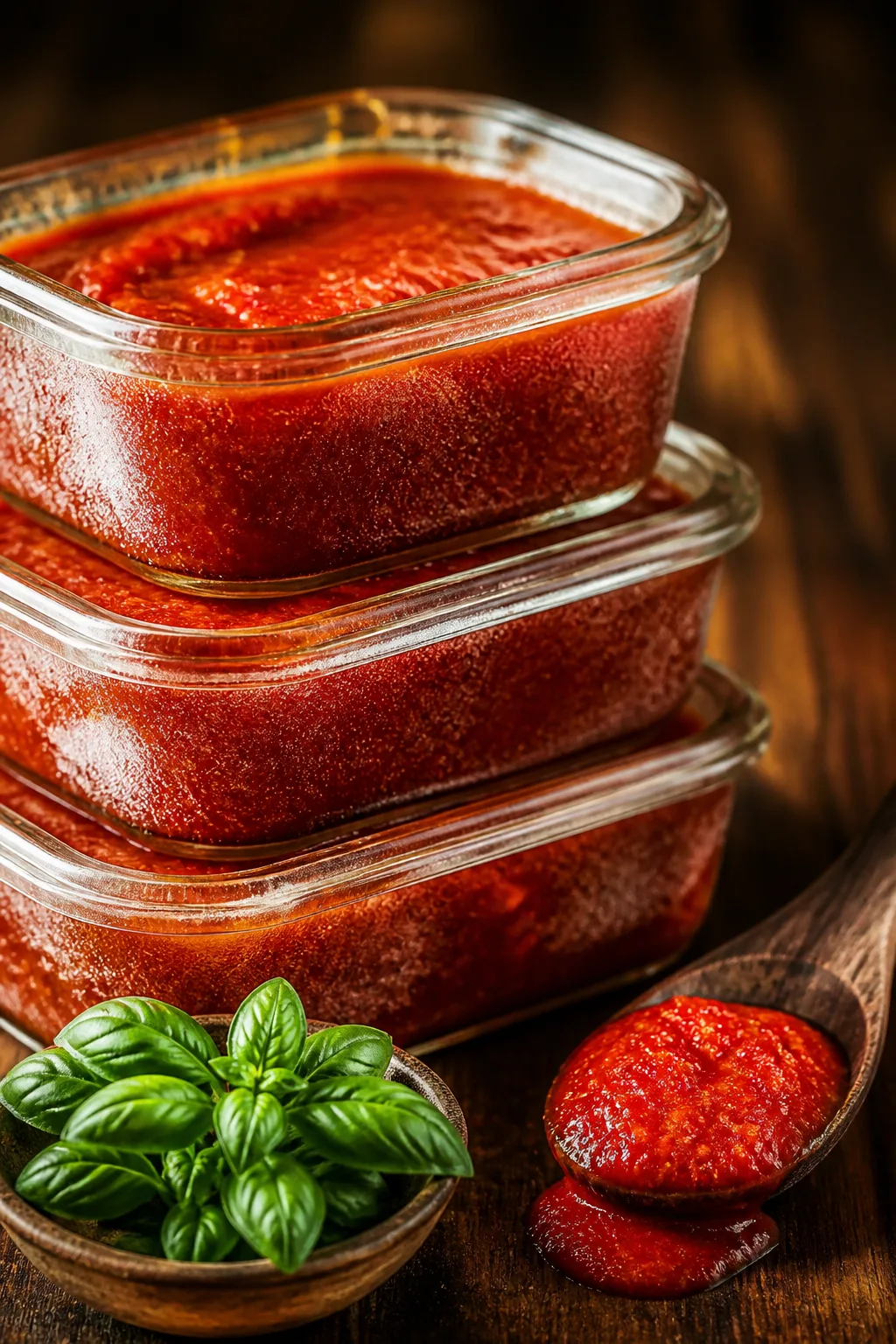
Pour the cooled sauce into airtight freezer containers or heavy-duty freezer bags. Label with the date and contents. Flatten bags to save space if using them. Proper packaging prevents freezer burn and preserves flavor. Avoid overfilling containers to allow for expansion during freezing.
⏱ Time: 10
✓ Doneness: Containers are sealed tightly with no air pockets.
Step 7
Freeze the sauce flat for at least 4 hours or until solid. When ready to use, thaw overnight in the refrigerator or gently warm in a saucepan over low heat. Stir occasionally to restore the sauce’s original texture. Avoid microwaving frozen sauce directly as it can heat unevenly.
⏱ Time: 240
✓ Doneness: Sauce is fully thawed, heated through, and smooth.
Step 8
Use the sauce as a base for pasta dishes, pizza toppings, or add to soups and stews. It freezes well without losing the fresh tomato flavor or texture, making it a versatile staple in your freezer. Enjoy the convenience and taste of homemade whenever you want!
⏱ Time: 5
✓ Doneness: Sauce integrates well with dishes, rich and flavorful.
Step 9
For longer storage, check containers periodically for freezer burn or off smells. Properly frozen sauce can last up to 6 months. Rotate your freezer stock to use the oldest batches first and keep your meals tasting fresh.
⏱ Time: 2
✓ Doneness: Sauce remains vibrant in color and aroma over time.
Pro Tips
Roast the tomatoes skin-side up for better caramelization.
Roasting tomatoes skin-side up exposes more surface area to the heat, encouraging caramelization of natural sugars. This intensifies the tomato flavor and reduces excess moisture, resulting in a thicker, richer sauce after simmering.
Cool the sauce completely before freezing to avoid condensation.
Freezing hot sauce traps steam inside containers, which later forms ice crystals and affects texture. Cooling fully ensures a better freeze, preserving the sauce’s smooth consistency and flavor integrity.
Use airtight containers or heavy-duty freezer bags for storage.
Proper sealing prevents freezer burn, which dries out the sauce and dulls its flavor. Airtight packaging keeps the sauce fresh longer and maintains its vibrant color and aroma after thawing.
Label containers with date and contents for easy rotation.
Keeping track of when you froze each batch helps you use older sauce first, ensuring you enjoy it at its best quality. It also prevents waste and keeps your freezer organized.
Don’t over-blend the sauce if you prefer texture.
Blending too much breaks down the tomatoes excessively, making the sauce thinner and less satisfying. Pulsing gently preserves some chunky tomato pieces, adding a homemade feel.
Add fresh herbs after thawing for a bright finish.
Herbs lose potency when frozen, so stirring in fresh basil or parsley after reheating revitalizes the sauce’s flavor and aroma, making it taste fresher.
Use a wide, shallow pan for simmering to speed evaporation.
A wider surface area allows moisture to evaporate faster, thickening the sauce evenly. This concentrates flavors and reduces cooking time, preserving brightness.
Common Mistakes to Avoid
Freezing the sauce while it’s still hot.
Why it happens Many cooks want to save time and freeze immediately after cooking, not realizing that trapped steam causes ice crystals.
Fix Always let the sauce cool completely to room temperature before freezing. This prevents condensation inside containers, which protects texture and flavor.
Skipping the roasting step.
Why it happens Some assume simmering alone is enough for flavor, but raw tomatoes lack depth.
Fix Roast tomatoes first to caramelize sugars and reduce moisture. This step is essential for a rich, thick sauce.
Using low-quality or watery tomatoes.
Why it happens Sometimes tomatoes are chosen based on price or availability rather than quality.
Fix Select firm, ripe Roma tomatoes with minimal blemishes. Avoid overripe or watery varieties to ensure a flavorful sauce.
Not sealing containers properly.
Why it happens Rushing the freezing process or using unsuitable containers leads to freezer burn.
Fix Use airtight containers or freezer bags, remove excess air, and seal tightly to maintain freshness.
Over-blending the sauce.
Why it happens Trying to achieve a perfectly smooth texture can thin the sauce too much.
Fix Blend just enough to your preferred consistency, preserving some texture for a more satisfying sauce.
Variations
Spicy Roma Tomato Sauce
Add red pepper flakes or a diced jalapeño during the sauté step for a spicy kick. This variation adds warmth without overpowering the fresh tomato flavor, perfect for those who like a little heat.
Note: Adjust the amount of chili to control spiciness; simmering mellows the heat, so add a bit more if you want it bold.
Creamy Roma Tomato Sauce
Stir in a splash of heavy cream or coconut milk after simmering for a luscious, creamy texture. This version pairs wonderfully with pasta and adds richness without losing tomato brightness.
Note: Add cream off heat and warm gently to avoid curdling; use full-fat dairy for best results.
Chunky Roma Tomato Sauce with Veggies
Include diced bell peppers, carrots, and celery sautéed with onions for extra texture and nutrition. This hearty sauce works well for family meals and freezes just as well.
Note: Cook vegetables until soft before adding tomatoes to ensure tenderness in the final sauce.
Herb-Infused Roma Tomato Sauce
Add fresh rosemary or thyme sprigs during simmering for a fragrant herbal note. Remove herbs before freezing for a clean flavor that brightens dishes.
Note: Herbs release oils during cooking; avoid overcooking to prevent bitterness.
Garlic-Roasted Roma Tomato Sauce
Roast whole garlic cloves alongside tomatoes for a mellow, sweet garlic flavor that infuses the sauce naturally. This method softens garlic’s sharpness and adds depth.
Note: Squeeze roasted garlic from skins before blending for smooth integration.
Nutrition
Per Serving:
Nutritional values are estimates and vary based on ingredient brands and portion sizes.
Storage & Tips
Room Temperature
The sauce should not be left at room temperature for more than 2 hours to avoid bacterial growth. Once cooled, transfer to airtight containers immediately before freezing.
Refrigerator
Store leftover sauce in an airtight container in the fridge for up to 4 days. The flavor may deepen but the sauce can thicken; stir gently before serving. It’s best reheated gently on the stove.
Freezer
Freeze sauce in airtight containers or freezer bags for up to 6 months. Avoid freezer burn by removing as much air as possible. Thaw overnight in the fridge for best texture.
Reheating
Reheat sauce on the stovetop over low heat, stirring occasionally. Add a splash of water or broth if it’s too thick. Avoid microwaving frozen sauce directly to prevent uneven heating.
Make Ahead
Make the sauce fully, cool completely, and freeze in portioned containers up to 1 month ahead. You can also roast and simmer tomatoes a day ahead and freeze the sauce fresh the next day for optimal flavor.
FAQ
Can I freeze Roma tomato sauce without roasting the tomatoes first?
You can freeze without roasting, but the sauce will be less flavorful and more watery. Roasting caramelizes the tomatoes’ natural sugars and reduces moisture, resulting in a richer, thicker sauce that freezes better and tastes fresher when reheated.
How long does homemade frozen tomato sauce last in the freezer?
Properly stored in airtight containers, homemade tomato sauce can last up to 6 months in the freezer. Beyond that, it may lose flavor and develop freezer burn. Labeling your containers with dates helps keep track of freshness.
What’s the best way to thaw frozen Roma tomato sauce?
The best method is to thaw the sauce overnight in the refrigerator. This ensures even thawing and maintains texture. For quicker thawing, place the sealed container in a bowl of cold water, changing water every 30 minutes.
Can I add fresh herbs before freezing the sauce?
It’s better to add fresh herbs after thawing or near the end of cooking. Freezing and reheating fresh herbs often dulls their flavor and changes texture. Dried herbs can be added before freezing as they hold up better.
Is it safe to refreeze thawed tomato sauce?
Refreezing thawed tomato sauce is not recommended because it can degrade texture and increase risk of bacterial growth. If you have leftovers after thawing, store them in the fridge and consume within 3-4 days.
Can I freeze tomato sauce in ice cube trays for small portions?
Yes, freezing sauce in ice cube trays is a great way to portion small amounts for recipes. Once frozen, transfer cubes to a freezer bag. This method saves space and allows you to thaw exactly what you need.
How do I prevent freezer burn on my tomato sauce?
Use airtight containers or heavy-duty freezer bags, remove as much air as possible before sealing, and freeze promptly after cooling. Freezer burn occurs when moisture escapes and dries out the sauce, so proper packaging is key.
Can I use canned Roma tomatoes instead of fresh for this recipe?
Canned Roma tomatoes can be used in a pinch, but fresh tomatoes provide a brighter, fresher flavor and better texture. If using canned, reduce added salt and skip the roasting step since canned tomatoes are already cooked.
Final Thoughts
I hope you enjoy making and freezing this homemade Roma tomato sauce as much as I do. It’s a simple way to keep fresh flavors on hand for busy days. Let me know how your batch turns out!