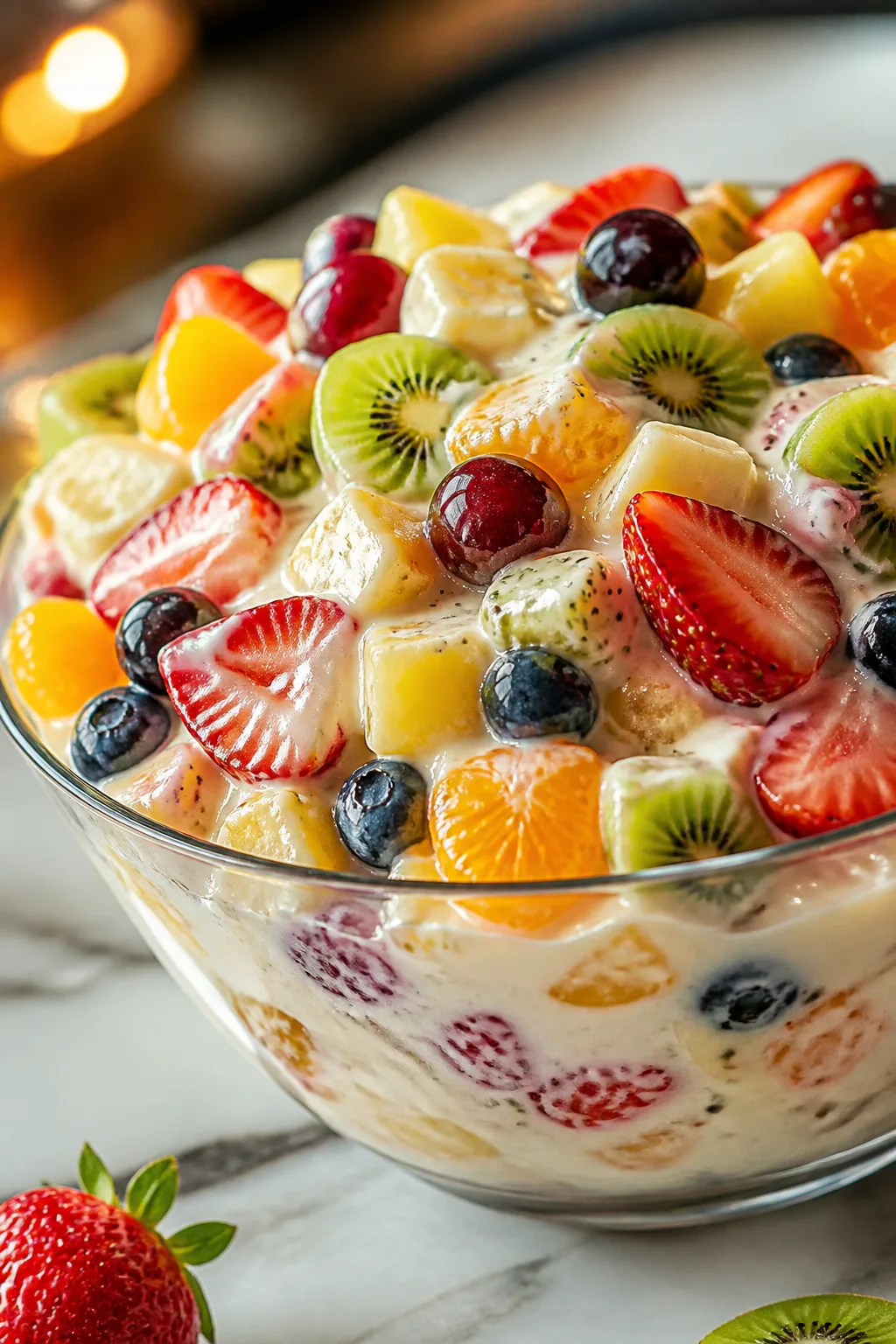
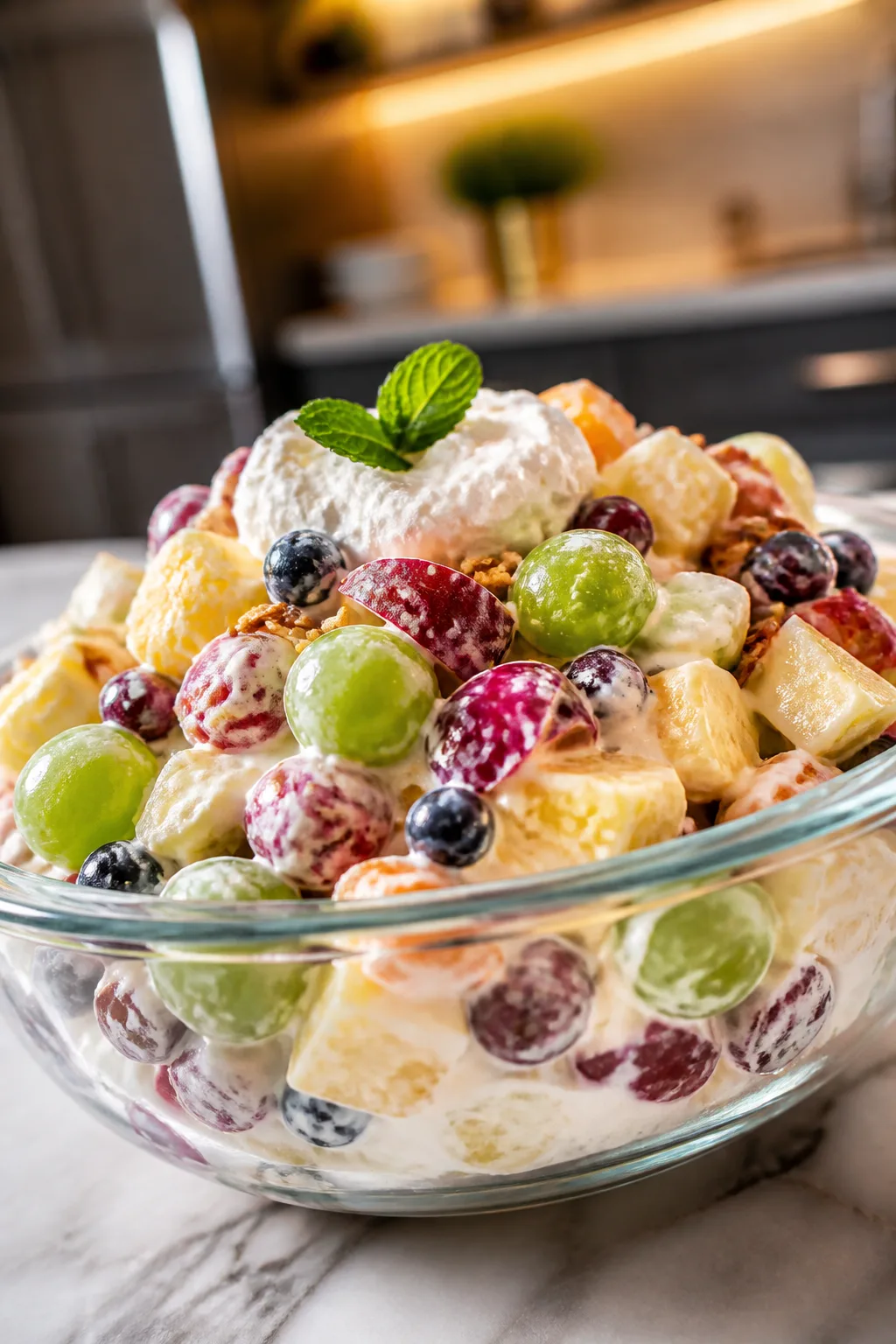
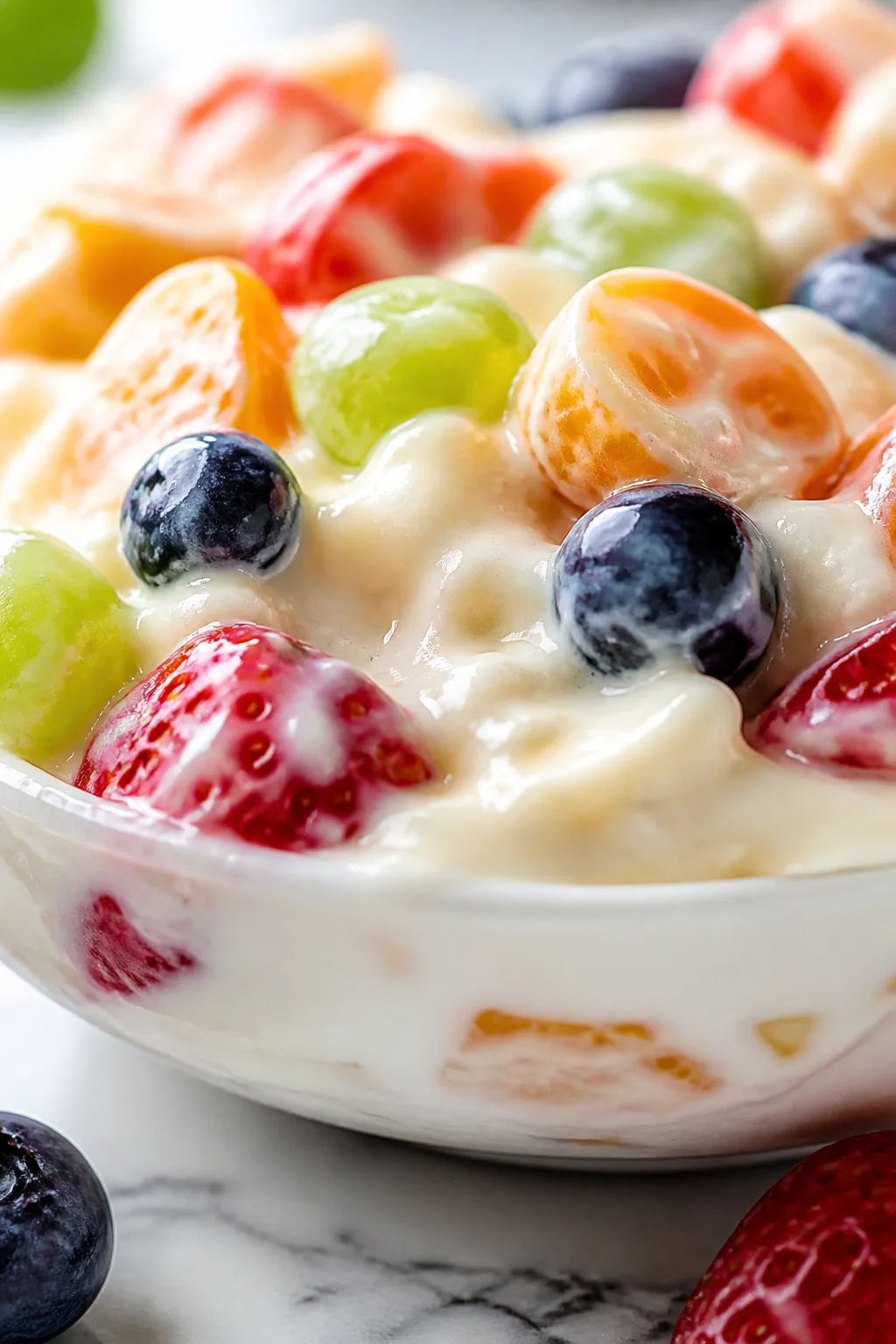
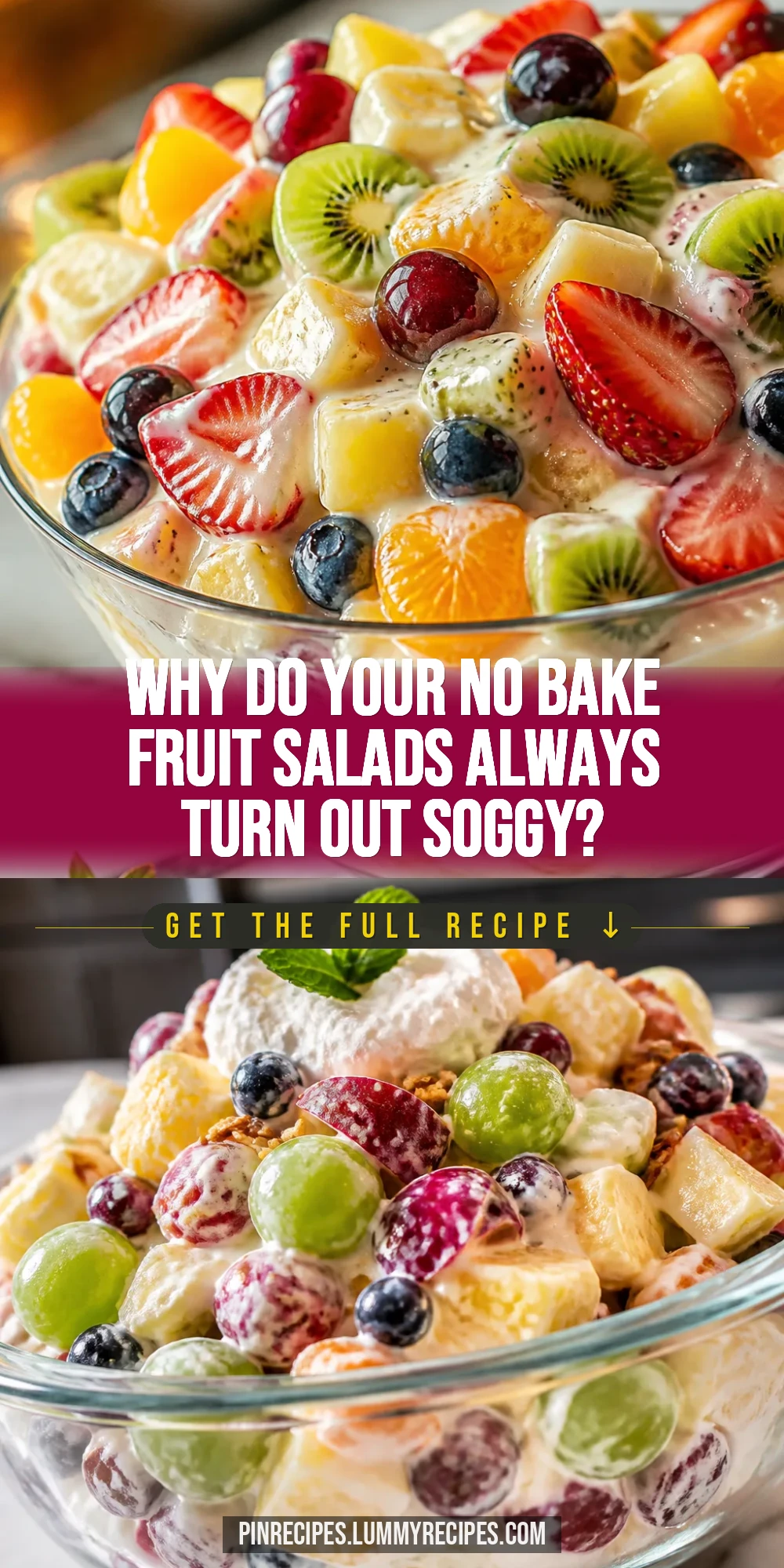
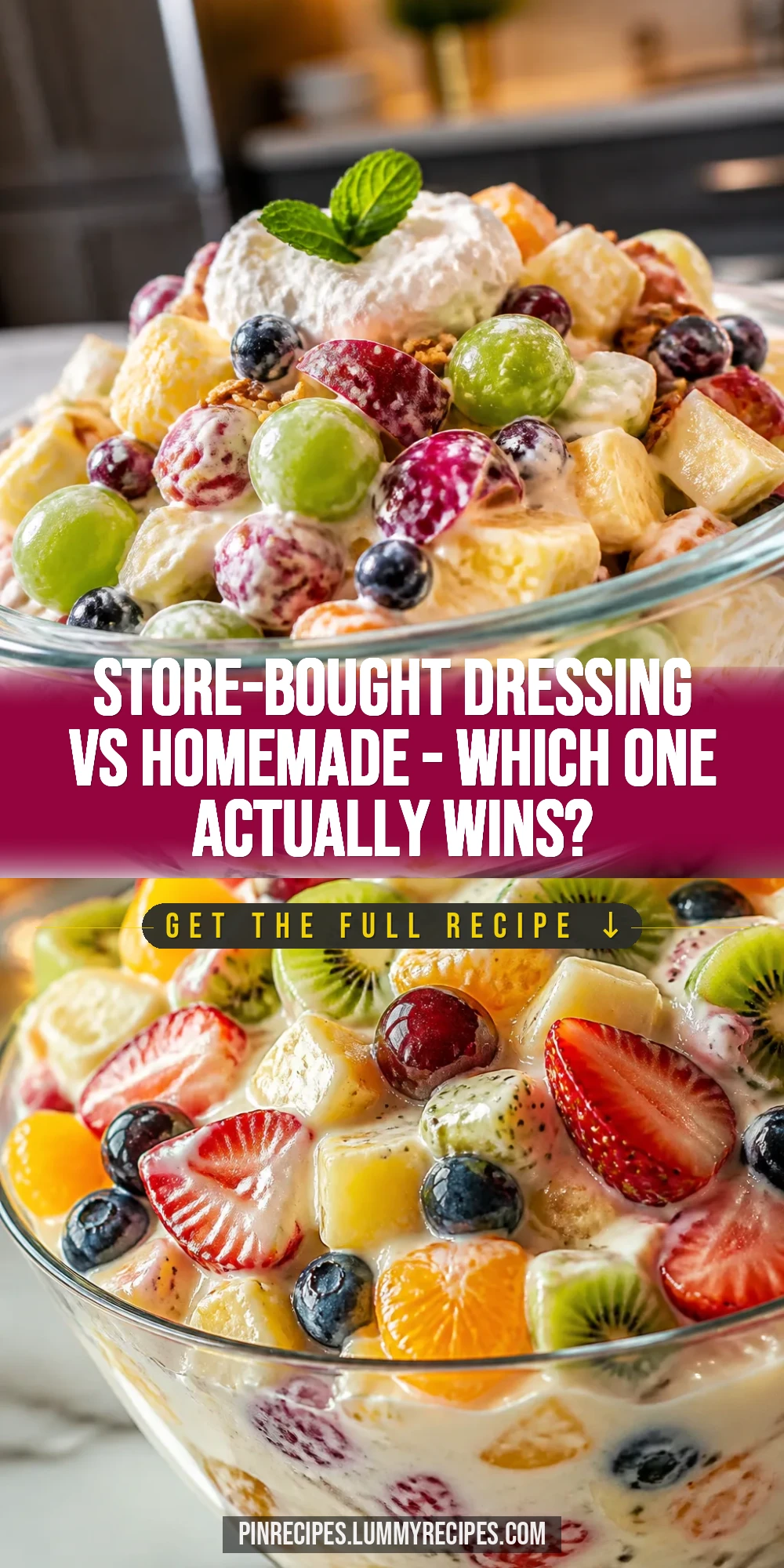
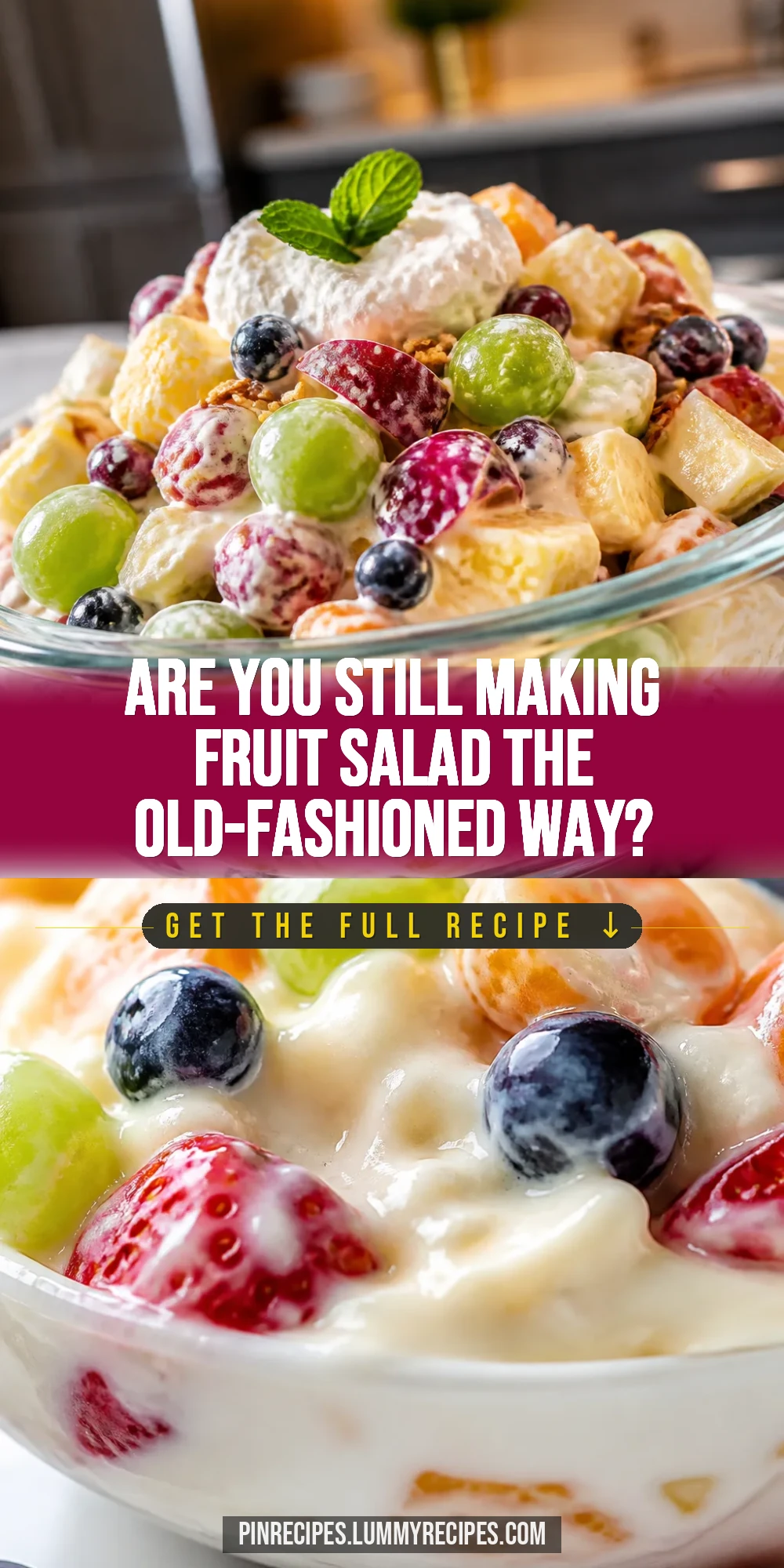
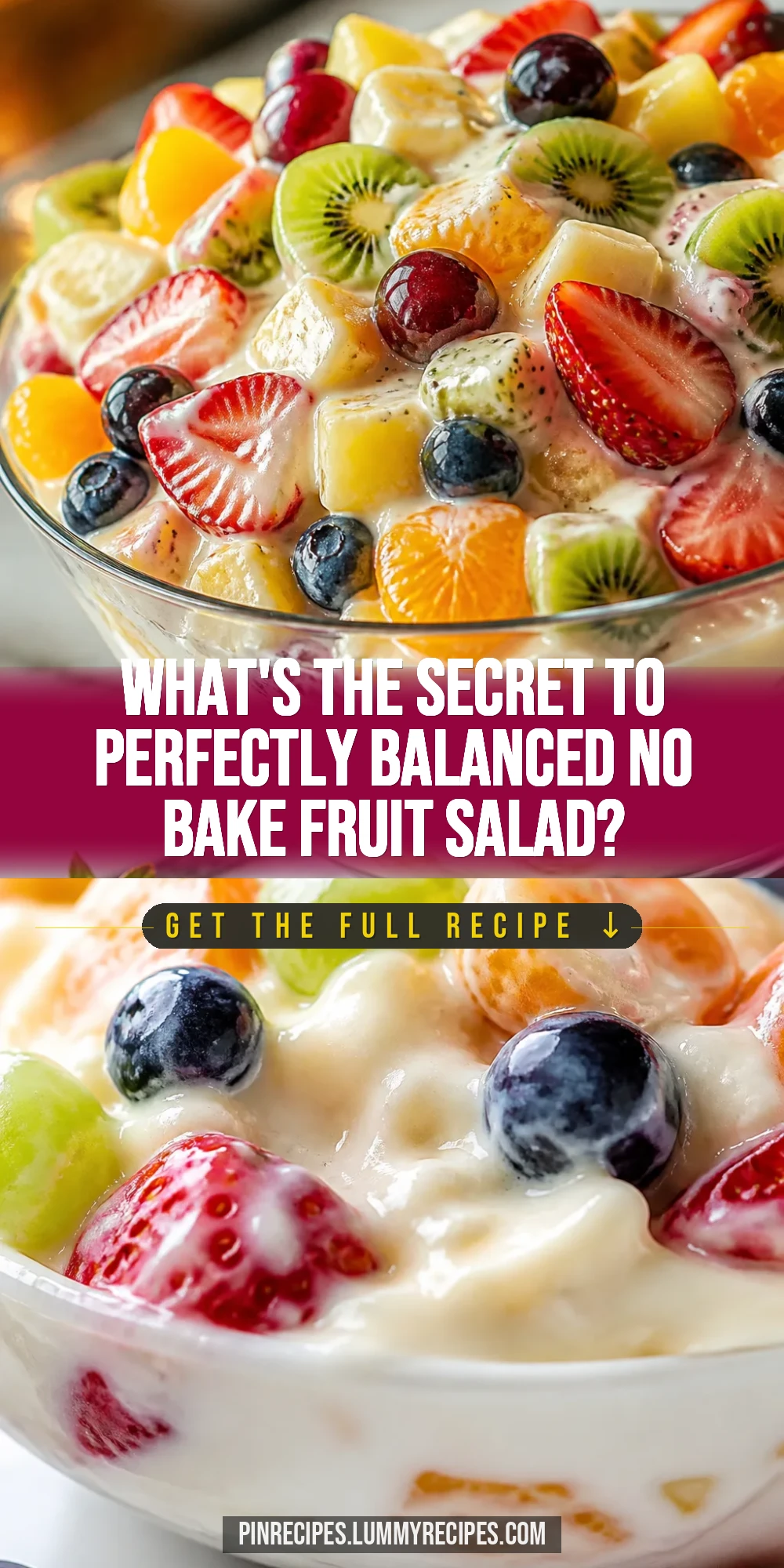
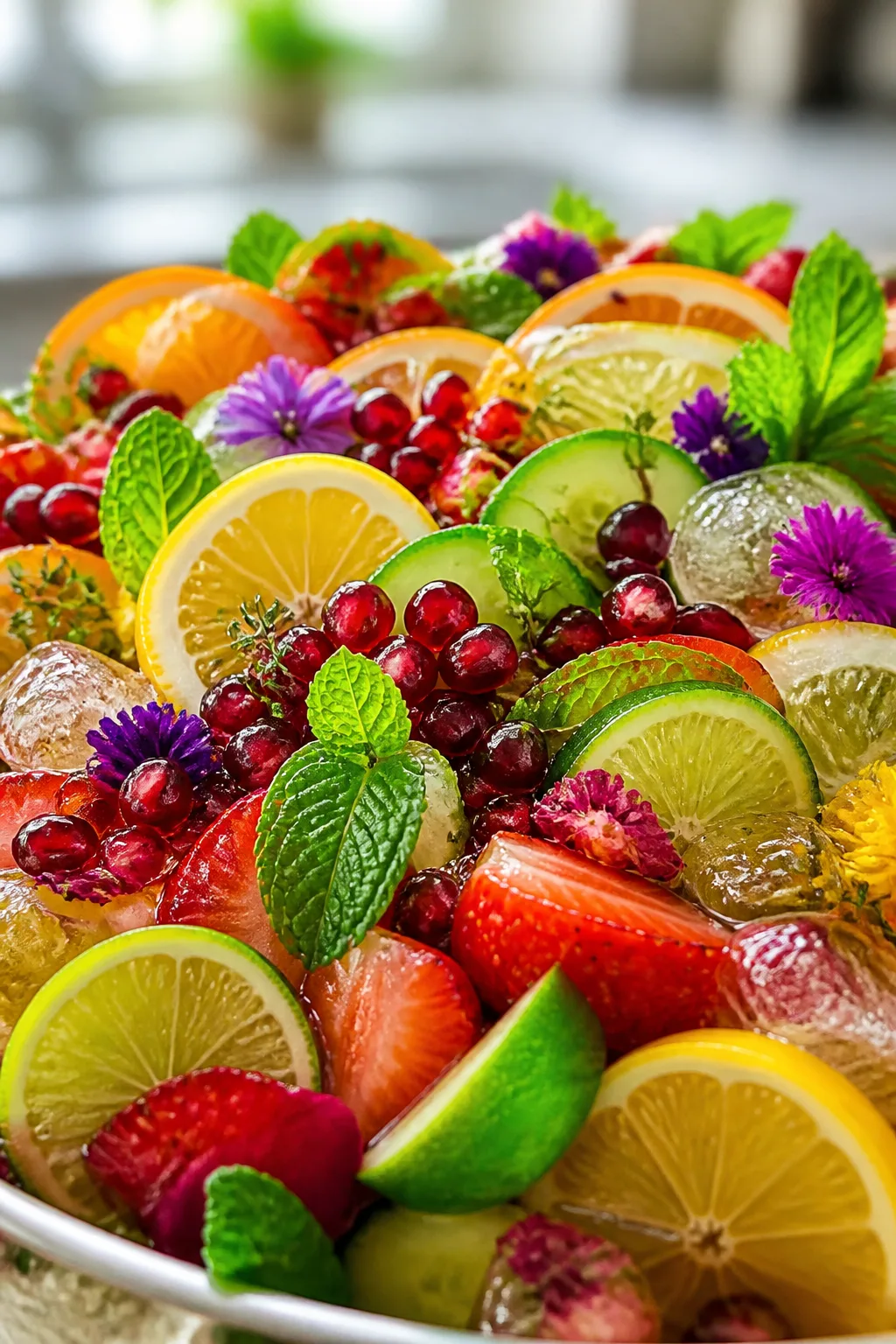
This no bake fruit salad is a simple, fresh way to enjoy seasonal fruits without turning on the oven. I love adding a splash of citrus juice to brighten the flavors. Perfect for a quick snack or a light dessert on warm days!
Introduction
I first discovered this no bake fruit salad recipe during a summer family picnic years ago, and it quickly became a favorite in our household. What I love most is how effortlessly it comes together—no oven, no fuss, just fresh fruit and a few simple ingredients. Unlike other fruit salads that can get soggy or overly sweet, this version balances natural fruit flavors with a touch of fresh lemon juice and optional honey to brighten and enhance each bite. The secret is in using ripe, seasonal fruits and gently tossing them with the dressing right before serving to keep everything vibrant and crisp. It’s perfect for hot days when you want something light, refreshing, and wholesome. Plus, it’s a crowd-pleaser that’s great for potlucks, family dinners, or even a quick snack. I’ve tried many fruit salads over the years, but this one stands out because it feels homemade and fresh without any complicated steps. If you love fruit and want a healthy dessert or snack that’s ready in minutes, this recipe is a keeper. I hope you enjoy it as much as my family does!
What You'll Need
Approximately 5 cups, 4 servings
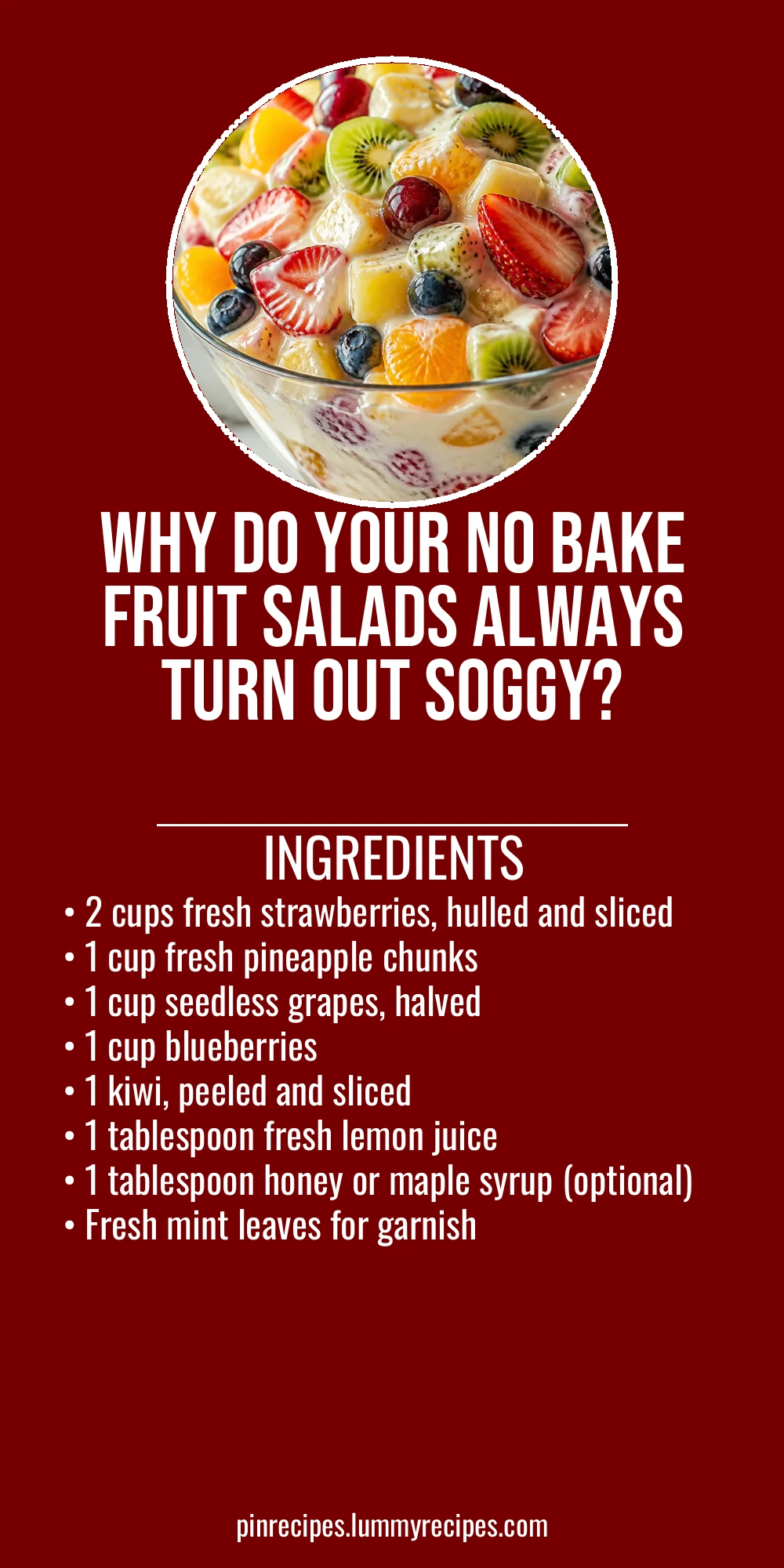
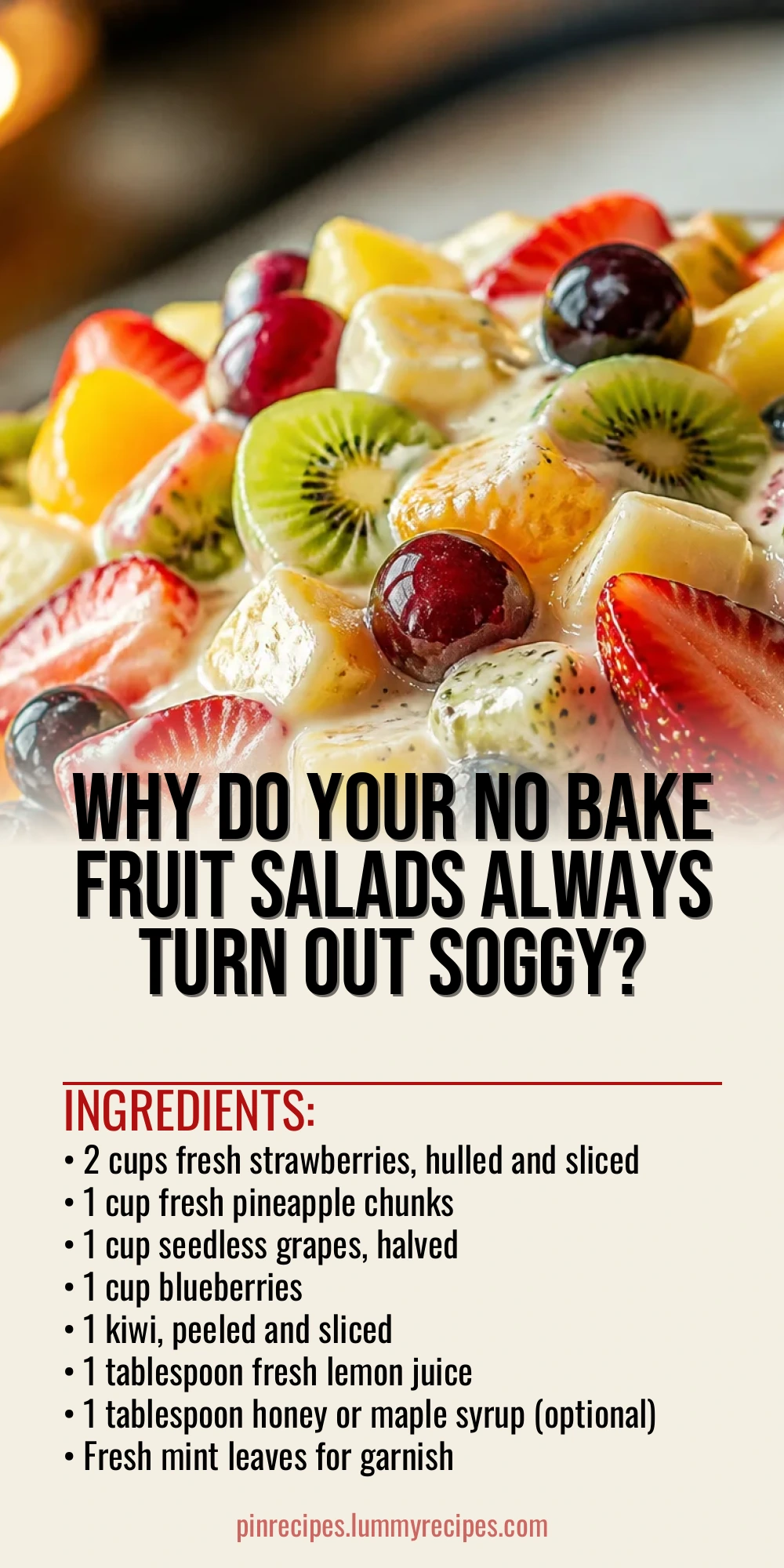
- 2 cups fresh strawberries, hulled and sliced
- 1 cup fresh pineapple chunks
- 1 cup seedless grapes, halved
- 1 cup blueberries
- 1 kiwi, peeled and sliced
- 1 tablespoon fresh lemon juice
- 1 tablespoon honey or maple syrup (optional)
- Fresh mint leaves for garnish
How To Do It
Step 1
Start by washing all your fresh fruits thoroughly under cold water. This removes any dirt or residues and ensures your salad is clean and safe to eat. After washing, carefully hull and slice the strawberries, peel and slice the kiwi, halve the grapes, and cut the pineapple into bite-sized chunks. Preparing the fruit uniformly helps with even mixing and makes the salad look inviting. Avoid cutting the fruit too early to prevent juice leakage that can make the salad watery.
⏱ Time: 10
✓ Doneness: Fruit pieces are clean, evenly cut, and ready to combine without excess juice pooling.
Step 2
In a large mixing bowl, gently combine all the prepared fruit. Drizzle fresh lemon juice over the fruit to add brightness and prevent browning, especially for the kiwi and pineapple. If you like a touch of sweetness, add honey or maple syrup and toss everything lightly to coat. Be careful not to overmix, as this can crush the delicate fruit and release too much juice. The lemon juice also acts as a natural preservative, keeping the salad fresh longer.
⏱ Time: 5
✓ Doneness: Fruit is evenly coated with dressing, with a fresh citrus aroma and no crushed pieces.
Step 3
Cover the bowl with plastic wrap and refrigerate the fruit salad for at least 10 minutes before serving. This chilling time allows the flavors to meld and the salad to cool, which makes it more refreshing. However, avoid leaving it too long as the fruit may start to release excess juice and become soggy. Serving chilled also enhances the texture and taste, especially on warm days.
⏱ Time: 10
✓ Doneness: Salad is chilled but fruit remains firm and juicy.
Step 4
Just before serving, gently toss the salad again to redistribute any juices and garnish with fresh mint leaves for a pop of color and refreshing aroma. Mint adds a subtle herbal note that complements the fruit perfectly. Serve immediately for best texture and flavor.
⏱ Time: 2
✓ Doneness: Salad looks vibrant with fresh mint and has a balanced, fresh aroma.
Step 5
If you want to add a creamy twist, consider folding in a few spoonfuls of Greek yogurt or a splash of coconut milk. This adds richness without overpowering the fruit’s natural sweetness. Mix gently to keep the fruit intact.
⏱ Time: 3
✓ Doneness: Creamy addition is evenly mixed without crushing the fruit.
Step 6
For extra texture, sprinkle toasted nuts or seeds like almonds or chia seeds on top just before serving. This adds a pleasant crunch and nutritional boost. Avoid adding these too early to prevent them from becoming soggy.
⏱ Time: 2
✓ Doneness: Toppings are fresh, crunchy, and evenly distributed.
Step 7
If using frozen fruit instead of fresh, thaw completely and drain any excess liquid before mixing to avoid a watery salad. Frozen fruit can work well but requires careful handling to maintain texture.
⏱ Time: 15
✓ Doneness: Frozen fruit is thawed and drained with minimal excess moisture.
Step 8
Taste the salad before serving and adjust sweetness or acidity if needed by adding a little more honey or lemon juice. This final adjustment ensures the salad suits your personal preference and the fruit’s natural ripeness.
⏱ Time: 2
✓ Doneness: Flavor is balanced, fresh, and appealing to your taste.
Step 9
Serve the fruit salad in chilled bowls or glasses to keep it cool longer. This small detail enhances the eating experience, especially on hot days or outdoor gatherings.
⏱ Time: 1
✓ Doneness: Salad is served cold and looks inviting.
Pro Tips
Use the freshest, ripest fruit you can find for the best flavor and texture.
Ripe fruit has higher natural sugars and better texture, making the salad sweet and juicy without added sugar. Overripe fruit can become mushy and watery, which ruins the salad’s texture.
Add lemon juice just before serving to keep fruit colors bright and prevent browning.
Lemon juice contains antioxidants that slow enzymatic browning, especially in fruits like kiwi and pineapple. Adding it too early can make the salad soggy.
Toss the fruit gently to avoid crushing and releasing too much juice.
Overmixing breaks down fruit cells, leading to a watery salad and loss of texture. Gentle tossing preserves the integrity of each fruit piece.
Chill the salad for at least 10 minutes before serving to meld flavors.
Cooling allows the fruit juices and dressing to blend, enhancing the overall taste without compromising texture.
Add crunchy toppings like toasted nuts just before serving for texture contrast.
Crunchy elements add variety and prevent the salad from feeling one-dimensional. Adding them too early causes sogginess.
Use a sharp knife to cut fruit cleanly without bruising.
Clean cuts reduce juice leakage and keep fruit pieces looking fresh and appetizing.
Serve in chilled bowls or glasses to keep the salad cool longer.
Cold serving dishes help maintain the salad’s refreshing temperature, especially important on warm days.
Common Mistakes to Avoid
Cutting fruit too far in advance.
Why it happens Many cooks prep fruit early to save time but don’t realize this causes juices to leak and fruit to brown.
Fix Cut fruit just before mixing and serving. If you must prep early, store cut fruit in an airtight container with lemon juice to slow browning.
Overmixing the fruit salad.
Why it happens Trying to evenly coat fruit can lead to vigorous stirring that crushes delicate fruit pieces.
Fix Use gentle folding motions to combine ingredients. Stop mixing as soon as dressing is evenly distributed.
Using canned or syrup-packed fruit.
Why it happens Canned fruit is convenient but often too sweet and watery, which dilutes the salad’s fresh flavor.
Fix Opt for fresh or frozen fruit that’s thawed and drained. Fresh fruit provides better texture and natural sweetness.
Skipping the lemon juice.
Why it happens Some skip lemon juice to avoid tartness but miss its important role in flavor balance and browning prevention.
Fix Add a small amount of fresh lemon juice to brighten flavors and keep fruit looking fresh.
Adding crunchy toppings too early.
Why it happens Toppings like nuts become soggy if mixed in too soon.
Fix Add crunchy toppings just before serving to maintain texture.
Variations
Creamy No Bake Fruit Salad
Stir in a half cup of Greek yogurt or coconut cream for a creamy texture that adds richness without overpowering the fruit. This version feels more like a dessert and is great for those who want a bit more indulgence.
Note: Add creamy ingredients gently at the end to avoid crushing fruit and keep salad fresh.
Tropical No Bake Fruit Salad
Include mango, papaya, and shredded coconut for a tropical twist. The sweetness and texture differences create an exotic flavor profile perfect for summer parties.
Note: Use ripe tropical fruits and adjust lemon juice to balance their sweetness.
No Bake Citrus Fruit Salad
Focus on citrus fruits like oranges, grapefruit, and tangerines with a honey-lime dressing. This variation is tangy and refreshing, ideal for a light breakfast or brunch.
Note: Segment citrus carefully to avoid bitterness from membranes and seeds.
Berry Medley No Bake Fruit Salad
Use a mix of strawberries, blueberries, raspberries, and blackberries for a colorful, antioxidant-rich salad. Add a splash of balsamic vinegar for depth of flavor.
Note: Handle berries gently as they bruise easily and release juice quickly.
No Bake Fruit Salad with Mint and Ginger
Add finely chopped fresh ginger and mint leaves to the salad for a spicy, refreshing kick that elevates the simple fruit combination.
Note: Add ginger sparingly to avoid overpowering the fruit.
Nutrition
Per Serving:
Nutritional values are estimates and may vary based on specific ingredients used.
Storage & Tips
Room Temperature
No bake fruit salad can be kept at room temperature for up to 2 hours if covered, but it’s best served chilled to maintain freshness and texture.
Refrigerator
Store in an airtight container in the fridge for up to 2 days. The fruit may release more juice and soften, so gently stir before serving. Best enjoyed cold.
Freezer
Freezing is not recommended as it alters the texture of fresh fruit and causes sogginess upon thawing.
Reheating
No reheating needed or recommended. Serve chilled or at room temperature.
Make Ahead
Prep and cut fruit up to a day ahead, storing separately with lemon juice to prevent browning. Mix and dress the salad just before serving for best results.
FAQ
Can I use frozen fruit instead of fresh?
Yes, but thaw frozen fruit completely and drain excess liquid before mixing. Frozen fruit tends to be softer, so handle gently to avoid mushiness. Fresh fruit usually gives a better texture and flavor.
How long does this fruit salad last in the fridge?
It keeps well for up to 2 days in an airtight container. After that, the fruit may become watery and lose texture. Stir gently before serving to redistribute juices.
Can I add a creamy dressing to this salad?
Absolutely! Adding Greek yogurt or coconut cream can create a creamy version. Just fold it in gently at the end to keep the fruit intact and fresh.
What fruits work best for this salad?
Use a mix of firm, ripe fruits like strawberries, pineapple, grapes, kiwi, and blueberries. Avoid overly soft fruits that break down quickly, like bananas, unless eaten immediately.
Why is lemon juice important in this recipe?
Lemon juice brightens the flavor and prevents fruits like kiwi and pineapple from browning due to oxidation. It also balances sweetness and acts as a natural preservative.
Can I prepare this salad a day in advance?
You can prep and cut the fruit a day ahead, storing it in separate containers with lemon juice. Mix and dress the salad just before serving to maintain freshness.
Is it okay to add nuts or seeds?
Yes, adding toasted nuts or seeds just before serving adds crunch and nutrition. Avoid adding them too early to prevent sogginess.
How can I prevent the salad from becoming watery?
Cut fruit just before mixing, toss gently, and avoid overmixing. Chill the salad briefly before serving and add crunchy toppings last.
Final Thoughts
I hope you give this easy no bake fruit salad a try soon—it’s such a fresh, simple way to enjoy fruit any time. Let me know how it turns out for you!