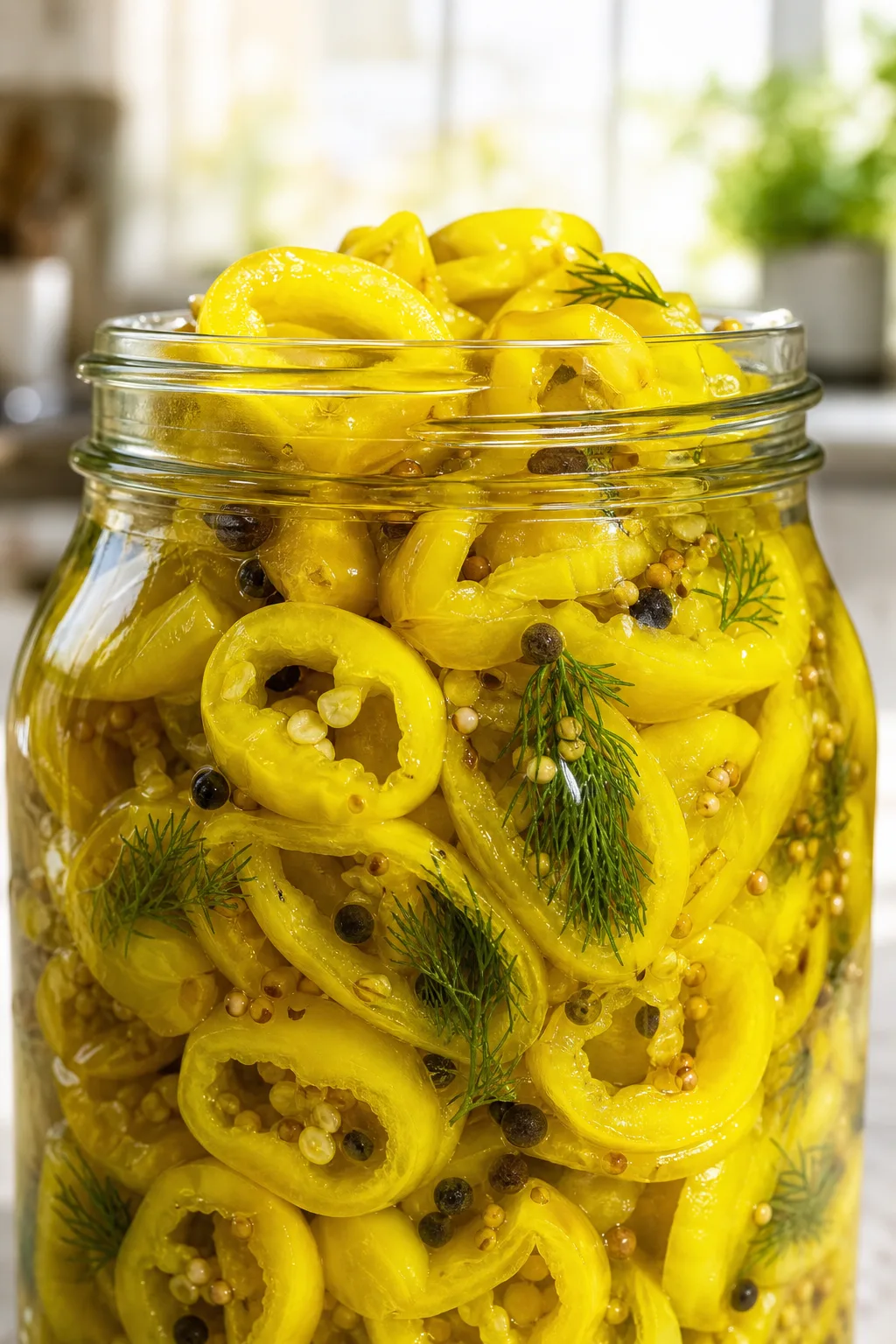
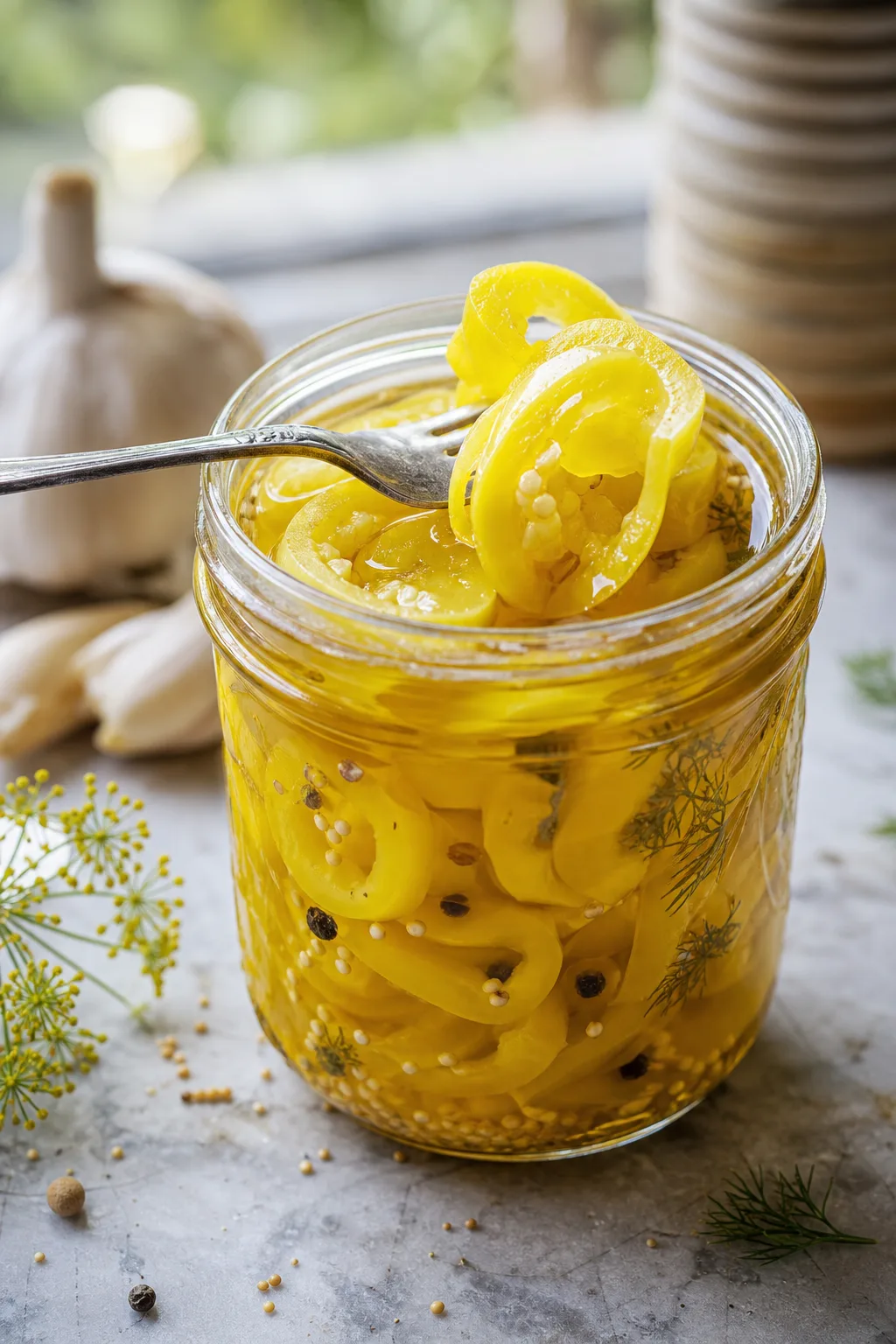
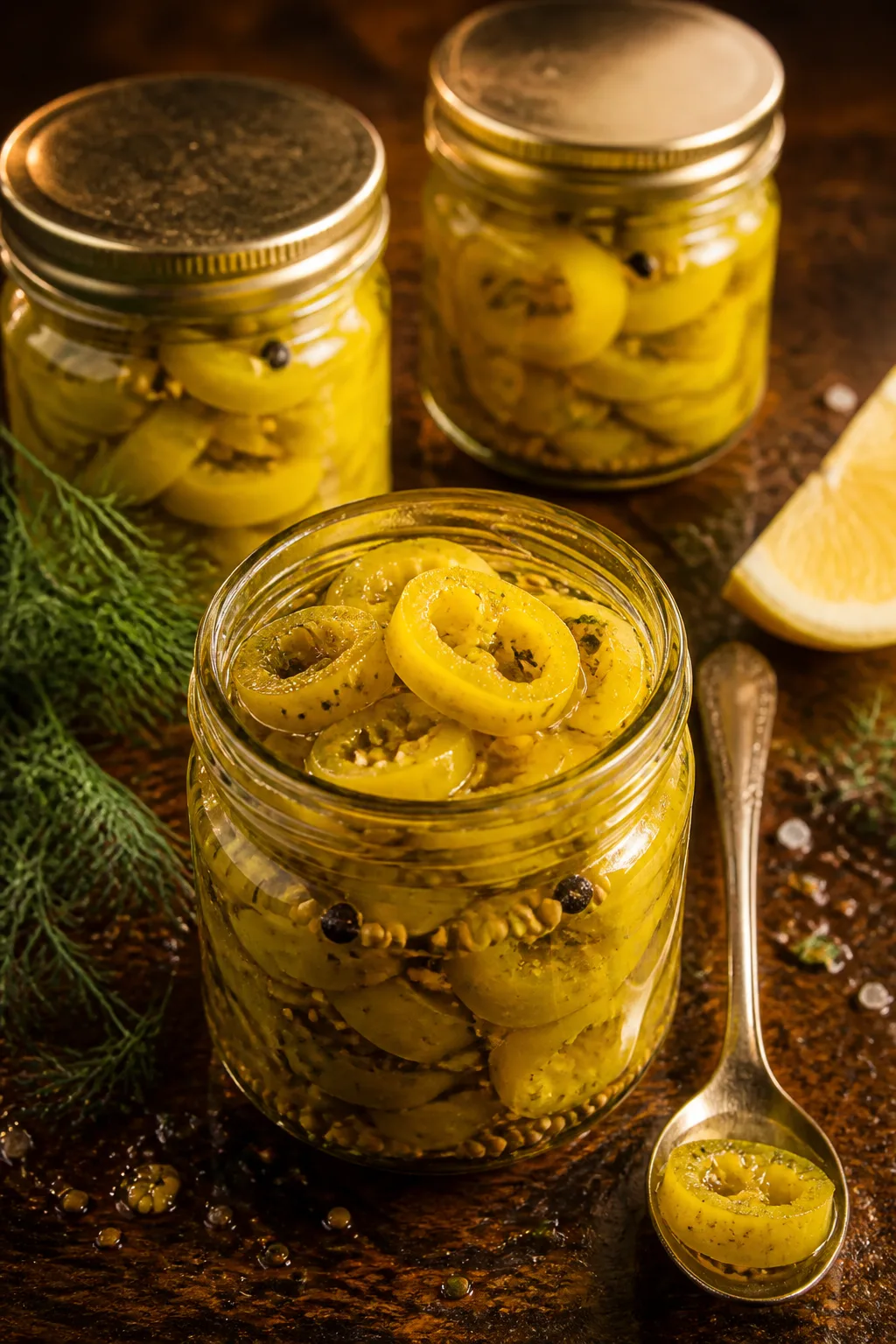
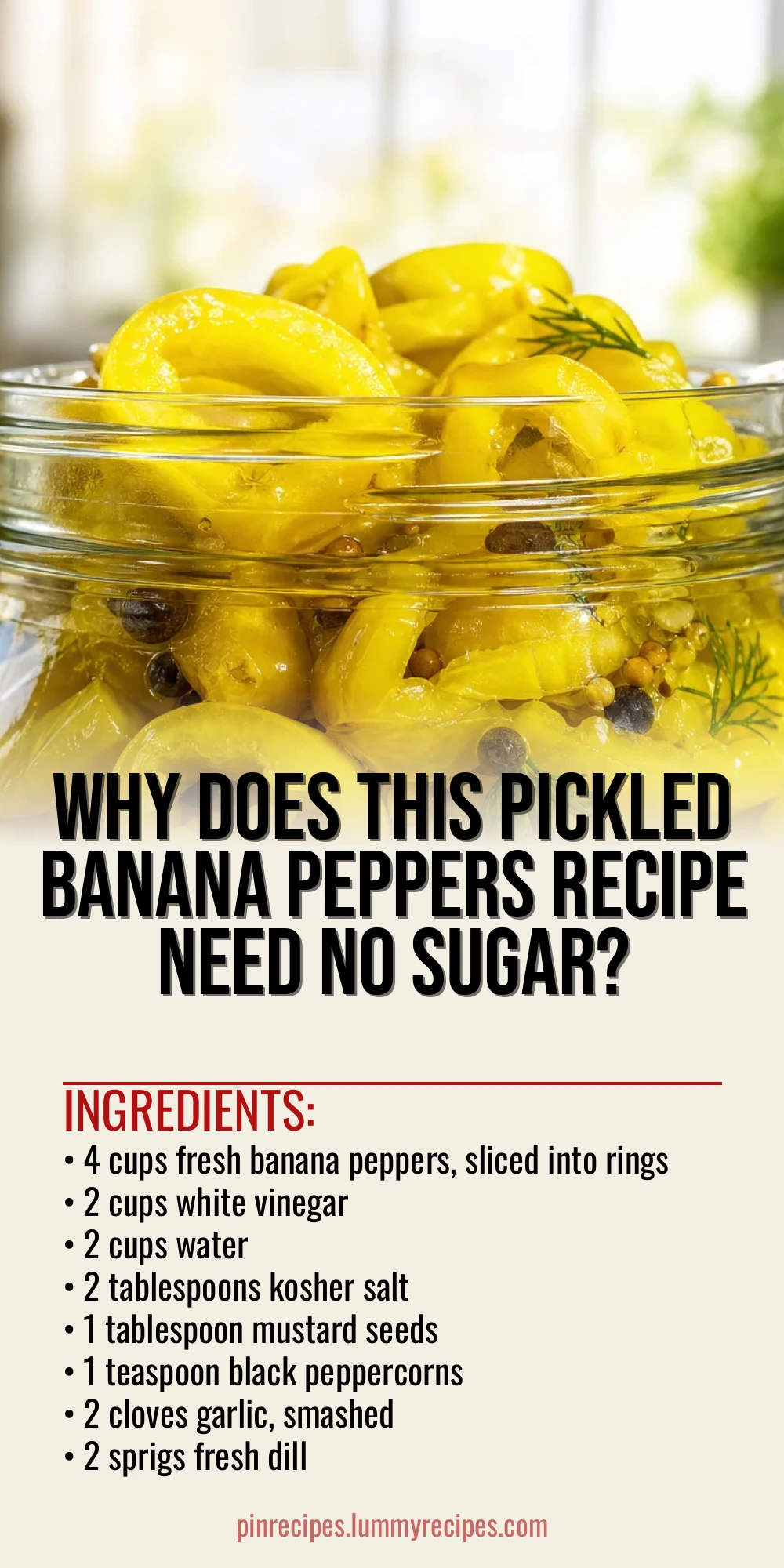
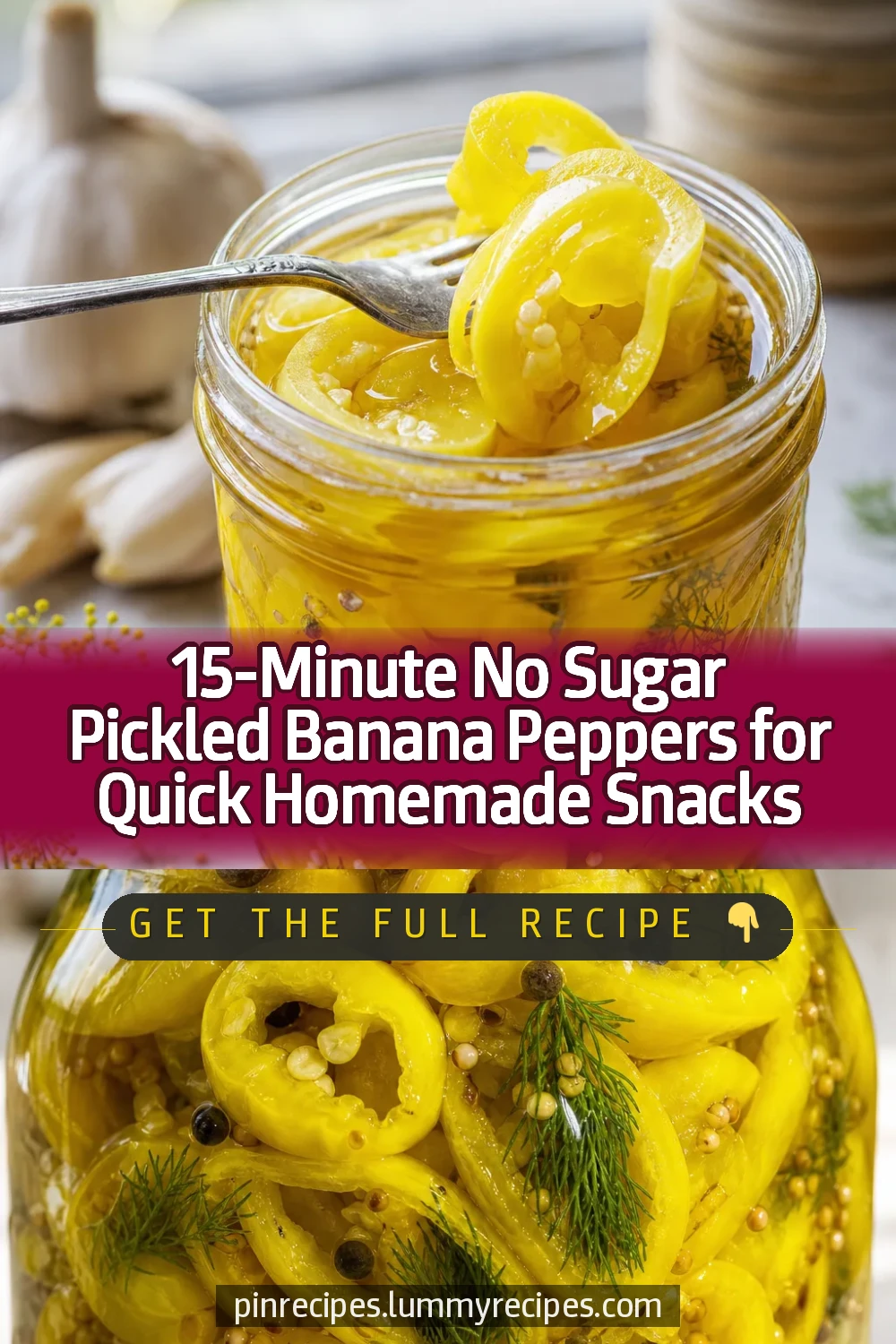
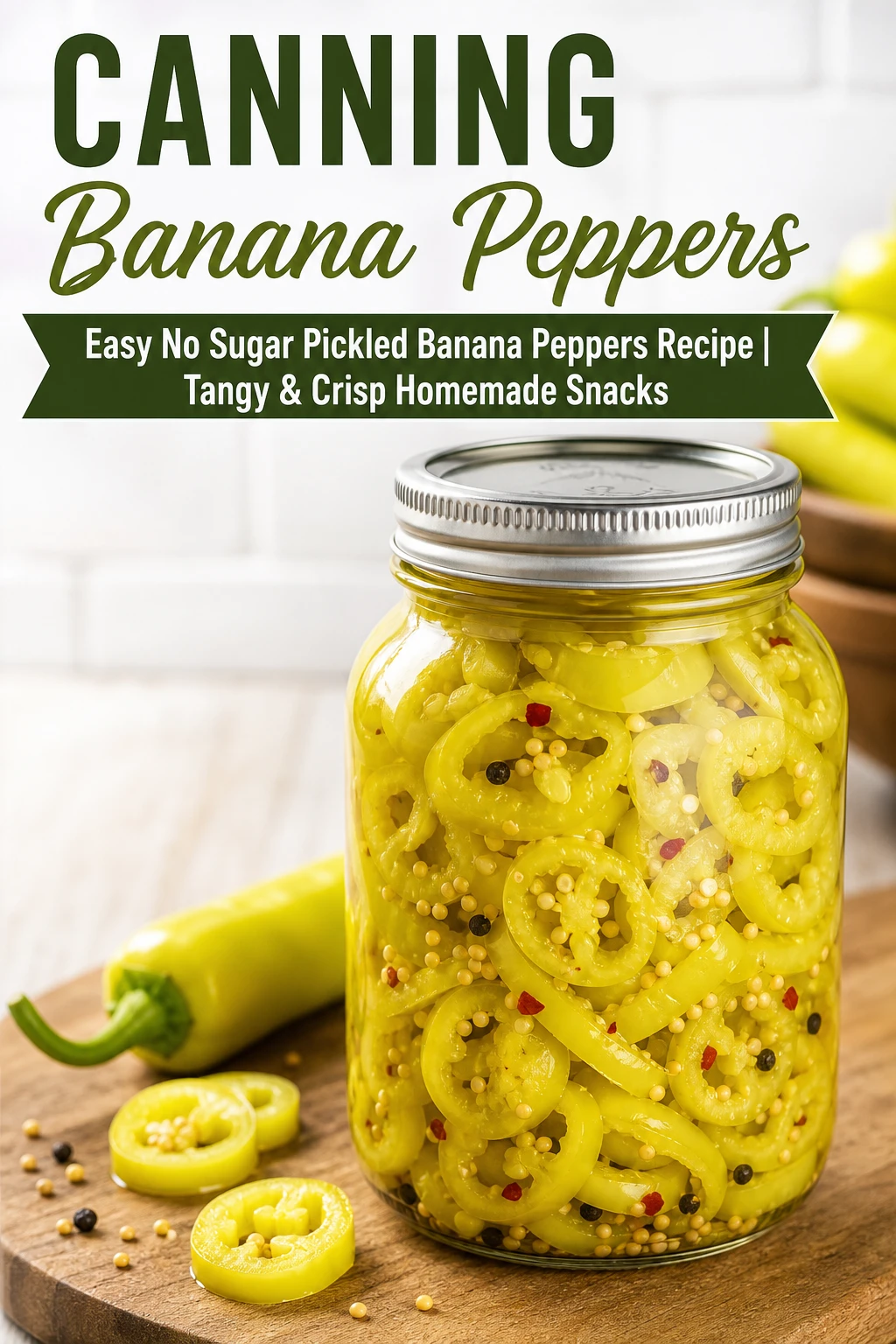
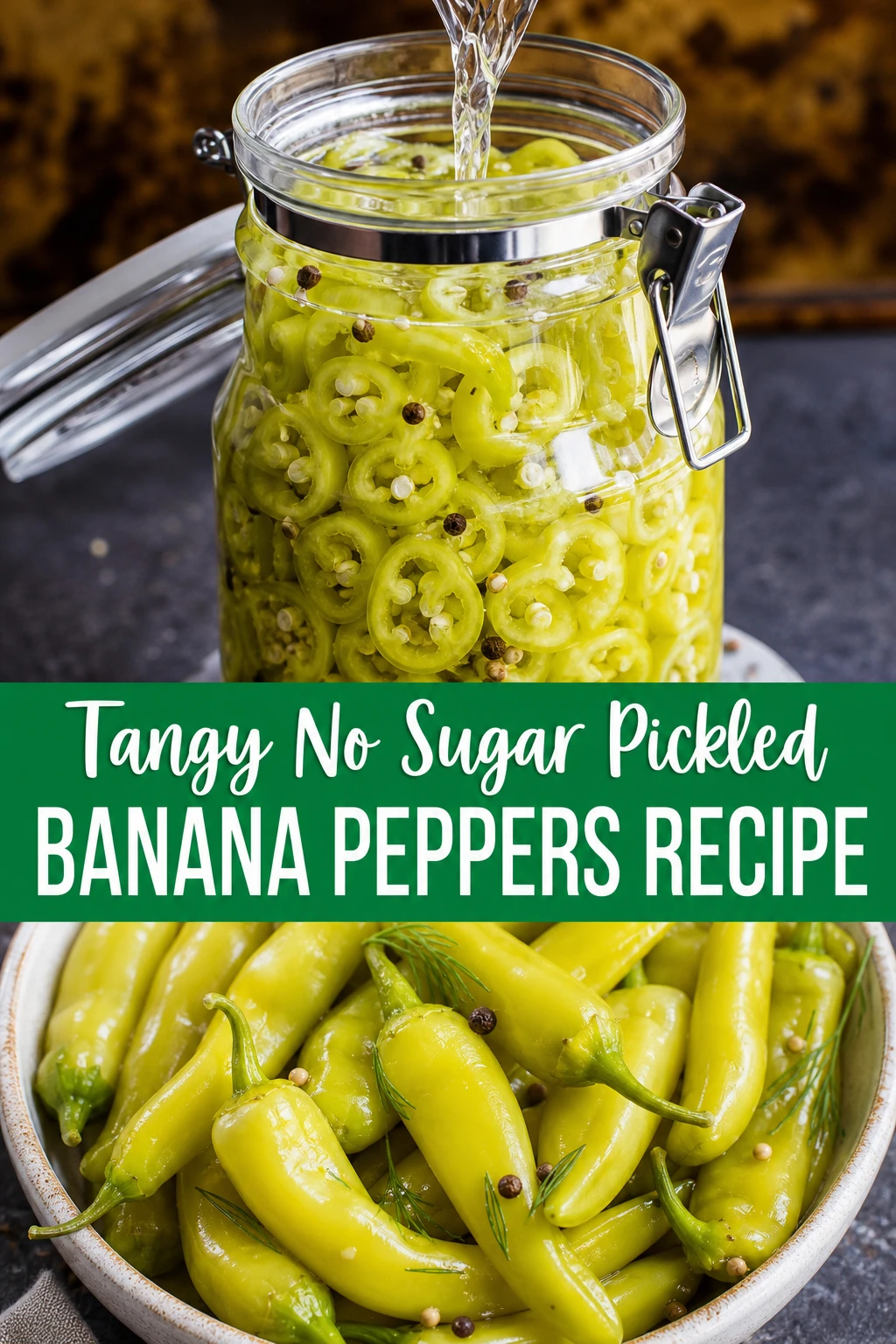
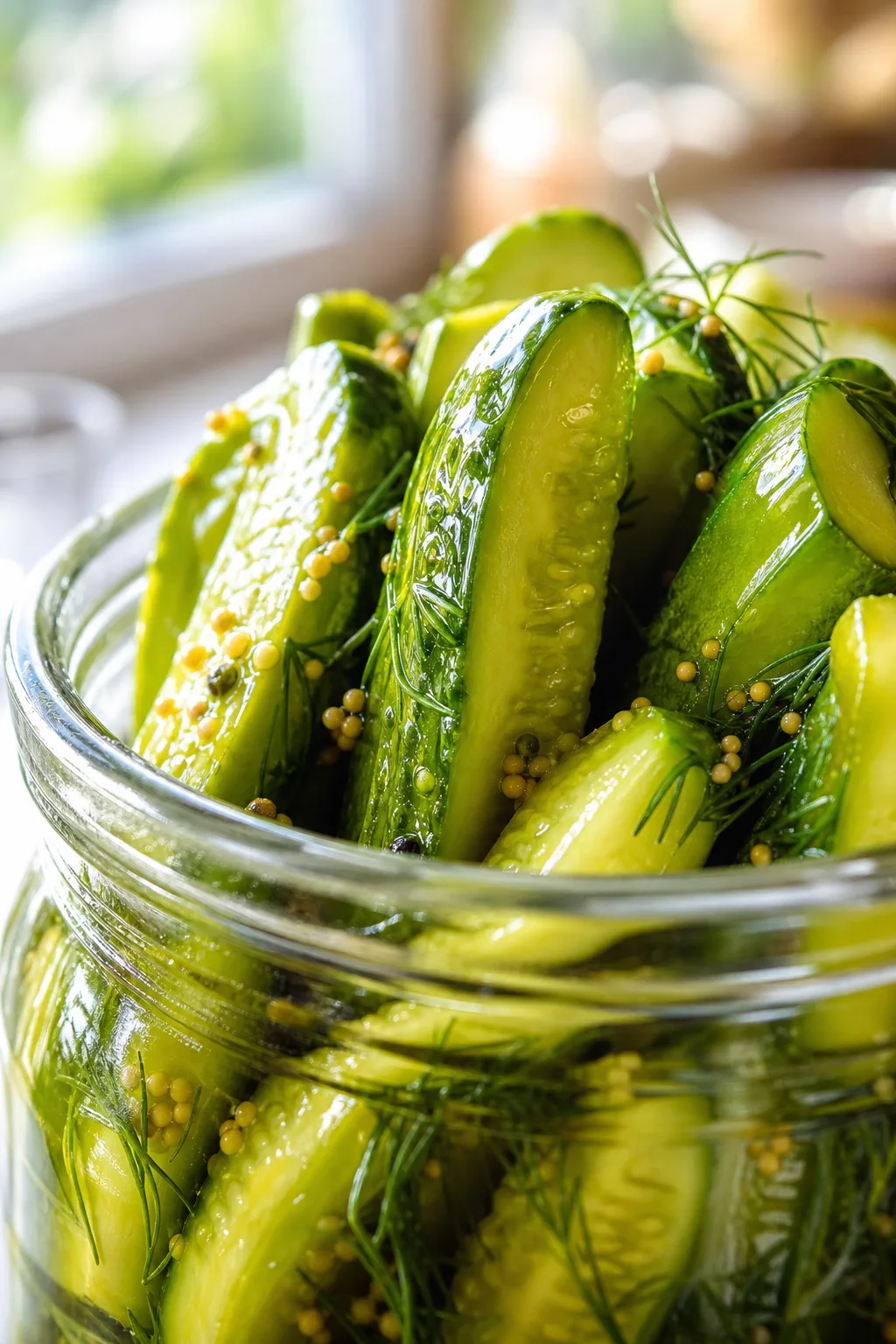
This no sugar pickled banana peppers recipe is a tangy, flavorful way to enjoy peppers without any added sweetness. The simple brine lets the natural pepper flavor shine through, perfect for sandwiches or snacking. I love how crisp and fresh they stay!
Introduction
I've been making pickled banana peppers for years, but I always wanted a version without the added sugar that most recipes call for. It took some experimenting, but I finally landed on a simple brine that lets the peppers’ natural tang shine through while keeping them crisp and flavorful. What makes this recipe different is the balance of vinegar and salt, plus the addition of mustard seeds and fresh dill that add a subtle complexity. I love how these peppers stay crunchy even after a few days in the fridge, and they’re perfect on sandwiches, salads, or just as a snack. I remember the first time I served these to my family—they couldn’t believe there was no sugar but the flavor was still amazing. The key is to slice the peppers evenly and use a cold brine poured over them to lock in that fresh snap. If you’re looking for a straightforward, no-fuss pickled pepper recipe that’s healthy and delicious, this one’s for you!
What You'll Need
Approximately 4 cups pickled banana peppers, 4 servings
- 4 cups fresh banana peppers, sliced into rings
- 2 cups white vinegar
- 2 cups water
- 2 tablespoons kosher salt
- 1 tablespoon mustard seeds
- 1 teaspoon black peppercorns
- 2 cloves garlic, smashed
- 2 sprigs fresh dill
How To Do It
Step 1
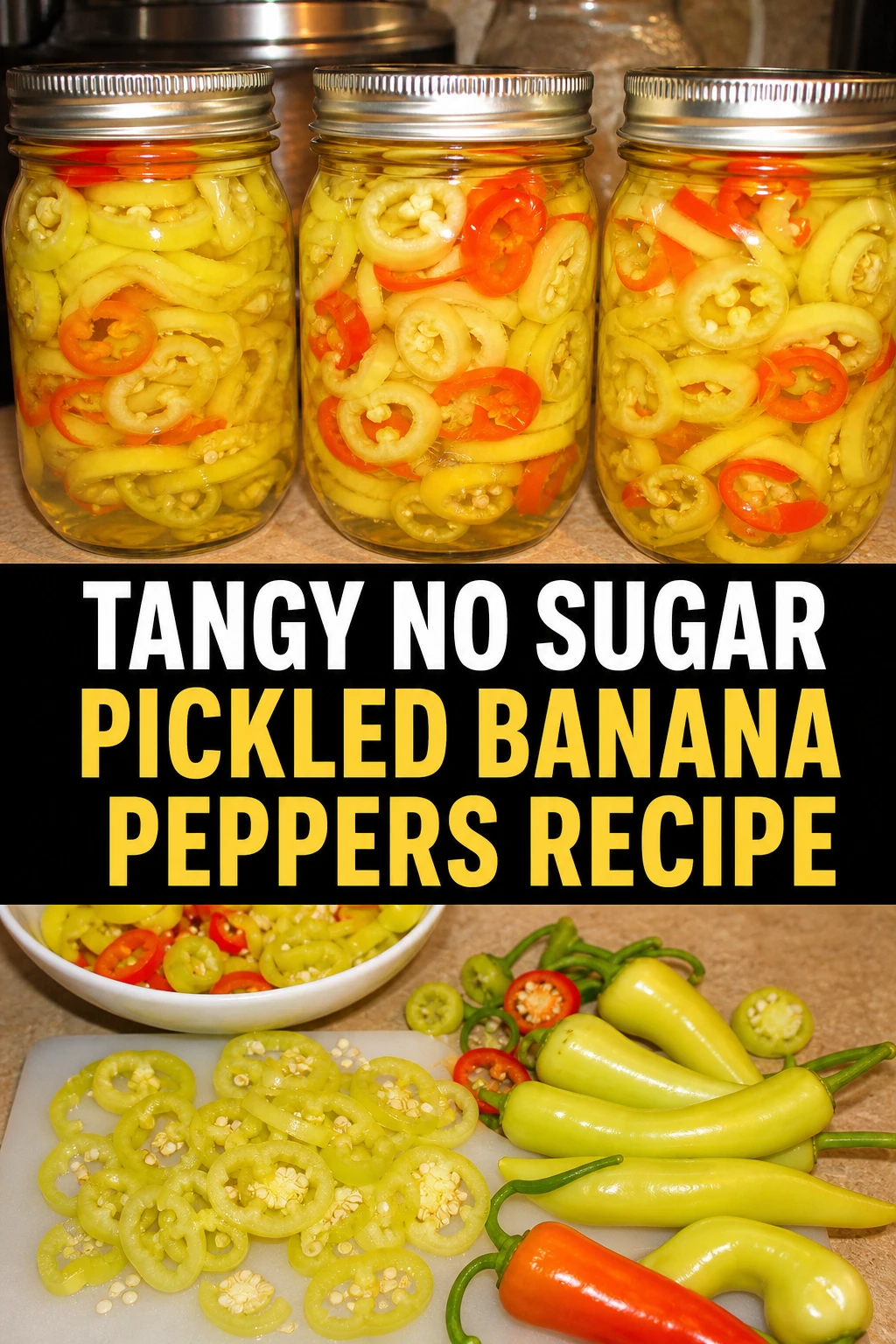
Start by washing and slicing the banana peppers into even rings about 1/4 inch thick. This ensures they pickle evenly and stay crisp. Using a sharp knife helps keep the edges clean, which prevents mushiness. Place the sliced peppers into a clean glass jar or bowl. Even slicing is crucial because uneven pieces can lead to some parts becoming too soft while others stay tough.
⏱ Time: 10
✓ Doneness: Peppers are uniformly sliced with no ragged edges, filling the jar loosely but without crowding.
Step 2
In a saucepan, combine the white vinegar, water, kosher salt, mustard seeds, black peppercorns, and smashed garlic cloves. Bring the mixture to a simmer over medium heat, stirring to dissolve the salt. Heating the brine helps the spices release their flavor and ensures the salt fully dissolves, which is important for even pickling. Avoid boiling vigorously as this can dull the vinegar’s sharpness.
⏱ Time: 5
✓ Doneness: Brine is hot and steaming with salt fully dissolved and spices fragrant.
Step 3
Carefully pour the hot brine over the sliced banana peppers in the jar, making sure the peppers are fully submerged. Add the fresh dill sprigs on top. Submerging the peppers completely prevents spoilage and ensures they pickle uniformly. If the peppers float, press them down gently with a clean utensil.
⏱ Time: 5
✓ Doneness: Peppers are fully covered by clear brine with dill floating on top.
Step 4
Let the jar cool to room temperature uncovered, then seal with a lid and refrigerate. Cooling before sealing prevents condensation inside the jar, which can dilute the brine and affect texture. Refrigerate for at least 24 hours before eating to allow flavors to develop. The longer they sit, the more flavorful they become.
⏱ Time: 10
✓ Doneness: Jar is sealed and placed in the fridge; peppers appear vibrant and firm.
Step 5
After 24 hours, test a pepper ring for flavor and texture. If they’re not tangy enough, let them pickle longer, up to a week. The vinegar will gradually soften the peppers but they should remain crisp if sliced well. Taste periodically to avoid over-pickling.
⏱ Time: 5
✓ Doneness: Peppers taste tangy with a firm but tender bite.
Step 6
Use these pickled banana peppers as a topping for sandwiches, salads, or as a tangy snack. Their bright acidity pairs well with rich or creamy foods, adding a fresh zing. They also make a great addition to charcuterie boards or tacos.
⏱ Time: 0
✓ Doneness: Peppers are ready to enjoy with vibrant color and balanced flavor.
Step 7
If you want to spice things up, add a few red pepper flakes or a sliced jalapeño to the jar before sealing. This adds a subtle heat without overpowering the natural flavor of the banana peppers.
⏱ Time: 0
✓ Doneness: Spices are evenly dispersed in the brine, enhancing flavor.
Step 8
For best texture, avoid using old or soft banana peppers as they won’t crisp up well. Fresh, firm peppers with smooth skin yield the best pickling results.
⏱ Time: 0
✓ Doneness: Peppers are firm and vibrant before pickling.
Step 9
Store opened jars in the refrigerator and consume within 2-3 weeks for best flavor and texture. Always use a clean utensil to remove peppers to avoid contamination and spoilage.
⏱ Time: 0
✓ Doneness: Pickled peppers remain bright and crisp during storage.
Pro Tips
Slice the banana peppers evenly to ensure uniform pickling.
When slices vary in thickness, thinner pieces can become overly soft while thicker ones remain tough. Even slices allow the brine to penetrate consistently, preserving crispness and flavor.
Pour hot brine over cold peppers to lock in crunch.
The thermal shock caused by the hot brine partially cooks the peppers’ surface, sealing in their texture. This technique prevents sogginess and helps maintain a satisfying snap.
Use glass jars for pickling to avoid metallic taste.
Glass is non-reactive and won’t impart off-flavors or discoloration. Metal containers can react with vinegar, altering taste and safety of the pickles.
Refrigerate pickles immediately after cooling to slow fermentation.
Cold temperatures inhibit bacterial growth and fermentation, ensuring your pickled peppers stay crisp and safe to eat longer. Leaving them at room temperature can cause unwanted sourness or spoilage.
Add fresh dill just before sealing for maximum aroma.
Dill loses its bright flavor quickly when cooked or heated. Adding it to the jar after pouring the hot brine preserves its fresh herbal notes that enhance the pickles.
Avoid boiling the brine vigorously to maintain vinegar’s sharpness.
Excessive boiling can mellow the acidity and introduce bitter flavors, which dull the bright tang that defines good pickles.
Use kosher salt over table salt to keep brine clear and balanced.
Table salt often contains additives that cloud the brine and can affect flavor. Kosher salt dissolves cleanly and seasons evenly, improving both appearance and taste.
Common Mistakes to Avoid
Using uneven pepper slices
Why it happens Many people slice quickly without aiming for uniformity, assuming it won’t affect the outcome.
Fix Take time to slice peppers evenly about 1/4 inch thick. This ensures even pickling and consistent texture across all pieces.
Skipping the cooling step before sealing
Why it happens In a rush, some seal jars immediately after pouring hot brine.
Fix Allow jars to cool uncovered to room temperature before sealing to avoid condensation which can dilute brine and affect texture.
Using old or soft peppers
Why it happens Sometimes leftover peppers are used without checking freshness.
Fix Always select firm, fresh banana peppers with no blemishes to ensure crisp pickles.
Not fully submerging peppers in brine
Why it happens Peppers may float and be left partially exposed.
Fix Use a clean utensil to press peppers down so they stay submerged, preventing spoilage and uneven pickling.
Using table salt instead of kosher salt
Why it happens Table salt is more common in kitchens and often used by default.
Fix Use kosher salt for clearer brine and better flavor; it dissolves cleanly and has no additives.
Variations
Spicy Pickled Banana Peppers
Add sliced jalapeños or red pepper flakes to the jar for a spicy kick. This variation keeps the same no sugar brine but introduces heat that pairs well with sandwiches or tacos.
Note: Adjust the amount of spicy peppers to control heat level; more jalapeños will intensify the flavor and may slightly soften the texture.
Garlic and Herb Pickled Banana Peppers
Include extra garlic cloves and fresh herbs like thyme or oregano alongside dill for a more aromatic pickle. This variation adds depth and complexity without sugar.
Note: Use fresh herbs and add them after pouring the hot brine to preserve their bright flavors.
Quick Refrigerator Pickled Banana Peppers
Skip heating the brine by dissolving salt in room temperature vinegar and water. Pour over peppers and refrigerate for 48 hours before eating. Texture is slightly less crisp but still delicious.
Note: Longer refrigeration time compensates for the lack of heat in extracting flavors and softening peppers slightly.
Sweet and Tangy Pickled Banana Peppers
Add 1-2 tablespoons honey or sugar to the brine for a touch of sweetness. This classic variation balances acidity with mild sweetness, great for those who prefer traditional flavors.
Note: Dissolve sugar fully in hot brine and adjust to taste; sweetness will soften peppers more quickly.
Fermented Pickled Banana Peppers
Use only salt and water to ferment banana peppers at room temperature for 3-5 days before refrigerating. This produces a tangy, probiotic-rich pickle with complex flavors but requires careful monitoring.
Note: Fermentation time varies with temperature; watch for bubbling and taste to avoid over-fermentation.
Nutrition
Per Serving:
Nutritional values are estimates and may vary based on specific ingredients used.
Storage & Tips
Room Temperature
Pickled banana peppers should not be stored at room temperature once prepared, as this can encourage spoilage. Keep them refrigerated promptly after cooling to maintain safety and quality.
Refrigerator
Store pickled banana peppers in an airtight jar in the refrigerator for up to 3 weeks. Flavor intensifies over time, but texture remains crisp. They can be served cold straight from the fridge or at room temperature.
Freezer
Freezing is not recommended for pickled peppers as it can cause texture degradation and mushiness. Best to consume fresh refrigerated within the storage window.
Reheating
No reheating is necessary or recommended. Serve pickled banana peppers cold or at room temperature as a condiment or snack.
Make Ahead
You can prepare the brine and slice the peppers a day ahead, storing them separately in the fridge. Combine and pour the hot brine over the peppers just before serving or storing to preserve maximum crispness.
FAQ
Can I use apple cider vinegar instead of white vinegar?
Yes, apple cider vinegar can be used and will give a slightly fruitier, milder flavor. However, it may alter the color and final tanginess of the pickles. Make sure the vinegar has 5% acidity for proper preservation.
Why are my pickled banana peppers soft and mushy?
Soft peppers usually result from using old or overripe peppers, uneven slicing, or over-pickling. To keep peppers crisp, use fresh firm peppers, slice evenly, and refrigerate promptly. Avoid boiling the brine too long or leaving pickles at room temperature.
How long do pickled banana peppers last in the fridge?
Stored properly in an airtight jar, pickled banana peppers last about 2-3 weeks in the refrigerator. Their flavor improves over time, but they should be consumed before they lose their crispness or develop off odors.
Do I need to sterilize jars before pickling?
For refrigerator pickles, sterilization is not strictly necessary but recommended for longer shelf life. Clean jars thoroughly with hot soapy water and rinse well. Boiling jars can further reduce contamination risks.
Can I add sugar or honey to this recipe?
Yes, adding sugar or honey will sweeten the pickles and soften their texture faster. This recipe is designed to be no sugar, but feel free to adjust based on your taste preferences.
What’s the best way to slice banana peppers for pickling?
Slice into uniform rings about 1/4 inch thick using a sharp knife. This thickness balances quick pickling with maintaining a satisfying crunch. Avoid very thin slices which can become mushy.
Can I ferment banana peppers instead of quick pickling?
Yes, fermenting with just salt and water at room temperature produces probiotic-rich pickles with complex flavor. It requires more time and monitoring but is a healthy alternative to vinegar pickling.
Why do my pickled peppers float in the jar?
Peppers naturally float due to trapped air. Press them down with a clean utensil or use a fermentation weight to keep them submerged in the brine, preventing spoilage and uneven pickling.
Final Thoughts
I hope you enjoy making and eating these no sugar pickled banana peppers as much as my family does. They’re a fresh, tangy snack that’s easy to prepare and store. Don’t forget to share your results!