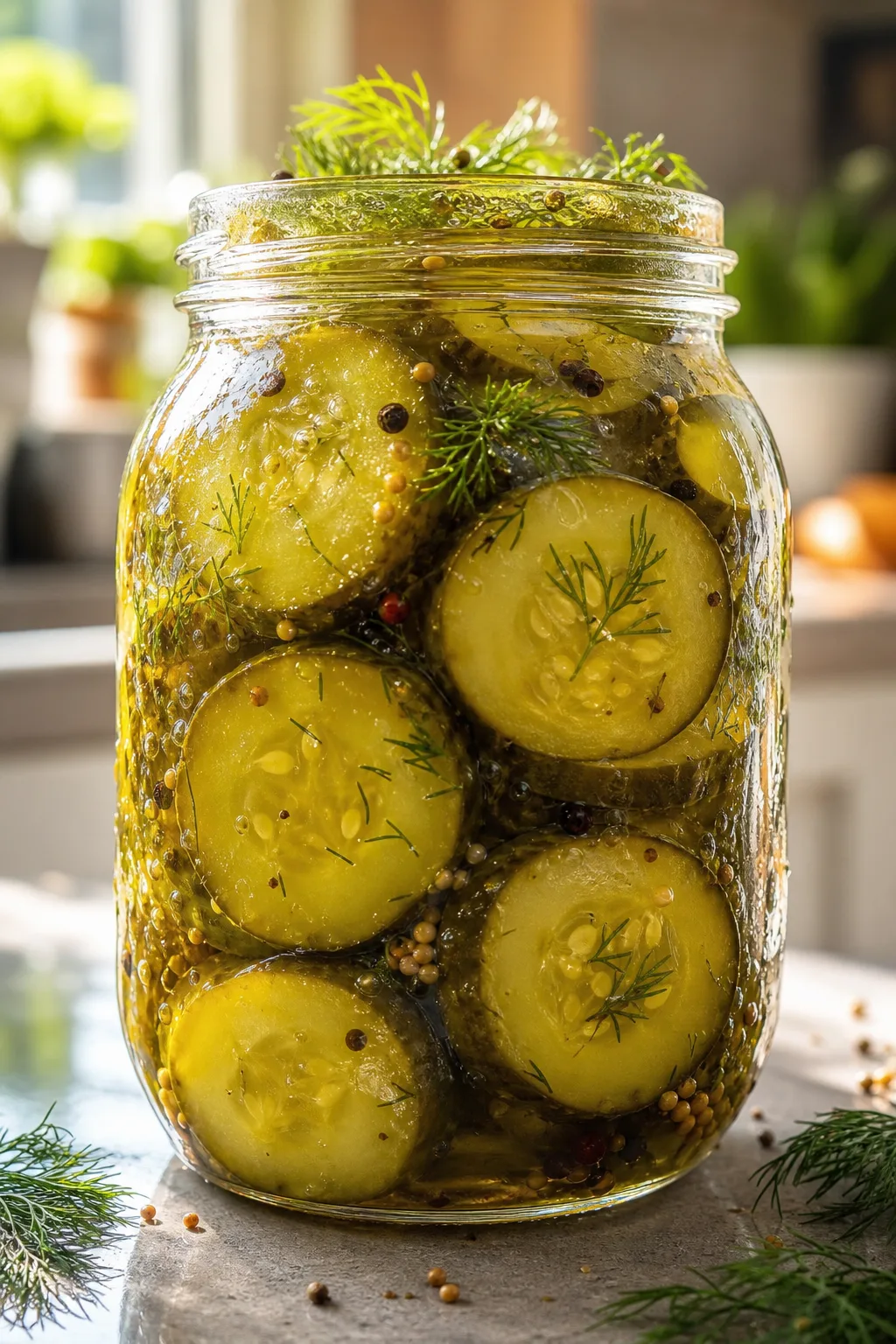
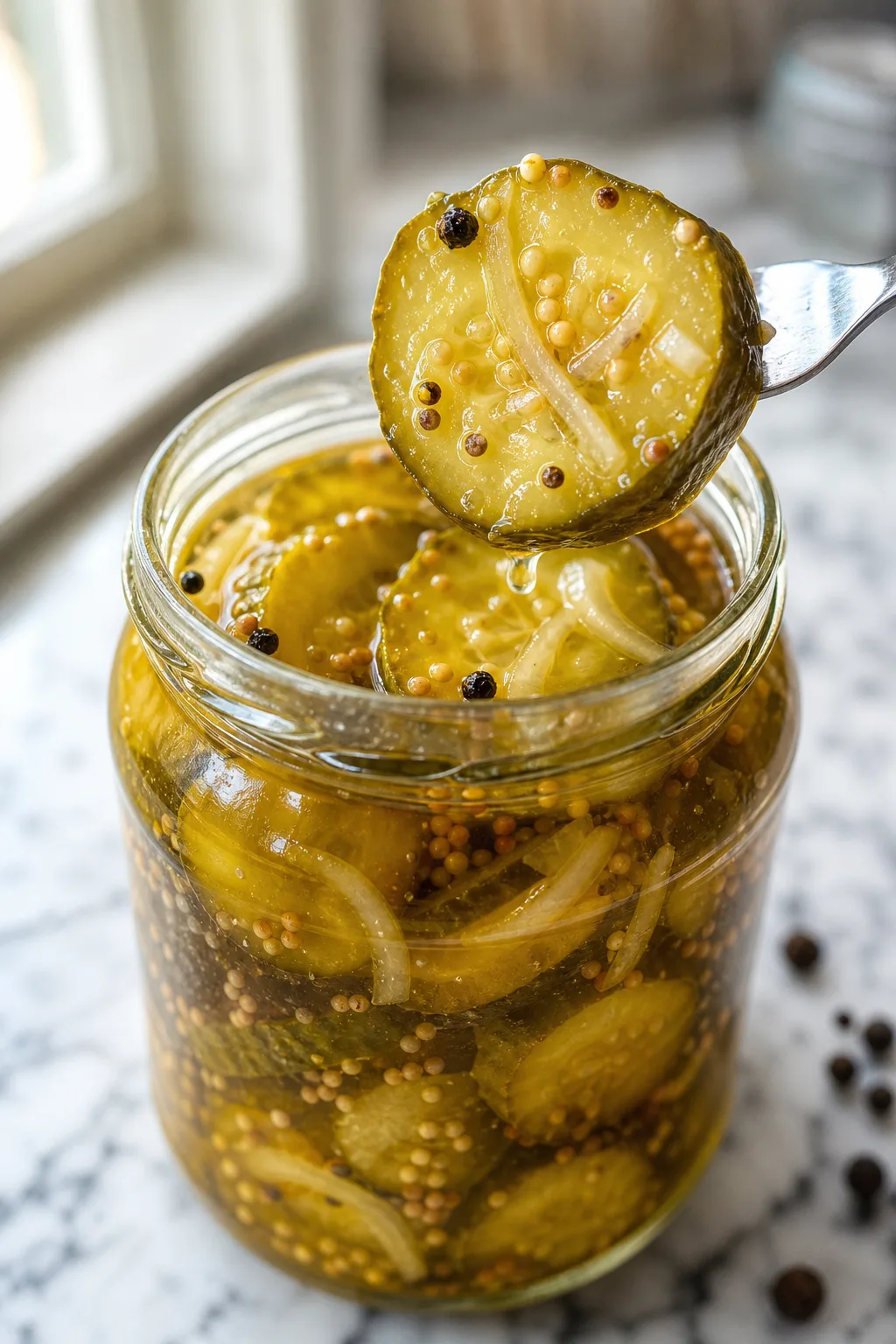
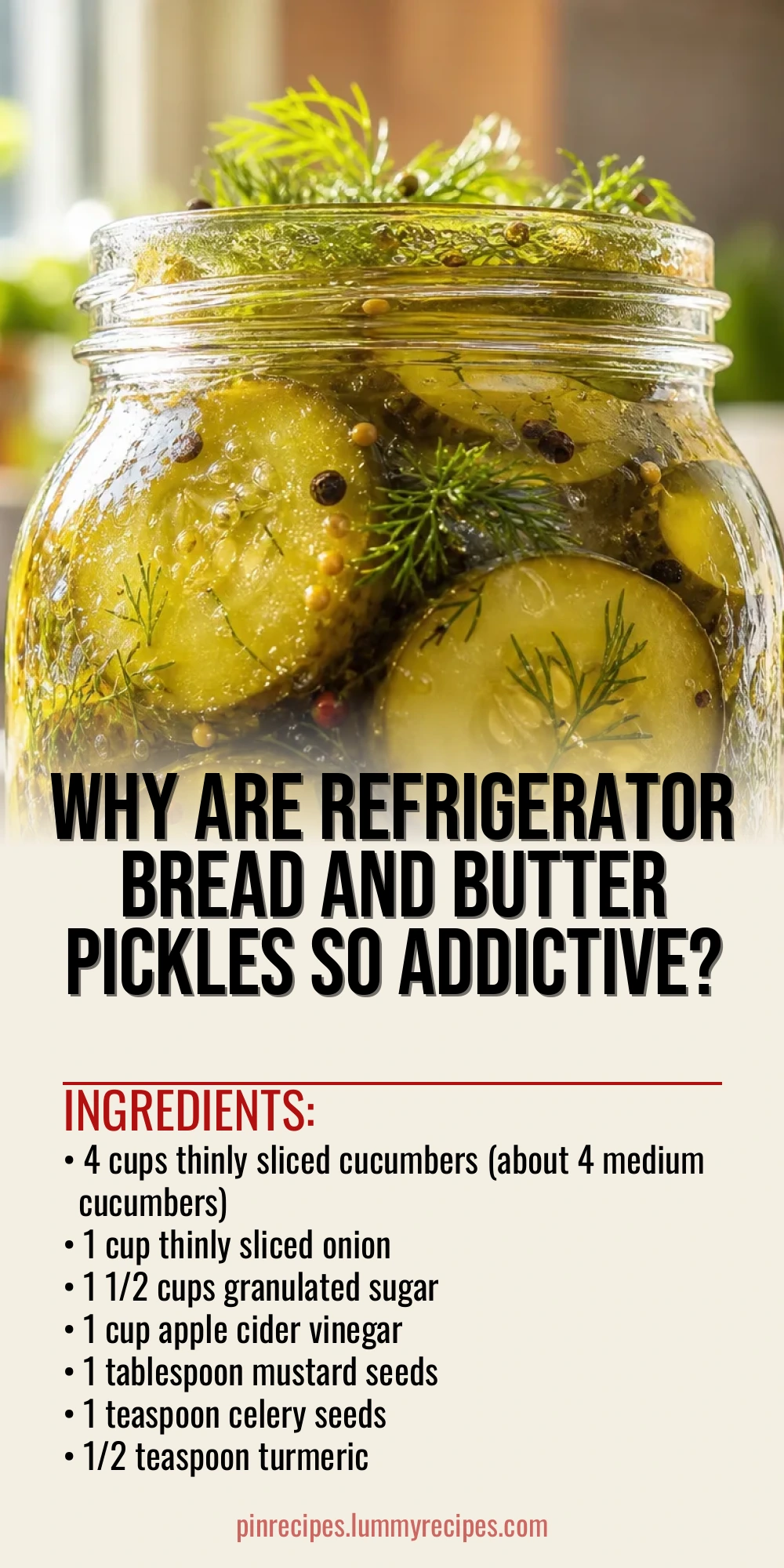
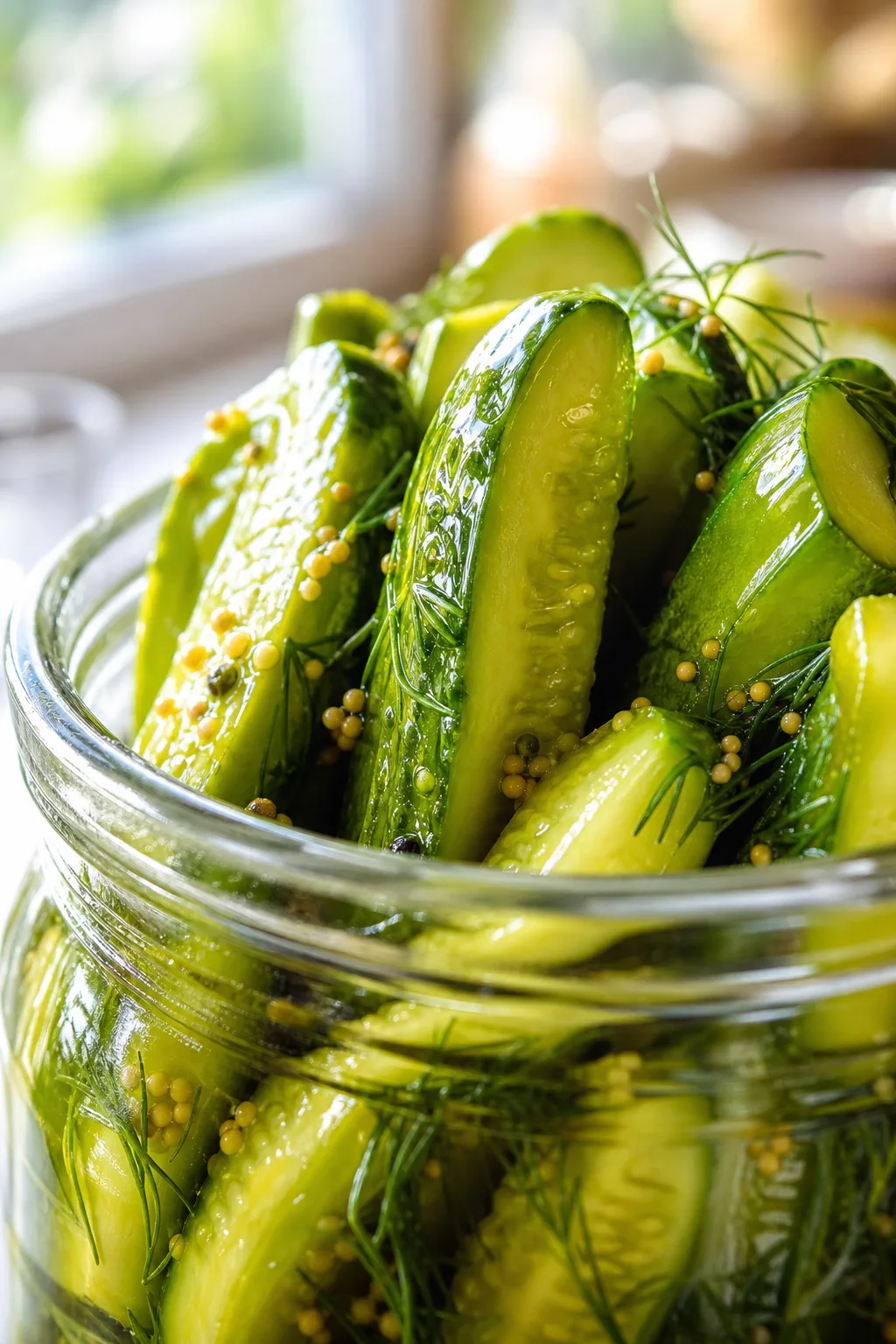
These bread and butter pickles are a simple, tangy treat that’s ready in just a few hours. I love the balance of sweet and sour with a hint of spice from mustard seeds. Perfect for snacking or topping your favorite sandwiches.
Introduction
I first stumbled upon this refrigerator bread and butter pickle recipe when I wanted a quick way to enjoy homemade pickles without the fuss of traditional canning. What I love most is how fast they come together and the perfect balance of sweet, tangy, and mildly spiced flavor. This recipe uses a simple brine with mustard seeds and turmeric that gives the pickles their classic golden color and that irresistible zing. I usually slice my cucumbers thin and let them soak in the brine for just a few hours, which keeps them crisp and fresh. Over the years, I've tweaked this recipe to avoid mushy pickles by using the right salt and slicing technique, and it’s become a family favorite for sandwiches and snacks. If you’re new to pickling, this is a foolproof way to start, and your kitchen will smell amazing while these quick pickles chill. Expect crunchy, bright, and flavorful pickles that brighten up any meal or snack time.
What You'll Need
Approximately 4 cups of pickles, 4 servings
- 4 cups thinly sliced cucumbers (about 4 medium cucumbers)
- 1 cup thinly sliced onion
- 1 1/2 cups granulated sugar
- 1 cup apple cider vinegar
- 1 tablespoon mustard seeds
- 1 teaspoon celery seeds
- 1/2 teaspoon turmeric
- 1 tablespoon kosher salt
How To Do It
Step 1
Start by washing and thinly slicing your cucumbers and onions. Use a sharp knife or mandoline for even slices about 1/8 inch thick to ensure they absorb the brine quickly and stay crisp. Place the slices in a large bowl and sprinkle with kosher salt. Toss gently to coat and let them sit for about 1 hour. This step draws out excess moisture, which helps keep the pickles crunchy and prevents them from becoming soggy.
⏱ Time: 60 minutes
✓ Doneness: Cucumbers will look slightly wilted and release some liquid but still feel firm to the touch.
Step 2
While the cucumbers are resting, combine the sugar, apple cider vinegar, mustard seeds, celery seeds, and turmeric in a saucepan. Heat over medium heat, stirring occasionally until the sugar dissolves completely and the mixture is hot but not boiling. This dissolves the sugar fully and infuses the spices into the brine for balanced flavor.
⏱ Time: 5 minutes
✓ Doneness: The sugar is fully dissolved and the brine has a warm golden color with fragrant spice aromas.
Step 3
Drain the cucumbers and onions well, discarding the liquid they released. This step ensures your pickles won’t be watery and will soak up the flavorful brine properly. Transfer the drained vegetables into a clean glass jar or container.
⏱ Time: 5 minutes
✓ Doneness: Cucumbers and onions are dry to the touch but still fresh-looking.
Step 4
Pour the hot brine over the cucumbers and onions in the jar, making sure all the slices are submerged. Use a clean utensil to press them down if needed. Submerging the vegetables fully is key to even pickling and flavor infusion.
⏱ Time: 5 minutes
✓ Doneness: All cucumber slices are covered by the brine with no air pockets.
Step 5
Seal the jar tightly and let it cool to room temperature before refrigerating. This prevents condensation inside the jar and keeps the pickles crisp. The pickles will be ready to eat after about 4 hours but taste best after 24 hours in the fridge.
⏱ Time: 4-24 hours
✓ Doneness: Pickles have a bright golden color and a tangy aroma.
Step 6
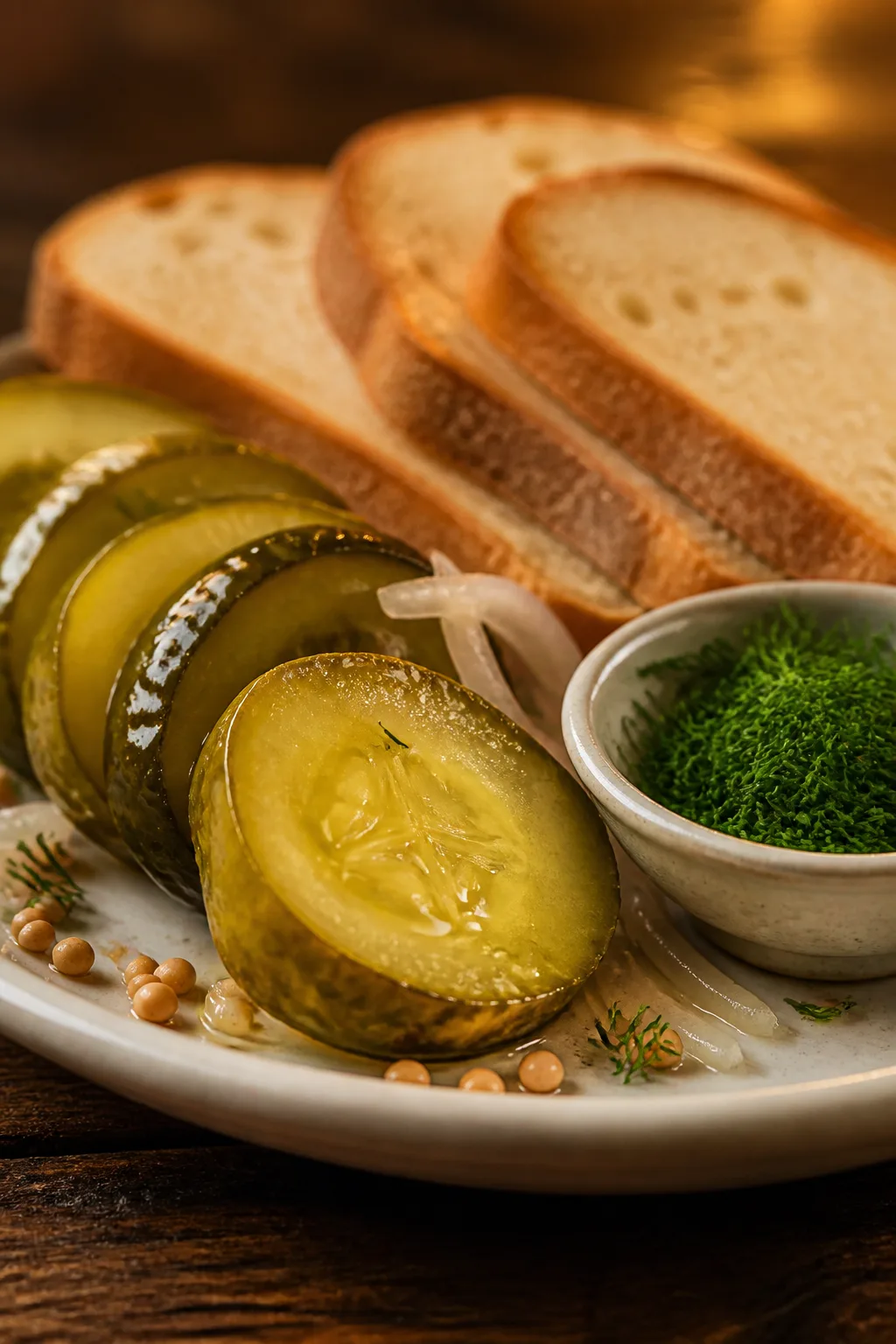
Before serving, give the jar a gentle shake to distribute the spices and flavors. These pickles are fantastic on sandwiches, burgers, or just as a tangy snack. Keep refrigerated and consume within 2 weeks for best texture and flavor.
⏱ Time: As needed
✓ Doneness: Pickles maintain crispness and vibrant flavor when cold.
Step 7
If you want to add extra flavor, try tossing in a few fresh dill sprigs or a pinch of red pepper flakes before sealing the jar. This adds a fresh herbal note or a gentle heat, respectively, without overpowering the classic bread and butter flavor.
⏱ Time: Optional
✓ Doneness: Additional flavors are noticeable but balanced.
Step 8
For longer storage, make sure the pickles remain fully submerged in brine and use a clean utensil each time to remove slices. This prevents spoilage and keeps the pickles fresh and safe to eat.
⏱ Time: Ongoing
✓ Doneness: Brine remains clear and pickles stay crisp.
Step 9
Enjoy your homemade bread and butter pickles chilled straight from the fridge or let them sit at room temperature for 10 minutes to soften slightly before serving. This enhances their flavor and crunch.
⏱ Time: Immediate
✓ Doneness: Pickles taste balanced with sweet, sour, and spice notes.
Pro Tips
Use a mandoline slicer for uniform cucumber slices.
Uniform slices ensure even pickling and consistent texture throughout. Thicker slices take longer to pickle and may become soft inside, while thinner slices pickle quickly but can become mushy if over-soaked. A mandoline helps achieve the ideal 1/8 inch thickness every time.
Don’t skip the salting step before brining.
Salting draws excess water out of cucumbers, concentrating their flavor and keeping them crisp. Skipping this step often leads to soggy pickles that lack crunch. It also helps the cucumbers absorb the brine more effectively, resulting in better texture and taste.
Heat the brine just until sugar dissolves, don’t boil.
Boiling can cause the vinegar’s sharpness to intensify and may break down delicate spices, leading to off flavors. Heating gently dissolves sugar and infuses spices while preserving the bright, clean flavor of the vinegar.
Use a clean glass jar with a tight-fitting lid for storage.
Glass jars don’t react with the acidic brine and keep flavors pure. A tight lid prevents contamination and slows moisture loss, preserving pickle freshness and crunch longer.
Refrigerate pickles promptly after cooling to room temperature.
Cooling prevents condensation inside the jar that can dilute the brine and encourage spoilage. Refrigeration slows bacterial growth and enzymatic softening, keeping pickles fresh and crisp for up to two weeks.
Add fresh dill or red pepper flakes for flavor variations.
Dill adds a fresh herbal note that brightens the pickles, while red pepper flakes introduce a gentle heat. Both can be added at the brining stage without altering pickle texture.
Use kosher salt instead of iodized salt.
Kosher salt has no additives that can cause discoloration or off-flavors. It dissolves evenly and helps maintain the pickles’ bright color and clean taste.
Common Mistakes to Avoid
Skipping the salting step
Why it happens Many cooks want to speed up the process and think salting is unnecessary, but it’s crucial for texture.
Fix Always salt the cucumbers and onions first and let them rest for an hour. This draws out moisture and prevents sogginess, ensuring crisp pickles.
Using thick cucumber slices
Why it happens Without proper slicing tools, slices can be uneven or too thick, leading to uneven pickling.
Fix Use a sharp knife or mandoline to slice cucumbers thinly and evenly, about 1/8 inch thick for best results.
Boiling the brine too long
Why it happens Some believe boiling intensifies flavor, but it can cause harsh vinegar taste and dull spices.
Fix Heat the brine just until sugar dissolves and spices infuse, then remove from heat promptly.
Not refrigerating promptly
Why it happens Leaving pickles at room temperature too long can encourage spoilage.
Fix Cool brine to room temperature before sealing jar, then refrigerate immediately to preserve freshness and safety.
Using table salt instead of kosher salt
Why it happens Table salt contains additives that affect pickle color and flavor.
Fix Use kosher salt for a cleaner taste and brighter color in your pickles.
Variations
Spicy Bread and Butter Pickles
Add 1/2 teaspoon red pepper flakes to the brine for a gentle heat that complements the sweet and tangy flavors. These pickles are perfect for those who like a little kick without overpowering the classic taste.
Note: The red pepper flakes infuse the brine as it cools, so add them after removing from heat to preserve their color and flavor.
Dill-Infused Bread and Butter Pickles
Toss a few fresh dill sprigs into the jar before sealing for a fresh herbal note. This variation brightens the flavor and pairs wonderfully with sandwiches and burgers.
Note: Use fresh dill rather than dried for the best aroma and flavor impact.
Low-Sugar Bread and Butter Pickles
Reduce the sugar by half and increase vinegar slightly to keep the balance. These pickles are less sweet but maintain their tang and crunch, ideal for those watching sugar intake.
Note: Taste the brine before pouring to ensure acidity and sweetness remain balanced.
Bread and Butter Pickles with Garlic
Add 2 cloves of thinly sliced garlic to the brine for a savory twist. Garlic adds depth and richness to the classic pickle flavor without overwhelming it.
Note: Add garlic slices to the jar along with cucumbers to infuse flavor evenly.
Bread and Butter Pickles with Shallots
Swap onions for thinly sliced shallots for a milder, sweeter onion flavor that complements the pickles beautifully. This subtle change adds complexity to the brine.
Note: Slice shallots thinly and treat them the same as onions in the recipe.
Nutrition
Per Serving:
Nutritional values are estimates and may vary based on specific ingredients used.
Storage & Tips
Room Temperature
These pickles should not be left at room temperature for more than 2 hours once prepared to avoid spoilage. Keep the jar covered tightly and refrigerate promptly after cooling to preserve freshness and safety.
Refrigerator
Store pickles in an airtight glass jar in the refrigerator for up to 2 weeks. Over time, the pickles may soften slightly but will remain flavorful. Serve cold or let sit at room temperature for 10 minutes before eating for best texture.
Freezer
Freezing is not recommended for bread and butter pickles as it alters texture and causes mushiness. Instead, consume within the 2-week refrigerated window for best quality.
Reheating
No reheating is necessary or recommended. These pickles are best enjoyed chilled or at room temperature to maintain their crisp texture and fresh flavor.
Make Ahead
You can prepare the cucumbers and onions up to 24 hours ahead by salting and refrigerating them. Prepare the brine just before assembly and combine everything when ready to pickle for optimal freshness.
FAQ
Can I use regular cucumbers instead of pickling cucumbers?
While you can use regular slicing cucumbers, they tend to have higher water content and more seeds, which can make your pickles softer and less crisp. Pickling cucumbers like Kirby are best because they have firm flesh and fewer seeds, ensuring a crunchier texture.
How long do refrigerator bread and butter pickles last?
Stored properly in the refrigerator, these pickles stay fresh and tasty for up to 2 weeks. After that, they may start to lose their crunch and develop off flavors. Always keep them submerged in brine and use clean utensils to extend shelf life.
Do I need to boil the cucumbers before pickling?
No, boiling cucumbers would make them soft and mushy. The salt soak and vinegar brine preserve the cucumbers while maintaining their crispness without cooking them.
Can I can these pickles for long-term storage?
This recipe is designed for quick refrigerator pickling and is not safe for traditional canning. If you want to can bread and butter pickles, look for tested canning recipes that include proper acidification and processing times.
Why are my pickles soggy?
Soggy pickles usually result from skipping the salting step or slicing cucumbers too thickly. Salting draws out excess moisture, so don’t skip it. Also, store pickles fully submerged in brine and keep them cold to maintain crispness.
Can I use white vinegar instead of apple cider vinegar?
Yes, white vinegar works but it has a sharper, more neutral flavor and won’t add the subtle fruity notes apple cider vinegar provides. It will also produce paler pickles without the golden hue turmeric gives.
How can I make my pickles spicier?
Add red pepper flakes, sliced jalapeños, or a pinch of cayenne pepper to the brine before refrigerating. Start with small amounts and adjust to your heat preference.
Can I add fresh herbs to the pickles?
Absolutely! Fresh dill, thyme, or even a bay leaf can add wonderful aroma and complexity. Add them to the jar just before sealing for best flavor infusion.
Final Thoughts
I hope you enjoy making and sharing these easy, delicious bread and butter pickles as much as my family does. They’re a simple way to add a bright, crunchy pop to any meal. Let me know how they turn out!