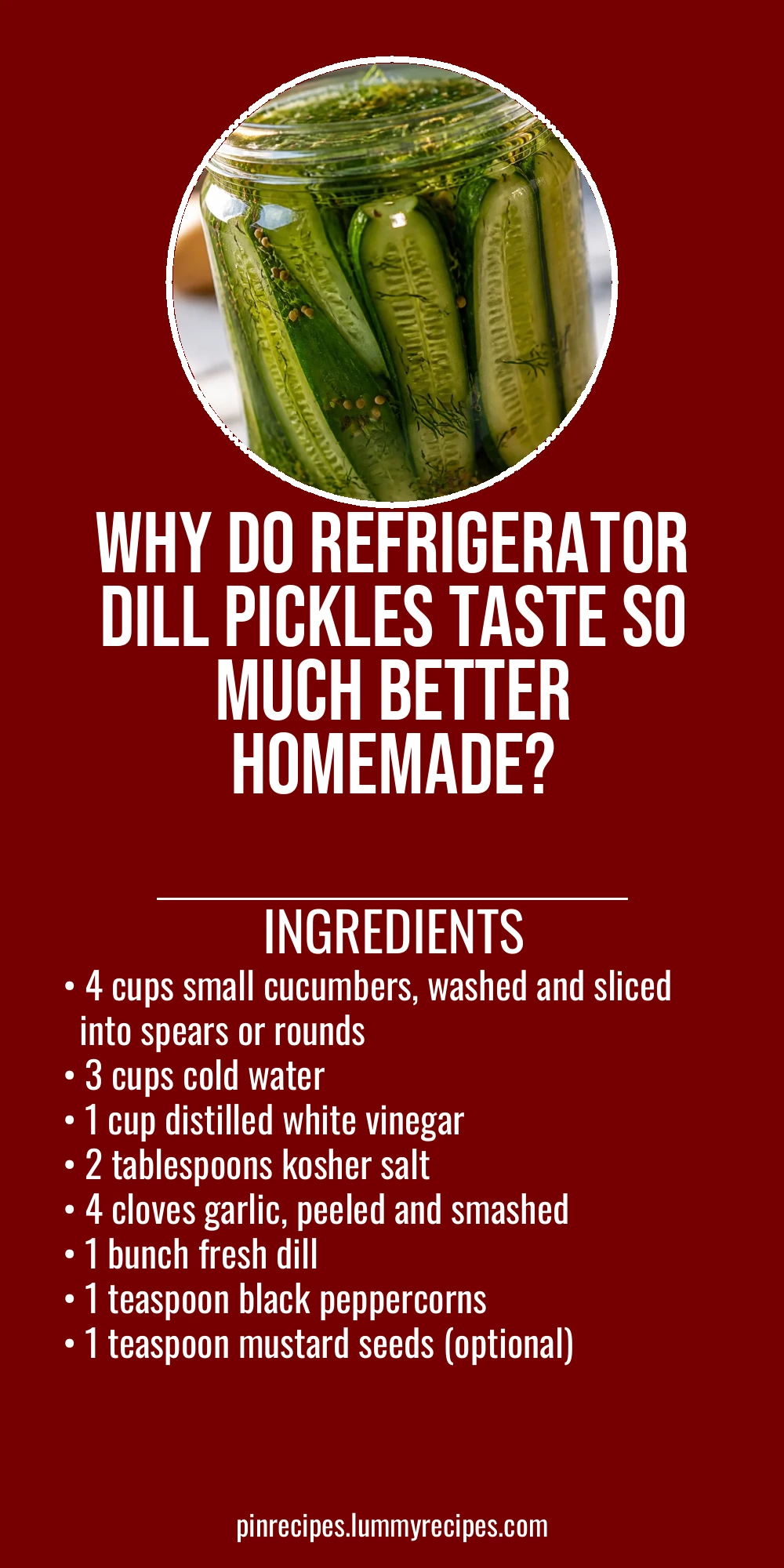
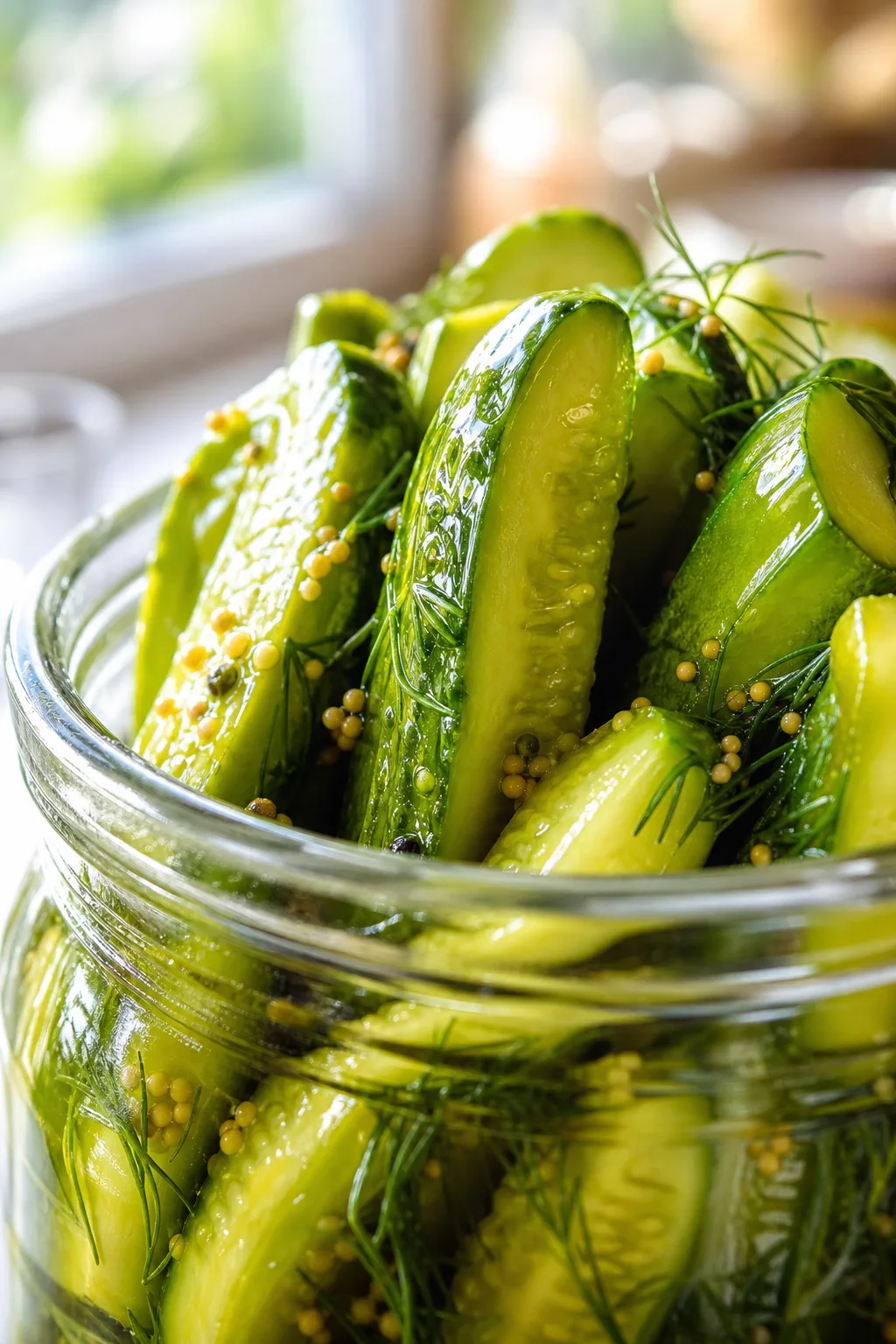
These refrigerator dill pickles are the perfect tangy crunch without the fuss of canning. Using fresh dill and garlic, they’re ready in just a few days—great for snacking or adding zing to sandwiches.
Introduction
I stumbled upon refrigerator dill pickles years ago when I wanted a quick way to enjoy homemade pickles without the fuss of traditional canning. What I love about this recipe is how simple it is — just fresh cucumbers, dill, garlic, and a straightforward brine that you mix up in minutes. The magic happens in the fridge, where the pickles soak up all the tangy, garlicky flavors in just a few days. I’ve tried many pickle recipes over the years, but this one stands out because the cucumbers stay crisp and the flavor is perfectly balanced — not too sour, not too salty. The secret is using fresh dill and a good-quality vinegar, plus letting the pickles rest long enough to develop that classic dill punch. I usually make a batch whenever I have extra cucumbers from the garden or farmers market. They’re great for snacking, adding to sandwiches, or serving alongside a summer BBQ. If you’re new to pickling, this recipe is a fantastic place to start — no special equipment needed, just a jar and a little patience. I think you’ll love how easy and delicious these turn out!
What You'll Need
Approximately 6 cups, 6 servings
- 4 cups small cucumbers, washed and sliced into spears or rounds
- 3 cups cold water
- 1 cup distilled white vinegar
- 2 tablespoons kosher salt
- 4 cloves garlic, peeled and smashed
- 1 bunch fresh dill
- 1 teaspoon black peppercorns
- 1 teaspoon mustard seeds (optional)
How To Do It
Step 1
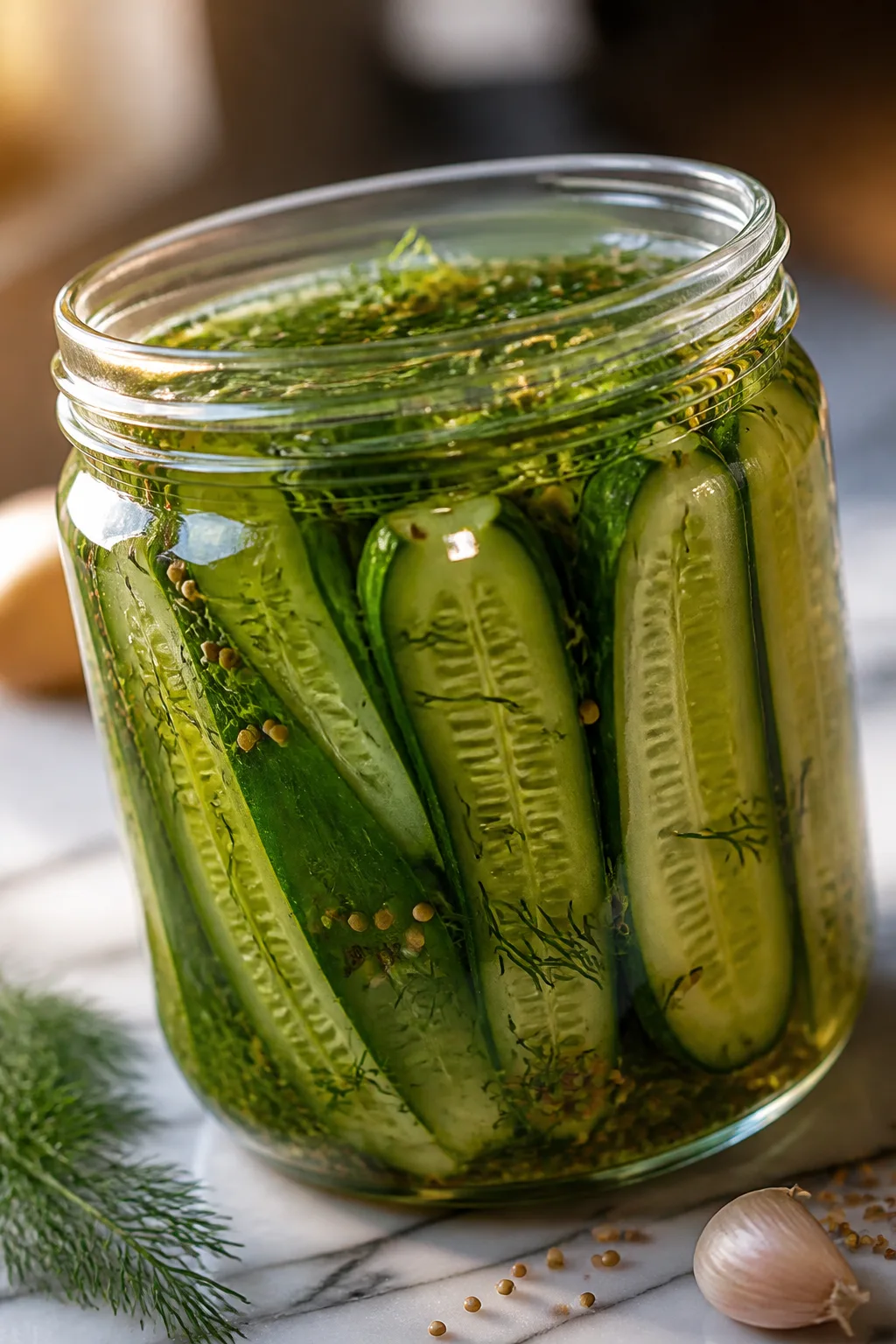
Start by washing your cucumbers thoroughly to remove any dirt or residue. Slice them into spears or rounds depending on your preference. Using fresh, firm cucumbers is key to achieving that crisp texture. Avoid overripe or soft cucumbers as they can become mushy during pickling. Once sliced, pack the cucumbers tightly into a clean quart-sized jar or container. This tight packing helps the cucumbers stay submerged in the brine and absorb the flavors evenly.
⏱ Time: 10 minutes
✓ Doneness: Cucumbers are tightly packed in the jar without too much empty space.
Step 2
In a separate bowl, combine cold water, distilled white vinegar, and kosher salt. Stir until the salt is fully dissolved to create the pickling brine. The balance of vinegar and salt is crucial—it preserves the cucumbers and gives that classic tangy flavor. If the salt isn’t fully dissolved, the flavor and preservation can be uneven. Pour the brine over the cucumbers until they’re completely submerged. Add garlic cloves, fresh dill sprigs, black peppercorns, and mustard seeds if using. These aromatics infuse the pickles with traditional dill pickle flavor.
⏱ Time: 5 minutes
✓ Doneness: Cucumbers are fully covered by brine and the jar is filled with herbs and spices.
Step 3
Seal the jar tightly with a lid and give it a gentle shake to mix the ingredients. Place the jar in the refrigerator and let it sit for at least 3 days before tasting. The cold temperature slows fermentation and allows the flavors to develop gradually, keeping the cucumbers crisp. Avoid opening the jar frequently during this time to maintain the brine’s acidity and prevent contamination.
⏱ Time: 3 days
✓ Doneness: Pickles have a bright, tangy aroma and a crisp texture when tasted.
Step 4
After 3 days, taste your pickles. If they’re not quite tangy enough, let them sit for another day or two. The flavor will intensify the longer they marinate. Once they reach your preferred level of sourness, keep them refrigerated and enjoy within 2 weeks for best freshness. Always use a clean utensil to remove pickles to avoid introducing bacteria.
⏱ Time: 1-2 minutes for tasting; storage ongoing
✓ Doneness: Pickles taste tangy, garlicky, and have a satisfying crunch.
Step 5
If you want to make a larger batch, simply double or triple the ingredients and use a larger jar or multiple jars. Just keep the cucumber-to-brine ratio consistent to maintain the right flavor and texture. You can also experiment by adding sliced onions or red pepper flakes for a spicy kick. Remember, the key is keeping the cucumbers fully submerged in the brine to prevent spoilage.
⏱ Time: 5 minutes
✓ Doneness: Brine completely covers all cucumbers and added ingredients.
Step 6
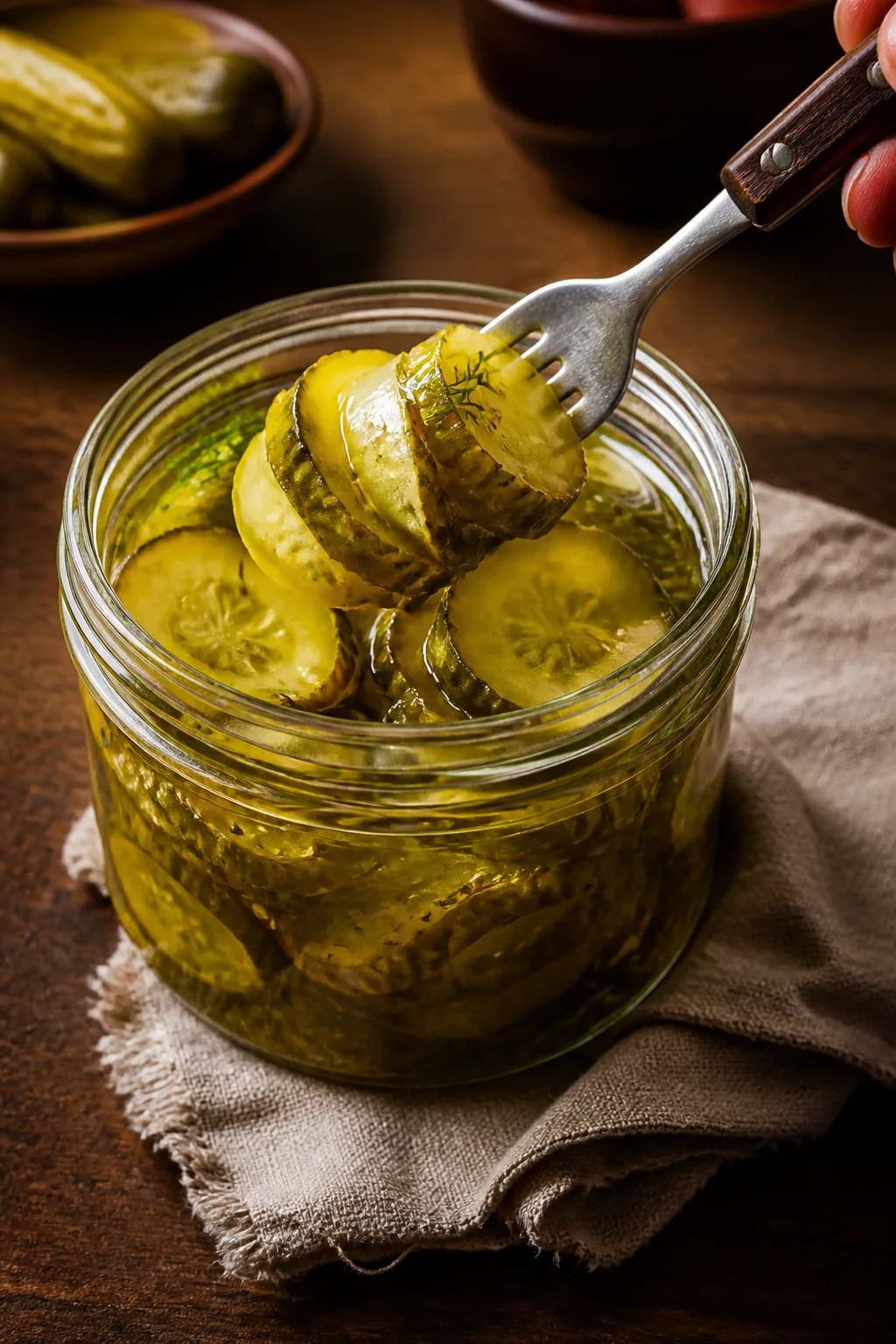
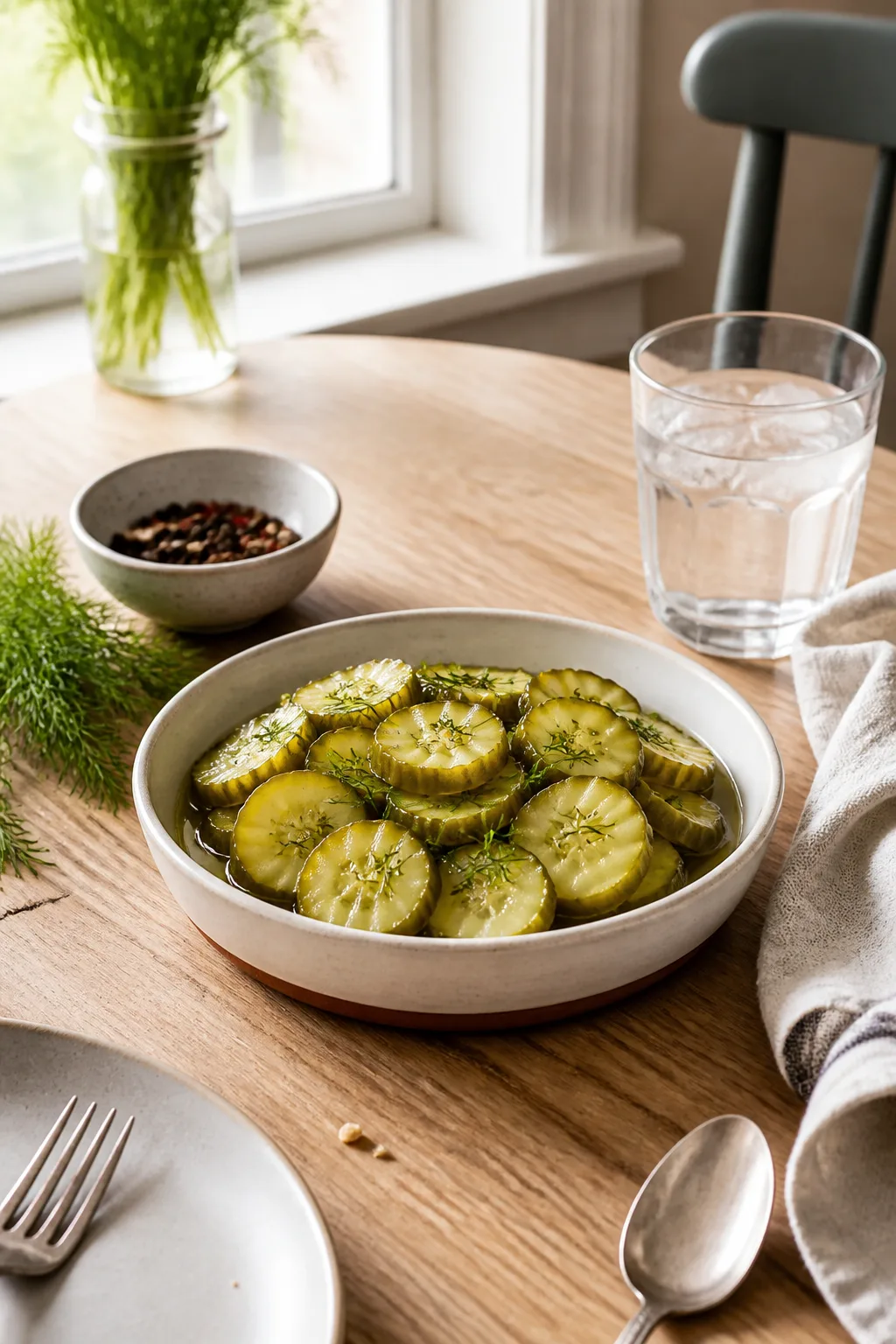
Before serving, drain a few pickles and pat them dry if you prefer less brine on your plate or sandwich. These pickles are fantastic on burgers, sandwiches, or just as a crunchy snack. They also make a great gift when jarred nicely with a ribbon. Keep them chilled until ready to serve for optimal crunch.
⏱ Time: 2 minutes
✓ Doneness: Pickles are crisp and flavorful, ready to enjoy.
Step 7
If you notice any cloudiness or bubbles in the brine, it’s a sign of natural fermentation which is fine for refrigerator pickles. However, if you see mold or an off smell, discard the batch. Cleanliness and proper refrigeration are key to safe pickling. Always use sterilized jars and fresh ingredients.
⏱ Time: Ongoing monitoring
✓ Doneness: Brine remains clear or slightly cloudy without mold or foul odor.
Step 8
To keep your pickles crisp, avoid using soft or overripe cucumbers and make sure the salt is fully dissolved in the brine. Also, do not add sugar to this recipe, as it can soften the cucumbers. The salt and vinegar work together to preserve and flavor the pickles while maintaining that satisfying snap.
⏱ Time: N/A
✓ Doneness: Pickles maintain firmness throughout storage.
Step 9
Enjoy your homemade refrigerator dill pickles within 2 weeks for the best texture and flavor. After that, they may become too soft or overly sour. Store them in the fridge at all times and always use clean utensils to keep them fresh and safe.
⏱ Time: N/A
✓ Doneness: Pickles remain fresh, crisp, and flavorful during recommended storage.
Pro Tips
Use fresh, firm cucumbers for the crispiest pickles.
Fresh cucumbers with firm flesh and thick skins hold up better in the brine, maintaining crunch. Older or softer cucumbers absorb too much liquid and become soggy quickly.
Dissolve the salt completely before adding cucumbers.
Fully dissolving salt ensures even distribution in the brine, which is crucial for proper preservation and flavor. Undissolved salt can cause uneven pickling and texture.
Keep cucumbers fully submerged in the brine.
Exposure to air can cause spoilage or mold. Using a weight or a smaller jar lid helps keep cucumbers underwater, ensuring safe fermentation and consistent flavor.
Let pickles rest in the fridge for at least 3 days before eating.
This resting period allows flavors to develop and the brine to penetrate the cucumbers fully. Rushing this step results in bland or unevenly flavored pickles.
Use clean utensils every time you remove pickles.
Introducing bacteria from dirty utensils can spoil the pickles or cause off-flavors. Always use a clean fork or tongs to keep the batch fresh longer.
Avoid adding sugar to keep pickles crisp.
Sugar can soften cucumbers by drawing out too much moisture and feeding unwanted bacteria. This recipe relies on salt and vinegar to balance flavor and texture.
Experiment with spices like mustard seeds or peppercorns for extra flavor.
Adding whole spices enhances complexity and aroma without overpowering the classic dill and garlic notes. They also add visual appeal and texture variety.
Common Mistakes to Avoid
Using soft or overripe cucumbers
Why it happens People often use whatever cucumbers are on hand without considering firmness, leading to soggy pickles.
Fix Choose small, firm pickling cucumbers or Kirby cucumbers. Inspect for any soft spots and discard those cucumbers to ensure crisp results.
Not dissolving salt fully in the brine
Why it happens Rushing the brine preparation or using coarse salt without stirring can leave salt undissolved.
Fix Stir the brine thoroughly until all salt crystals are dissolved before pouring over cucumbers to ensure even flavor and preservation.
Letting cucumbers float above the brine
Why it happens Without a weight or proper jar size, cucumbers can rise and get exposed to air, causing spoilage.
Fix Use a clean weight or a smaller jar lid to keep cucumbers submerged, preventing mold and maintaining safety.
Opening the jar too often during pickling
Why it happens Curiosity or impatience leads to frequent opening, introducing air and bacteria.
Fix Resist the urge to open the jar until the minimum 3-day pickling time has passed to allow safe flavor development.
Using iodized salt instead of kosher salt
Why it happens Some cooks substitute what’s on hand without knowing iodized salt can affect taste and color.
Fix Use kosher salt or pickling salt free of additives to preserve clear brine and clean flavor.
Variations
Spicy Refrigerator Dill Pickles
Add 1-2 sliced jalapeños or a pinch of red pepper flakes to the brine for a spicy kick. The heat complements the tangy dill flavor and adds a fun twist. These are great for those who like a little heat in their snacks.
Note: Spicy peppers may soften the cucumbers slightly faster; monitor texture and adjust resting time accordingly.
Garlic-Heavy Dill Pickles
Double the garlic cloves for a bolder, more pungent flavor. This version is perfect for garlic lovers and pairs well with sandwiches or charcuterie boards. The extra garlic also adds natural antimicrobial benefits.
Note: More garlic can intensify flavor quickly; taste after 3 days to avoid overpowering the pickles.
Bread and Butter Style Refrigerator Pickles
Add 1/2 cup sugar and 1 teaspoon turmeric to the brine for a sweeter, golden pickle with a mild spice. This variation is a classic Southern favorite, balancing sweet and tangy flavors.
Note: Sugar softens cucumbers more; reduce soaking time to 2-3 days for best texture.
Dill Pickle Spears with Mustard Seeds
Include 1 teaspoon mustard seeds in the brine for a subtle, nutty flavor and crunchy texture. Mustard seeds add depth and visual appeal without overpowering the dill and garlic.
Note: Mustard seeds infuse flavor over time; best to let pickles rest for at least 4 days.
Quick Refrigerator Pickles with Onion
Add thinly sliced red onion to the jar for a sweet, sharp contrast to the dill and garlic. The onions soften slightly and add a lovely color contrast and flavor complexity to the pickles.
Note: Onions release moisture; ensure brine fully covers all ingredients to prevent spoilage.
Nutrition
Per Serving:
Nutritional values are estimates and may vary based on specific ingredients used.
Storage & Tips
Room Temperature
Refrigerator dill pickles should not be kept at room temperature for more than 2 hours to avoid spoilage. Always keep them covered and refrigerated to maintain safety and quality.
Refrigerator
Store pickles in an airtight container in the refrigerator for up to 2 weeks. Flavor may intensify over time but texture can soften slightly. They’re best enjoyed chilled and fresh for optimal crunch.
Freezer
Freezing is not recommended as it breaks down the cucumber’s cell structure, leading to mushy pickles upon thawing. For best texture, keep refrigerated only.
Reheating
No reheating is required or recommended. These pickles are best served cold or at room temperature to enjoy their crisp texture and fresh flavor.
Make Ahead
You can prepare the brine and slice cucumbers 1 day ahead, storing them separately in the fridge. Assemble the jar with fresh dill and garlic just before adding the brine to maintain maximum flavor and crunch.
FAQ
Can I use regular cucumbers instead of pickling cucumbers?
Regular slicing cucumbers can be used, but they tend to have more water and softer flesh, which may result in less crisp pickles. If you use them, try to pick the firmest ones and slice thicker pieces to help maintain texture.
How long do refrigerator dill pickles last?
Stored properly in the refrigerator, these pickles last about 2 weeks. After that, they may become too sour or soft. Always check for any off smells or mold before eating.
Do I have to use fresh dill or can I use dried?
Fresh dill is preferred because it imparts a brighter, more vibrant flavor and aroma. Dried dill can be used in a pinch but the flavor will be less intense and the texture less appealing.
Can I add sugar to this recipe?
You can add sugar if you prefer a sweeter pickle, like bread and butter style. However, sugar can soften cucumbers more quickly, so reduce soaking time to keep them crisp.
Why are my pickles not crunchy?
Soft pickles can result from using overripe cucumbers, insufficient salt in the brine, or too long soaking time. Use fresh, firm cucumbers and make sure salt is fully dissolved. Also, avoid adding sugar if you want maximum crunch.
Is it safe to eat pickles that have cloudy brine?
Cloudiness can be normal due to natural fermentation in refrigerator pickles. As long as there’s no mold or bad odor, the pickles are safe to eat. If in doubt, discard the batch.
Can I reuse the brine for a second batch?
It’s best not to reuse brine as it can harbor bacteria and lose acidity over time. Always prepare a fresh brine for each batch to ensure safety and flavor.
Can I make these pickles without garlic?
Yes, garlic adds flavor but is optional. You can omit it if you prefer a milder pickle or have dietary restrictions. The pickles will still be delicious with dill and spices.
Final Thoughts
I hope you enjoy making these easy refrigerator dill pickles as much as I do. They’re a simple, tasty way to add homemade crunch to your meals—give them a try and let me know how they turn out!