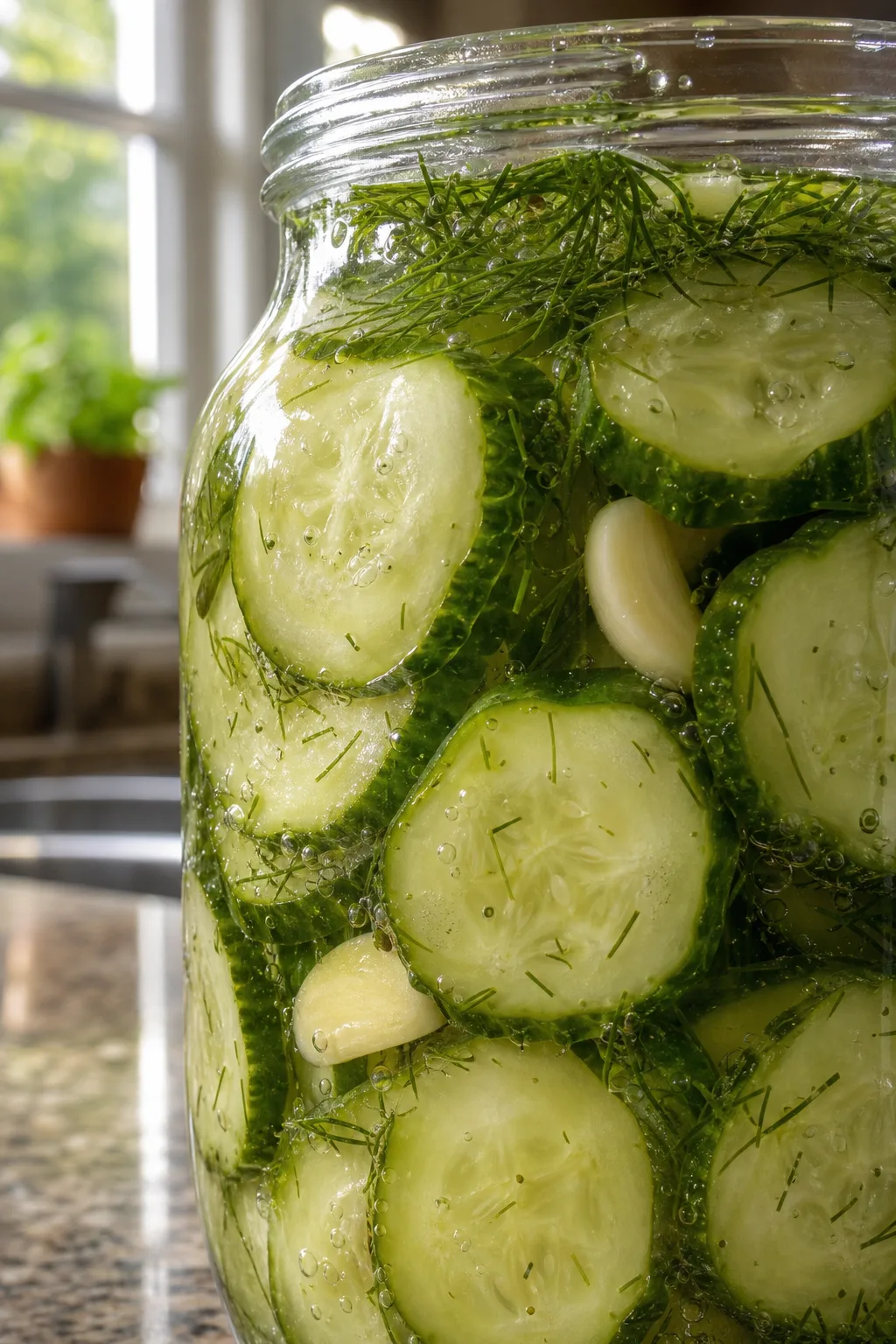
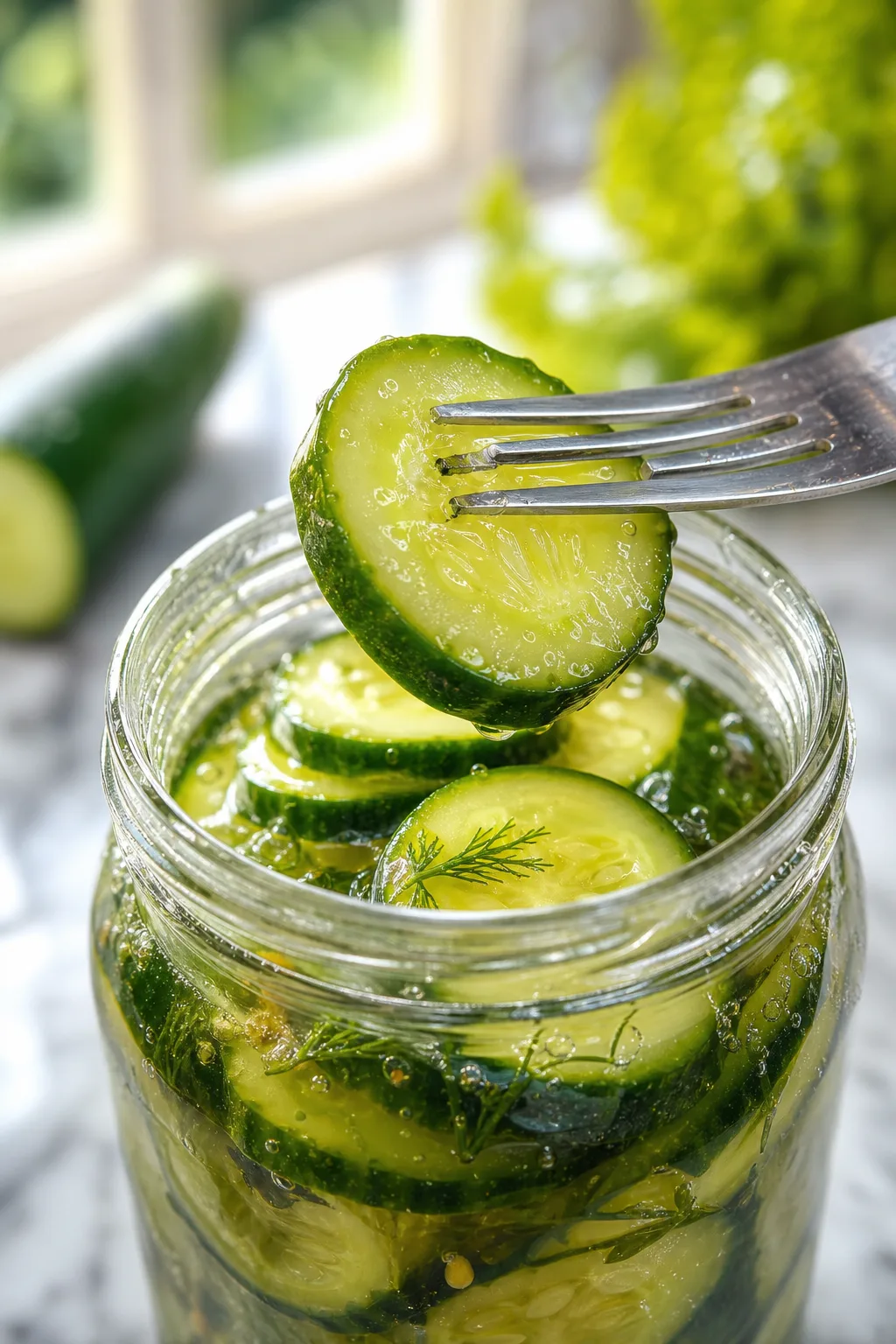
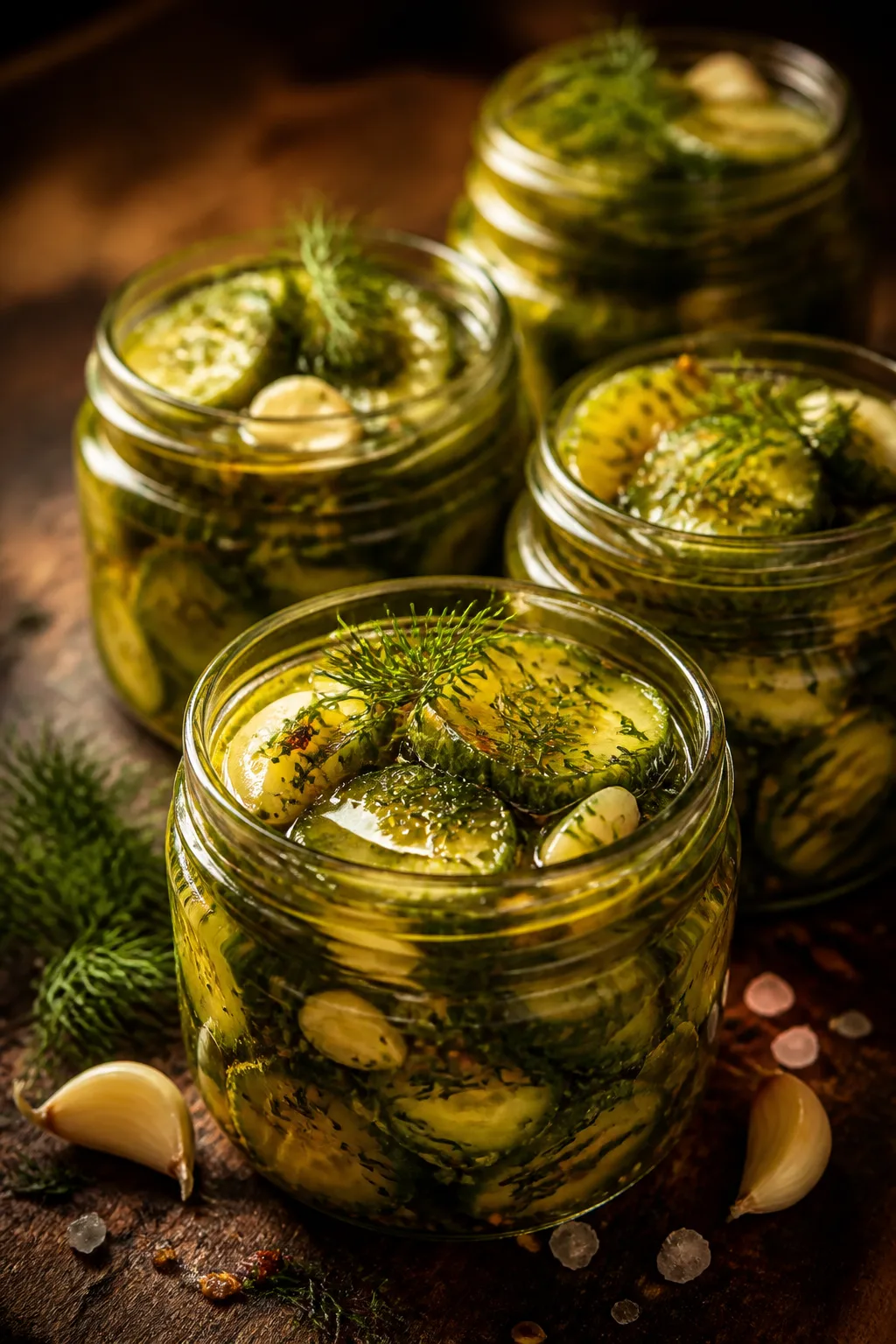
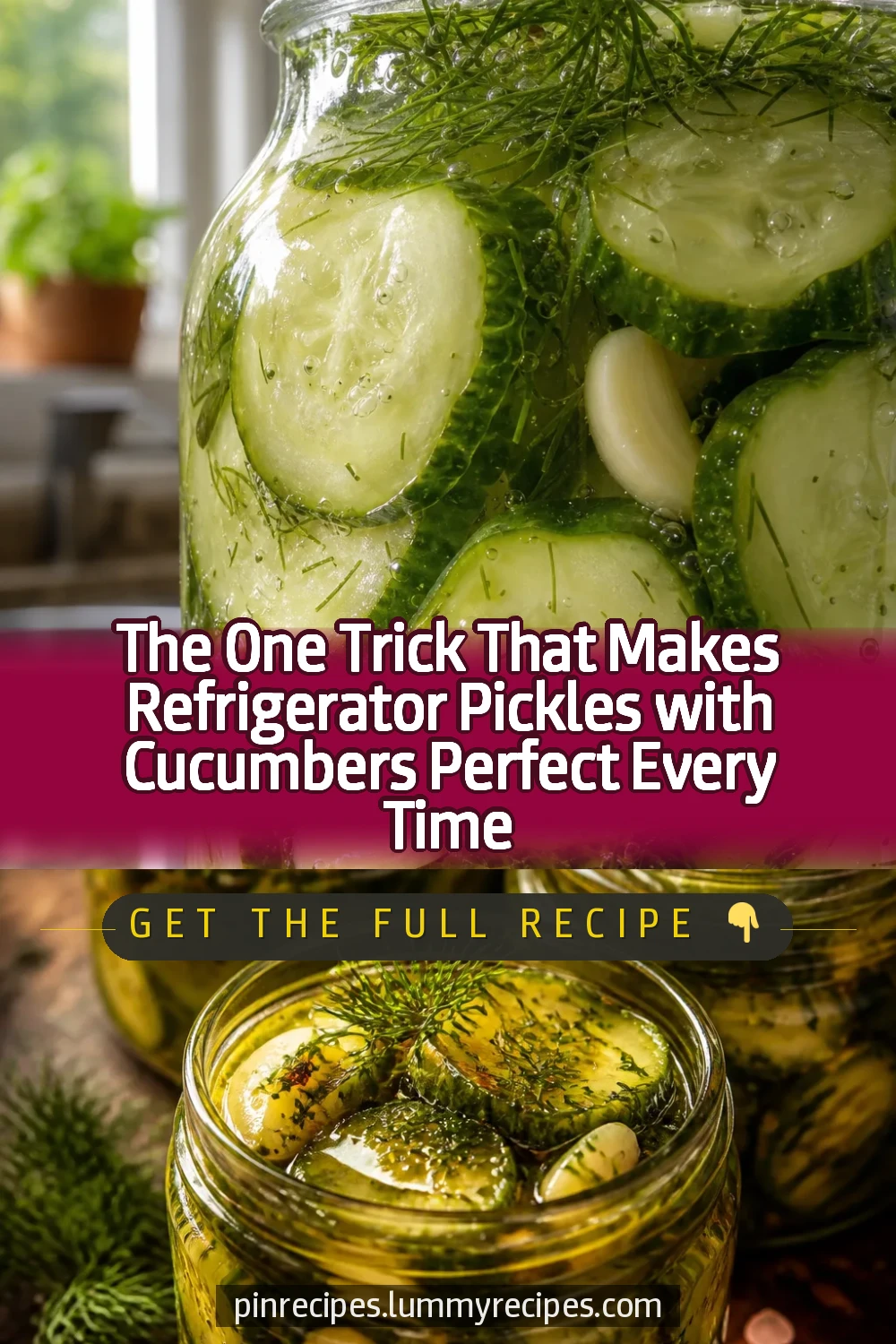
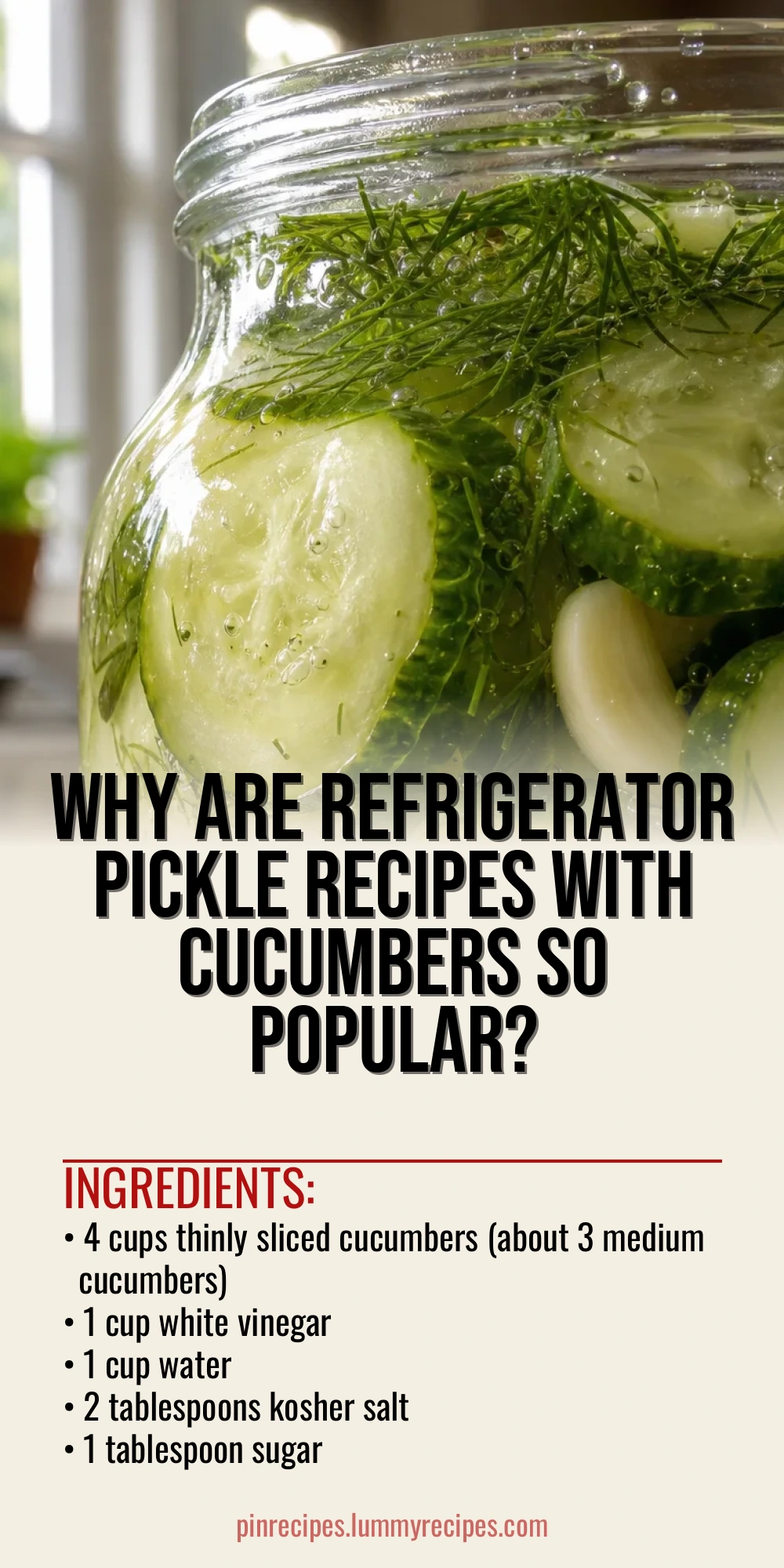
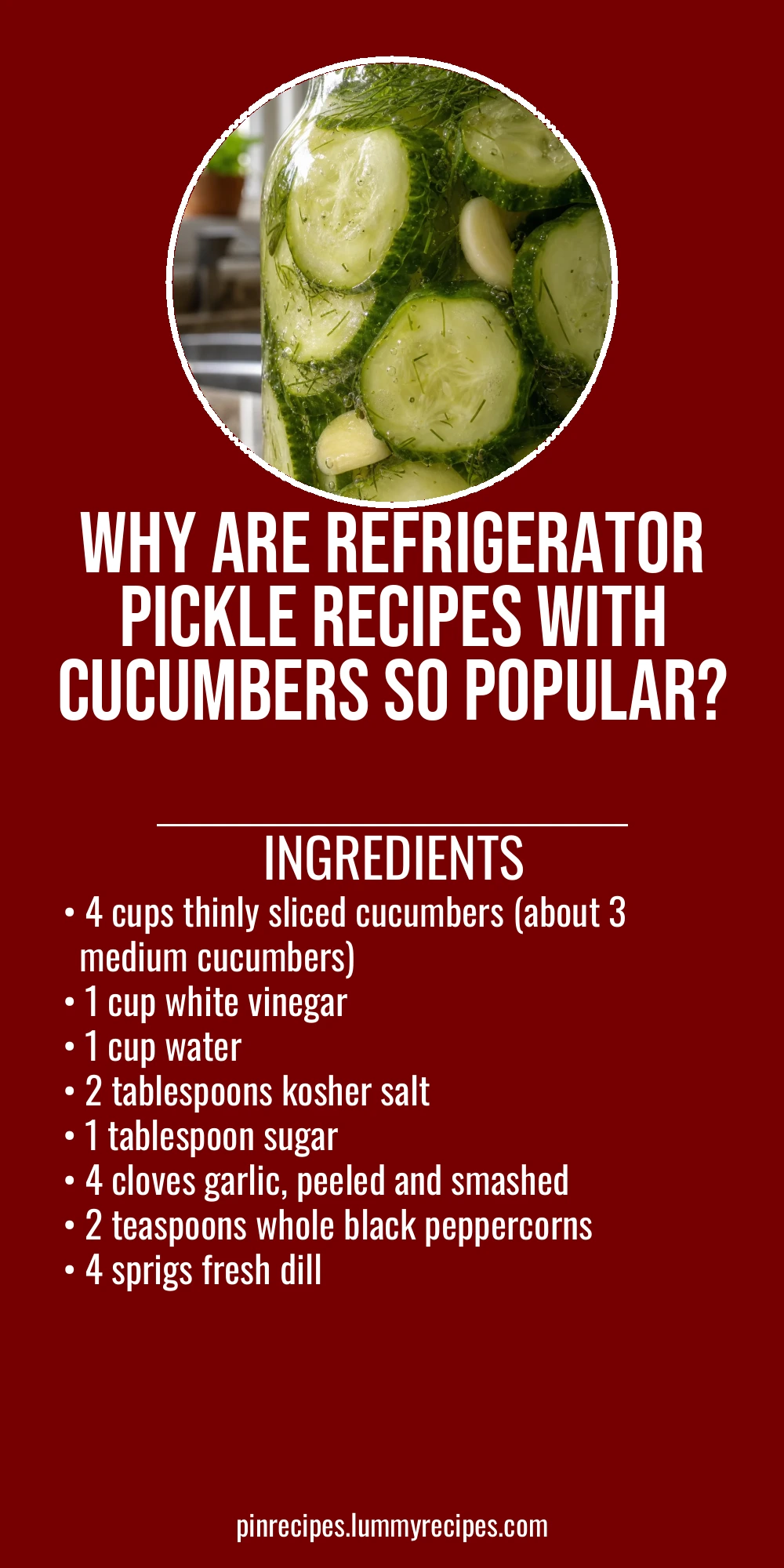
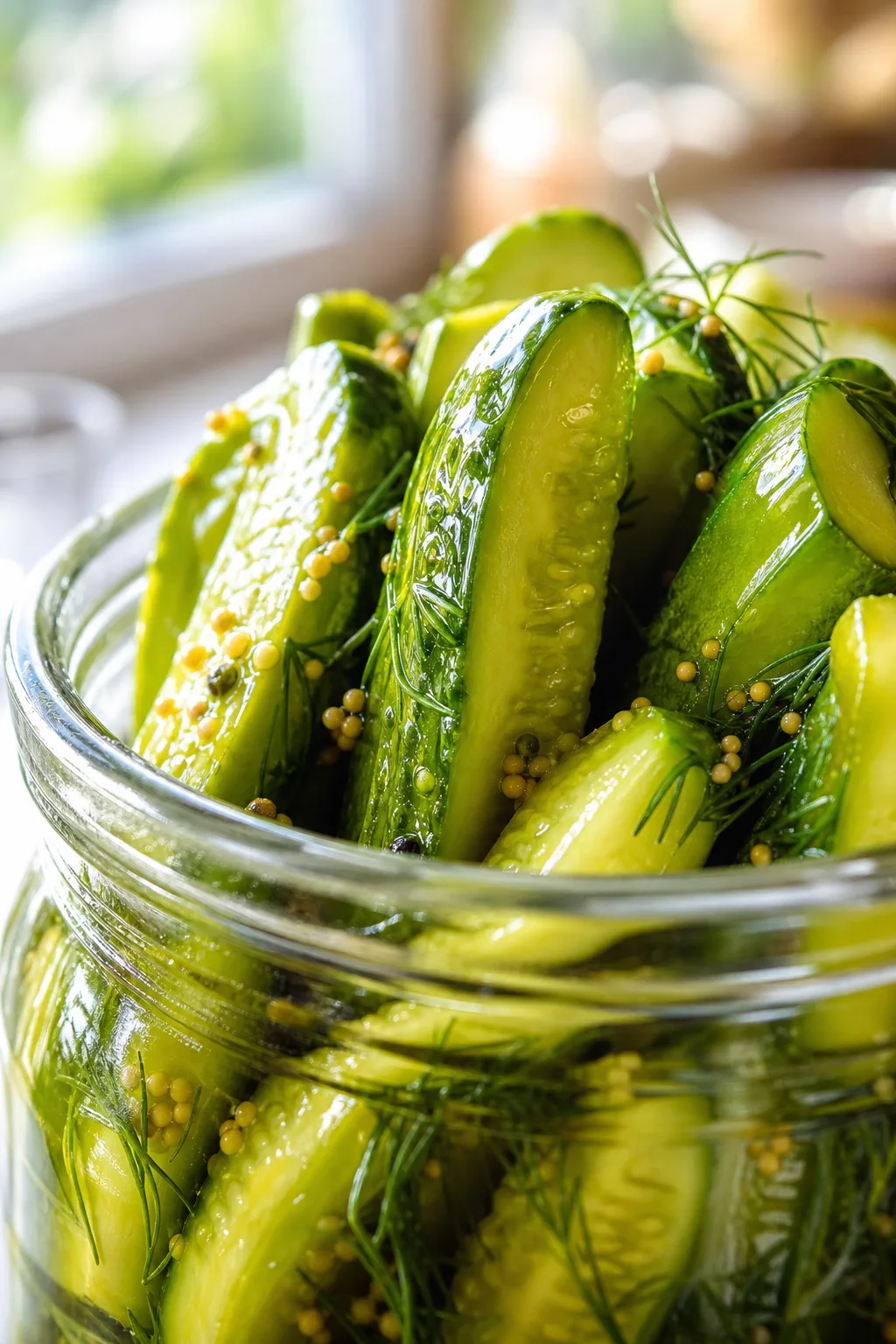
These easy refrigerator pickle recipes bring fresh, tangy cucumbers to your table in just a few days. I love adding fresh dill and garlic for that perfect homemade crunch. Great for snacking or topping sandwiches!
Introduction
I first fell in love with refrigerator pickles when I wanted a quick and easy way to enjoy fresh cucumbers with a tangy kick without the fuss of traditional canning. This recipe is my go-to because it’s straightforward and yields crisp, flavorful pickles in just a few days. What makes it stand out is the balance of vinegar and salt, plus the fresh dill and garlic that infuse the cucumbers with classic pickle aroma and taste. I’ve tried other recipes that ended up too soggy or bland, but this one keeps the cucumbers crunchy and bright. Plus, no boiling water baths here — just mix, jar, and refrigerate. The result is a vibrant jar of pickles that’s perfect for snacking, topping burgers, or adding to salads. It’s a simple pleasure that feels like a little homemade magic every time I open the fridge.
What You'll Need
Approximately 4 cups, 4 servings
- 4 cups thinly sliced cucumbers (about 3 medium cucumbers)
- 1 cup white vinegar
- 1 cup water
- 2 tablespoons kosher salt
- 1 tablespoon sugar
- 4 cloves garlic, peeled and smashed
- 2 teaspoons whole black peppercorns
- 4 sprigs fresh dill
How To Do It
Step 1
Start by washing and thinly slicing your cucumbers. Using a sharp knife or mandoline helps keep the slices even so they pickle uniformly. Even thickness ensures each slice absorbs the brine properly without becoming mushy. Place the cucumber slices into a large bowl while you prepare the brine. Avoid thick slices as they take longer to pickle and can be less crisp.
⏱ Time: 10
✓ Doneness: Cucumbers are uniformly sliced with no thick or uneven pieces.
Step 2
In a saucepan, combine the vinegar, water, kosher salt, and sugar. Heat gently, stirring until the salt and sugar dissolve completely. This step ensures the brine is well balanced and the flavors meld. Don’t boil the mixture; just warm enough to dissolve solids. Cooling the brine before adding to cucumbers helps maintain their crunch.
⏱ Time: 5
✓ Doneness: Salt and sugar are fully dissolved; brine is clear and warm but not boiling.
Step 3
Place the smashed garlic cloves, peppercorns, and fresh dill sprigs into a clean glass jar. These aromatics infuse the cucumbers with classic pickle flavors. You want enough to flavor but not overwhelm. Fresh dill is key for that authentic pickle taste, and garlic adds a subtle pungency.
⏱ Time: 5
✓ Doneness: Jar is filled with aromatics evenly distributed at the bottom and sides.
Step 4
Pack the cucumber slices tightly into the jar over the herbs. Press them down gently to remove air pockets but avoid crushing. The goal is to have the cucumbers fully submerged in brine for even pickling. A tight pack also helps keep the cucumbers crisp.
⏱ Time: 5
✓ Doneness: Jar is filled with cucumber slices pressed down but not smashed.
Step 5
Pour the cooled brine over the cucumbers until fully covered. Leave about half an inch of headspace at the top. If needed, add a small clean weight or extra cucumber slice to keep the cucumbers submerged. Exposure to air can cause spoilage or uneven pickling.
⏱ Time: 5
✓ Doneness: Cucumbers are completely submerged in clear brine with no air bubbles.
Step 6
Seal the jar tightly with a lid and refrigerate. The pickles will start to develop flavor after 24 hours but are best after 3 days. Refrigeration slows fermentation and keeps the cucumbers crisp while allowing flavors to meld gently.
⏱ Time: 3
✓ Doneness: Jar is sealed and chilled; pickles begin to show tangy aroma.
Step 7
After 3 days, taste your pickles. If they’ve reached your desired tanginess and crunch, they’re ready to enjoy. If you want a stronger flavor, let them sit longer up to 2 weeks. Always keep refrigerated to maintain freshness.
⏱ Time: 2
✓ Doneness: Pickles are tangy, crisp, and flavorful without mushiness.
Step 8
When ready to serve, remove pickles with a fork or tongs to avoid contamination. Use them as a snack, burger topping, or chopped into salads. Keep the jar tightly closed between uses to preserve flavor and texture.
⏱ Time: 1
✓ Doneness: Pickles are easily removed with no soggy pieces.
Step 9
If you want to customize, try adding sliced onions, mustard seeds, or red pepper flakes to the jar along with the dill and garlic for extra flavor layers. Experimenting with spices is a fun way to make this recipe your own.
⏱ Time: 5
✓ Doneness: Additional spices are evenly distributed and fresh.
Pro Tips
Use a mandoline slicer for uniform cucumber slices.
Uniform slices pickle evenly and maintain consistent texture. Uneven slices may result in some pieces becoming too soft while others remain under-pickled, affecting the overall quality.
Cool the brine completely before adding cucumbers.
Adding hot brine can cook the cucumbers slightly, causing them to lose their crunch. Cooling preserves the fresh texture and prevents premature softening.
Press cucumbers down with a clean weight to keep submerged.
Exposure to air leads to uneven pickling and potential spoilage. Keeping cucumbers submerged ensures consistent flavor development and safety.
Use fresh dill for the best flavor.
Fresh dill contains essential oils that provide the characteristic aroma and taste. Dried dill lacks the same intensity and can result in a less vibrant pickle.
Seal jars tightly and refrigerate immediately.
Proper sealing and cold storage slow fermentation and prevent mold growth, keeping pickles fresh and safe to eat.
Avoid overfilling jars to allow brine circulation.
Brine needs to move around the cucumbers to evenly distribute flavors. Overpacking can trap air pockets and reduce flavor penetration.
Use kosher salt instead of table salt.
Kosher salt dissolves more cleanly and doesn’t contain additives that can cloud the brine or alter the flavor, resulting in a clearer, tastier pickle.
Common Mistakes to Avoid
Using hot brine directly on cucumbers.
Why it happens Some cooks rush the process and pour the brine while still warm, thinking it speeds pickling.
Fix Always let the brine cool to room temperature before pouring. This prevents the cucumbers from softening prematurely and keeps them crunchy.
Not fully submerging cucumbers in brine.
Why it happens Overpacking or lack of weight can leave slices exposed to air.
Fix Use a clean weight or an extra cucumber slice to press down and keep all cucumbers submerged, preventing spoilage and uneven pickling.
Using regular table salt.
Why it happens Table salt is often on hand and seems interchangeable.
Fix Switch to kosher salt which dissolves better and lacks additives that cloud the brine or affect taste.
Skipping sugar in the brine.
Why it happens Some think sugar is unnecessary for pickles.
Fix A small amount of sugar balances acidity and enhances flavor complexity, making the pickles taste more rounded.
Using old or soft cucumbers.
Why it happens Not selecting fresh cucumbers can happen at busy grocery trips.
Fix Choose firm, freshly picked cucumbers with no soft spots for the best texture and flavor.
Variations
Spicy Refrigerator Pickles
Add red pepper flakes or sliced jalapeños to the jar for a spicy kick. This variation adds heat without losing the classic tangy crunch. Great for those who like a little fire with their pickles.
Note: Adjust the amount of chili to taste. The heat will intensify slightly over time, so start mild if unsure.
Bread and Butter Refrigerator Pickles
Include sliced onions and increase sugar slightly for a sweeter, tangy pickle reminiscent of bread and butter style. This version balances savory and sweet beautifully.
Note: Monitor sugar levels carefully to avoid overly sweet brine that can affect crispness.
Dill and Mustard Seed Pickles
Add mustard seeds and extra fresh dill for a more robust herbaceous flavor. Mustard seeds add a subtle warmth and texture contrast.
Note: Toast mustard seeds lightly before adding for enhanced flavor if desired.
Garlic Lover’s Pickles
Use extra garlic cloves and add a few whole black peppercorns for a pungent, savory pickle that garlic fans will adore. The flavor deepens the longer it sits.
Note: Be cautious with garlic quantity; too much can overpower the cucumber’s freshness.
Quick Sweet and Sour Pickles
Add a splash of apple cider vinegar and increase sugar for a sweet and sour profile. This variation is bright and refreshing, perfect for summer snacks.
Note: Apple cider vinegar changes the color slightly and adds fruity notes; balance sugar accordingly.
Nutrition
Per Serving:
Nutritional values are estimates and may vary based on specific ingredients used.
Storage & Tips
Room Temperature
Refrigerator pickles should not be stored at room temperature to prevent spoilage. Always keep them refrigerated after preparation.
Refrigerator
Store pickles in a sealed glass jar in the refrigerator for up to 2 weeks. Flavor intensifies over time, but texture may soften slightly after extended storage. Best enjoyed within the first week for optimal crunch.
Freezer
Freezing is not recommended as it will ruin the texture of the cucumbers, making them mushy upon thawing.
Reheating
No reheating is needed. Serve cold or at room temperature straight from the fridge.
Make Ahead
Prepare the pickles up to 1 day ahead by slicing cucumbers and mixing the brine. Store cucumbers and brine separately in the fridge and combine just before refrigerating to pickle.
FAQ
Can I use regular cucumbers instead of pickling cucumbers?
Yes, but pickling cucumbers are preferred because they have thinner skins and fewer seeds, which help keep the pickles crisp. Regular cucumbers can work but may become softer faster.
Can I use distilled white vinegar flavored with herbs?
It's best to use plain white distilled vinegar to maintain a clean, sharp pickle flavor. Flavored vinegars may alter the taste and color of your pickles unpredictably.
Do I need to boil the cucumbers before pickling?
No, boiling cucumbers is not necessary and will make them soft. The cold brine method preserves their natural crunch.
Why are my pickles soggy?
Soggy pickles usually result from using old or overly ripe cucumbers, hot brine, or insufficient salt in the brine. Make sure to use fresh cucumbers and cool brine.
Can I reuse the brine for another batch?
It's not recommended to reuse brine as it can harbor bacteria and lose acidity, which is essential for safe pickling.
Can I add sugar substitutes?
You can try honey or maple syrup, but they may change the flavor profile. Use sparingly and taste as you go.
Why do my pickles float?
Floating cucumbers are not fully submerged. Use a weight or an extra slice to keep them underwater for even pickling.
Is it safe to eat refrigerator pickles after 2 weeks?
It's best to consume them within 2 weeks. Beyond that, texture and flavor degrade, and there is a higher risk of spoilage.
Final Thoughts
I hope you enjoy making these easy refrigerator pickles as much as my family does. They’re a simple way to add fresh, tangy crunch to your meals. Let me know how your batch turns out!