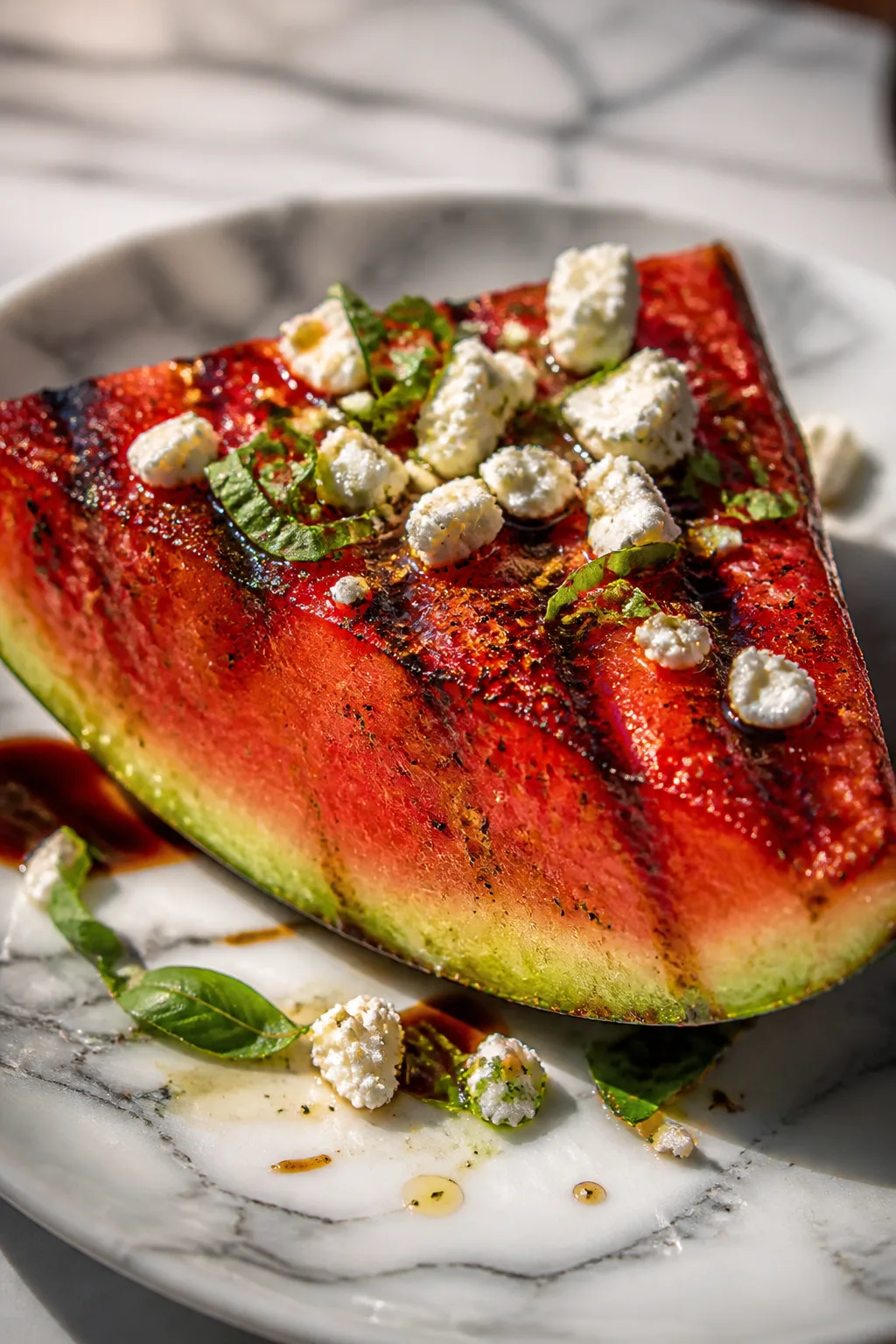
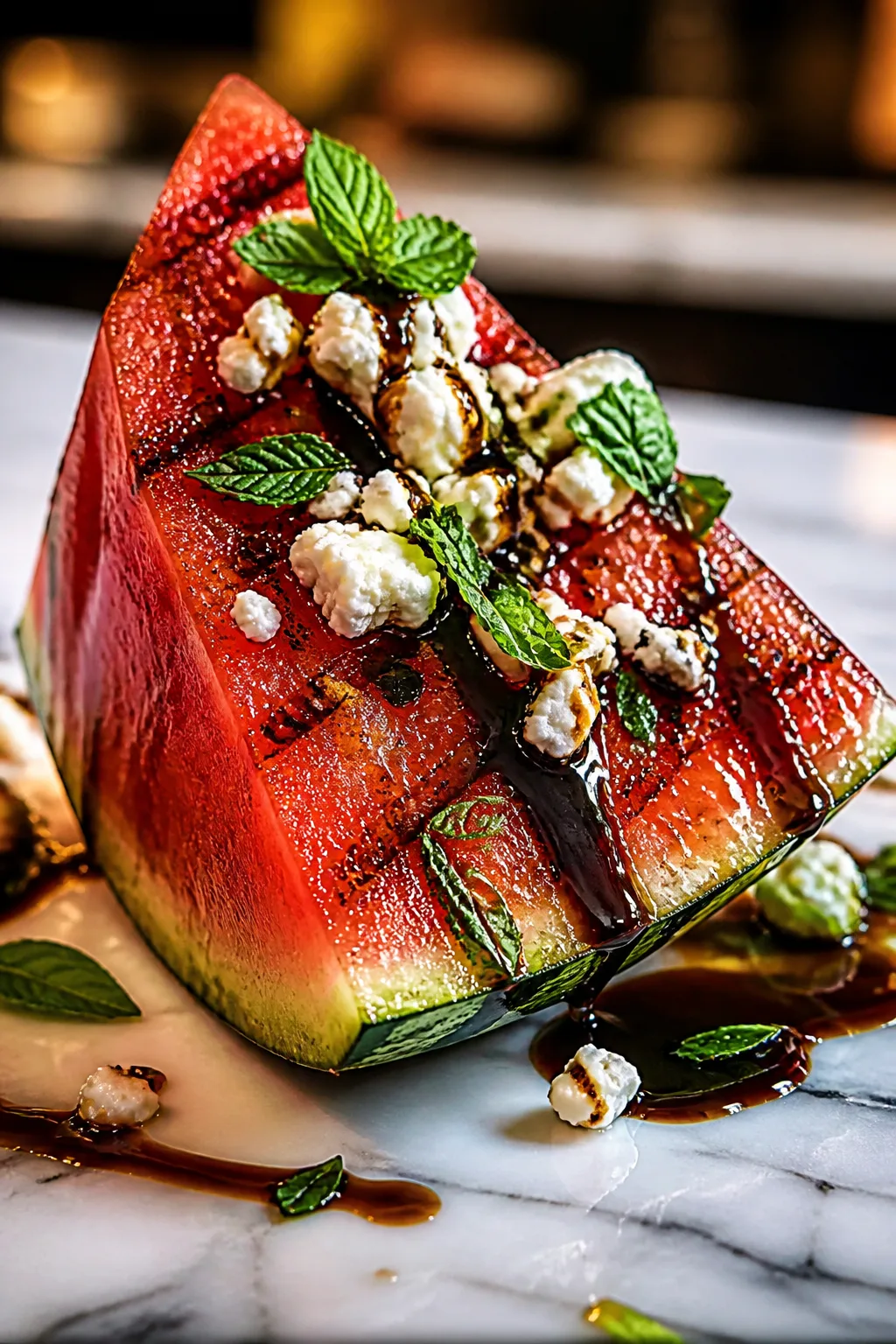
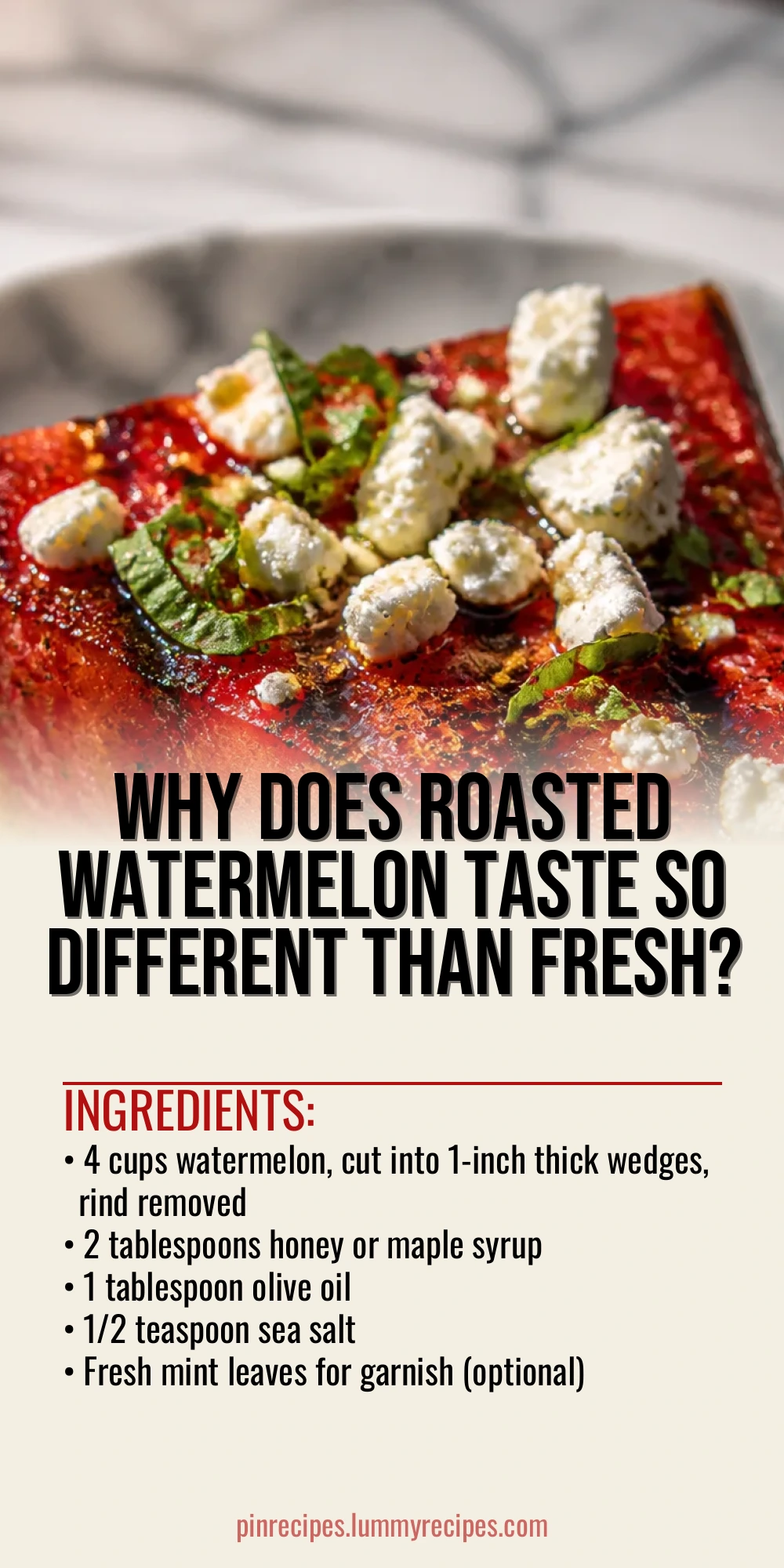
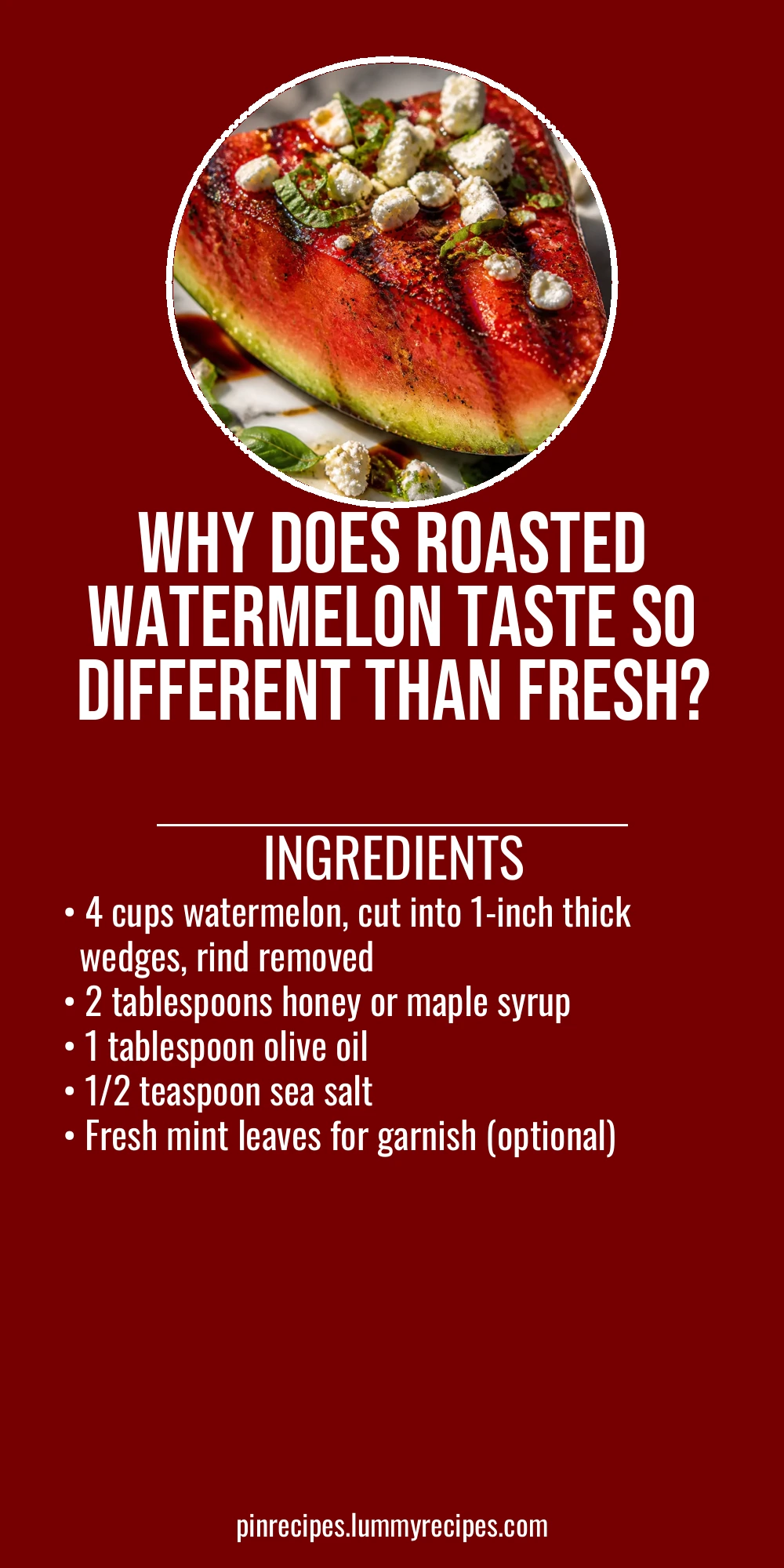
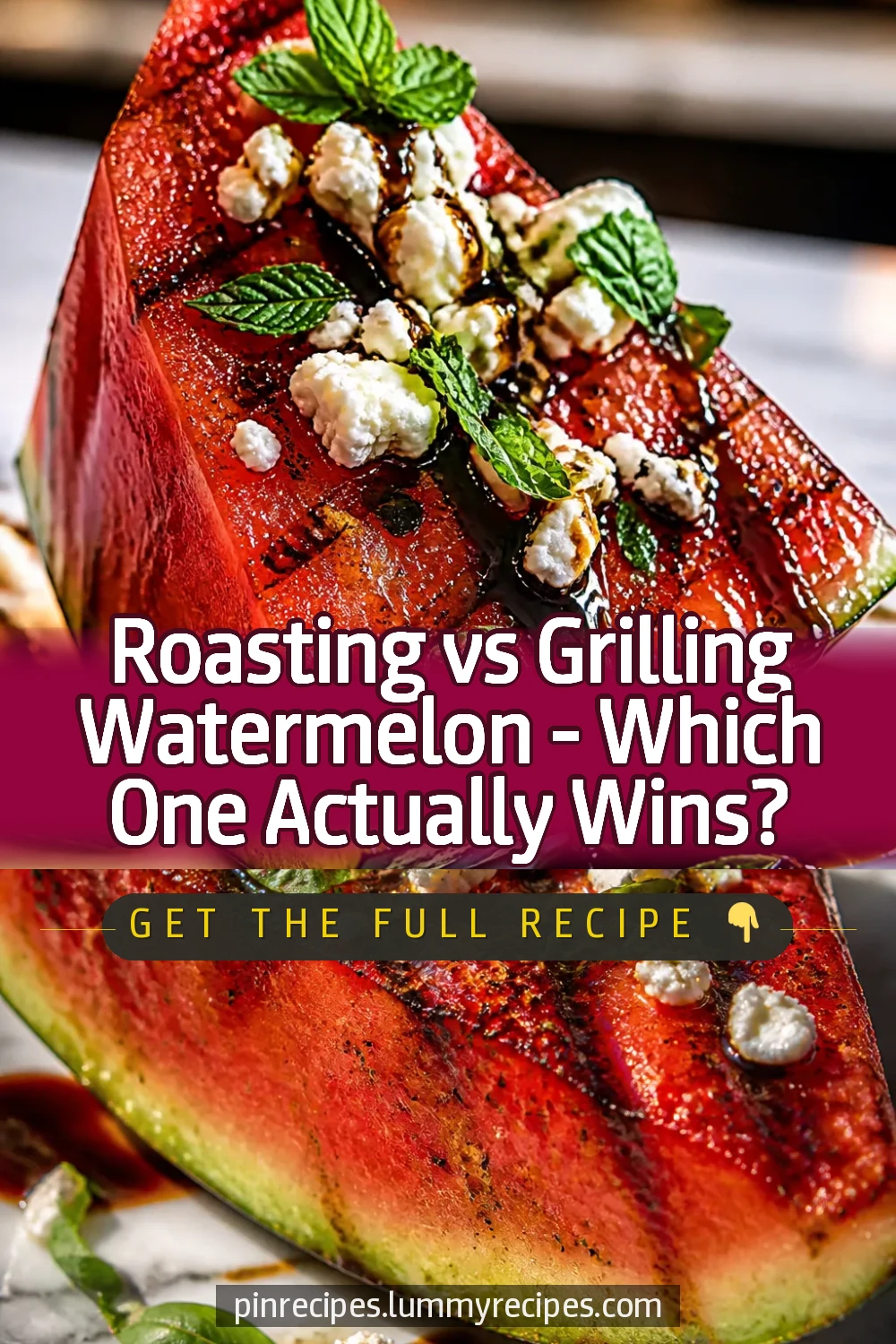
Roasting watermelon might sound unusual, but it caramelizes the sugars and deepens the flavor into something juicy and irresistible. I love serving this as a unique summer side or dessert twist!
Introduction
I first stumbled upon roasting watermelon during a summer barbecue when I wanted to try something different with this classic fruit. At first, it sounded odd—roasting watermelon? But once I tasted it, I was hooked. The roasting process intensifies the natural sweetness and adds a subtle caramelized edge that fresh watermelon just can’t match. What makes this version stand out is a simple drizzle of honey and a sprinkle of sea salt before roasting, which balances the flavors perfectly. Plus, roasting softens the texture just enough to make it feel like a juicy dessert rather than just fruit. I love serving it as a refreshing side or a light dessert on warm evenings. It’s super easy to prepare and always sparks curiosity from guests. Trust me, once you try roasting watermelon, you might never go back to just slicing it fresh!
How To Do It
Step 1
Preheat your oven to 400°F (200°C). Line a baking sheet with parchment paper or lightly grease it to prevent sticking. This step is important because roasting at a high temperature caramelizes the natural sugars in the watermelon, enhancing its flavor. Make sure your oven is fully preheated before placing the watermelon in to get that perfect caramelization. Avoid overcrowding the pan so the heat circulates evenly around each piece.
⏱ Time: 10
✓ Doneness: Watermelon edges start to brown slightly and look caramelized
Step 2
In a small bowl, combine honey (or maple syrup), olive oil, and sea salt. Brush this mixture evenly over each watermelon wedge. The honey helps with caramelization and adds sweetness, while the olive oil keeps the watermelon moist during roasting. Don’t skip the salt—it enhances the sweetness and adds depth. If you rush this step or skip the oil, the watermelon may dry out or not caramelize as well.
⏱ Time: 5
✓ Doneness: Wedges are evenly coated with a shiny glaze before roasting
Step 3
Arrange the coated watermelon wedges on the prepared baking sheet in a single layer. Place the sheet in the preheated oven on the middle rack. Cooking evenly is key here; if you place the watermelon too close to the top or bottom, it might burn or cook unevenly.
⏱ Time: 1
✓ Doneness: Wedges are spaced apart without overlapping
Step 4
Roast the watermelon for about 20-25 minutes, flipping the wedges halfway through. Flipping helps both sides get that golden caramelization and prevents burning on one side. Keep an eye on the watermelon after 15 minutes to avoid overcooking, which can cause it to become mushy.
⏱ Time: 25
✓ Doneness: Watermelon is tender and caramelized with slightly browned edges
Step 5
Remove the watermelon from the oven and let it cool slightly on the baking sheet. Cooling allows the caramelized sugars to set a bit, making the texture more pleasant and less watery. Serve warm or at room temperature for best flavor.
⏱ Time: 5
✓ Doneness: Watermelon is warm but not hot, caramelized glaze is tacky
Step 6
Optional: Garnish with fresh mint leaves for a refreshing contrast. The mint adds a bright herbal note that complements the sweet and slightly smoky flavor of the roasted watermelon.
⏱ Time: 2
✓ Doneness: Mint leaves look fresh and vibrant on top
Step 7
Serve the roasted watermelon as a unique side dish, a light dessert, or even a salad component. It pairs wonderfully with grilled meats or a simple green salad. The warm sweetness is a surprising twist that guests often ask about.
⏱ Time: 0
✓ Doneness: Ready to enjoy
Step 8
If you want a little extra flavor, sprinkle a pinch of chili powder or a squeeze of fresh lime over the roasted watermelon just before serving. It adds a subtle kick or tang that balances the sweetness beautifully.
⏱ Time: 0
✓ Doneness: Flavor enhanced with spice or citrus
Step 9
Store any leftovers in an airtight container in the fridge. Roasted watermelon is best eaten within a day or two to enjoy its texture and flavor. You can reheat gently or enjoy cold as a refreshing snack.
⏱ Time: 0
✓ Doneness: Properly stored leftovers
Pro Tips
Use a sharp knife to cut watermelon into even wedges.
Evenly sized pieces ensure consistent cooking and caramelization. Uneven wedges may burn or undercook, leading to an inconsistent texture and flavor experience.
Don’t overcrowd the baking sheet.
Allowing space between watermelon pieces enables hot air circulation, which is crucial for even roasting and caramelization. Overcrowding causes steaming instead of roasting.
Flip the watermelon halfway through roasting.
Flipping exposes both sides to direct heat, promoting uniform caramelization and preventing one side from burning while the other remains raw.
Use parchment paper or a silicone mat on your baking sheet.
This prevents sticking and makes cleanup easier. Watermelon’s natural sugars can caramelize and stick to the pan, so a non-stick surface helps maintain the wedges’ shape and presentation.
Let the roasted watermelon rest before serving.
Resting allows the caramelized sugars to set slightly, improving texture and flavor. Serving immediately can cause the fruit to be overly juicy and less flavorful.
Experiment with a sprinkle of chili powder or lime juice.
These additions introduce a pleasant contrast to the sweetness, adding complexity and refreshing zing that balances the richness of roasting.
Serve warm or at room temperature.
Roasted watermelon tastes best when slightly warm, as this enhances the caramelized flavor and juicy texture. Cold watermelon loses some of its roasted charm.
Common Mistakes to Avoid
Using underripe watermelon.
Why it happens Sometimes cooks grab any watermelon without checking ripeness, thinking roasting will fix flavor.
Fix Select a ripe watermelon with deep red flesh and a sweet aroma. Roasting intensifies flavors, so starting with good fruit is essential for a delicious result.
Roasting at too low a temperature.
Why it happens People may reduce oven heat to avoid burning, but this prevents caramelization.
Fix Keep the oven at 400°F to ensure proper caramelization. Lower temps will steam the watermelon, resulting in mushy texture and bland flavor.
Skipping the oil or sweetener coating.
Why it happens Some assume watermelon’s natural juice is enough for roasting.
Fix Brush with honey and olive oil to promote caramelization and keep the fruit moist. This step is key for flavor and texture.
Not flipping the watermelon wedges.
Why it happens Forgetting to turn the fruit leads to uneven roasting.
Fix Flip wedges halfway through cooking for balanced caramelization and prevent burning on one side.
Overcrowding the pan.
Why it happens Trying to roast all pieces at once without spacing.
Fix Arrange wedges with space between them to allow hot air circulation, which is necessary for proper roasting.
Variations
Spicy Roasted Watermelon
Add a pinch of cayenne pepper or chili powder to the honey-oil glaze before roasting. This gives the watermelon a subtle heat that contrasts beautifully with its sweetness, perfect for those who like a little kick.
Note: Be cautious with spice amount; too much can overpower the delicate watermelon flavor.
Roasted Watermelon Salad
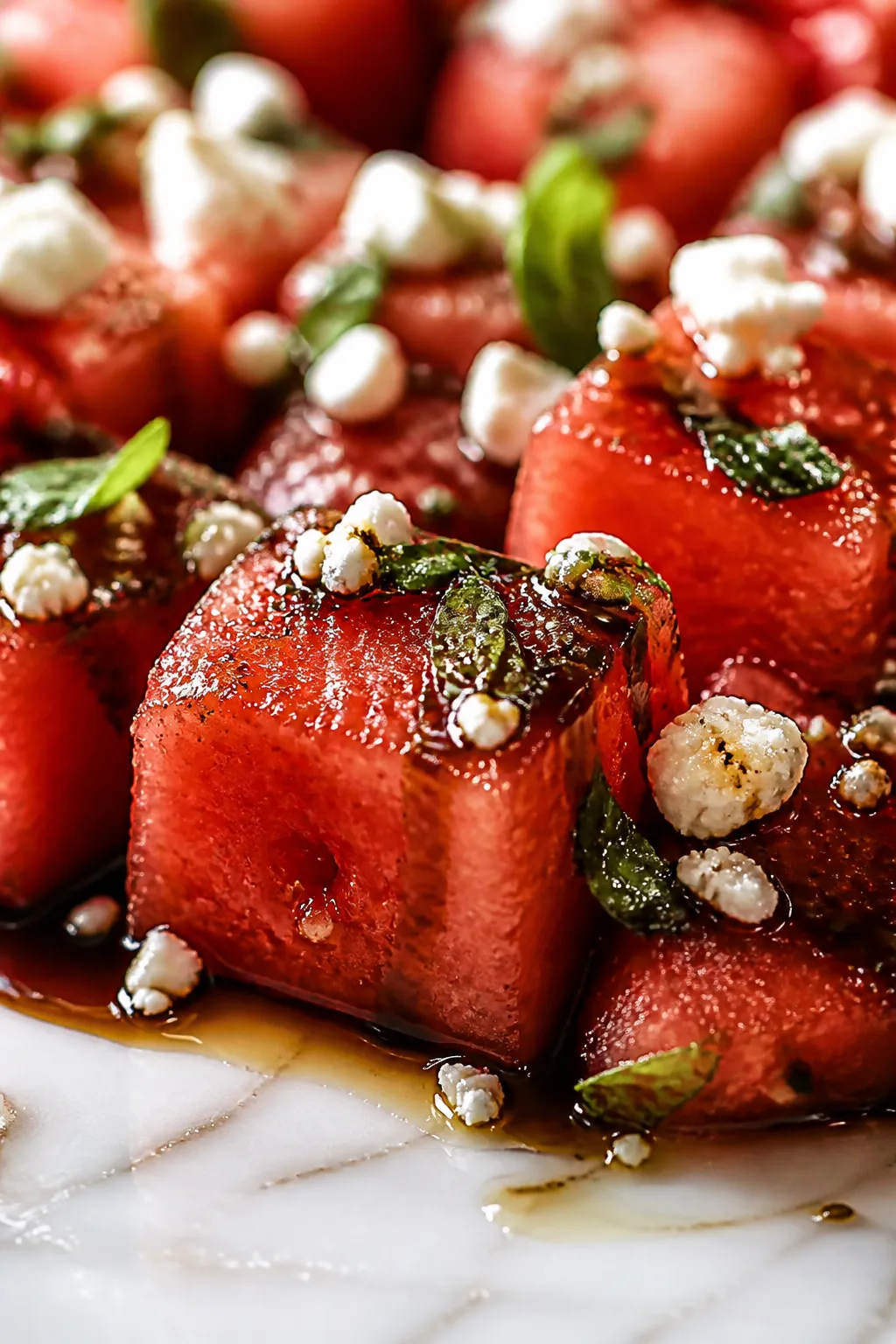
Toss roasted watermelon chunks with arugula, feta cheese, and toasted almonds for a refreshing summer salad. The roasted fruit adds sweetness and warmth, balancing the peppery greens and salty cheese.
Note: Roast watermelon as directed, then cool before combining with salad ingredients.
Grilled Roasted Watermelon
Instead of oven roasting, grill watermelon wedges over medium-high heat for 3-4 minutes per side. This method adds smoky grill marks and a slightly different caramelized flavor.
Note: Watch closely to avoid burning; grilling time is shorter than roasting.
Honey-Lime Roasted Watermelon
After roasting, drizzle the watermelon with fresh lime juice and a bit more honey for a bright, tangy finish. This variation adds a zesty freshness that livens up the dish.
Note: Add lime juice just before serving to preserve its brightness.
Roasted Watermelon with Balsamic Glaze
Drizzle a balsamic reduction over the roasted watermelon for a sophisticated flavor twist. The tangy sweetness of balsamic complements the caramelized fruit beautifully.
Note: Prepare balsamic glaze by simmering balsamic vinegar until thickened; add after roasting.
Nutrition
Per Serving:
Nutritional values are estimates and may vary based on specific ingredients used.
Storage & Tips
Room Temperature
Roasted watermelon can safely sit out for up to 2 hours if covered to avoid contamination. However, it’s best enjoyed fresh or shortly after cooling to maintain texture and flavor.
Refrigerator
Store leftovers in an airtight container in the fridge for up to 2 days. The texture will soften further when chilled, so it’s best served cold as a refreshing snack or gently warmed before eating.
Freezer
Freezing roasted watermelon is not recommended because it will become mushy and lose its texture upon thawing. For best quality, consume within 2 days refrigerated.
Reheating
To reheat, warm the roasted watermelon gently in a skillet over low heat for 2-3 minutes or microwave briefly at 50% power. Avoid overheating to prevent mushiness. A splash of honey or lime juice can refresh the flavor.
Make Ahead
You can prepare the watermelon wedges and honey-oil glaze up to a day ahead and store separately. Assemble and roast just before serving to enjoy the freshest caramelization and texture.
FAQ
Can I roast watermelon with the rind on?
It’s best to remove the rind before roasting because it doesn’t soften or caramelize like the flesh. The rind can remain tough and bitter. If you want to keep the rind for presentation, cut the flesh away from the rind and roast only the red part.
Is roasting watermelon healthy?
Roasting watermelon slightly concentrates its natural sugars but doesn’t add unhealthy ingredients. Using natural sweeteners like honey and a bit of olive oil keeps it wholesome. It’s a fun way to enjoy fruit with a twist but should be eaten in moderation like any sweet treat.
Can I use frozen watermelon for roasting?
Frozen watermelon isn’t ideal because it loses texture and releases excess water when thawed. Fresh watermelon yields the best caramelization and flavor. If frozen is your only option, drain well and pat dry before roasting.
How do I prevent the watermelon from becoming mushy?
Roast at a high temperature (400°F) and avoid overcooking. Keep an eye on the watermelon and remove it as soon as it’s caramelized and tender but still holds its shape. Also, don’t overcrowd the pan to allow proper roasting instead of steaming.
Can I use other sweeteners instead of honey?
Yes, maple syrup or agave syrup work well as alternatives. They help with caramelization and add sweetness. Avoid granulated sugar since it won’t dissolve evenly and may burn.
What can I serve with roasted watermelon?
It pairs wonderfully with grilled meats, fresh salads, or as a light dessert topped with mint or a sprinkle of chili powder. It’s versatile and adds a surprising twist to summer meals.
How long does roasted watermelon keep?
Store in the refrigerator in an airtight container for up to 2 days. The texture softens over time, so it’s best enjoyed within this window. Avoid freezing as it damages texture.
Can I roast other melons the same way?
Yes, cantaloupe and honeydew can be roasted similarly. Their firmer flesh holds up well, and roasting brings out their sweetness too. Adjust roasting time slightly based on firmness.
Is roasting watermelon suitable for kids?
Absolutely! Roasted watermelon is sweet, juicy, and fun to eat. Just be mindful of any added spices or chili powder if serving to children. It’s a healthy and novel way to enjoy fruit.
Can I grill watermelon instead of roasting?
Yes, grilling watermelon adds a smoky flavor and caramelizes sugars quickly. Grill wedges over medium-high heat for 3-4 minutes per side. Watch carefully to prevent burning.
Final Thoughts
Give this roasted watermelon recipe a try for a fresh take on summer fruit. I’d love to hear how your family enjoys this juicy, caramelized treat!