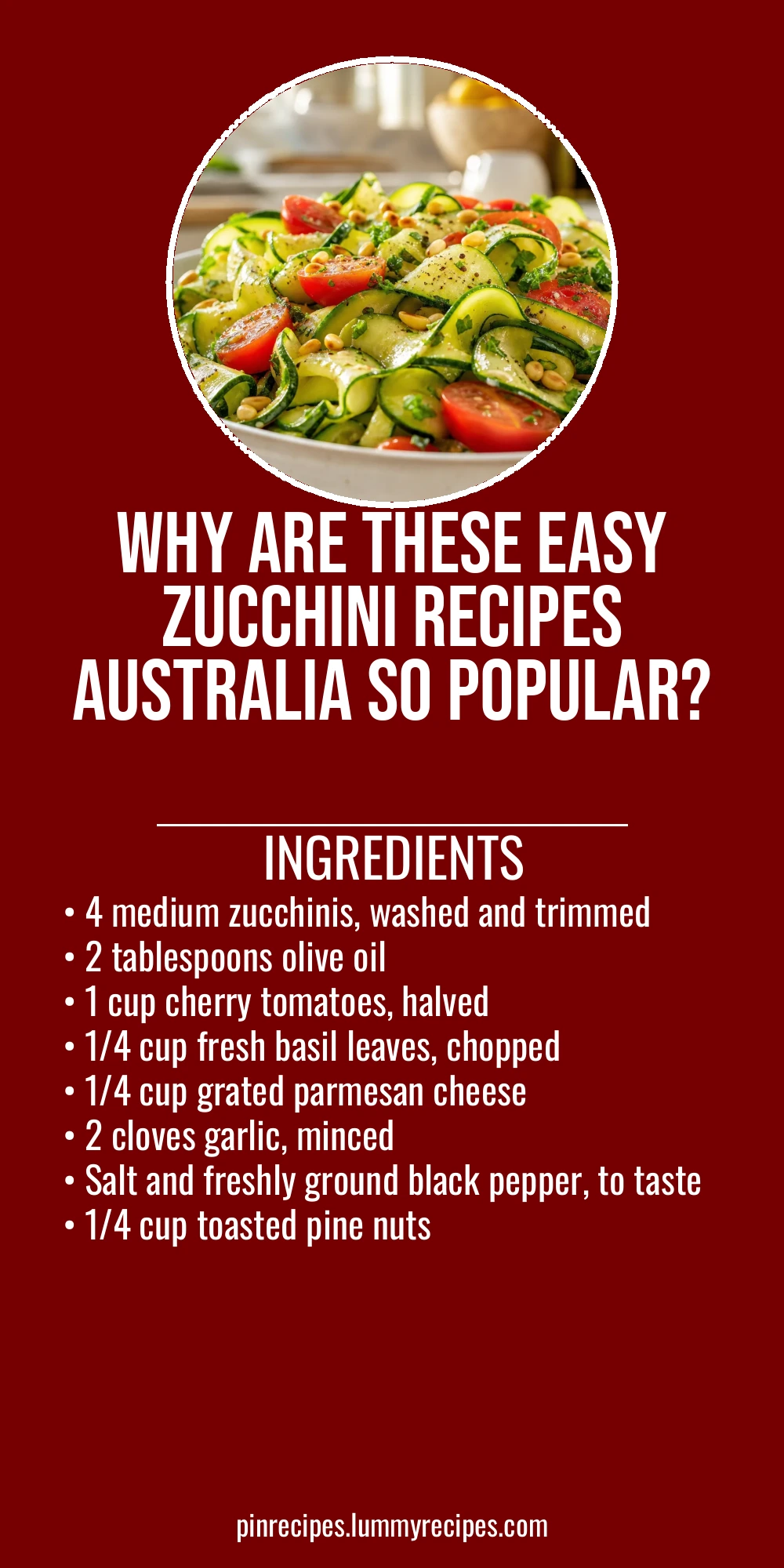
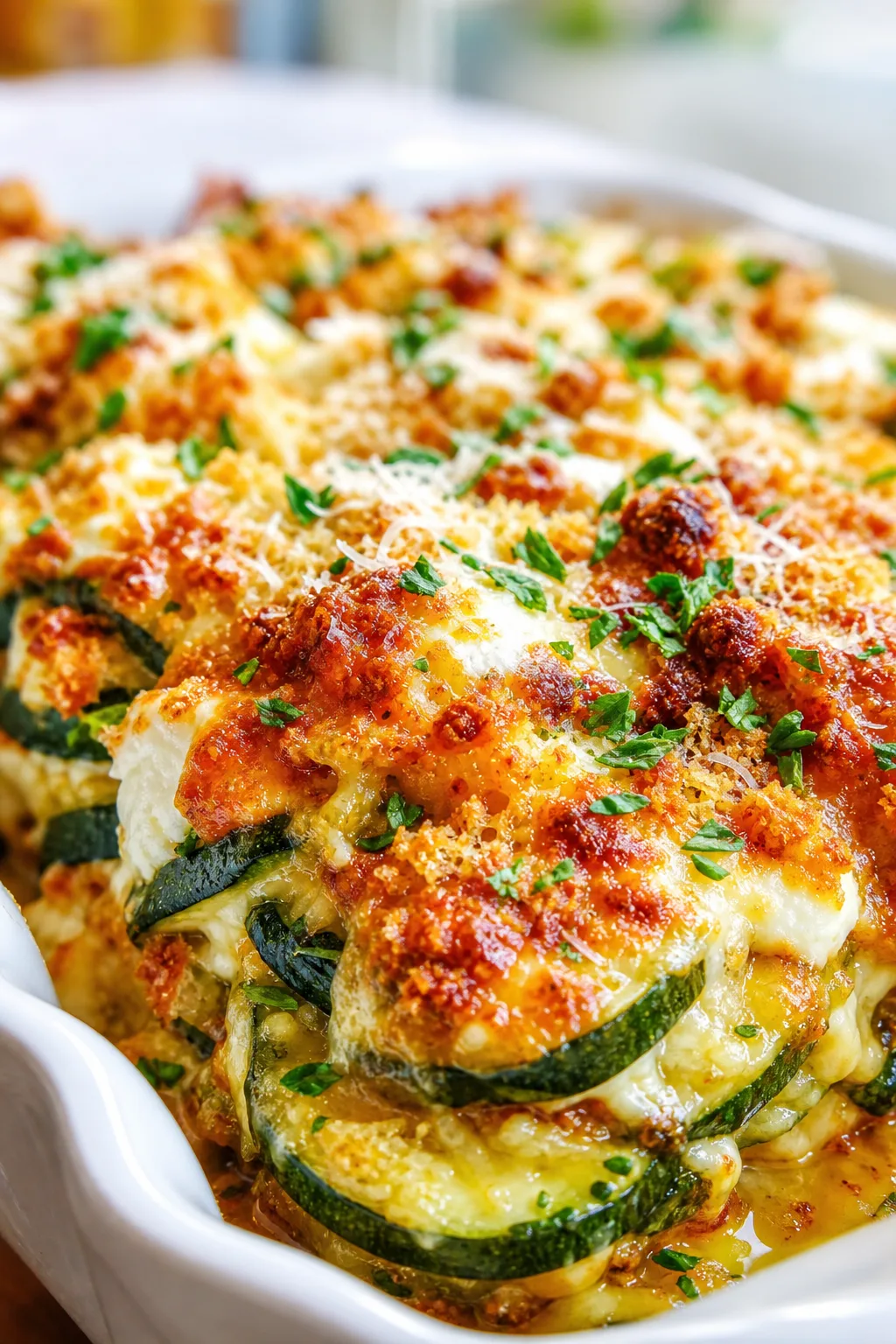
This collection of easy zucchini recipes from Australia is perfect for fresh, simple meals that don’t take much time. I love how zucchini’s mild flavor pairs with herbs and light dressings. Great for quick lunches or light dinners!
Introduction
I first fell in love with zucchini recipes during a summer visit to Australia, where fresh produce and simple cooking shine. What makes these easy zucchini recipes special is how they celebrate the vegetable’s subtle flavor without overwhelming it. I’ve found that slicing zucchini into ribbons or grating it finely helps it absorb dressings and seasonings beautifully, making every bite fresh and flavorful. Plus, quick cooking methods like sautéing or pan-frying keep the texture just right, neither mushy nor raw. My family especially loves the zucchini fritters — crispy on the outside, tender inside, with a hint of garlic and herb yogurt to brighten things up. These recipes are perfect for busy weeknights or light lunches when you want something wholesome but don’t want to spend hours in the kitchen. Expect vibrant colors, fresh herbs, and that unmistakable Aussie laid-back vibe in every dish. I think you’ll find these recipes both comforting and easy enough to make a regular part of your meal rotation.
How To Do It
Step 1
Start by preparing the zucchini. Use a vegetable peeler or mandoline to create thin ribbons or grate the zucchini if making fritters. This allows the zucchini to cook evenly and absorb flavors better. Be sure to pat the zucchini dry with a clean kitchen towel to remove excess moisture; this helps prevent sogginess and ensures a crispier texture when sautéed or fried. Avoid skipping this step as watery zucchini can make dishes mushy.
⏱ Time: 10
✓ Doneness: Zucchini ribbons should be pliable but not soggy; grated zucchini should feel damp but not dripping.
Step 2
Heat olive oil in a large skillet over medium heat. Add minced garlic and sauté briefly until fragrant but not browned, about 30 seconds. Then add the zucchini ribbons or fritter batter. For ribbons, toss gently until just tender, about 3-4 minutes; for fritters, cook until golden brown on one side before flipping. Cooking zucchini quickly preserves its fresh flavor and bright color. Rushing this step or cooking on too high heat can cause burning or uneven cooking.
⏱ Time: 10
✓ Doneness: Zucchini should be tender with a slight bite; fritters should be golden brown and crisp on both sides.
Step 3
If making zucchini pasta, toss cooked zucchini ribbons with halved cherry tomatoes, chopped basil, and grated parmesan in a bowl. Season with salt and pepper to taste. The residual heat will slightly wilt the basil and soften the tomatoes just enough to meld flavors without losing freshness. This step brings brightness and balance to the dish.
⏱ Time: 5
✓ Doneness: Ingredients should be well combined, with tomatoes slightly softened and basil fragrant.
Step 4
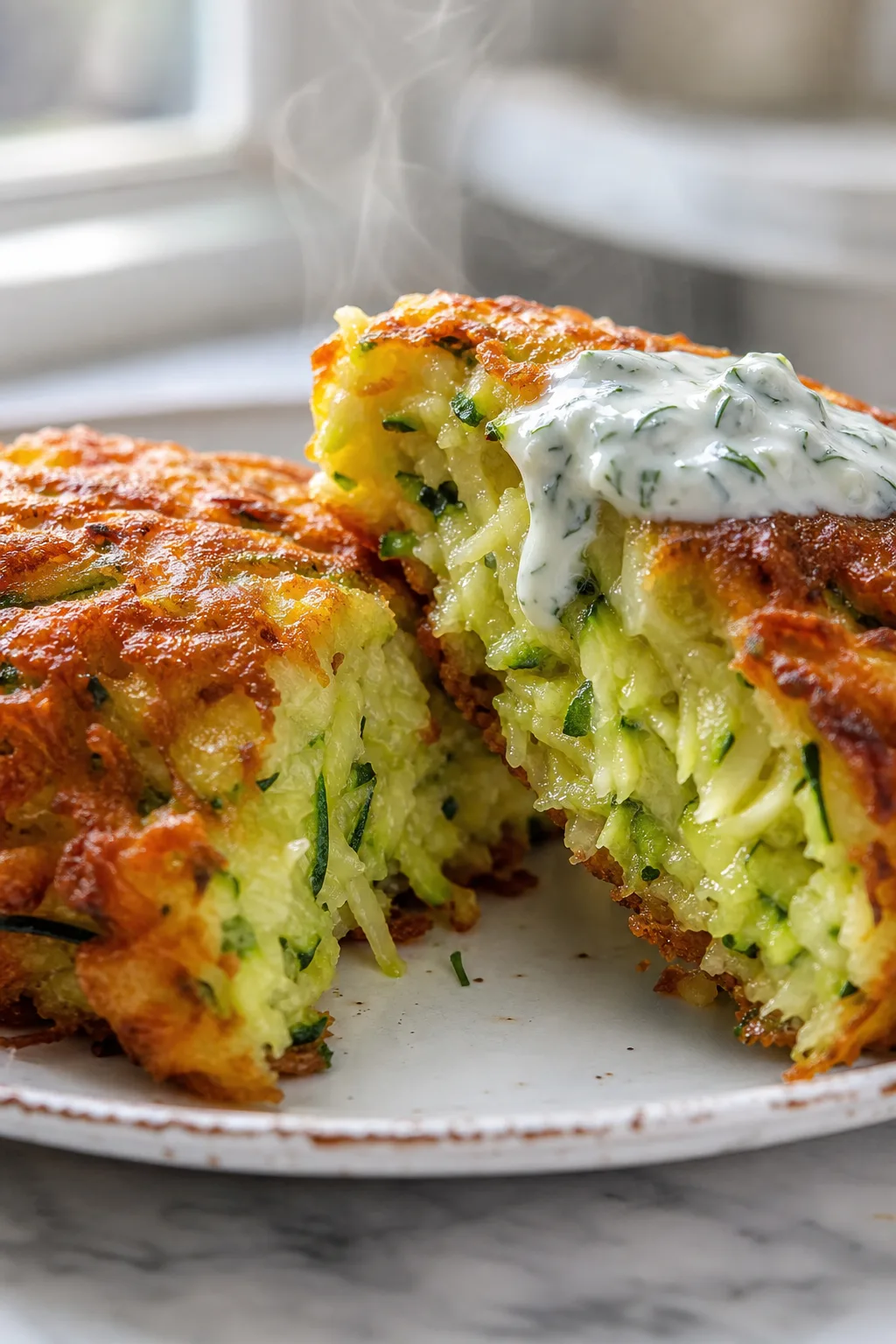
For zucchini fritters, mix grated zucchini with beaten eggs, flour, salt, and pepper to form a batter. Spoon dollops into the hot skillet and flatten gently. Cook on medium heat until the edges are crisp and golden, then flip carefully to cook the other side. The batter binds the zucchini and creates a tender interior with a crispy crust. Avoid overcrowding the pan to ensure even cooking.
⏱ Time: 15
✓ Doneness: Fritters should be golden brown on both sides and hold together when flipped.
Step 5
Once cooked, transfer fritters to a paper towel-lined plate to absorb excess oil. Serve warm topped with a dollop of herb-infused yogurt or a squeeze of lemon juice for brightness. This finishing touch cuts through the richness and adds a fresh contrast.
⏱ Time: 5
✓ Doneness: Fritters should be warm with crispy edges and a moist interior.
Step 6
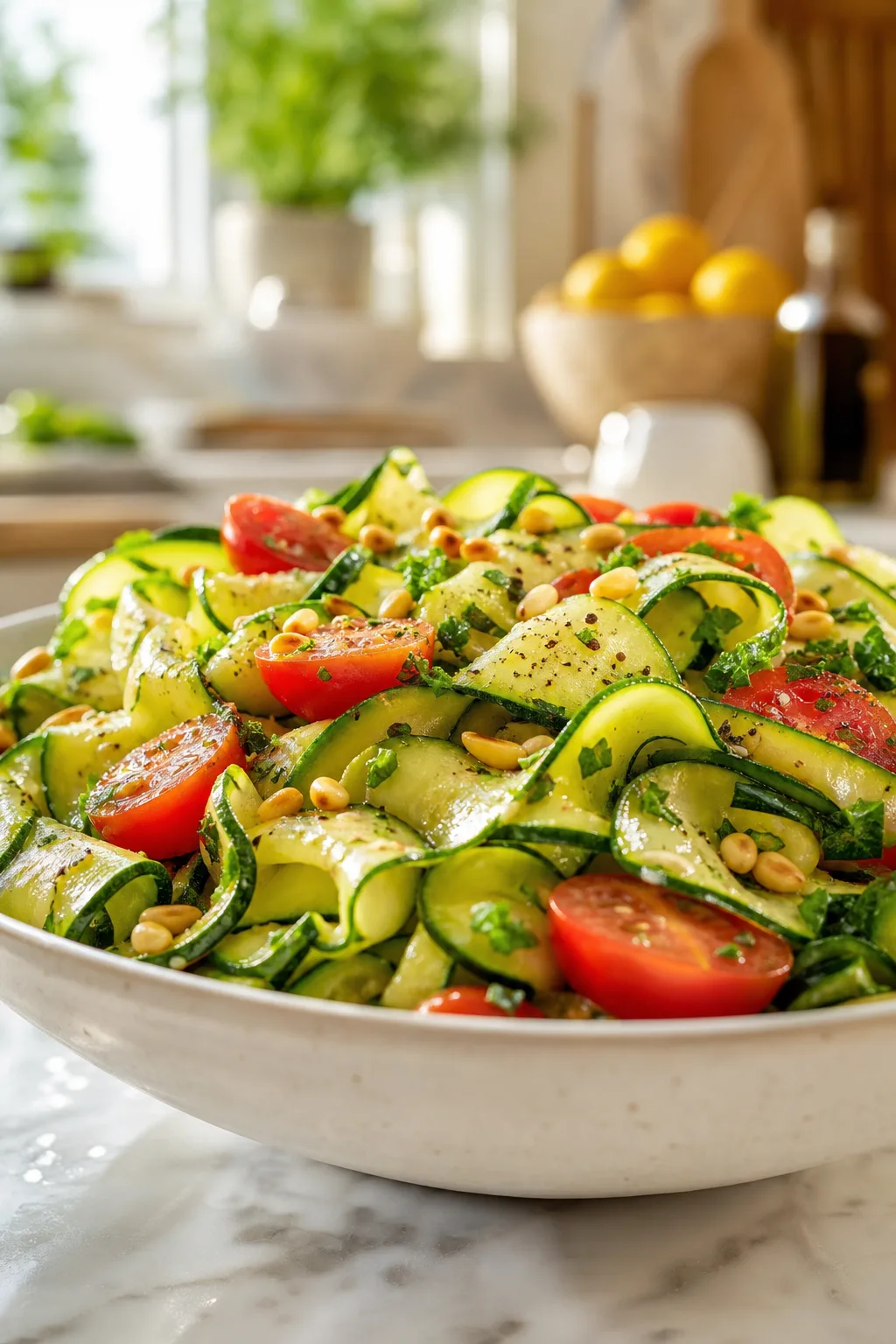
If preparing a zucchini salad, toss raw or blanched zucchini ribbons with a simple vinaigrette made from olive oil, lemon juice, salt, and pepper. Add toasted pine nuts for crunch and fresh herbs for aroma. This no-cook method keeps zucchini crisp and refreshing, ideal for warm days.
⏱ Time: 5
✓ Doneness: Salad ingredients should be evenly coated and fresh-looking.
Step 7
Taste and adjust seasoning as needed before serving. Sometimes a pinch of chili flakes or a sprinkle of extra parmesan can elevate the flavors. Small tweaks make a big difference in balancing freshness and richness.
⏱ Time: 2
✓ Doneness: Flavors should be harmonious, neither bland nor overpowering.
Step 8
For a warm side dish, roast zucchini slices tossed with olive oil, garlic, and herbs at 400°F (200°C) for 15-20 minutes until tender and lightly caramelized. Roasting concentrates zucchini’s natural sweetness and adds a lovely texture contrast.
⏱ Time: 20
✓ Doneness: Zucchini should be tender with golden-brown edges.
Step 9
Serve your zucchini creation immediately for best texture and flavor. If preparing ahead, cool completely and store in an airtight container in the fridge, then reheat gently to avoid sogginess.
⏱ Time: 0
✓ Doneness: Dish should be fresh and vibrant when served.
Pro Tips
Always pat grated zucchini dry before using.
Removing excess moisture prevents soggy fritters or watery sautés. The water content in zucchini can dilute flavors and interfere with browning, so drying it helps achieve crispness and better texture.
Cook zucchini over medium heat, not high.
Medium heat allows zucchini to soften evenly without burning the exterior. High heat risks charring before the inside cooks through, resulting in uneven texture and bitter flavors.
Use fresh herbs for garnish and flavor boosts.
Fresh herbs like basil and parsley add brightness and aroma that dried herbs can’t match. They also contribute visual appeal and a fresh contrast to cooked zucchini dishes.
Toast nuts separately before adding.
Toasting nuts releases their natural oils and intensifies flavor. Adding them raw can result in a bland taste and soft texture that doesn’t contrast well with zucchini’s tenderness.
Don’t overcrowd the pan when frying fritters.
Overcrowding traps steam and prevents proper browning, leading to soggy fritters. Cooking in batches ensures each fritter crisps up nicely.
Add acidic ingredients like lemon juice last.
Acid brightens flavors but can break down zucchini if added too early, causing it to become mushy. Adding it last preserves texture and freshness.
Serve zucchini dishes immediately for best texture.
Zucchini tends to release moisture over time, which can soften crispy edges and dilute flavors. Serving right away ensures a fresh, vibrant experience.
Common Mistakes to Avoid
Using overly large or old zucchini.
Why it happens People often use whatever zucchini is on hand without considering size or freshness, assuming all zucchini behave the same.
Fix Choose medium-sized, firm zucchini with smooth skin. Large zucchinis can be bitter and watery. Using fresh zucchini ensures better texture and flavor.
Skipping the step of drying grated zucchini.
Why it happens It’s easy to overlook this step, especially when in a hurry, thinking it’s unnecessary.
Fix After grating, squeeze zucchini in a clean towel to remove moisture. This step prevents soggy fritters and watery dishes.
Cooking zucchini on too high heat.
Why it happens Trying to speed up cooking can cause burning before the zucchini softens.
Fix Cook over medium heat to allow even cooking and caramelization without burning.
Overcrowding the pan during frying.
Why it happens Trying to cook everything at once to save time leads to steaming instead of frying.
Fix Cook in batches with space between pieces for crisp, golden results.
Adding acidic ingredients too early.
Why it happens Some believe adding lemon juice or vinegar early enhances flavor immediately.
Fix Add acid at the end to preserve zucchini’s texture and prevent it from becoming mushy.
Variations
Zucchini Noodles with Pesto
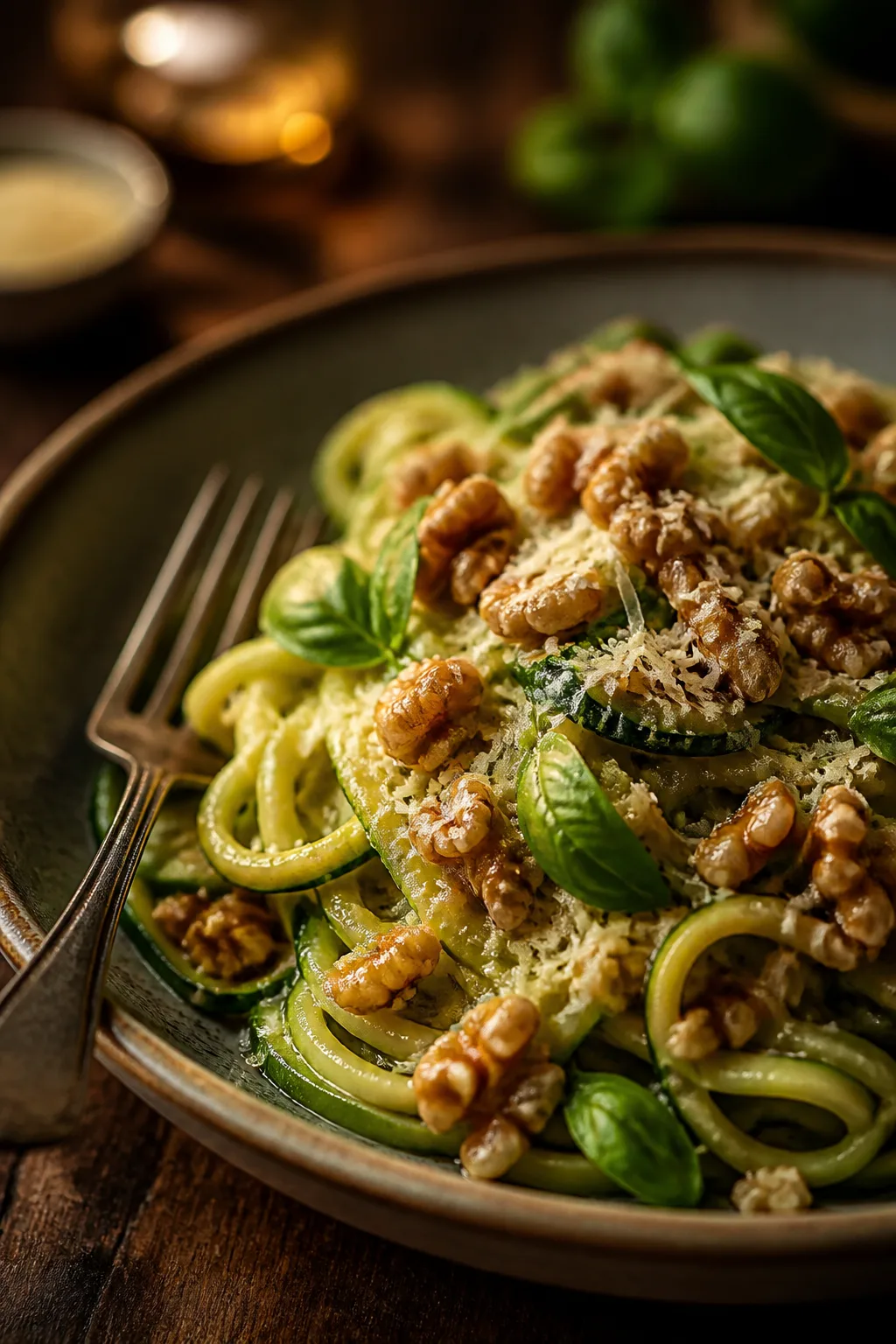
Swap the simple vinaigrette for a fresh basil pesto to create a flavorful zucchini noodle dish. Toss the ribbons with homemade or store-bought pesto and toasted pine nuts for a vibrant, herbaceous meal.
Note: Pesto should be added off heat to preserve its bright green color and fresh flavor.
Baked Zucchini Fritters
For a lighter option, bake the zucchini fritters on a parchment-lined sheet at 400°F until golden and crisp. This reduces oil usage but retains the satisfying crunch.
Note: Flip halfway through baking to ensure even browning.
Spicy Zucchini Stir Fry
Add chili flakes and soy sauce to the sautéed zucchini ribbons for a quick, spicy stir fry with an Asian twist. Garnish with sesame seeds for extra texture.
Note: Cook garlic and chili flakes briefly to release flavors without burning.
Zucchini and Feta Salad
Combine raw zucchini ribbons with crumbled feta, lemon zest, and mint for a refreshing salad. The salty feta contrasts beautifully with the crisp zucchini.
Note: Serve immediately to maintain zucchini’s crunch.
Creamy Zucchini Soup
Cook diced zucchini with onions and garlic, then blend with cream or coconut milk for a smooth, comforting soup. Garnish with fresh herbs and a drizzle of olive oil.
Note: Avoid overcooking zucchini to keep the soup vibrant and fresh-tasting.
Nutrition
Per Serving:
Nutritional values are estimates and may vary based on specific ingredients used.
Storage & Tips
Room Temperature
Zucchini dishes should not be left at room temperature for more than 2 hours to avoid spoilage. Cover loosely if serving buffet-style for short periods.
Refrigerator
Store leftovers in an airtight container for up to 3 days. Note that zucchini fritters may lose crispness when cold but can be reheated to restore texture.
Freezer
Freeze cooked zucchini fritters or roasted zucchini in airtight containers or freezer bags for up to 2 months. Wrap tightly to prevent freezer burn. Thaw overnight in the fridge before reheating.
Reheating
Reheat zucchini dishes gently in a skillet over medium-low heat or in a preheated oven at 350°F until warmed through. Avoid microwaving as it can make zucchini soggy. Add a splash of olive oil if needed to refresh texture.
Make Ahead
Prepare zucchini fritter batter or zucchini ribbons a day ahead and store covered in the fridge. Cook just before serving to maintain freshness and texture.
FAQ
Can I use frozen zucchini for these recipes?
Frozen zucchini tends to release more water upon thawing, which can make dishes watery. If using frozen, thaw completely and squeeze out excess moisture before cooking to avoid soggy results.
How do I prevent zucchini fritters from falling apart?
Make sure to remove as much moisture as possible from grated zucchini and use enough binding agents like eggs and flour. Also, avoid overcrowding the pan and flip gently to keep fritters intact.
Can I make these recipes vegan?
Yes! Substitute eggs in fritters with flax eggs or mashed potatoes and use nutritional yeast or vegan cheese instead of parmesan. Use plant-based yogurt for toppings.
What’s the best way to store leftover zucchini dishes?
Store in airtight containers in the fridge for up to 3 days. Reheat gently in a skillet or oven to restore texture. Avoid microwaving which can make zucchini soggy.
Can I add other vegetables to these zucchini recipes?
Absolutely! Cherry tomatoes, bell peppers, and spinach complement zucchini well. Adjust cooking times accordingly to keep vegetables crisp and fresh.
How do I keep zucchini from turning mushy when cooking?
Cook zucchini quickly over medium heat, avoid overcrowding the pan, and remove excess moisture before cooking. These steps help maintain a tender but firm texture.
Is it necessary to peel zucchini for these recipes?
No, the skin is tender and nutritious. Peeling is optional and usually not needed unless zucchini skin is thick or waxed.
Can I prepare these recipes for meal prep?
Yes, zucchini dishes can be made ahead and stored refrigerated. Cook fritters fresh if possible for best texture, or reheat gently before serving.
Final Thoughts
I hope you enjoy these easy zucchini recipes as much as my family does. They’re simple, fresh, and perfect for everyday meals. Give them a try and let me know your favorites!