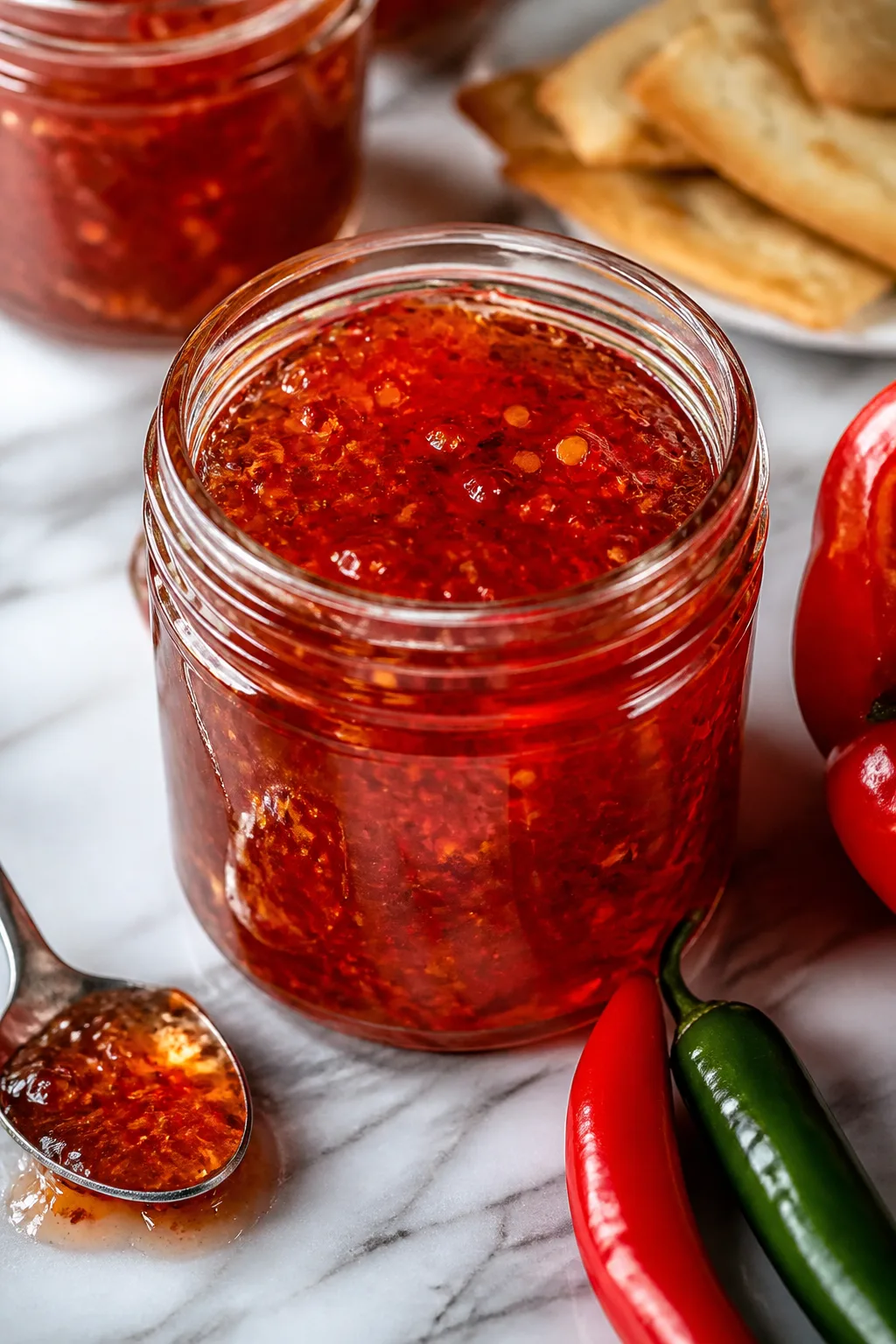
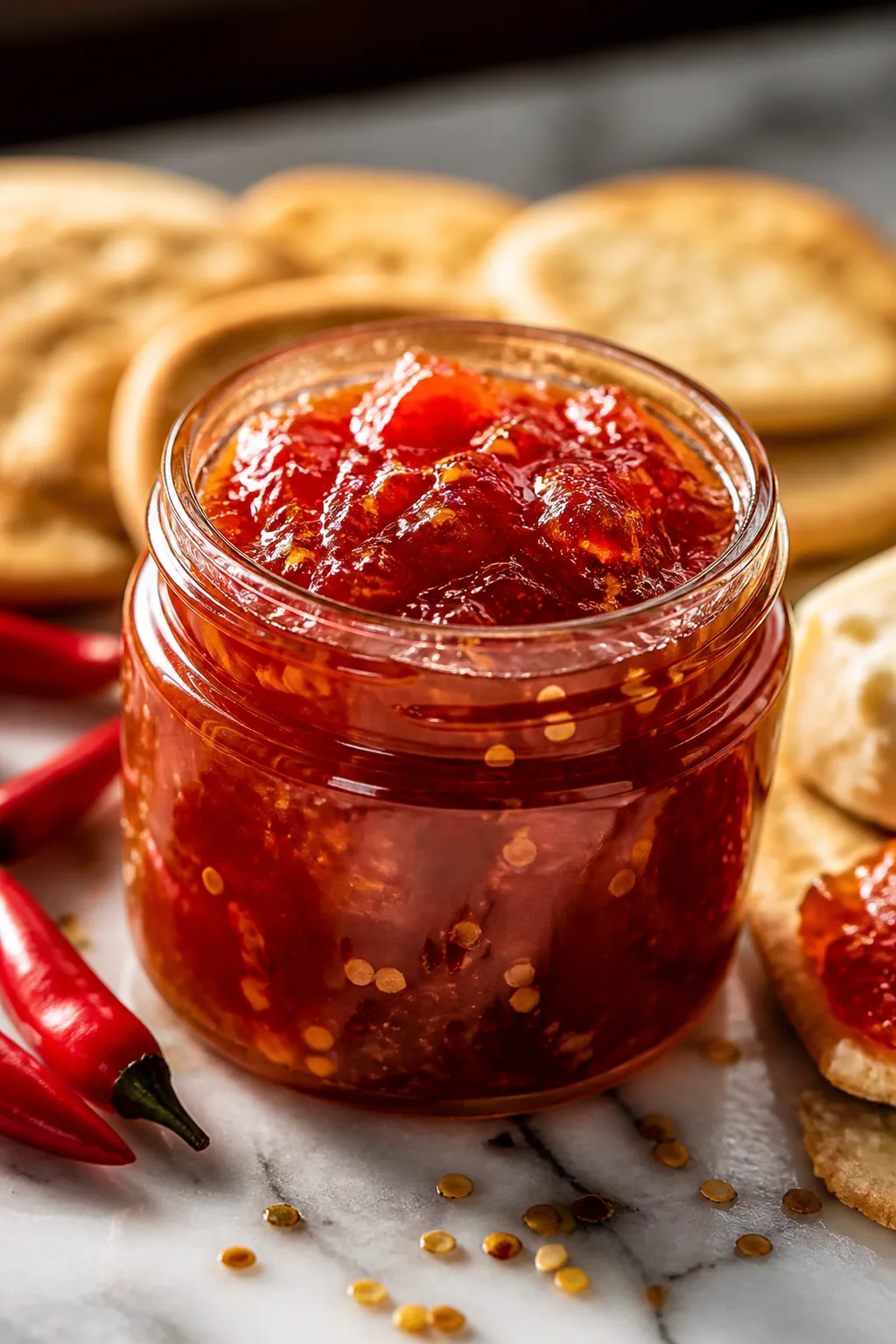
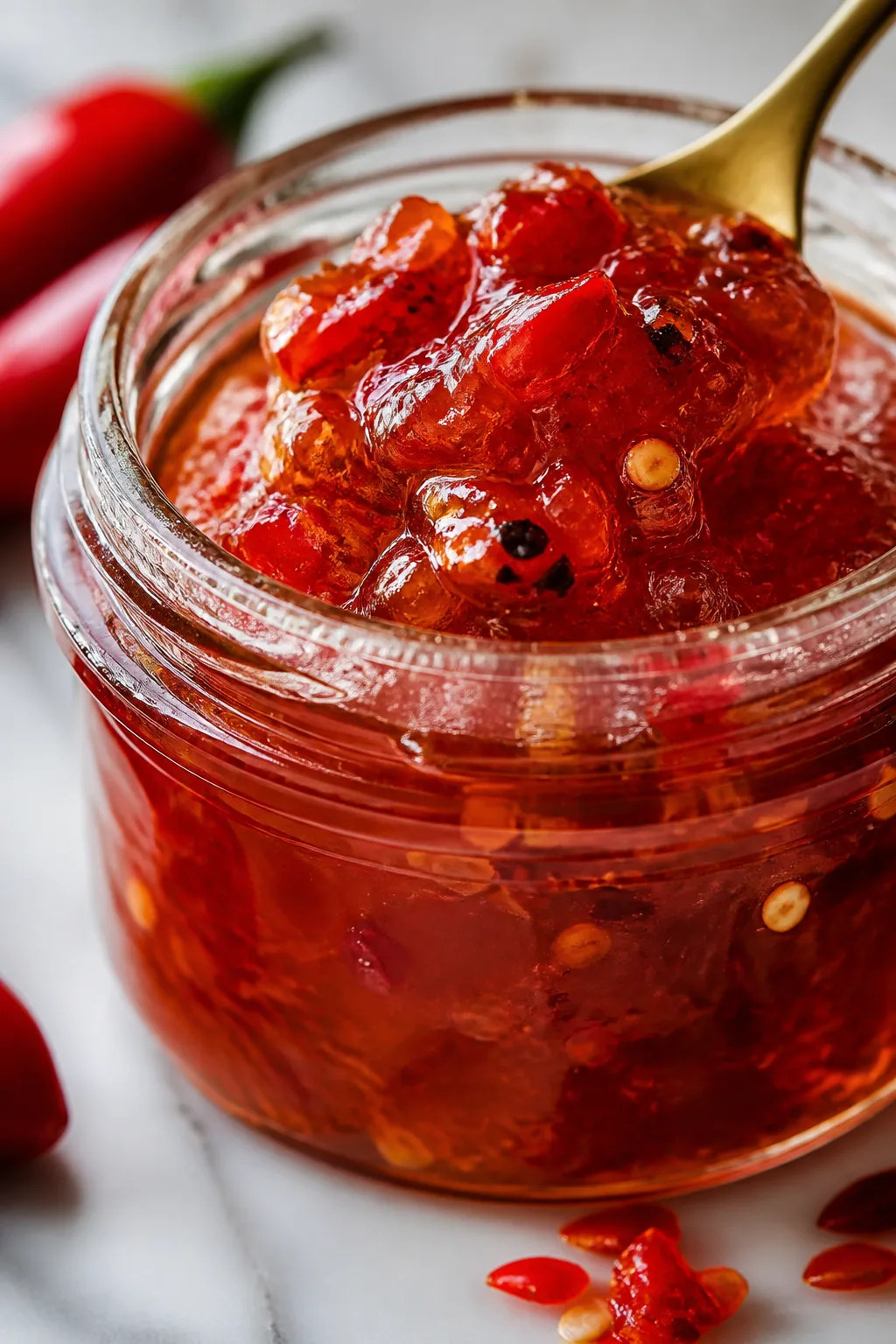
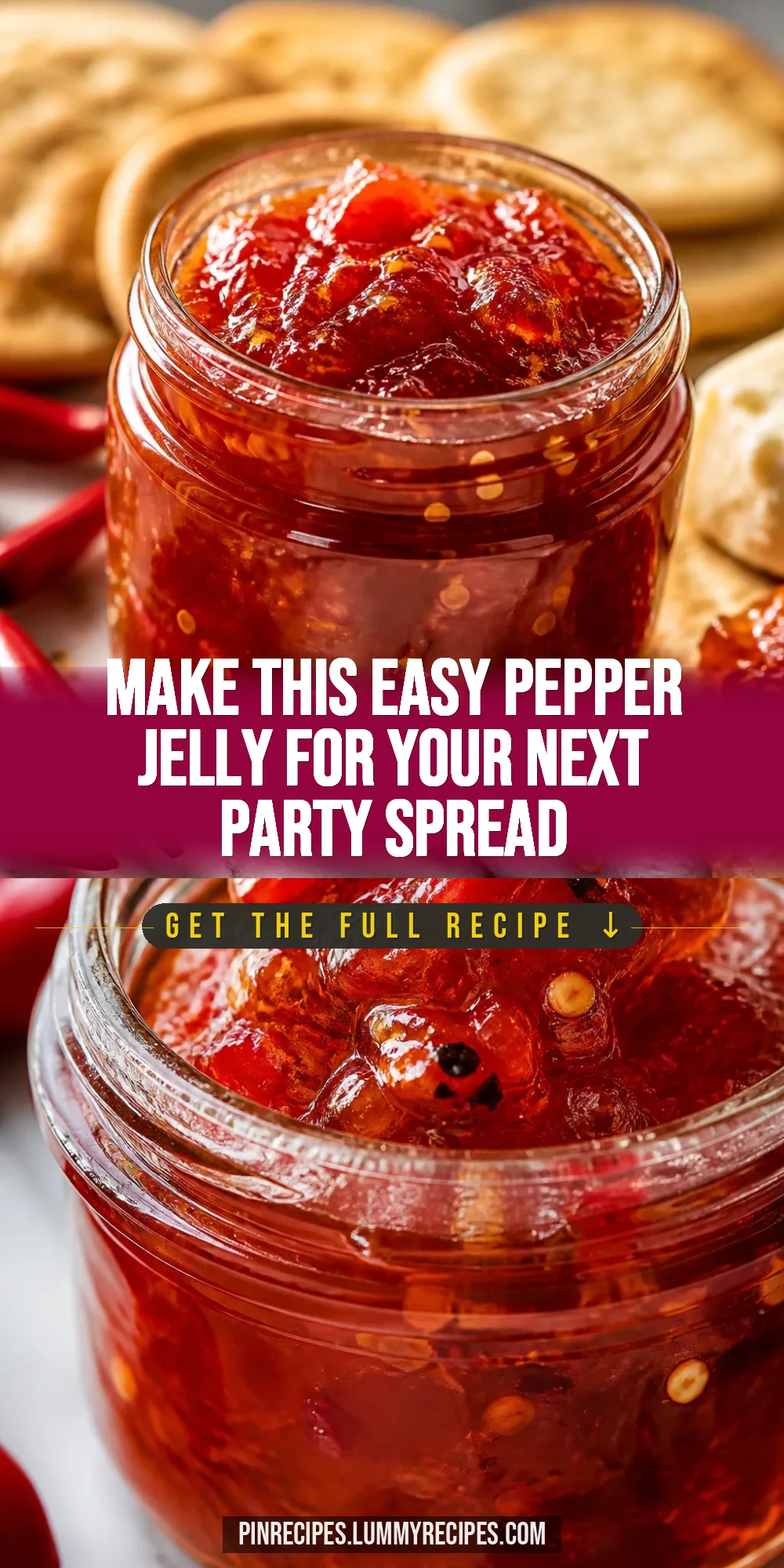
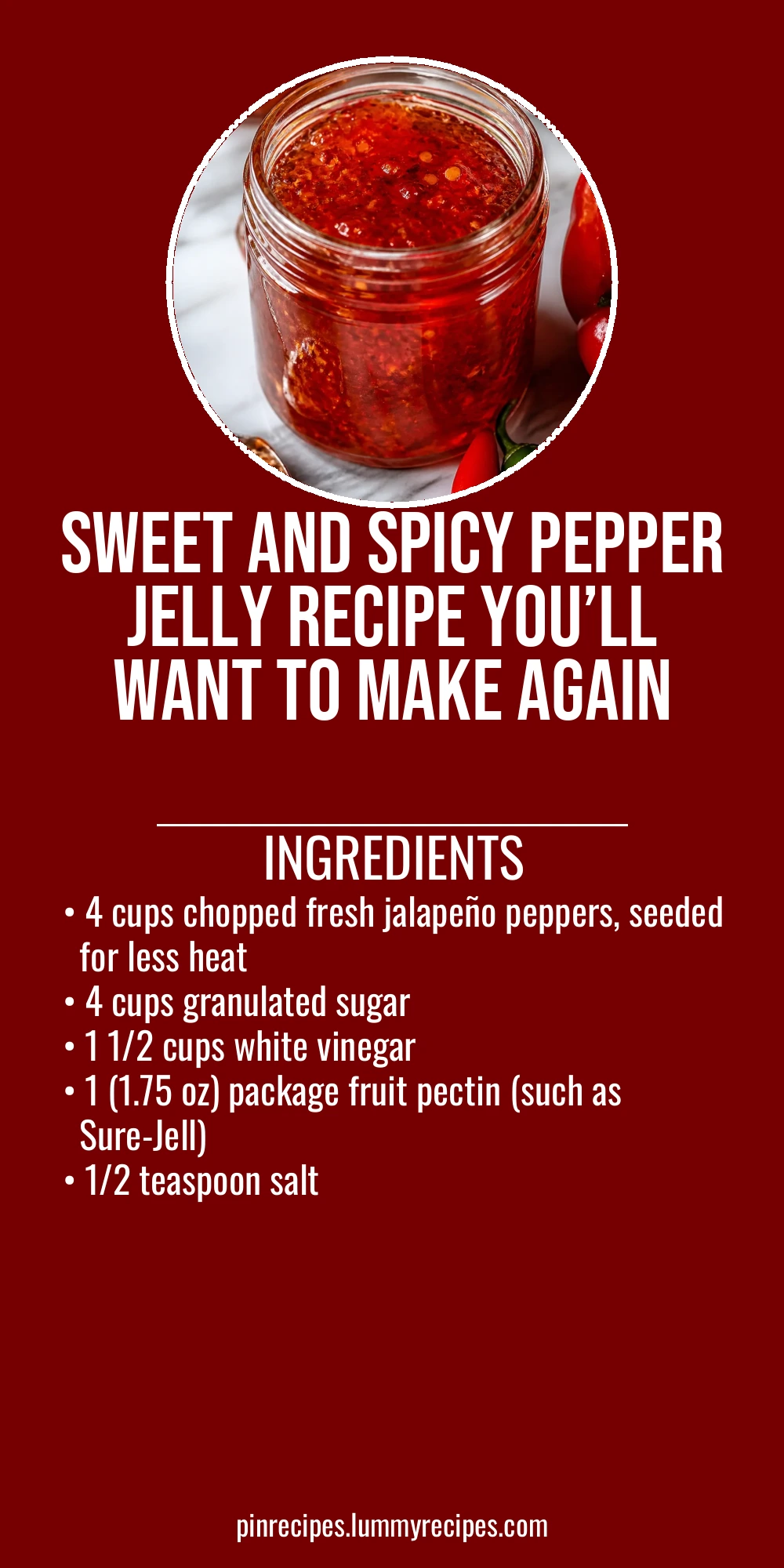
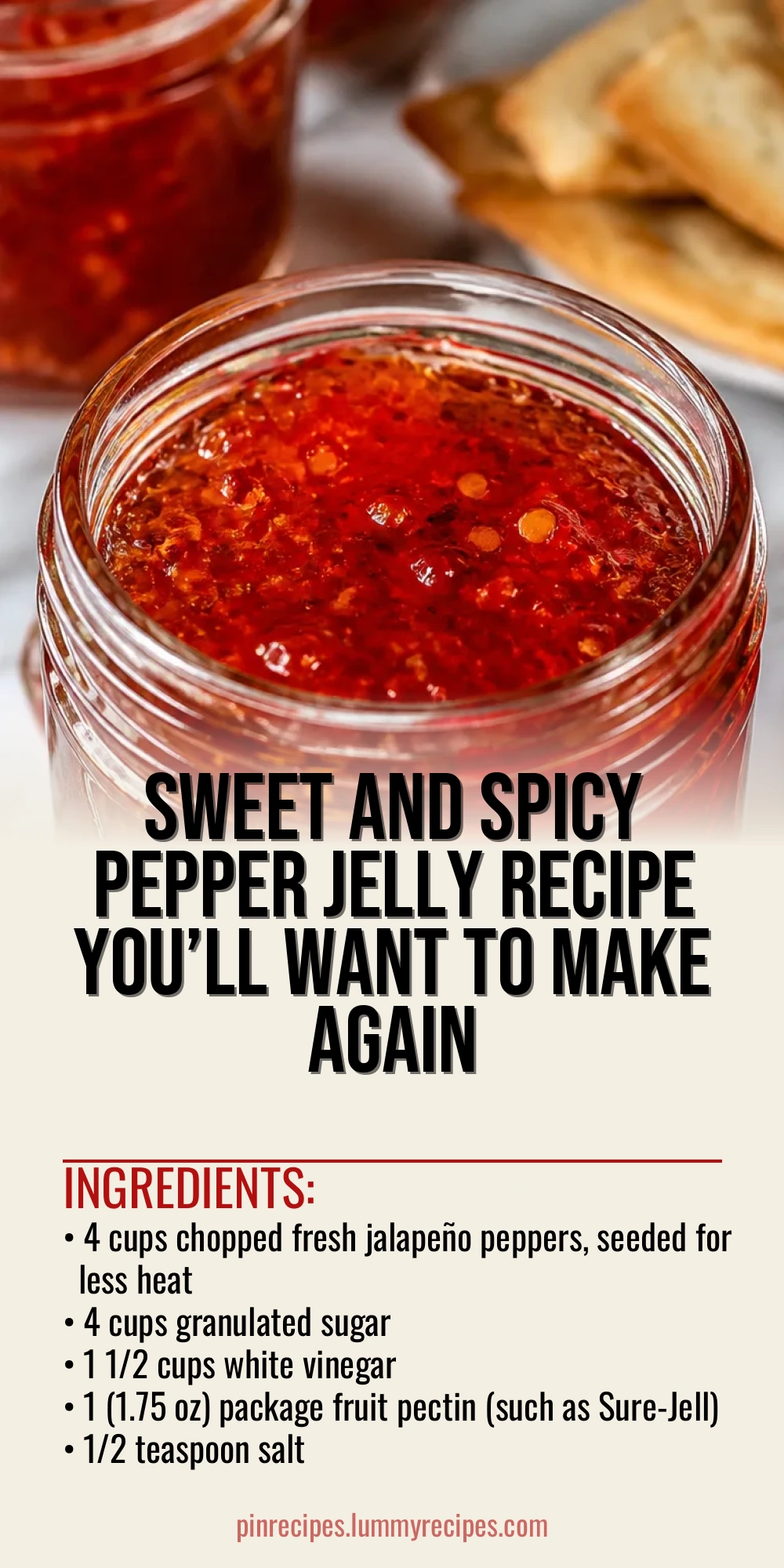
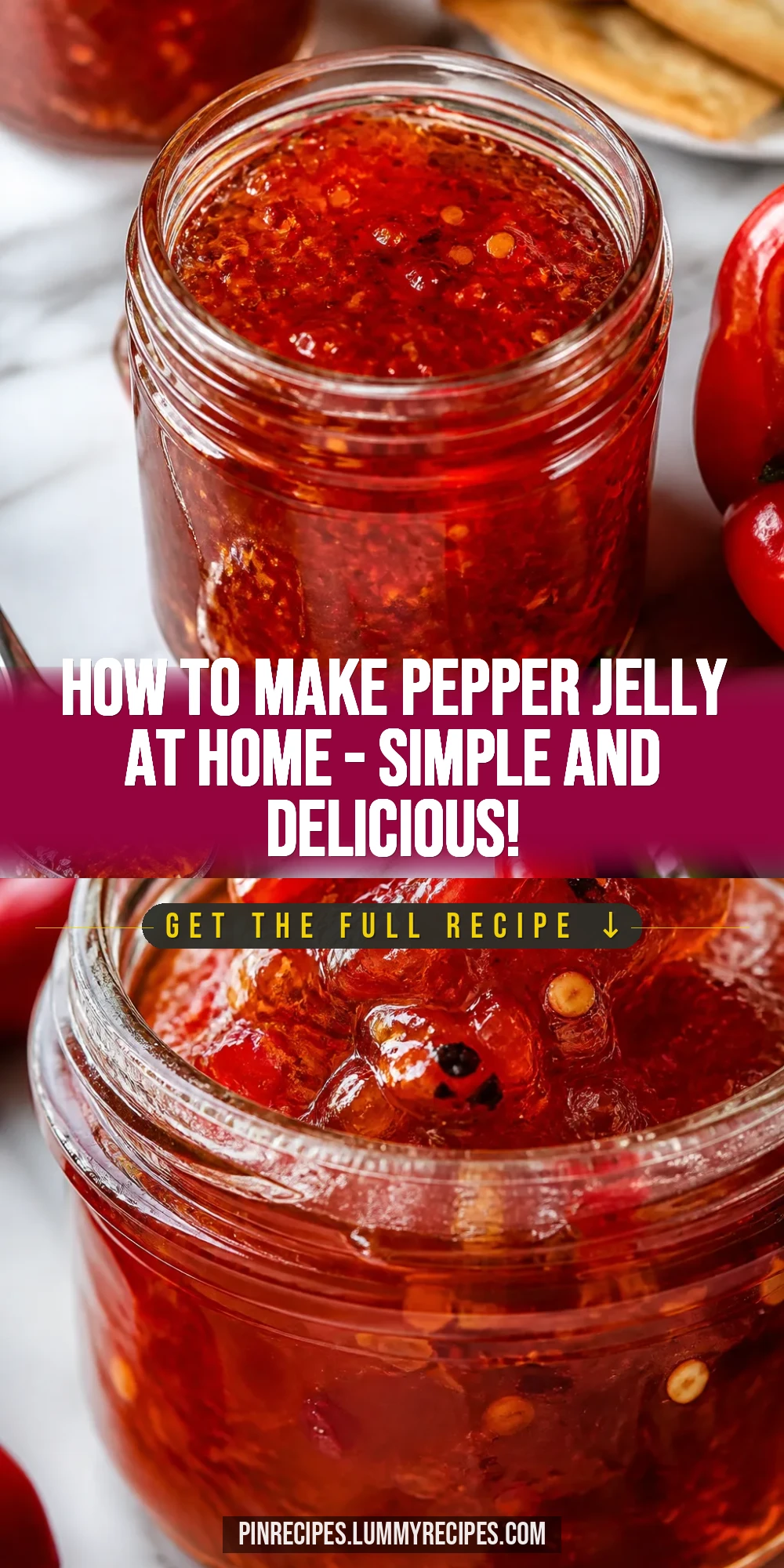
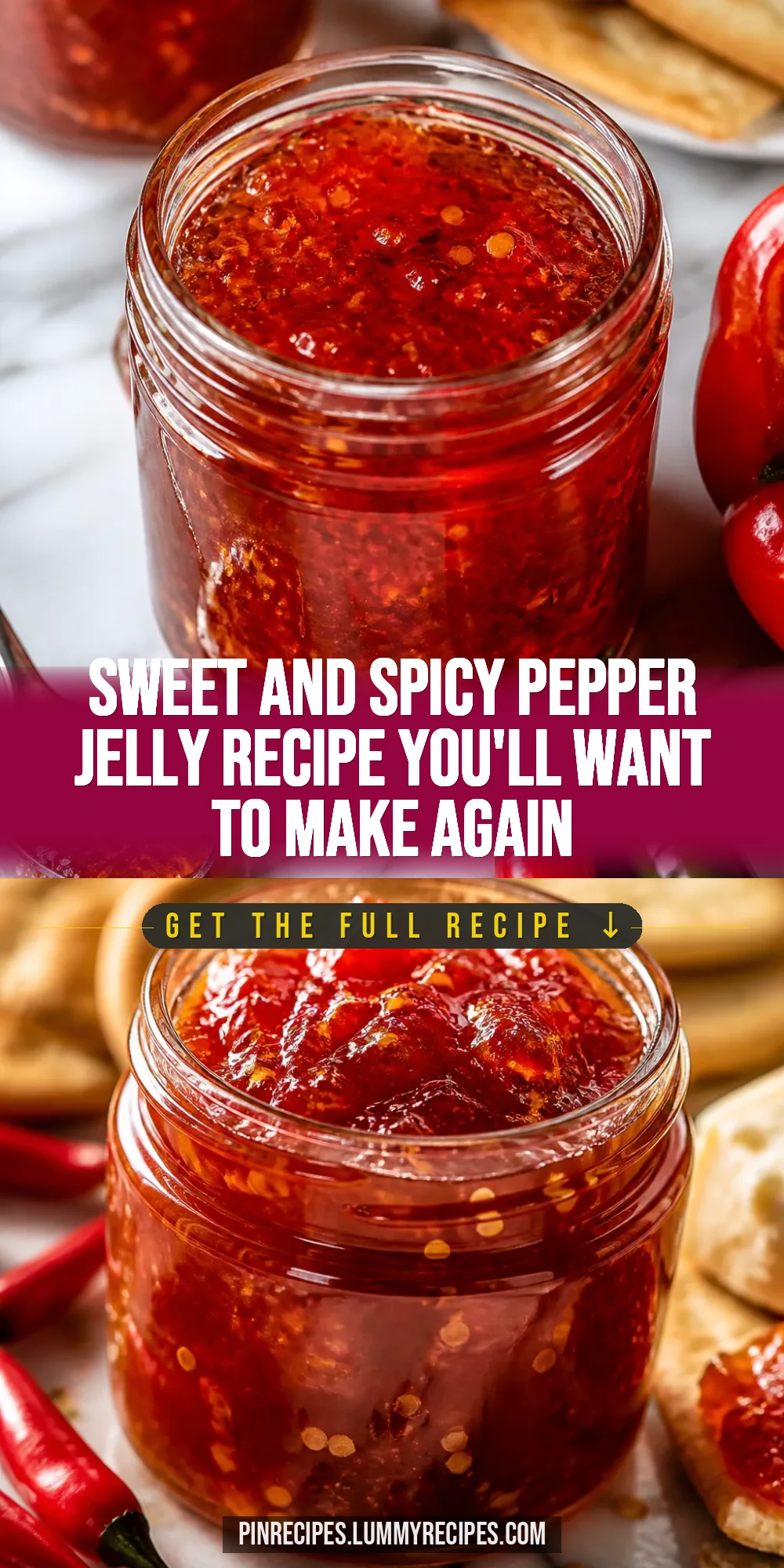
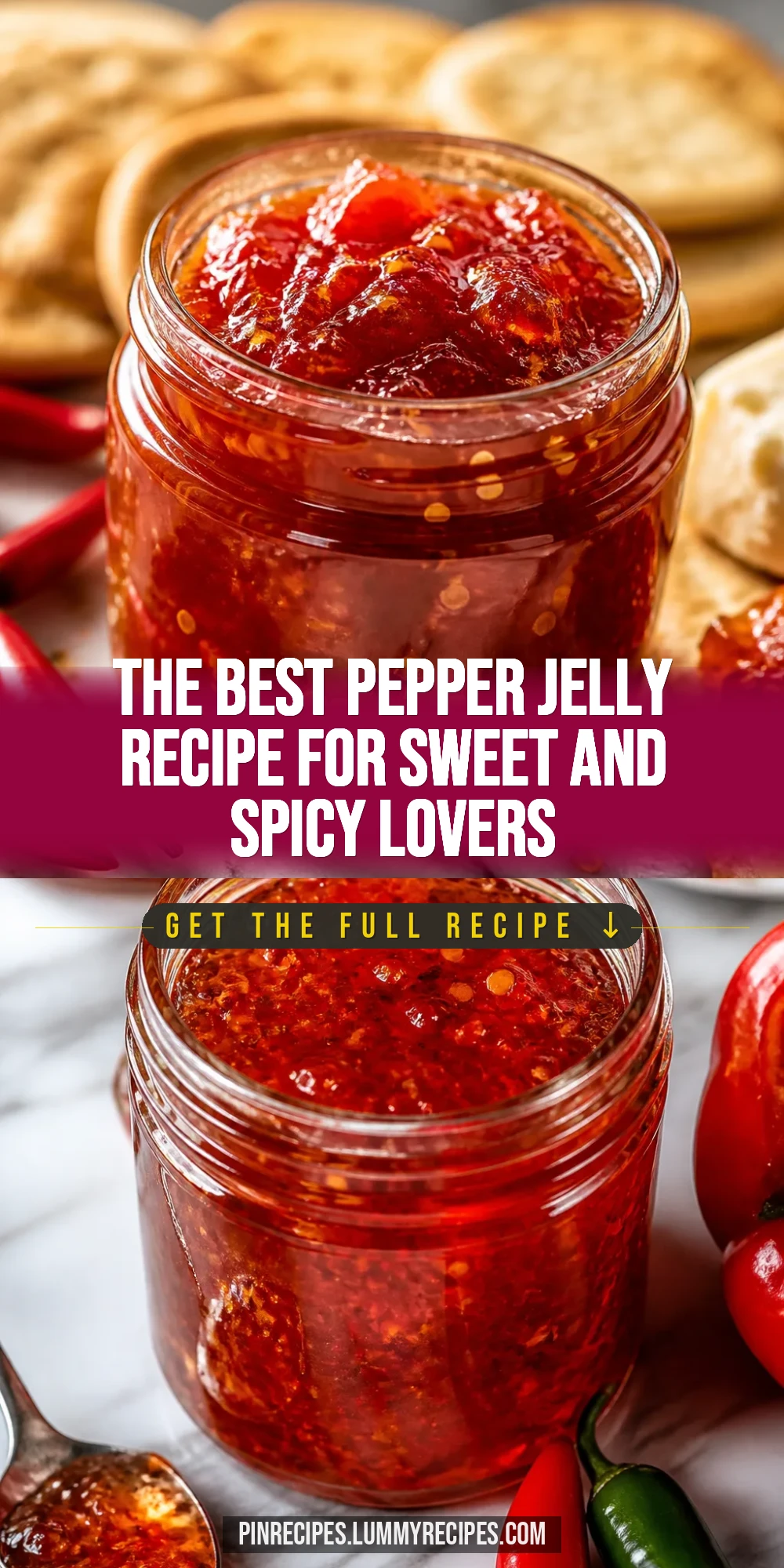
This pepper jelly balances a sweet kick with just the right amount of heat. Using fresh jalapeños and a touch of vinegar, it’s great on crackers or as a glaze. I love serving it at parties or for a quick snack!
Introduction
I first made pepper jelly years ago when a neighbor gifted me a jar, and I was hooked immediately. It’s one of those spreads that’s both sweet and spicy, perfect for adding a little zing to your snacks or meals. Over time, I tweaked the recipe to balance the heat from the jalapeños with just enough sugar and vinegar to keep it bright and tangy without overwhelming your taste buds. The secret that really makes this recipe shine is using fresh peppers and a good-quality pectin to get that perfect jelly consistency without it being too runny or too firm. I also like to seed the peppers to keep the heat manageable, but you can leave some seeds in if you like it hotter. This jelly is fantastic served on cream cheese with crackers, as a glaze for chicken, or even stirred into salad dressings. It’s a versatile little jar of goodness that’s easy enough for a weeknight but special enough for gatherings. Plus, it keeps well, so you can make it ahead and enjoy it for weeks.
What You'll Need
Approximately 4 half-pint jars
- 4 cups chopped fresh jalapeño peppers, seeded for less heat
- 4 cups granulated sugar
- 1 1/2 cups white vinegar
- 1 (1.75 oz) package fruit pectin (such as Sure-Jell)
- 1/2 teaspoon salt
How To Do It
Step 1
Start by thoroughly washing the jalapeños. Then, chop them finely, removing seeds if you prefer less heat. This step is crucial because the size of the pepper pieces affects the texture of your jelly. Finely chopped peppers will distribute evenly throughout the jelly, giving you that signature pepper jelly look and bite. Avoid using a food processor as it can make the peppers too mushy, which affects the final consistency.
⏱ Time: 10 minutes
✓ Doneness: Peppers are evenly chopped with no large chunks or mush
Step 2
In a large saucepan, combine the chopped peppers, sugar, vinegar, and salt. Stir well to dissolve the sugar before bringing the mixture to a boil over medium-high heat. This step helps the sugar dissolve completely and allows the peppers to soften, releasing their flavor into the liquid. Stir often to prevent the sugar from burning on the bottom, which can cause bitterness.
⏱ Time: 8 minutes
✓ Doneness: Mixture is boiling steadily with sugar fully dissolved
Step 3
Once boiling, sprinkle in the fruit pectin while stirring constantly. This ensures the pectin disperses evenly and prevents clumping. Bring the mixture back to a full rolling boil that can’t be stirred down. This step activates the pectin, which is key for setting the jelly. Rushing this process or not stirring enough can cause your jelly to not set properly.
⏱ Time: 2 minutes
✓ Doneness: Mixture returns to a full rolling boil and thickens slightly
Step 4
Boil the mixture hard for exactly 1 minute, stirring constantly. Timing is important here because undercooking won’t activate the pectin fully, and overcooking can break it down, making the jelly too runny. Keep a close eye on the clock and stir to avoid scorching.
⏱ Time: 1 minute
✓ Doneness: Mixture thickens and starts to gel slightly when cooled
Step 5
Remove the pot from heat and skim off any foam from the surface with a spoon. This step improves the clarity and appearance of your jelly, giving it that beautiful glossy finish. Leaving the foam can make your jelly look cloudy and less appealing.
⏱ Time: 2 minutes
✓ Doneness: Surface is clear and free of foam
Step 6
Ladle the hot jelly into sterilized half-pint jars, leaving about 1/4 inch headspace. Wipe rims clean with a damp cloth to ensure a good seal. Proper jar filling and cleaning are essential to avoid contamination and ensure your jelly stores well.
⏱ Time: 5 minutes
✓ Doneness: Jars are filled neatly without spills or residue on rims
Step 7
Seal jars with sterilized lids and rings, then process them in a boiling water bath for 10 minutes. This water bath canning step is crucial for safely preserving your jelly and extending its shelf life. Make sure jars are covered by at least an inch of water during processing.
⏱ Time: 10 minutes
✓ Doneness: Jars seal with lids slightly concave and do not flex when pressed
Step 8
Remove jars from the water bath and let them cool on a towel or rack at room temperature. You’ll hear the satisfying 'pop' as lids seal. Cooling undisturbed is important to avoid seal failure and preserve the jelly's texture.
⏱ Time: 1-2 hours
✓ Doneness: Jars are completely cool and lids are sealed tight
Step 9
Once cooled, label your jars with the date and store them in a cool, dark place. Refrigerate after opening. Proper storage keeps your jelly fresh and flavorful for months. Avoid storing in direct sunlight or warm areas to prevent spoilage.
⏱ Time: Ongoing
✓ Doneness: Jelly maintains bright color and firm texture over time
Pro Tips
Always use fresh peppers and chop them by hand for the best texture.
Hand chopping preserves the pepper’s texture and prevents them from becoming mushy, which can happen with a food processor. This keeps your jelly visually appealing and gives a nice bite of pepper in every spoonful.
Don’t rush the boiling step after adding pectin; a full rolling boil is necessary.
The pectin needs a vigorous boil to activate and form the gel network. Skipping this or boiling too gently can cause the jelly to fail to set properly, resulting in a runny consistency.
Skim off foam immediately after boiling to improve clarity.
Foam contains impurities and air bubbles that cloud the jelly and affect its shelf life. Removing it creates a shiny, clear jelly that looks professional and tastes cleaner.
Use sterilized jars and lids to prevent contamination.
Sterilization kills bacteria and yeast that can spoil your jelly. Proper sealing during canning creates a vacuum that preserves your jelly for months without refrigeration.
Adjust the number of seeds based on your heat preference.
Seeds contain much of the pepper’s heat. Removing them reduces spiciness for those sensitive to heat, while including some or all seeds packs a stronger punch.
Label jars with the date to keep track of freshness.
Knowing when you made your jelly helps you use it within the best timeframe and avoid consuming spoiled preserves.
Store your jelly in a cool, dark place away from sunlight.
Light and heat can degrade the jelly’s flavor and color over time. Proper storage maintains its quality and extends shelf life.
Common Mistakes to Avoid
Not boiling the mixture long enough after adding pectin.
Why it happens Sometimes cooks rush this step to save time or think it’s done once it bubbles gently.
Fix Make sure to bring the mixture to a full rolling boil that can’t be stirred down and maintain it for at least 1 minute. This activates the pectin fully for proper gel formation.
Using unsterilized jars or lids.
Why it happens People often underestimate the importance of sterilization or think hot jars from the dishwasher are enough.
Fix Sterilize jars and lids by boiling them or running through a hot dishwasher cycle without detergent. This prevents bacterial growth and ensures a safe seal.
Adding too much sugar or vinegar, throwing off balance.
Why it happens Adjusting sweetness or acidity without understanding the chemistry can cause the jelly to not set or taste off.
Fix Follow the recipe’s sugar and vinegar amounts closely. These quantities are tested for proper pectin activation and flavor balance.
Skipping the foam skimming step.
Why it happens It can seem like an unnecessary extra step or people don’t know its purpose.
Fix Always skim foam immediately after boiling to ensure a clear, attractive jelly and better shelf life.
Not sealing jars properly during canning.
Why it happens Inexperience or rushing the water bath process can cause lids not to seal.
Fix Follow canning instructions carefully, ensure water covers jars by at least an inch, and let jars cool undisturbed to allow proper vacuum seal.
Variations
Sweet Red Pepper Jelly
Swap jalapeños for red bell peppers for a milder, sweeter jelly with vibrant color. It’s perfect for those who want less heat but still crave that pepper flavor.
Note: Since bell peppers have less natural pectin and acidity, you may need to adjust the pectin amount slightly to ensure proper setting.
Spicy Habanero Jelly
Use habanero peppers instead of jalapeños for a fiery hot jelly. Great for spice lovers who want a bold kick on their crackers or grilled meats.
Note: Handle habaneros with gloves and consider reducing seeds to control heat. The jelly will gel similarly but will be much hotter.
Pepper Jelly with Ginger
Add a tablespoon of freshly grated ginger to the mixture for a warm, aromatic twist that complements the heat and sweetness beautifully.
Note: Add ginger during the boiling step to infuse flavor evenly without affecting the jelly’s set time.
Low-Sugar Pepper Jelly
Cut sugar by one-third and add a natural sweetener like honey or agave. This version is less sweet but still balanced and great for those watching sugar intake.
Note: Reduced sugar affects gel strength, so use a low-sugar pectin specifically designed for reduced-sugar recipes.
Smoky Chipotle Pepper Jelly
Use chipotle peppers in adobo sauce for a smoky, deep flavor that pairs wonderfully with cream cheese and crackers or as a glaze on grilled dishes.
Note: Drain peppers well and chop finely. The smoky flavor intensifies, so balance heat by adjusting pepper quantity.
Nutrition
Per Serving:
Nutritional values are estimates and may vary based on specific ingredients used.
Storage & Tips
Room Temperature
Pepper jelly can safely sit at room temperature for several hours if covered, but it’s best stored in sealed jars to avoid contamination and drying out.
Refrigerator
Once opened, store pepper jelly in an airtight container in the fridge for up to 3 weeks. The flavor may mellow but remains delicious. It’s best served cold or at room temperature.
Freezer
Pepper jelly can be frozen for up to 3 months. Use freezer-safe containers or bags, leaving headspace for expansion. Thaw in the refrigerator overnight before use. Texture may slightly change but remains tasty.
Reheating
Reheating isn’t typically needed. If using as a glaze, warm gently on the stovetop or microwave with a splash of water to loosen consistency. Avoid boiling to preserve flavor and texture.
Make Ahead
You can prepare and can the jelly up to a month ahead. Store sealed jars in a cool, dark place. Opened jelly should be refrigerated and used within a few weeks. Label jars with dates for best tracking.
FAQ
Can I use frozen peppers for this recipe?
Frozen peppers contain more water and can affect the jelly’s texture and setting. If using frozen, thaw and drain excess liquid thoroughly before proceeding. Fresh peppers are best for consistent results.
What if my jelly doesn’t set properly?
If your jelly is too runny, it likely didn’t reach a full rolling boil with the pectin, or the pectin amount was insufficient. To fix, you can re-boil the jelly with a bit more pectin and sugar, then re-can it.
How spicy will this pepper jelly be?
The spice level depends on how many seeds you include and the heat of your peppers. Removing seeds lowers heat, making it mild and sweet. Leaving seeds in or adding hotter peppers increases spiciness.
Can I substitute apple cider vinegar for white vinegar?
Yes, but apple cider vinegar will add a slightly fruity and darker color to the jelly. It won’t affect the gel but may change the flavor profile slightly.
Is it necessary to use pectin?
Pectin is essential for proper jelly setting. Without it, the jelly will be more like a syrup or jam and won’t hold its shape well. Use the recommended type for best results.
How long does unopened pepper jelly last?
Properly canned and sealed pepper jelly can last up to one year stored in a cool, dark place. Always check the seal and appearance before using.
Can I make this recipe spicier?
Absolutely! Use hotter peppers like serrano or habanero and include more seeds. Just be cautious, as heat can build quickly.
What are some serving ideas for pepper jelly?
Pepper jelly is great on cream cheese and crackers, as a glaze for grilled meats, stirred into salad dressings, or even as a topping for burgers and sandwiches.
Final Thoughts
I hope you enjoy making this pepper jelly as much as I do! It’s such a fun way to add a little sweet heat to your snacks and meals. Don’t forget to share your results!