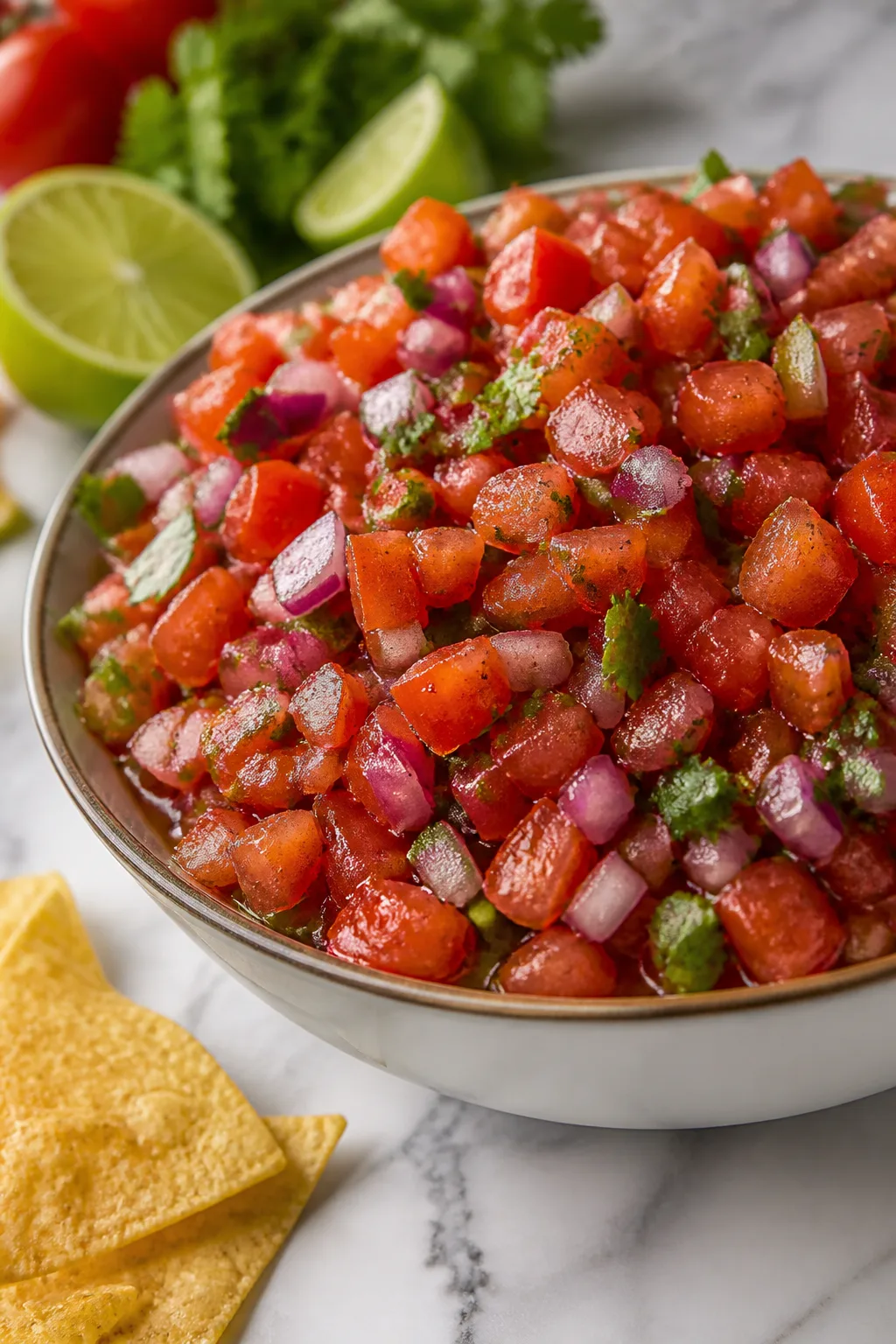
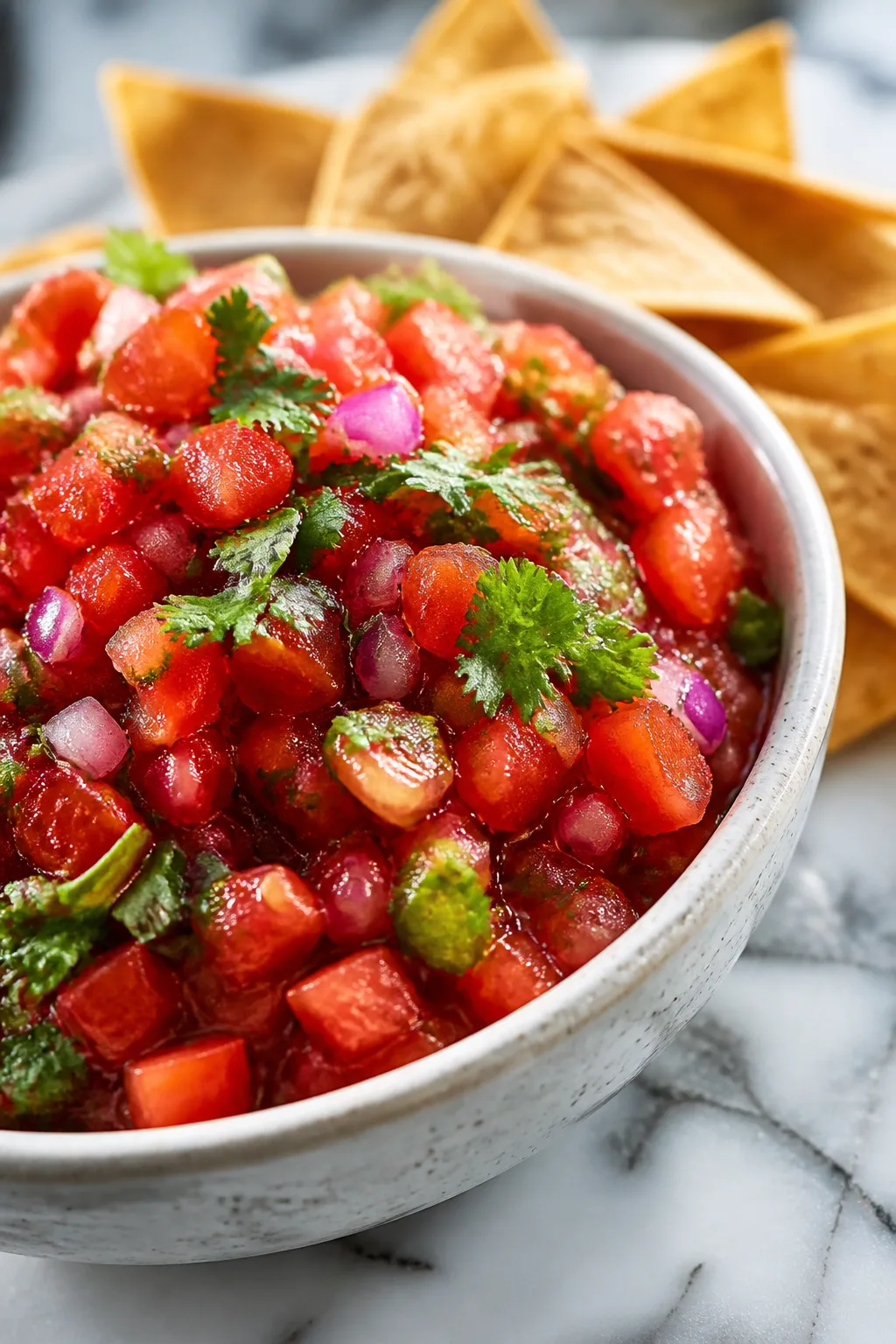
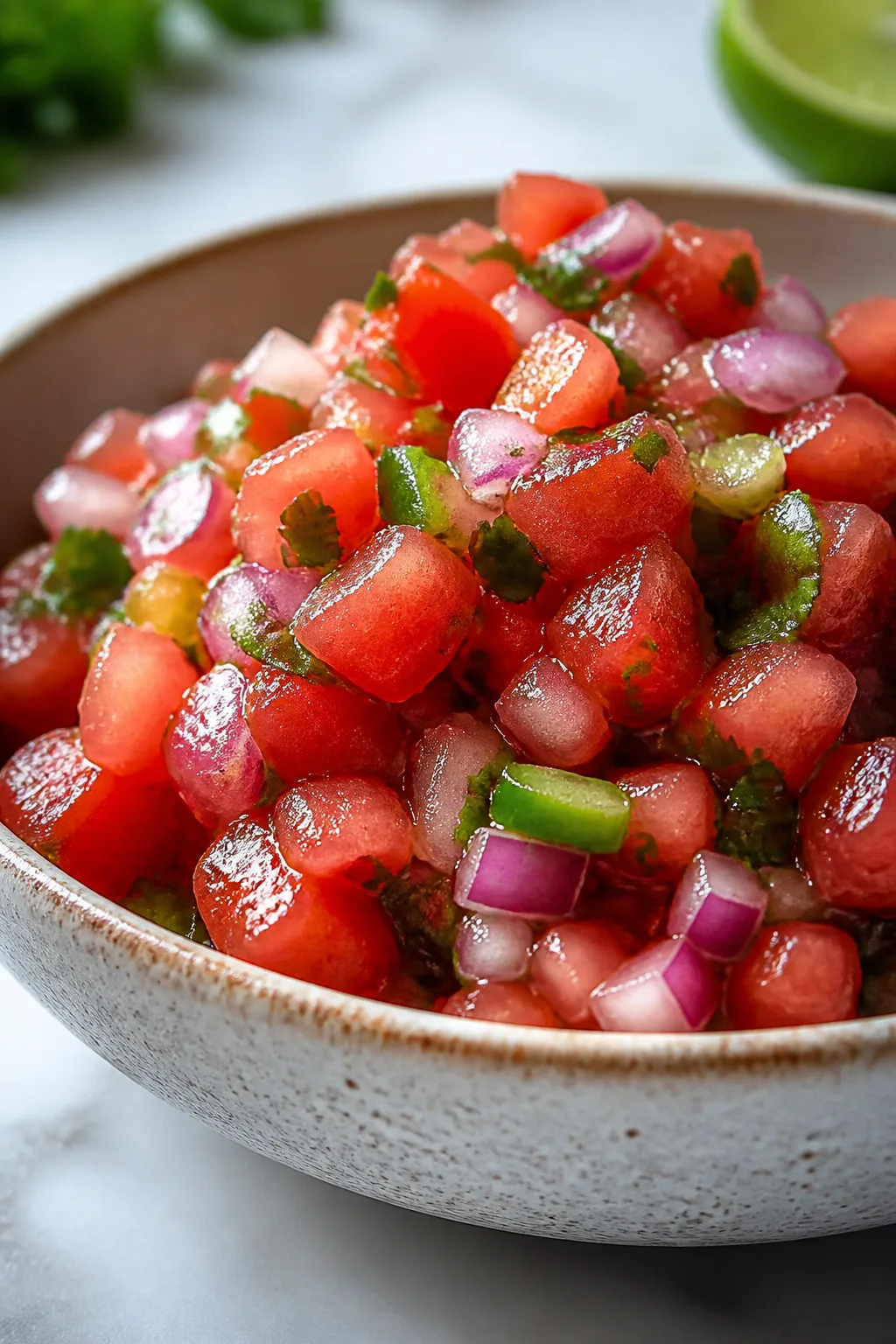
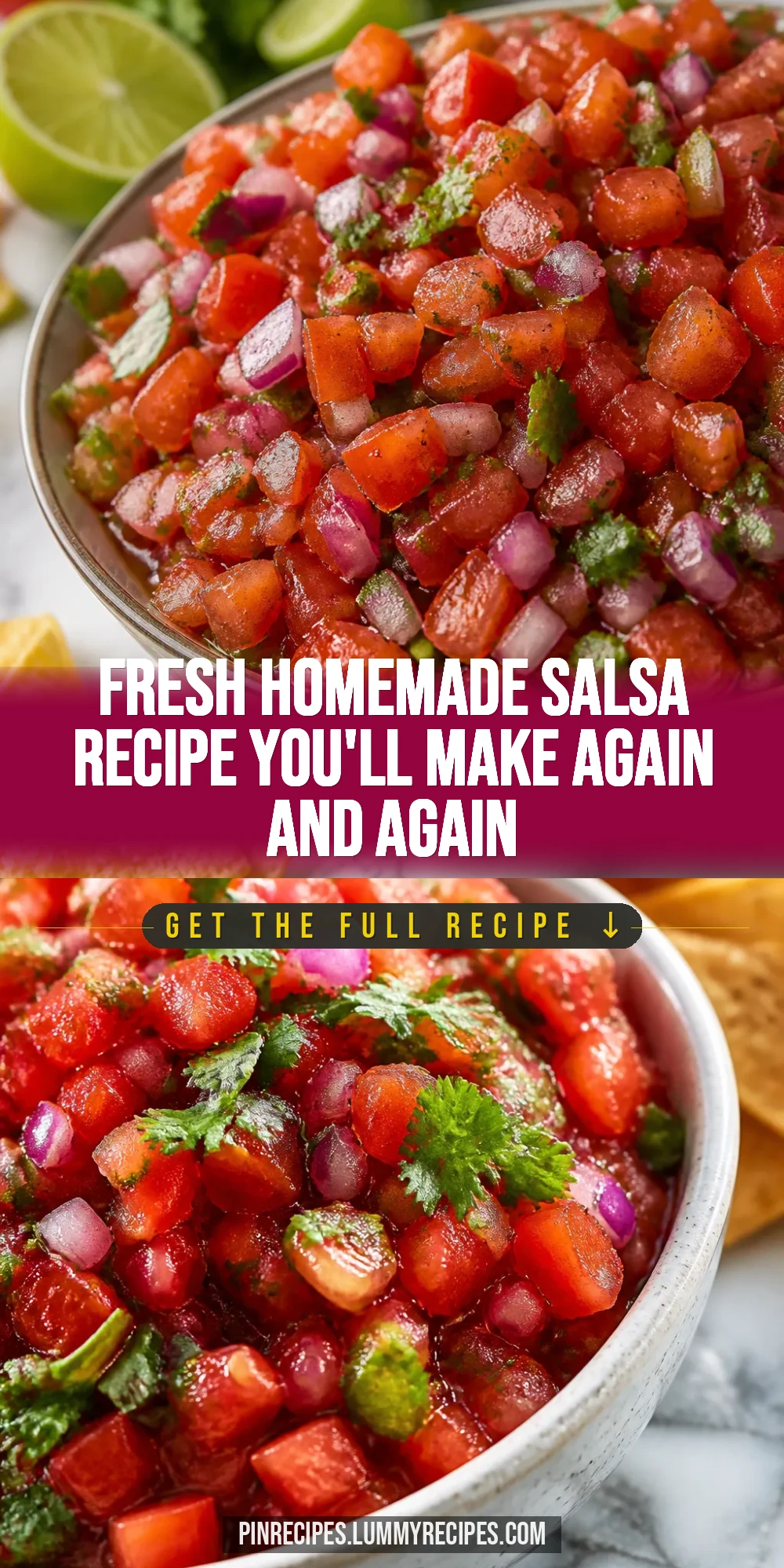
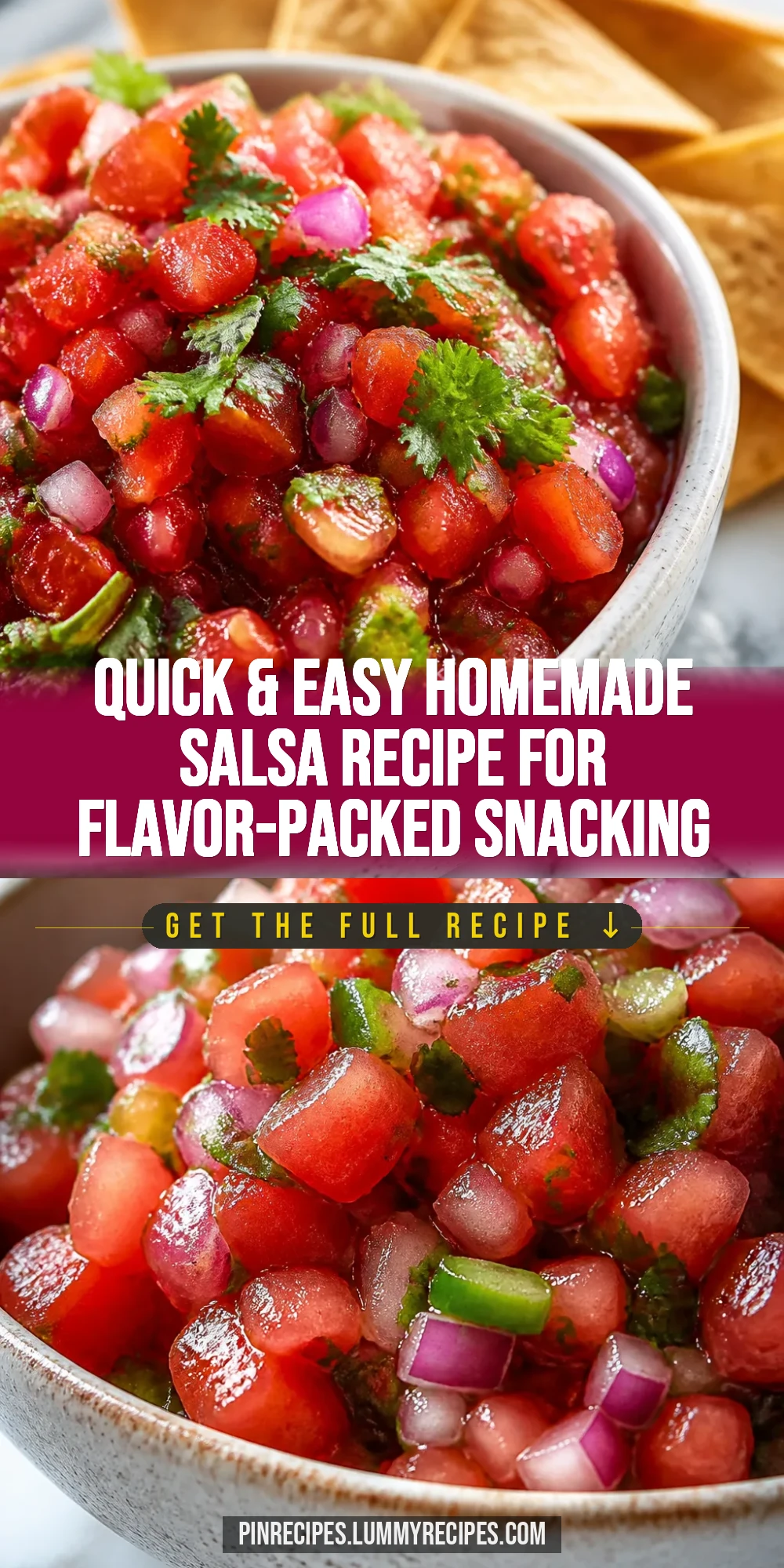
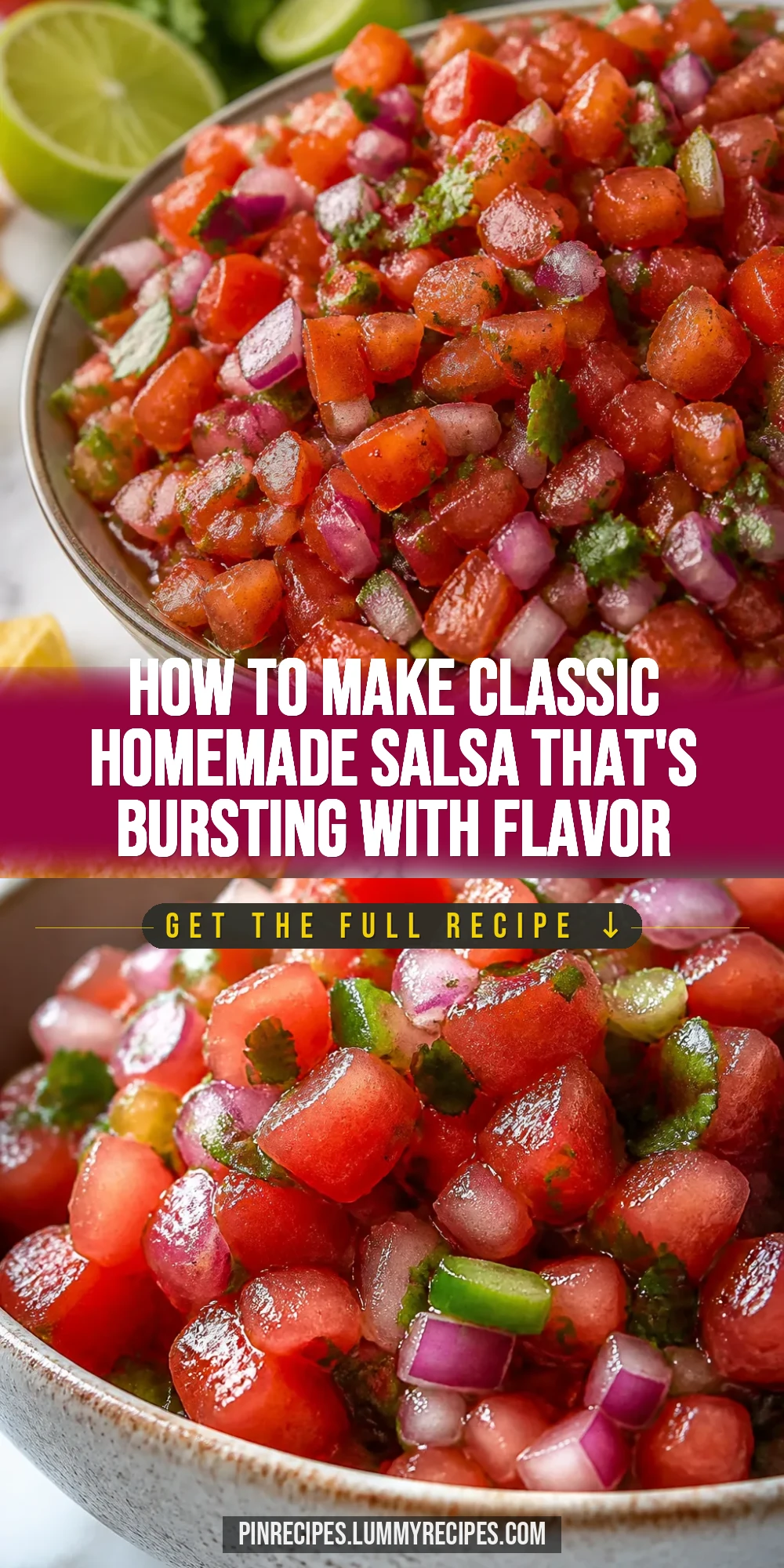
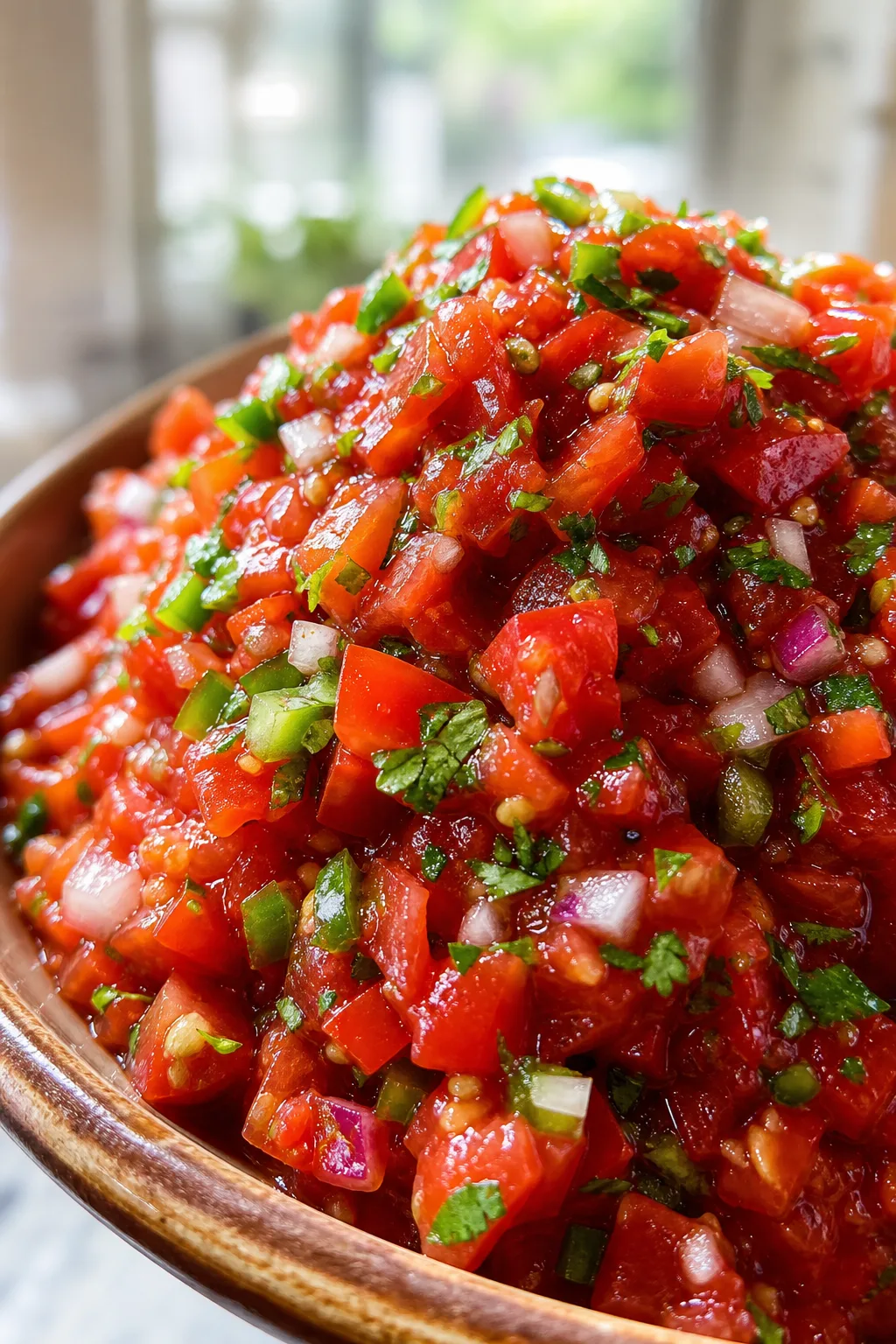
This homemade salsa is fresh, tangy, and packed with flavor. Using ripe tomatoes and a splash of lime juice makes it bright and perfect for chips or topping tacos. I love whipping it up for casual get-togethers!
Introduction
I first made this homemade salsa recipe a few years ago when I wanted a fresh, no-fuss dip for a family gathering. I’d tried store-bought versions before, but they always felt a bit one-note or too salty. This version uses ripe tomatoes and fresh lime juice, which really brighten the flavor and give it that homemade charm. One trick I learned early on is to finely chop everything by hand rather than using a food processor. It keeps the texture chunky and fresh, which I think makes a big difference. Plus, it’s quick to throw together, so you can have it ready in about 15 minutes. The result is a vibrant salsa that’s tangy, slightly spicy, and perfect for chips, tacos, or even spooned over grilled chicken. It’s become a staple in my kitchen, especially when I’m hosting friends or just craving a healthy snack. I think you’ll love how simple and satisfying it is!
What You'll Need
Approximately 3 cups, 6 servings
- 4 cups ripe tomatoes, finely chopped
- 1/2 cup white onion, finely diced
- 1/4 cup fresh cilantro, chopped
- 1 jalapeño pepper, seeded and minced
- 2 tablespoons fresh lime juice
- 1 teaspoon salt
- 1/2 teaspoon ground cumin
- 1 garlic clove, minced
How To Do It
Step 1
Start by washing and finely chopping the tomatoes. Choosing ripe, juicy tomatoes is key because they form the base of your salsa. Chop them into small, even pieces by hand to keep a nice chunky texture. Avoid pulsing in a food processor, which can make the salsa too watery and mushy. The goal here is to have a fresh, vibrant salsa with good body, so take your time chopping carefully. If your tomatoes are very watery, you can drain some of the excess juice before mixing.
⏱ Time: 10 minutes
✓ Doneness: Tomatoes are chopped into small, uniform pieces with minimal juice pooling
Step 2
Next, finely dice the white onion and mince the garlic clove. These ingredients add a sharp, savory punch to balance the sweetness of the tomatoes. Finely dicing helps them blend well without overpowering the salsa. Mix the onion and garlic with the tomatoes in a medium bowl. If you skip this step or chop too coarsely, the salsa can feel uneven or too harsh. The fresh garlic flavor is subtle but essential here, so don’t substitute with powder.
⏱ Time: 5 minutes
✓ Doneness: Onion and garlic are evenly mixed with tomatoes, no large chunks
Step 3
Seed and finely mince the jalapeño pepper, then add it to the bowl. The jalapeño provides a gentle heat that wakes up the flavors without overwhelming the salsa. If you prefer it milder, remove all seeds; for more heat, keep some seeds. Mixing the jalapeño evenly ensures each bite has a balanced kick. Be careful not to touch your face after handling the pepper, and wash your hands thoroughly.
⏱ Time: 3 minutes
✓ Doneness: Jalapeño pieces are small and well distributed throughout the salsa
Step 4
Chop fresh cilantro leaves and stir them into the salsa. Cilantro adds a bright, herbaceous note that’s classic in salsa recipes. Use fresh leaves only, discarding stems for a cleaner flavor. If you’re not a fan, you can reduce the amount or substitute with fresh parsley, but it won’t have the same authentic taste. Mixing the herbs last preserves their vibrant color and aroma.
⏱ Time: 2 minutes
✓ Doneness: Cilantro is evenly mixed and the salsa smells fresh and fragrant
Step 5
Squeeze in fresh lime juice and sprinkle the salt and ground cumin over the mixture. Lime juice brightens the salsa and balances acidity, while salt enhances all the flavors. Cumin adds a subtle earthiness that rounds out the taste. Stir everything gently but thoroughly to combine. Taste and adjust seasoning if needed—sometimes a little extra salt or lime juice makes all the difference.
⏱ Time: 2 minutes
✓ Doneness: Salsa is well mixed, with a balanced tangy and savory flavor
Step 6
Let the salsa rest in the refrigerator for at least 15 minutes before serving. This resting time allows the flavors to meld and the salt to draw out moisture from the tomatoes, enhancing the overall taste. If you’re in a hurry, you can serve immediately, but the flavor will deepen with time. Cover the bowl tightly with plastic wrap to keep it fresh.
⏱ Time: 15 minutes
✓ Doneness: Salsa tastes well-rounded and the ingredients have softened slightly
Step 7
Before serving, give the salsa a gentle stir to redistribute any liquid that may have settled. This ensures each scoop is flavorful and fresh. Serve chilled or at room temperature with tortilla chips or as a topping for tacos, grilled meats, or scrambled eggs. The fresh texture and bright flavors make it a versatile addition to many dishes.
⏱ Time: 1 minute
✓ Doneness: Salsa looks vibrant and fresh with no watery separation
Step 8
If you want to make the salsa spicier, add a pinch of cayenne pepper or more minced jalapeño. For a smoky twist, you can roast the tomatoes and peppers before chopping. These variations add complexity but keep the fresh base intact. Experiment to find your perfect balance.
⏱ Time: Optional
✓ Doneness: Salsa has desired heat level and flavor complexity
Step 9
Store any leftovers in an airtight container in the refrigerator. Homemade salsa tastes best fresh but will keep for a few days. Avoid freezing as it changes the texture. When reheating or serving cold, stir well and adjust seasoning if needed.
⏱ Time: N/A
✓ Doneness: Salsa remains fresh and flavorful after storage
Pro Tips
Always use fresh, ripe tomatoes for the best flavor.
Tomatoes are the base of salsa, so their flavor and texture have a huge impact. Fresh, ripe tomatoes bring natural sweetness and juiciness, while underripe or mealy tomatoes can make the salsa bland or watery. Using the right tomatoes ensures a vibrant, tasty salsa.
Chop ingredients by hand instead of using a food processor.
Hand chopping keeps the salsa chunky with a pleasant texture. Food processors tend to puree the ingredients too much, releasing excess liquid and resulting in a watery salsa. The texture is a big part of the eating experience, so take the extra time to chop.
Let the salsa rest in the fridge for at least 15 minutes before serving.
Resting allows the flavors to meld and the salt to draw out moisture, which softens the onions and garlic and deepens the overall taste. Skipping this step means the flavors won’t be as harmonious or developed.
Adjust the jalapeño seeds to control heat level.
The seeds contain most of the heat in peppers. Removing them makes the salsa milder, which is great for those sensitive to spice. Keeping some or all seeds adds more kick. This simple adjustment lets you customize the salsa’s spice to your liking.
Use fresh lime juice instead of bottled.
Fresh lime juice has a brighter, more natural acidity that enhances the salsa’s flavor. Bottled juice often tastes flat or artificial and can dull the fresh ingredients. The acidity also helps preserve the salsa’s color and freshness.
Don’t skip the cumin—it adds depth.
Cumin introduces a subtle earthiness that balances the bright and spicy flavors. Without it, the salsa can taste one-dimensional. Just a small amount enhances the complexity without overpowering the fresh ingredients.
Serve salsa chilled or at room temperature.
Salsa tastes best when slightly chilled or at room temp because the flavors are more pronounced. Serving it too cold can mute the flavors, while serving too warm can make it seem flat. Find a happy medium for the best experience.
Common Mistakes to Avoid
Using underripe or watery tomatoes
Why it happens People often grab whatever tomatoes are available without considering ripeness or texture, thinking any tomato will do.
Fix Choose firm, ripe tomatoes with good color and texture. Roma tomatoes are ideal because they have less water. If tomatoes are watery, drain excess juice before mixing to avoid a soggy salsa.
Over-processing in a blender or food processor
Why it happens It’s tempting to speed up prep by pulsing everything, but this breaks down the tomatoes too much.
Fix Chop ingredients by hand to keep the chunky texture. If you must use a processor, pulse very briefly and check texture often to avoid turning the salsa into a puree.
Skipping the resting time
Why it happens Impatience or lack of planning leads to serving salsa immediately after mixing.
Fix Let the salsa rest in the fridge for at least 15 minutes. This step allows flavors to meld and softens raw onion and garlic, creating a more balanced taste.
Using bottled lime juice
Why it happens Convenience or not having fresh limes on hand leads to using bottled juice.
Fix Always use freshly squeezed lime juice for brightness and natural acidity. It makes a noticeable difference in flavor and freshness.
Adding too much salt at once
Why it happens Many people add salt upfront without tasting as they go, risking an overly salty salsa.
Fix Add salt gradually and taste frequently. You can always add more later, but it’s hard to fix if it’s too salty.
Variations
Roasted Tomato Salsa
For a smoky depth, roast tomatoes, jalapeño, and garlic under the broiler before chopping. This adds complexity and a slightly charred flavor that’s delicious with grilled meats or as a dip.
Note: Roasting reduces moisture and concentrates flavors, so you may want to reduce salt slightly and add lime juice after roasting.
Chunky Pineapple Salsa
Add diced fresh pineapple for a sweet and tangy twist. The pineapple’s natural sweetness balances the heat and acidity, making this salsa great for summer barbecues or fish tacos.
Note: Add pineapple last to preserve its texture and freshness; you may want to reduce the amount of tomatoes slightly.
Mild Salsa with Bell Peppers
Swap jalapeño for diced mild bell peppers to keep the salsa kid-friendly and sweet. This version is great for those who prefer no heat but still want fresh salsa flavor.
Note: Bell peppers add crunch and sweetness but no heat, so adjust seasoning accordingly.
Chunky Guacamole Salsa
Mix in diced avocado for a creamy texture and richer flavor. This variation blends the freshness of salsa with the creaminess of guacamole, perfect for dipping or topping.
Note: Add avocado just before serving to prevent browning and maintain texture.
Tomatillo Salsa Verde
Replace tomatoes with roasted tomatillos for a tangy, green salsa. This variation has a bright, slightly tart flavor that pairs wonderfully with Mexican dishes.
Note: Roast tomatillos before chopping to soften and deepen flavor; adjust lime juice to taste.
Nutrition
Per Serving:
Nutritional values are estimates and may vary based on specific ingredients used.
Storage & Tips
Room Temperature
Salsa should not be left at room temperature for more than 2 hours to prevent spoilage. Keep it covered with plastic wrap or in a sealed bowl if serving outdoors or at room temp briefly.
Refrigerator
Store homemade salsa in an airtight container in the fridge for up to 4 days. The flavors will continue to meld, but the texture may soften slightly. Serve chilled or at room temperature after stirring.
Freezer
Freezing salsa is not recommended because the tomatoes release excess water and the texture becomes mushy when thawed. If you must freeze, use airtight containers and thaw slowly in the fridge, stirring before use.
Reheating
Salsa is typically served cold or at room temperature. If you prefer it warm, gently heat on the stovetop over low heat just until warm, stirring frequently. Avoid microwaving as it can unevenly heat and alter texture.
Make Ahead
You can chop all ingredients and mix them up to 1 day ahead, storing the salsa covered in the fridge. Add lime juice and salt just before serving to keep the flavors bright and fresh.
FAQ
Can I use canned tomatoes instead of fresh?
While canned tomatoes can work in a pinch, fresh ripe tomatoes provide the best flavor and texture for this salsa. Canned tomatoes tend to be softer and more watery, which can make the salsa mushy and less vibrant. If using canned, drain excess liquid and consider adding a bit less salt.
How spicy is this salsa, and can I adjust the heat?
This recipe has a mild to moderate heat level thanks to the jalapeño. You can adjust the spice by removing seeds to reduce heat or adding more jalapeño or a pinch of cayenne for extra kick. Always taste as you go to suit your preference.
What’s the best way to store leftover salsa?
Store leftovers in an airtight container in the refrigerator for up to 4 days. The salsa may become a bit softer over time but will still taste great. Stir before serving. Avoid freezing as it changes texture.
Can I make this salsa ahead of time?
Yes! You can prepare the salsa up to a day in advance. Just mix all ingredients except lime juice and salt, which you should add right before serving to keep the flavors fresh and bright.
Why does my salsa sometimes turn watery?
Watery salsa is usually caused by using very juicy tomatoes or over-processing the ingredients. To prevent this, use firmer tomatoes, chop by hand, and drain excess tomato juice if needed. Also, let the salsa rest so excess liquid can be absorbed.
Can I substitute cilantro if I don’t like it?
Sure! Parsley is a good substitute if you’re not a fan of cilantro’s distinct flavor. Keep in mind that parsley has a milder taste, so the salsa will be less herbaceous but still fresh.
Is it okay to add sugar to salsa?
Some recipes call for a pinch of sugar to balance acidity, but I find that ripe tomatoes and lime juice provide enough natural sweetness. If your tomatoes are very tart, a tiny bit of sugar can help, but add sparingly and taste as you go.
Can I make this salsa spicy without jalapeños?
Yes, you can add other spicy ingredients like serrano peppers or a pinch of cayenne powder. Each will give a different heat profile, so start small and adjust to your taste. Avoid adding too much at once.
Final Thoughts
I hope you give this homemade salsa a try—it’s such a simple way to brighten up snacks and meals. Let me know how it turns out and what your favorite way to enjoy it is!