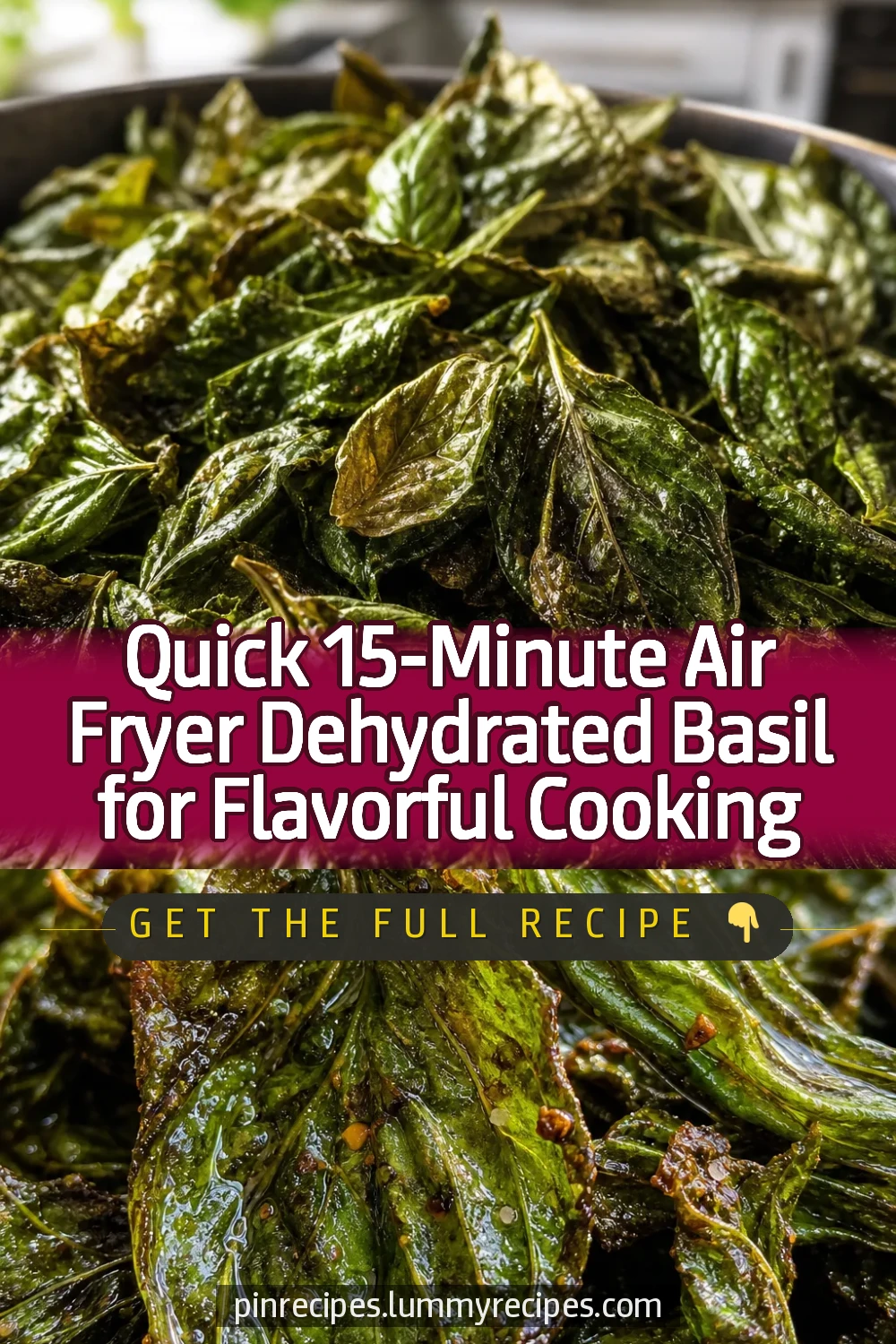
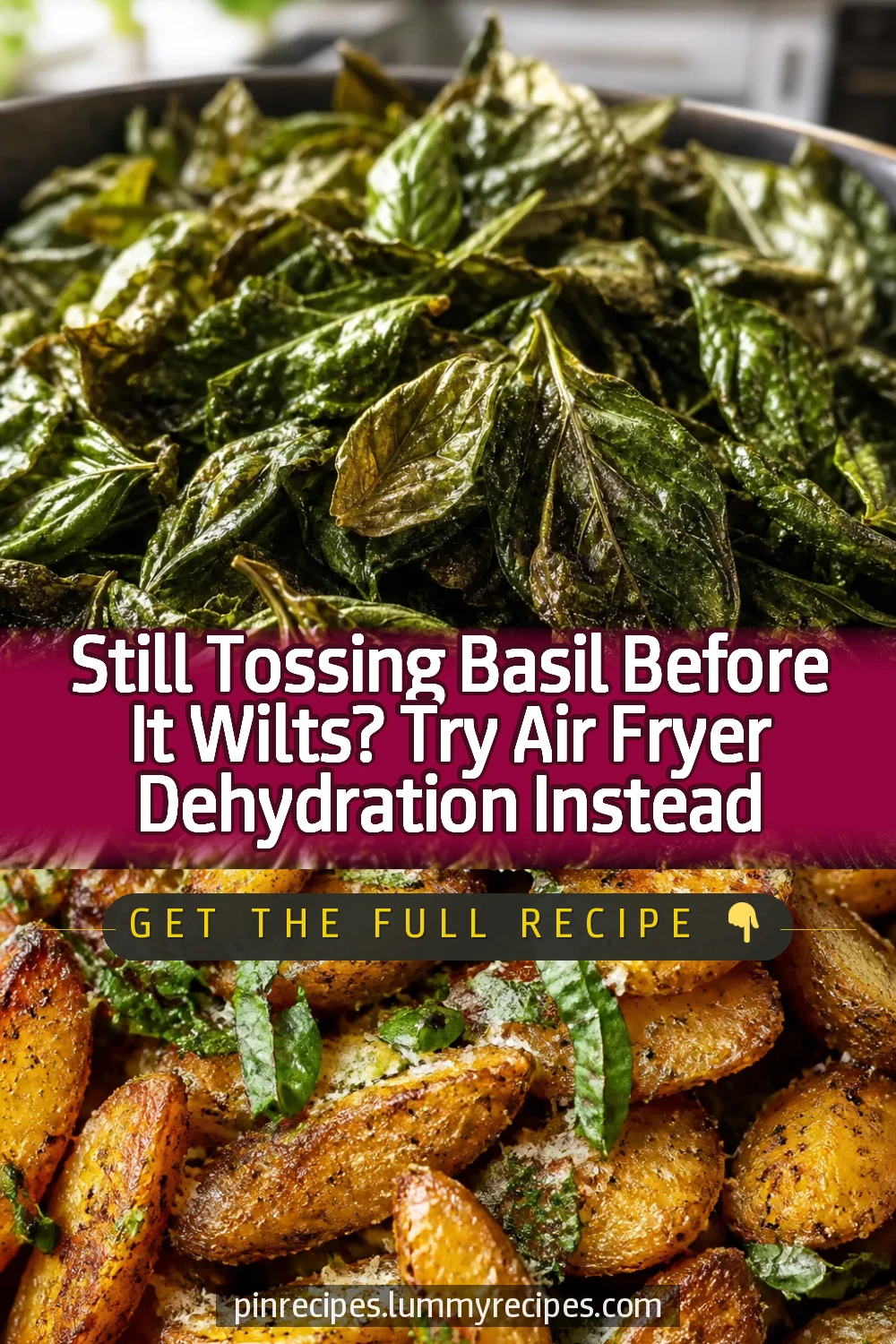
If you've ever wondered how to preserve fresh basil for longer, dehydrating it in an air fryer is a game changer. This method crisps the leaves perfectly without losing their vibrant flavor. Great for sprinkling on pasta or salads anytime!
Introduction
I first tried dehydrating basil in my air fryer a couple of summers ago when I had a surplus from my garden and didn’t want it to go to waste. Traditional drying methods take days and often leave the leaves brown and flavorless. Using the air fryer was a total game changer — it crisps the basil quickly while locking in that bright, fresh aroma and color. The trick I learned was to spread the leaves in a single layer and keep the temperature low to avoid burning. It’s such an easy process and the result is these perfectly crispy, flavorful flakes that add a fresh punch to any dish. I love sprinkling them on roasted veggies or mixing into homemade salad dressings. Plus, it’s a great way to preserve basil when you have way too much. If you’ve never tried dehydrating herbs in the air fryer, this recipe is a super simple place to start. You’ll be amazed at how fresh your basil tastes months later!
What You'll Need
Approximately 1/4 cup dehydrated basil flakes, 4 servings
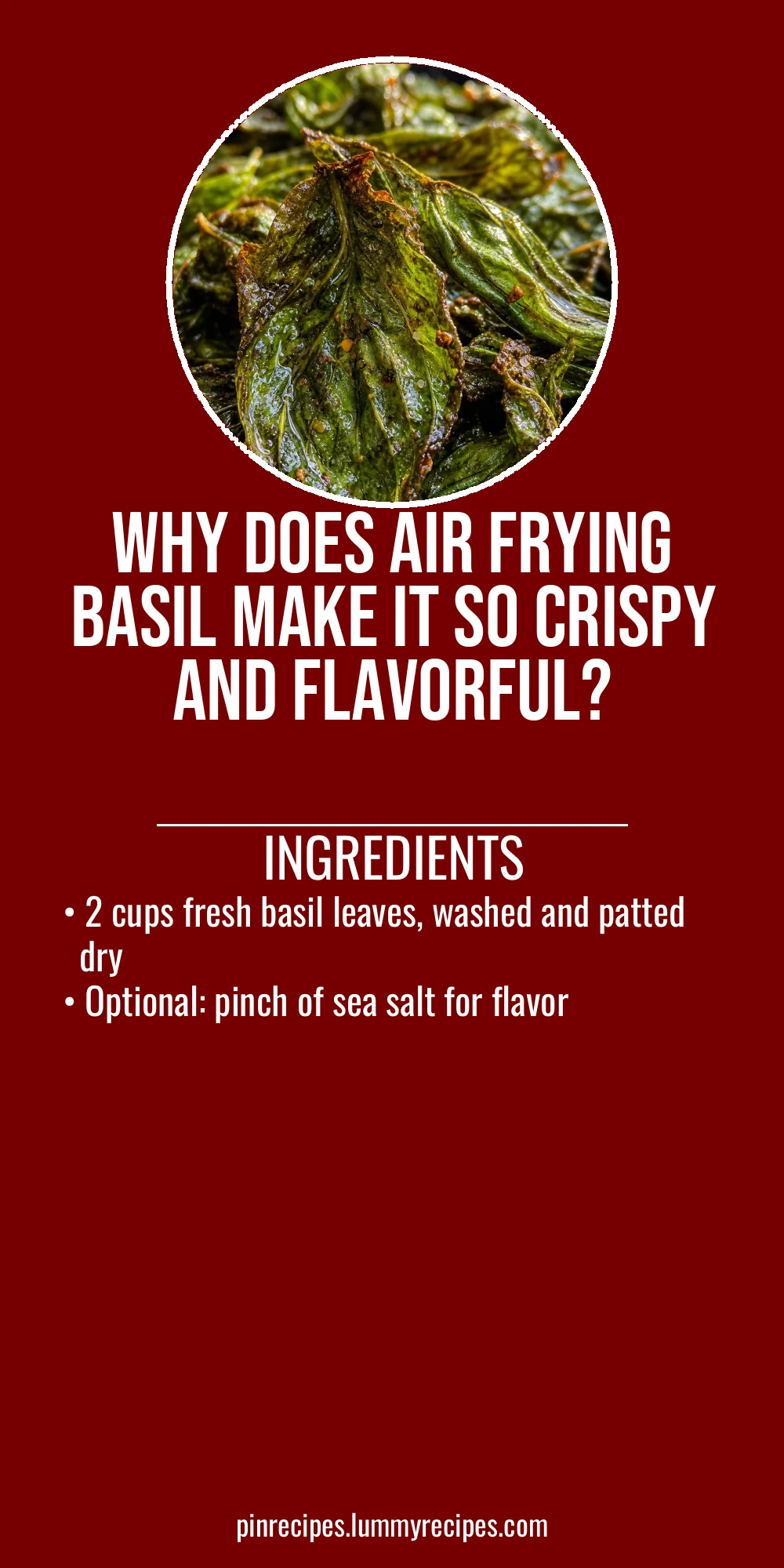
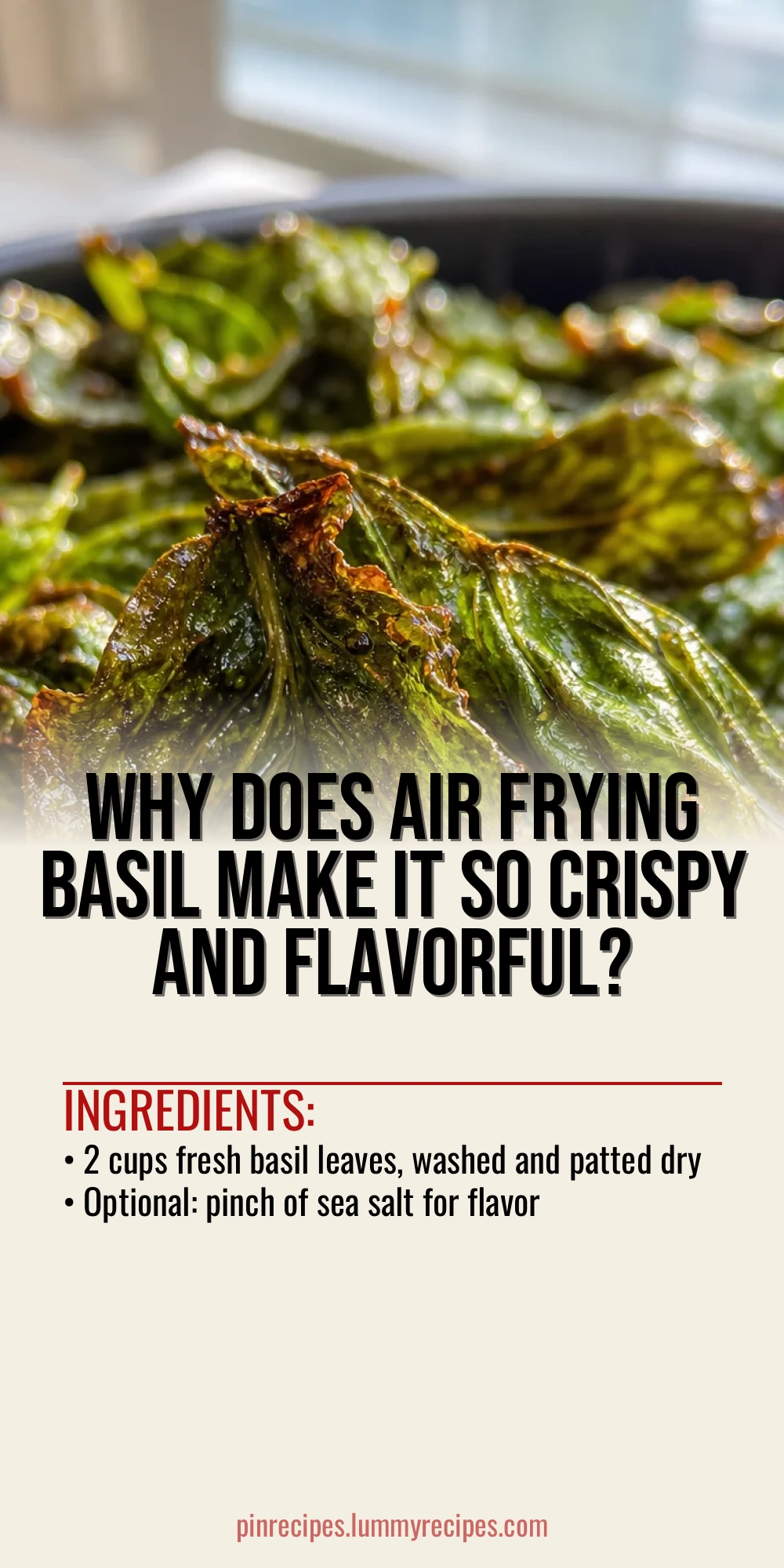
- 2 cups fresh basil leaves, washed and patted dry
- Optional: pinch of sea salt for flavor
How To Do It
Step 1
Start by thoroughly washing your fresh basil leaves and drying them completely. Excess moisture will cause uneven drying and may result in soggy leaves instead of crispy ones. Pat the leaves gently with a clean kitchen towel or use a salad spinner to remove water. This step is crucial because the air fryer works best when the basil is dry, allowing the hot air to circulate freely and dehydrate the leaves evenly without steaming them.
⏱ Time: 5
✓ Doneness: Leaves feel dry to the touch with no damp spots before proceeding.
Step 2
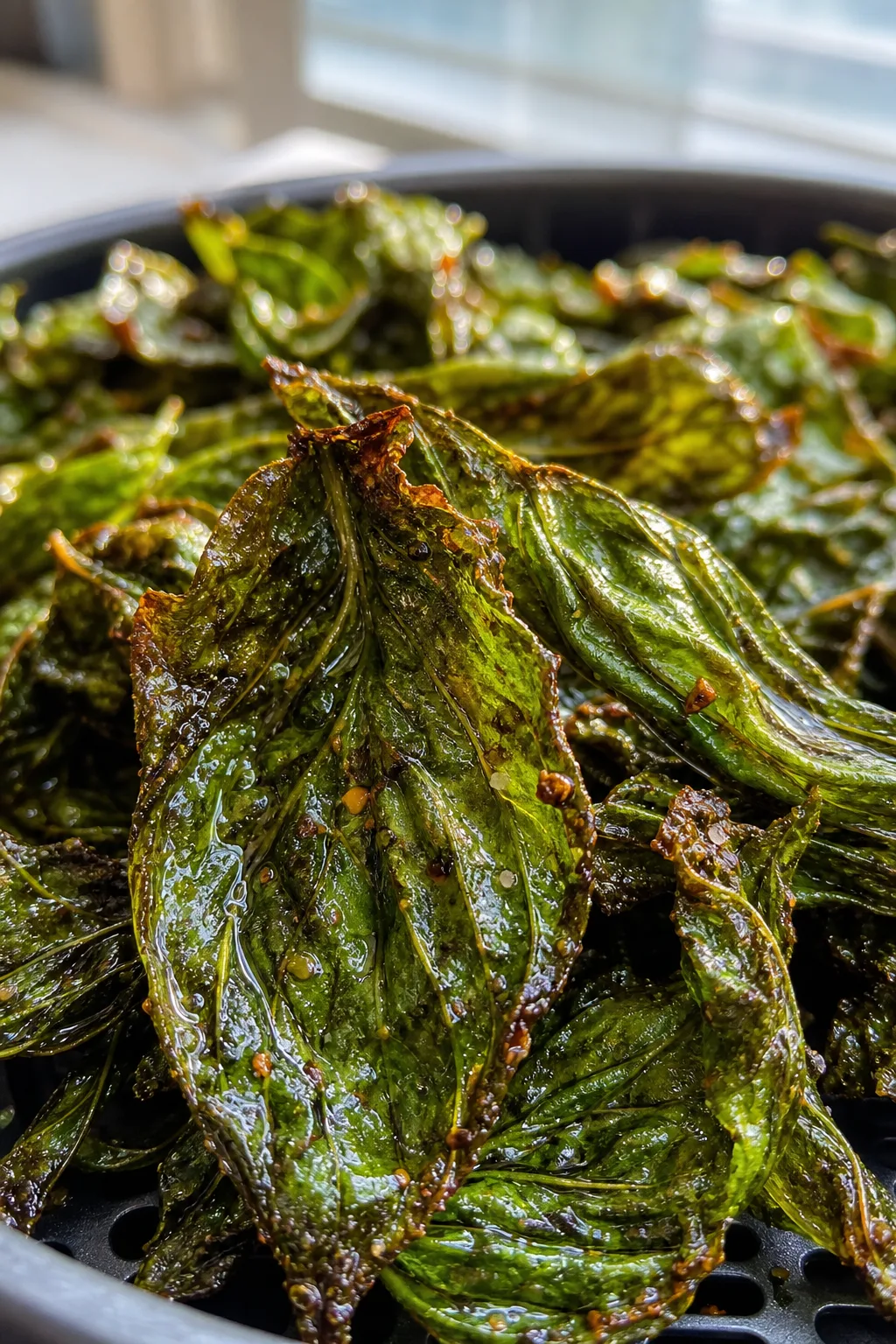
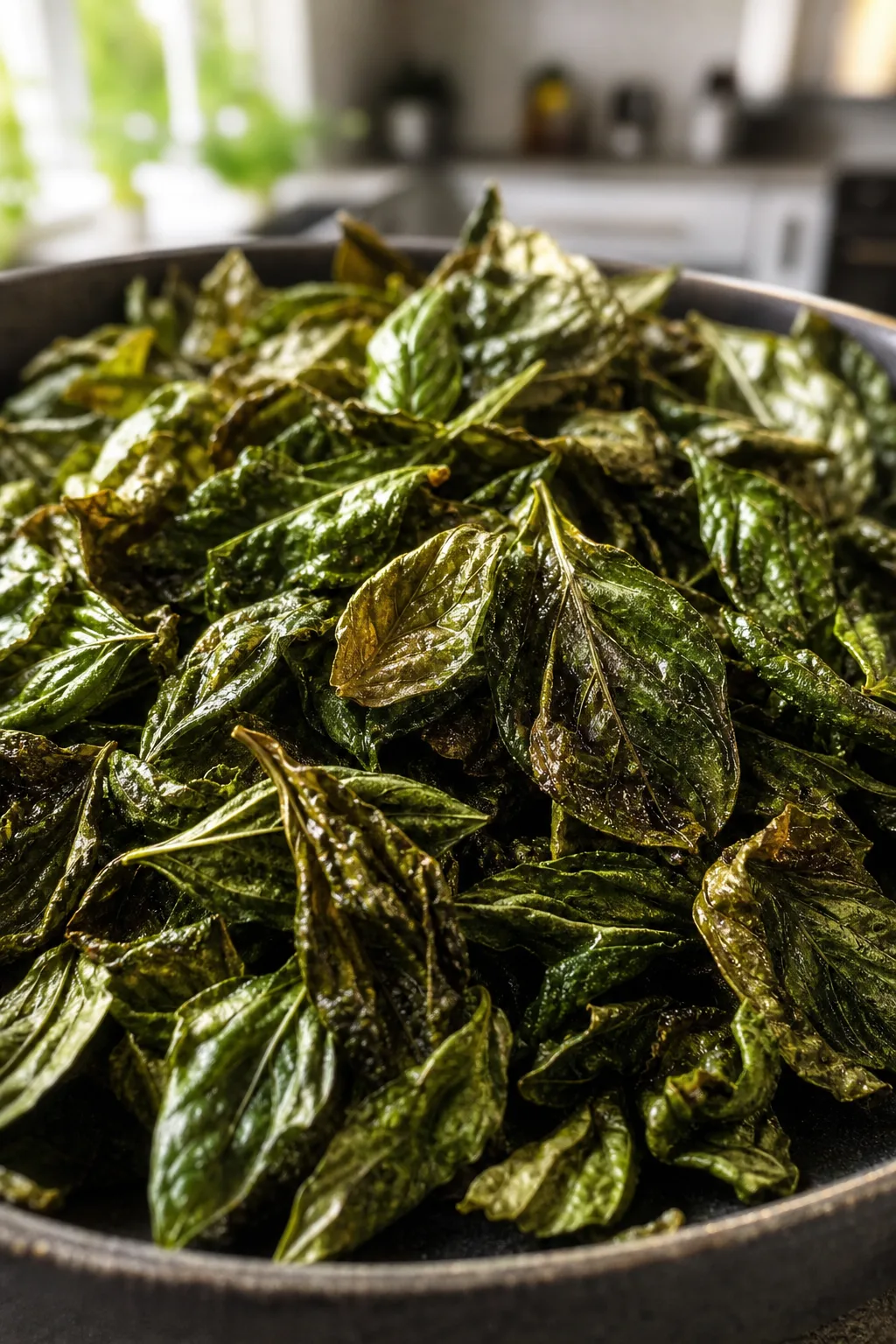
Preheat your air fryer to a low temperature, around 120°F (50°C) if possible, or the lowest setting available. Spread the basil leaves evenly on the air fryer basket or tray in a single layer, avoiding overlap. This ensures even airflow and consistent drying. If your air fryer doesn’t have a precise low setting, check the leaves often to prevent burning. Dehydrate the leaves for about 12-15 minutes, shaking the basket halfway through to promote even drying. The leaves should turn brittle and crisp without browning.
⏱ Time: 15
✓ Doneness: Leaves snap easily when bent and have a bright green color with no burnt spots.
Step 3
Once dehydrated, remove the basil leaves carefully and let them cool completely on a wire rack or plate. Cooling prevents condensation, which could make the leaves soggy again. After cooling, crumble the leaves by hand or pulse gently in a food processor to your desired flake size. Store the dried basil in an airtight container away from light and heat to preserve flavor.
⏱ Time: 10
✓ Doneness: Leaves are fully cooled, dry, and crumble easily into flakes.
Step 4
If you want to enhance flavor, sprinkle a tiny pinch of sea salt on the leaves before dehydrating. This step is optional but can add a subtle savory note that complements many dishes. Just be careful not to overdo it, as salt can draw moisture and affect drying time.
⏱ Time: 1
✓ Doneness: Salt is evenly distributed without clumping on leaves.
Step 5
Check your air fryer’s basket or tray size before starting to avoid overcrowding. If you have a large batch, dehydrate in multiple smaller batches for best results. Overcrowding traps moisture and prevents the leaves from drying evenly, which can lead to mold or off flavors during storage.
⏱ Time: 1
✓ Doneness: Leaves lie flat and spaced out with no overlapping.
Step 6
Avoid turning the temperature too high to speed up drying. High heat can cause the basil to brown and lose its fresh green color and delicate flavor. Slow and low is the key to preserving both appearance and taste.
⏱ Time: 0
✓ Doneness: Leaves remain bright green and aromatic after drying.
Step 7
After drying and cooling, store your dehydrated basil in a glass jar with a tight lid. Keep it in a cool, dark cabinet to maintain potency. Exposure to light and heat degrades the flavor and color over time, so proper storage is essential for long-lasting herbs.
⏱ Time: 0
✓ Doneness: Container seals tightly with no air gaps.
Step 8
Use your dehydrated basil flakes within 6-12 months for the best flavor. Over time, the essential oils diminish, and the herb will lose its punch. Label your container with the date so you can keep track and enjoy your homemade dried basil at its peak.
⏱ Time: 0
✓ Doneness: Fresh aromatic scent when opening the container.
Step 9
Try sprinkling your air fryer dehydrated basil on pasta, pizza, or roasted vegetables. It also makes a great addition to homemade salad dressings and marinades. The flavor is more concentrated than fresh, so start with small amounts and adjust to taste.
⏱ Time: 0
✓ Doneness: Herb adds vibrant aroma and flavor without bitterness.
Pro Tips
Always dry basil leaves completely before air frying to avoid steaming.
Moisture on the leaves causes them to steam rather than dry, resulting in limp, unevenly dried herbs. Drying them thoroughly ensures the hot air crisps the leaves properly, preserving texture and flavor.
Use the lowest temperature setting on your air fryer for gentle drying.
Basil is delicate and browns easily at high heat, losing its fresh flavor. Low and slow drying preserves the vibrant green color and essential oils that give basil its signature aroma.
Spread leaves in a single layer without overlapping.
Overlapping traps moisture and prevents even airflow, causing some leaves to remain damp and others to overcook. Single-layer spreading ensures consistent drying for all leaves.
Shake the air fryer basket halfway through the drying process.
Shaking redistributes the leaves, exposing all surfaces to hot air and preventing clumping or uneven drying spots.
Cool leaves completely on a wire rack before storing.
Cooling prevents condensation inside storage containers, which can reintroduce moisture and cause mold or sogginess.
Store dried basil in airtight, opaque containers away from heat and light.
Exposure to air, light, and heat degrades dried herbs quickly by breaking down essential oils and color compounds.
Label your container with the drying date.
Dried herbs lose potency over time. Labeling helps you track freshness and use herbs while they’re most flavorful.
Common Mistakes to Avoid
Not drying basil leaves completely before air frying.
Why it happens Often, cooks rinse basil but don’t remove all surface moisture, assuming the air fryer will dry it all out.
Fix Pat leaves thoroughly with a clean towel or use a salad spinner to remove water. This prevents steaming during air frying and ensures crisp, evenly dried leaves.
Using too high a temperature in the air fryer.
Why it happens In a rush, some set the air fryer too hot to speed drying, unaware this causes browning and flavor loss.
Fix Use the lowest temperature setting possible, around 120°F (50°C). Check leaves frequently and remove them as soon as they’re crisp and bright green.
Overcrowding the air fryer basket.
Why it happens Trying to dry too many leaves at once leads to overlapping and trapped moisture.
Fix Dry herbs in smaller batches, spreading leaves in a single layer for even airflow and consistent drying.
Storing dried basil before it cools completely.
Why it happens Placing warm herbs in containers traps steam, causing sogginess and potential mold.
Fix Allow leaves to cool fully on a wire rack before transferring to airtight storage.
Using plastic containers that aren’t airtight for storage.
Why it happens Plastic can allow air and moisture in, and some plastics absorb herb aromas.
Fix Use glass jars with tight-fitting lids stored in a cool, dark place to maintain flavor and freshness.
Variations
Dehydrate Mixed Herbs
Try this method with a mix of herbs like oregano, thyme, and rosemary alongside basil. Each herb may require slightly different drying times, so check frequently to avoid over-drying delicate leaves.
Note: Adjust drying times by monitoring texture; thicker herbs like rosemary take longer than basil.
Salted Dehydrated Basil
Add a light sprinkle of fine sea salt to the basil leaves before drying to enhance flavor. This variation works well when using the basil as a seasoning for savory dishes.
Note: Use salt sparingly to avoid drawing excessive moisture and affecting drying time.
Air Fryer Basil Powder
After dehydrating, pulse the basil flakes in a spice grinder to make a fine powder. This powder is perfect for seasoning soups, sauces, and marinades with concentrated basil flavor.
Note: Grind in short bursts to avoid overheating and losing aroma.
Infused Olive Oil with Dehydrated Basil
Use your dried basil to infuse olive oil for a flavorful drizzle. Simply steep the dehydrated leaves in warm olive oil for a few hours, then strain and store. Great for salads and dipping bread.
Note: Ensure basil is fully dried to prevent oil spoilage.
Basil Dehydrated with Garlic Powder
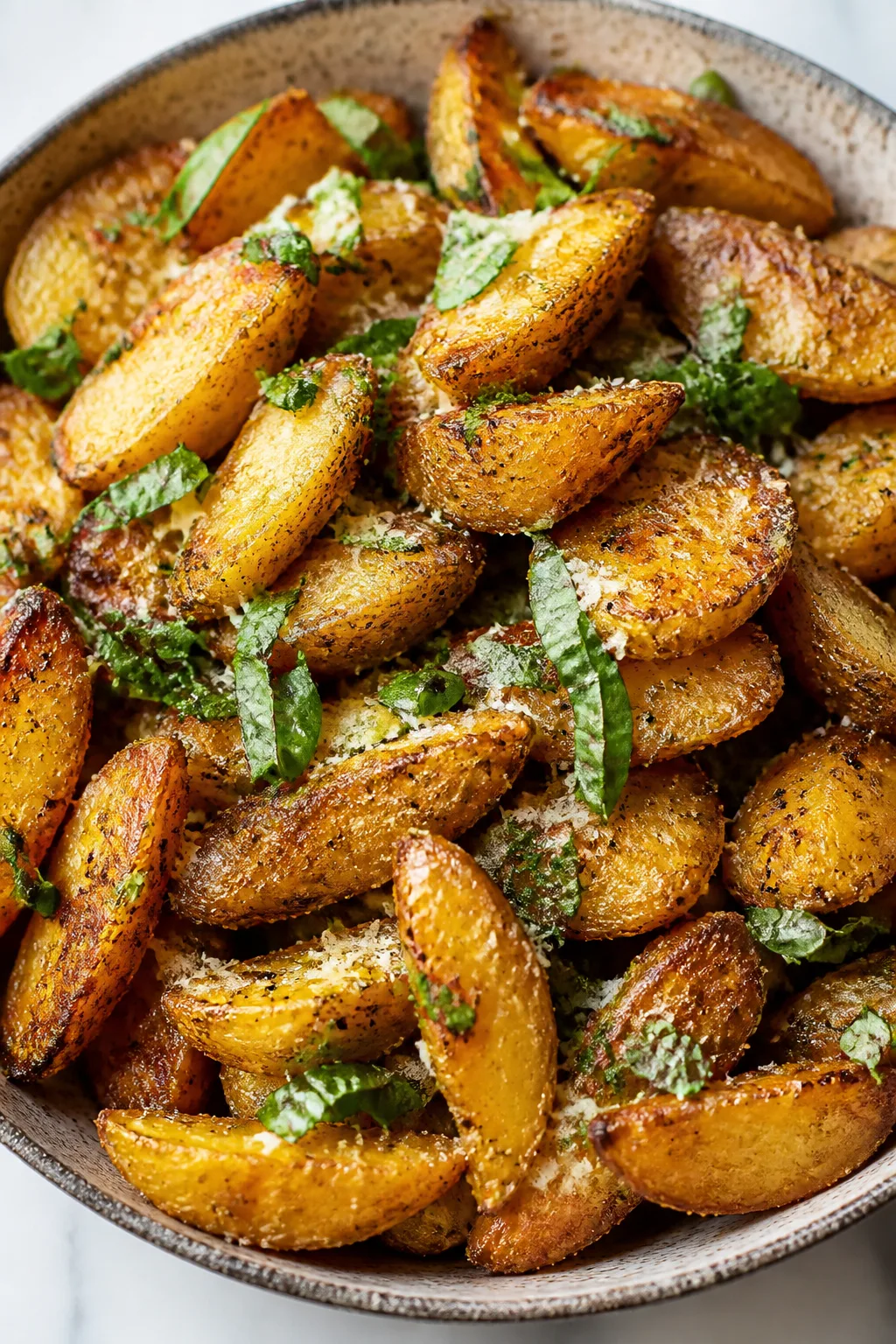
Mix garlic powder with basil leaves before drying for a savory herb blend. This combo is perfect for seasoning roasted potatoes or grilled meats.
Note: Use garlic powder sparingly to prevent overpowering the basil flavor.
Nutrition
Per Serving:
Nutritional values are estimates and may vary based on specific ingredients used.
Storage & Tips
Room Temperature
Dried basil leaves can be safely kept at room temperature in an airtight container for up to 2 weeks if stored in a cool, dark place. Avoid humid environments to prevent moisture absorption.
Refrigerator
You can refrigerate dried basil to extend shelf life up to 1 month. Store in airtight containers to avoid flavor loss and moisture exposure. Refrigerated dried basil may lose some crispness but retains flavor well.
Freezer
Freeze dried basil in airtight, freezer-safe containers or vacuum-sealed bags for up to 6 months. Freezing preserves flavor but may cause slight texture changes. Thaw at room temperature before use.
Reheating
No reheating is needed for dried basil. Use directly as a seasoning. If adding to hot dishes, add towards the end of cooking to preserve flavor.
Make Ahead
Dehydrate basil leaves in advance and store in airtight containers. This can be done 1-2 weeks ahead without flavor loss. Prepare multiple batches during peak basil season and store for year-round use.
FAQ
Can I use frozen basil to dehydrate in an air fryer?
Frozen basil is not ideal for dehydration because the freezing process damages the leaf structure and releases moisture. This leads to uneven drying and a loss of flavor. It’s best to use fresh basil leaves that are fully dry before air frying for crisp, flavorful results.
How long does it take to dehydrate basil in an air fryer?
Dehydrating basil in an air fryer typically takes about 12-15 minutes at a low temperature setting around 120°F (50°C). Drying times can vary slightly depending on your air fryer model and the thickness of the leaves, so check frequently to avoid burning.
Why is my basil turning brown when I dehydrate it?
Browning usually happens when the temperature is too high or the leaves are dried too long. Basil is delicate and should be dried at low heat to preserve its green color and fresh flavor. Reduce the temperature and monitor the leaves closely during drying.
Can I dehydrate other herbs using the same air fryer method?
Yes, many herbs like oregano, thyme, and parsley can be dehydrated in an air fryer using similar low-temperature settings. However, drying times may vary depending on leaf thickness and moisture content, so adjust accordingly and check frequently.
How should I store dehydrated basil to keep it fresh?
Store dehydrated basil in airtight glass containers away from light, heat, and moisture. A cool, dark cupboard is ideal. Proper storage helps preserve the herb’s flavor and color for up to 6-12 months.
Can I add salt before dehydrating basil?
Yes, adding a small pinch of fine sea salt before drying can enhance flavor. However, use salt sparingly because it can draw moisture from the leaves and potentially extend drying time or cause uneven drying.
Is it necessary to cool basil after dehydrating before storing?
Absolutely. Cooling prevents condensation inside storage containers, which could reintroduce moisture and cause the basil to become soggy or moldy. Always let dried herbs cool fully on a rack before storing.
What can I do if my dried basil tastes bitter?
Bitterness often results from over-drying or using older leaves. To avoid this, dry basil at low temperatures and remove leaves as soon as they’re crisp. Also, use fresh, young basil leaves for the best flavor.
Final Thoughts
I hope this air fryer dehydrated basil recipe helps you enjoy fresh herb flavor all year round. Give it a try and share how it worked for you—I'd love to hear your tips and tweaks!