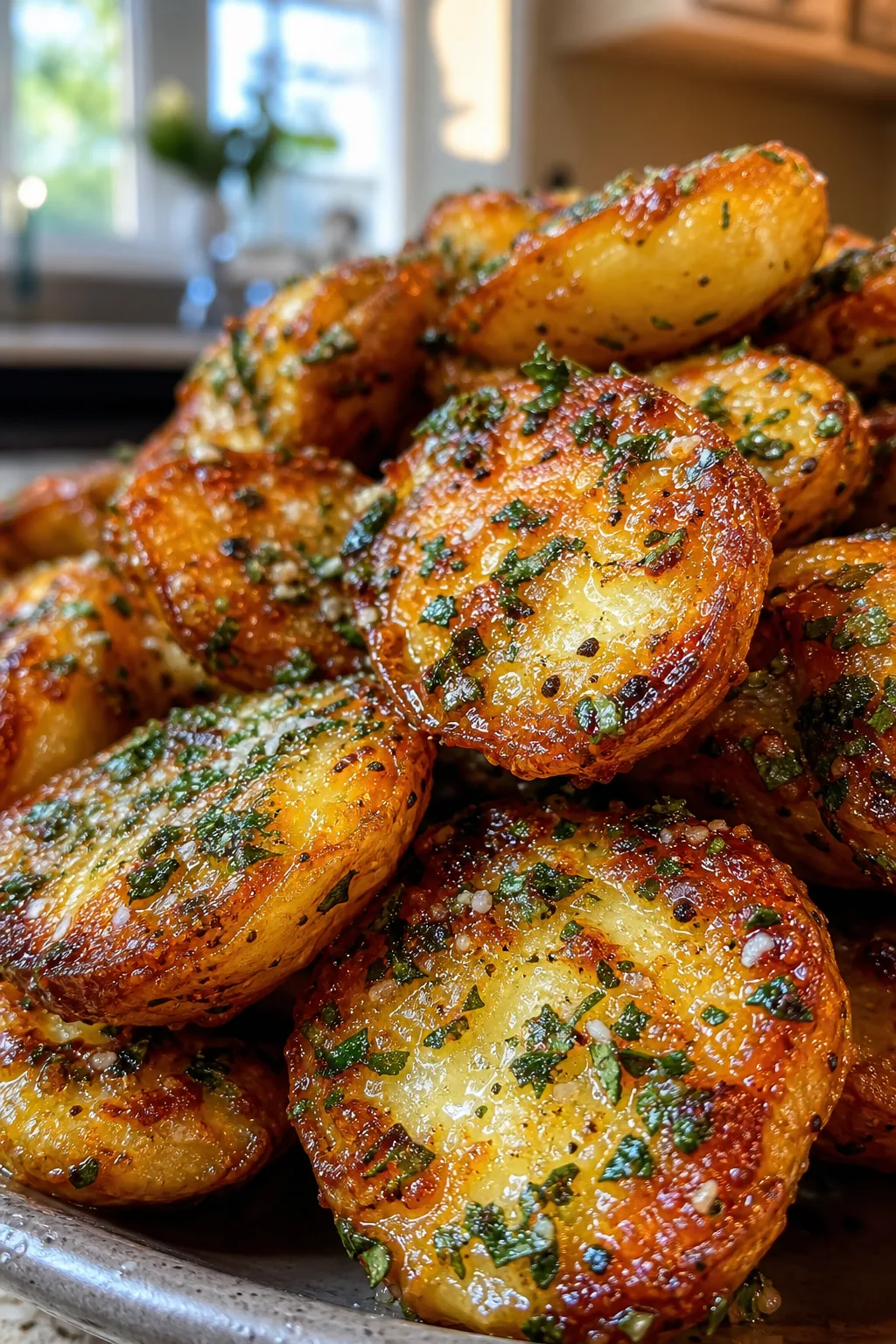
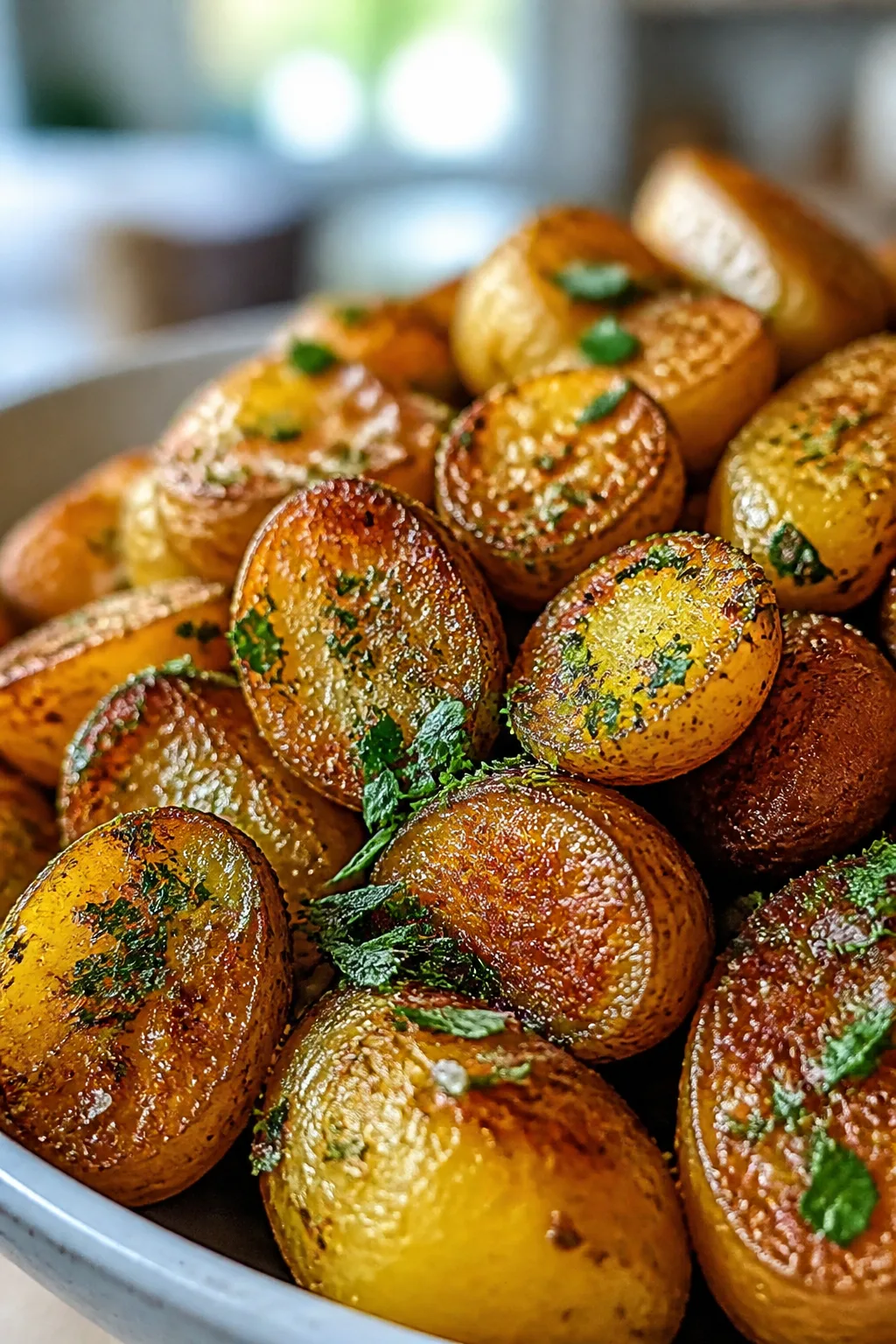
Basil salt is a simple way to add fresh herbal flavor to your dishes without fuss. Using fresh basil and coarse salt, this easy mix brightens everything from grilled veggies to scrambled eggs. Perfect for quick flavor boosts anytime!
Introduction
I first stumbled upon basil salt when I wanted a quick way to add fresh herb flavor to my dishes without chopping herbs every time. This simple mix combines fresh basil leaves with coarse sea salt, preserving that bright green color and fragrant aroma. What makes this version better is drying the basil just right to keep its vibrant flavor without turning it bitter. I usually air dry the leaves for a few hours before blending them with salt, which helps keep the texture perfect. The result is a versatile seasoning that livens up everything from roasted potatoes to scrambled eggs with a subtle herbal punch. It’s one of those little kitchen hacks I always keep on hand because it’s fuss-free and adds so much personality to simple meals. Plus, it stores well in a jar for weeks, so you can sprinkle it anytime you want a quick flavor boost. If you love fresh herbs but don’t want the prep hassle, this basil salt is a game changer. I think you’ll find it’s a lovely way to brighten your everyday cooking without any extra effort.
What You'll Need
Approximately 1 cup basil salt, enough for multiple uses
- 1 cup fresh basil leaves, packed
- 1 cup coarse sea salt
How To Do It
Step 1
Start by washing your fresh basil leaves thoroughly under cold water to remove any dirt or grit. Then lay them out on a clean kitchen towel or paper towels to dry completely. It’s important that the basil is dry before blending to avoid clumping and to preserve the salt’s texture. If the leaves are too wet, the salt will become pasty and spoil faster. You can also air dry the basil for a few hours or use a salad spinner to remove excess moisture. This drying step ensures your basil salt has that perfect coarse texture and fresh flavor.
⏱ Time: 20
✓ Doneness: Leaves feel dry to the touch with no damp spots
Step 2
Once the basil is dry, roughly chop the leaves and add them to a food processor along with the coarse sea salt. Pulse in short bursts until the mixture is evenly combined but still coarse — you want the basil to be finely chopped but not pureed. Over-processing can release too much moisture and make the salt clumpy. The goal is a vibrant green, grainy mixture that holds its texture. If you don’t have a food processor, you can finely chop the basil by hand and mix it with the salt in a bowl. Store the basil salt in an airtight container away from heat and moisture to keep it fresh.
⏱ Time: 5
✓ Doneness: Mixture is evenly green and grainy with visible salt crystals
Step 3
Transfer the basil salt to a clean, airtight jar or container. Make sure the container is completely dry to prevent moisture from spoiling the salt. Label the jar with the date so you know when you made it. Basil salt can be stored at room temperature in a cool, dry place for up to 3 weeks. For longer storage, keep it in the refrigerator to preserve freshness. Use it as a finishing salt on roasted vegetables, grilled meats, or even popcorn for a fresh herbal kick.
⏱ Time: 5
✓ Doneness: Salt is stored in a sealed container with no moisture inside
Step 4
Try sprinkling basil salt on scrambled eggs or avocado toast to add an instant burst of flavor. The coarse salt crystals provide a pleasant crunch while the basil adds a fresh, aromatic note. This seasoning also works great as a rub for chicken or fish before cooking. The salt helps tenderize the meat while the basil infuses it with bright herbal flavor. Experiment with adding it to your favorite savory dishes for a simple upgrade.
⏱ Time: 2
✓ Doneness: Seasoning enhances dishes without overpowering them
Step 5
If you want to make a larger batch, simply scale up the basil and salt in equal parts. Just be sure to dry the basil thoroughly to maintain the right texture. You can also experiment with adding other herbs like thyme or oregano for a customized herb salt blend. Keep the ratios the same for consistent seasoning strength.
⏱ Time: 3
✓ Doneness: Mixture remains dry and evenly textured
Step 6
Avoid using table salt or very fine salt as it will dissolve too quickly and make the mixture pasty. Coarse sea salt or kosher salt works best because it holds the texture and absorbs the basil flavor well. The larger crystals also provide a nice crunch when used as a finishing salt.
⏱ Time: 1
✓ Doneness: Salt crystals remain distinct and crunchy
Step 7
Keep your basil salt away from heat and humidity to prevent clumping and flavor loss. Store it in a cool, dry cupboard or the fridge if you live in a humid climate. Using a dry spoon each time you scoop will help extend its shelf life.
⏱ Time: 1
✓ Doneness: Salt remains free-flowing with no moisture buildup
Step 8
Use basil salt within 3 weeks for the best flavor. Over time, the basil flavor will fade and the salt may absorb moisture. If you notice any off smells or clumping, it’s best to make a fresh batch. Fresh basil salt has a bright, herbal aroma and crisp texture that really elevates dishes.
⏱ Time: 1
✓ Doneness: Salt smells fresh and looks dry
Step 9
For a more intense basil flavor, you can dry basil leaves in a low oven (around 150°F) for 10-15 minutes before blending. This concentrates the flavor but be careful not to brown or burn the leaves as this will cause bitterness. Let the leaves cool completely before mixing with salt.
⏱ Time: 15
✓ Doneness: Leaves are crisp but still green without browning
Pro Tips
Always dry basil leaves thoroughly before mixing with salt.
Moisture is the enemy of salt blends; it causes clumping and accelerates spoilage. Dry leaves ensure the salt stays grainy and free-flowing, preserving texture and flavor. Even a little dampness can turn your basil salt into a pasty mess.
Use coarse sea salt or kosher salt rather than fine salt.
Larger salt crystals absorb basil oils better and provide a satisfying crunch. Fine salt dissolves too quickly, making the mixture pasty and less flavorful. Coarse salt also acts as a natural preservative, extending shelf life.
Pulse blend basil and salt in short bursts to keep texture.
Over-blending releases moisture and turns the mixture into a paste, ruining the grainy texture. Pulsing preserves the fresh leaf pieces and salt crystals, maintaining visual appeal and mouthfeel.
Store basil salt in an airtight container away from heat and humidity.
Exposure to moisture and warmth causes clumping and flavor loss. Keeping it sealed and cool preserves the fresh basil aroma and prevents spoilage, extending the seasoning’s usability.
Label your jar with the date you made the basil salt.
Basil flavor fades over time, so tracking freshness helps you use the seasoning at its peak. Using it within 3 weeks ensures the best taste and aroma.
Try oven-drying basil leaves at low heat for more intense flavor.
Gently drying basil in the oven concentrates its essential oils, boosting flavor. Be careful not to brown the leaves, which causes bitterness. This method is great for deeper herb flavor.
Use a dry spoon when scooping basil salt.
Introducing moisture from a wet spoon can cause clumping and spoilage. A dry utensil keeps the salt free-flowing and fresh longer.
Common Mistakes to Avoid
Using wet basil leaves.
Why it happens People often skip drying basil thoroughly to save time, not realizing moisture ruins the salt’s texture and shelf life.
Fix Always dry basil leaves completely using a towel or air drying before mixing. This prevents clumping and keeps the salt grainy and fresh.
Over-blending the mixture into a paste.
Why it happens It’s tempting to blend thoroughly for uniformity, but this releases too much moisture and breaks down the salt crystals.
Fix Pulse blend in short bursts just until combined. Stop when basil is finely chopped but salt crystals are still visible.
Using fine table salt instead of coarse salt.
Why it happens Fine salt is common and easy to find, but it dissolves quickly and makes the mix pasty.
Fix Use coarse sea salt or kosher salt for best texture and flavor. Adjust quantity if switching salts due to grain size differences.
Storing basil salt in a humid or warm place.
Why it happens Kitchens often have moisture or heat near stoves or sinks, which can degrade the seasoning.
Fix Store in a cool, dry cupboard or refrigerator in an airtight container to maintain freshness.
Not labeling the container with the date.
Why it happens Without tracking, it’s easy to forget how old the basil salt is, leading to stale seasoning.
Fix Label jars with the preparation date and use within 3 weeks for best flavor.
Variations
Lemon Basil Salt
Add finely grated lemon zest to the basil and salt mixture for a bright citrus twist. This variation is perfect for seafood or summer salads, adding a refreshing zing alongside the herbaceous basil.
Note: Use fresh lemon zest and mix it in just before storing. Avoid adding zest if storing long-term as moisture can increase.
Garlic Basil Salt
Incorporate a small amount of garlic powder or finely minced dried garlic into your basil salt for a savory depth. This blend works well as a rub for grilled meats or roasted vegetables.
Note: Add garlic powder during the blending step. Use sparingly to avoid overpowering the basil flavor.
Mixed Herb Salt
Combine basil with other dried herbs like thyme, oregano, or rosemary for a versatile herb salt. This mix enhances Italian dishes and roasted potatoes with complex flavor layers.
Note: Dry and chop all herbs evenly before blending with salt to maintain consistent texture.
Spicy Basil Salt
Add crushed red pepper flakes or ground black pepper to your basil salt for a gentle heat. This variation is great for seasoning grilled chicken or adding a kick to salads.
Note: Adjust spice level to taste and mix thoroughly to distribute evenly.
Sweet Basil Salt
Mix a small amount of sugar or brown sugar with basil and salt for a sweet-savory seasoning. This works well as a finishing salt on roasted carrots or sweet potatoes.
Note: Use sparingly and store in an airtight container to prevent clumping.
Nutrition
Per Serving:
Nutrition values are minimal per serving since this is a seasoning blend; sodium content is from the salt.
Storage & Tips
Room Temperature
Basil salt can be safely stored at room temperature in a cool, dry place for up to 3 weeks. Keep it in an airtight container to prevent moisture absorption and clumping. Avoid storing near heat sources or humidity.
Refrigerator
For longer freshness, store basil salt in the refrigerator in a sealed container. This helps preserve the vibrant basil flavor and prevents moisture buildup. Flavor may mellow slightly but remains fresh for up to 6 weeks.
Freezer
Freezing basil salt is not recommended because moisture can cause clumping and degrade texture. Instead, make smaller batches to use fresh.
Reheating
No reheating is needed for basil salt. Use it as a finishing seasoning on cooked dishes or mix into recipes without heat to preserve flavor.
Make Ahead
You can prepare basil salt up to a week ahead. Dry the basil thoroughly and pulse blend with salt, then store in an airtight container. Label with the date and keep in a cool, dry place. Use within 3 weeks for best flavor.
FAQ
Can I use dried basil instead of fresh for basil salt?
You can use dried basil, but the flavor will be less vibrant and the color darker. Fresh basil provides a brighter, fresher taste and more appealing green color. If using dried, mix it with coarse salt as usual but expect a milder herb flavor.
How long does homemade basil salt last?
Stored properly in an airtight container away from moisture and heat, basil salt lasts about 3 weeks at room temperature. Refrigeration can extend freshness up to 6 weeks. After that, the basil flavor fades and the salt may clump.
Why is my basil salt clumping?
Clumping usually happens because the basil leaves were not fully dried before mixing or moisture got into the container. Always dry basil thoroughly and store the salt in a sealed, dry container with a dry spoon to avoid moisture contamination.
Can I use table salt instead of coarse sea salt?
Table salt dissolves quickly and can make the mixture pasty, losing the grainy texture. Coarse sea salt or kosher salt is best because it holds texture and absorbs basil flavor well. If using table salt, expect a different consistency.
How do I dry basil leaves properly?
After washing, pat basil leaves dry with paper towels or use a salad spinner. You can also air dry by spreading leaves on a towel for a few hours. For more intense flavor, dry in a low oven (150°F) for 10-15 minutes, watching carefully to avoid browning.
Can I add other herbs to basil salt?
Yes! Adding herbs like thyme, oregano, or rosemary creates a mixed herb salt with complex flavor. Dry and chop all herbs evenly before mixing with salt to maintain texture and balance.
Is basil salt good for seasoning meats?
Absolutely. Basil salt works well as a rub or finishing salt on grilled chicken, fish, or pork. The salt tenderizes while the basil adds fresh herbal notes. Use it just before cooking or as a finishing touch.
Can I store basil salt in plastic containers?
Food-safe plastic containers with tight lids are fine for short-term storage. Glass jars are preferred as they don’t absorb odors and create a better seal. Avoid metal containers which can react with salt.
Final Thoughts
I hope you enjoy making and using this simple basil salt as much as I do. It’s a little kitchen secret that adds fresh flavor to so many dishes—give it a try and let me know your favorite ways to use it!