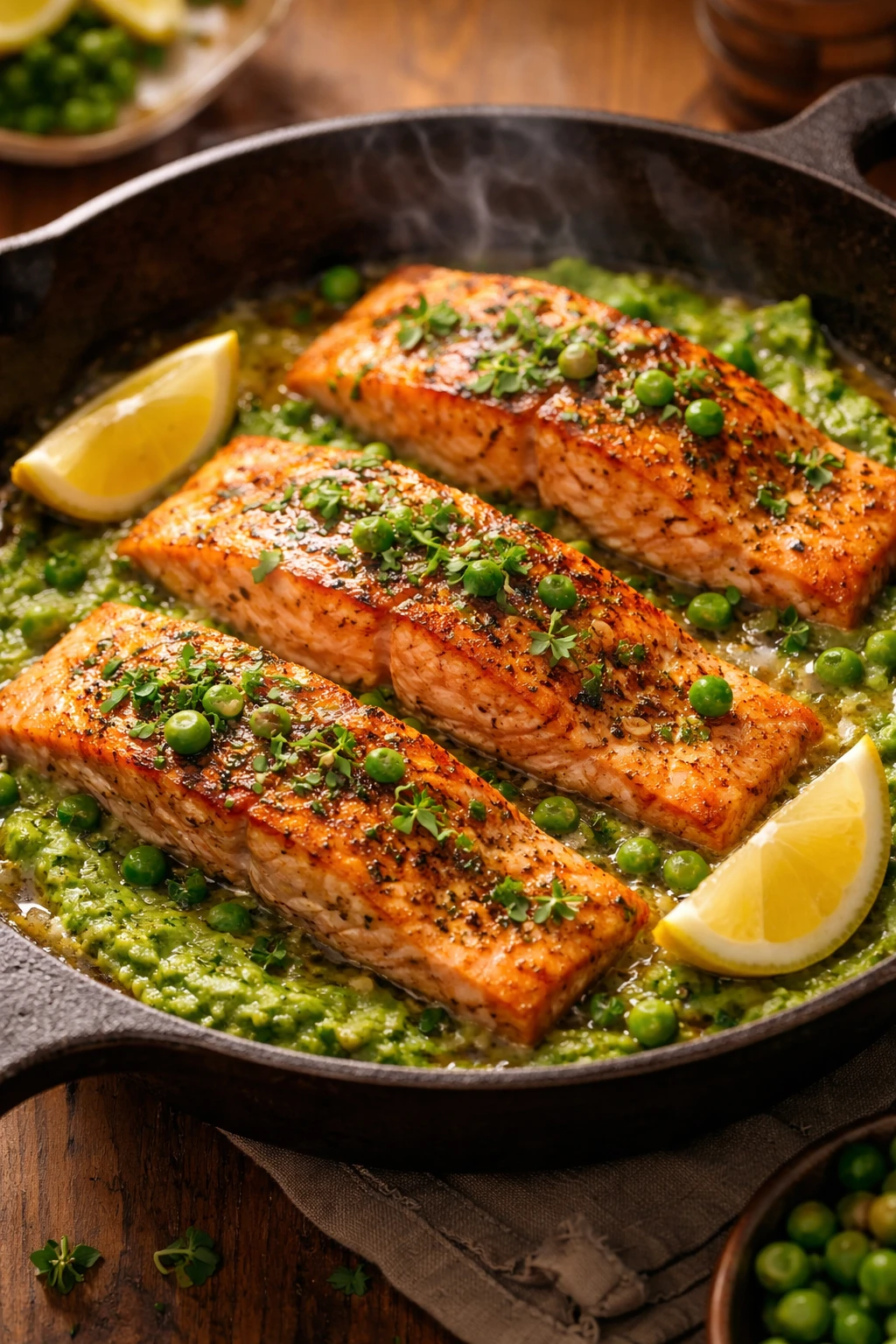
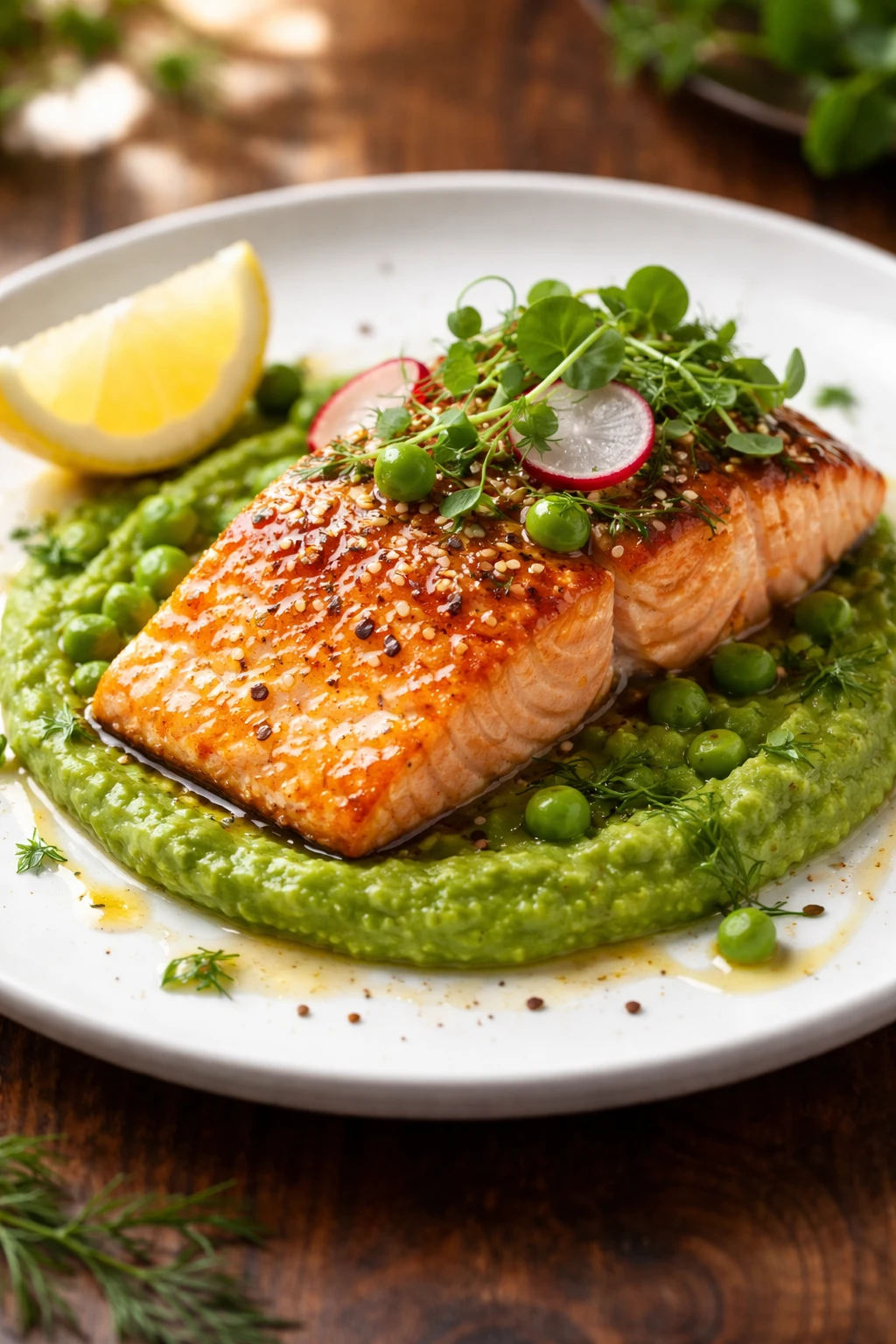
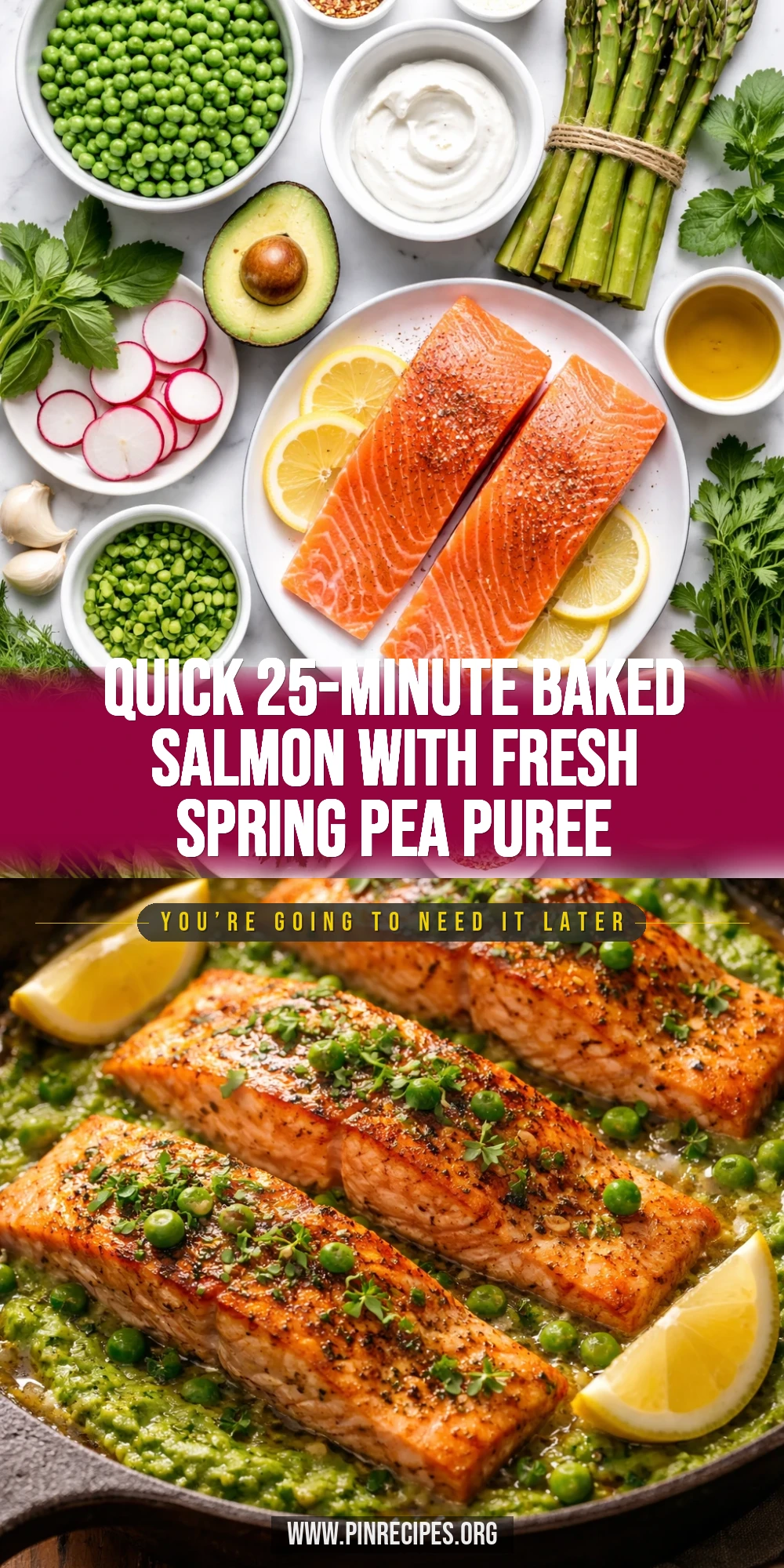
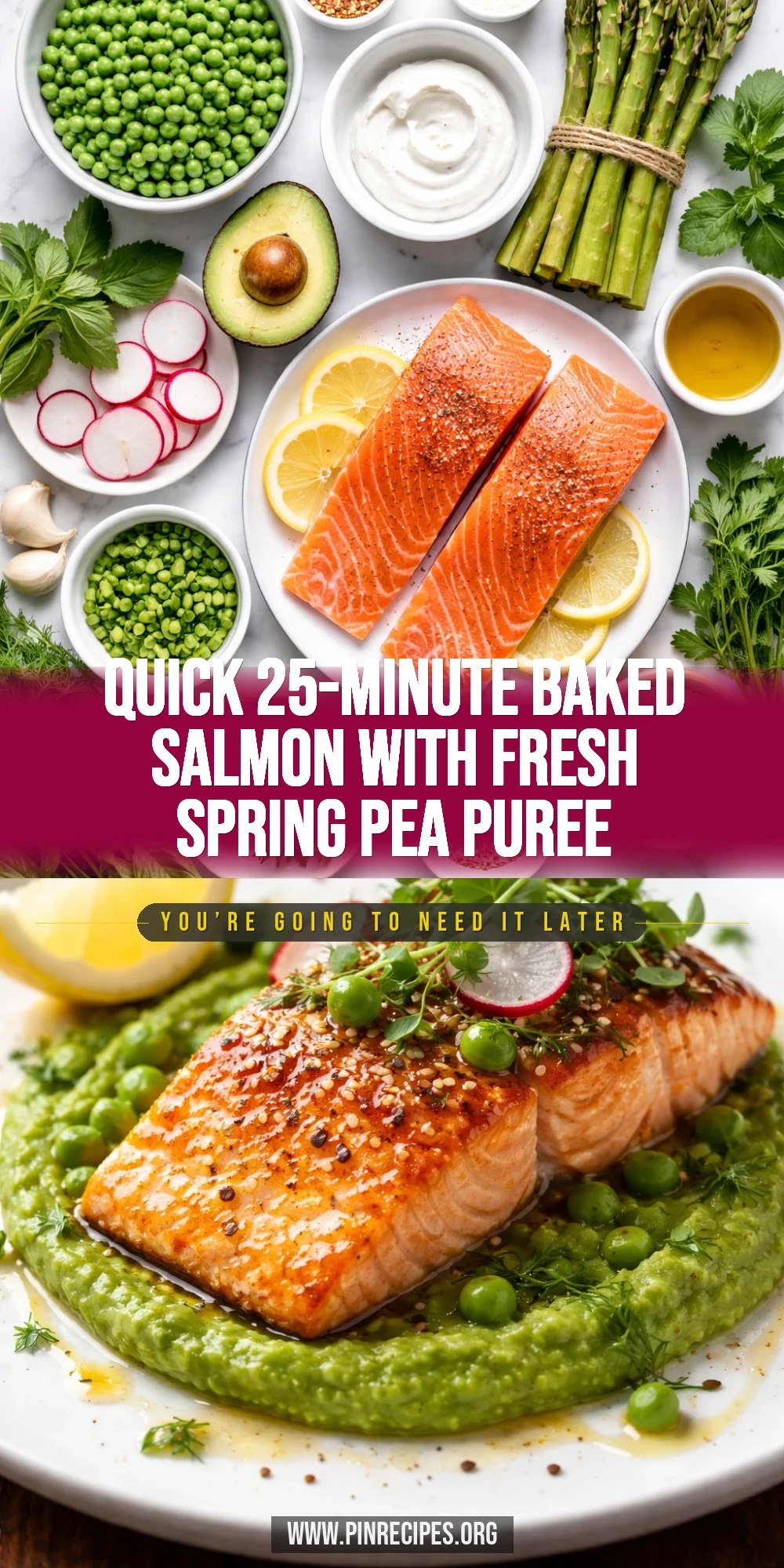
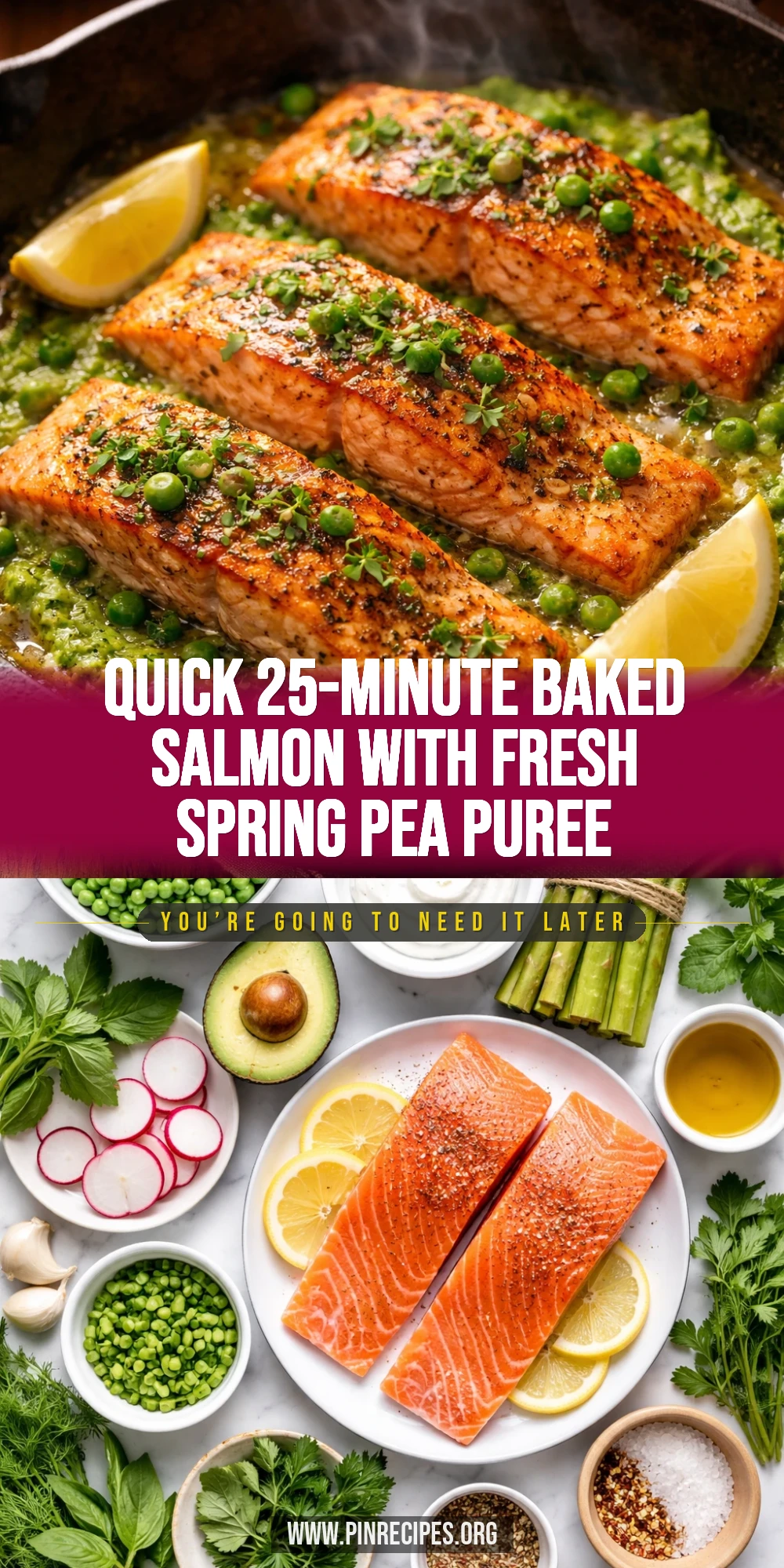
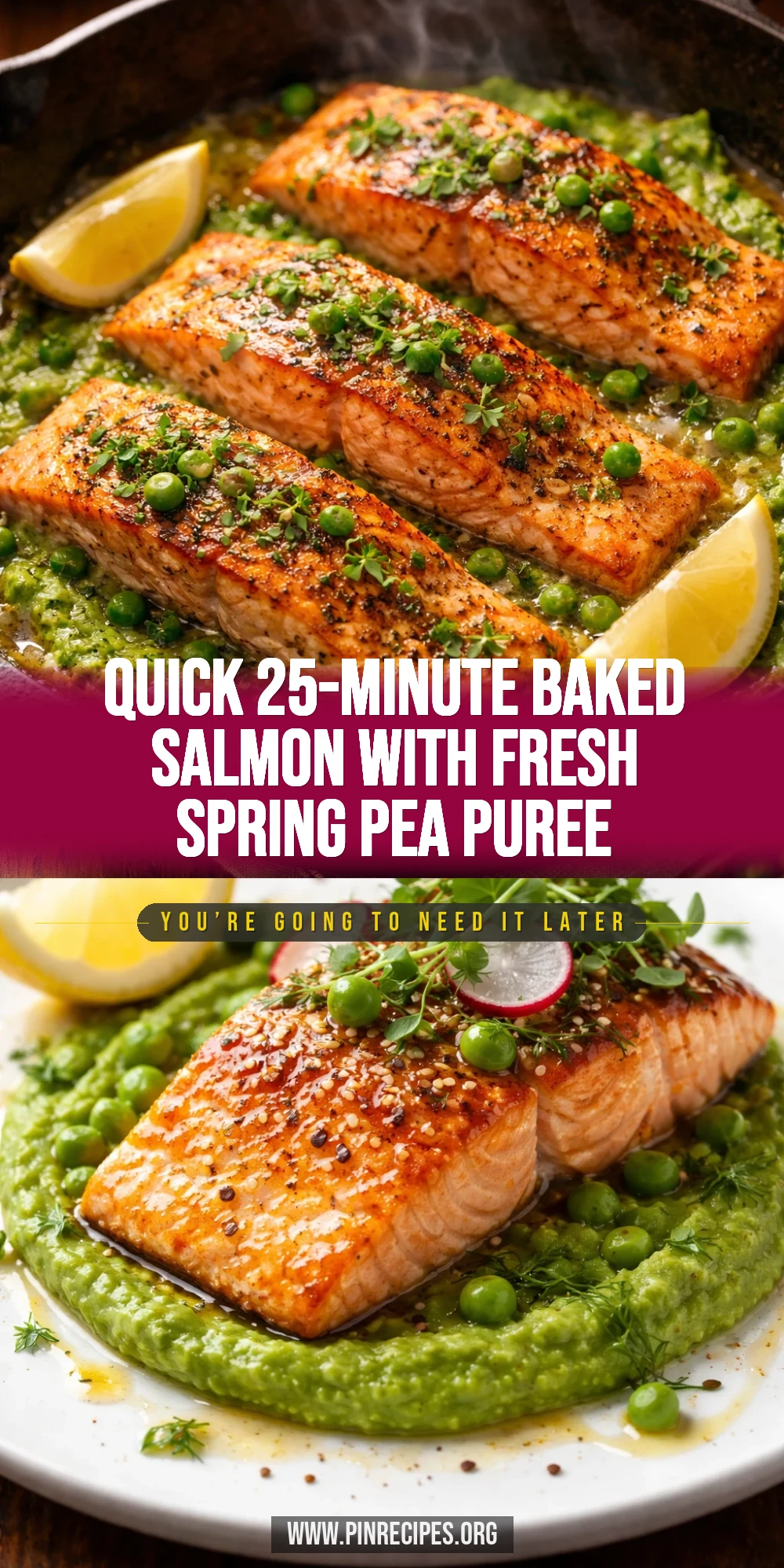
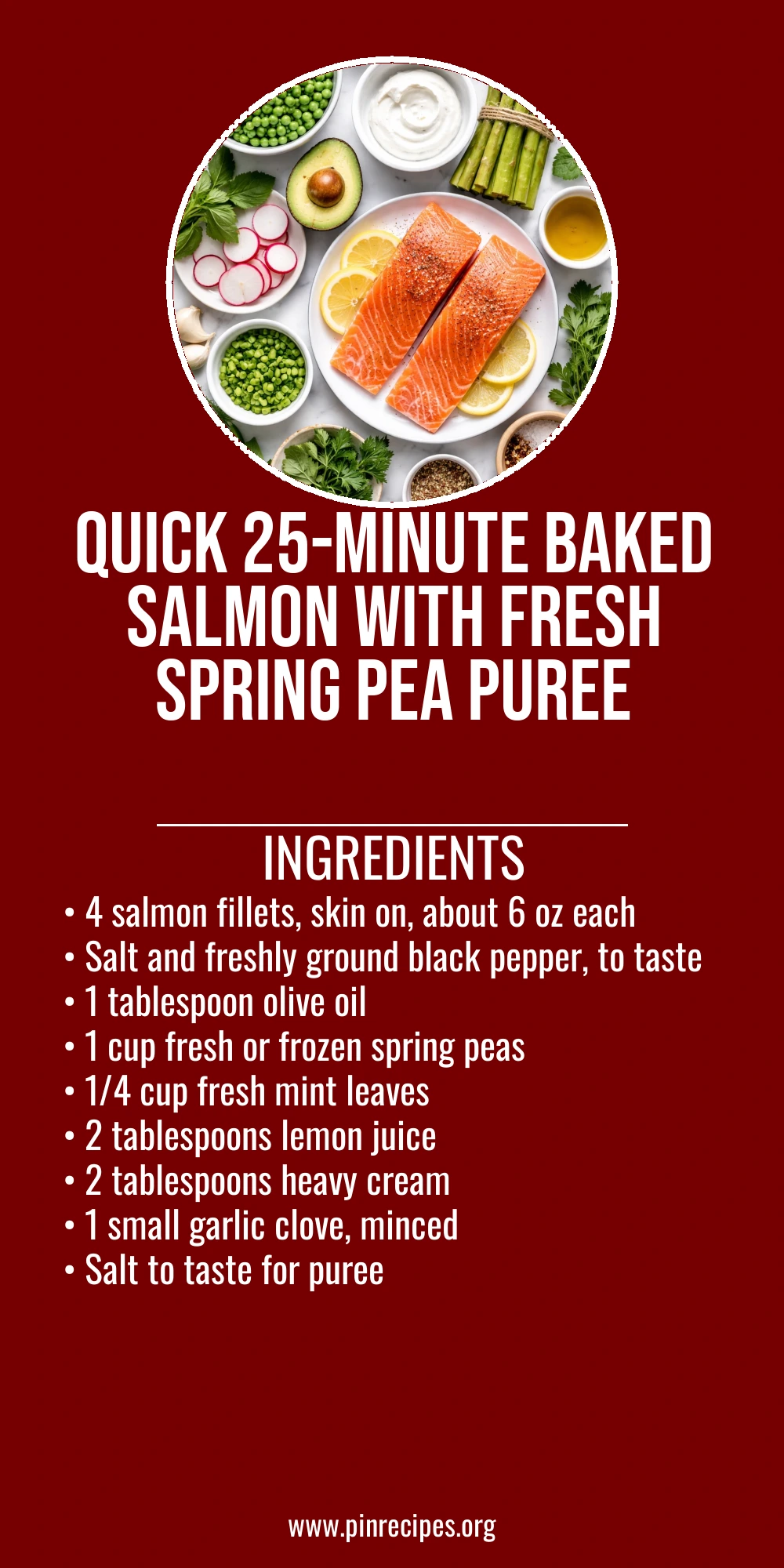
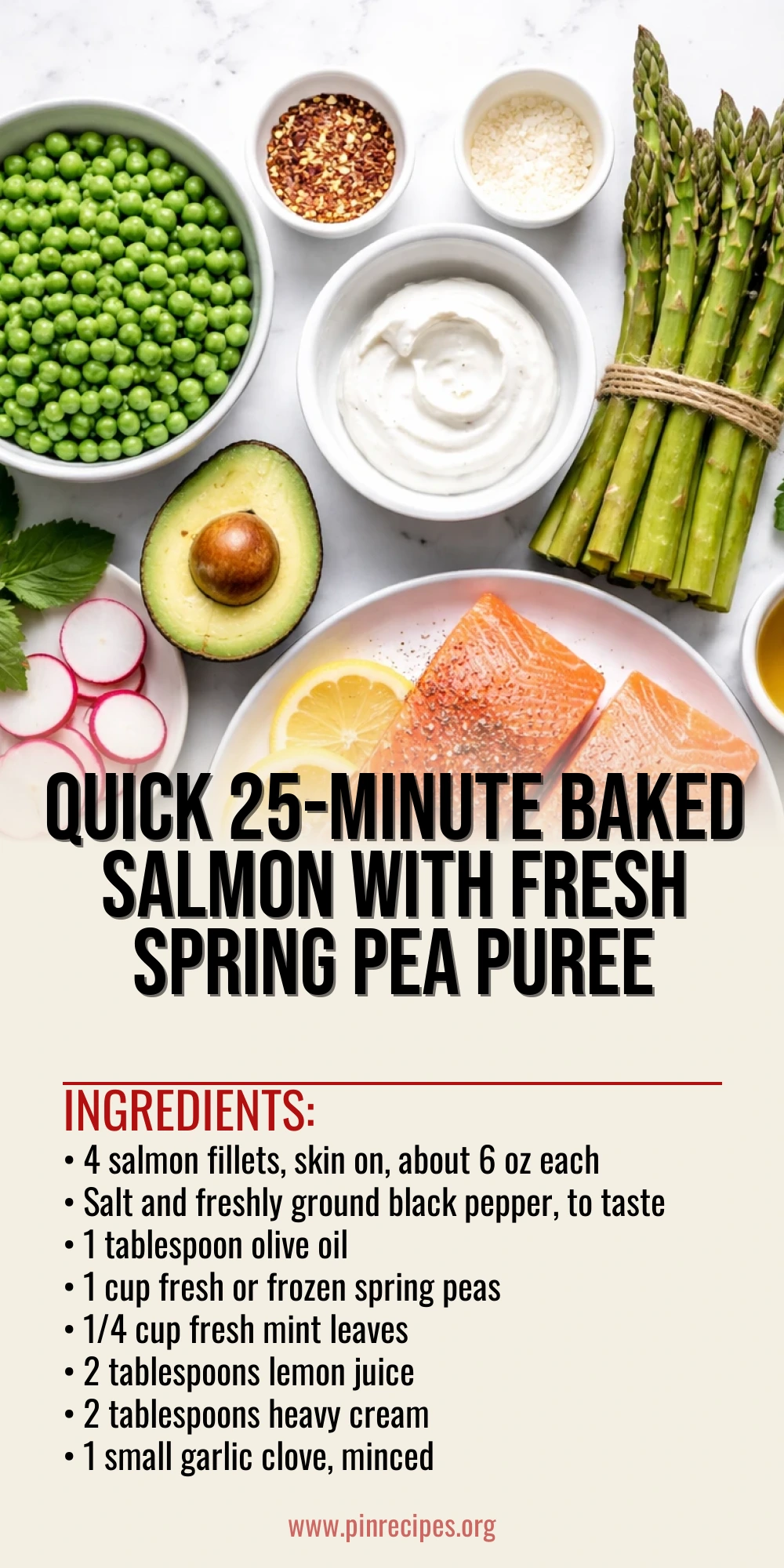
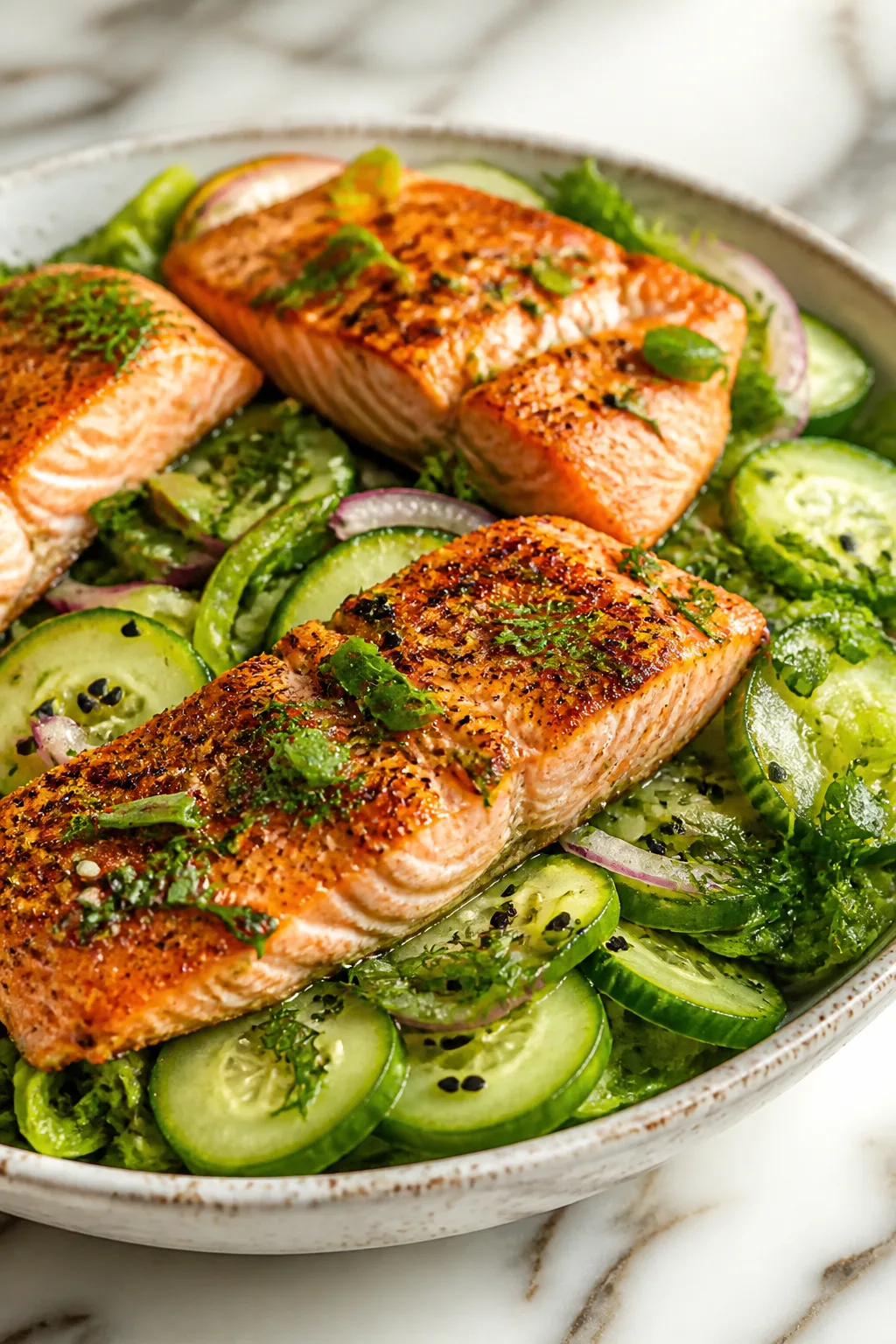
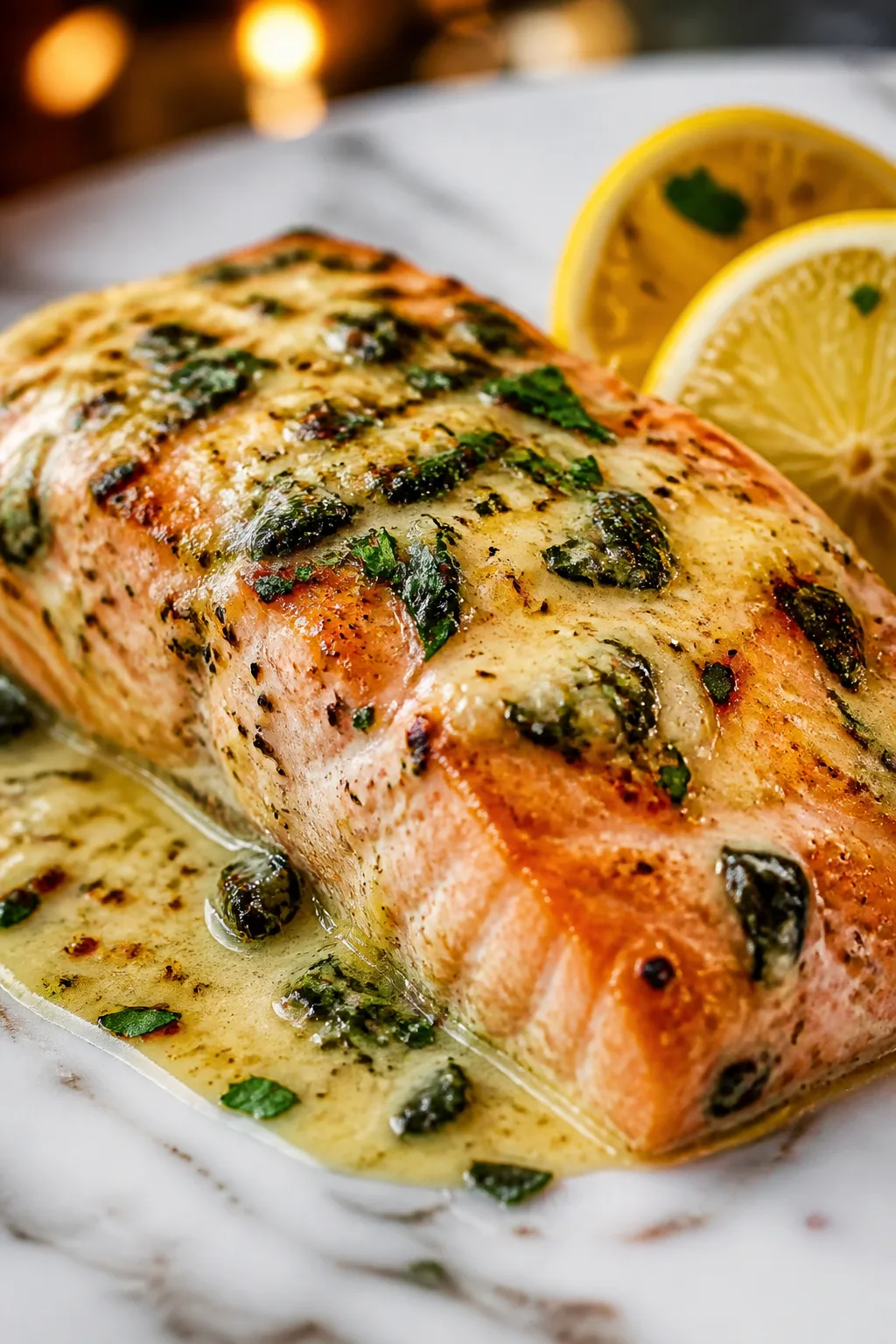
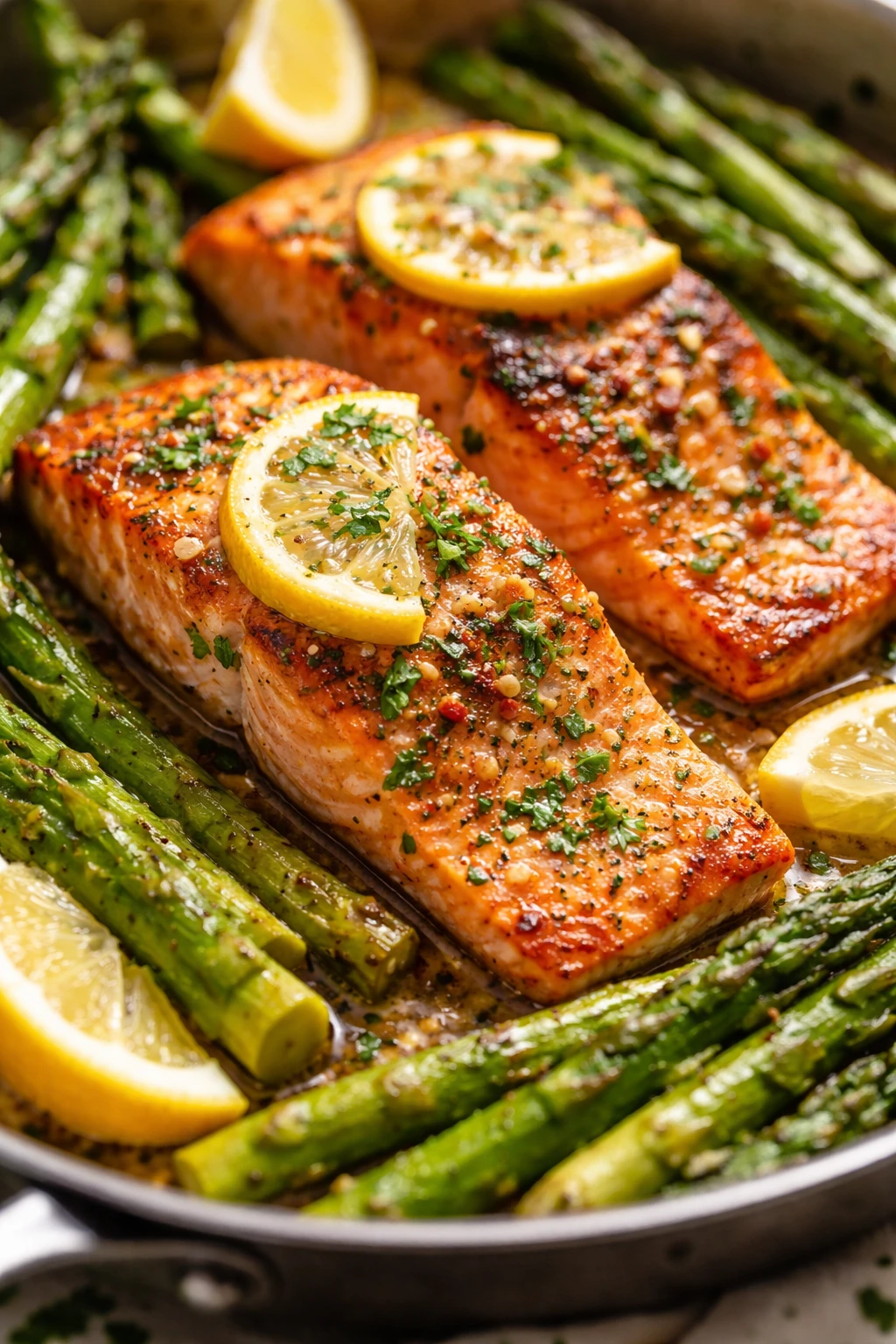
This baked salmon is a weeknight winner—juicy, tender, and paired with a bright spring pea puree that adds a fresh pop. The puree’s vibrant color and subtle sweetness make it perfect for spring dinners or any time you want something light but satisfying.
Introduction
I first made this baked salmon with spring pea puree on a busy weeknight when I wanted something quick but still fresh and flavorful. What I love about this dish is how the creamy pea puree brightens up the rich salmon without overpowering it. It’s a simple recipe, but the trick I learned was roasting the salmon just until it flakes easily, keeping it moist and tender every time. The pea puree is a breeze to whip up — just a quick blitz with mint and lemon to bring out the best of spring flavors. Honestly, I’ve tried similar recipes before where the fish ended up dry or the puree too heavy, but this balance feels just right. The salmon has a lovely golden crust, and the puree’s vibrant green color makes the plate pop. It’s perfect for a casual dinner or even a small dinner party when you want something impressive but not complicated. Plus, it’s ready in under 30 minutes, which is a total win in my book!
How To Do It
Step 1
Preheat your oven to 400°F (200°C). Pat the salmon fillets dry with paper towels to remove excess moisture; this helps the skin crisp up nicely during baking. Lightly brush both sides of the salmon with olive oil and season generously with salt and pepper. Placing the salmon skin-side down on a parchment-lined baking sheet helps prevent sticking and promotes even cooking. Avoid overcrowding the pan so the heat circulates properly around each fillet.
⏱ Time: 10 minutes
✓ Doneness: Salmon fillets have a slightly golden crust on top, and the skin is crisp to the touch.
Step 2
Bake the salmon in the preheated oven for 12-15 minutes, depending on thickness. The goal is to cook it until it flakes easily with a fork but remains moist inside. Avoid overbaking, which dries out the fish. Start checking at 12 minutes by gently pressing the thickest part; it should feel firm but still give slightly. If you have a thermometer, aim for an internal temperature of 125-130°F for medium doneness.
⏱ Time: 12-15 minutes
✓ Doneness: Salmon flakes easily when tested with a fork and has an opaque pink color inside.
Step 3
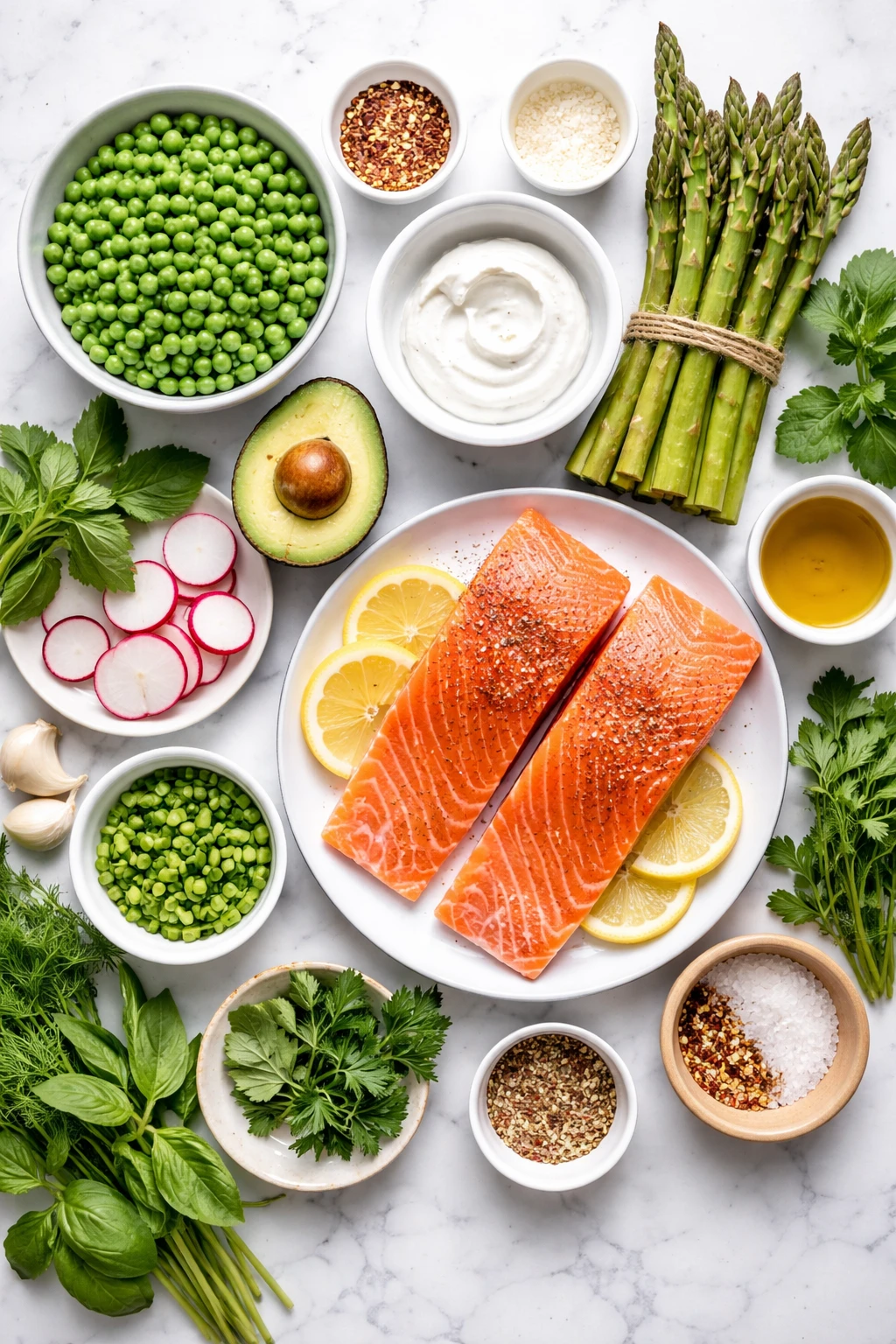
While the salmon bakes, bring a small pot of salted water to a boil. Add the spring peas and cook just until tender, about 2-3 minutes. Drain immediately and transfer the peas to a blender or food processor. This quick cooking preserves their bright color and fresh flavor.
⏱ Time: 5 minutes
✓ Doneness: Peas are bright green and tender but not mushy.
Step 4
Add the fresh mint leaves, lemon juice, minced garlic, and heavy cream to the peas in the blender. Blend until smooth and creamy. Season with salt to taste. The cream adds richness and smooth texture, balancing the brightness of the peas and lemon.
⏱ Time: 3 minutes
✓ Doneness: Puree is smooth, vibrant green, and has a balanced tangy and fresh aroma.
Step 5
Taste the pea puree and adjust seasoning if needed, adding more lemon juice or salt to brighten or enhance flavor. If it’s too thick, add a splash of water or more cream to loosen it up. Set aside and keep warm.
⏱ Time: 2 minutes
✓ Doneness: Puree has a smooth, spreadable consistency and fresh, bright taste.
Step 6
Once salmon is done, remove from the oven and let it rest for a couple of minutes. Resting allows the juices to redistribute, keeping the fish moist and flavorful when you cut into it.
⏱ Time: 5 minutes
✓ Doneness: Salmon retains moisture and flakes gently without falling apart.
Step 7
To serve, spoon a generous amount of the spring pea puree onto each plate. Place the salmon fillet on top, skin-side down. The puree acts as a fresh bed that complements the richness of the salmon beautifully.
⏱ Time: 2 minutes
✓ Doneness: Plated dish looks vibrant with a nice contrast of colors and textures.
Step 8
Garnish with a few fresh mint leaves or a wedge of lemon if you like. The garnish adds a little visual flair and a hint of extra freshness.
⏱ Time: 1 minute
✓ Doneness: Dish looks inviting and fresh with bright green and golden hues.
Step 9
Enjoy immediately while the salmon is warm and the puree creamy. This dish pairs well with a simple green salad or roasted potatoes for a complete meal.
⏱ Time: 0 minutes
✓ Doneness: Salmon is warm, flaky, and the puree is fresh and creamy.
Pro Tips
Pat the salmon dry before seasoning.
Removing surface moisture helps the skin crisp up nicely when baked. If the fish is wet, it steams instead of roasting, resulting in soggy skin and less appealing texture.
Use a thermometer to check salmon doneness.
Salmon can easily overcook and dry out. An instant-read thermometer ensures you hit the perfect internal temperature (125-130°F) for moist, flaky fish every time.
Cook peas just until tender and bright green.
Overcooked peas lose their vibrant color and fresh flavor, turning dull and mushy. Quick cooking preserves both taste and appealing appearance in the puree.
Blend the pea puree until super smooth.
A silky puree clings better to the salmon and feels luxurious on the palate. Rough or chunky puree can feel gritty and detract from the dish’s elegance.
Add lemon juice last when blending the puree.
Adding acid too early can dull the pea’s color. Adding lemon at the end preserves brightness and fresh aroma, enhancing the final flavor balance.
Let the salmon rest briefly after baking.
Resting allows juices to redistribute within the fillet, preventing them from running out when cut and keeping the fish moist and flavorful.
Serve the puree warm or at room temperature.
Cold puree can feel heavy and less vibrant. Serving it warm enhances flavors and mouthfeel, complementing the hot salmon perfectly.
Common Mistakes to Avoid
Overcooking the salmon
Why it happens Many cooks leave salmon in the oven too long, thinking it needs to be fully opaque. This often dries out the fish.
Fix Use a timer and check doneness early. Look for flakes that separate easily but still feel slightly firm. An instant-read thermometer is the best tool to avoid overcooking.
Not drying the salmon before cooking
Why it happens Skipping this step is common because it feels tedious, but wet skin steams instead of crisps.
Fix Pat the fillets dry thoroughly with paper towels before seasoning. This simple step makes a big difference in texture.
Overcooking peas for the puree
Why it happens People often boil peas too long trying to soften them completely, which kills flavor and color.
Fix Cook peas just until tender and bright green, about 2-3 minutes, then drain immediately to stop cooking.
Skipping the cream in the puree
Why it happens Some try to make the puree healthier by omitting cream, but it affects texture.
Fix Add at least a small amount of cream or substitute to maintain the puree’s smoothness and richness.
Not seasoning the puree properly
Why it happens It’s easy to forget salt and lemon juice in the puree, leading to a bland sauce.
Fix Taste and adjust seasoning carefully. Lemon juice brightens flavors while salt enhances sweetness.
Variations
Spicy Lemon Salmon
Add a pinch of red pepper flakes to the seasoning before baking and stir some chili oil into the pea puree for a spicy kick. The heat contrasts nicely with the creamy peas and rich salmon.
Note: Be careful not to overpower the delicate pea flavor; add spice gradually and taste as you go.
Herb-Infused Pea Puree
Swap out mint for fresh basil or tarragon in the puree for a different herbal profile. Each herb brings unique aromatics that complement salmon in their own way.
Note: Use fresh herbs and add them at the end of blending to preserve their bright flavor.
Dairy-Free Pea Puree
Replace heavy cream with coconut cream or a splash of olive oil for a dairy-free version. The puree remains creamy but with a subtle coconut or fruity note.
Note: Adjust seasoning carefully since coconut cream adds sweetness and can mask pea flavor.
Roasted Garlic Pea Puree
Roast a whole garlic clove until soft and sweet, then blend it into the pea puree instead of raw garlic. This adds depth and mellow sweetness.
Note: Roasting garlic takes longer, so plan ahead and cool before blending.
Crispy Skin Salmon with Lemon Zest
After baking, finish the salmon skin under a hot broiler for 1-2 minutes to get extra crispy skin. Sprinkle lemon zest on top before serving for a fresh zing.
Note: Watch carefully under the broiler to avoid burning the skin.
Nutrition
Per Serving:
Nutritional values are estimates and may vary based on specific ingredients used.
Storage & Tips
Room Temperature
You can leave the baked salmon at room temperature for up to 2 hours covered loosely with foil or plastic wrap. Beyond that, bacteria growth increases, so refrigerate promptly.
Refrigerator
Store leftover salmon and pea puree separately in airtight containers for up to 3 days. The salmon may dry slightly when cold; reheat gently to restore moisture. The puree can be served cold or warmed.
Freezer
Freeze cooked salmon wrapped tightly in plastic wrap and foil for up to 2 months. Freeze pea puree in a separate airtight container. Thaw overnight in the fridge before reheating gently to avoid drying out the fish or separating the puree.
Reheating
Reheat salmon gently in a low oven (275°F) for 10-15 minutes or in a covered skillet over low heat with a splash of water or broth to keep moist. Microwave reheating can dry it out quickly. Warm the pea puree on low heat, stirring frequently.
Make Ahead
You can prepare the pea puree 1 day ahead and refrigerate. Season and reheat just before serving. The salmon is best baked fresh but can be prepped and seasoned ahead, then baked right before eating.
FAQ
Can I use frozen salmon for this recipe?
Yes, frozen salmon works well if fully thawed before cooking. Pat it dry thoroughly to ensure the skin crisps up and season as usual. Cooking times may be slightly longer depending on thickness.
What if I don’t have fresh mint for the puree?
You can substitute fresh basil or parsley for a different but still fresh flavor. If you only have dried herbs, use sparingly as they’re more concentrated and less vibrant.
Can I make the pea puree without cream?
Yes, you can use a splash of olive oil or a dairy-free alternative like coconut cream. The texture will be slightly different—less rich and silky—but still tasty and fresh.
How do I know when the salmon is perfectly cooked?
Look for salmon that flakes easily with a fork but is still moist inside. If you have a thermometer, aim for 125-130°F internal temperature. Overcooked salmon becomes dry and chalky.
Can I prepare this dish ahead of time?
You can make the pea puree a day ahead and refrigerate. The salmon is best cooked fresh but can be seasoned in advance. Reheat gently to avoid drying out.
What sides go well with this salmon and pea puree?
Simple sides like roasted potatoes, steamed asparagus, or a crisp green salad complement the dish nicely without overpowering the delicate flavors.
Is it better to bake or pan-sear the salmon for this recipe?
Baking is hands-off and ensures even cooking, especially for thicker fillets. Pan-searing gives a crispier skin but requires more attention. Either method works if done carefully.
How do I keep the pea puree bright green when storing leftovers?
Store in an airtight container and add a little lemon juice before refrigerating to preserve color. Reheat gently and avoid prolonged heat exposure, which dulls the color.
Final Thoughts
I hope you give this baked salmon with spring pea puree a try—it’s a fresh, easy way to enjoy seafood any night of the week. Let me know how it turns out for you!