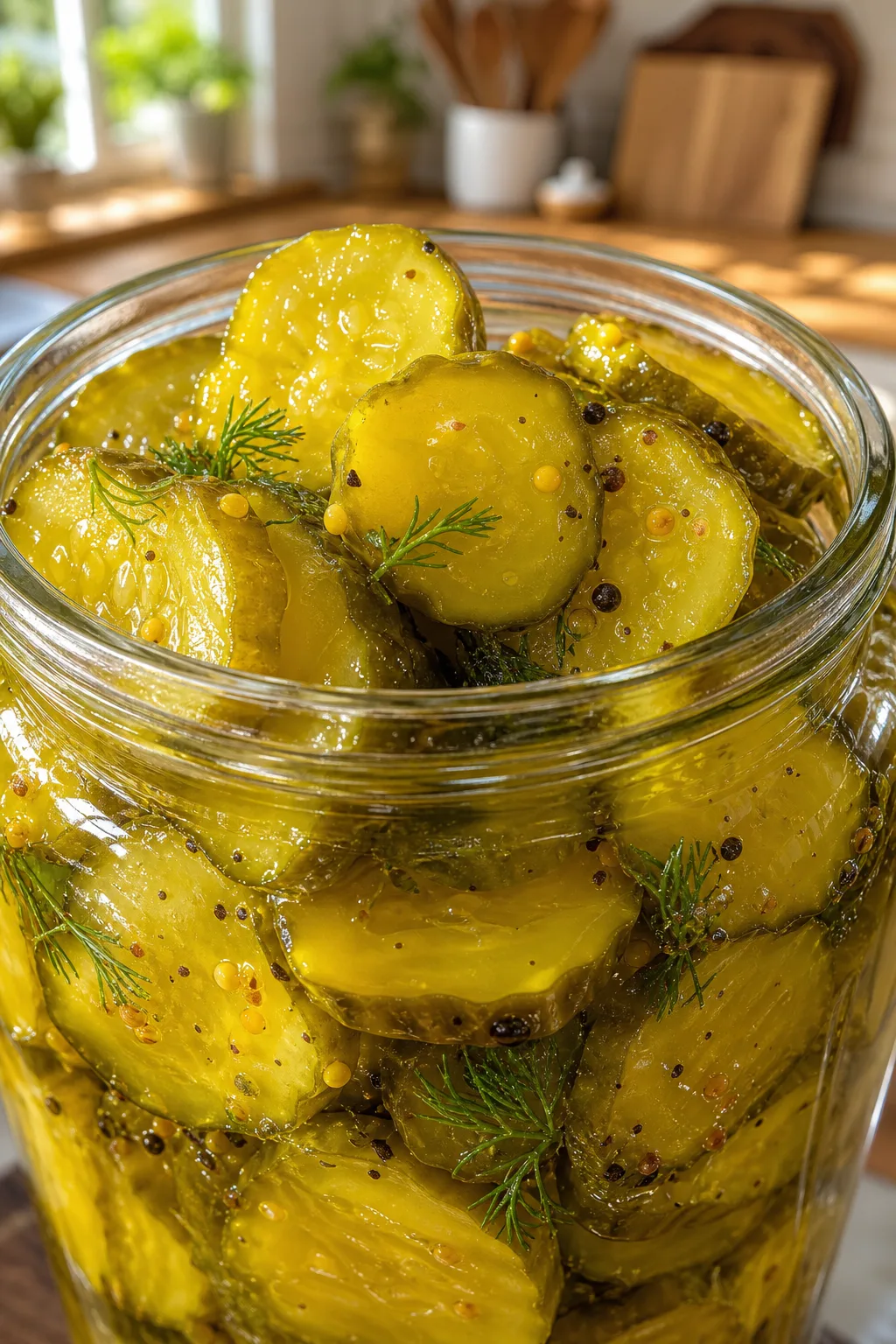
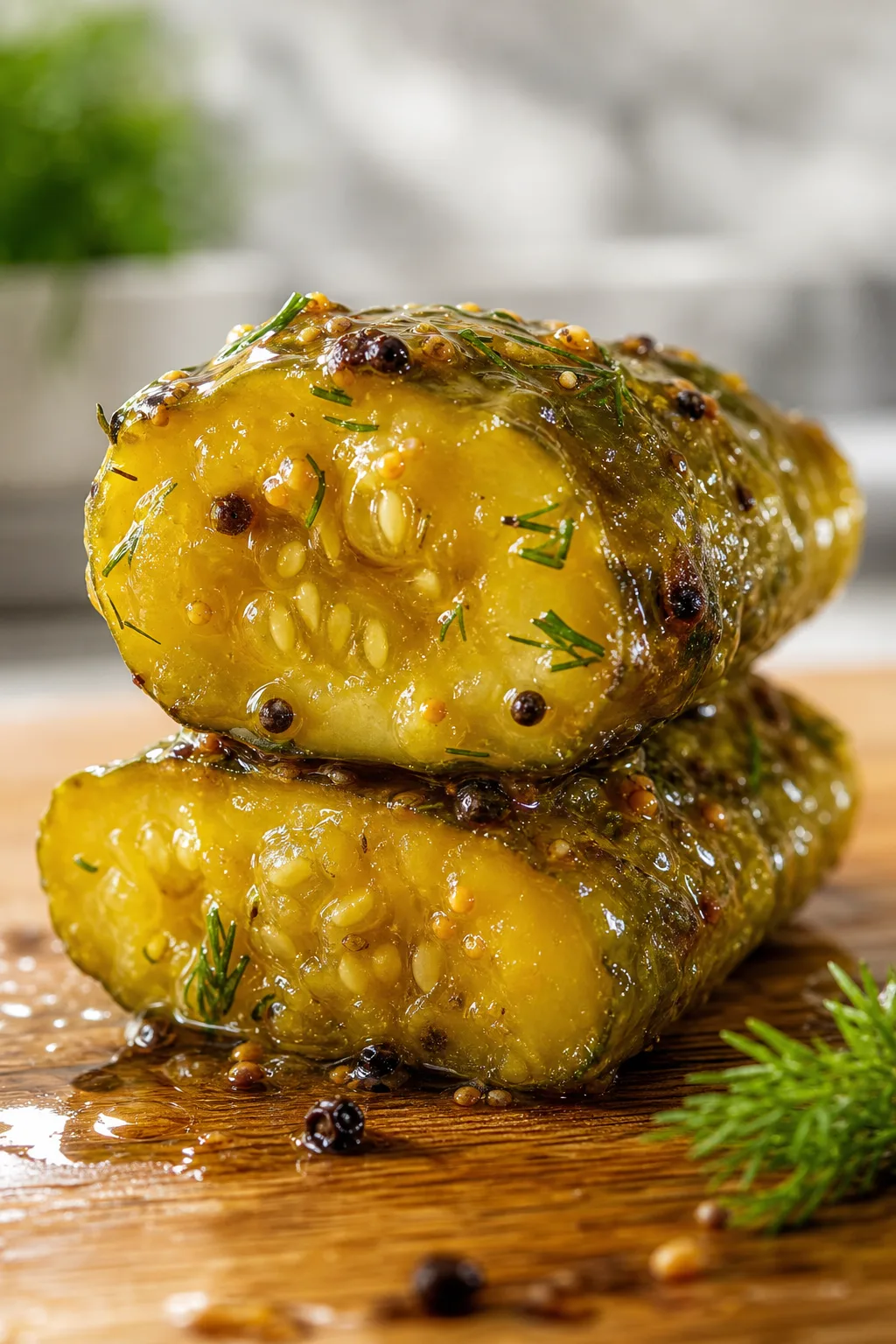
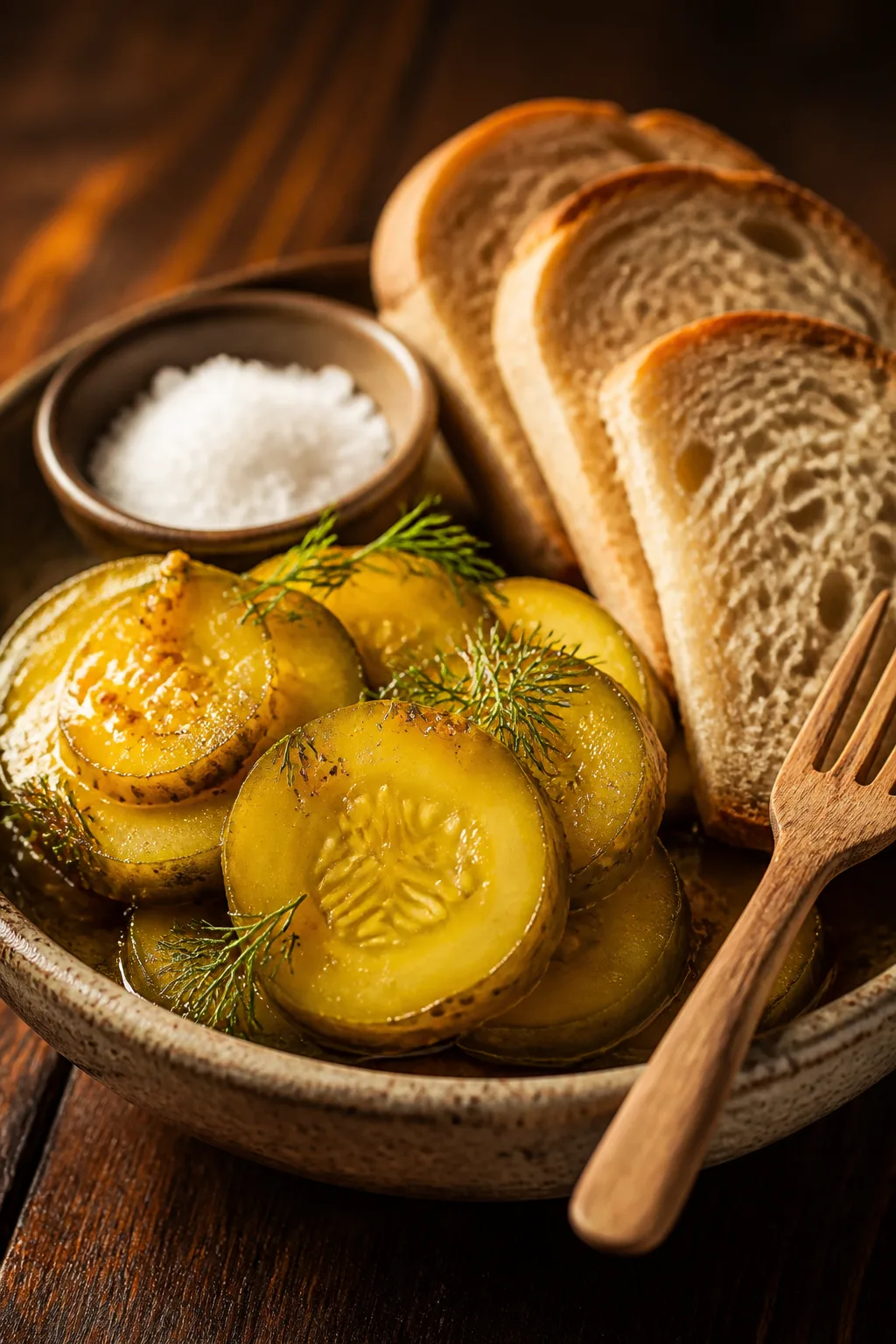
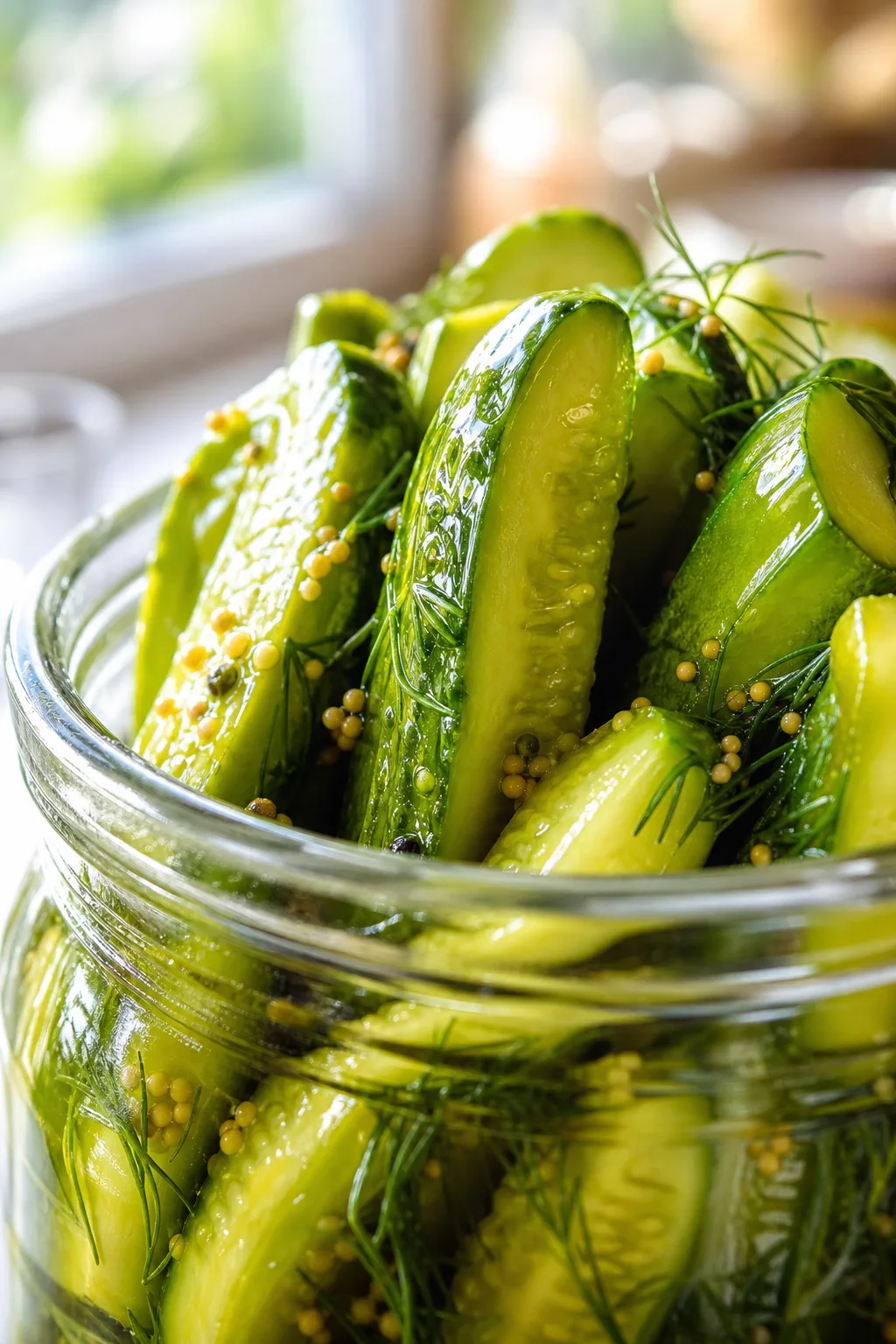
This quick bread and butter pickle recipe delivers that perfect tangy crunch in no time. I love how the mustard seeds and a touch of dill brighten up the flavor. Great for sandwiches or as a zesty snack anytime!
Introduction
I first made this quick bread and butter pickle recipe when I realized I needed a tangy, crunchy pickle fast for a family barbecue. Most traditional recipes call for a long soak or refrigeration, but this version uses a hot brine and mustard seeds to speed up the pickling process without sacrificing flavor. What makes it stand out is the balance of sweet and tang with a subtle spice from turmeric and celery seeds. Plus, adding fresh dill at the end gives it a nice herbal lift. I’ve tried several versions over the years, and this one is my go-to when I want pickles ready the same day. They come out crisp, bright yellow, and just the right amount of sweet and sour. It’s perfect for sandwiches, burgers, or just a crunchy snack. I love sharing this recipe with friends who think pickling is complicated—it’s really quite simple and rewarding. Once you try it, you’ll want to keep a jar in the fridge all summer long!
What You'll Need
Approximately 4 cups, 4 servings
- 4 cups thinly sliced cucumbers (about 4 medium cucumbers)
- 1 medium onion, thinly sliced
- 1 1/2 cups white vinegar
- 1 cup granulated sugar
- 1 tablespoon kosher salt
- 1 teaspoon mustard seeds
- 1/2 teaspoon celery seeds
- 1/4 teaspoon ground turmeric
- Optional: 1 tablespoon fresh dill, chopped
How To Do It
Step 1
Start by thinly slicing the cucumbers and onion. The thinner the slices, the quicker they absorb the brine and soften just enough while staying crisp. Use a mandoline if you have one to get even slices. Place the sliced cucumbers and onions in a large bowl and sprinkle with kosher salt. Toss gently and let them sit for about 30 minutes. This step draws out excess moisture, which helps the pickles stay crunchy and prevents them from becoming soggy. After 30 minutes, drain the liquid and rinse the vegetables briefly under cold water to remove excess salt. Drain well and set aside.
⏱ Time: 40
✓ Doneness: Cucumbers and onions feel firm but slightly flexible, no excess water pooling in the bowl.
Step 2
In a medium saucepan, combine the white vinegar, granulated sugar, mustard seeds, celery seeds, and turmeric. Bring the mixture to a boil over medium-high heat, stirring occasionally to dissolve the sugar. Once boiling, reduce the heat and simmer for 5 minutes to allow the spices to infuse the brine. This hot brine is key to quick pickling because it penetrates the cucumber slices rapidly, infusing them with flavor and preserving their crispness. If you skip this step or rush it, the pickles won’t develop their signature tangy flavor as well.
⏱ Time: 10
✓ Doneness: Brine is clear and simmering gently with fragrant spice aroma.
Step 3
Place the drained cucumbers and onions into a clean heatproof jar or bowl. Pour the hot brine over the vegetables, making sure they are completely submerged. Stir gently to distribute the spices evenly. Let the mixture cool to room temperature, then cover and refrigerate for at least 1 hour before serving. The longer they sit, the more flavorful they become, but even after an hour, they’re deliciously tangy and crunchy.
⏱ Time: 60
✓ Doneness: Pickles are submerged in brine and start to take on a golden color.
Step 4
After the pickles have chilled, taste and add fresh chopped dill if desired. Dill adds a fresh herbal note that complements the sweet and sour flavors beautifully. Stir gently to combine. Store the pickles in the refrigerator and consume within 2 weeks for best texture and flavor.
⏱ Time: 5
✓ Doneness: Pickles glisten with brine and have a bright yellow hue with fresh green flecks of dill.
Step 5
For serving, these bread and butter pickles are fantastic on sandwiches, burgers, or as a tangy side snack. They also pair well with cheese plates or picnic spreads. Because they’re quick pickled, they retain a crisp texture that contrasts nicely with rich or creamy foods.
⏱ Time: 0
✓ Doneness: Pickles maintain firm crunch and bright flavor.
Step 6
If you want to make a larger batch, simply double the ingredients and use a larger jar. Make sure the cucumbers and onions are evenly coated and fully submerged in the brine to ensure even pickling.
⏱ Time: 0
✓ Doneness: All slices are evenly coated with brine and spices.
Step 7
Avoid using cucumbers that are too large or seedy, as they can become mushy quickly. Pickling cucumbers or Kirby cucumbers work best because they stay firm and absorb flavors well.
⏱ Time: 0
✓ Doneness: Cucumbers are firm and fresh, not soft or watery.
Step 8
Make sure to use a non-reactive container like glass or food-safe plastic for pickling. Metal containers can react with the vinegar and alter the flavor negatively.
⏱ Time: 0
✓ Doneness: Jar or bowl is clean and non-metallic.
Step 9
For best flavor, let the pickles rest overnight in the fridge if you can wait. This resting time allows the flavors to meld and the pickles to become more vibrant and balanced.
⏱ Time: 480
✓ Doneness: Pickles have deepened in color and flavor, with a balanced sweet and sour taste.
Pro Tips
Use a mandoline slicer for even cucumber slices
Even slices ensure the brine penetrates uniformly, which leads to consistent texture and flavor in every bite. Uneven slices can cause some pieces to be over-softened while others remain under-flavored.
Don’t skip the salting step before pickling
Salting draws out excess water from cucumbers, concentrating their flavor and improving crunch. Skipping this can result in soggy, bland pickles because the vegetables retain too much moisture.
Bring the brine to a full boil before pouring over cucumbers
Boiling dissolves sugar and activates spices, helping flavors infuse quickly and ensuring the pickles develop that classic tangy-sweet profile. Pouring cold brine won’t pickle effectively.
Use a non-reactive container like glass for pickling
Metal containers can react with acidic vinegar, causing off-flavors and discoloration. Glass preserves the pickle’s true flavor and is easy to clean and sterilize.
Let pickles cool to room temperature before refrigerating
Cooling prevents condensation inside the jar that can dilute the brine and affect pickle texture. It also helps maintain food safety by not raising the fridge temperature.
Add fresh dill only after the brine cools
Heat can destroy delicate dill flavors, so adding it after cooling preserves its bright herbal notes and aroma, enhancing the pickle’s complexity.
Store pickles in the fridge and consume within 2 weeks
Because this is a quick pickle without canning, refrigeration slows bacterial growth and preserves crunch. Over time, pickles will soften and lose their fresh flavor.
Common Mistakes to Avoid
Using thick cucumber slices
Why it happens Many think thicker slices hold up better, but they actually slow down brine absorption and can become mushy or under-flavored inside.
Fix Slice cucumbers thinly and evenly, ideally about 1/8 inch thick, to ensure quick and uniform pickling.
Skipping the salting step
Why it happens Some rush to get pickles ready and omit salting, not realizing it’s essential for texture.
Fix Always salt and drain cucumbers before pickling to draw out excess water and maintain crunch.
Pouring cold brine over cucumbers
Why it happens To save time, some use cold brine, but it doesn’t dissolve sugar or activate spices well.
Fix Bring brine to a boil before pouring; this intensifies flavor and speeds pickling.
Using metal containers
Why it happens People may use whatever is handy, unaware metal can react with vinegar.
Fix Use glass jars or ceramic bowls for pickling to avoid off-flavors and discoloration.
Storing pickles at room temperature
Why it happens Quick pickles are often mistaken for canned pickles and left out, risking spoilage.
Fix Keep quick pickles refrigerated and consume within 2 weeks for safety and quality.
Variations
Spicy Bread and Butter Pickles
Add 1/2 teaspoon red pepper flakes or a sliced jalapeño to the brine for a spicy kick. This variation adds heat while maintaining the classic sweet and tangy flavor, perfect for those who like a little bite.
Note: Adjust the amount of spice to taste and be aware that the heat intensifies over time in the fridge.
Garlic Dill Bread and Butter Pickles
Include 2-3 cloves of crushed garlic and extra fresh dill in the brine. This gives the pickles a robust garlic flavor with herbal freshness, great for sandwiches or as a side.
Note: Add garlic to the hot brine to mellow its sharpness and release flavor.
Vegan Sugar Substitute Pickles
Use organic cane sugar or coconut sugar instead of white sugar to keep it vegan-friendly. The flavor will be slightly richer and less processed, with the same great texture.
Note: Ensure the sugar substitute dissolves fully in the hot brine for even sweetness.
No-Dill Bread and Butter Pickles
Omit dill for a more straightforward sweet and tangy pickle flavor. This is great for those who prefer a cleaner taste or want to use the pickles in recipes where dill might overpower other ingredients.
Note: Add extra mustard seeds or celery seeds to compensate for the missing herbal note.
Quick Refrigerator Pickled Onions and Cucumbers
Increase the onion slices and reduce cucumber slightly for a tangy pickle that’s more onion-forward. Perfect for topping tacos or salads with a crunchy burst.
Note: Adjust brine quantities proportionally and consider adding a pinch of sugar for balance.
Nutrition
Per Serving:
Nutritional values are estimates and may vary based on specific ingredients used.
Storage & Tips
Room Temperature
Quick bread and butter pickles should not be stored at room temperature as they are not canned. Keep them covered and refrigerated promptly to prevent spoilage.
Refrigerator
Store pickles in an airtight glass jar in the refrigerator for up to 2 weeks. Flavor intensifies over time, but pickles may soften slightly after the first week. Serve cold or at room temperature.
Freezer
Freezing is not recommended for pickles as it breaks down their texture and causes them to become mushy. For longer storage, consider traditional canning methods.
Reheating
No reheating is needed. Simply remove pickles from the fridge and serve cold or at room temperature. If desired, let sit out for 10-15 minutes to take the chill off.
Make Ahead
You can prepare the cucumbers and onions sliced and salted a day ahead, then rinse and drain before making the brine and pickling. This saves time and enhances texture.
FAQ
Can I use regular cucumbers instead of pickling cucumbers?
You can use slicing cucumbers, but they tend to be less firm and have more seeds, which can make the pickles softer and less crunchy. Pickling cucumbers have a thicker skin and denser flesh that holds up better during pickling.
Can I omit the sugar for a less sweet pickle?
Sugar is key to achieving the classic bread and butter pickle flavor and balancing the vinegar’s acidity. Omitting it will result in a much tarter pickle. You can reduce sugar slightly but removing it entirely changes the character of the pickles.
Do I need to sterilize the jars before pickling?
For quick refrigerator pickles, sterilizing jars isn’t required but it’s good practice to use clean glass containers to avoid contamination. If you plan to can pickles for shelf storage, sterilization is necessary.
Why are my pickles soggy?
Soggy pickles usually result from skipping the salting step or slicing cucumbers too thickly. Salting draws out excess moisture, helping cucumbers stay crisp. Also, using fresh, firm cucumbers is important.
Can I add other spices or herbs?
Absolutely! You can customize your pickles by adding spices like cloves, allspice, or herbs like thyme. Just be mindful that strong flavors can overpower the classic bread and butter taste.
How soon can I eat these pickles after making?
While you can eat them after an hour of refrigeration, the flavor improves the longer they soak—ideally at least 4 hours or overnight for best taste and texture.
Is it safe to can this quick pickle recipe?
This recipe is designed for refrigerator pickling and doesn’t include the processing steps needed for safe shelf storage. If you want to can, follow tested canning recipes specifically for bread and butter pickles.
Can I use apple cider vinegar instead of white vinegar?
You can substitute apple cider vinegar, but it will change the flavor and color slightly, giving a fruitier note and a darker hue. White vinegar keeps the classic bright yellow color and sharp taste.
Final Thoughts
I hope you enjoy making these quick bread and butter pickles as much as my family does. They’re a simple way to add bright, tangy flavor to your meals — do try them and let me know how they turn out!