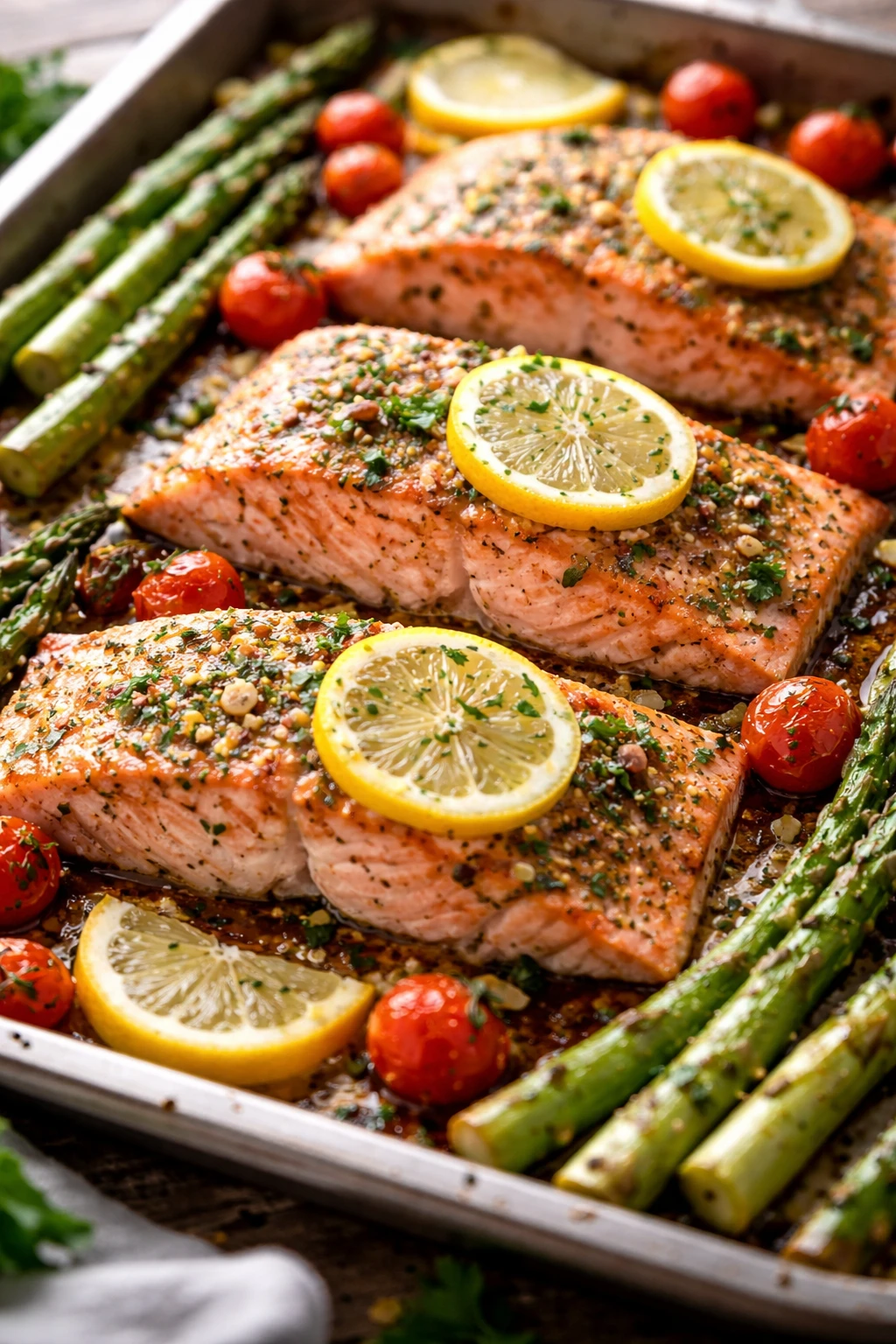
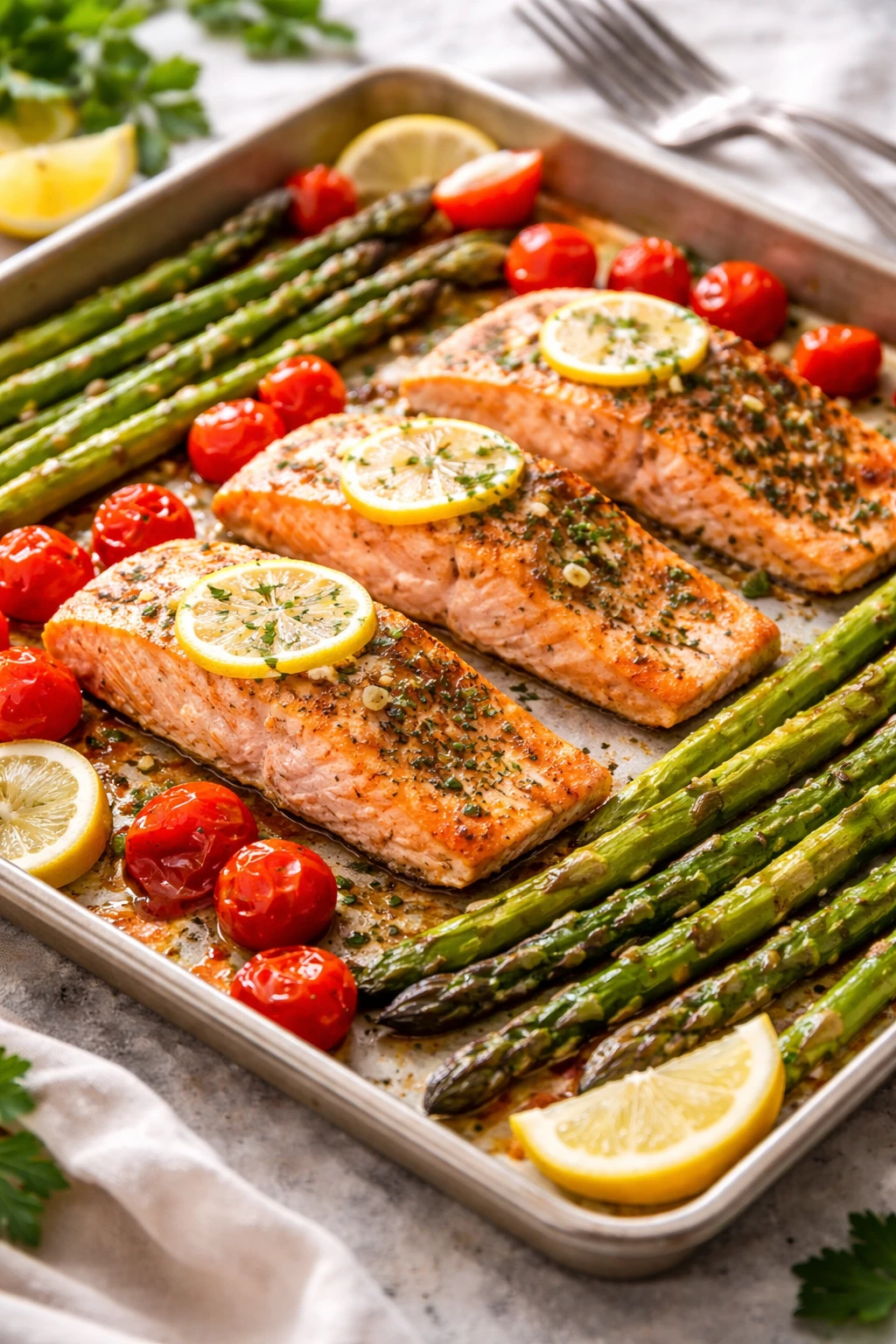
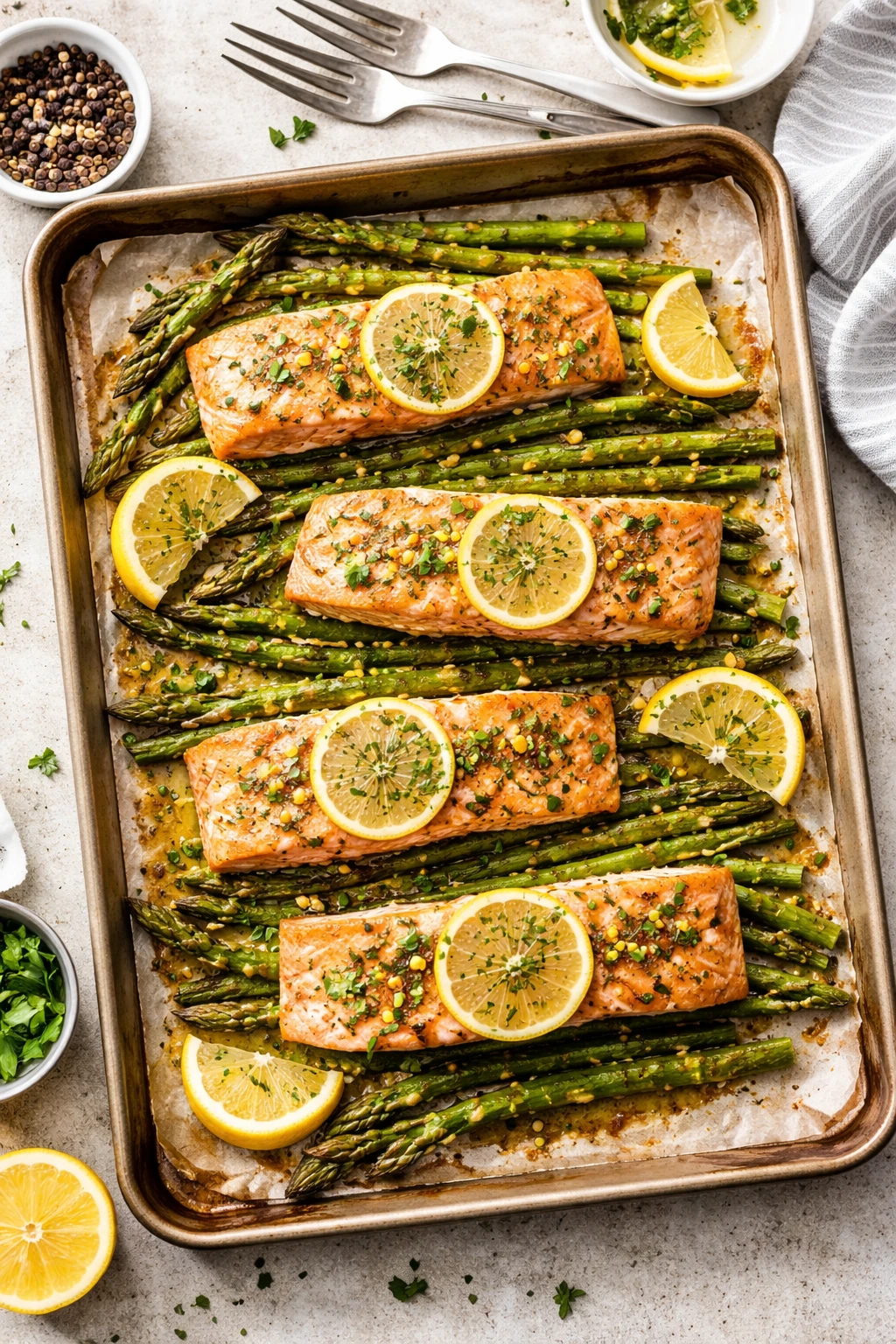
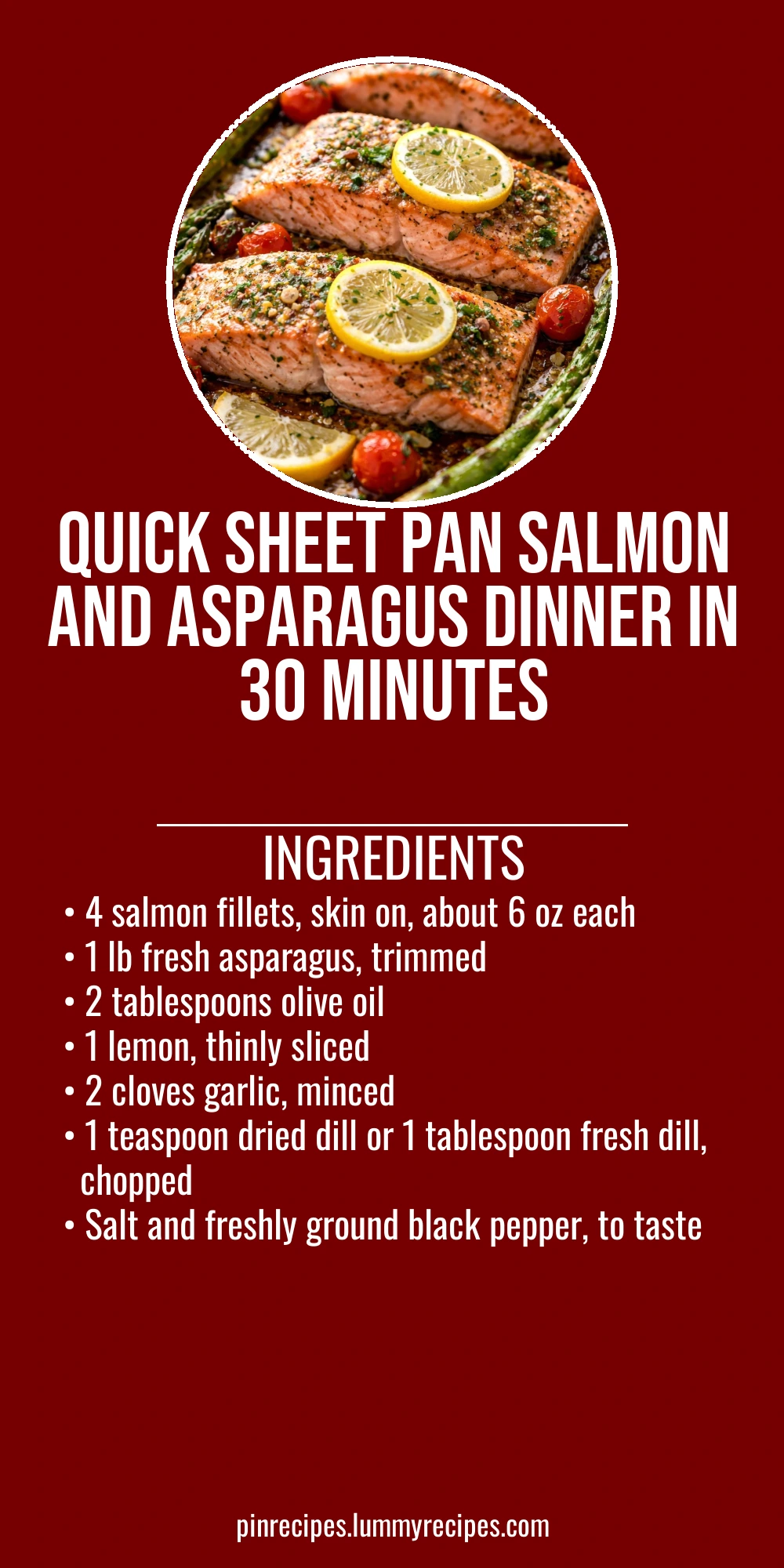
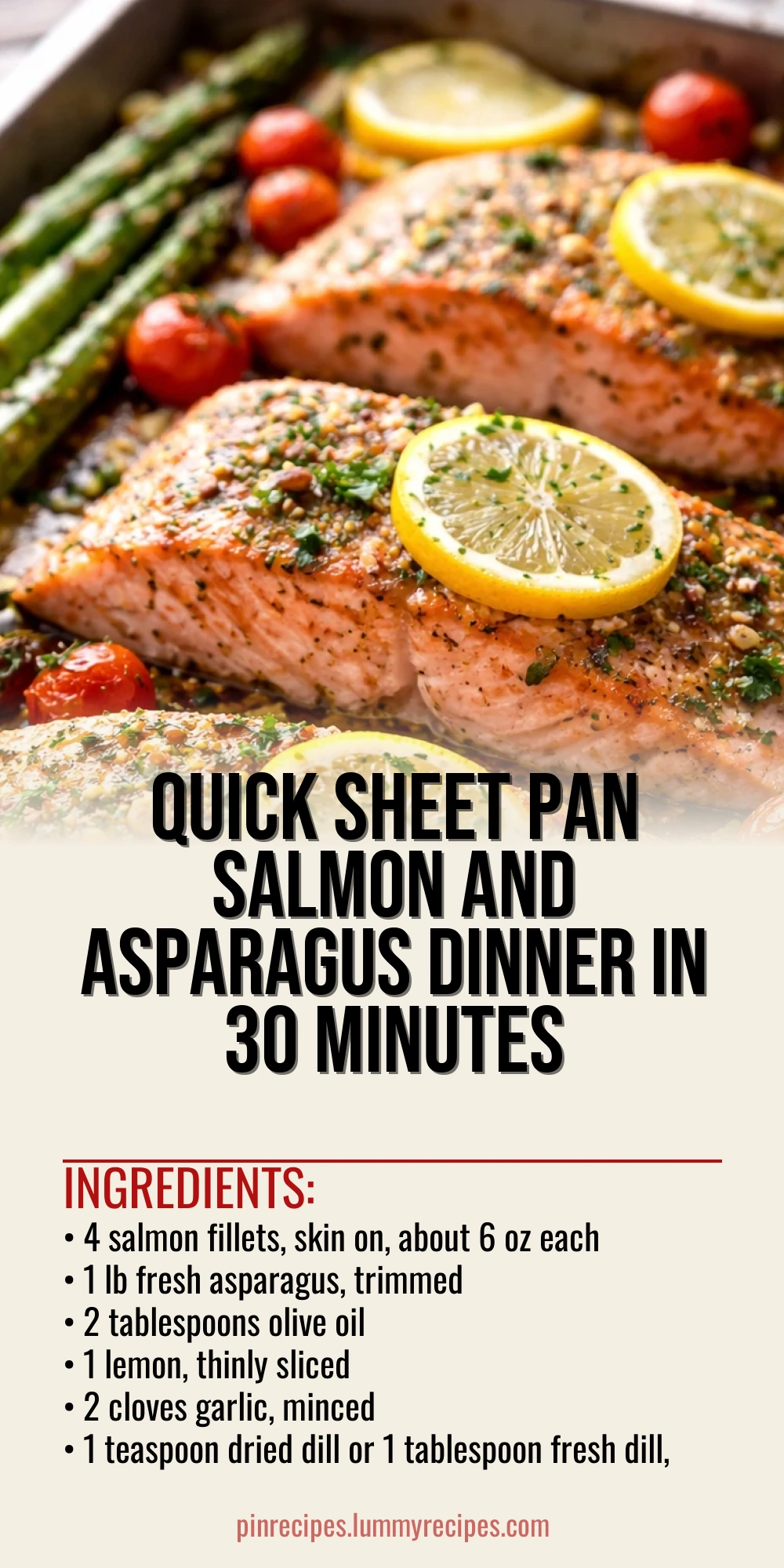
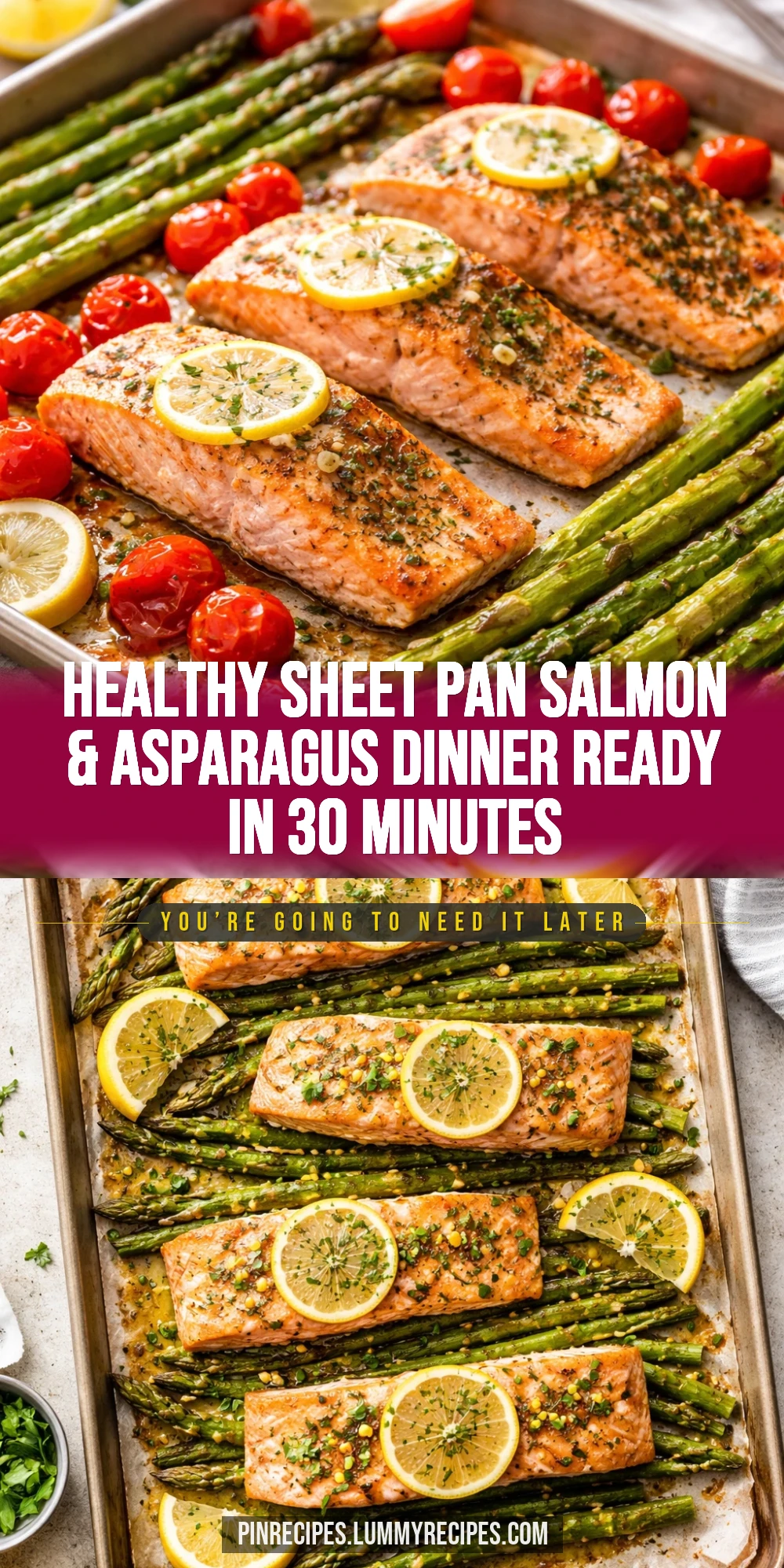
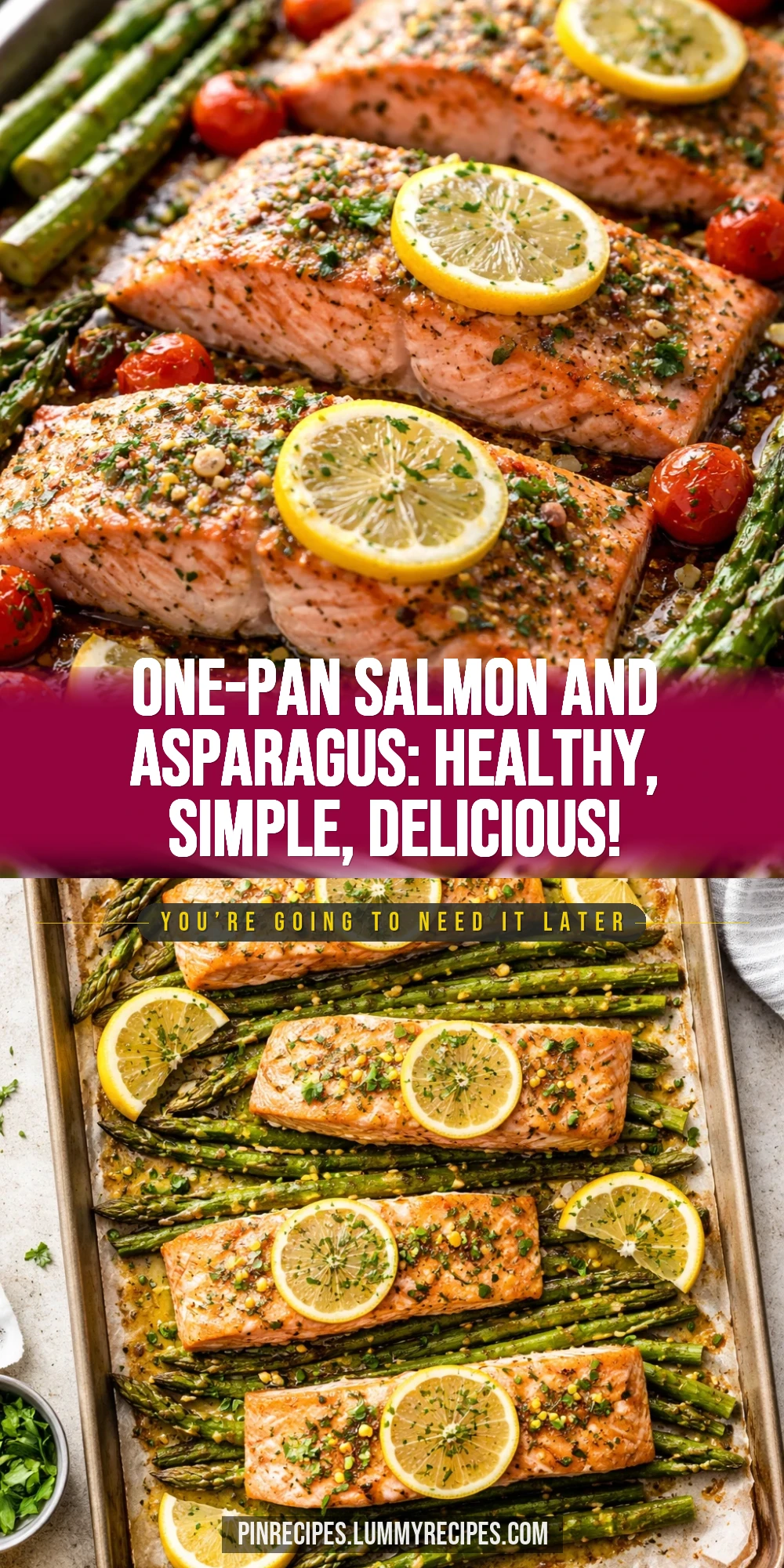
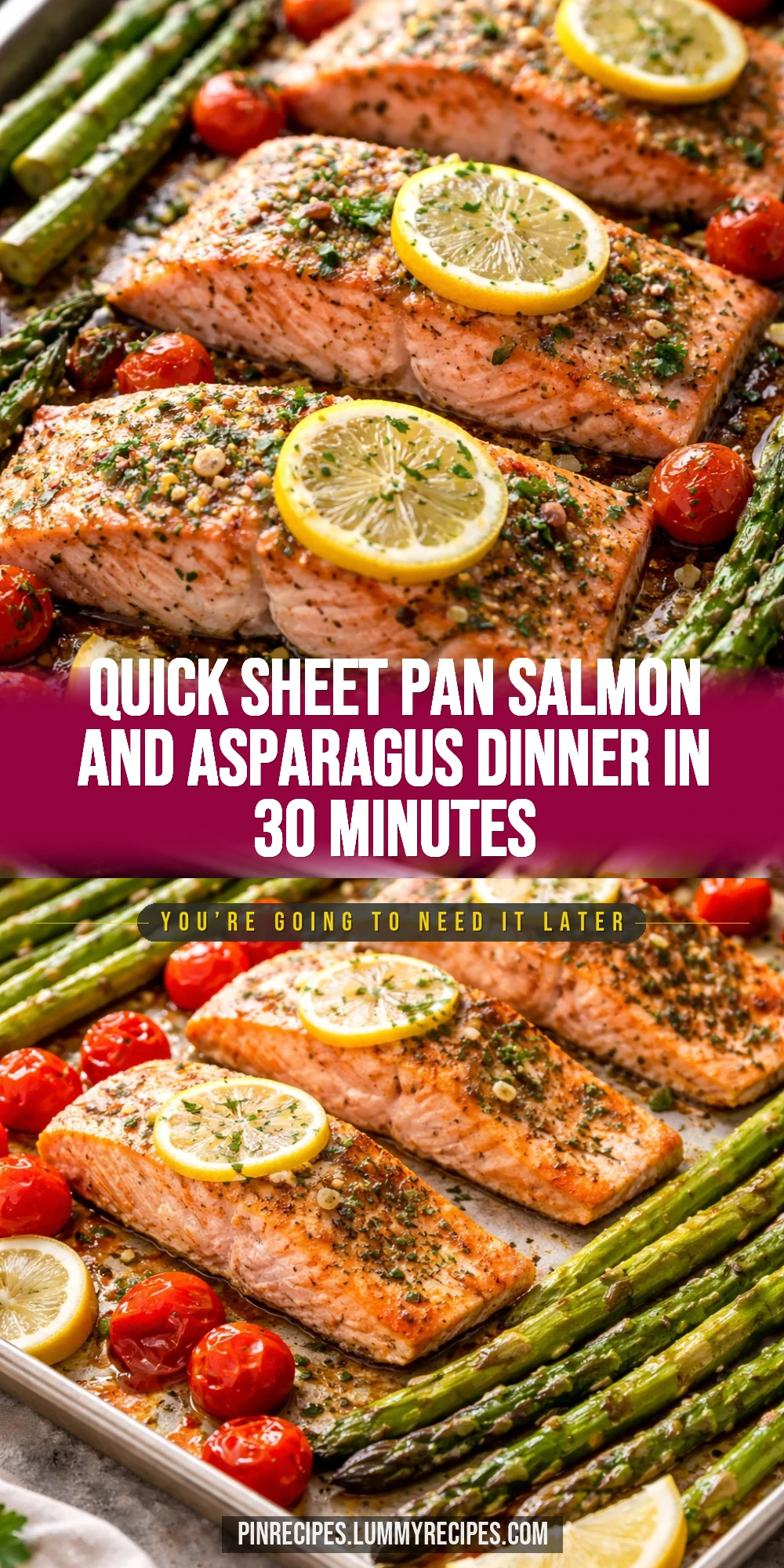
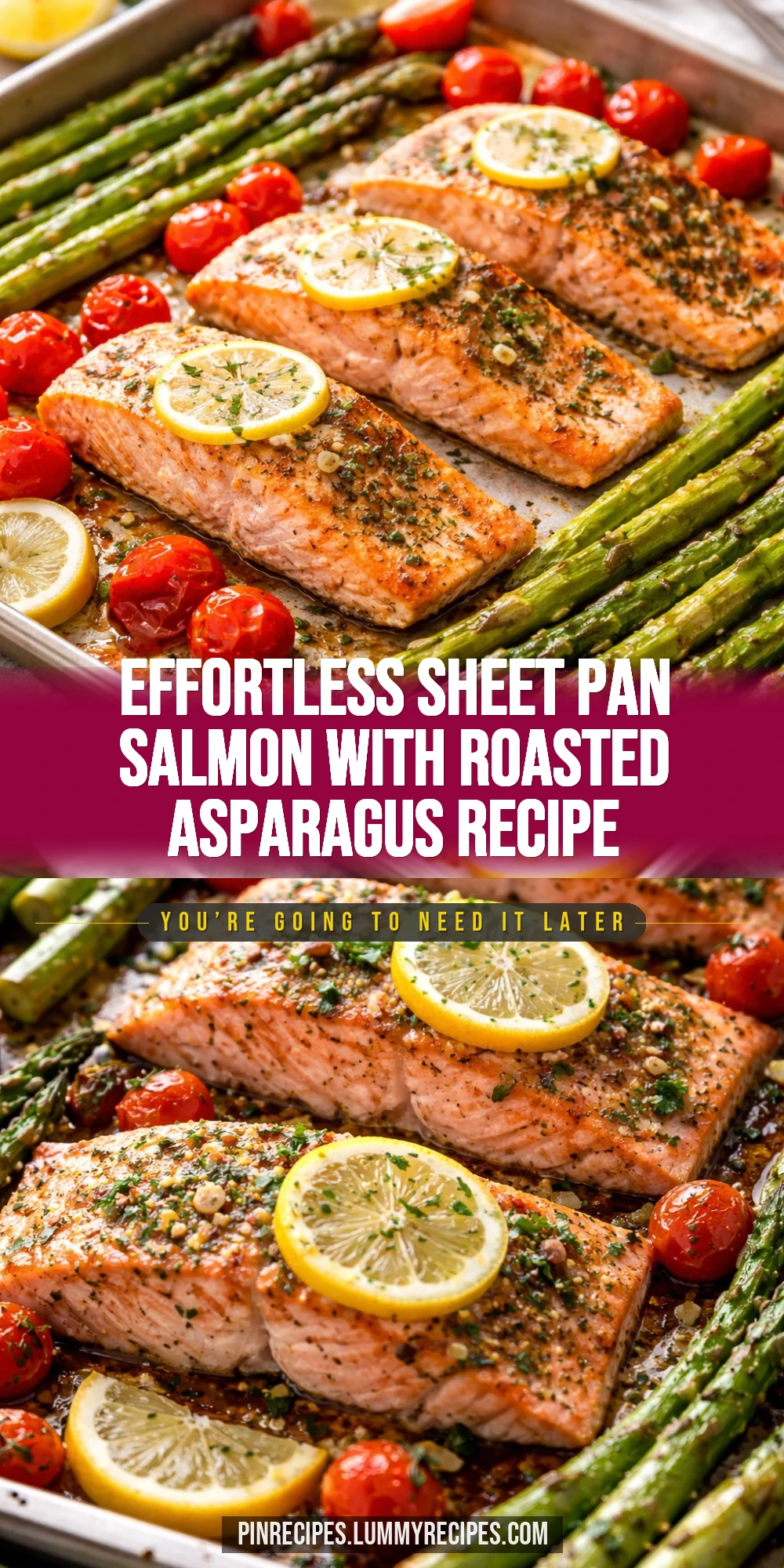
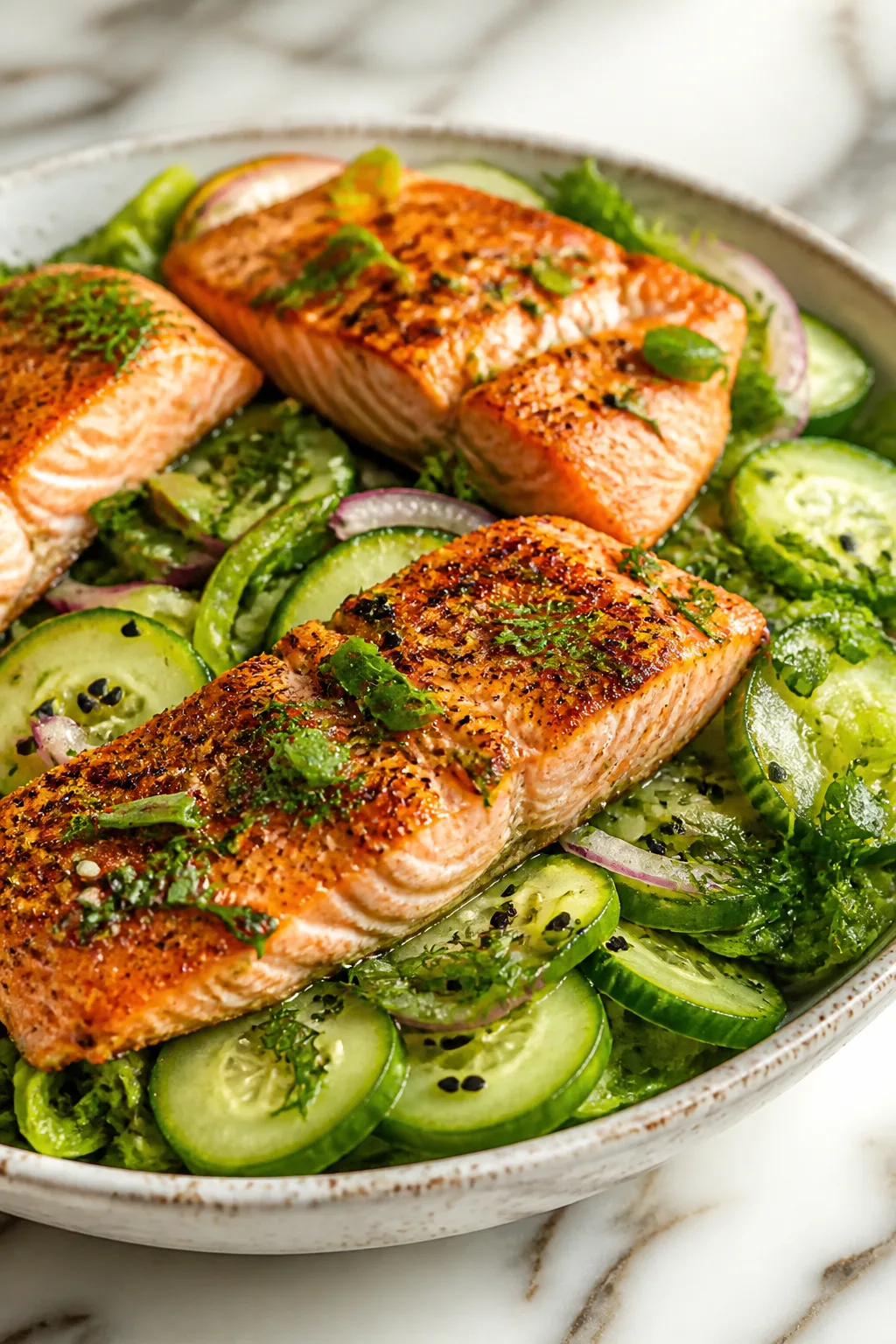
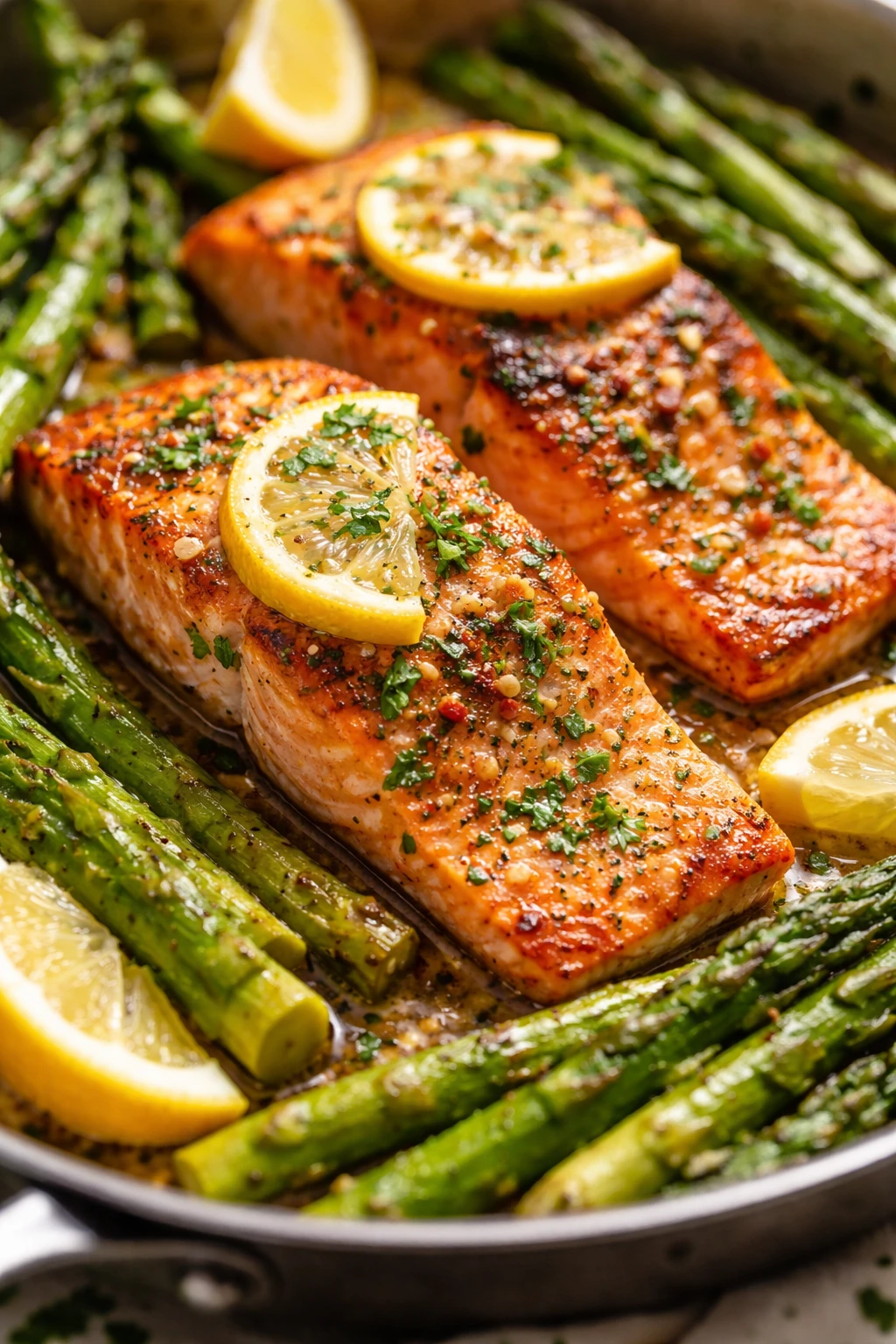
This sheet pan salmon with asparagus is a simple, healthy dinner that comes together fast. Roasting everything on one pan locks in flavor and makes cleanup a breeze. Great for busy nights when you want something tasty but fuss-free!
Introduction
I first tried this sheet pan salmon asparagus recipe on a hectic weeknight when I needed something quick but satisfying. What I love about this dish is how simple it is — just one pan, minimal prep, and you get a healthy, flavorful meal without the fuss. Over time, I tweaked the seasoning and found that a little fresh dill and garlic really make the salmon pop. Plus, roasting the asparagus alongside the salmon lets the flavors mingle beautifully. The salmon comes out tender and flaky with a slightly crisp skin, and the asparagus is perfectly tender but still has a nice bite. It’s great for busy nights when you want to eat well but don’t have hours to spend in the kitchen. I’ve also found that using skin-on salmon helps keep the fish moist during roasting, which was a game changer for me. If you’re looking for a hassle-free, tasty dinner that feels a little special, this recipe is it.
How To Do It
Step 1
Preheat your oven to 400°F (200°C). While it’s heating, line a large sheet pan with parchment paper or lightly grease it with olive oil to prevent sticking. This step is important because it ensures even cooking and easy cleanup. If you skip lining the pan, the salmon skin might stick and tear when you try to remove it after cooking. Plus, a hot oven helps the salmon skin crisp up nicely, which adds a lovely texture contrast to the tender flesh.
⏱ Time: 10 minutes
✓ Doneness: Oven fully preheated and pan prepared with parchment or oil
Step 2
Place the trimmed asparagus on the sheet pan and drizzle with 1 tablespoon olive oil, tossing to coat evenly. Spread them out so they’re in a single layer to ensure even roasting. Overcrowding the pan will cause the asparagus to steam instead of roast, resulting in limp stalks. Season with a pinch of salt and pepper. This step lets the asparagus get nicely caramelized, which adds a sweet, nutty flavor that pairs perfectly with the salmon.
⏱ Time: 5 minutes
✓ Doneness: Asparagus evenly coated and spread in a single layer on the pan
Step 3
Nestle the salmon fillets skin-side down among the asparagus on the sheet pan. Drizzle the remaining olive oil over the salmon and sprinkle the minced garlic, dill, salt, and pepper evenly on top. Place lemon slices over each fillet. Adding lemon slices not only infuses the salmon with a bright citrus flavor but also helps keep the fish moist during cooking. The garlic and dill add a fragrant, herby note that elevates the dish without overpowering the natural flavors.
⏱ Time: 5 minutes
✓ Doneness: Salmon fillets evenly seasoned with garlic, dill, and lemon slices placed on top
Step 4
Put the sheet pan in the preheated oven and roast for about 12-15 minutes, depending on the thickness of your salmon. You want the salmon to be opaque and flake easily with a fork but still moist inside. Avoid overcooking, which can dry out the fish. The asparagus should be tender and slightly browned at the tips. Keep an eye on the salmon starting at 12 minutes to prevent drying out.
⏱ Time: 12-15 minutes
✓ Doneness: Salmon is opaque and flakes easily; asparagus is tender and browned
Step 5
Once cooked, remove the sheet pan from the oven and let the salmon rest for a couple of minutes. Resting allows the juices to redistribute throughout the fillet, making it more tender and flavorful. If you try to cut or serve immediately, the juices might run out and leave the fish dry. Serve the salmon and asparagus straight from the pan with extra lemon wedges if desired.
⏱ Time: 3 minutes
✓ Doneness: Salmon rests and juices settle, ready to serve
Step 6
Optional: For a little extra zest, sprinkle some freshly chopped parsley or a drizzle of good-quality olive oil over the finished dish. This adds a fresh pop of color and flavor. You can also add a pinch of red pepper flakes if you like a touch of heat. These finishing touches are small but make the dish feel more vibrant and restaurant-worthy.
⏱ Time: 2 minutes
✓ Doneness: Dish garnished and ready to enjoy
Step 7
Clean up is a breeze since everything cooks on one pan. Simply discard the parchment paper or wash the pan with warm soapy water. Avoid scrubbing too hard if you used parchment as it protects the pan and keeps the flavors intact. This saves you time and effort, which is why I love sheet pan meals for busy nights.
⏱ Time: 5 minutes
✓ Doneness: Pan cleaned and kitchen tidy
Step 8
If you want to add a side, quickly steam or microwave some quinoa or brown rice while the salmon and asparagus roast. This makes a complete meal with balanced protein, veggies, and grains. The timing works well since the grains take about 15-20 minutes, so everything finishes together.
⏱ Time: 15-20 minutes
✓ Doneness: Grains cooked and fluffy, ready to serve alongside salmon
Step 9
Serve immediately for the best texture and flavor. Leftovers can be refrigerated and gently reheated, but fresh is always best. Enjoy this healthy, flavorful meal that feels fancy but is so easy to pull off!
⏱ Time: 0 minutes
✓ Doneness: Meal plated and ready to eat
Pro Tips
Pat the salmon dry before seasoning.
Removing excess moisture helps the skin crisp up better during roasting. If the fish is wet, it steams instead of roasting, resulting in soggy skin and less flavor development.
Spread the asparagus in a single layer.
Crowding the pan traps steam, which prevents caramelization. Roasting in a single layer ensures the asparagus roasts evenly and develops those delicious browned tips.
Use skin-on salmon fillets.
The skin protects the fish from drying out and crisps up nicely, adding texture and flavor. Skinless fillets tend to cook faster and can dry out more easily.
Don’t skip the lemon slices.
Lemon adds moisture and brightens the flavor. The oils released during roasting infuse the salmon, balancing its richness perfectly.
Let the salmon rest after roasting.
Resting lets the juices redistribute, making the fish more tender and moist. Cutting into it immediately causes the juices to run out and dry the fish.
Preheat the oven fully before roasting.
A hot oven ensures immediate searing of the salmon skin and proper roasting of the asparagus. Starting in a cold oven leads to uneven cooking and soggy textures.
Use parchment paper on your sheet pan.
Parchment prevents sticking and makes cleanup easier. It also helps protect the delicate salmon skin from tearing when removing it from the pan.
Common Mistakes to Avoid
Overcrowding the pan
Why it happens Many cooks try to fit too much on one pan to save time, but this traps steam and prevents proper roasting.
Fix Spread the salmon and asparagus in a single layer with space between. If needed, use two pans or roast in batches to ensure even cooking and caramelization.
Skipping the skin-on salmon
Why it happens Some prefer skinless fillets for convenience, but this sacrifices moisture retention and texture.
Fix Buy skin-on fillets and roast skin-side down. This keeps the salmon moist and gives you a crispy, flavorful skin.
Not preheating the oven
Why it happens In a rush, cooks sometimes place the pan in a cold oven, leading to uneven cooking.
Fix Always preheat the oven fully to 400°F before roasting to get the perfect sear and caramelization.
Overcooking the salmon
Why it happens Salmon cooks quickly, and it’s easy to leave it in too long, making it dry.
Fix Start checking for doneness at 12 minutes. The fish is done when it flakes easily and is opaque but still moist inside.
Not trimming asparagus ends
Why it happens Some forget to cut off the woody base, which can be tough and bitter.
Fix Snap or trim the bottom inch of asparagus before cooking to ensure tender, pleasant bites.
Variations
Spicy Sheet Pan Salmon and Asparagus
Add a pinch of red pepper flakes or a drizzle of sriracha before roasting for a spicy kick. You can also rub the salmon with smoked paprika and cayenne for smoky heat. This variation adds warmth and depth to the dish without complicating prep.
Note: Spicy ingredients won’t affect cooking time but watch the heat level to suit your taste.
Herb-Crusted Salmon with Asparagus
Mix breadcrumbs with chopped parsley, lemon zest, and garlic, then press onto the salmon fillets before roasting. This adds a crunchy texture and fresh herbal notes, making the dish feel more elegant.
Note: Add 2-3 extra minutes to roasting time to ensure the crust browns nicely.
Sheet Pan Salmon with Cherry Tomatoes and Asparagus
Add halved cherry tomatoes to the pan for a burst of sweetness and color. The tomatoes roast quickly and add juicy acidity that pairs beautifully with salmon and asparagus.
Note: Place tomatoes around the edges to avoid overcooking and bursting too early.
Asian-Inspired Sheet Pan Salmon and Asparagus
Marinate the salmon briefly in soy sauce, ginger, and sesame oil before roasting. Toss the asparagus in a little sesame oil and sprinkle with sesame seeds after cooking for an umami-rich twist.
Note: Marinating time can be as short as 15 minutes; reduce salt in seasoning to balance soy sauce.
Sheet Pan Salmon with Roasted Potatoes and Asparagus
Add small, halved baby potatoes to the sheet pan for a heartier meal. Roast the potatoes first for 10 minutes before adding salmon and asparagus to ensure everything finishes cooking evenly.
Note: Extend total roasting time by 5-10 minutes and toss potatoes halfway through for even browning.
Nutrition
Per Serving:
Nutritional values are estimates and may vary based on specific ingredients used.
Storage & Tips
Room Temperature
This dish can safely sit at room temperature for up to 2 hours if covered loosely with foil. Beyond that, bacteria growth increases, so refrigerate promptly.
Refrigerator
Store leftovers in an airtight container for up to 3 days. Salmon may firm up and asparagus soften when cold; reheat gently to restore texture.
Freezer
Freeze cooked salmon and asparagus in airtight containers or freezer bags for up to 2 months. Wrap tightly to prevent freezer burn. Thaw overnight in the fridge before reheating.
Reheating
Reheat gently in a low oven (300°F) for about 10 minutes or in a microwave on medium power with a splash of water or lemon juice to keep moist. Avoid high heat to prevent drying out.
Make Ahead
You can prep the asparagus and season the salmon up to 1 day ahead, keeping them separately covered in the fridge. Assemble and roast fresh to maintain the best texture and flavor.
FAQ
Can I use frozen salmon for this recipe?
Yes, but make sure to thaw the salmon completely in the refrigerator overnight before cooking. Cooking frozen salmon directly on the sheet pan will result in uneven cooking and a less desirable texture.
What if I don’t have fresh dill?
Dried dill works fine—use about one-third the amount of fresh dill called for. You can also substitute with fresh parsley or tarragon for a different but pleasant flavor.
How do I know when the salmon is done?
The salmon is done when it flakes easily with a fork and is opaque throughout. Using a food thermometer, it should reach an internal temperature of 145°F in the thickest part.
Can I add other vegetables to the sheet pan?
Absolutely! Cherry tomatoes, baby potatoes, or bell peppers roast well with salmon and asparagus. Just adjust cooking times accordingly, adding longer-cooking veggies first.
Is it necessary to use lemon slices?
Lemon slices add brightness and moisture but can be omitted if you don’t have them on hand. A squeeze of fresh lemon juice after cooking can also add a nice touch.
How do I prevent the salmon skin from sticking?
Pat the salmon dry before cooking and use parchment paper or a well-oiled pan. Also, make sure the oven is fully preheated to help crisp the skin and prevent sticking.
Can I make this recipe gluten-free?
Yes! This recipe is naturally gluten-free as long as you avoid adding breaded toppings or gluten-containing sauces.
What’s the best way to reheat leftovers?
Reheat gently in a low oven or microwave with a splash of water or lemon juice to keep the salmon moist. Avoid high heat which can dry out the fish.
Final Thoughts
Give this sheet pan salmon asparagus recipe a try — it’s simple, healthy, and delicious. I’d love to hear how it turns out for you!