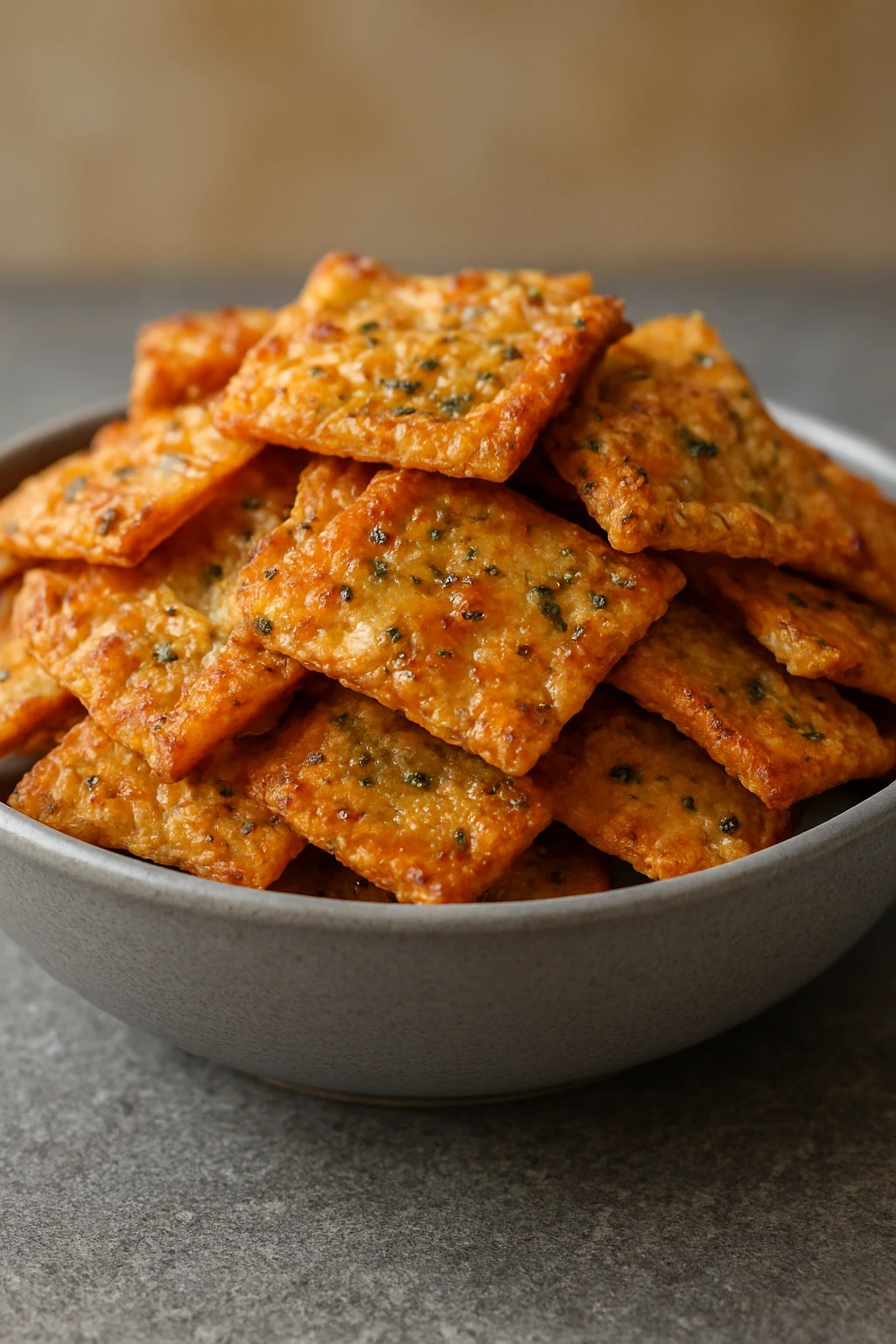
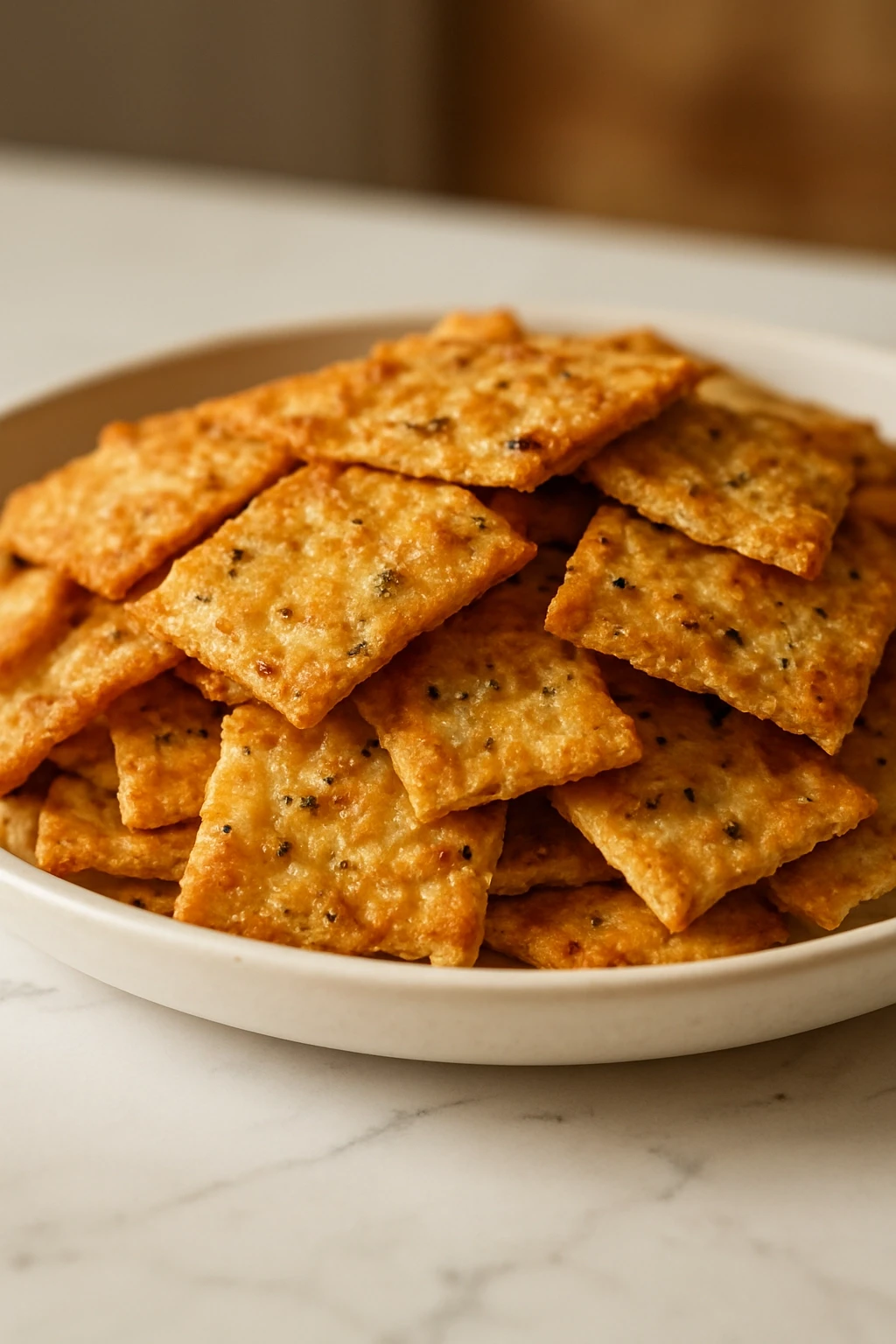
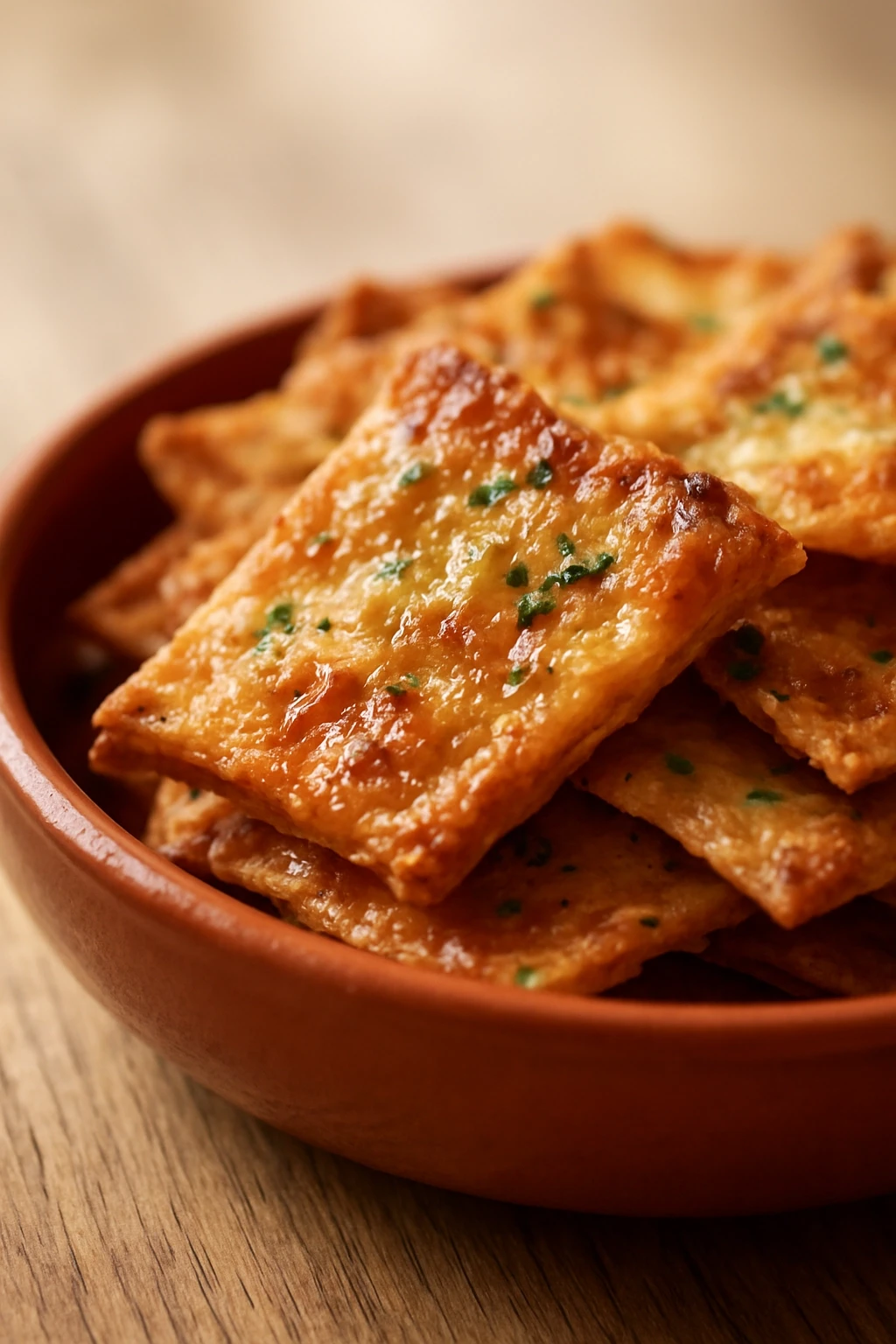
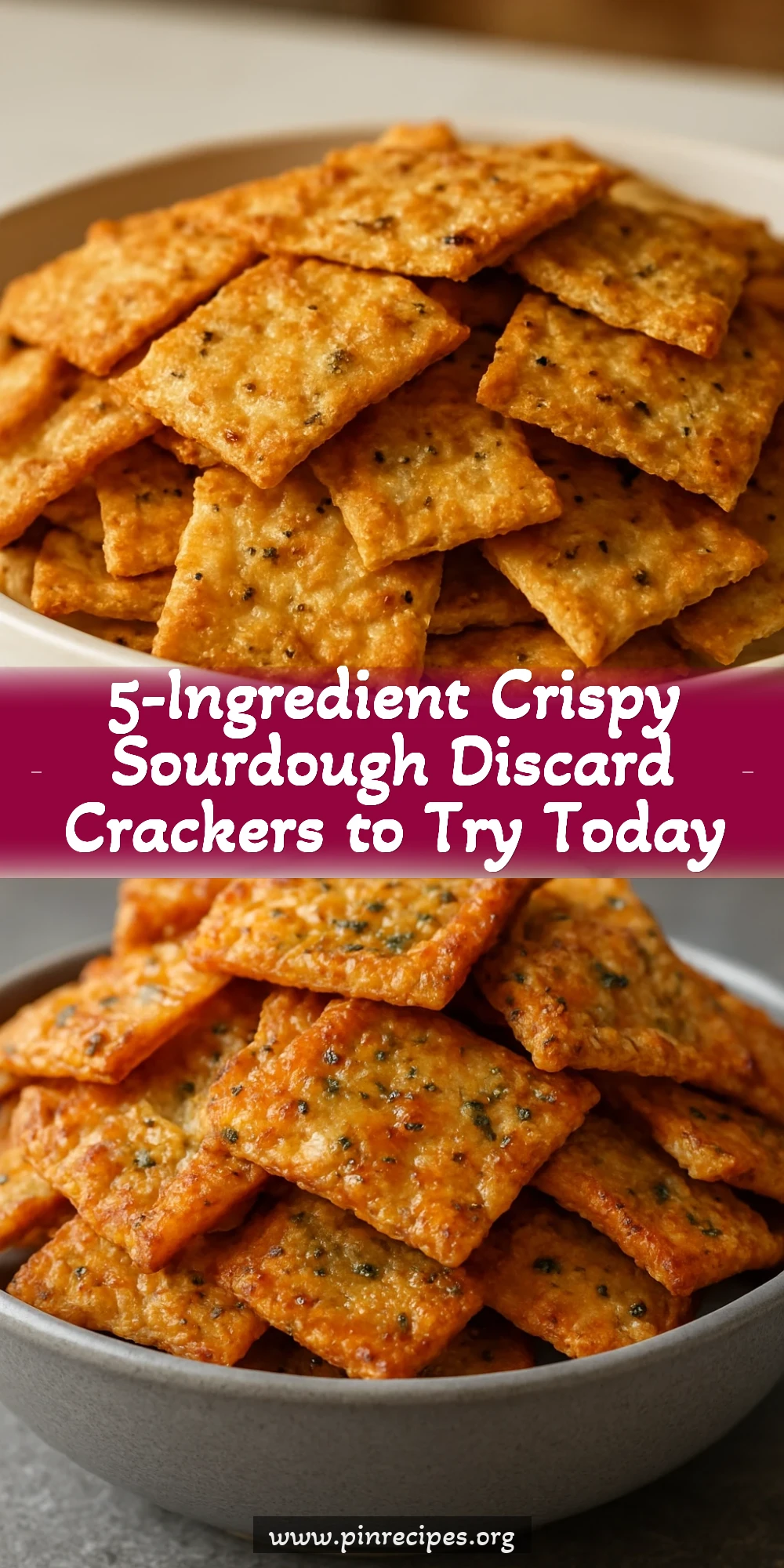
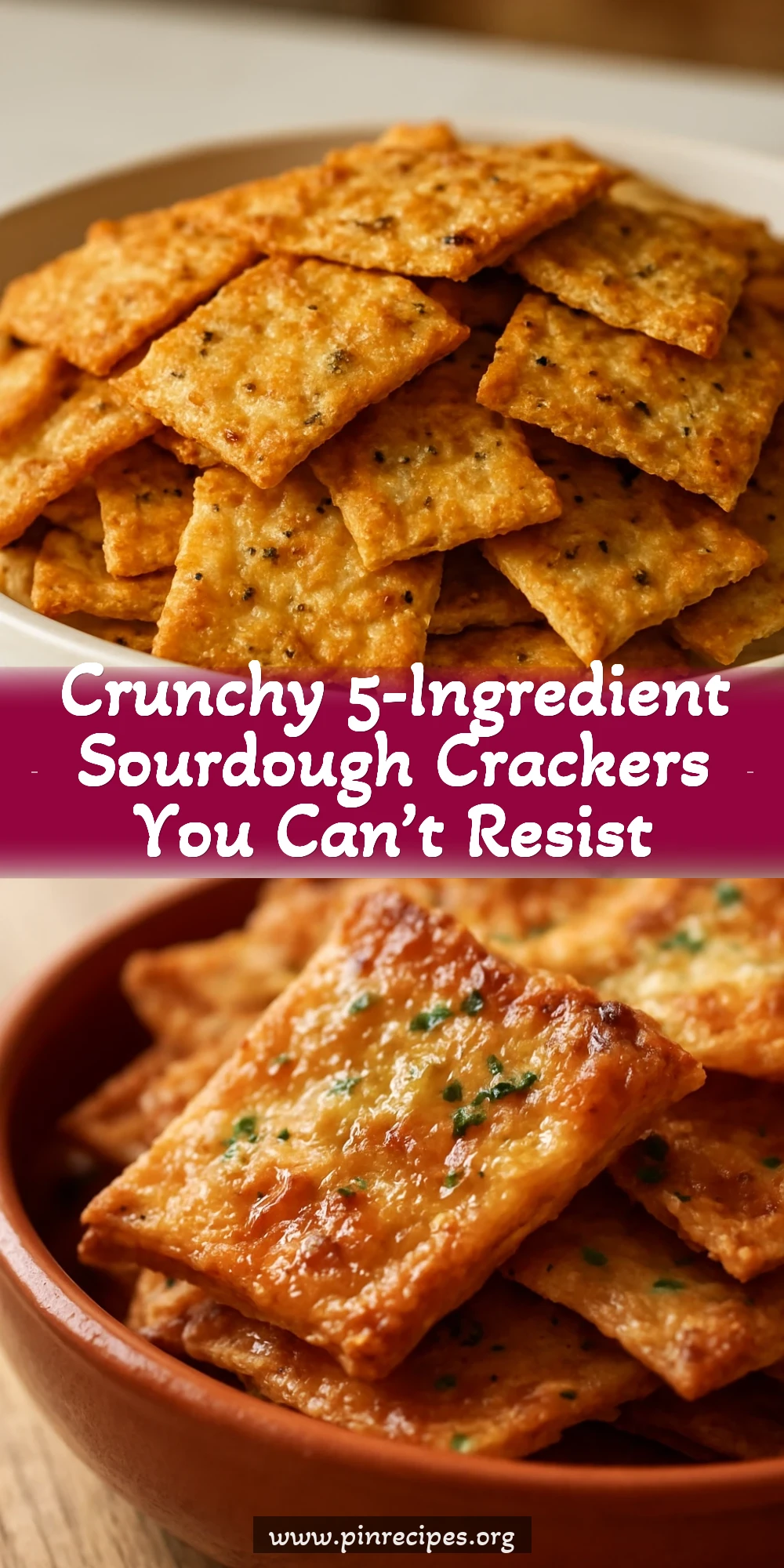
These crunchy sourdough discard crackers are a lifesaver for using up starter leftovers. Just five ingredients, super easy to make, and perfect for snacking or pairing with cheese. You’ll love how crispy and flavorful they turn out!
Introduction
I first stumbled upon this recipe when I had a bunch of sourdough starter discard piling up and didn’t want to waste it. I tried making crackers, and after a few tweaks, I found a version that’s incredibly simple and reliably crisp. What makes these crackers special is how the discard adds a subtle tang and depth of flavor without any complicated steps or extra ingredients. I love that you just mix everything in one bowl, roll it thin, and bake. The trick I learned was to roll the dough really thin and score it before baking so you get perfectly even, crunchy crackers. They bake up golden and crispy with just enough chewiness to be satisfying. These crackers are great for a quick snack, a party appetizer, or paired with your favorite cheese or dip. Honestly, they’re my go-to way to use up discard and avoid waste, and they always get rave reviews from friends and family. If you’ve got starter discard sitting around, give this recipe a try—you’ll be surprised how easy and tasty it is!
What You'll Need
Approximately 24 crackers, 8 servings
- 1 cup sourdough starter discard, unfed and room temperature
- 1 cup all-purpose flour
- 1/4 cup olive oil
- 1/2 teaspoon salt
- 1 teaspoon dried herbs (like rosemary or thyme), optional
How To Do It
Step 1
In a large mixing bowl, combine the sourdough starter discard, all-purpose flour, olive oil, salt, and dried herbs if using. Stir everything together until a shaggy dough forms. It might be a little sticky, but that’s okay. The key here is to mix just until combined to avoid overworking the dough, which can make the crackers tough. Using your hands to bring the dough together helps you feel when it’s ready. Avoid adding extra flour at this stage because the dough should be pliable but not dry.
⏱ Time: 5 minutes
✓ Doneness: Dough holds together in a rough ball, slightly tacky but not overly sticky
Step 2
Lightly flour a clean surface and roll the dough out very thin, about 1/8 inch thick or thinner if you want crispier crackers. The thinner you roll, the crispier the final crackers will be. Use a sharp knife or pizza cutter to score the dough into squares or rectangles before baking. This pre-scoring makes it easy to break the crackers apart after baking without cracking them unevenly. If you skip this, you might end up with irregular shapes or broken crackers.
⏱ Time: 7 minutes
✓ Doneness: Dough is evenly rolled thin with clear scored lines for easy breaking
Step 3
Transfer the rolled and scored dough onto a parchment-lined baking sheet. Prick each cracker a few times with a fork to prevent air bubbles from forming during baking. This step ensures the crackers bake flat and crisp rather than puffing up. If you skip pricking, you might get uneven textures and bubbles, which can make the crackers less enjoyable.
⏱ Time: 3 minutes
✓ Doneness: Evenly spaced fork holes visible on each cracker piece
Step 4
Preheat your oven to 350°F (175°C). Place the baking sheet with the dough in the oven and bake for about 18-20 minutes. Keep an eye on them starting at 15 minutes because ovens vary. You want the crackers to turn a nice golden brown without burning. If you bake too long, they’ll taste bitter; too short, and they’ll be soft.
⏱ Time: 18-20 minutes
✓ Doneness: Crackers are golden brown and crisp to the touch
Step 5
Once baked, remove the crackers from the oven and let them cool completely on the baking sheet. Cooling is important because the crackers will crisp up further as they cool. Don’t try to break them apart while warm or they might be soft and crumbly. Patience here really pays off for that perfect crunch.
⏱ Time: 15 minutes
✓ Doneness: Crackers are firm and snap easily when broken
Step 6
Carefully break the crackers along the scored lines. If any edges are uneven, you can trim them off or save the scraps for snacking. Store the crackers in an airtight container once fully cooled to keep them crisp. Moisture is the enemy here, so airtight storage is key.
⏱ Time: 5 minutes
✓ Doneness: Clean breaks along scored lines with minimal crumbs
Step 7
For extra flavor, sprinkle a little flaky sea salt or your favorite spice blend on top right after baking while the crackers are still warm. This adds a nice finishing touch and elevates the taste. Don’t add salt before baking or it can draw out moisture and affect texture.
⏱ Time: 2 minutes
✓ Doneness: Even coating of seasoning on crackers without sogginess
Step 8
Serve these crackers as a snack on their own or with cheese, hummus, or your favorite dip. They’re sturdy enough to hold toppings without crumbling, making them perfect for entertaining or a simple afternoon nibble. Enjoy the tangy flavor from the sourdough and the satisfying crunch with every bite.
⏱ Time: Immediate
✓ Doneness: Crackers hold toppings without breaking
Step 9
If you want to store leftovers, keep them in an airtight container at room temperature. Avoid refrigeration as it can introduce moisture and make crackers soft. When ready to eat again, give them a quick toast in the oven at 300°F for 3-5 minutes to refresh the crispiness.
⏱ Time: N/A
✓ Doneness: Crackers regain crunch after reheating
Pro Tips
Roll the dough as thin as possible for maximum crispiness.
The thinner the dough, the faster moisture evaporates during baking, resulting in crispier crackers. Thick dough traps steam, leading to softer or chewier textures. Rolling thin also ensures even baking and a delicate crunch.
Score the dough before baking to create neat, breakable crackers.
Scoring guides where the crackers will break, preventing random cracks that cause uneven shapes and texture. It also helps the dough bake evenly by allowing steam to escape along scored lines.
Prick the dough with a fork to avoid air bubbles.
Poking holes releases trapped air that would otherwise puff up the crackers during baking, causing uneven texture and bubbles. This step ensures flat, evenly crisp crackers.
Use room temperature sourdough discard for easier mixing.
Cold discard can make the dough stiff and harder to work with, while warm discard blends smoothly with flour and oil, creating a cohesive dough that rolls out easily.
Cool crackers completely before breaking to maximize crunch.
Hot crackers are softer and prone to breaking unevenly. Cooling allows residual moisture to escape and the crackers to firm up, resulting in a satisfying snap when broken.
Store crackers in an airtight container to keep them crisp.
Exposure to air introduces moisture that softens crackers. Airtight storage prevents this and maintains the desired crunch for several days.
Reheat stale crackers briefly in the oven to refresh crispness.
A quick toast at low temperature evaporates any absorbed moisture, restoring the original crunch without burning or drying out the crackers.
Common Mistakes to Avoid
Rolling the dough too thick
Why it happens Many assume thicker dough makes sturdier crackers, but it traps moisture and prevents crisping.
Fix Roll the dough very thin, about 1/8 inch or less. Use a rolling pin and flour the surface lightly to prevent sticking. Thin dough ensures even baking and a crisp texture.
Skipping the fork pricking step
Why it happens It’s easy to overlook this step, thinking it’s unnecessary.
Fix Always prick the dough evenly with a fork before baking. This releases air bubbles and prevents puffing, ensuring flat, crisp crackers.
Breaking crackers while still warm
Why it happens Impatience or eagerness to taste can lead to breaking hot crackers.
Fix Let crackers cool fully on the baking sheet before breaking. This allows them to firm up and break cleanly without crumbling.
Using fed or bubbly starter discard
Why it happens Some might use active starter thinking it’s better.
Fix Use unfed discard at room temperature. Active starter can cause uneven texture and excessive bubbling during baking.
Storing crackers in non-airtight containers
Why it happens Sometimes crackers are left exposed or loosely covered.
Fix Store crackers in airtight containers or resealable bags to keep moisture out and maintain crispness.
Variations
Cheesy Herb Crackers
Add 1/2 cup finely grated Parmesan or sharp cheddar cheese to the dough along with the herbs. This gives the crackers a savory, cheesy kick that pairs wonderfully with wine or dips.
Note: Cheese adds fat and moisture, so you might need to roll the dough slightly thicker to prevent tearing. Watch baking time closely to avoid burning the cheese.
Spicy Chili Crackers
Mix in 1/2 teaspoon chili flakes and 1/4 teaspoon smoked paprika for a smoky, spicy twist. These crackers are great for those who like a bit of heat with their snacks.
Note: Spices don’t affect dough texture much, but be mindful of not overdoing chili flakes to keep a balanced flavor.
Seeded Multi-Grain Crackers
Fold in 2 tablespoons each of sesame seeds, flaxseeds, and sunflower seeds for added crunch and nutrition. This variation adds texture and a nutty flavor.
Note: Seeds can make the dough a bit more fragile; handle gently when rolling and scoring to maintain cracker integrity.
Gluten-Free Crackers
Substitute all-purpose flour with a gluten-free blend designed for baking. The crackers will be slightly more crumbly but still tasty and perfect for gluten-sensitive friends.
Note: Gluten-free dough tends to be less elastic; add a tablespoon of xanthan gum if your blend doesn’t contain it for better structure.
Sweet Cinnamon Sugar Crackers
Swap herbs for 1 teaspoon cinnamon and sprinkle with sugar before baking for a sweet snack. These are great with tea or as a light dessert.
Note: Sugar can caramelize quickly, so watch the crackers closely near the end of baking to prevent burning.
Nutrition
Per Serving:
Nutritional values are estimates and may vary based on specific ingredients used.
Storage & Tips
Room Temperature
These crackers keep well at room temperature for up to 3 days if stored in an airtight container or resealable bag. Avoid leaving them exposed as moisture will soften them quickly.
Refrigerator
Refrigeration is not recommended because it introduces moisture that softens crackers. If you must refrigerate, keep them in an airtight container and bring to room temperature before serving, but expect some loss of crispness.
Freezer
You can freeze crackers for up to 1 month. Wrap them tightly in plastic wrap and place in a freezer-safe bag to prevent freezer burn. Thaw at room temperature and refresh in a 300°F oven for 3-5 minutes to restore crispness.
Reheating
To re-crisp crackers, preheat your oven to 300°F and toast them on a baking sheet for 3-5 minutes. Avoid microwaving as it can make crackers chewy or soggy. No need to add oil or moisture when reheating.
Make Ahead
You can prepare the dough 1 day ahead, wrap it tightly, and refrigerate. Bring dough to room temperature before rolling and baking. Alternatively, bake crackers fully and store in airtight containers until ready to serve.
FAQ
Can I use fed sourdough starter instead of discard?
It's best to use unfed discard because fed starter is more active and contains more moisture, which can affect dough texture and baking results. Using discard helps control the dough consistency and prevents puffing or uneven texture.
How thin should I roll the dough for crackers?
Aim for about 1/8 inch thickness or thinner if you want very crispy crackers. Thinner dough bakes faster and crisps up better. Rolling too thick will result in softer crackers that may not snap well.
Can I add other flavors like garlic or cheese?
Absolutely! Garlic powder, herbs, or grated cheese work great. Just add them during mixing. Keep in mind cheese adds moisture and fat, so you may need to adjust rolling thickness and watch baking time to avoid burning.
My crackers are soft after baking, what went wrong?
Most likely the dough was rolled too thick, or the crackers weren’t baked long enough to dry out fully. Also, breaking crackers before they cool can make them seem soft. Try rolling thinner and baking until golden and crisp.
Can I freeze the dough or baked crackers?
Yes, you can freeze both. Freeze dough wrapped tightly and thaw before baking. Baked crackers freeze well too; just reheat briefly in the oven to restore crispness after thawing.
What’s the best way to store leftover crackers?
Store fully cooled crackers in an airtight container at room temperature. Avoid refrigeration which can add moisture. If they soften over time, a quick oven toast will refresh them.
Can I make these crackers gluten-free?
Yes, substitute all-purpose flour with a gluten-free baking blend. The texture will be slightly different—more crumbly—but still tasty. Adding xanthan gum can help improve dough elasticity.
Why do I need to prick the dough with a fork?
Pricking releases trapped air bubbles during baking, preventing puffing and bubbles that cause uneven texture. It helps crackers bake flat and crisp.
Final Thoughts
Give these sourdough discard crackers a try—you’ll love how easy and delicious they are. Don’t forget to share your favorite flavor twists or how you served them!